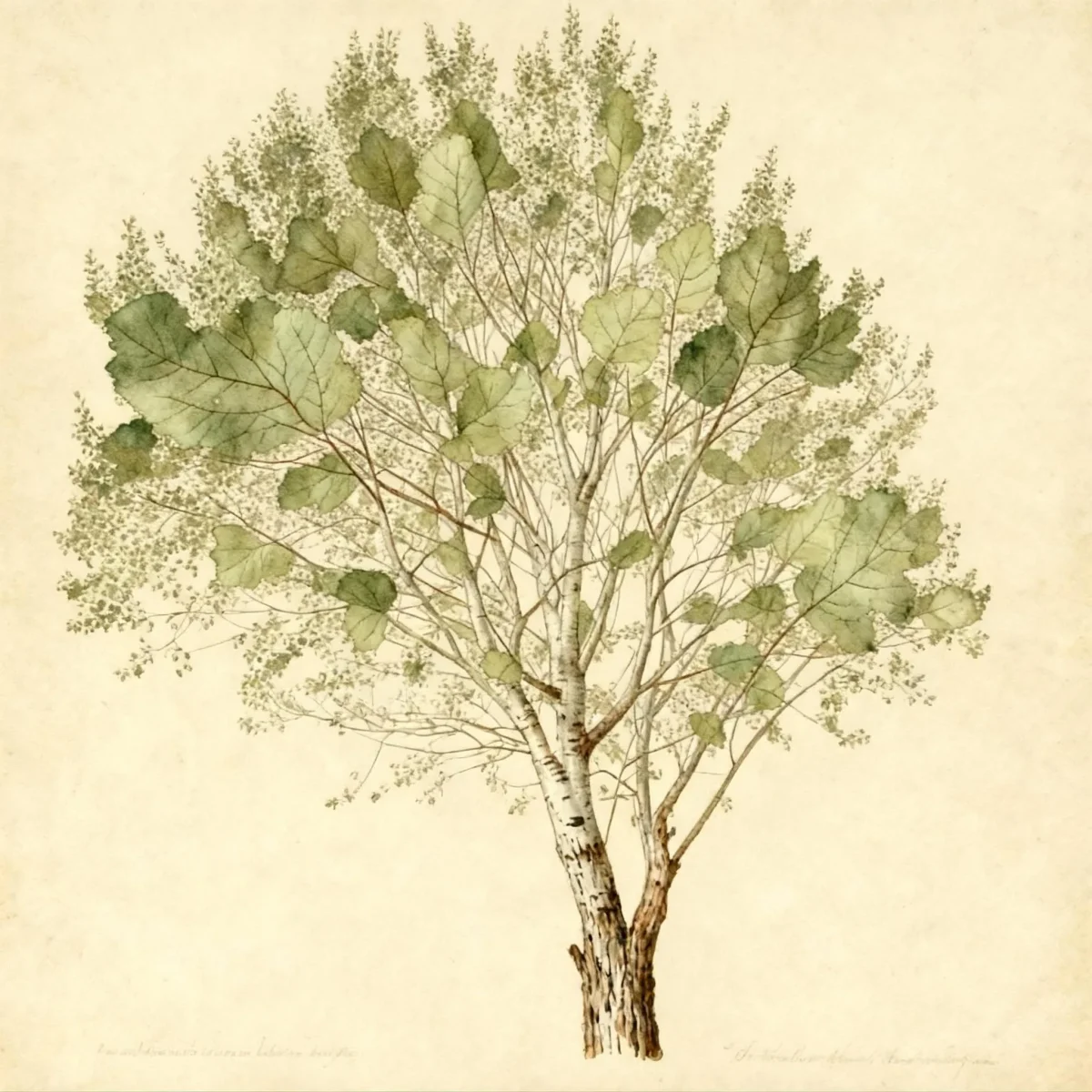
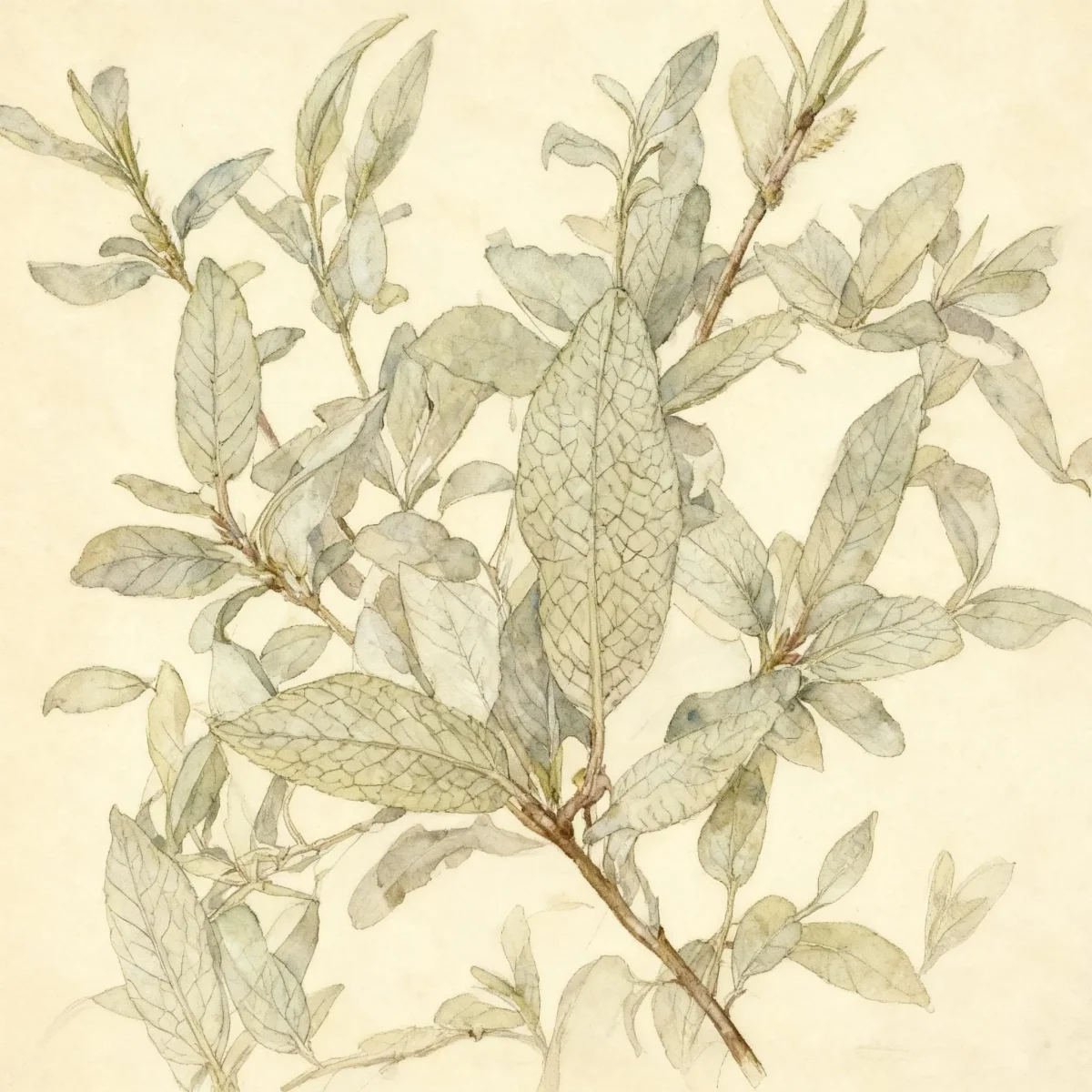
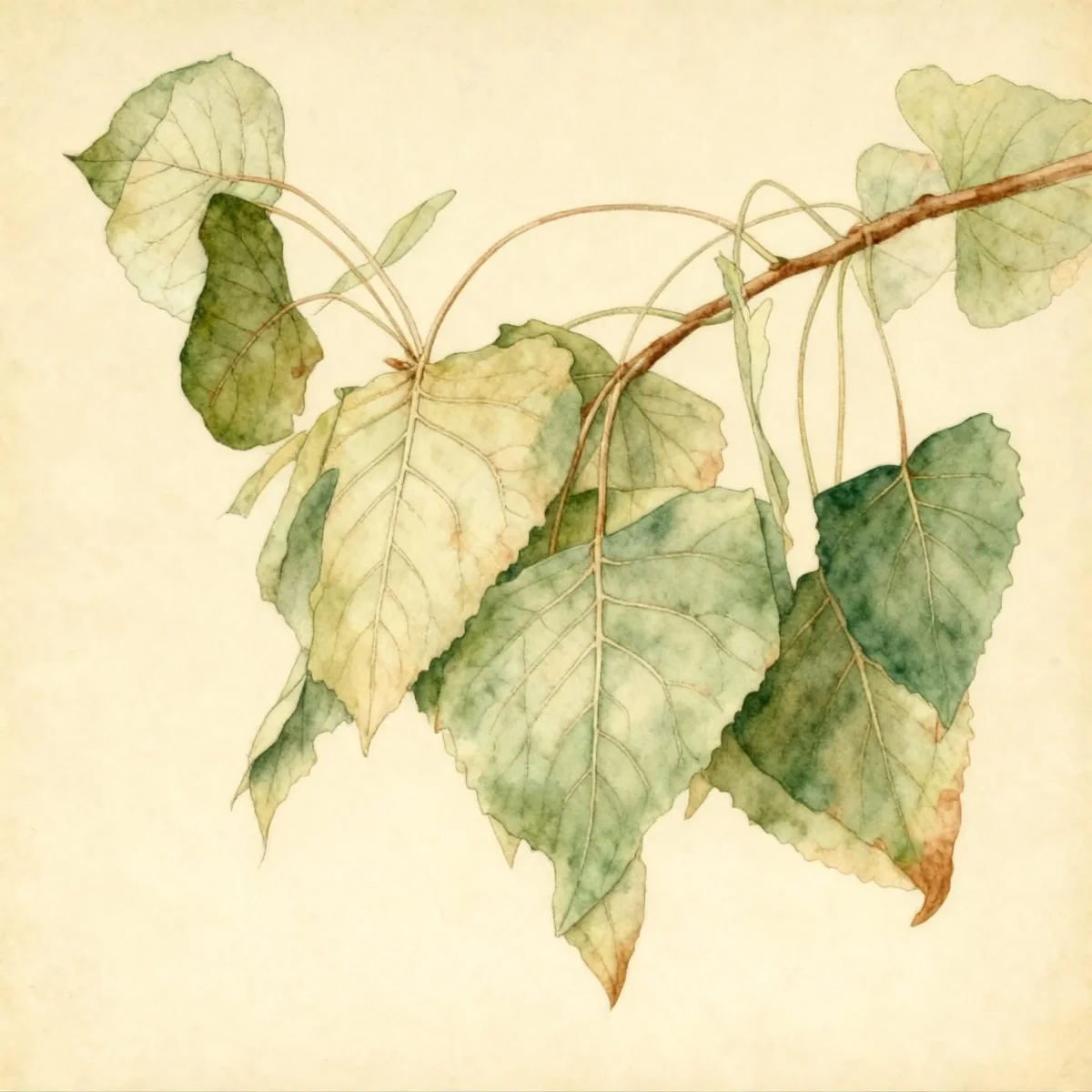
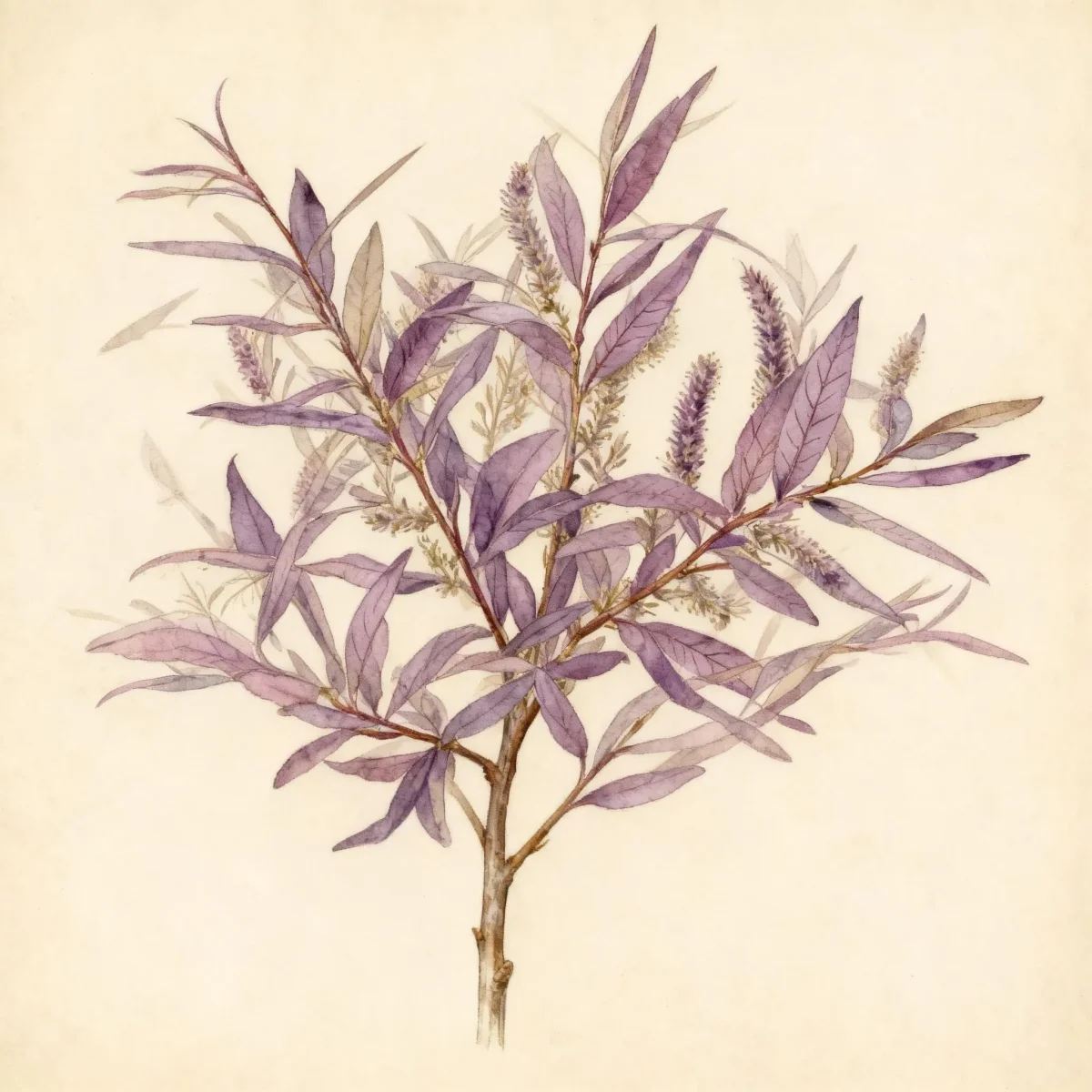
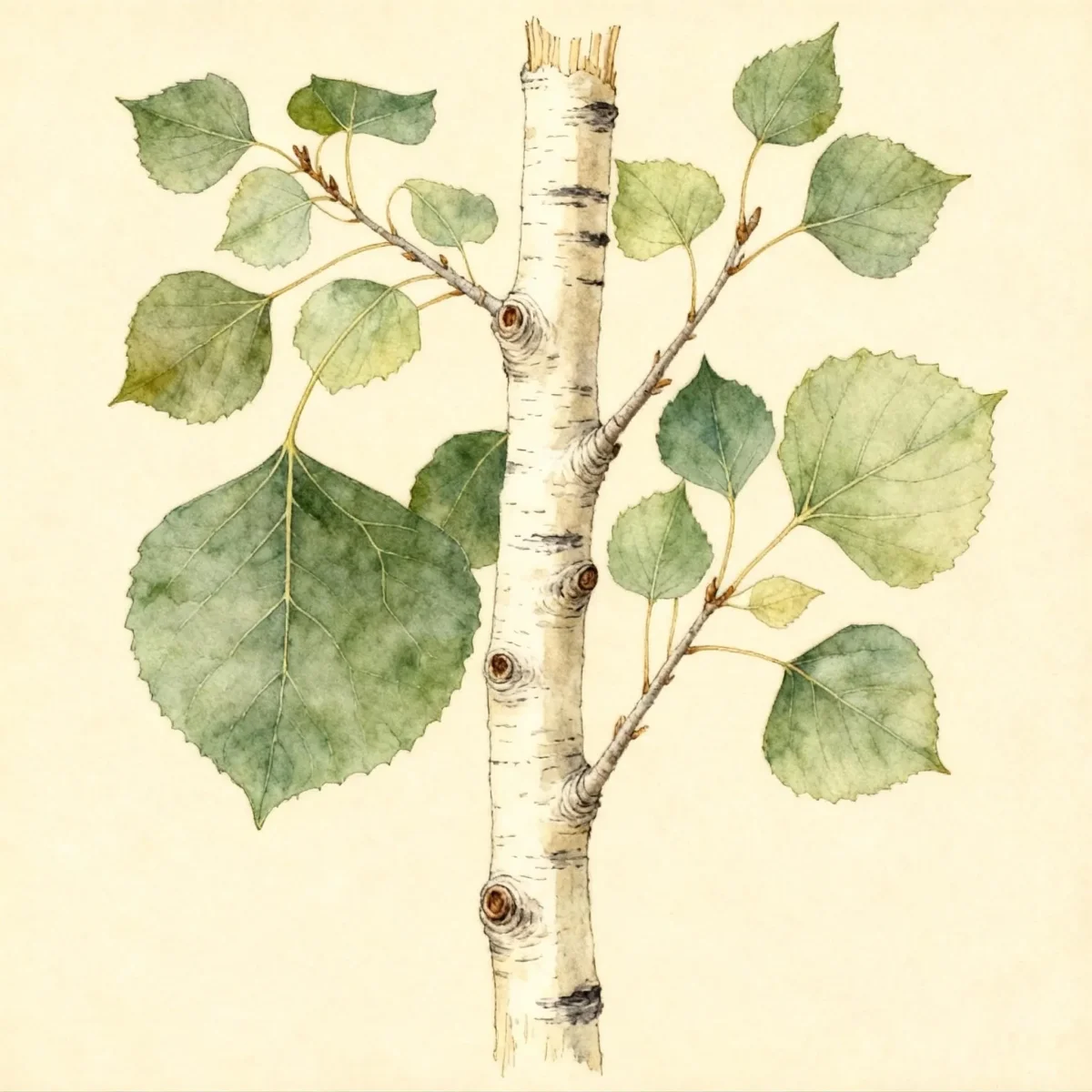
Black poplar (Populus nigra 'Italica')
The columnar Populus nigra 'Italica', or Black poplar, offers striking vertical accent ideal for screens. Grow in full sun in USDA Zones 3-9.
Scroll down to discover growing tips, care requirements, companion plants, and more
Complete Plant Information
Overview
The Populus nigra ‘Italica’, commonly known as the Black poplar or Lombardy poplar, is instantly recognizable by its dramatic, narrow, columnar shape. This fastigiate mutation provides strong vertical accents in the landscape, making it a distinct choice where height and minimal spread are desired. While noted for its rapid introduction into North America in 1784, be aware that this is a short-lived tree species.
This iconic tree thrives in rich, fertile soils and requires consistent moisture to achieve its stately growth. Although often used as a street tree, its structure and growth habit are better suited for large-scale screening or windbreaks due to other inherent maintenance issues. As a male clone, Populus nigra ‘Italica’ produces prominent deep red catkins in early spring before the foliage emerges.
Gardeners seeking instant height and a tightly upright silhouette should consider the Black poplar. However, successful cultivation depends heavily on providing it with ideal, well-drained conditions and ample space away from structures, counterbalancing its attractive form against its potential weaknesses, such as susceptibility to cankers and shallow roots.
Fast Facts
- Plant Family: Salicaceae
- Plant Type: Tree
- Hardiness Zones: USDA Zones 3-9
- Size at Maturity:
- Height: 40-50 ft
- Spread: 10-15 ft
- Bloom Time: March to April
- Bloom Description: Red
- Sun Exposure: Full sun
- Water Needs: Medium
- Maintenance Level: Medium
How to Grow
Plant your Populus nigra ‘Italica’ during the dormant season, ideally in late fall or early spring, ensuring the site receives full sun exposure daily. This tree demands soil that is rich, humusy, and consistently moist, though good drainage is essential to prevent root rot. Since this cultivar is famously a male clone, propagation must occur via cuttings, ensuring the resulting tree will not produce the windborne, cottony seeds associated with female Black poplar trees.
Maintain medium water needs, especially during establishment and dry spells, recognizing that the Black poplar originates from boggy, lowland areas. Fertility is important; enrich heavy soils to provide the necessary nutrients for its rapid growth. Pruning is complex; while the upright branching structure is key to its appeal, weak wood can break in storms, necessitating regular inspection, though heavy structural pruning is often discouraged.
Avoid planting Populus nigra ‘Italica’ near paved areas, foundations, or drainage systems, as its shallow, spreading roots are aggressive and known to lift sidewalks. Furthermore, the tree is notably intolerant of most urban pollutants, making dedicated rural or spacious suburban locations preferable for long-term health. Winter preparation is minimal in its hardy zones, but monitoring for early signs of disease is crucial following dormancy.
Landscape Uses
While historically utilized as a street tree, the inherent issues associated with the Black poplar’s root system and wood quality mean it is often not recommended for close proximity to infrastructure or manicured lawns. Instead, the striking columnar habit of Populus nigra ‘Italica’ excels when used formally as a vertical anchor or as part of an aggressive, fast-growing screen or windbreak.
Use this plant in long, linear borders where its strong vertical lines can contrast with broader, rounded shrubs or deciduous trees. Plant them at least several spreading widths away from sidewalks or septic fields to mitigate root damage risks. This cultivar is valuable precisely where a traditional, wide-spreading shade tree cannot fit, provided the gardener accepts the inherent maintenance obligations.
Standout Features
Flower Qualities
- Showy
Noteworthy Characteristics
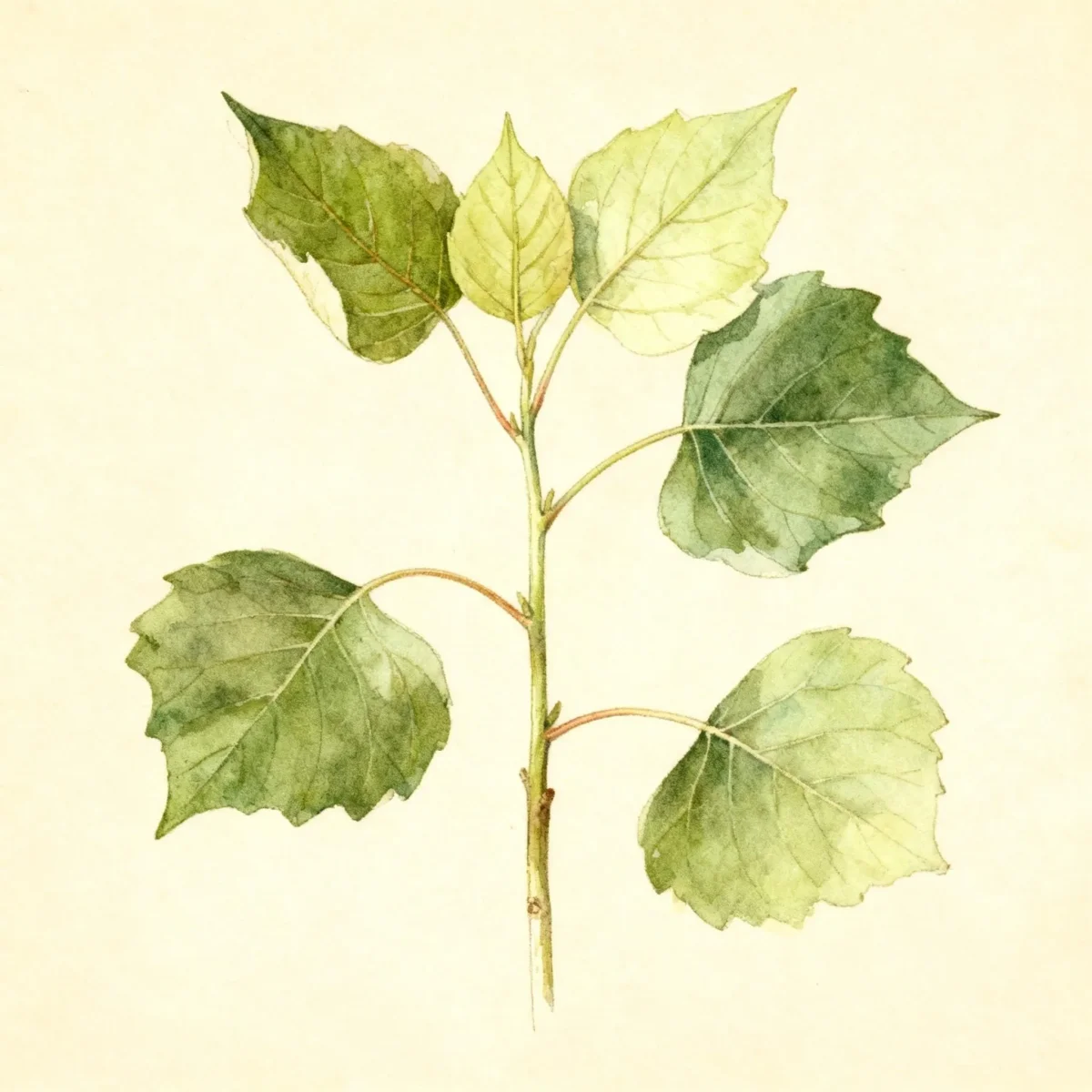
The Populus nigra, commonly called black poplar, is a large deciduous tree historically found across Europe and Asia in lowland areas. Its specific cultivar, ‘Italica’, known as Lombardy poplar, is a fastigiate mutation characterized by exceedingly upright branching running nearly parallel to the trunk, creating a narrow, tapered crown, typically reaching 40-50 feet high but only widening to 15 feet. The intense green foliage turns bright yellow before dropping in the fall. Crucially, this cultivar is male, meaning it contributes pollen but thankfully avoids dropping problematic seed fluff.
Tolerances
- Generally intolerant of urban pollutants.
Potential Problems
The Populus nigra ‘Italica’ is susceptible to several significant biotic and abiotic stresses, making responsible placement vital. Canker diseases, particularly Cytospora canker, pose a serious threat, often attacking the trunk and upper branches, which can prove fatal, especially in warmer, humid climates. Other diseases like leaf spots and powdery mildew occur regularly.
Insect pests such as borers, aphids, and various caterpillars frequently bother the Black poplar, often exploiting weakened wood. Beyond pests and diseases, the physical characteristics pose major problems: the wood is weak and prone to wind damage, and the incredibly shallow, spreading root system readily lifts sidewalks, damages drainage, and makes mowing difficult. Avoid planting this tree in lawns or close to any structure you wish to keep intact.
Frequently Asked Questions
What hardiness zones is Black poplar suitable for?
The Populus nigra ‘Italica’ is winter hardy and best grown in USDA Zones 3 through 9.
How large does Populus nigra ‘Italica’ grow?
This cultivar typically matures to a height between 40 and 50 feet, with a narrow spread ranging from 10 to 15 feet wide.
What sun exposure does Black poplar need?
The Black poplar requires a location receiving full sun for optimal growth, though it can tolerate partial shade.
When does Populus nigra ‘Italica’ bloom?
This tree flowers relatively early, producing deep red, apetalous catkins from March into April before the distinctive leaves emerge.
Conclusion
The Populus nigra ‘Italica’ offers unmatched vertical drama in the landscape, acting as a powerful structural element or an effective fast-growing screen. Despite its ornamental appeal as a male clone, gardeners must carefully manage its susceptibility to disease and protect nearby infrastructure from its invasive roots. Before planting any Black poplar, confirm your local soil and maintenance capabilities align with its high cultural needs.
Propagation Tips
Since Populus nigra ‘Italica’ is a male clone, gardeners rely exclusively on vegetative propagation to maintain the narrow columnar form. This is effectively achieved by taking hardwood cuttings during the dormant season, typically late fall or winter, after the tree has shed its leaves. Cuttings should be pencil-thickness or slightly larger and taken from healthy, one-year-old wood sections, usually 8 to 12 inches long.
Successfully rooting these cuttings requires ensuring the basal end is fresh and potentially treating it with a root-promoting hormone to increase success rates. Plant the cuttings immediately into well-prepared, well-drained soil, ensuring they are placed deeply enough for stability but leaving only two buds exposed above the soil line. Consistent moisture management is crucial throughout the first growing season until roots are established, leading to small saplings the following year.
Companion Planting
When using the Black poplar for windbreaks, consider pairing it with hardier, broadleaf deciduous or coniferous trees that can tolerate similar moist, rich soil types found in USDA Zones 3-9. Select shrubs with a more rounded habit to create visual contrast against the strong vertical lines of the Populus nigra ‘Italica’, such as certain cultivars of highbush blueberry or serviceberry.
Avoid planting sensitive or shallow-rooted perennial borders near the base of the tree, as the poplar’s root system will aggressively compete for water and nutrients while potentially severing any nearby irrigation lines. Focus companion planting efforts well outside the established drip line, or utilize companion plants that are known for aggressive root systems themselves, capable of competing in challenging conditions.