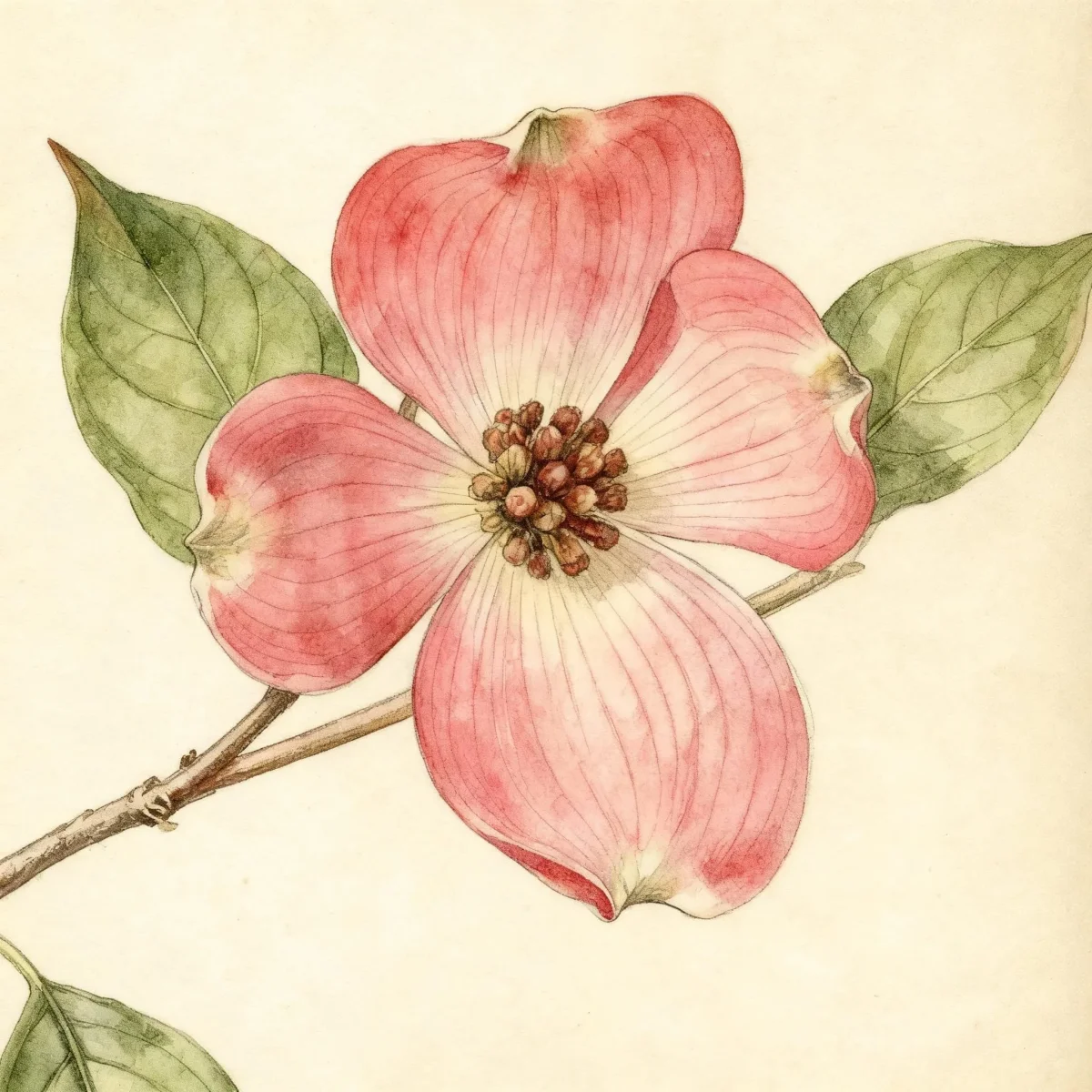
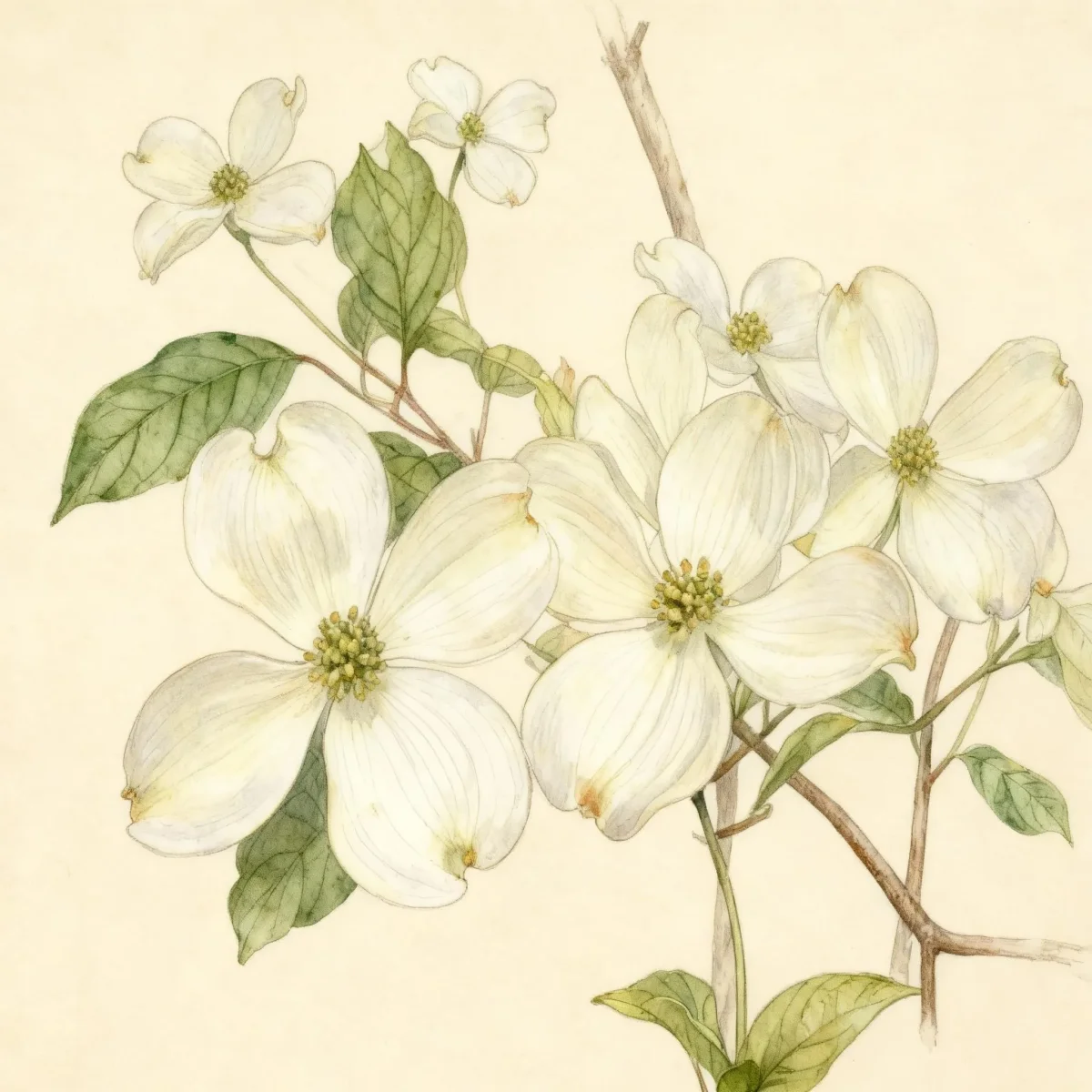
Flowering dogwood (Cornus florida 'Daybreak')
Discover Cornus florida 'Daybreak', the variegated Flowering dogwood offering white spring blooms, excellent fall color, and improved disease resistance.
Scroll down to discover growing tips, care requirements, companion plants, and more
Complete Plant Information
Overview
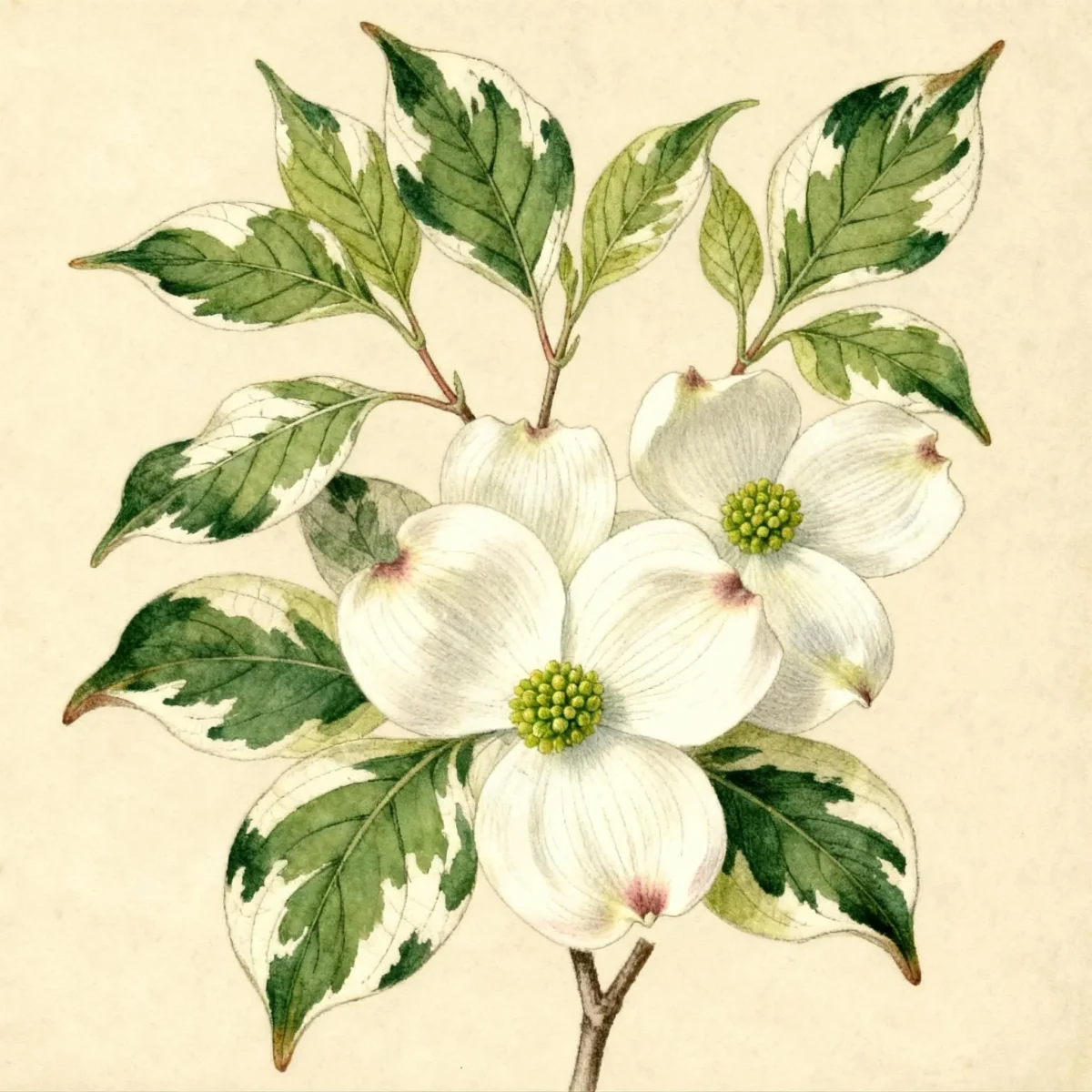
Cornus florida ‘Daybreak’ is a highly valued cultivar of the native Flowering dogwood, prized for its striking variegated foliage that features creamy yellow-white margins framing the olive-green centers. This small deciduous tree provides significant ornamental impact across seasons, culminating in its spectacular spring display of large, white, showy bracts. Gardeners appreciate this variety not only for its beauty but also for its enhanced resistance to dogwood anthracnose compared to many other variegated forms.
As a classic specimen tree, the Flowering dogwood, especially this reliable cultivar, offers a low-branching, somewhat flat-topped habit that integrates perfectly into residential landscapes. Beyond the blossoms, Cornus florida ‘Daybreak’ delivers attractive bright red fruit beloved by birds and finishes the year with vibrant red fall coloration, ensuring year-round interest.
Growing this magnificent specimen requires attention to moisture and soil acidity, as healthy roots lead to robust disease resistance. Proper placement in full sun to partial shade ensures the best flowering and foliage display for your Cornus florida ‘Daybreak’.
Fast Facts
- Plant Family: Cornaceae
- Plant Type: Tree
- Hardiness Zones: USDA Zones 5-9
- Size at Maturity:
- Height: 15-30 ft
- Spread: 15-30 ft
- Bloom Time: April to May
- Bloom Description: White
- Sun Exposure: Full sun to part shade
- Water Needs: Medium
- Maintenance Level: Medium
How to Grow
Plant Cornus florida ‘Daybreak’ in the spring or fall when temperatures are moderate, ensuring excellent establishment before summer heat or winter cold. Location is critical; while it tolerates full sun, these flowering dogwoods thrive best with afternoon shade, especially in hotter climates. They require average, medium-moisture, well-drained, organically rich, and slightly acidic soil conditions for optimal health.
Cultural success hinges on maintaining consistent moisture, particularly during the first few growing seasons. Apply a 2-4 inch layer of organic mulch around the base, ensuring it does not touch the trunk, which helps keep the relatively shallow roots cool and moist throughout the summer. Avoid planting this beautiful tree where severe dogwood anthracnose outbreaks are known, even with its improved resistance.
If pruning is necessary, perform it immediately after flowering ends, removing any damaged or dead wood. Generally, established specimens require minimal fertilization if the soil is rich. Focus maintenance efforts on vigilant watering during dry spells to keep the tree vigorous, minimizing stress that invites opportunistic pests and diseases.
Landscape Uses
The stately form and seasonal interest make the Flowering dogwood an unparalleled choice for residential properties. Cornus florida ‘Daybreak’ functions perfectly as a specimen planting, placed where its early spring flowers and distinctive variegated leaves can be fully appreciated against a darker backdrop. It is equally effective when grouped in a small cluster or used as an elegant accent near patios or entryways.
This tree excels within woodland restoration gardens or native plant settings, where it contributes to ecological diversity. While it is generally too structurally significant for small hedging, it serves beautifully as an understory accent beneath mature canopy trees, provided adequate light filters through. Consider pairing Cornus florida ‘Daybreak’ with early-blooming deciduous azaleas or spring bulbs that share similar acidic soil and moisture preferences.
Its mature size allows it to integrate well into foundation plantings, providing necessary height without overwhelming single-story homes. This white-bracted cultivar offers clean contrast, making it a versatile anchor for mixed perennial and shrub borders.
Standout Features
Flower Qualities
- Showy
Fruit Qualities
- Showy
Noteworthy Characteristics
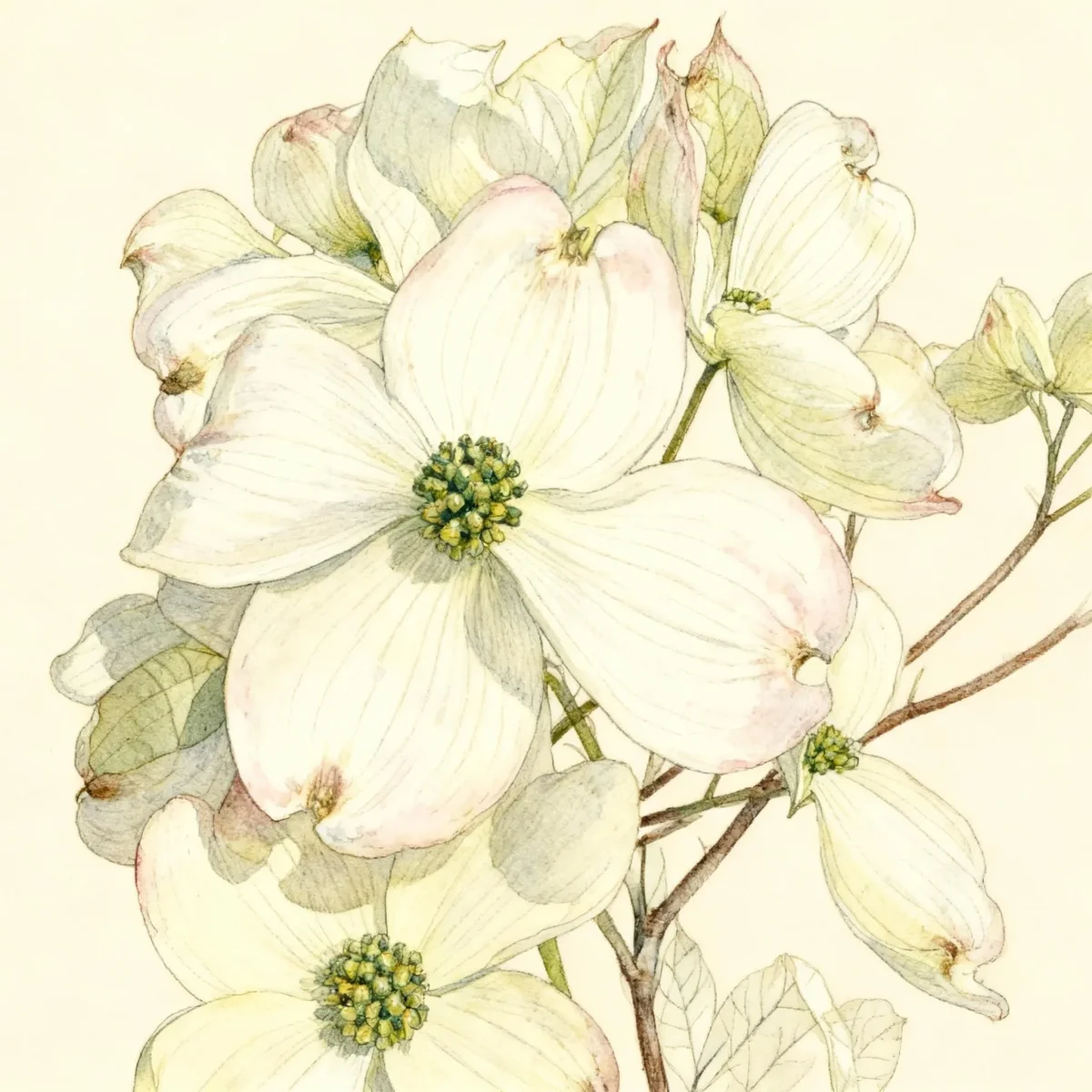
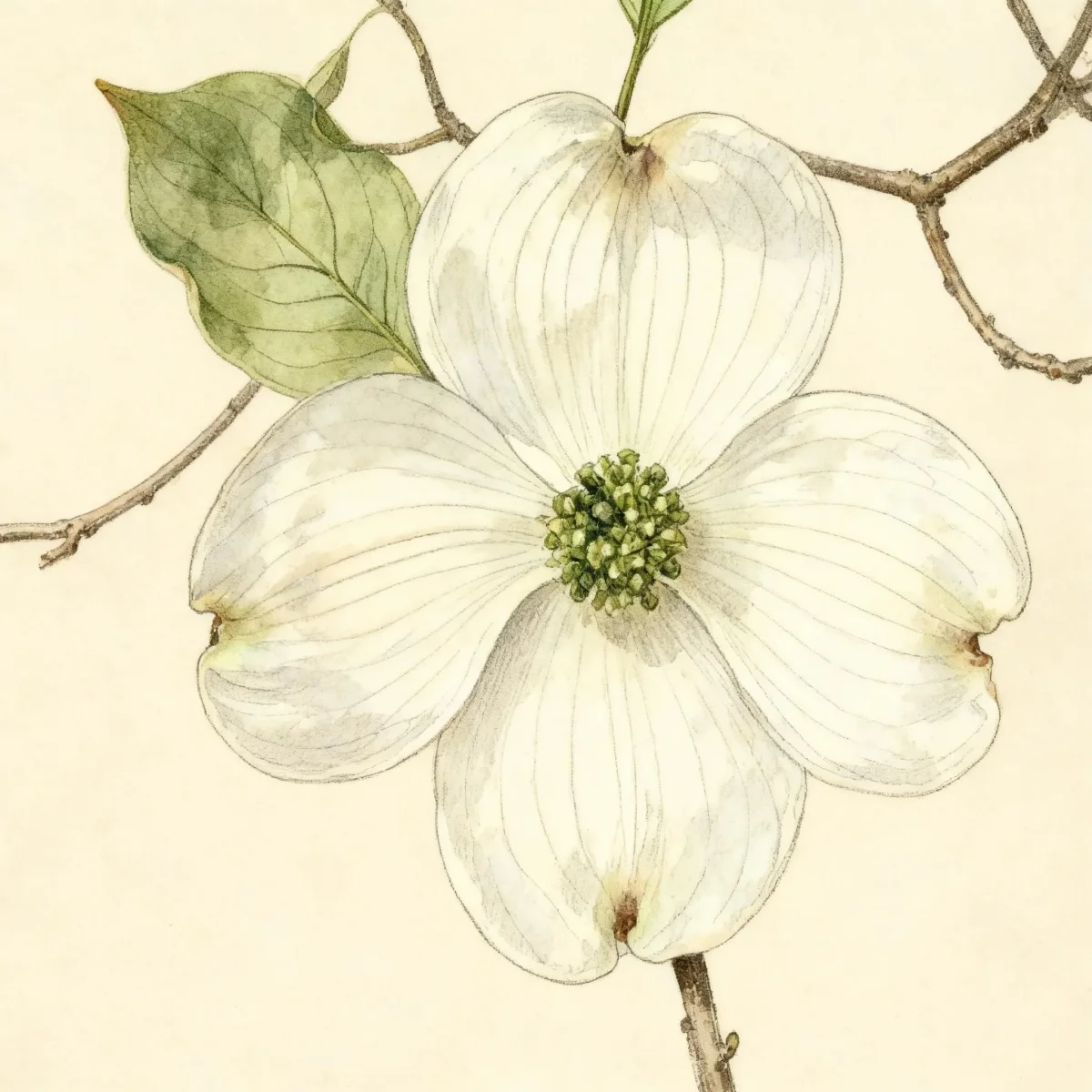
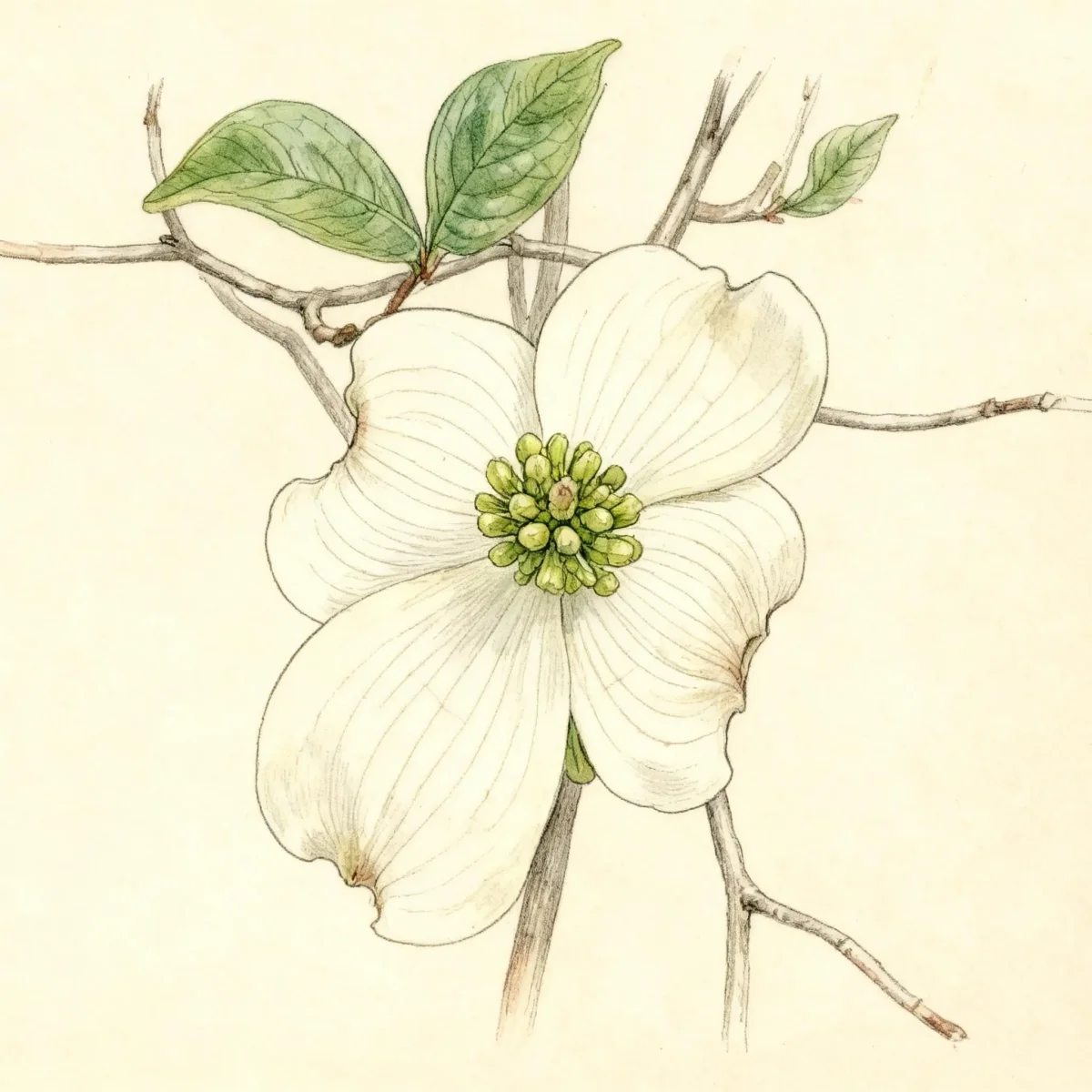
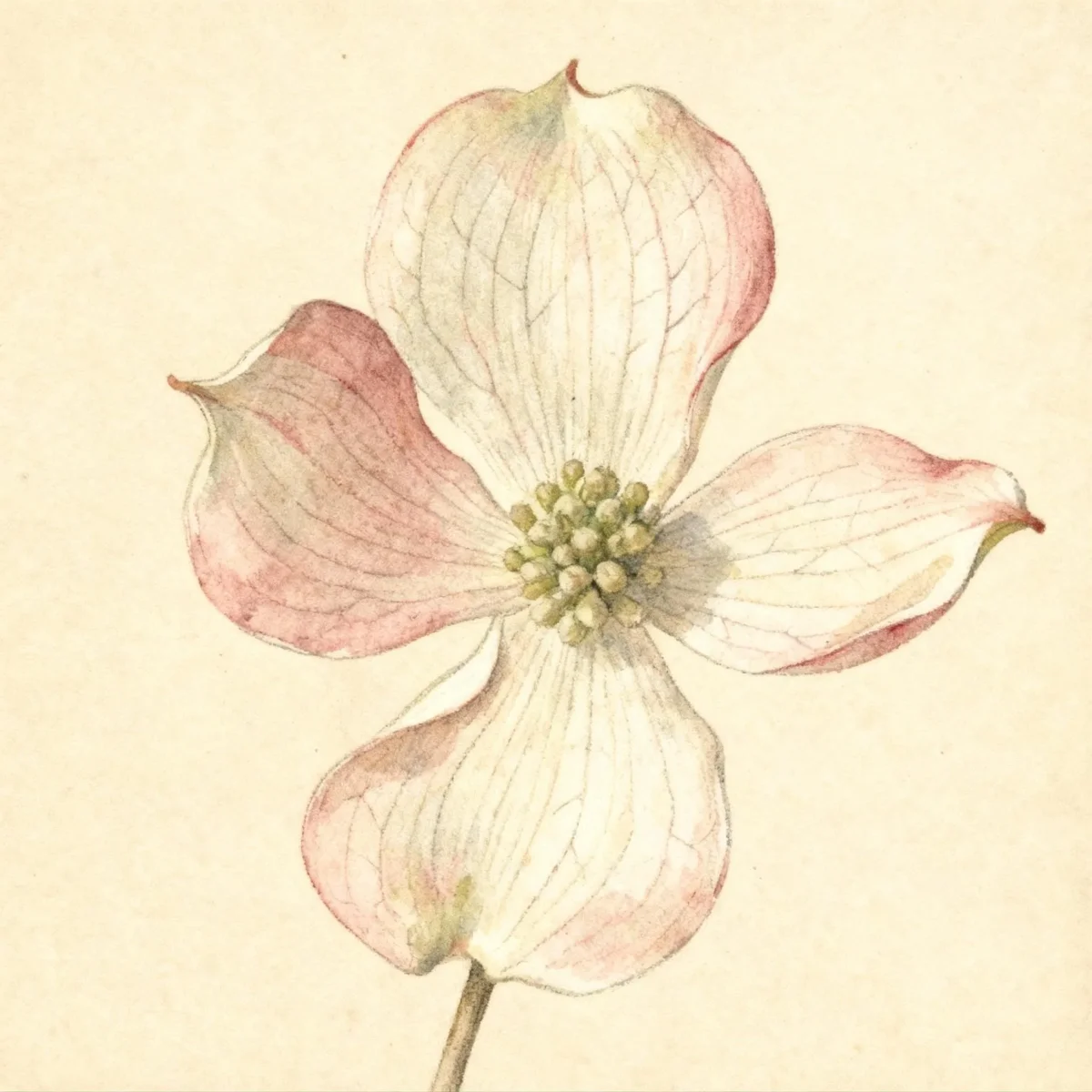
Cornus florida, commonly known as flowering dogwood, is a small deciduous tree that typically grows 15-30’ tall with a low-branching, broadly-pyramidal but somewhat flat-topped habit. The true flowers are tiny, but each cluster is surrounded by four showy, white, petal-like bracts opening flat to appear like a single, large 4-petaled flower. The cultivar ‘Daybreak’ is especially desirable because its leaves are variegated with yellow-white margins, leading to showy red fall color and offering better anthracnose resistance.
Tolerances
- Deer
- Clay Soil
- Black Walnut
Potential Problems
Flowering dogwood, when stressed, is susceptible to several disease issues, the most significant being dogwood anthracnose, which causes devastating leaf spots and twig blight in high-infestation areas. Plants under stress from improper watering or poor soil drainage also become vulnerable to powdery mildew, general leaf spot, and canker. Stressed trees may also attract borers, although scale and leaf miner are less serious insect concerns.
Prevention centers on cultural care: ensure proper soil conditions, avoid environmental stress, and use the mulch layer to maintain cool, consistent root temperatures. If anthracnose is a known local issue, select resistant cultivars like Cornus florida ‘Daybreak’ where possible, and avoid overhead watering to keep foliage dry.
Frequently Asked Questions
What hardiness zones is Flowering dogwood suitable for?
Cornus florida ‘Daybreak’ is reliably hardy in USDA Zones 5 through 9.
How large does Flowering dogwood grow?
This tree typically reaches a mature height between 15 and 30 feet, with a similar spread of 15 to 30 feet.
What sun exposure does Cornus florida ‘Daybreak’ need?
The ideal placement is in full sun to part shade; providing some afternoon shade often benefits the foliage, especially in warmer zones.
When does Flowering dogwood bloom?
The flowering period for this cultivar is generally from April to May, producing its signature white bracts.
Conclusion
Cornus florida ‘Daybreak’ remains a cornerstone of temperate ornamental planting, offering exceptional multi-season beauty, highlighted by its variegated leaves and better disease tolerance compared to older types. Integrating this adaptable Flowering dogwood into your garden provides structure, color, and wildlife value. Before ordering, confirm that your USDA growing zone (5-9) is appropriate and prepare the soil to be rich and well-drained to support this stunning tree.
Companion Planting
Selecting appropriate companions helps ensure the long-term health of your Cornus florida ‘Daybreak’ by minimizing root competition and addressing shared soil needs. Because dogwoods prefer moist, organically rich, acidic soil, they pair naturally with woodland edge plants. Consider Azaleas and Rhododendrons adjacent to the dogwood, as they share these pH and moisture requirements and complement the tree’s structure.
For ground cover beneath the canopy without competing heavily for water, look toward shade-loving perennials like Hosta or native Ferns. Avoid planting lawn grass too close to the trunk, as this contributes to root compaction and moisture depletion, issues that stress the Flowering dogwood significantly.
Wildlife Benefits
The presence of Cornus florida ‘Daybreak’ actively enhances backyard biodiversity. While the true flowers are minor, the resulting fruit crop is an important late-season food source for various bird species. These bright red drupes mature in late summer through fall and often persist, providing crucial sustenance as birds prepare for migration or overwintering.
Furthermore, the dense, low-branching structure of the Flowering dogwood creates excellent nesting opportunities for smaller songbirds. Planting this native specimen directly supports local ecosystems, transforming your yard into a more functional habitat patch.