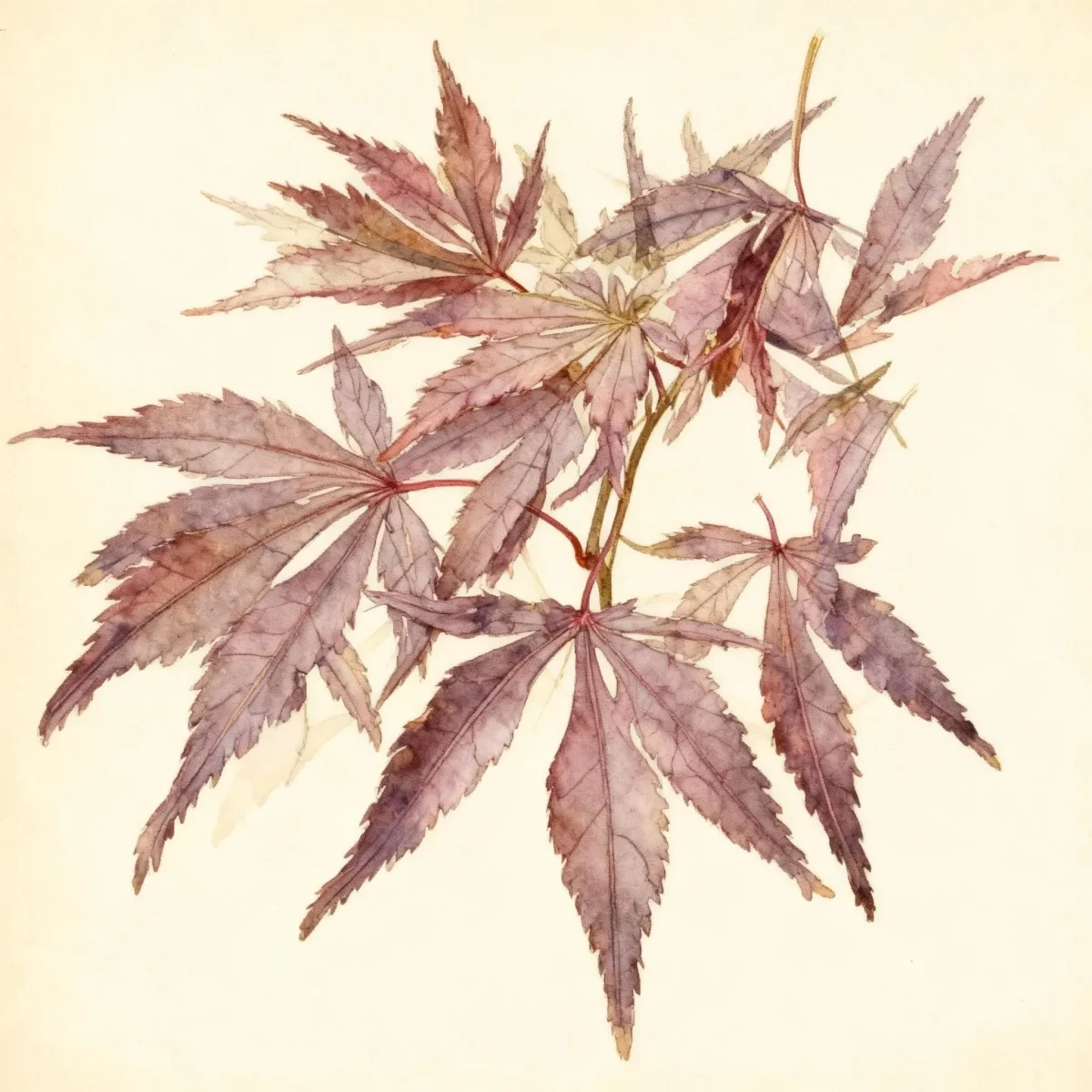
Sycamore maple (Acer pseudoplatanus f. variegatum 'Simon-Louis Freres')
Discover the striking Acer pseudoplatanus f. variegatum 'Simon-Louis Freres', a choice Sycamore maple variety known for its beautiful white-streaked foliage.
Scroll down to discover growing tips, care requirements, companion plants, and more
Complete Plant Information
Overview
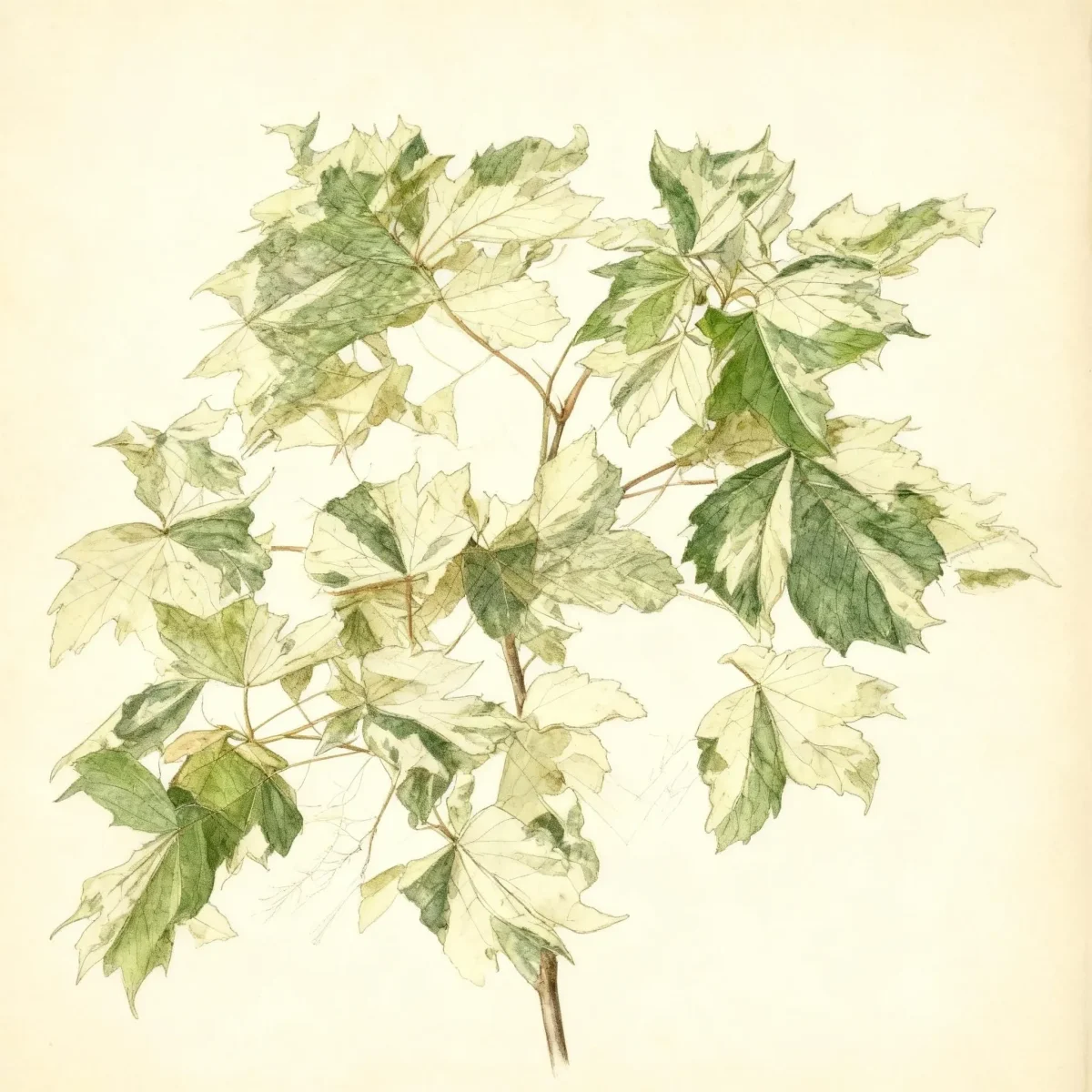
The Acer pseudoplatanus f. variegatum ‘Simon-Louis Freres’, a highly sought-after cultivar of the Sycamore maple, brings exceptional visual interest to the garden through its striking foliage. This deciduous tree emerges with developing leaves tinted in pink and creamy white before settling into a rich green heavily marbled with irregular white streaks throughout the growing season. As a cultivar of the dependable Sycamore maple, it shares the parent plant’s constitution, offering low maintenance and tolerance for difficult urban sites. Gardeners value this specimen for its unique, brightly variegated appearance, offering year-round highlight that contrasts beautifully with solid green plantings.
Fast Facts
- Plant Family: Sapindaceae
- Plant Type: Tree
- Hardiness Zones: USDA Zones 4-7
- Size at Maturity:
- Height: 15-20 ft
- Spread: 15-20 ft
- Bloom Time: May
- Bloom Description: Yellowish-green
- Sun Exposure: Full sun to part shade
- Water Needs: Medium
- Maintenance Level: Low
How to Grow
The Acer pseudoplatanus f. Variegatum ‘Simon-Louis Freres’ is easily established when planted during the cooler times of the year, such as early spring or fall, allowing its root system to develop before summer heat. It thrives in average, medium-moisture, well-drained soils, though it remains remarkably adaptable to a wide range of soil types. Ensure it receives either full sun or partial shade; adequate sunlight helps maximize the vibrancy of the leaf variegation.
Watering should be medium; while establishing, consistent moisture is key. Fortunately, this Sycamore maple cultivar exhibits some drought tolerance once mature, reducing the need for frequent supplemental watering. Maintenance remains low, requiring little more than occasional shaping if needed. This variety generally tolerates urban pollutants and salt spray better than many ornamental trees.
Growers should note that this maple prefers cooler summer climates and may struggle if planted too far south of Zone 7. While it handles poor air quality typical of city environments, avoid planting it in locations prone to extreme, prolonged summer heat.
Landscape Uses
The primary appeal of the Acer pseudoplatanus f. variegatum ‘Simon-Louis Freres’ lies in its attractive variegated leaves, making it an ideal specimen or accent tree around the home where its form and color can be appreciated up close. Because it is a compact version of the larger Sycamore maple, usually reaching only 15 feet within its first decade, it works well in smaller garden spaces where standard maples would overwhelm the site. Use it as a focal point against dark green hedges or near entryways to draw the eye toward its distinctive growth habit and patterned foliage.
Standout Features
Flower Qualities
- Insignificant
Noteworthy Characteristics
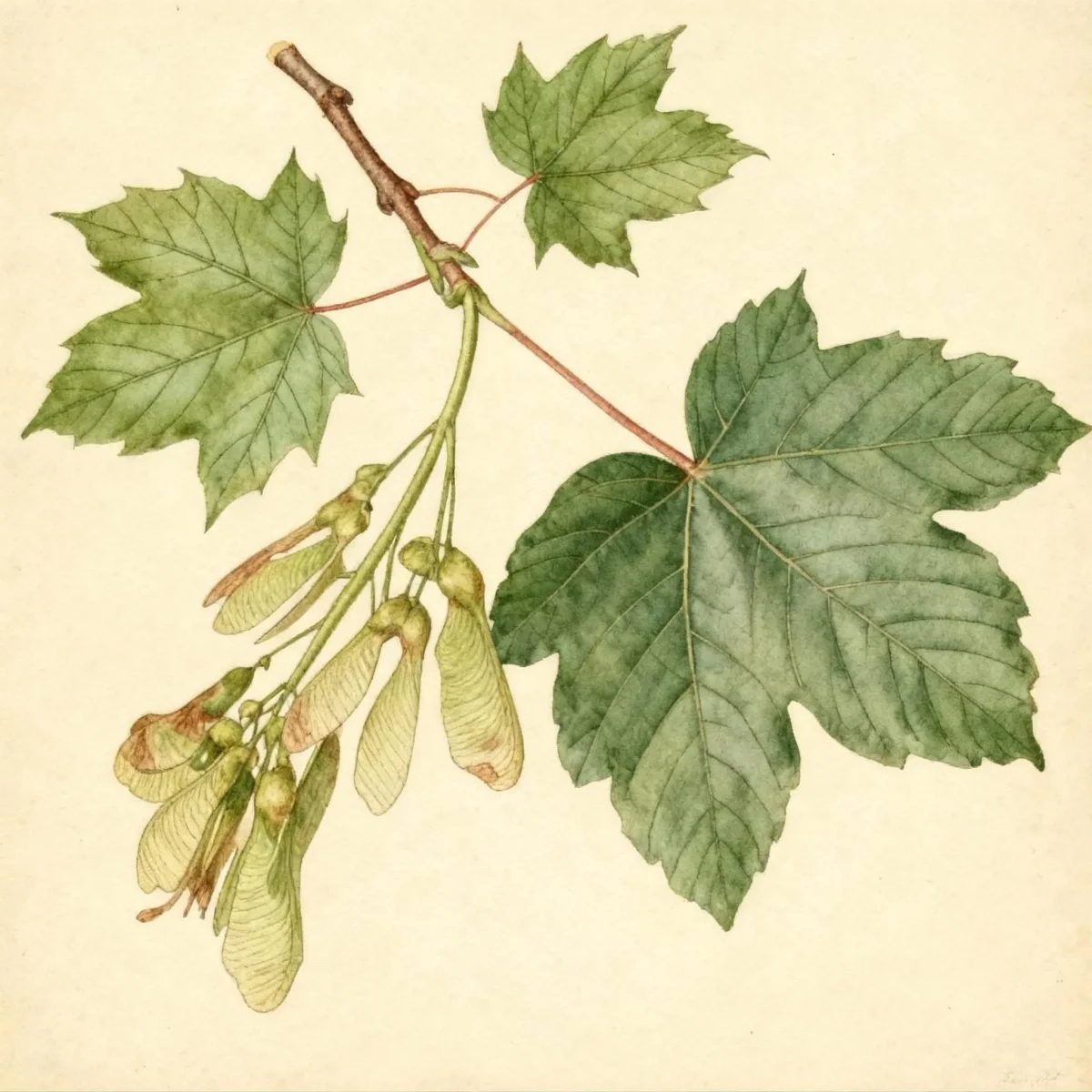
Acer pseudoplatanus, commonly called sycamore maple or planetree maple, is native to northwest/central Europe and western Asia. It is a rounded, spreading, deciduous tree that grows 40-60’ (less frequently to 100’) tall. Leathery, coarsely-serrate, prominently-veined, 5-lobed, dark green leaves (to 6” across) are dull green beneath. Leaves produce no fall color. Yellow-green flowers appear in panicles (to 5” long) in spring after the foliage emerges. Flowers are followed by pairs of samaras (to 2” long) with the wings typically forming a 60 degree angle. Samaras mature in early autumn. Bark on mature trunks will flake, exposing inner orange bark. Genus name of Acer is the Latin name for a maple tree. Specific epithet means false sycamore (pseudo meaning false and platanus being the genus for sycamore). Forma variegatum basically covers sycamore maples with green leaves which are variegated with yellow or white. ‘Simon-Louis Freres’ is a cultivar that features leaves which emerge pink and creamy white in spring, mature to green variegated with irregular blotches and streaks of white, and finally turn undistinguished shades of yellow to bronze in fall. It is named after the Simon-Louis Freres nursery at Plantieres near Metz, France where it was first raised in 1881. It was introduced into the U. S. By the Arnold Arboretum in 1955. It is a compact version of sycamore maple that will typically grow to 15’ tall over the first 10 years. It is rare and may be difficult to find in commerce.
Tolerances
This Sycamore maple cultivar exhibits high tolerance for urban stressors, making it a reliable choice for challenging settings.
Potential Problems
Canker is the most significant potential disease problem associated with Acer pseudoplatanus, a risk that can weaken branches or the main trunk. Ensure excellent air circulation around the tree, especially in humid environments, by avoiding overly dense planting arrangements. Proper soil drainage is crucial; standing water or soggy conditions stress the tree, making it more susceptible to fungal issues like canker.
Frequently Asked Questions
What hardiness zones is Sycamore maple suitable for?
The Acer pseudoplatanus f. variegatum ‘Simon-Louis Freres’ is suitably hardy in USDA Zones 4 through 7.
How large does Acer pseudoplatanus f. variegatum ‘Simon-Louis Freres’ grow?
This cultivar is a compact selection, generally reaching a mature height and spread between 15 to 20 feet.
What sun exposure does Acer pseudoplatanus f. variegatum ‘Simon-Louis Freres’ need?
This tree performs best when situated in an area receiving full sun or light to partial shade.
When does Sycamore maple bloom?
Flowering occurs in May, producing relatively inconspicuous yellowish-green blossoms.
Conclusion
For gardeners seeking low-maintenance structure paired with stellar foliage, the Acer pseudoplatanus f. variegatum ‘Simon-Louis Freres’ is an exceptional choice, providing dynamic variegation where many other maples disappoint. Its relative tolerance to pollution and drought makes it particularly useful in modern landscapes. Before purchasing this rare Sycamore maple, confirm your location falls within Zones 4-7 and plan for a site that balances sun exposure to best showcase those fantastic white streaks.
Companion Planting
Selecting companions for Acer pseudoplatanus f. variegatum ‘Simon-Louis Freres’ involves matching its moderate water and diverse sun requirements. Shade-tolerant perennials that offer deep, rich green or burgundy foliage provide an excellent backdrop, allowing the variegated leaves to truly pop. Consider planting hostas with dark blue or deep green textures, or shade-loving ferns, near the base of the tree. Since the maple exhibits low maintenance, choose groundcovers that require little fuss, such as Pachysandra or Vinca minor, which can also assist in maintaining even soil moisture around the Sycamore maple’s roots.
Seasonal Care Calendar
Spring is the critical time for observing the emergence of the ‘Simon-Louis Freres’ leaf color; ensure adequate moisture as the leaves expand rapidly. Avoid heavy pruning during this phase unless removing winter-damaged wood. During summer, monitor for stress if planted in hot, dry conditions; while somewhat drought tolerant, supplementary deep watering during extended dry spells benefits vigor. Autumn cleanup should focus on removing fallen leaves, although this Sycamore maple variety’s foliage turns undistinguished shades of yellow or bronze before dropping. Winter care is generally hands-off, though young trees benefit from trunk protection against sun scald in very cold climates.