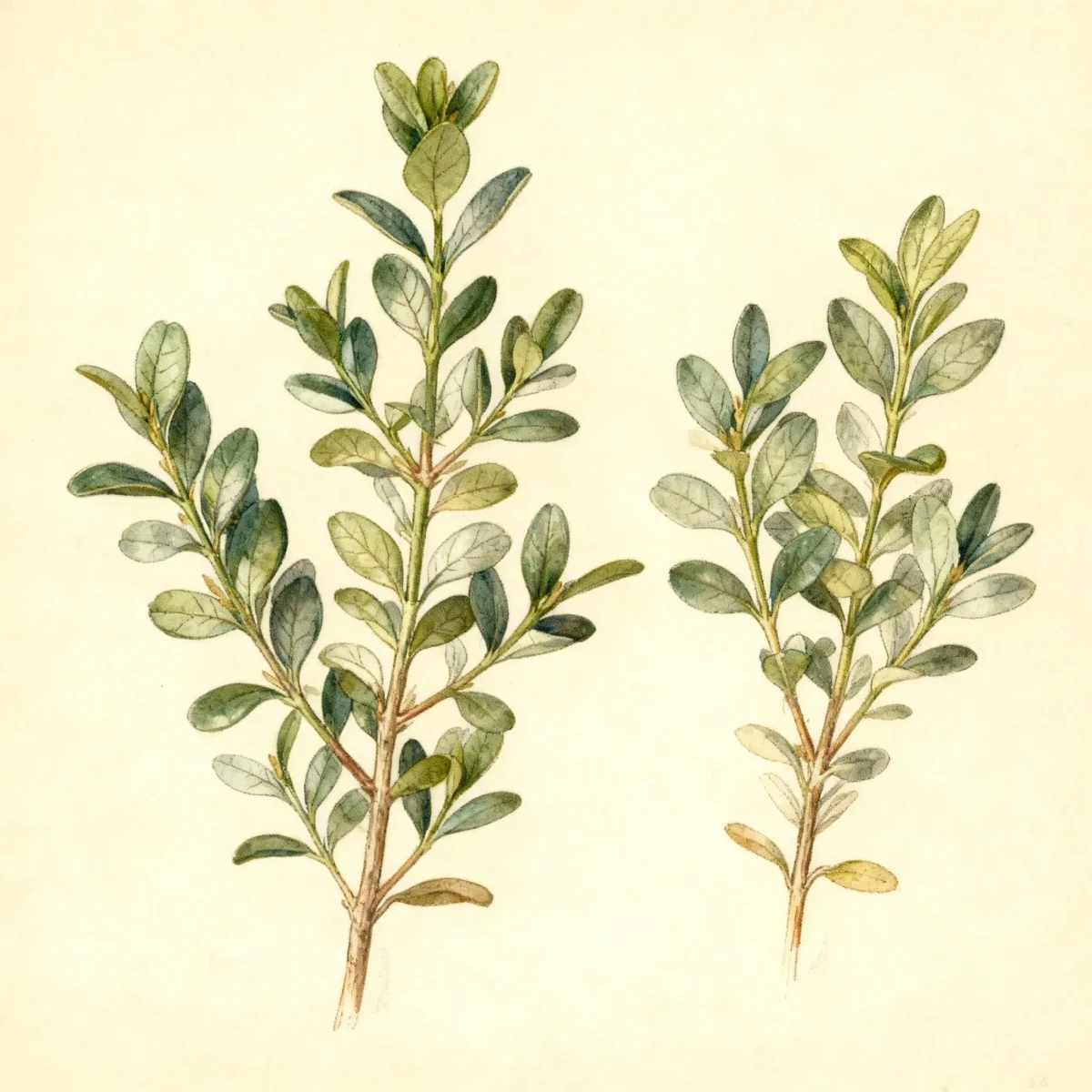
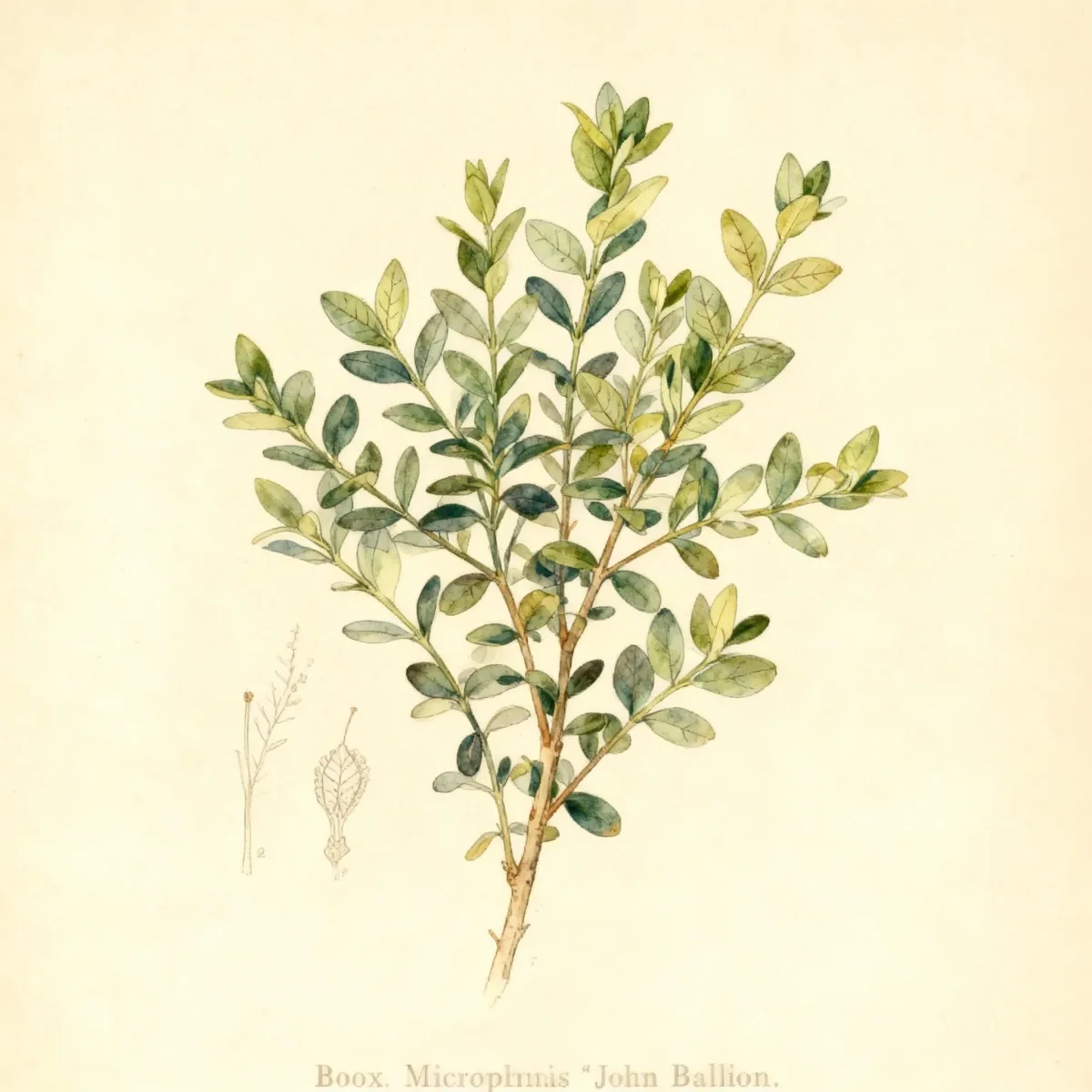
Boxwood (Buxus sempervirens 'Silver Beauty')
Buxus sempervirens 'Silver Beauty' Boxwood is a dense, slow-growing evergreen with attractive variegated foliage perfect for hedges.
Scroll down to discover growing tips, care requirements, companion plants, and more
Complete Plant Information
Overview
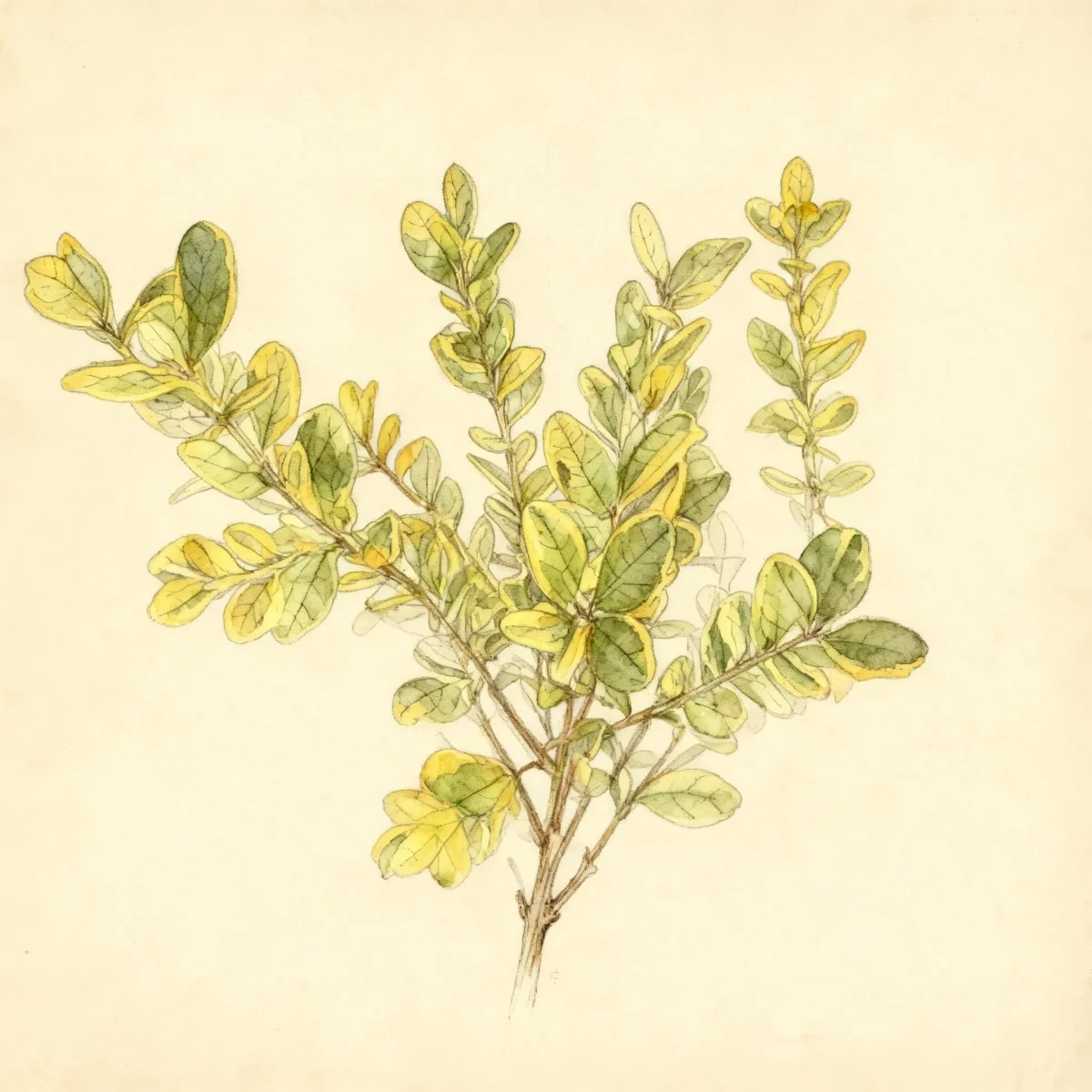
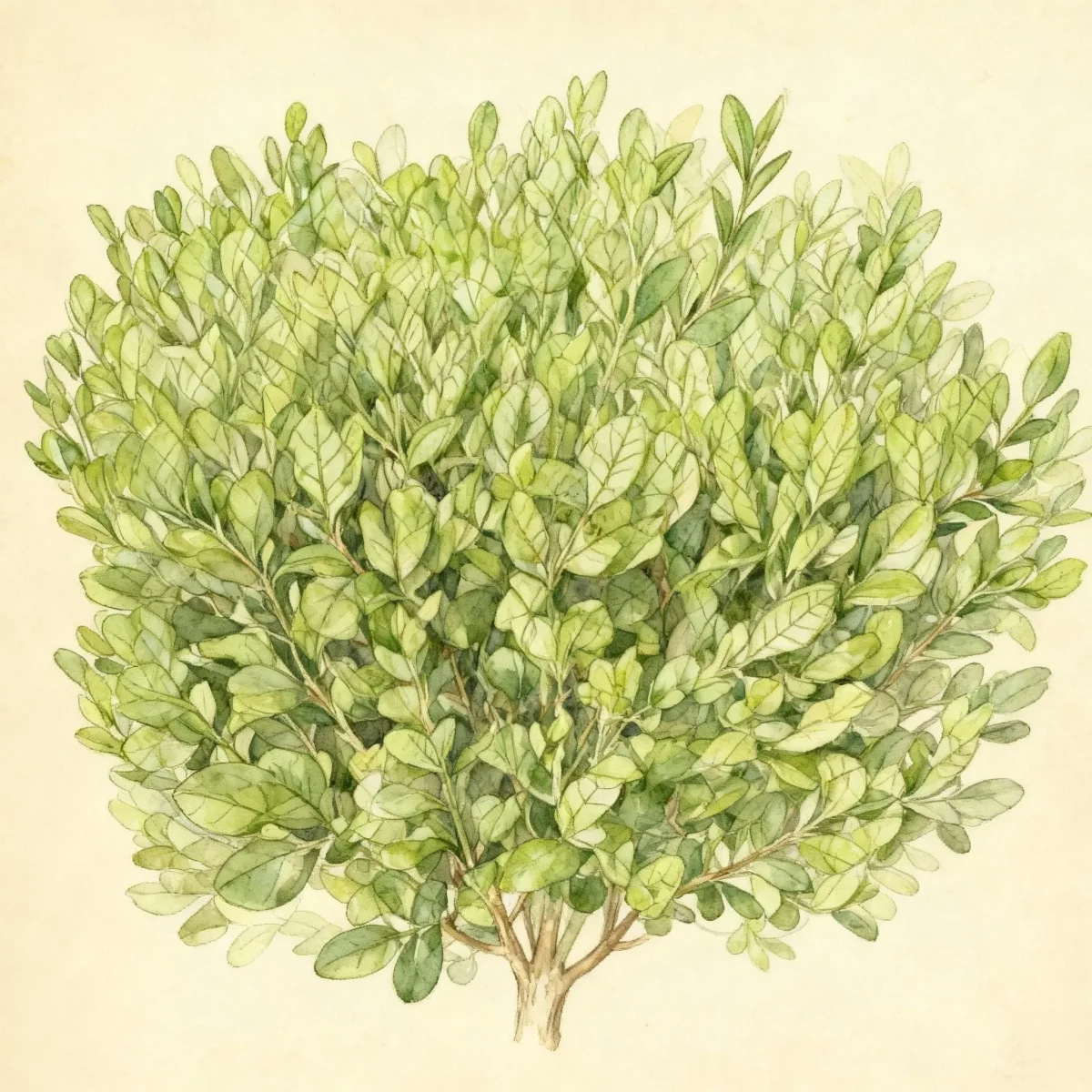
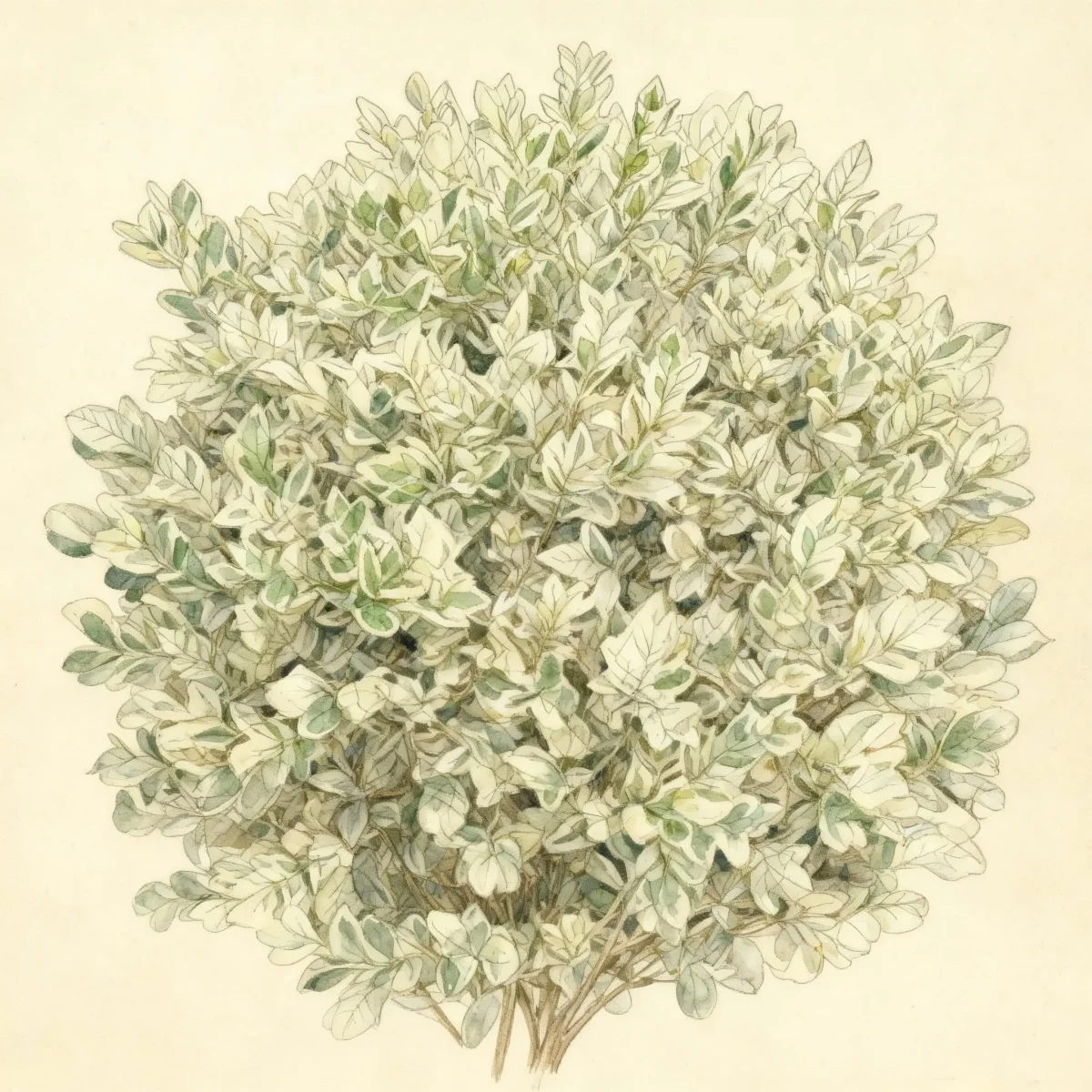
The cultivar Buxus sempervirens ‘Silver Beauty’ offers distinctive variegated foliage, making it a valuable inclusion in formal garden designs. This Boxwood is recognized for its dense, pyramidal-rounded habit, providing year-round structure and texture. Its creamy-silver margins contrast sharply with the dark green centers of the oblong leaves.
As a slow-growing evergreen shrub, Buxus sempervirens ‘Silver Beauty’ requires medium maintenance but offers significant aesthetic payoff in foundation plantings or hedges. It shares the traditional toughness of the common Boxwood while providing added ornamental interest through its lighter leaf coloring.
Gardeners planting this choice Boxwood benefit from its versatility in clipped forms or when massed to create narrow boundaries. Proper siting is key to maintaining the vibrant coloring of Buxus sempervirens ‘Silver Beauty’ throughout the winter months.
Fast Facts
- Plant Family: Buxaceae
- Plant Type: Broadleaf evergreen
- Hardiness Zones: USDA Zones 5-8
- Size at Maturity:
- Height: 2-3 ft
- Spread: 3-4 ft
- Bloom Time: April to May
- Bloom Description: Pale green to yellow to white
- Sun Exposure: Full sun to part shade
- Water Needs: Medium
- Maintenance Level: Medium
How to Grow
Planting Buxus sempervirens ‘Silver Beauty’ is best achieved in spring or early fall in well-drained loams, such as a sand-clay mixture. This Boxwood thrives from full sun to light, dappled shade, though too much intense afternoon sun, especially when combined with winter winds, can lead to leaf scorch or bronzing.
Maintain an evenly moist soil; avoid letting the area become soggy, as this increases the risk of root rot. Because Boxwood has shallow roots, avoid deep cultivation directly around the base of the plant. Instead, apply a 1-2 inch layer of organic mulch, like bark or compost, to conserve moisture and regulate soil temperature.
Pruning and shearing are well tolerated, but timing is crucial. Never prune before the last spring frost date, as new, tender growth stimulated by early pruning can be killed by a late freeze. Annually thin out the interior of the shrub to promote better air circulation, which helps thwart fungal issues. Siting Buxus sempervirens ‘Silver Beauty’ where it is sheltered from harsh winter winds is essential for foliage health.
Landscape Uses
The compact size and attractive variegated leaves of Buxus sempervirens ‘Silver Beauty’ make it exceptionally suitable for precise formal gardens. It works wonderfully as a vertical specimen or accent, particularly in foundation plantings where a low, tidy profile is needed throughout the year.
This Boxwood is ideal for mass planting to establish a narrow, clean hedge line, giving Mediterranean garden designs a crisp structure. It also adapts well to being shaped into topiary forms or grown in large containers near entryways. The cultivar’s ability to maintain structure allows it to serve as excellent year-round contrast against deciduous plantings.
Standout Features
Flower Qualities
- Insignificant
Noteworthy Characteristics
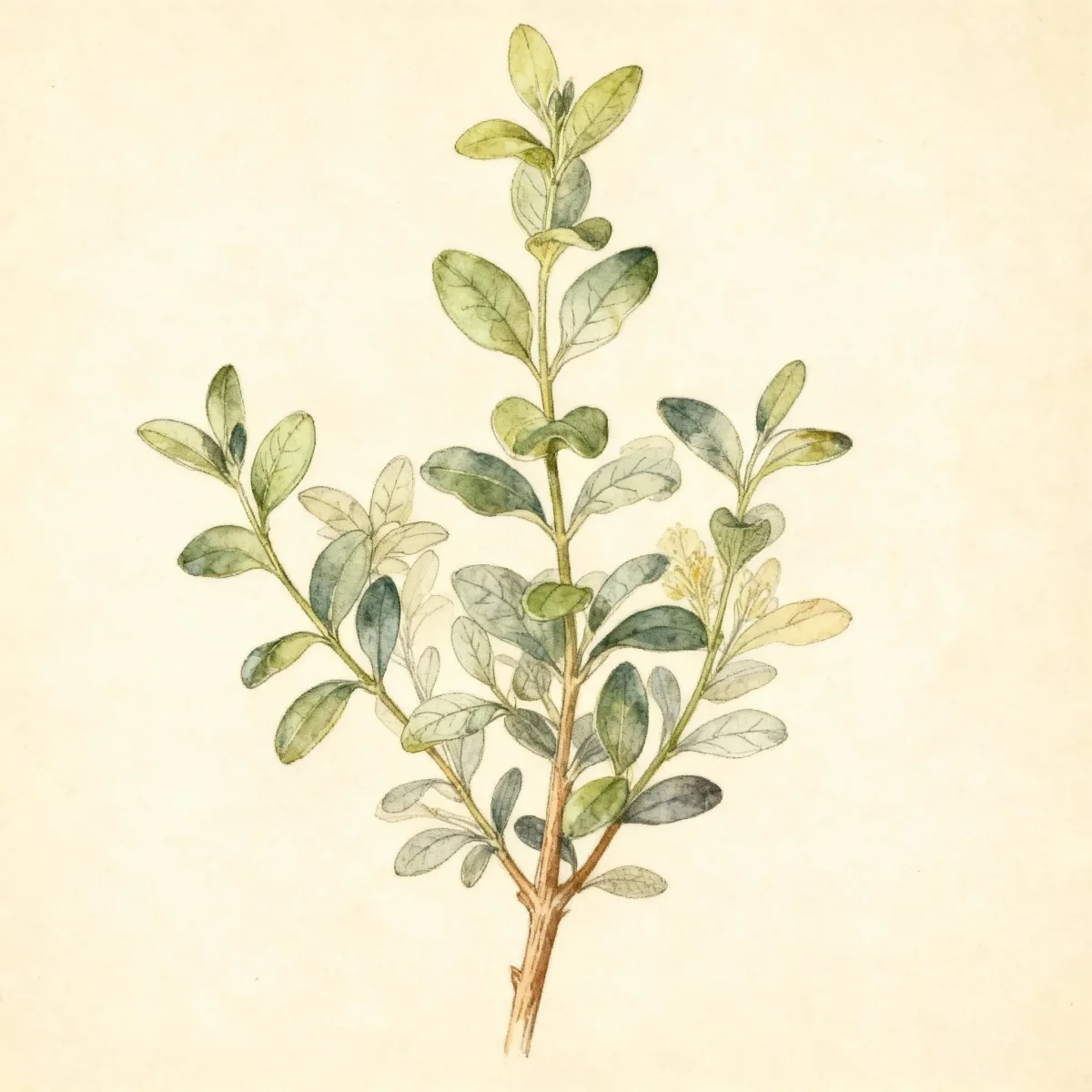
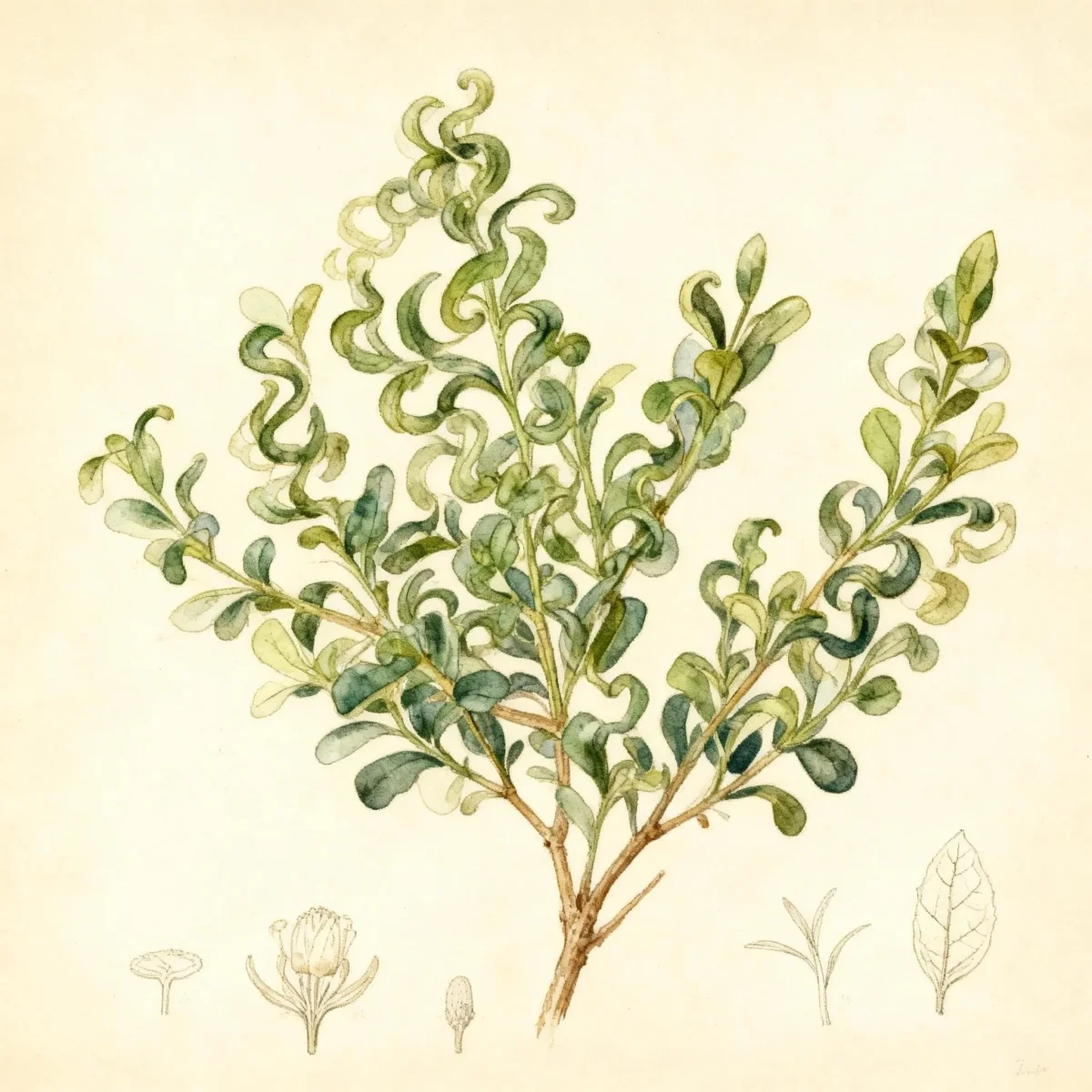
Buxus sempervirens is typically a broad-rounded shrub or small tree noted for its simple, opposite, dark glossy green evergreen leaves. The ‘Silver Beauty’ cultivar is specifically prized as a slow-growing evergreen shrub that matures to about 3 feet tall with oblong variegated leaves displaying irregular creamy-silver margins. The genus name references the Latin name for these plants, while the specific epithet means “always green.”
Tolerances
- Rabbit
- Deer
Potential Problems
Boxwood foliage can bronze to an unattractive brownish-yellow color during harsh winters, especially when exposed to significant sun and drying winter winds. Susceptibility to diseases like boxwood blight, volutella blight, and leaf spot requires preventative cultural practices. Ensure excellent drainage to avoid fungal root rot issues common in poorly-drained soils. Be watchful for pests such as the boxwood mite, leafminer, and psyllid, as new growth is particularly vulnerable to damage.
Frequently Asked Questions
What hardiness zones is Boxwood suitable for?
This Boxwood variety is suitable for USDA hardiness zones 5 through 8.
How large does Buxus sempervirens ‘Silver Beauty’ grow?
This slow-growing evergreen typically matures to a height between 2 and 3 feet and a spread between 3 and 4 feet.
What sun exposure does Buxus sempervirens ‘Silver Beauty’ need?
For best results and to minimize winter bronzing, this shrub prefers full sun to part shade conditions.
When does Boxwood bloom?
The inconspicuous flowers of this Boxwood typically appear from April to May, presenting as pale green to yellow to white clusters.
Conclusion
The variegated foliage and neat, manageable structure ensure that Buxus sempervirens ‘Silver Beauty’ remains a favored choice for creating year-round architectural interest in the landscape. This Boxwood provides resilience against common browsing animals while offering superior ornamental value compared to plain green varieties. Before planting, confirm your site falls within USDA Zones 5-8 and ensure soil drainage is adequate to enjoy this dense dwarf shrub for years to come.
Companion Planting
When designing borders or foundation plantings featuring Buxus sempervirens ‘Silver Beauty’, consider partnering it with plants that contrast in texture or color without competing for the same cultural needs. Use plants that appreciate well-drained, slightly acidic to slightly alkaline soils and partial shade. Low-mounding perennials like Coral Bells (Heuchera) offer contrasting foliage colors that won’t overwhelm the subtle silver margins of the Boxwood.
For seasonal contrast, consider planting bulbs like snowdrops (Galanthus) that emerge brightly in early spring before the Boxwood fully flushes new growth, or use Japanese forest grass (Hakonechloa) beneath larger specimens for flowing texture against the clipped lines of the hedge.
Seasonal Care Calendar
Spring is the critical time for assessing winter damage; thin out any dead or damaged branches once the risk of late frost has passed. Spring is also the only acceptable time for significant pruning or shearing of this Boxwood, using sharp, sterilized tools.
Summer care focuses primarily on consistent, medium watering, especially during dry spells, and maintaining the mulch layer. Avoid heavy fertilization during the heat of summer, as this encourages tender growth.
In the fall, ensure the Boxwood is well-watered before the ground freezes to prepare it for winter stress. Take proactive measures by siting plants away from prevailing winter winds to reduce dehydration and winter bronzing of the handsome foliage. Over winter, protect new plantings from rodent damage if necessary.