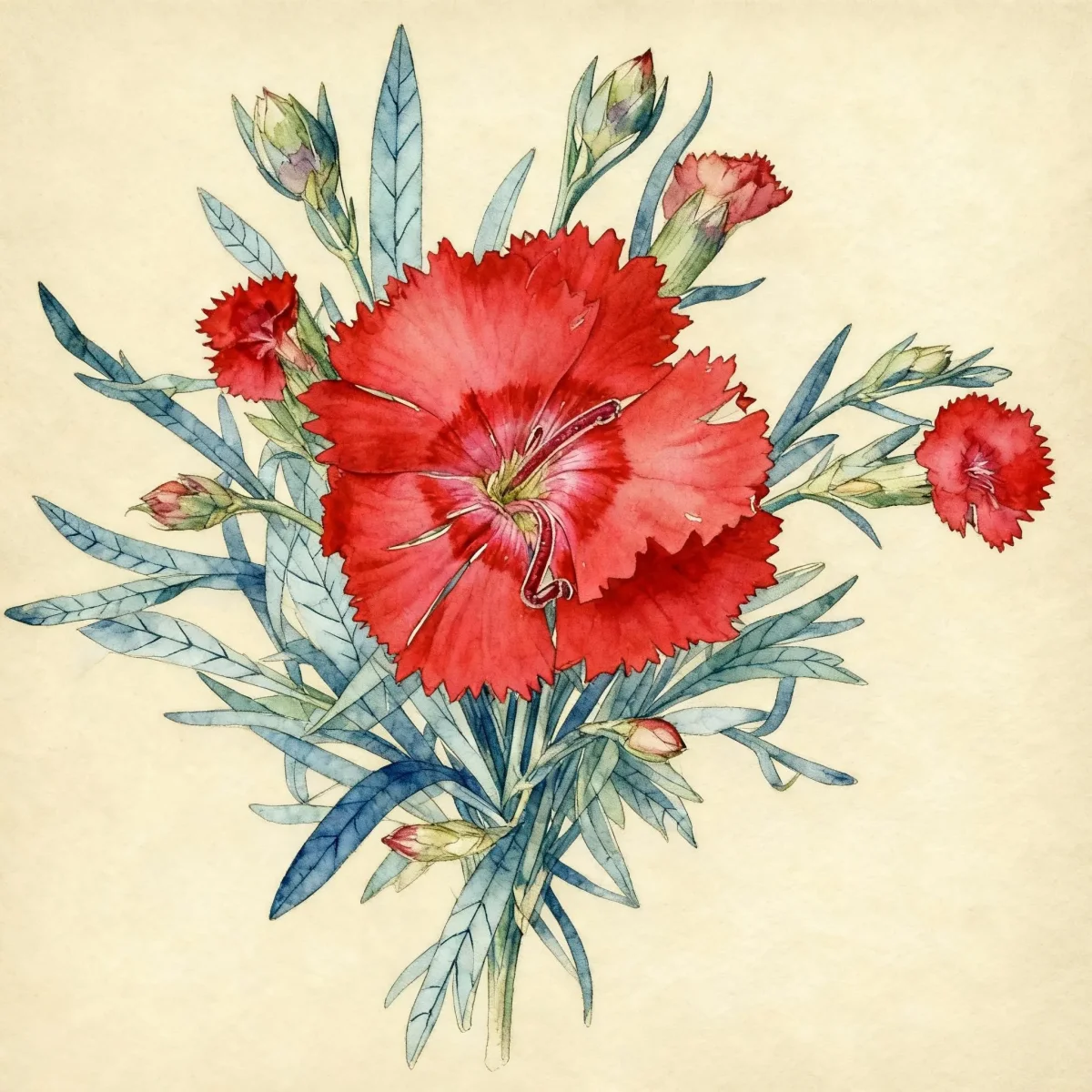
Pink (Dianthus 'Rubin')
Dianthus 'Rubin' is a low-maintenance Pink producing deep pink, fragrant blooms from May to June in sunny spots.
Scroll down to discover growing tips, care requirements, companion plants, and more
Complete Plant Information
Overview
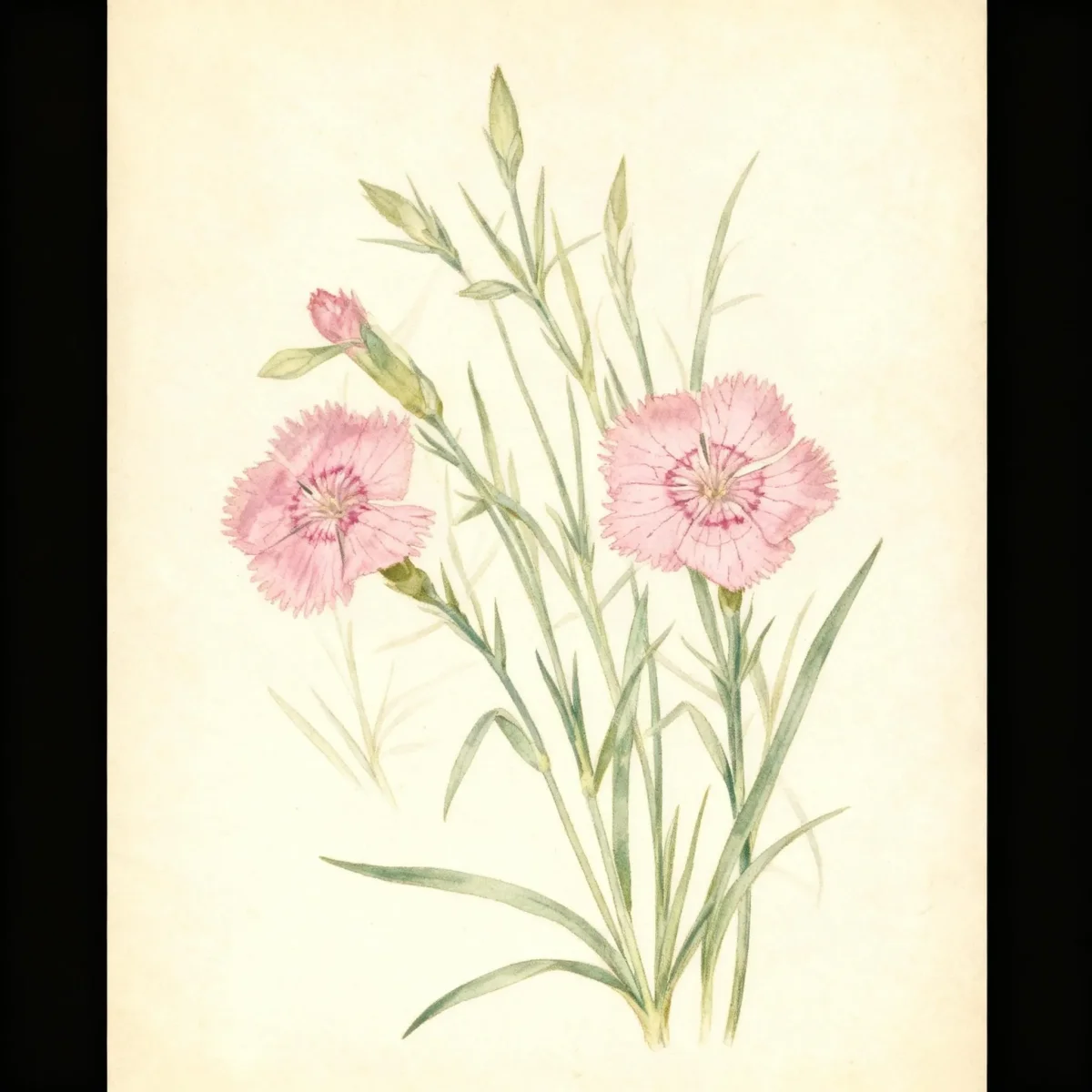
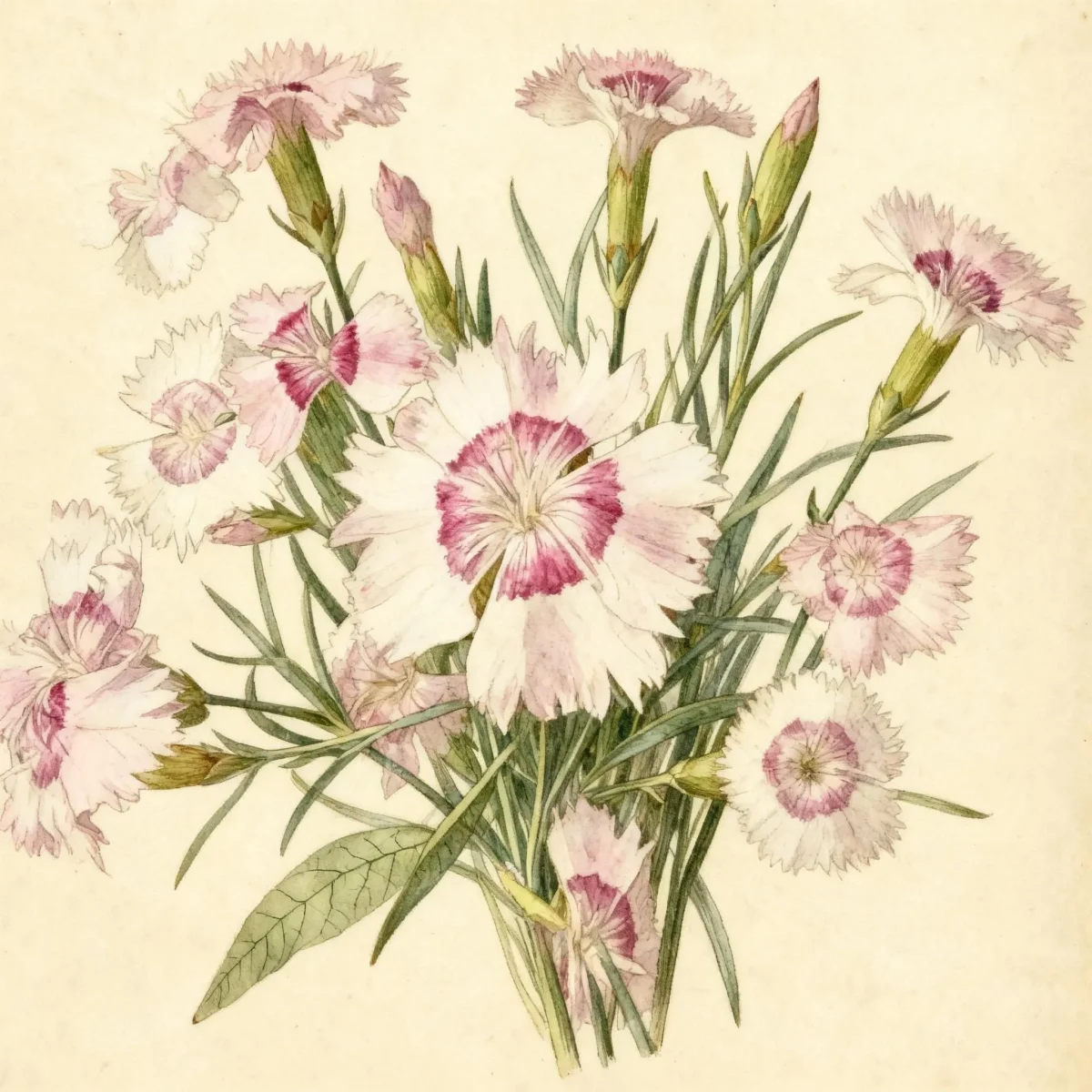
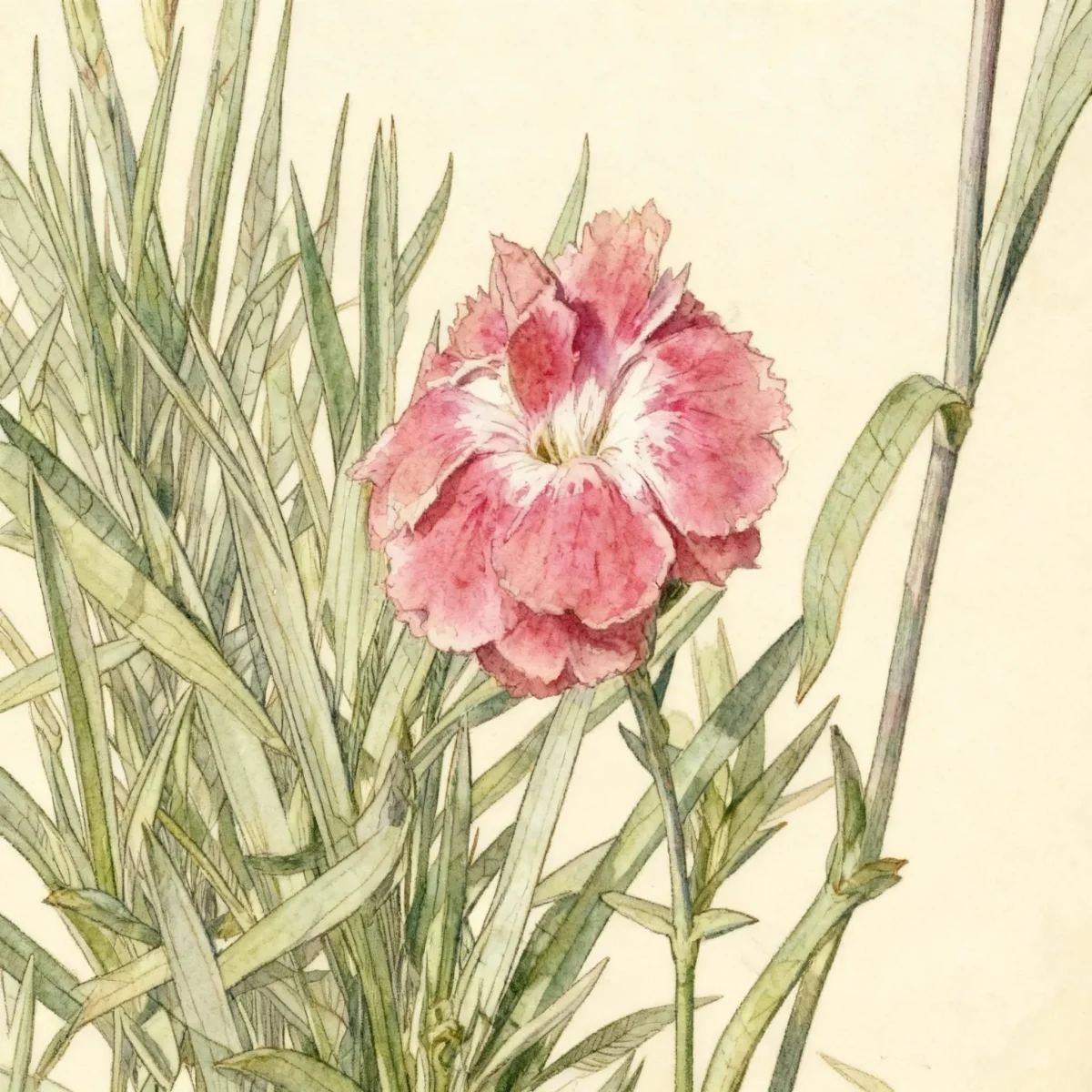
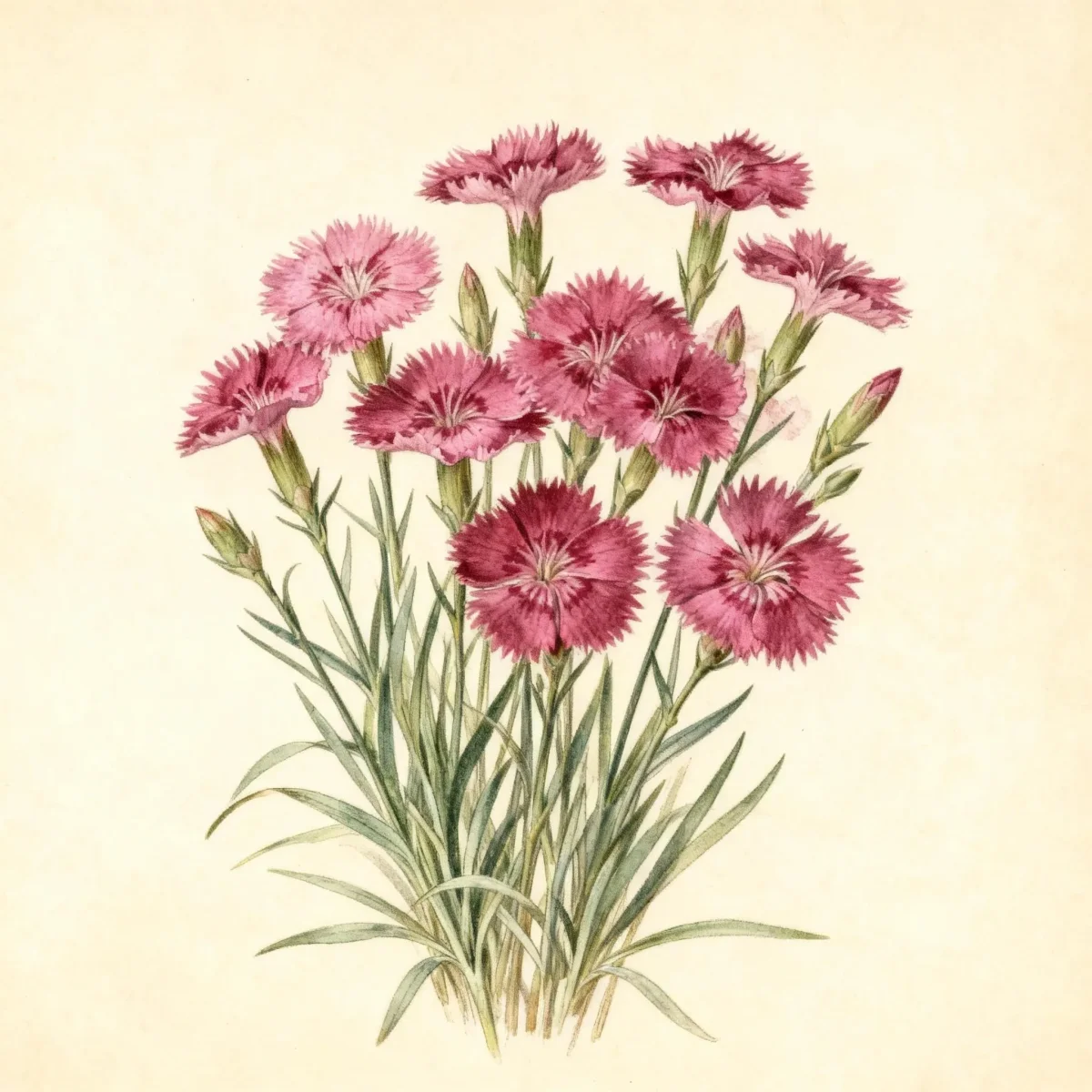
Dianthus ‘Rubin’, commonly known as Pink, is a highly valued herbaceous perennial cherished for its low maintenance needs and striking floral display. This mat-forming cultivar creates dense mounds of grassy, silver-blue foliage that serves as an excellent low border accent in garden beds. The primary appeal of Dianthus ‘Rubin’ lies in its production of numerous, scented, deep pink to magenta flowers atop wiry stems during late spring and early summer. Gardeners appreciate this Pink for its ability to provide reliable color and fragrance without demanding intensive care, thriving in average garden conditions provided they receive adequate sunlight.
The structure of Dianthus ‘Rubin’ lends itself wonderfully to edging and groundcover applications, forming pleasing dense mats ideal for rock gardens or small borders. While generally robust, this Pink variety performs best when provided well-drained soil and the cooler temperatures often associated with its preferred growing environments. Proper siting and minimal deadheading will ensure continuous bloom performance from this charming perennial.
Fast Facts
- Plant Family: Caryophyllaceae
- Plant Type: Herbaceous perennial
- Hardiness Zones: USDA Zones 4-9
- Size at Maturity:
- Height: 0.25-0.5 ft
- Spread: 0.75-1 ft
- Bloom Time: May to June
- Bloom Description: Deep pink to magenta
- Sun Exposure: Full sun
- Water Needs: Medium
- Maintenance Level: Low
How to Grow
Dianthus ‘Rubin’ establishes well when planted in average, evenly moist, well-drained soils. Full sun exposure is critical for maximizing flower production, although the plants appreciate cooler summer conditions; siting them where they receive afternoon shade in the hottest climates can be beneficial. The ideal soil profile is organically rich and somewhat gritty, with a neutral to slightly alkaline pH. Excellent drainage is non-negotiable, though incorporating leaf mold helps retain necessary moisture during dry spells.
Watering requirements are medium; maintain even soil moisture, especially during dry periods common in summer. Maintenance for this Pink is generally low. After the main flush of bloom, deadhead spent flowers regularly to encourage repeat blooming later in the season. Furthermore, consider gently shearing the plants back after the initial major bloom period concludes to keep the planting tidy and stimulate further flowering in late summer or fall.
Landscape Uses
Dianthus ‘Rubin’ excels when used to define the front edge of a border, offering a neat, low profile that contrasts beautifully with taller companions. Its characteristic mat-forming habit makes it an excellent choice for rock gardens, where its form mimics alpine growth habits, or along pathways where it can soften hard edges. These Pinks can also be massed together in drifts to function as an effective, low-growing ground cover, or used successfully on challenging sites such as dry stone walls where drainage is naturally superb.
Standout Features
Flower Qualities
- Showy
- Fragrant
Noteworthy Characteristics
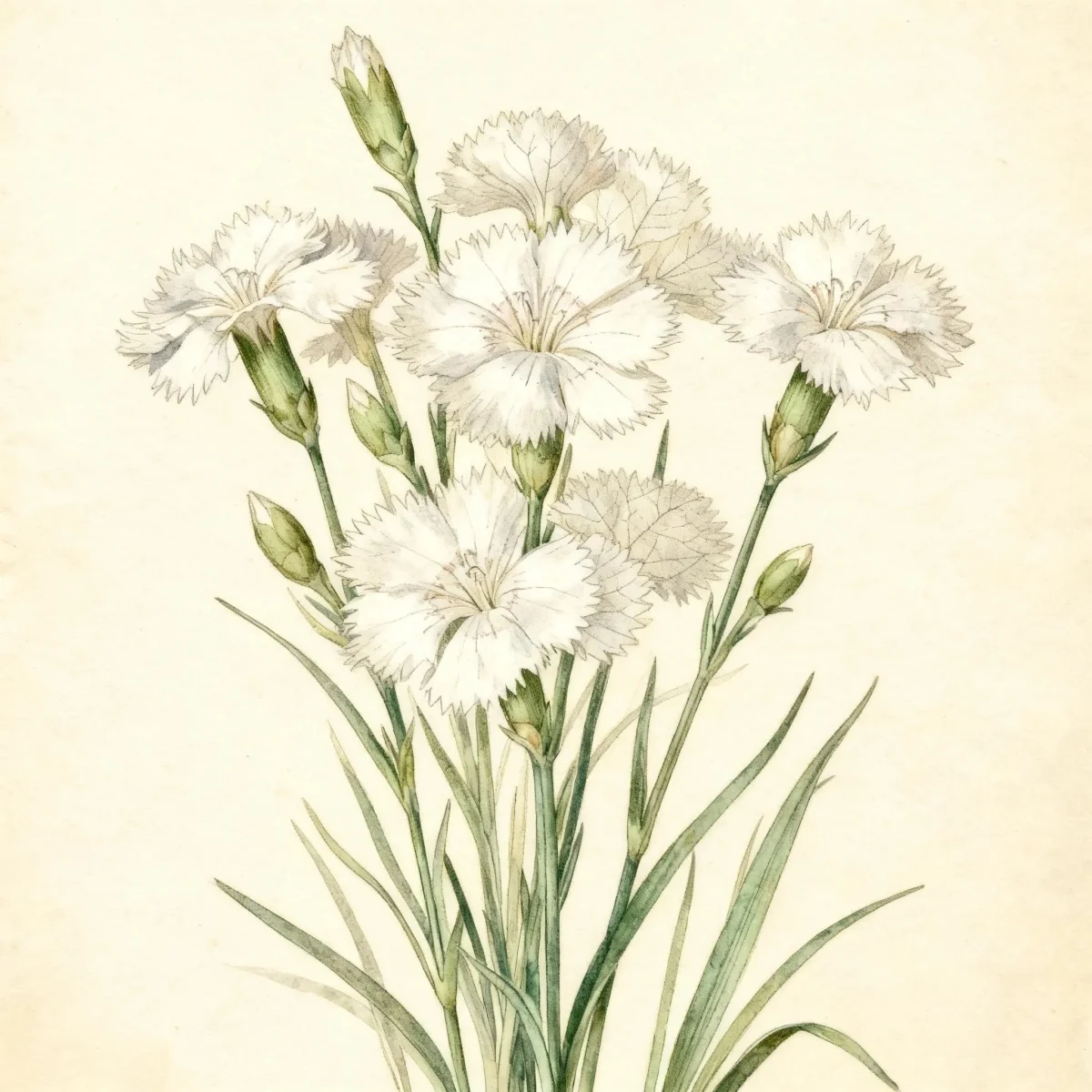
Perennial dianthus, commonly called carnations or pinks, are loosely-tufted, herbaceous perennials that features fragrant, often double flowers on stiff stems clad with narrow, linear, gray-green leaves. The cultivar ‘Rubin’ specifically is a mat-forming cheddar pink that produces numerous, scented, deep pink to magenta flowers atop wiry stems arising from tufted mounds of grassy, silver-blue, linear foliage, initiating bloom in spring with potential for intermittent repeat.
Tolerances
- Deer
Potential Problems
Carnations, including Dianthus ‘Rubin’, can be targets for various fungal issues such as rust, powdery mildew, leaf spots, and botrytis, alongside bacterial and viral pathogens like fusarium wilt. Pests like aphids, scale, and mites may also cause issues, particularly if the plant experiences high humidity or poor air circulation. When growing Dianthus ‘Rubin’ outdoors, these problems are far less severe than when forced under glass for the florist trade. Ensure excellent air movement and avoid overhead watering to minimize fungal outbreaks.
Frequently Asked Questions
What hardiness zones is Pink (Dianthus ‘Rubin’) suitable for?
Dianthus ‘Rubin’ is suitable for planting across USDA Hardiness Zones 4 through 9.
How large does Pink (Dianthus ‘Rubin’) grow?
This variety typically reaches a height between 0.25 and 0.5 feet tall, spreading between 0.75 and 1 foot wide.
What sun exposure does Pink (Dianthus ‘Rubin’) need?
Dianthus ‘Rubin’ requires full sun to achieve its best performance and prolific flowering.
When does Pink (Dianthus ‘Rubin’) bloom?
This Pink blooms primarily from May to June, offering deep pink to magenta flowers.
Conclusion
Dianthus ‘Rubin’ offers gardeners a valuable low-growing perennial celebrated for its persistent fragrance and vibrant, reliable color display. As a low-maintenance Pink, it establishes quickly and rewards minimal effort with masses of deep pink blooms and attractive silver-blue foliage, making Dianthus ‘Rubin’ an essential element for sunny borders. Be sure to check your local zone compatibility and plan for planting in well-draining spots this spring or fall.
Companion Planting
Selecting good companions for Dianthus ‘Rubin’ involves matching its preference for full sun and sharp drainage. Plants that enjoy similar grit and alkalinity, such as many Sedums, Sempervivums, or low-growing Thymes, create an excellent, low-water arrangement. For color contrast, pair the silver-blue foliage of this Pink with plants boasting deep green or rich purple hues, like creeping Lavender or certain low-growing ornamental grasses. Integrating Dianthus ‘Rubin’ near pathways allows its fragrance to be enjoyed easily during the main bloom period.
Design Ideas
The compact habit and striking flower color of Dianthus ‘Rubin’ make it a superb choice for creating visual rhythm in layered plantings. Use it liberally as an edging plant along walkways or beneath taller, sparse shrubs to fill in the lower layer with continuous texture and color. In contemporary designs, mass plantings of this low Pink create a bold swath of color that looks deliberate and organized, particularly effective when contrasted against pale stone hardscaping. Consider using it in shallow, wide containers where its mat-forming nature can spill slightly over the edge.