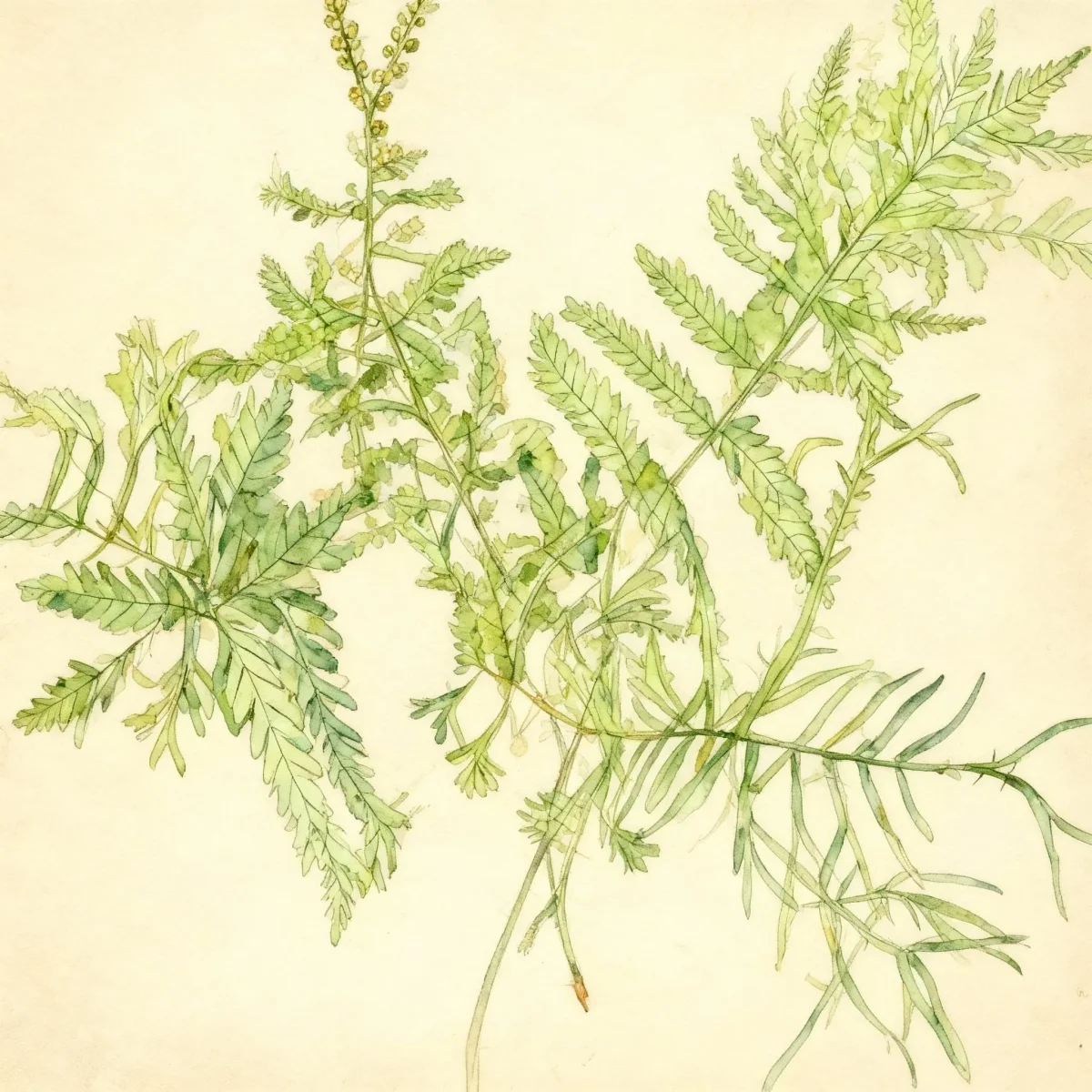
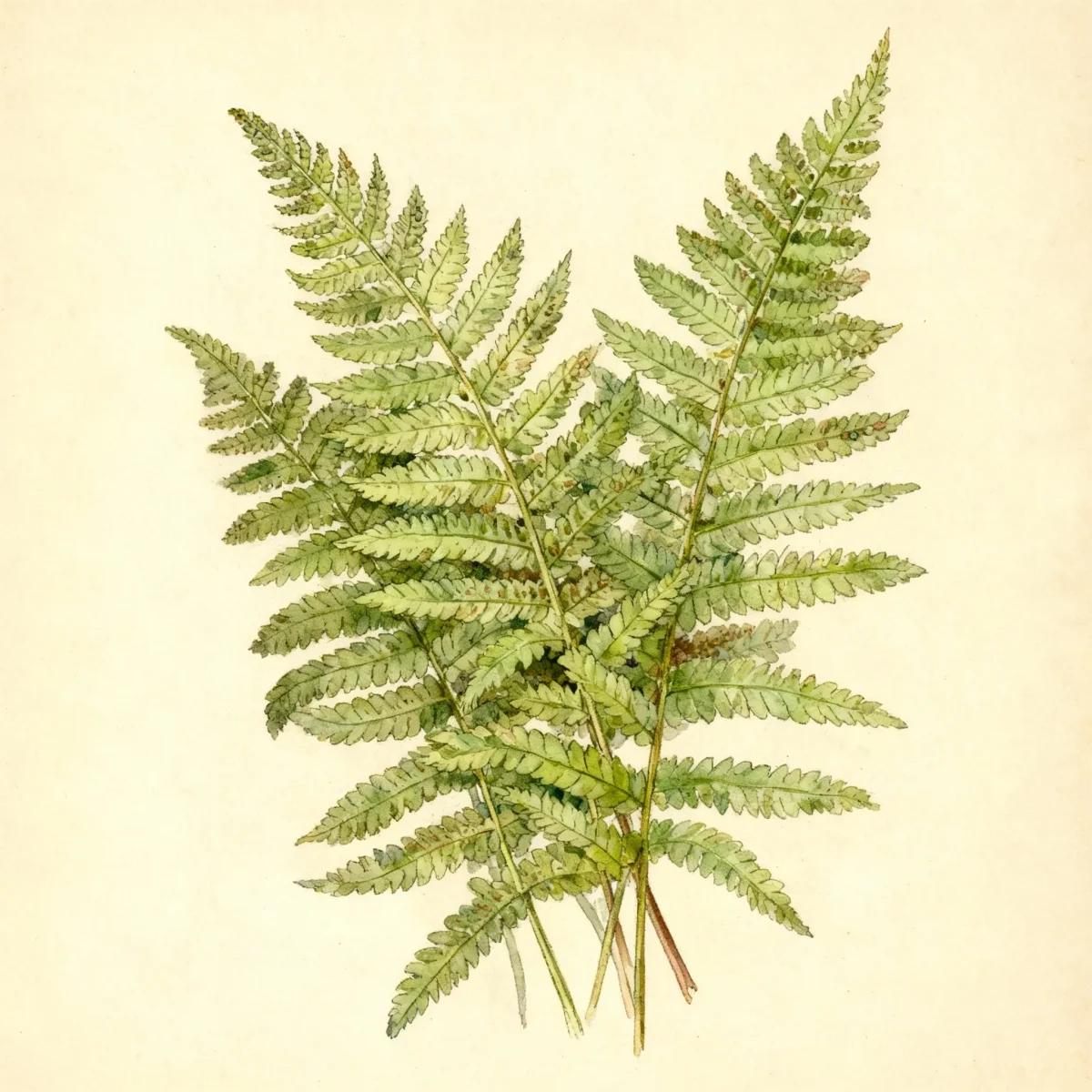
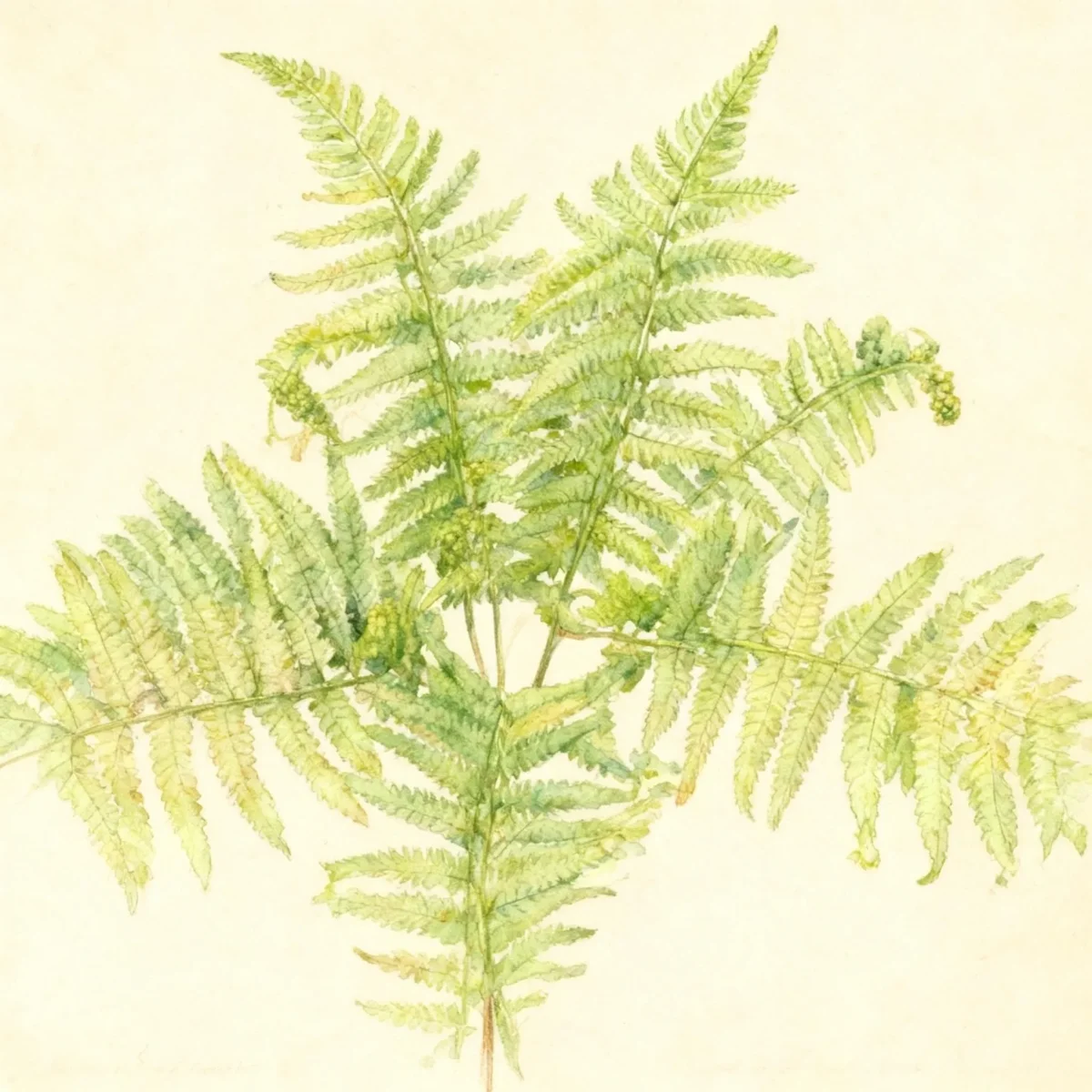
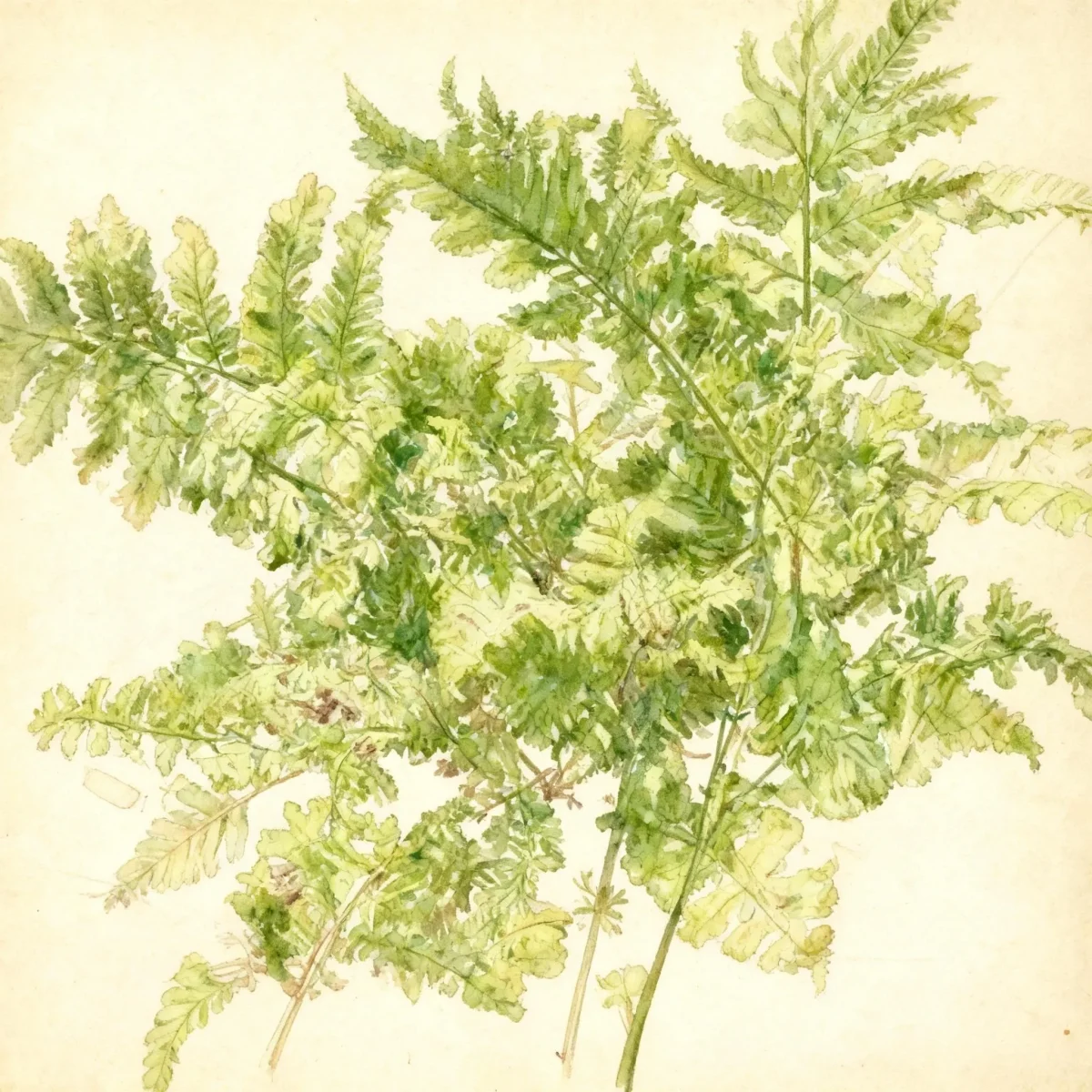
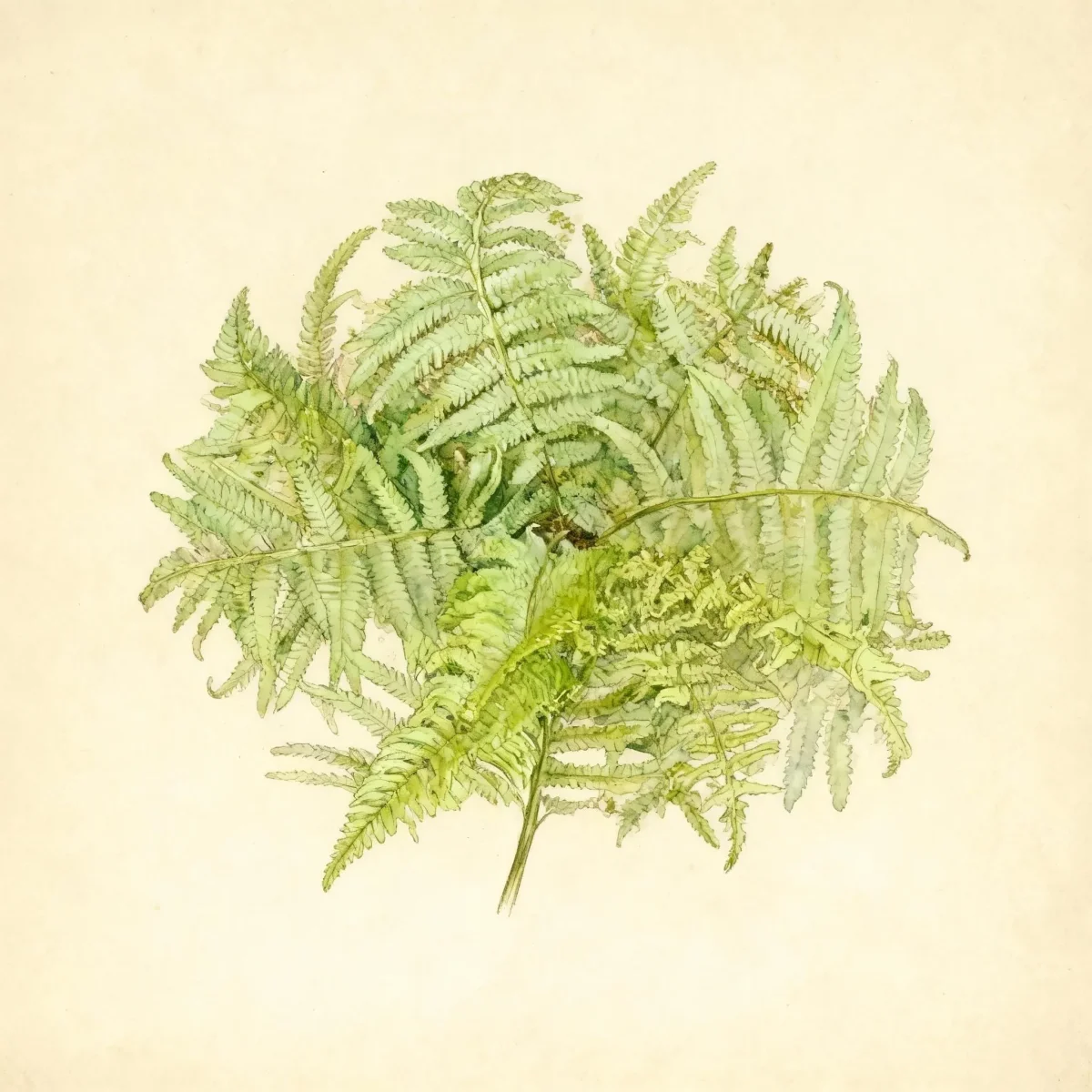
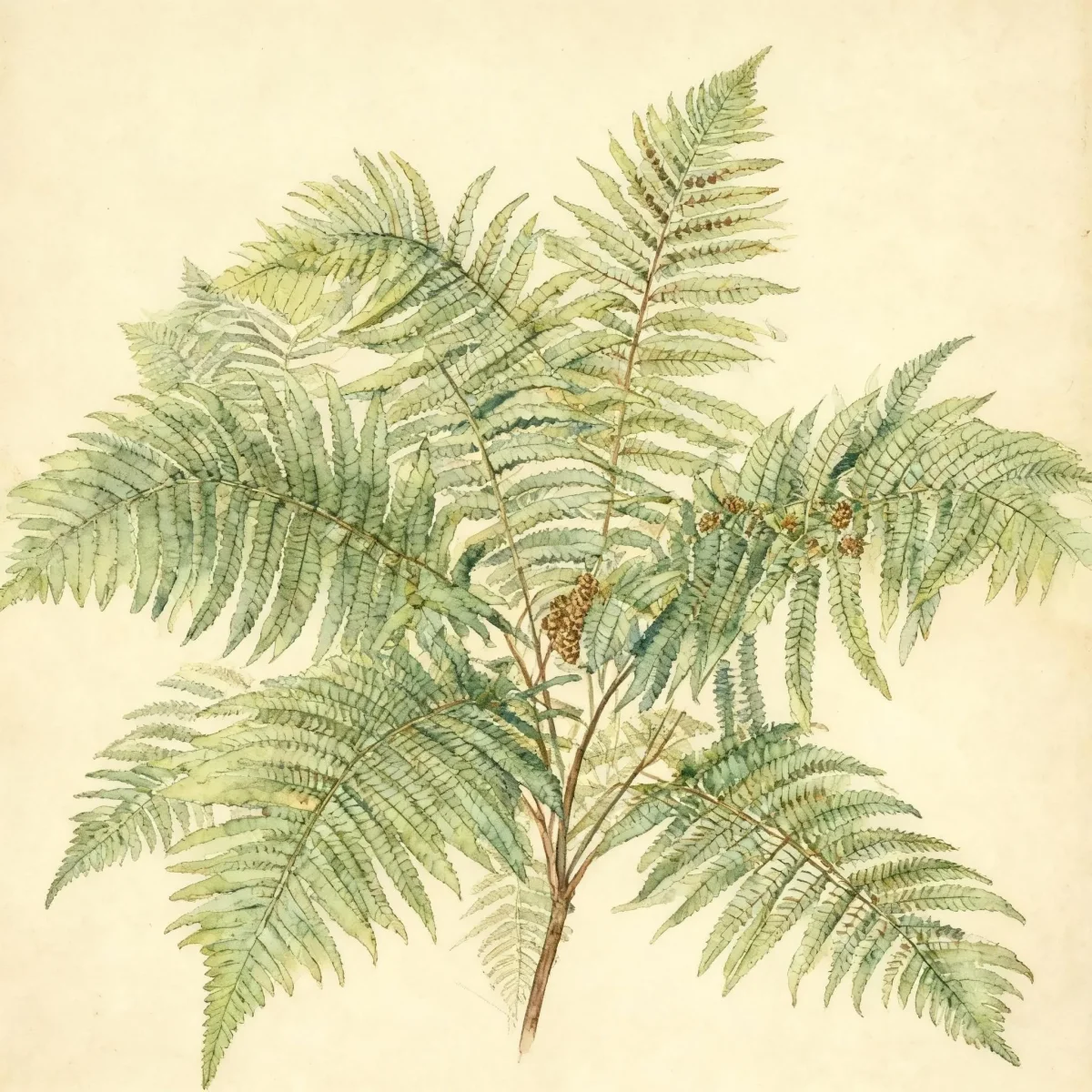
Male fern (Dryopteris filix-mas 'Linearis')
Durable Dryopteris filix-mas 'Linearis' (Male fern) offers large, arching fronds in partial to full shade. A low-maintenance choice for woodland gardens.
Scroll down to discover growing tips, care requirements, companion plants, and more
Complete Plant Information
Overview
The Dryopteris filix-mas ‘Linearis’, widely known as Male fern, stands out in shade gardens due to its robust structure and distinctive, narrow foliage. This cultivar of the common Male fern develops large, arching fronds, lending an architectural presence to shaded borders where many other plants struggle. Gardeners appreciate this fern for its reliability and relatively low demands once established.
This specific variety, Dryopteris filix-mas ‘Linearis’, features fronds with narrow and well-spaced leaflets, offering a slightly less dense appearance than the species type. It tolerates heavy shade remarkably well, making it an invaluable structural element for dark woodland settings or north-facing exposures.
As a largely deciduous specimen (though semi-evergreen in warmer zones), the Male fern provides reliable, medium-green texture from spring until frost. Its tolerance for clay soil and minimal maintenance requirements add to its practical appeal for busy gardeners aiming to create lush, atmospheric shade landscapes.
Fast Facts
- Plant Family: Dryopteridaceae
- Plant Type: Fern
- Hardiness Zones: USDA Zones 5-9
- Size at Maturity:
- Height: 3-4 ft
- Spread: 3-4 ft
- Bloom Time: Non-flowering
- Sun Exposure: Part shade to full shade
- Water Needs: Medium
- Maintenance Level: Low
How to Grow
Optimal planting for Dryopteris filix-mas ‘Linearis’ occurs in the cooler spring or fall months, though containers can be placed anytime when soil is workable. This Male fern thrives in average soils, provided they are well-drained, though it genuinely prefers humus-rich conditions. Incorporate ample organic matter into the planting site to mimic the cool, moist woodland environment it naturally favors.
Consistent moisture is crucial for success; Dryopteris filix-mas ‘Linearis’ requires medium water levels and should never be allowed to dry out completely. Avoid strong winds, as they can damage the delicate, large fronds. While generally low maintenance, dividing the crowns regularly helps maintain vigor, especially if the plant becomes overcrowded over time.
During the growing season, focus on keeping the soil evenly moist through consistent watering or the application of mulch. Fertilization is rarely required if the soil is rich in organic matter. In late winter or early spring, remove any tattered or dead foliage as new fiddleheads begin to emerge, preparing the plant for its seasonal flush of green.
Landscape Uses
The architectural habit of the Male fern makes it superb for defining structure within deep shade gardens. Excellent fern for woodland or shade gardens, it functions perfectly as a specimen plant where its form can be appreciated up close, or massed for an immersive, textured effect.
Consider pairing Dryopteris filix-mas ‘Linearis’ with plants that offer contrasting textures, such as broad-leaved Hostas or ferns with lighter, more delicate foliage. It serves equally well along moist woodland borders or tucked beneath mature deciduous trees, softening transitions between lawn areas and wooded zones. Its hardiness in clay soil expands its usability into tougher landscape pockets.
Standout Features
Noteworthy Characteristics
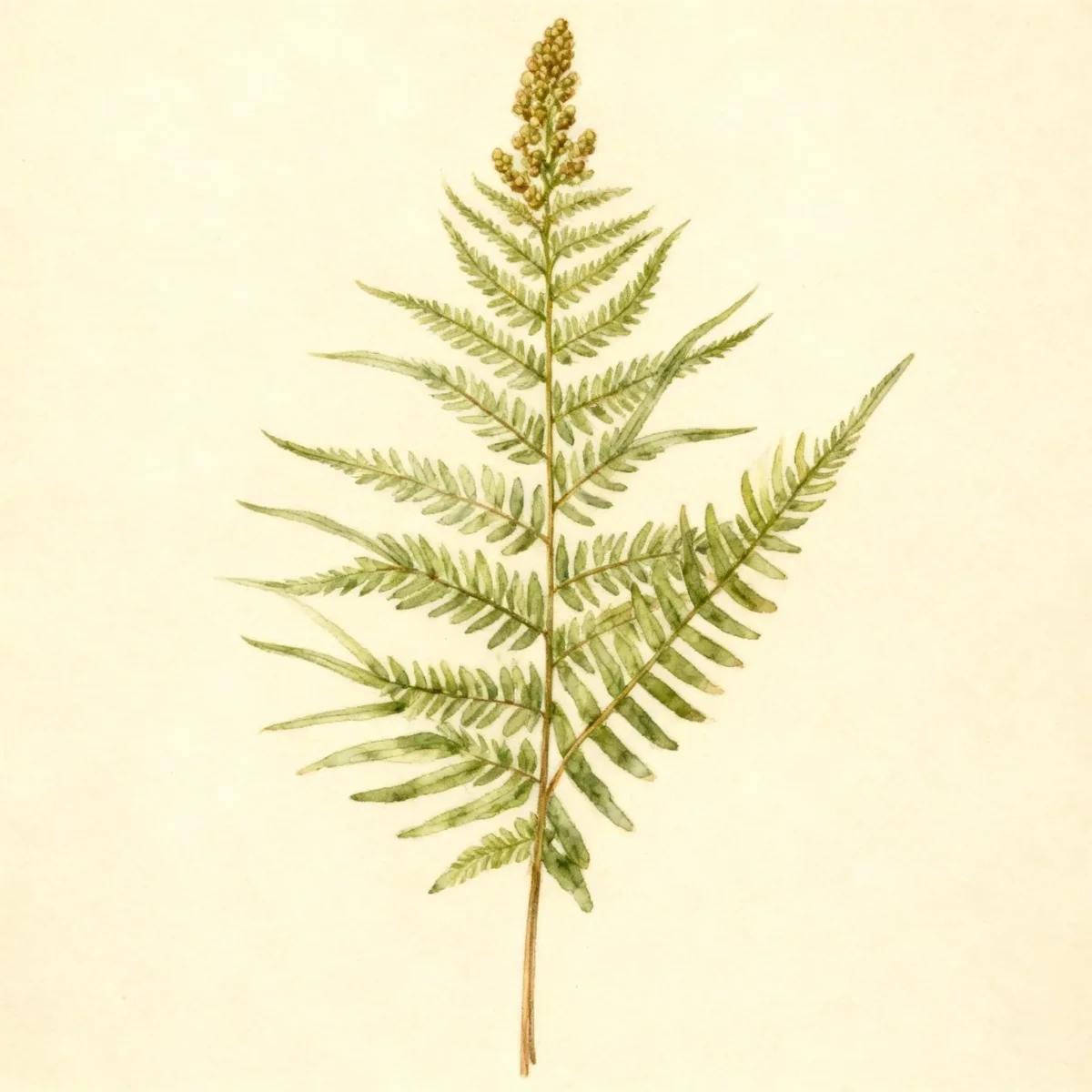
Dryopteris filix-mas, commonly called male fern, is native to Europe and North America. This is a large, arching, deciduous male fern with erect, stout rhizomes and medium green blades (fronds) that grow to 3’ (less frequently to 4’) tall. Blade is pinnate-pinnatifid (almost 2-pinnate) with 20-30 pair of long-pointed pinnae (leaflets) per blade. Each leaflet is divided into short, rounded, finely-serrated pinnules (sub-leaflets). Sori (fruit dots) on the leaflets are located closer to the midvein than the margin. Crisped, crested, forked and dwarf variants of this species exist. In North America, this fern ranges from Newfoundland to British Columbia, from New England to the Great Lakes, and from South Dakota to Washington south to California and Texas. It is typically found in cool, moist, rocky woods, but in New England it is uncommon and limited only to areas with calcareous soils. In Europe, it is commonly found in a variety of locations including roadsides.Genus name from Greek dryas meaning oak and pteris meaning fern in reference to the presence of some species of wood ferns in woodland areas populated with oaks.Specific epithet means male fern in reference to the somewhat vigorous growing habits of ferns in this species.‘Linearis’ which typically grows 3-4’ tall and wide. It is semi-evergreen in warm winter climates, but basically deciduous in the St. Louis area. Fronds are large (to 4’ long) with narrow and well-spaced pinnae that are reduced in size. ‘Linearis’ is similar to ‘Linearis Polydactyla’ but not as delicate in appearance.
Tolerances
- Rabbit
- Heavy Shade
- Clay Soil
Potential Problems
The Male fern typically exhibits impressive resistance to pests and diseases, meaning gardeners rarely face serious issues involving insects or fungal problems. Proactive care focuses more on environmental management than chemical intervention.
The primary concern is ensuring the soil moisture remains consistent; allowing the root ball of Dryopteris filix-mas ‘Linearis’ to dry out, especially during hot summers, can lead to immediate frond collapse and stress the plant significantly. Always place in a naturally sheltered spot away from drying winds.
Frequently Asked Questions
What hardiness zones is Male fern suitable for?
The Male fern (Dryopteris filix-mas ‘Linearis’) is reliably hardy across USDA Zones 5 through 9.
How large does Male fern grow?
This cultivar typically reaches a mature height and spread between 3 to 4 feet tall and 3 to 4 feet wide.
What sun exposure does Male fern need?
This plant performs best in locations receiving part shade to full shade, making it an excellent choice for deeply shaded areas.
When does Male fern bloom?
As a fern, Dryopteris filix-mas ‘Linearis’ is non-flowering; it reproduces via spores located on the underside of its mature fronds.
Conclusion
The Dryopteris filix-mas ‘Linearis’ is an exceptional, low-maintenance foundation plant, providing strong vertical and textural interest where light is scarce. Its robust nature and tolerance for challenging conditions like heavy shade confirm its value as a resilient Male fern. Before planting, ensure your site mirrors its preferred cool, consistently moist soil conditions to guarantee decades of vibrant green performance.
Companion Planting Suggestions
Because the Male fern requires consistent moisture and deep shade, successful companion plantings should share these cultural needs. Look for broad-leaved groundcovers or shade-loving perennials that contrast texturally with the lacy fronds of Dryopteris filix-mas ‘Linearis’. Consider planting alongside Hellebores, which offer early spring color before the fern fully leafs out, or Lungwort (Pulmonaria) for speckled foliage contrast.
Another excellent pairing involves woodland bulbs like Daffodils and Snowdrops; these emerge early and die back before the fern’s canopy fully develops, allowing the bulb foliage to disappear before it clashes with the fern’s mature structure. This multilayering helps create a dynamic, all-season woodland scene utilizing the reliable structure of the Male fern.
Propagation Tips
The most straightforward method for increasing your stock of Dryopteris filix-mas ‘Linearis’ is by division, which is best performed in early spring just as new growth begins to emerge. Carefully lift the clump with a garden fork, ensuring you separate the crown into smaller sections, each possessing a healthy set of roots and growth buds. Plant these divisions immediately into prepared, moist soil.
While ferns reproduce via spores, the process for cultivating specific cultivars like ‘Linearis’ from spores is highly impractical for the average gardener, as resulting plants may revert or require highly sterile conditions for germination success. Division is the reliable key to propagating this handsome Male fern.