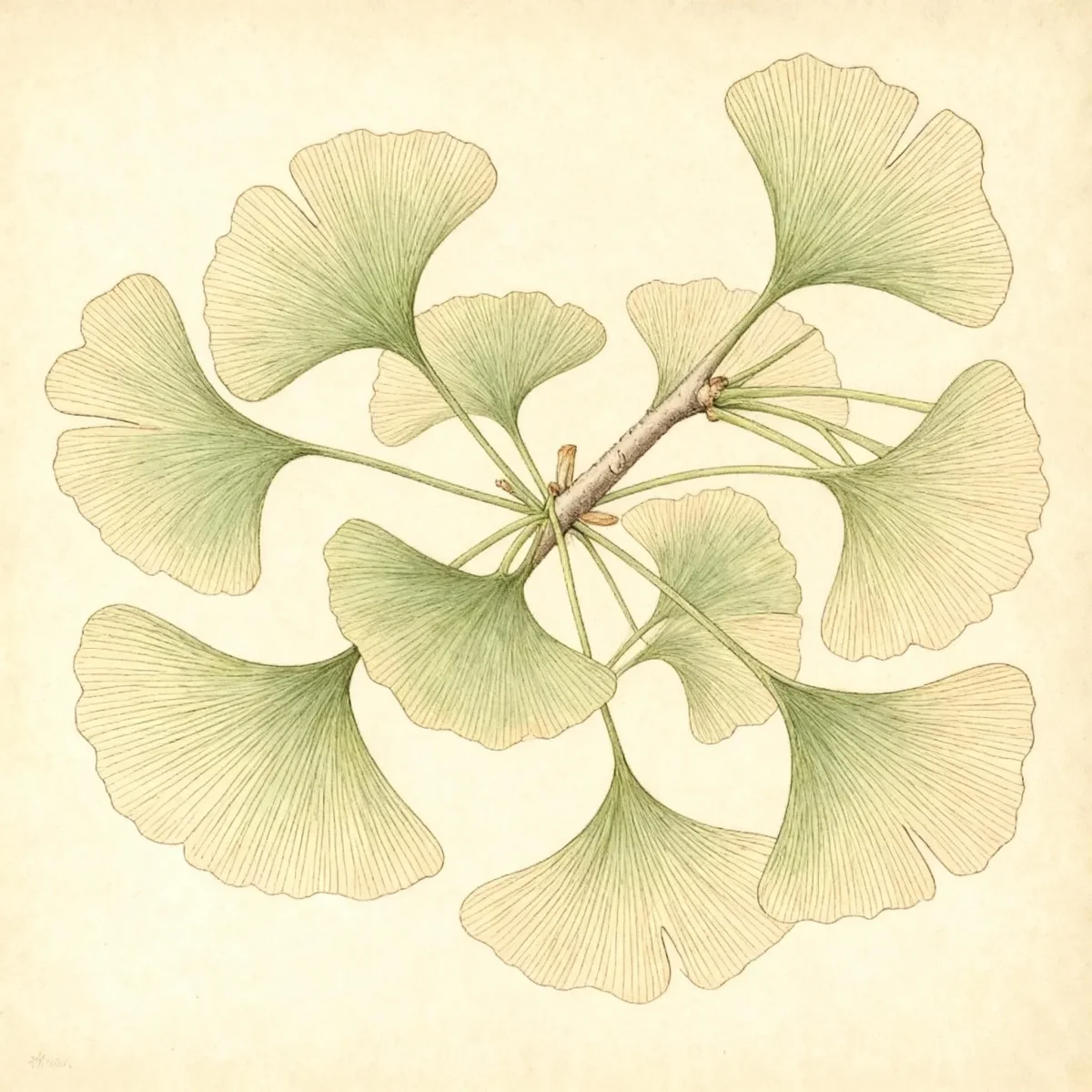
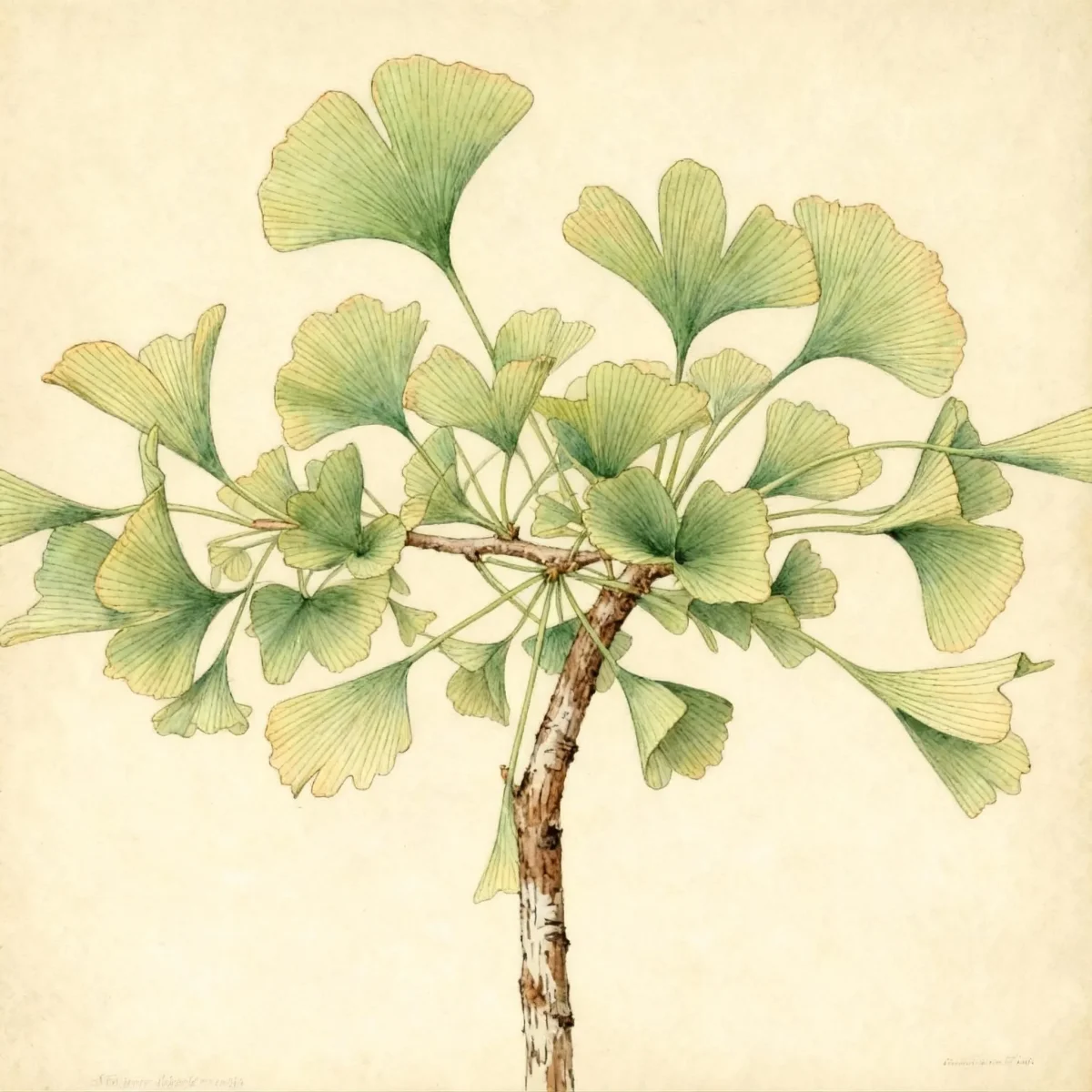
Maidenhair tree (Ginkgo biloba 'Praga')
Ginkgo biloba 'Praga' is a unique, low-spreading Maidenhair tree valued for extreme urban tolerance and stunning yellow fall color.
Scroll down to discover growing tips, care requirements, companion plants, and more
Complete Plant Information
Overview
The unique Ginkgo biloba ‘Praga’ is a treasured cultivar known for its distinctive low, spreading habit, offering a parasol-shaped crown ideal for structured landscapes. As a recognized form of the Maidenhair tree, this selection provides the ancient charm and resilience characteristic of the Ginkgo genus. Gardeners prize it for its near-immunity to pests and diseases, coupled with spectacular, uniform golden foliage in autumn.
Ginkgo biloba ‘Praga’ excels in challenging municipal settings where other trees fail, demonstrating remarkable tolerance to compacted soils, pollution, and heat. While its mature height and spread max out around 30 feet, it retains a manageable, broader, and lower profile compared to the towering standard Ginkgo. This durability makes Ginkgo biloba ‘Praga’ an excellent, long-lived specimen tree.
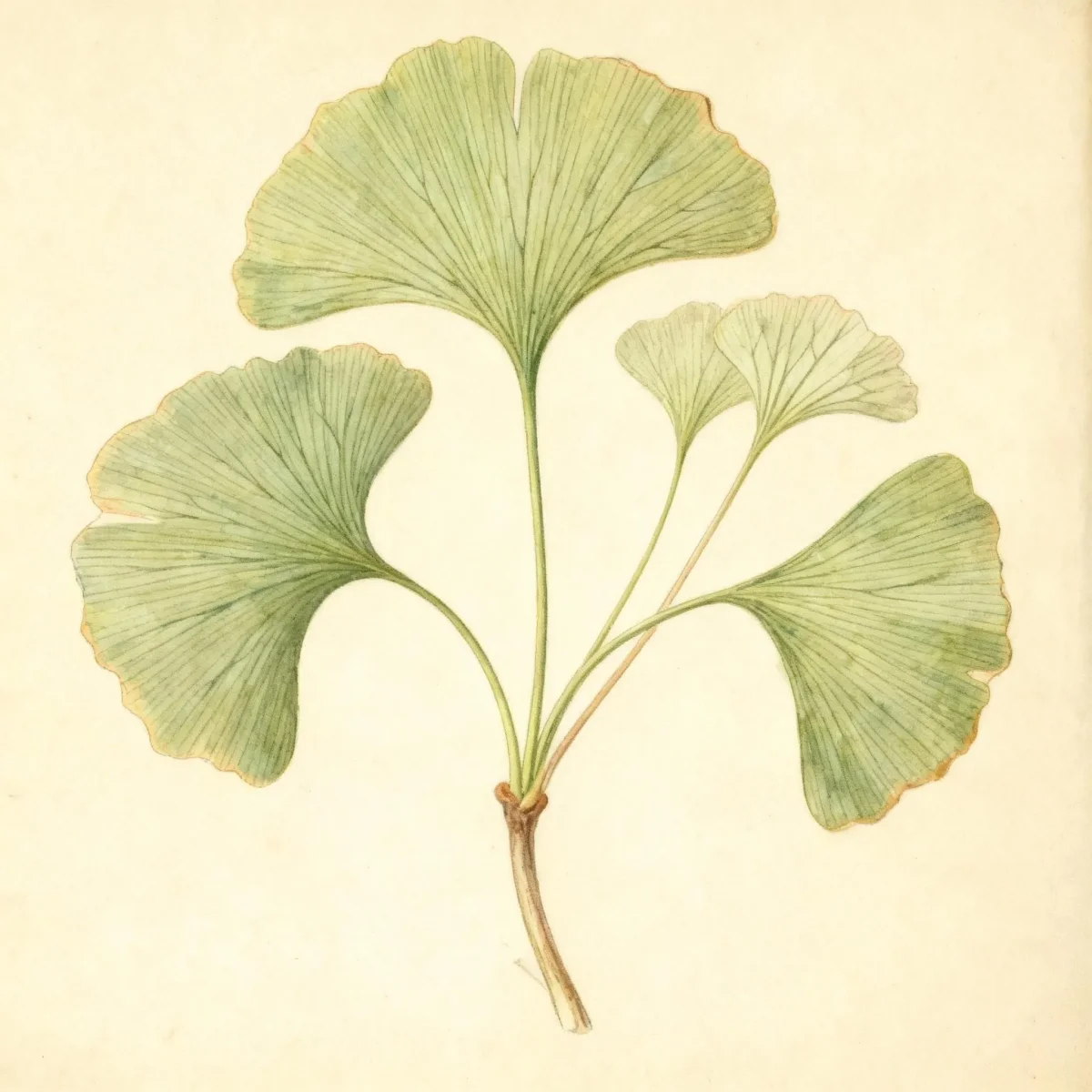
This specific cultivar is believed to have originated from a long-lived male bonsai specimen in the Czech Republic. It retains the classic fan-shaped, two-lobed leaves that define the species, but offers a more horizontal branching structure, setting it apart from cultivars like ‘Pendula’. Its low maintenance and striking seasonal transition secure its place in modern horticulture.
Fast Facts
- Plant Family: Ginkgoaceae
- Plant Type: Tree
- Hardiness Zones: USDA Zones 3-8
- Size at Maturity:
- Height: 20-30 ft
- Spread: 20-30 ft
- Bloom Time: April
- Bloom Description: Green
- Sun Exposure: Full sun
- Water Needs: Medium
- Maintenance Level: Low
How to Grow
The best time for planting Ginkgo biloba ‘Praga’ is during the dormant season, either in early spring or late autumn, allowing the roots time to establish before summer stress. This variety thrives in average, medium-moisture soil but is highly adaptable. Ensure the planting location receives full sun daily for the best growth and most vibrant fall coloration.
Care for this tree is generally straightforward, reflecting its low maintenance rating. Water deeply and regularly during the first few growing seasons, especially if planting in drier, sandy soils. Once established, Ginkgo biloba ‘Praga’ only requires medium watering; avoid consistently waterlogged conditions. Fertilizer is rarely necessary given its preference for average soils.
One of the major advantages of growing the Maidenhair tree is its robust tolerance profile. It adapts exceptionally well to urban conditions, shrugging off saline conditions, heat, and severe air pollution. Pruning should be kept minimal; focus initially on establishing a strong central leader if desired, though this cultivar naturally forms a pleasing, low, spreading crown.
Landscape Uses
Ginkgo biloba ‘Praga’ is an excellent selection for diverse landscape applications due to its moderate size and exceptional urban adaptability. It serves wonderfully as a formal lawn tree where a broad, appealing canopy is desired, or as a reliable street tree where pollution resistance is paramount. Its parasol shape also works well in city parks or near commercial buildings where overhead clearance might be a concern for taller giants.
Consider using this specimen tree as a singular focal point in a contemporary garden design, contrasting its bright yellow autumn display against dark green evergreen backdrops. Because it tolerates compacted soils better than many ornamental trees, it can be thoughtfully integrated into mixed borders or large foundation plantings, provided adequate space is maintained for its 30-foot spread.
Standout Features
Flower Qualities
- Insignificant
Noteworthy Characteristics
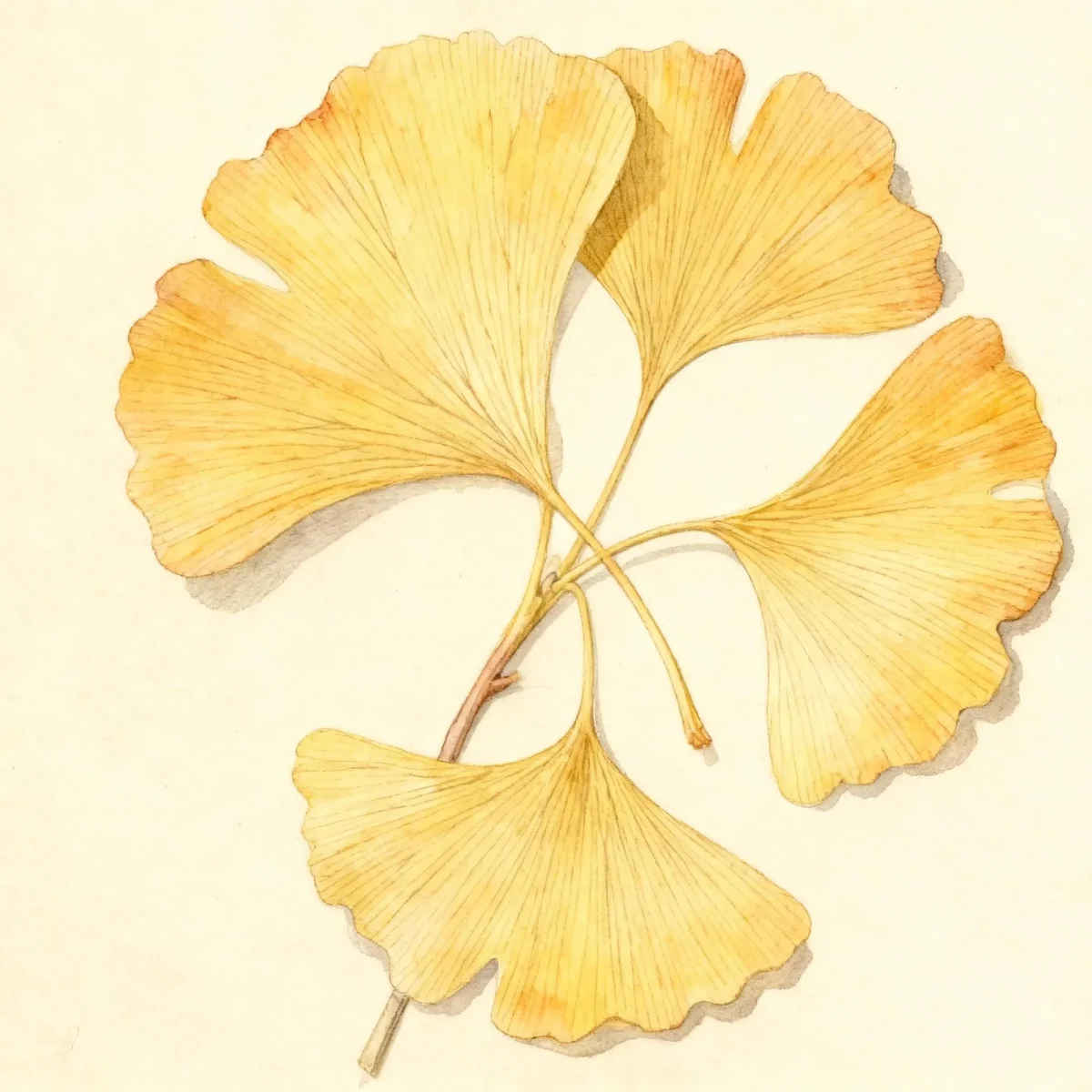
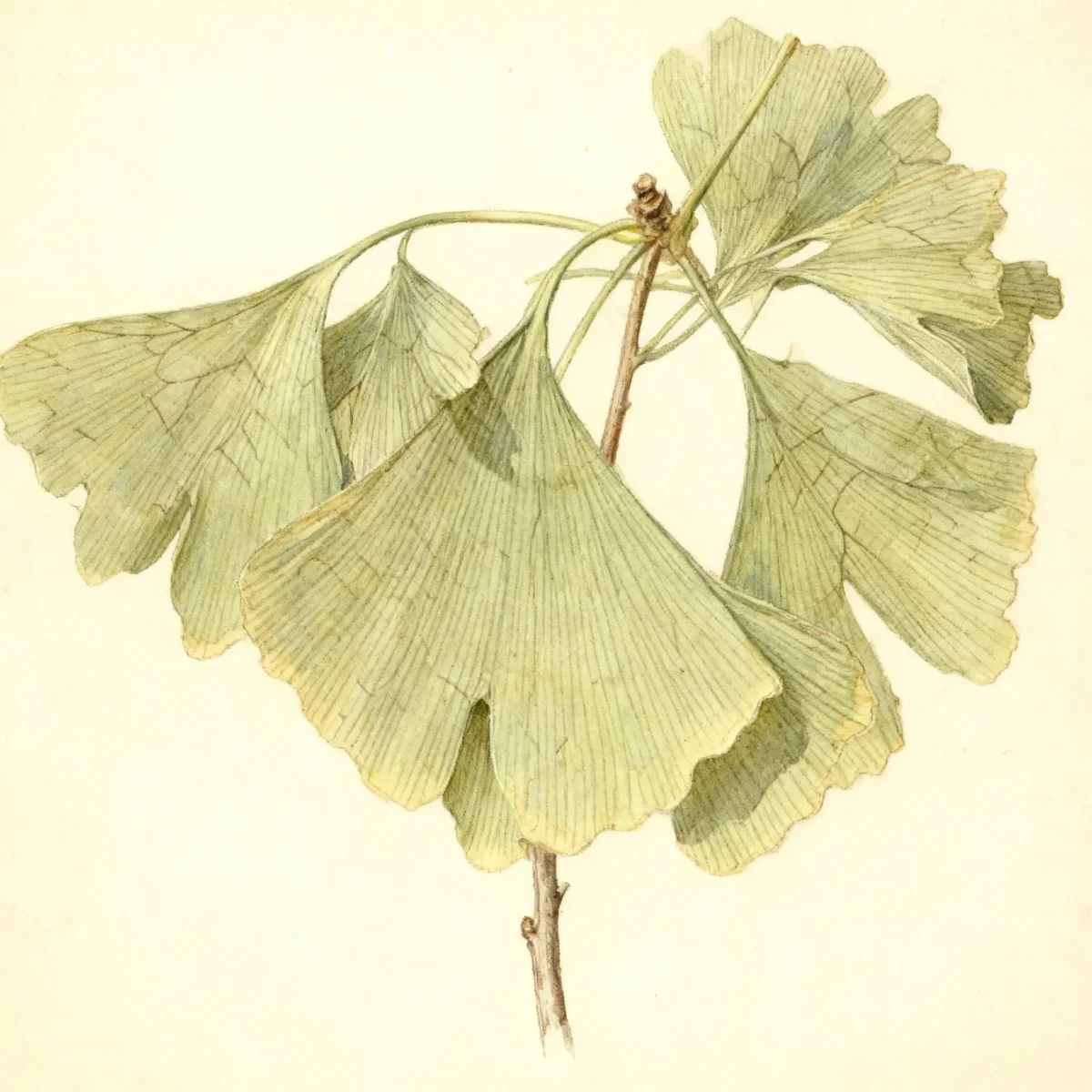
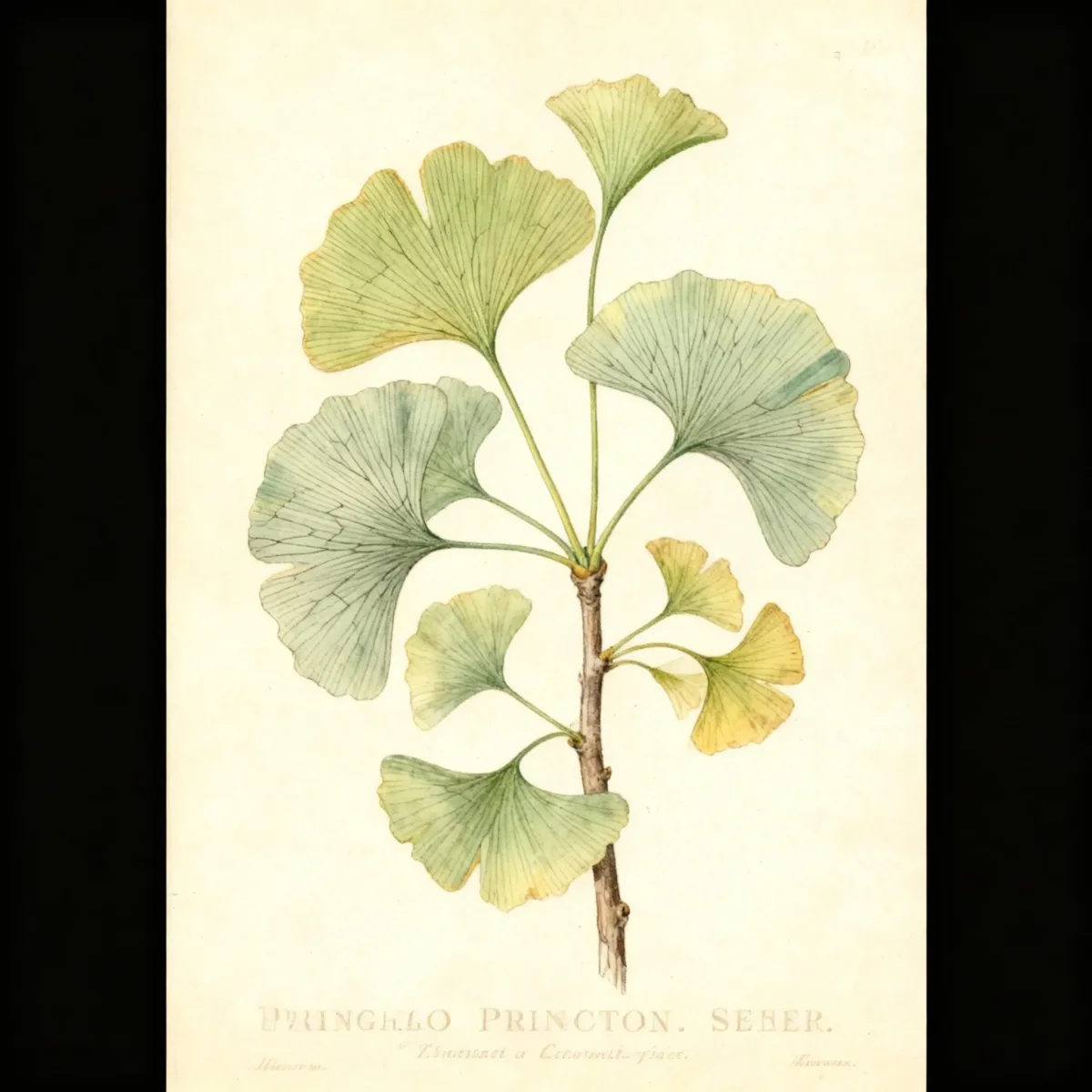
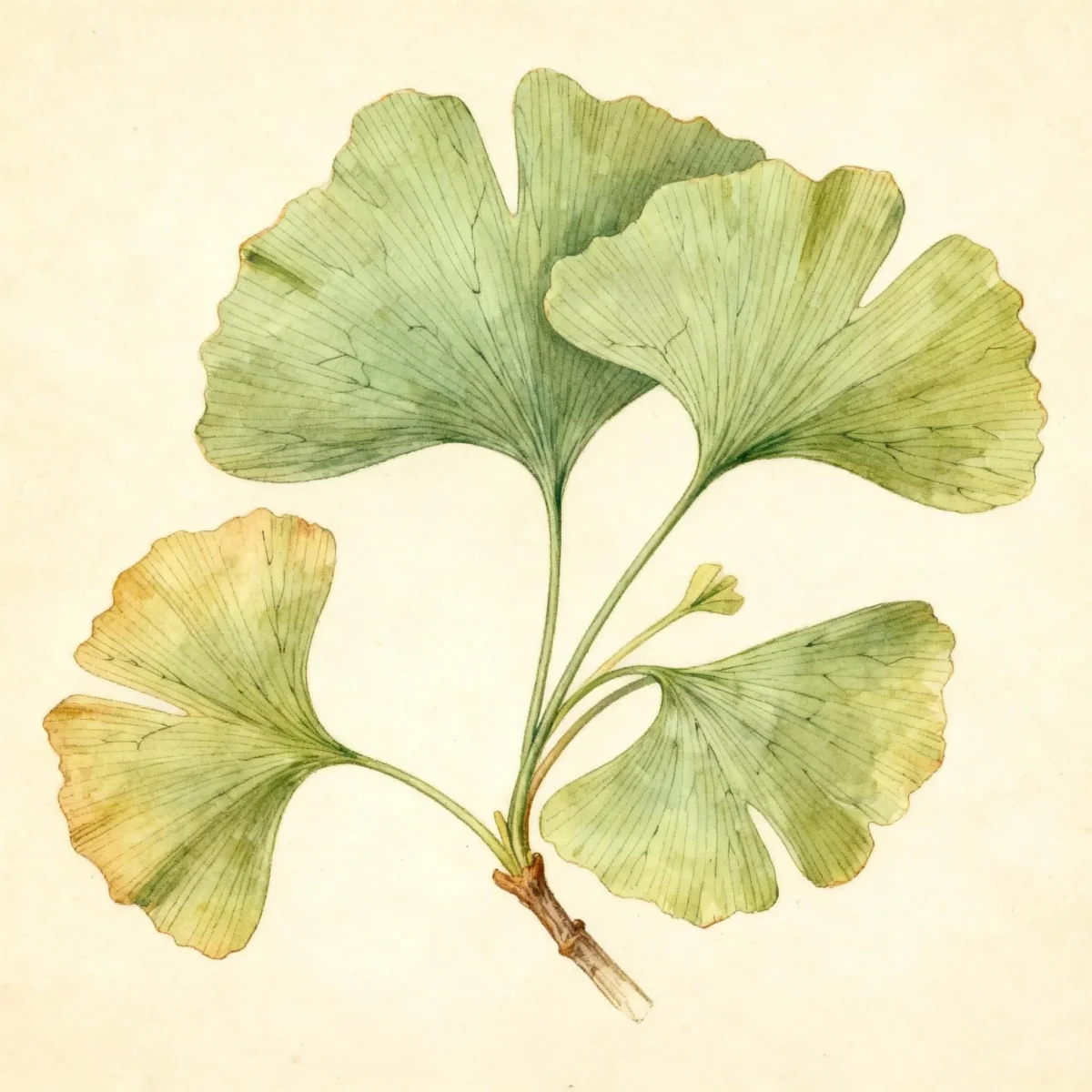
Ginkgo biloba is a large, deciduous tree that matures to 100’ tall and is considered to be a living fossil. It is the only surviving member of a group of ancient plants believed to have inhabited the earth up to 150 million years ago. It features distinctive two-lobed, somewhat leathery, fan-shaped, rich green leaves with diverging (almost parallel) veins. Leaves turn bright yellow in fall. Ginkgo trees are commonly called maidenhair trees in reference to the resemblance of their fan-shaped leaves to maidenhair fern leaflets (pinnae). Ginkgos are dioecious (separate male and female trees). Nurseries typically sell only male trees because female trees produce seeds encased in fleshy, fruit-like cone which, at maturity in autumn, are messy and emit a noxious, foul odor upon falling to the ground and splitting open.Genus name is a misrendering of the Japanese gin meaning silver and kyo meaning apricot used in Japan in the 17th century.Specific epithet means two-lobed in reference to the leaves.‘Praga’ originated from a male tree growing in the Botanical Garden of the Faculty of Science, Charles University in Prague, Czech Republic. It is believed to be a bonsai specimen that had been grown in a barrel before being planted outdoors and is estimated to be 150 years or more old. This cultivar may also be known as ‘Pragensis’ but is not considered to be the same as ‘Pendula’ as its branches are more horizontal that those of ‘Pendula’. It is a low, spreading tree with a parasol-shaped crown. It is believed to grow about 20 to 30 ft. Tall and wide
Tolerances
- Deer
- Clay Soil
- Air Pollution
Potential Problems
Ginkgo biloba ‘Praga’ exhibits exceptional resistance, boasting virtually no serious insect or disease problems under normal conditions. This low-risk profile is a significant advantage for long-term landscape planning.
The primary challenge noted is that growth rate is usually slow, and initial establishment growth may appear somewhat sparse. Be patient when establishing this Maidenhair tree; consistent moisture management during the first two to three years will encourage stronger root development leading to more robust visible growth later on.
Frequently Asked Questions
What hardiness zones is Maidenhair tree suitable for?
Ginkgo biloba ‘Praga’ is hardy across USDA Zones 3 through 8, offering reliable cold tolerance for a wide range of climates.
How large does Maidenhair tree grow?
This cultivar is typically a low, spreading tree, reaching heights and spreads generally between 20 and 30 feet.
When does Maidenhair tree bloom?
The Ginkgo biloba ‘Praga’ produces unremarkable green flowers around April.
What sun exposure does Maidenhair tree need?
This durable tree requires full sun exposure to achieve its best form and fall color display.
Conclusion
The Ginkgo biloba ‘Praga’ is an outstanding horticultural choice, offering ancient genetics adapted for modern urban challenges, especially thanks to its hardiness and manageable, low-spreading canopy. If you seek a sturdy, low-maintenance specimen tree with brilliant fall gold, consider integrating Ginkgo biloba ‘Praga’ into your planting plan now. Always ensure adequate space for its eventual 30-foot spread when selecting its final location.
Companion Planting
When selecting companions for Ginkgo biloba ‘Praga’, focus on plants that share its tolerance for sun and adaptability to average soils, while avoiding competition that could slow its establishment. Consider planting low-profile, drought-tolerant perennials that won’t obscure the tree’s unique lower branching structure. Plants tolerant of alkaline soils, given the Ginkgo’s broad adaptability, often perform well beneath its canopy once established.
For structural contrast in the landscape, pair the fan-shaped leaves of the Maidenhair tree with fine-textured conifers or deciduous shrubs. Japanese maples—if happy in your specific site conditions—offer a delicate textural contrast, though careful attention must be paid to their differing water needs, as the Ginkgo prefers consistent moisture.
Urban Adaptation Strategies
The remarkable tolerance of Ginkgo biloba ‘Praga’ to urban blight makes it a practical choice for difficult sites. Its ability to withstand high levels of air pollution and saline conditions allows it to thrive near major roadways or commercial properties where root compaction is common. This resilience minimizes the need for intensive management intervention.
When planting in hard-paved areas, ensure that the root ball has adequate uncompacted soil volume to develop slowly. While Ginkgo tolerates compacted soil, maximizing available uncompacted space during planting will promote better overall health and structural integrity for this long-lived specimen. Its heat tolerance also makes it an excellent feature near south-facing walls or areas with high reflected solar radiation.