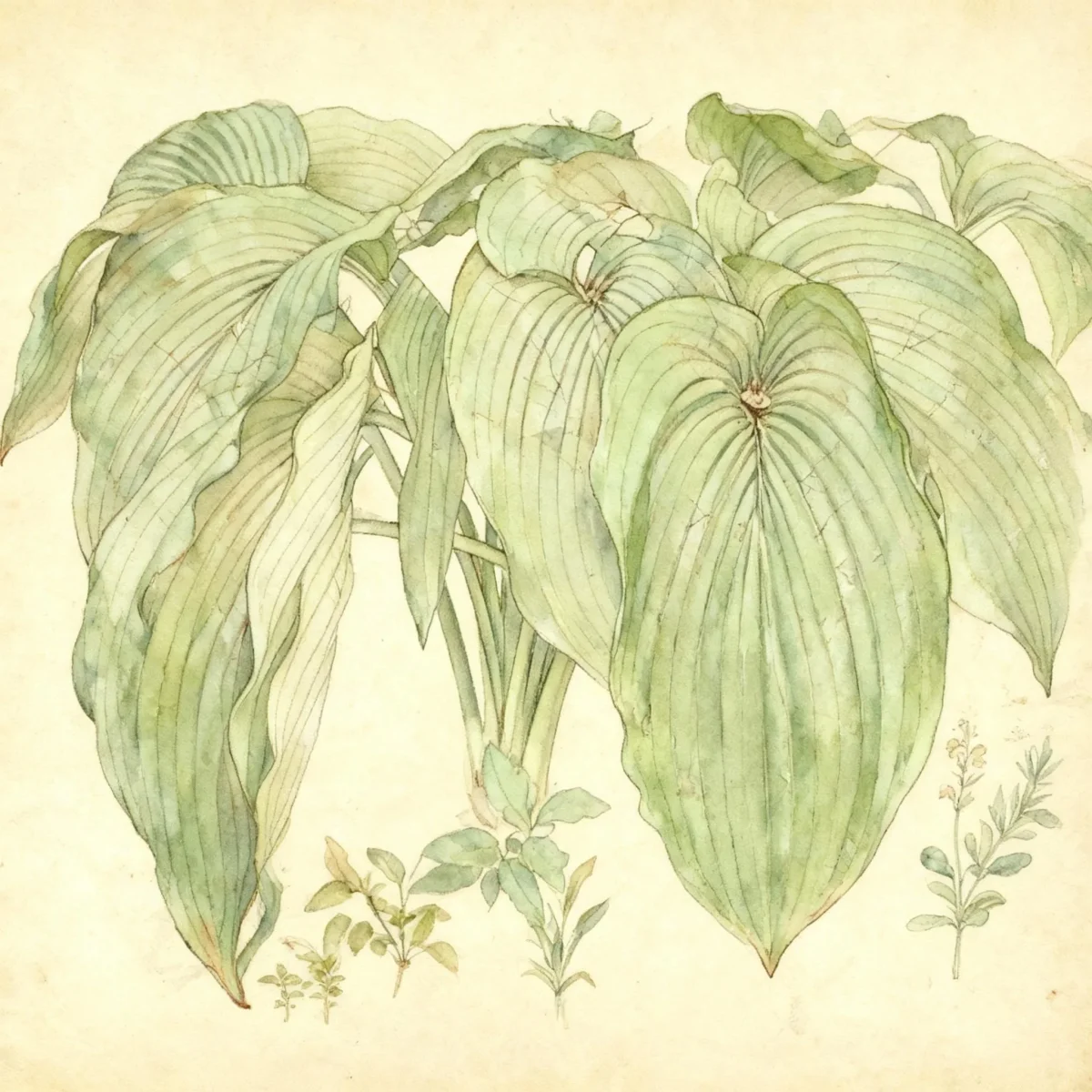
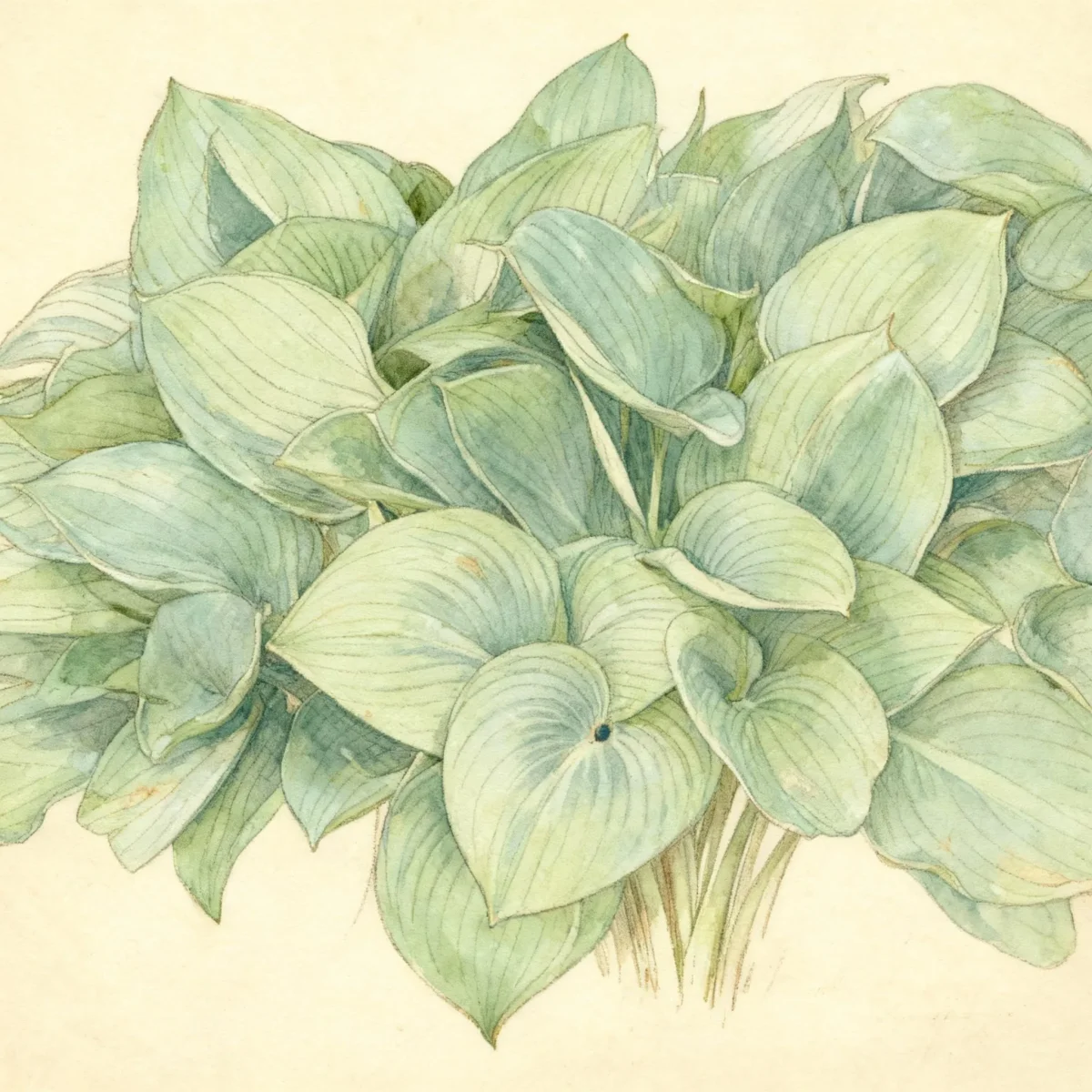
Hosta (Hosta 'City Lights')
Hosta 'City Lights' is a low-maintenance perennial featuring thick, yellow corrugated leaves and pale lavender flowers in summer.
Scroll down to discover growing tips, care requirements, companion plants, and more
Complete Plant Information
Overview
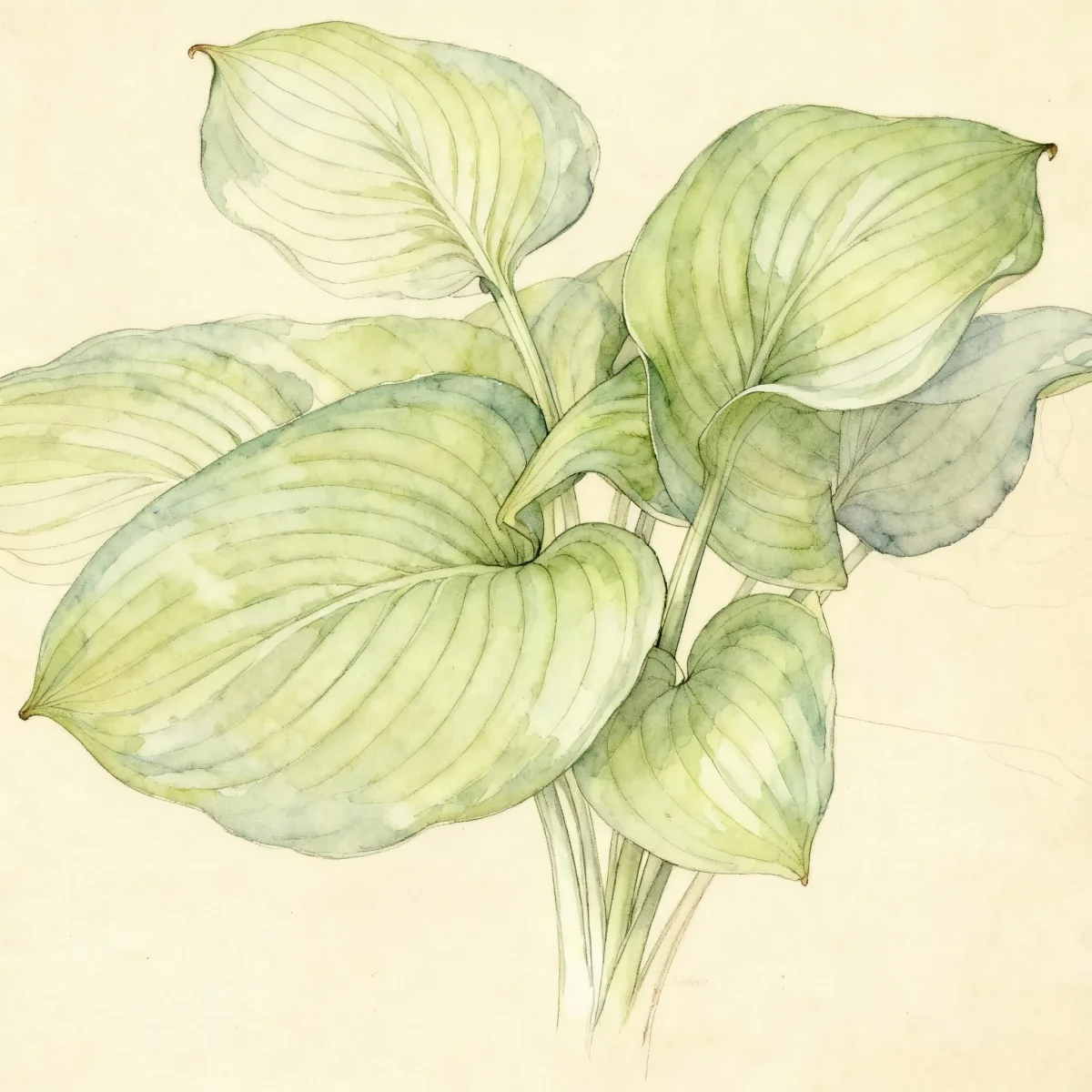
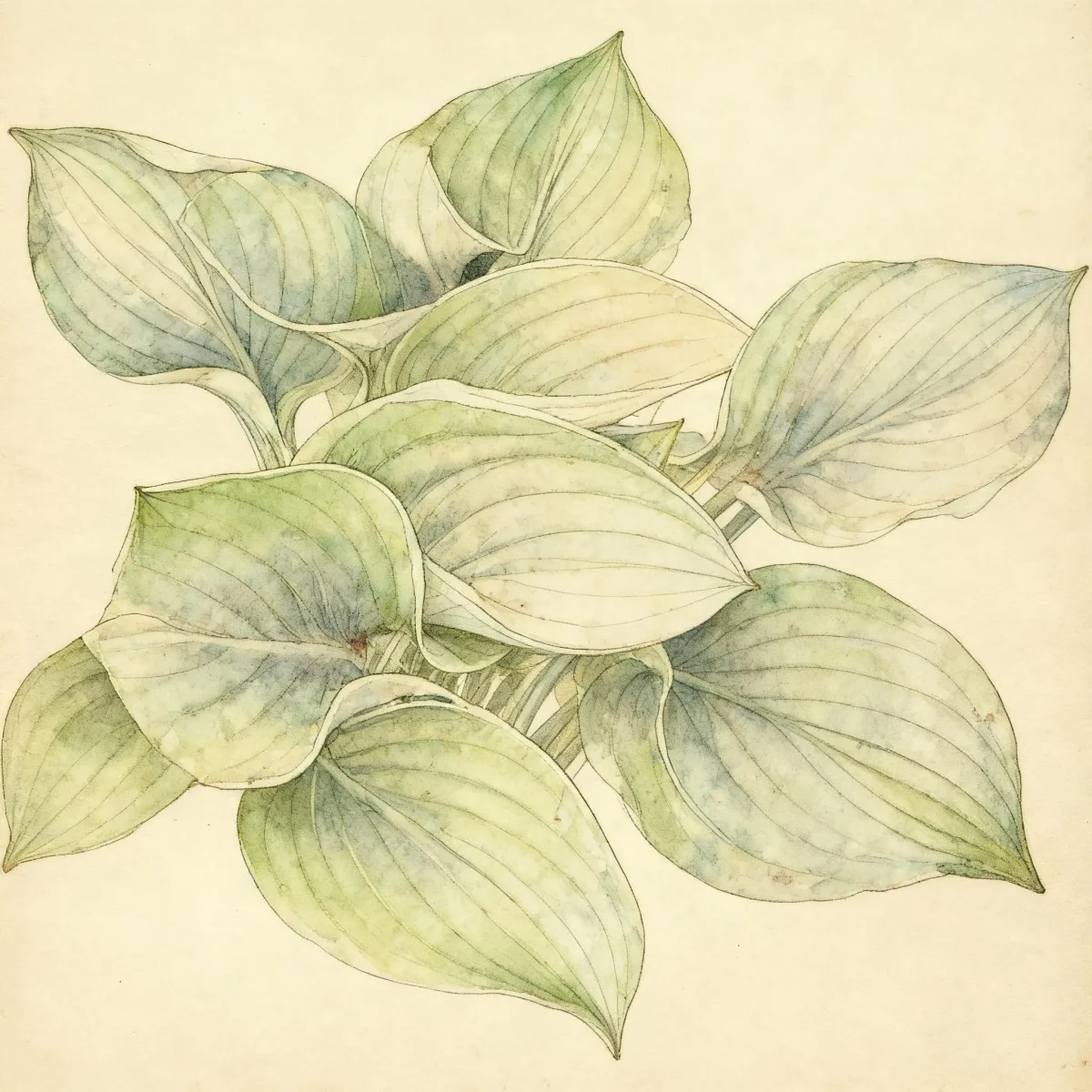
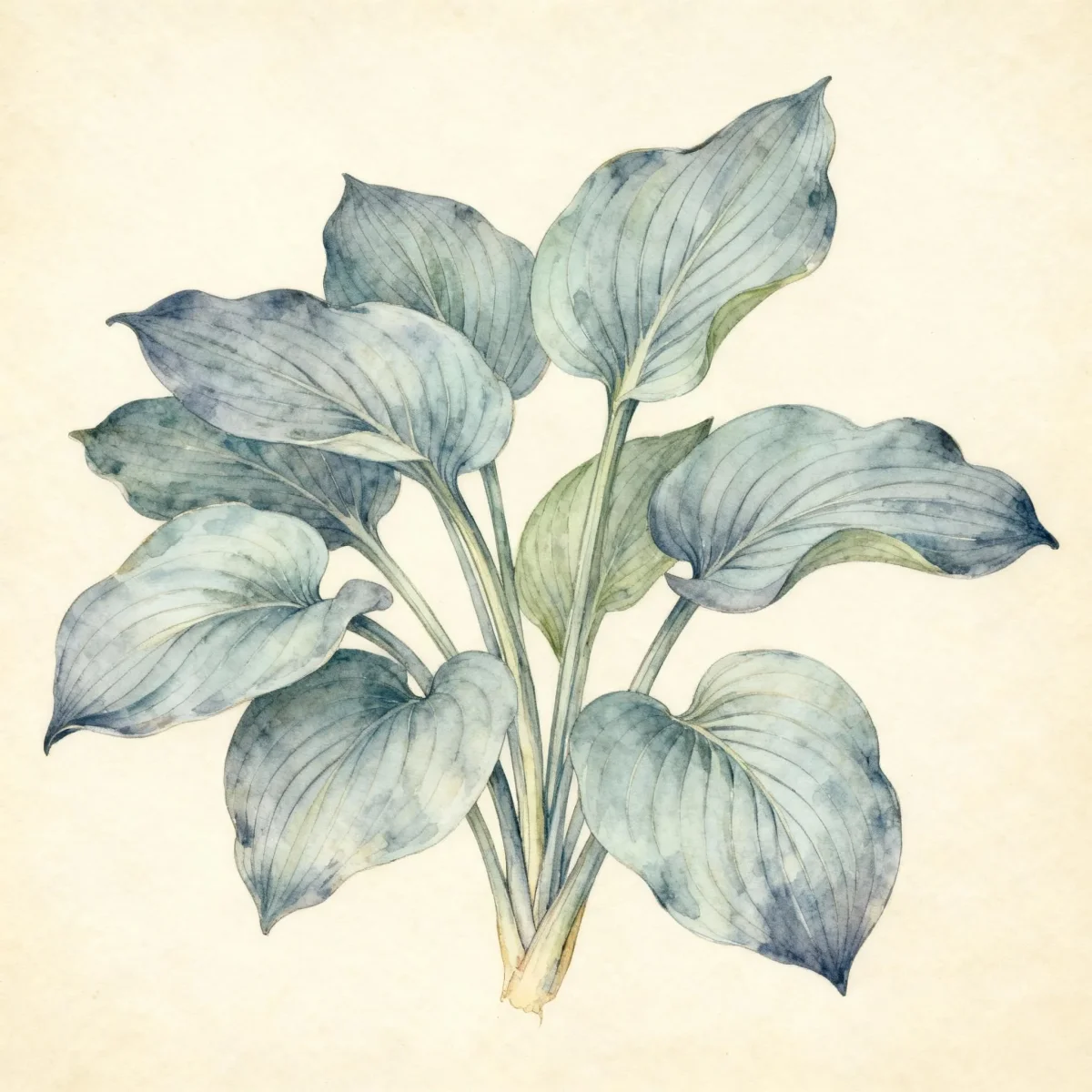
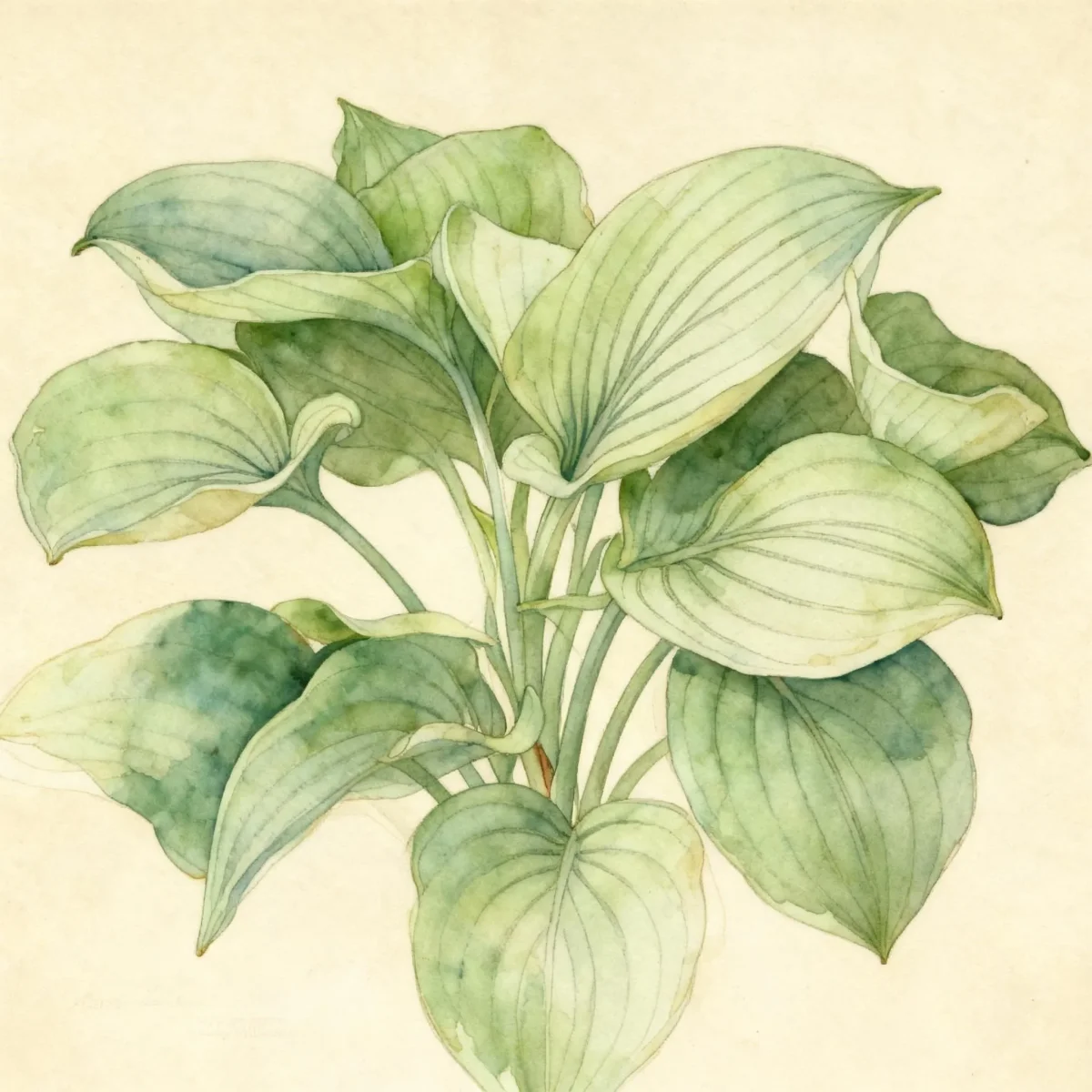
Hosta ‘City Lights’ is a highly desirable cultivar cherished primarily for its ornamental foliage, though its summer blooms add subtle charm to shaded landscapes. This specific Hosta stands out with thick, rounded leaves that emerge chartreuse and mature to a bright, vibrant yellow, providing excellent contrast against darker greens in the understory. As a rhizomatous, clump-forming perennial, the Hosta genus, including the popular Hosta ‘City Lights’, performs reliably, offering structure and texture in areas where few other flowers thrive.
Offering a compact yet robust presence, Hosta ‘City Lights’ typically reaches heights between 2 and 2.5 feet, spreading 3 to 4 feet wide. It is known for being relatively low-maintenance once established, assuming its moisture and shade requirements are met. Gardeners rely on the genus Hosta for creating serene, cool-toned focal points in woodland settings or deep shade borders.
This Hosta hybrid is noted for its hardiness across many zones and its high tolerance for deep shade conditions. While the foliage is the main draw, the near-white to pale lavender flowers blooming in mid-summer provide a gentle accent above the dense mound of yellow-green leaves, cementing Hosta ‘City Lights’ as a foundational shade garden element.
Fast Facts
- Plant Family: Asparagaceae
- Plant Type: Herbaceous perennial
- Hardiness Zones: USDA Zones 3-8
- Size at Maturity:
- Height: 2-2.5 ft
- Spread: 3-4 ft
- Bloom Time: July to August
- Bloom Description: White
- Sun Exposure: Part shade to full shade
- Water Needs: Medium
- Maintenance Level: Low
How to Grow
Planting Hosta ‘City Lights’ is best achieved in spring or autumn when temperatures are moderate. Choose a location that provides consistently moist, organically rich, and well-drained soil. While this Hosta cultivar thrives in part shade, it can tolerate full shade; however, best performance, including vibrant leaf color and optimal size, is achieved with some dappled sunlight or gentle morning sun exposure.
Established Hosta plants demonstrate some drought tolerance, especially those with thick leaves like Hosta ‘City Lights’, but consistent moisture is crucial for maintaining peak foliage quality. Always water directly at the soil level beneath the leaves to minimize fungal issues and ensure the roots receive adequate hydration. Because this Hosta is generally considered low-maintenance, extensive fertilization is usually unnecessary if the soil structure is good.
Dividing your Hosta planting is easily performed every few years to manage spread or propagate new plants. The ideal time for division is early spring before the new leaves unfurl or in the autumn. When siting your plants, remember to place them in locations protected from strong winds, which can physically damage the large leaves of the Hosta.
Landscape Uses
Hostas are the undisputed mainstays of the shade garden, valued more for their exceptional ornamental foliage than their flowers. Hosta ‘City Lights’, with its bright yellow mound, offers significant visual impact against the deep greens of ferns or darker-leaved shrubs. They are exceptionally effective when planted in mass groupings or utilized as groundcover beneath mature trees where sunlight is scarce.
Consider using this variety in shady borders near walkways where its texture and color can be appreciated up close, or as excellent background plants that unify the composition of a woodland design. Because it handles heavy shade well, group Hosta ‘City Lights’ with plants that prefer similar conditions, such as Astilbes, Impatiens, or Tiarella, ensuring year-round interest in your shaded beds.
Standout Features
Flower Qualities
- Showy
Noteworthy Characteristics
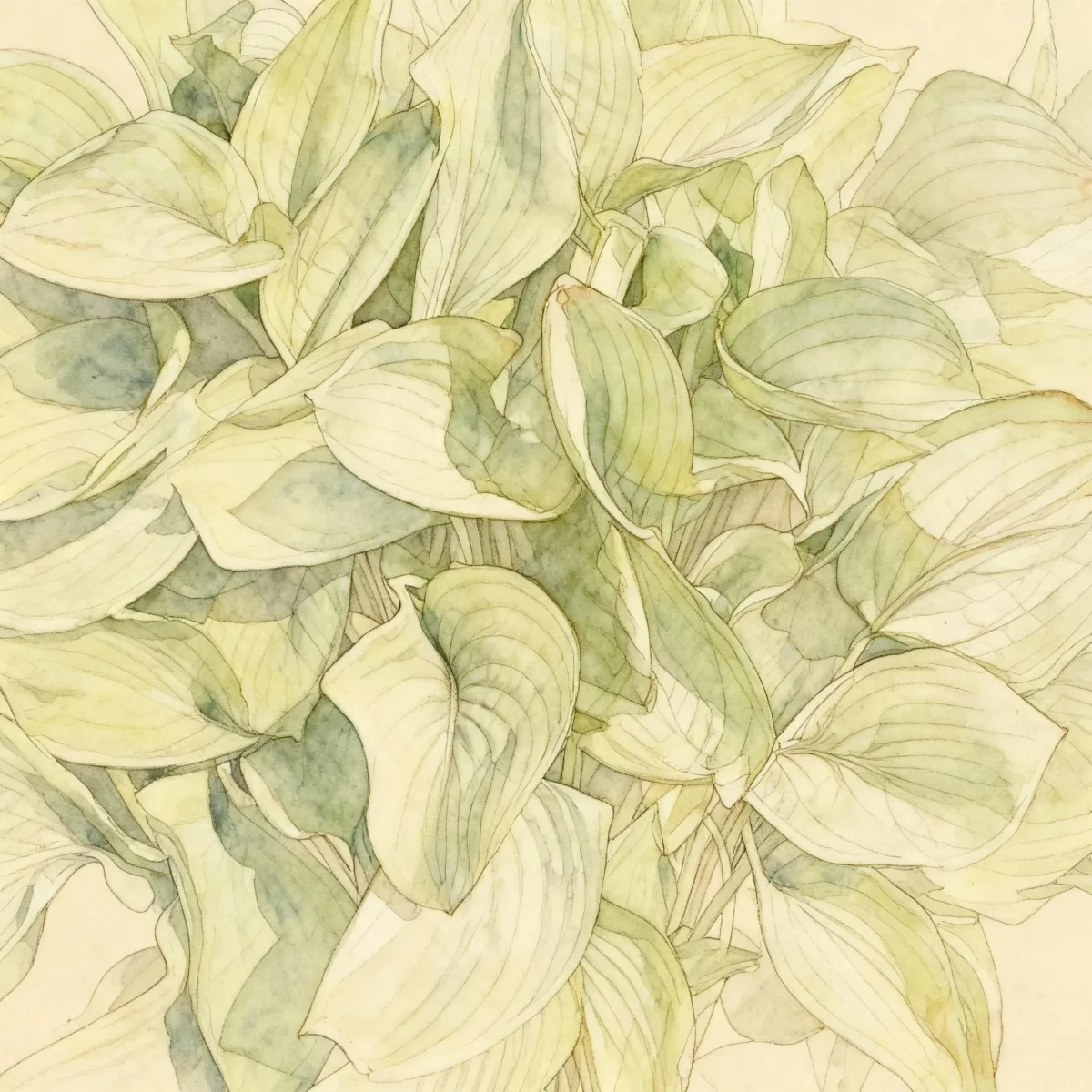
Hosta is a genus of about 70 species of shade-loving, rhizomatous, clump-forming, herbaceous perennials which are native to open woodlands, woodland margins and glades in Japan, Korea, China and eastern Russia. Hostas are primarily grown for their ornamental foliage. Stalked, conspicuously-veined, often dense, basal leaves in a variety of shapes, sizes, colors and textures rise up from a central rhizomatous crown to form a rounded to spreading mound of foliage. Bell or funnel-shaped flowers in terminal, mostly one-sided racemes bloom in late spring or summer atop vertical, unbranched, usually leafless but frequently bracted scapes which rise upward from the crown or rootstock to a point often well above the foliage mound.Genus name honors Austrian botanist Nicholas Thomas Host (1761-1834) and was first established in 1812. The genus was subsequently renamed in 1817 as Funkia in honor of botanist Heinrich Christian Funk under the belief at that time that Hosta was an invalid name. Hosta was finally reinstated as the genus name in 1905 by the International Botanical Congress.Funkia remains a popular common name today in some areas. An additional common name for plants in this genus is plantain lily (foliage is somewhat plantain-like and flowers are somewhat lily-like in some species).’City Lights’ is reputed to be a Hosta ‘White Vision’ and Hosta ‘Golden Prayers’ hybrid. Its development has been attributed to both Paul Aden of Baldwin, New York and Florence Shaw of Weston, Massachusetts. It has 12 by 9 in. Rounded leaves that are slightly cupped, thick and heavily corrugated. They emerge chartreuse and mature to bright yellow. Its bell-shaped flowers are near white to a pale lavender. ‘City Lights’ grows 2 to 2 1/2 ft. Tall and 3 to 4 ft. Wide
Tolerances
- Heavy Shade
- Black Walnut
Potential Problems
The primary antagonists for any Hosta, including Hosta ‘City Lights’, are slugs and snails. These pests are heavily attracted to the foliage, leaving unsightly, jagged holes which can rapidly degrade the plant’s appearance if left unchecked. Vigilant application of baits or physical barriers is necessary in susceptible areas.
Foliar nematodes cause interveinal browning, while less common issues include leaf spots and crown rot, often linked to poor drainage or excessive moisture. Furthermore, Hosta Virus X (HVX) is a serious threat; infected plants must be removed and destroyed immediately to prevent spread. Deer and rabbits frequently consume Hosta leaves, sometimes voraciously.
Frequently Asked Questions
What hardiness zones is Hosta ‘City Lights’ suitable for?
Hosta ‘City Lights’ is suitable for growing in USDA Hardiness Zones 3 through 8.
How large does Hosta ‘City Lights’ grow?
This perennial typically reaches a height of 2 to 2.5 feet and spreads to a width of 3 to 4 feet at maturity.
What sun exposure does Hosta ‘City Lights’ need?
Hosta ‘City Lights’ requires part shade to full shade conditions for the best appearance and health.
When does Hosta ‘City Lights’ bloom?
The blooms occur from July to August, featuring white flowers.
Conclusion
Hosta ‘City Lights’ delivers exceptional value to the shade garden through its reliable structure and stunning, thick, bright yellow foliage. This Hosta remains a foundational plant for dark areas, providing sustained seasonal interest with minimal effort. Before planting, ensure your site offers the medium moisture and protection from wind that Hosta ‘City Lights’ requires to achieve its full potential.
Companion Planting for Shade Gardens
Selecting companions that share the cultural requirements of Hosta ‘City Lights’ ensures a cohesive, healthy planting scheme. Because this Hosta appreciates consistent moisture and rich soil, pair it with other humidity-loving shade performers like Japanese Forest Grass (Hakonechloa macra), which offers contrasting fine texture. Additionally, plants that bloom earlier or later than Hosta provide sequential interest; consider early-blooming spring bulbs or late-season ferns.
Consider the height contrast when arranging your shade companions. Taller, airy plants like Digitalis (Foxglove) or tall Astilbes can create a dramatic backdrop behind the mounding form of Hosta ‘City Lights’. For groundcover beneath the Hosta clump, use creeping Jenny (Lysimachia nummularia) or mosses, provided they do not aggressively compete for nutrients or moisture needed by the primary Hosta.
Propagation Tips
The most straightforward way to propagate Hosta ‘City Lights’ is through division, a necessary process that helps rejuvenate overcrowded clumps and provides new plants at no cost. As noted, division is easiest done in early spring before the eyes have fully broken ground, or in the autumn after the foliage has died back.
To divide, carefully dig up the entire clump using a sharp spade, loosening the soil around the root ball. Gently clean off excess soil to expose the rhizomatous crown. Using a sharp, sterile knife or spade, cut the crown into sections, ensuring each new piece has at least two to three healthy buds or eyes attached to a substantial section of root.
Replant the divisions immediately at the same depth they were previously growing; do not bury the crown too deeply, as this can lead to rot. Ensure the new planting sites mimic the established location’s needs for shade and consistent moisture until the divided Hosta ‘City Lights’ has re-established its root system.