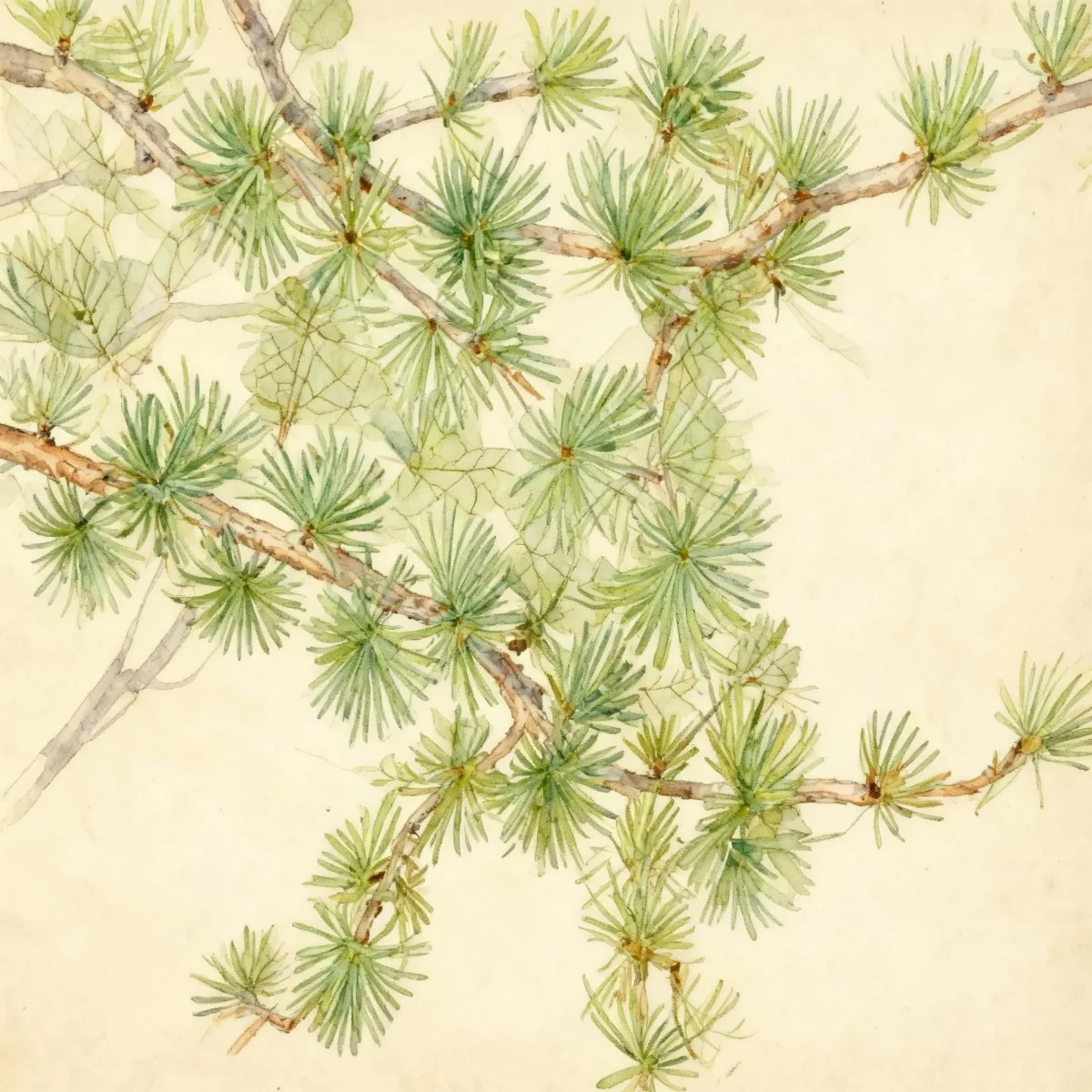
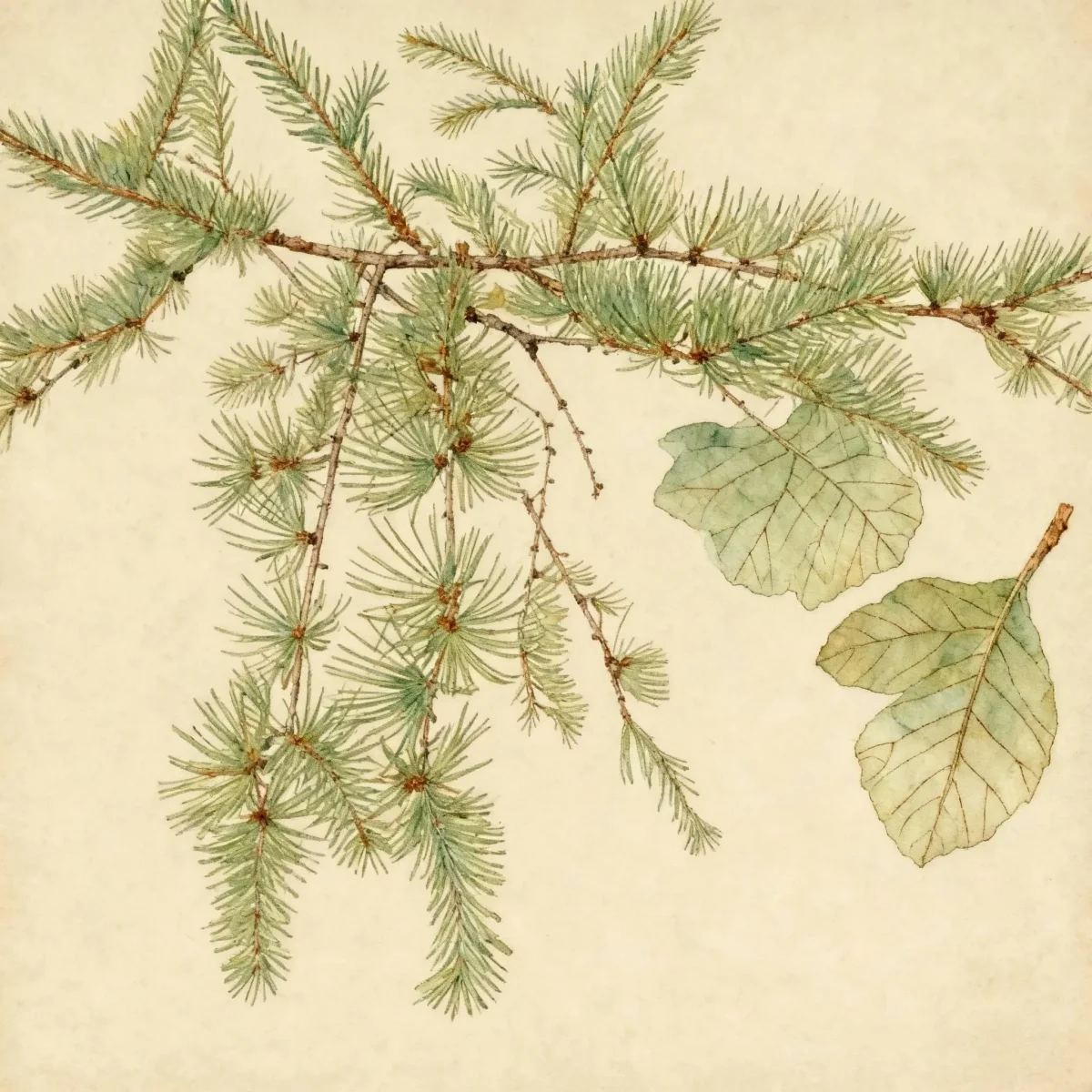
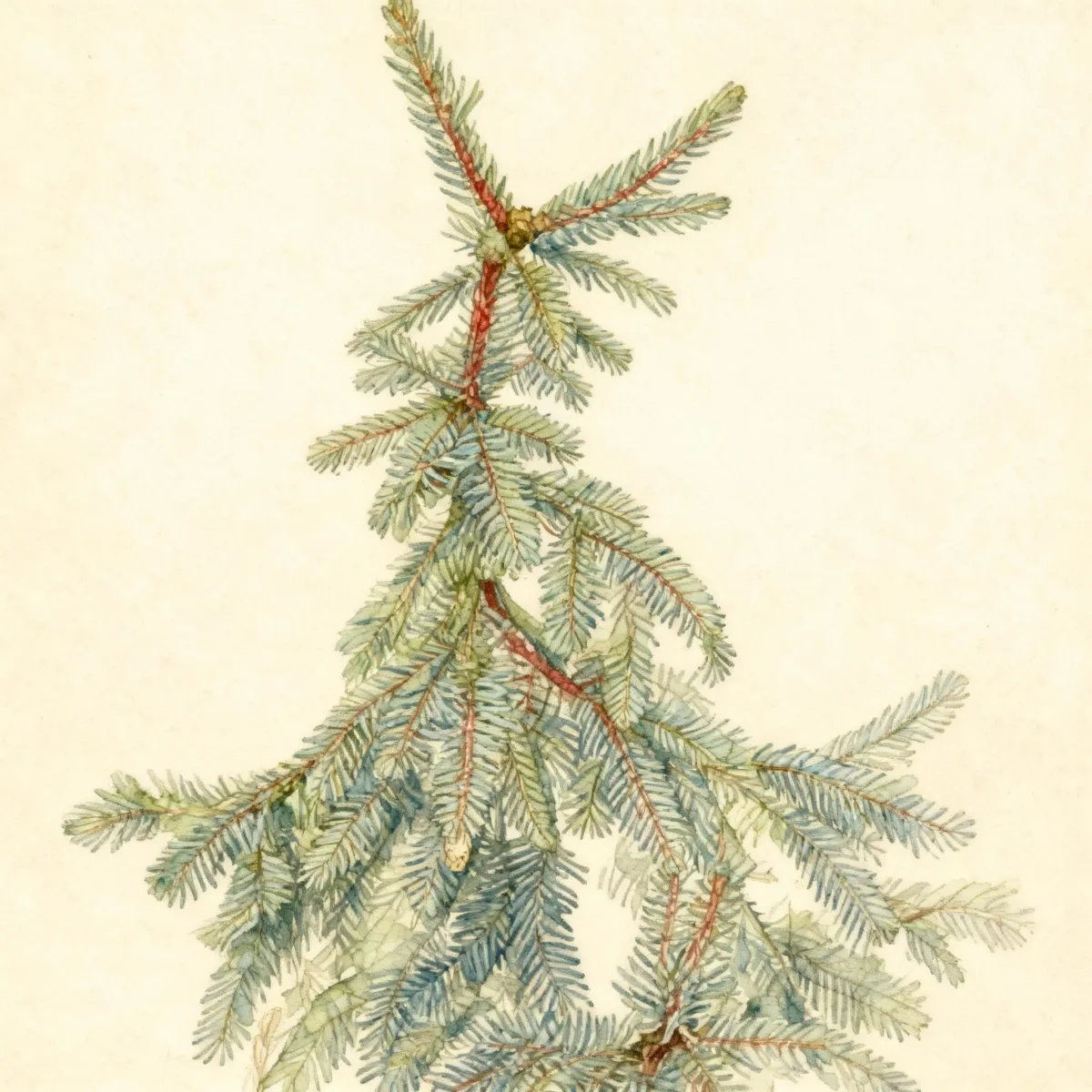
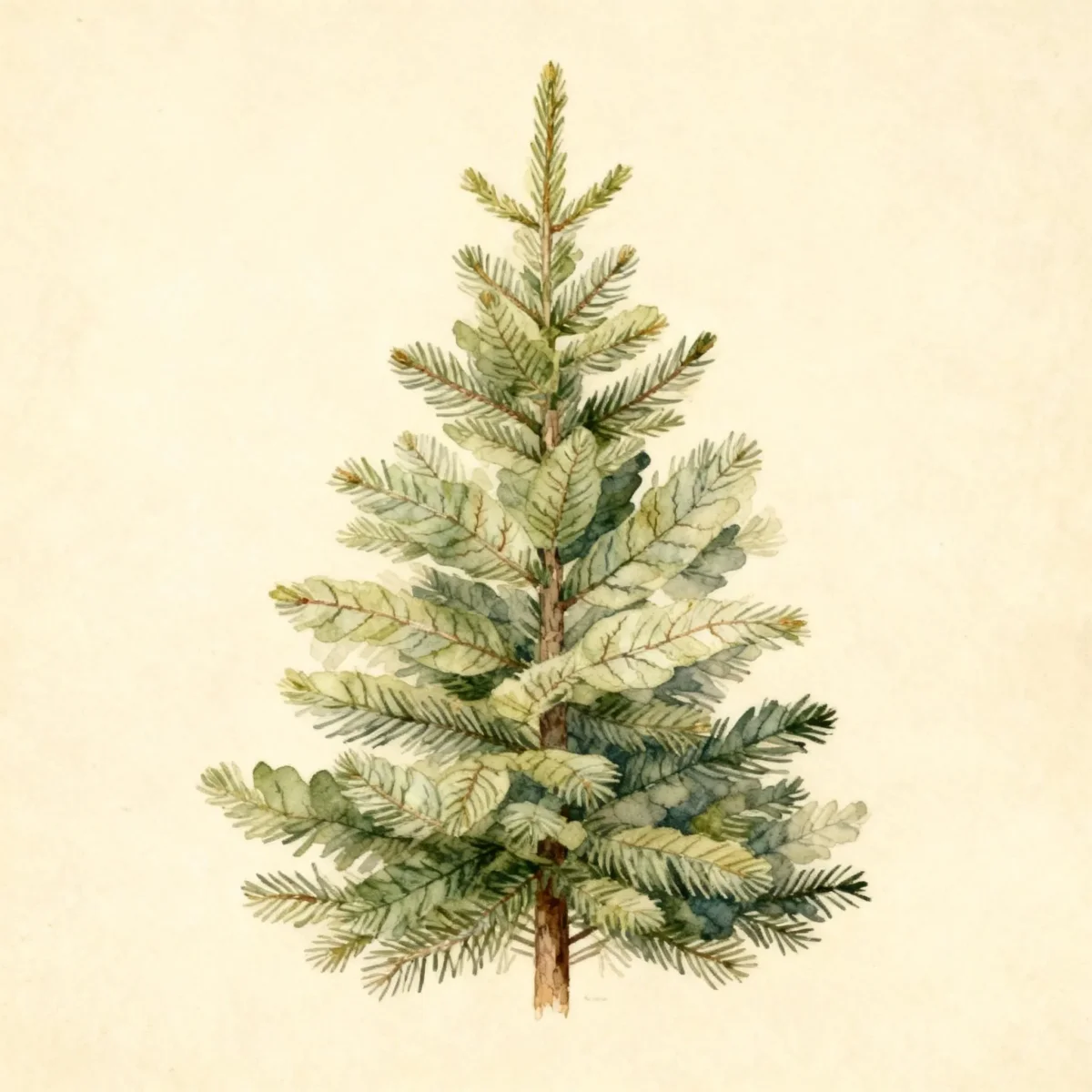
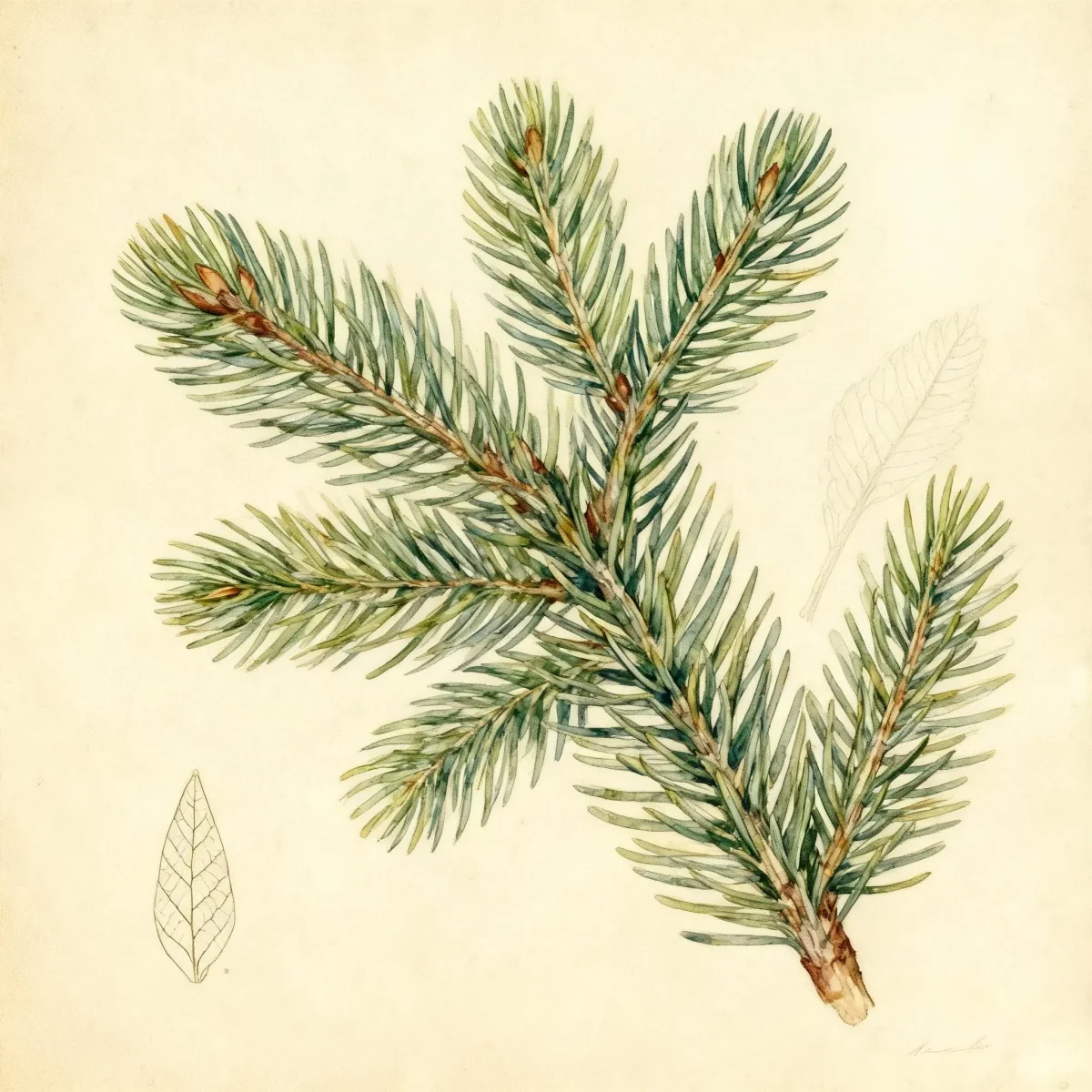
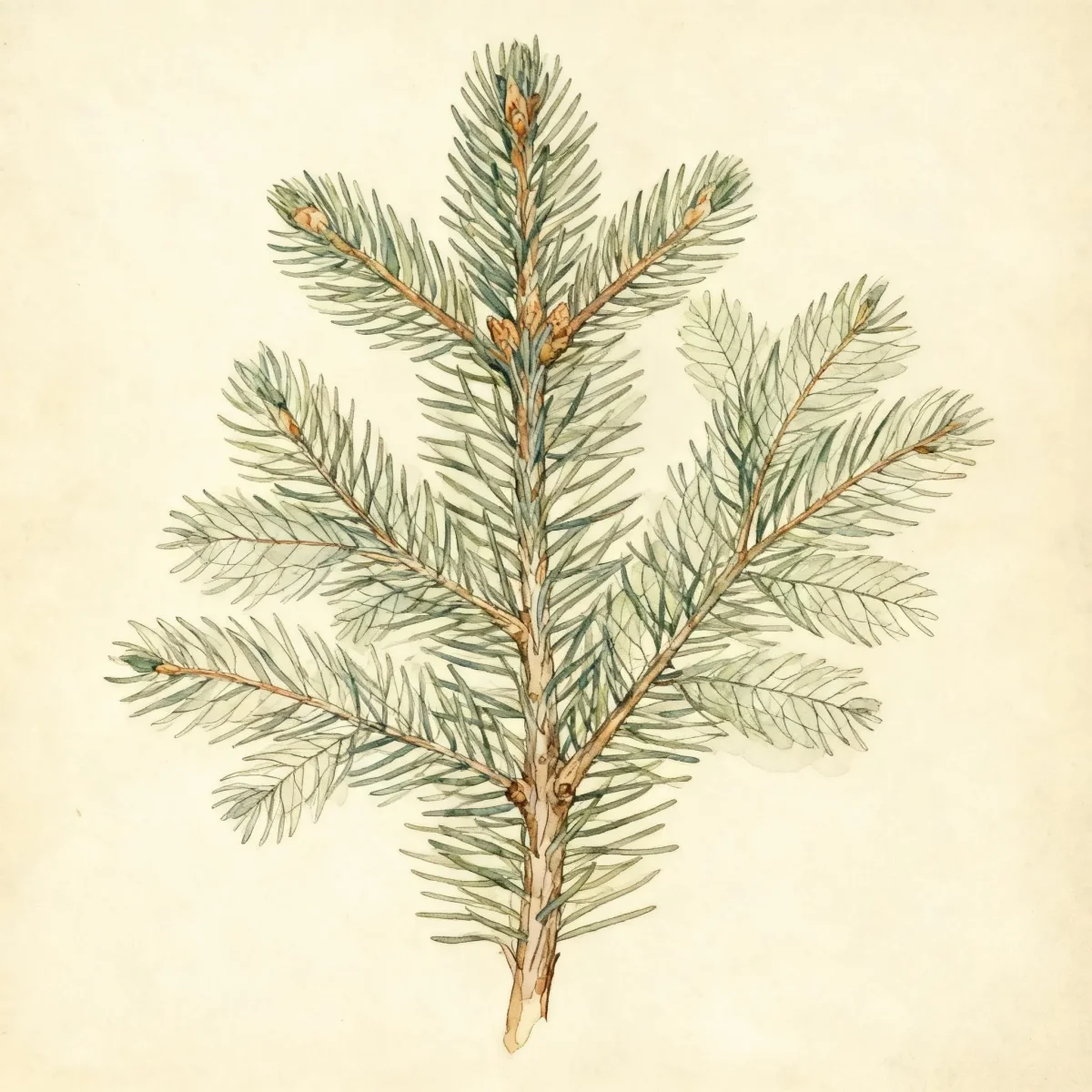
Japanese larch (Larix kaempferi 'Stiff Weeping')
Discover Larix kaempferi 'Stiff Weeping', a compact Japanese larch cultivar known for its soft green needles and dramatic golden fall color, perfect for small spaces.
Scroll down to discover growing tips, care requirements, companion plants, and more
Complete Plant Information
Overview
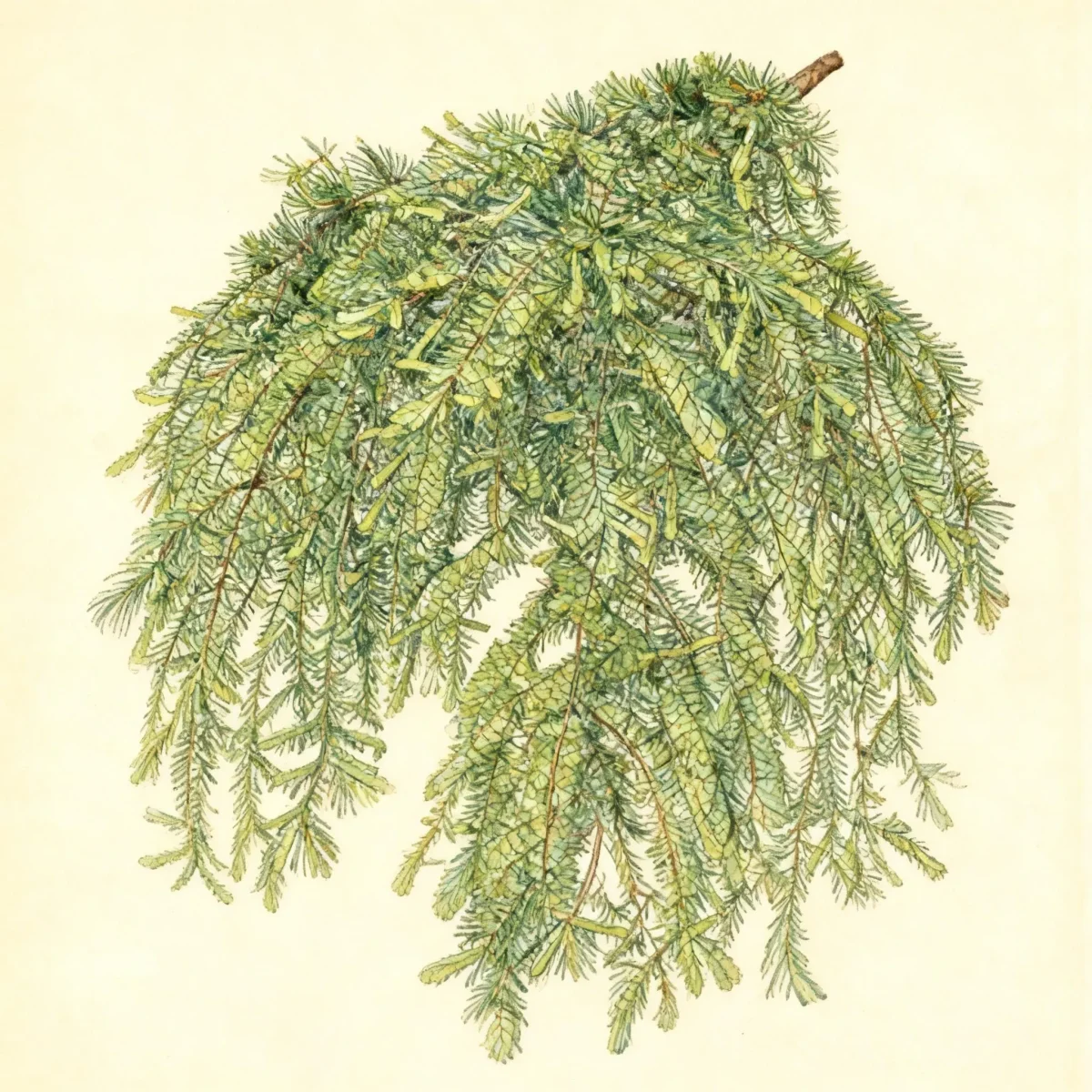
Larix kaempferi ‘Stiff Weeping’ is a truly distinctive cultivar of the Japanese larch, transforming the species’ native stature into a manageable, architectural specimen for contemporary gardens. This deciduous conifer provides dynamic seasonal interest, beginning with soft green needles in spring that transition into a brilliant, glowing golden yellow before they drop in winter. Its value lies in its strongly weeping, compact habit, making it an excellent focal point where larger trees are unsuitable.
The ‘Stiff Weeping’ variety maintains slow to moderate growth, typically reaching only 5 to 6 feet in height and 3 to 6 feet in spread, offering structure year-round, even when leafless. As a Japanese larch, it thrives best in conditions that mimic cool summers and distinct cold winters, rewarding attentive gardeners with reliable performance. It is a low-maintenance choice that brings sophisticated texture and color contrast to residential landscapes.
Fast Facts
- Plant Family: Pinaceae
- Plant Type: Deciduous shrub
- Hardiness Zones: USDA Zones 4-7
- Size at Maturity:
- Height: 5-6 ft
- Spread: 3-6 ft
- Bloom Time: Non-flowering
- Sun Exposure: Full sun
- Water Needs: Medium
- Maintenance Level: Low
How to Grow
The best time to establish Larix kaempferi ‘Stiff Weeping’ is during the dormant season, ideally early spring before new growth begins, or in the fall, allowing roots establishment before winter dormancy. Plant this Japanese larch in a location that provides full sun exposure, as insufficient light will compromise its density and weeping form. Optimal soil conditions are paramount: aim for rich, moist, acidic, and well-drained substrates.
Watering should be managed consistently; while moderately thirsty, avoid soggy soil, which this species dislikes. It is essential to ensure good drainage, particularly in areas with heavy winter precipitation. This cultivar is intolerant of dry soils, so supplemental watering will be necessary during prolonged summer droughts, especially while establishment is ongoing.
Avoid planting Larix kaempferi ‘Stiff Weeping’ in areas prone to hot, humid summers south of USDA Zone 7, as performance suffers significantly under these conditions. Maintenance is generally low, requiring little pruning other than the occasional strategic removal of crossing branches. If a taller, more dramatic weeping effect is desired, gently train a single leader upward on a support structure and then allow the weeping habit to take over.
Landscape Uses
Unlike the towering native Japanese larch, the compact nature of Larix kaempferi ‘Stiff Weeping’ opens up numerous design possibilities for smaller spaces. Its strongly weeping habit makes it an outstanding specimen plant, providing vertical interest without dominating a space. Use it as a singular focal point in a rock garden, near an entryway, or as a dramatic contrast against broader, mounding evergreen shrubs.
For those embracing container gardening or patio displays, this cultivar performs well, provided its drainage and moisture needs are met consistently. Consider pairing the dramatic golden fall needle color of the Japanese larch with foundational plants that offer strong winter contrast, such as dark green boxwood or evergreen ferns, to maximize year-round visual appeal in the garden.
Standout Features
Noteworthy Characteristics
Larix kaempferi, commonly called Japanese larch, is a deciduous conifer that is native to Japan, and the ‘Stiff Weeping’ cultivar offers a unique presentation of this species. Its needles emerge soft green and provide excellent texture through summer before turning a brilliant golden yellow, offering unparalleled fall color before they gracefully shed for winter. The compact, strongly downwards habit of ‘Stiff Weeping’ makes it ideally suited for small gardens, containers, or as a weeping accent specimen.
Tolerances
- Tolerates some light shade
Potential Problems
Potential insect pests that may target this conifer include the larch case-bearer, larch sawfly, larch looper, tussock moth, Japanese beetle, and woolly aphids. Monitoring foliage closely, especially in early spring, can help catch infestations early. Healthy cultural practices, such as appropriate soil moisture and sunny location, help the plant resist stress-related issues.
Disease issues for the Japanese larch sometimes include needle cast, needle rust, and canker. Ensure excellent air circulation and avoid overhead watering, especially late in the day, to minimize fungal opportunities. Always select disease-free nursery stock when bringing new specimens into the garden.
Frequently Asked Questions
What hardiness zones is Japanese larch suitable for?
Larix kaempferi ‘Stiff Weeping’ is generally suitable for planting in USDA Hardiness Zones 4 through 7.
How large does Larix kaempferi ‘Stiff Weeping’ grow?
This compact variety typically reaches a mature height between 5 and 6 feet tall, with a spread ranging from 3 to 6 feet wide.
What sun exposure does Japanese larch need?
This plant requires full sun for the best density and performance, though it can tolerate some light shade.
When does Larix kaempferi ‘Stiff Weeping’ bloom?
As a conifer prized for its needles and form, Larix kaempferi ‘Stiff Weeping’ is non-flowering.
Conclusion
The Larix kaempferi ‘Stiff Weeping’ offers sophisticated texture and stunning golden color change in a size adaptable to almost any landscape plan. This unique Japanese larch cultivar proves that dramatic architectural form doesn’t require massive scale. Before planting, ensure your location provides full sun and the rich, acidic soil conditions necessary for this beautiful specimen to thrive.
Companion Planting
When planning surrounds for your Japanese larch, select plants that share its affinity for moist, acidic soil and full sun exposure. Consider groundcovers like creeping phlox (Phlox subulata) or various evergreen heaths and heathers, which provide low-growing texture that contrasts nicely with the upright weeping lines of the larch. Pairing it with broadleaf evergreens that maintain deep green color throughout the winter will amplify the impact of the golden needles in autumn.
Container Growing
Because Larix kaempferi ‘Stiff Weeping’ remains relatively compact, it is an excellent candidate for large patio containers, allowing gardeners in restricted areas to enjoy its form. Use a high-quality, acidic potting mix amended with extra compost or peat moss to retain moisture while ensuring superb drainage. In containers, water needs become more critical; check the soil moisture daily during hot weather, as pots dry out much faster than in-ground plantings.