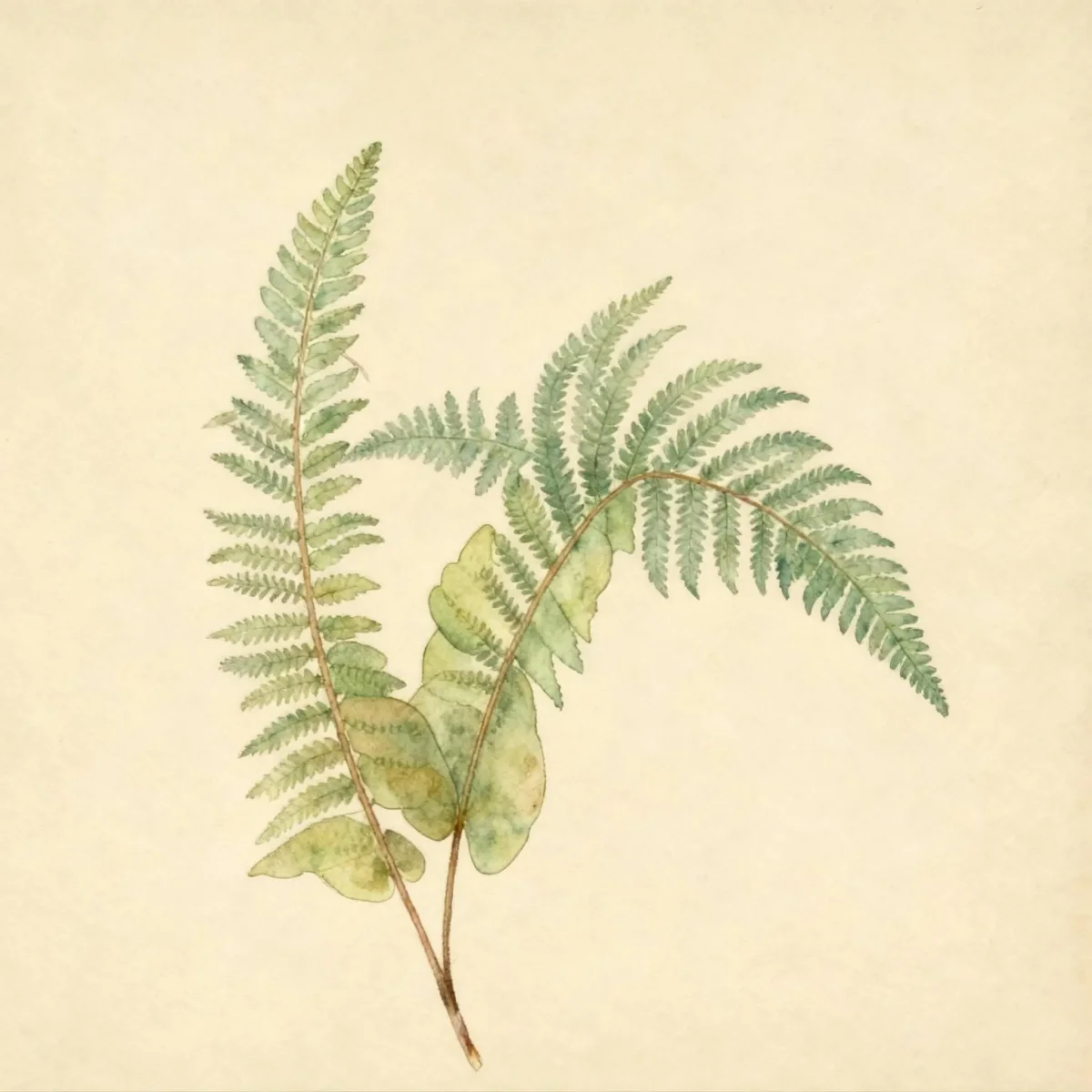
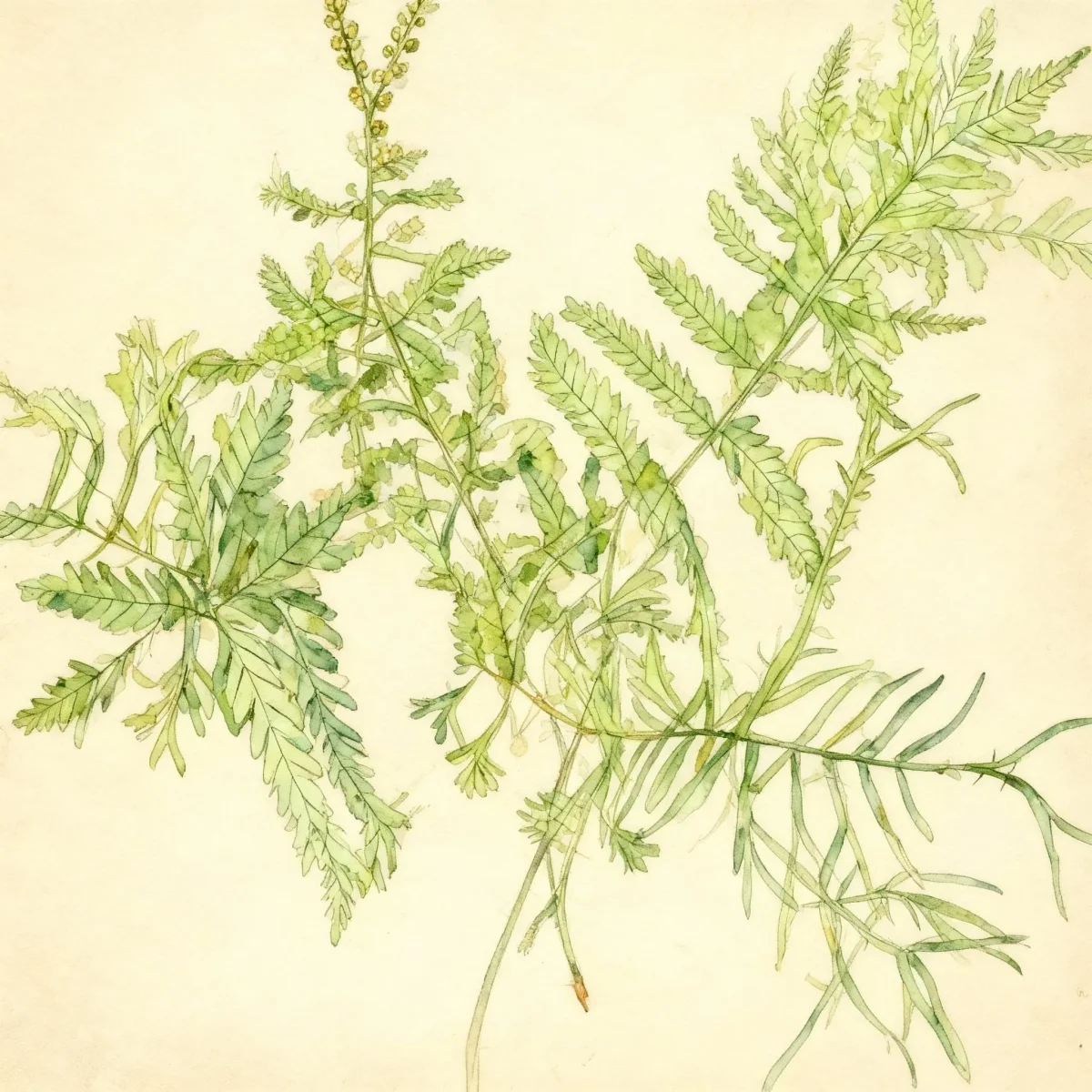
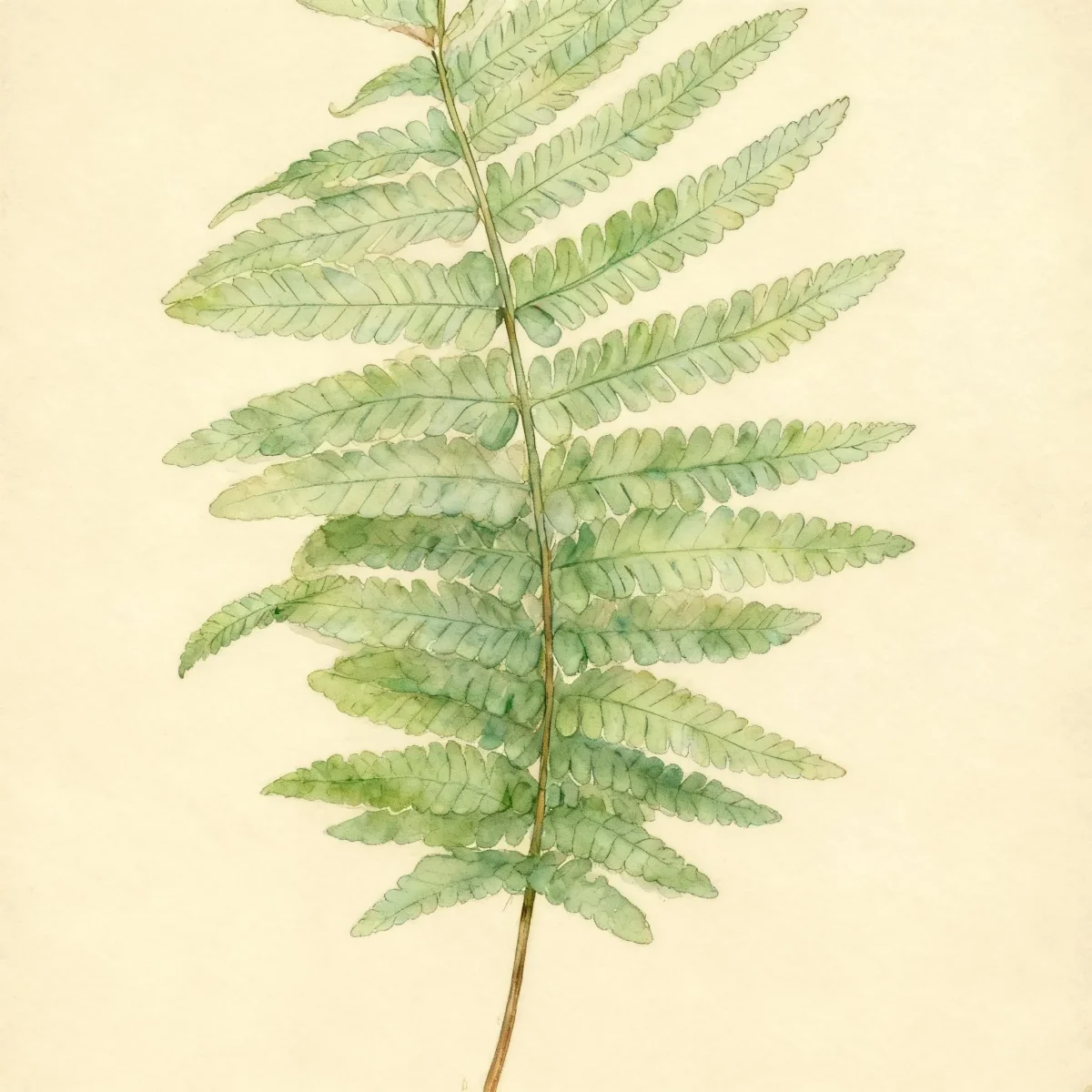
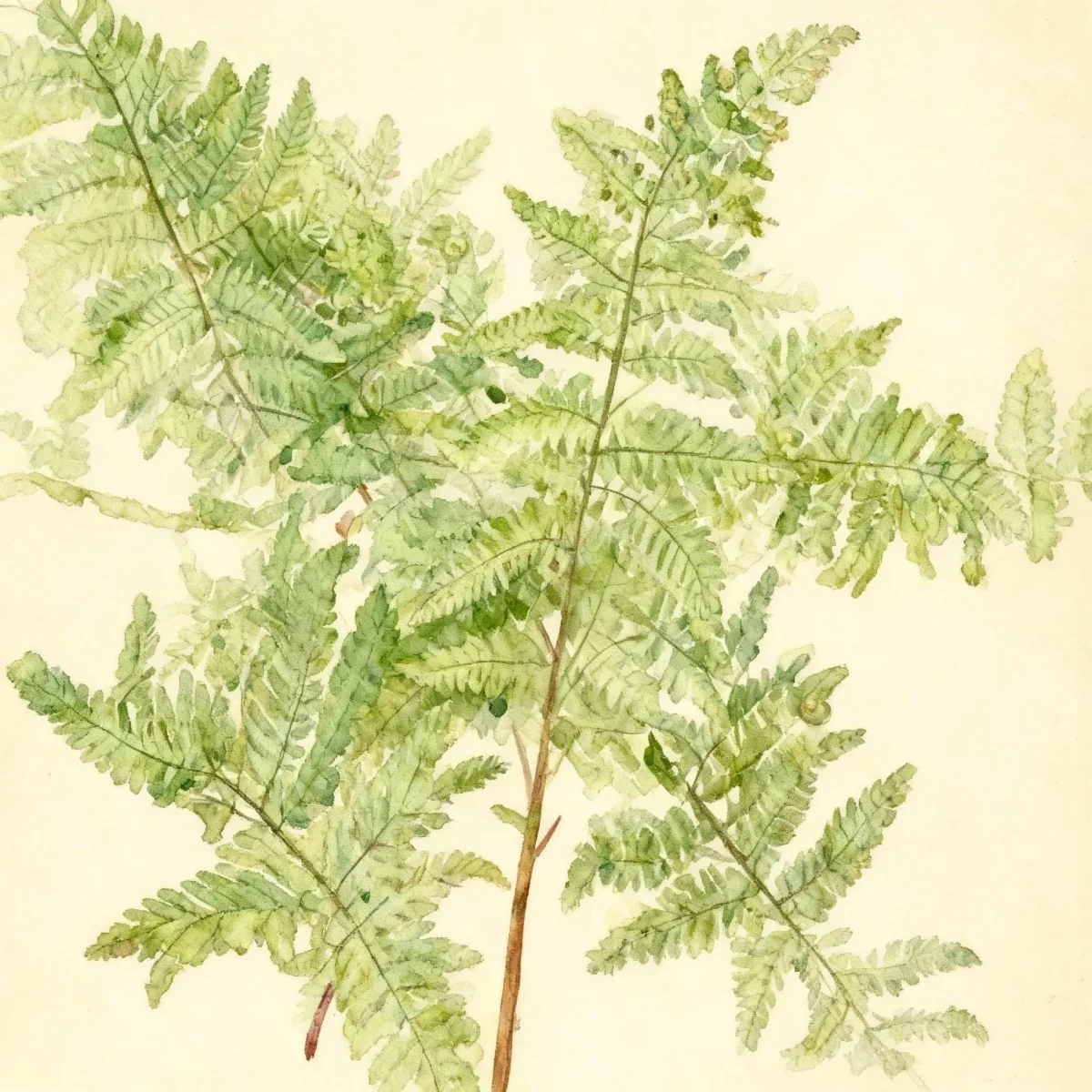
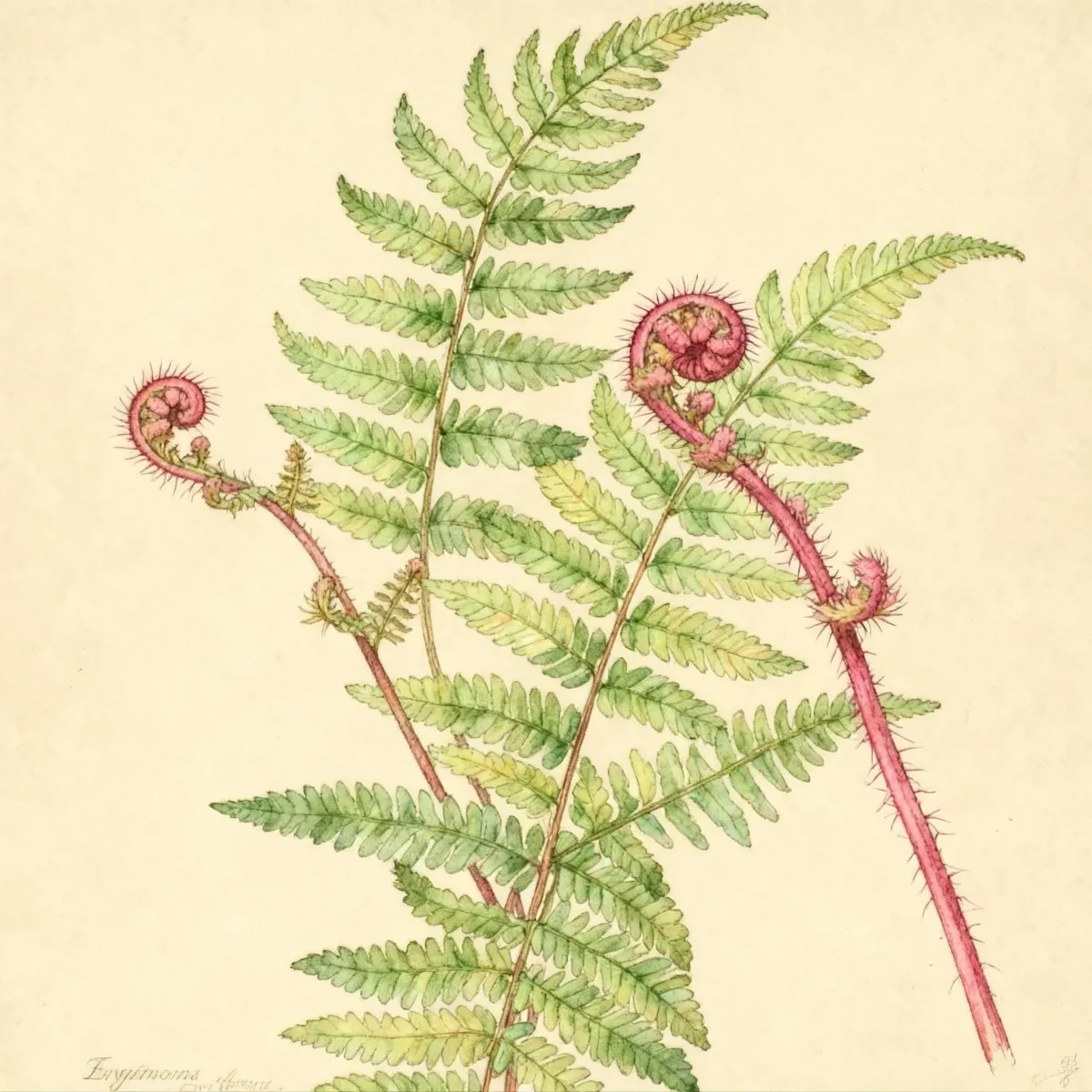
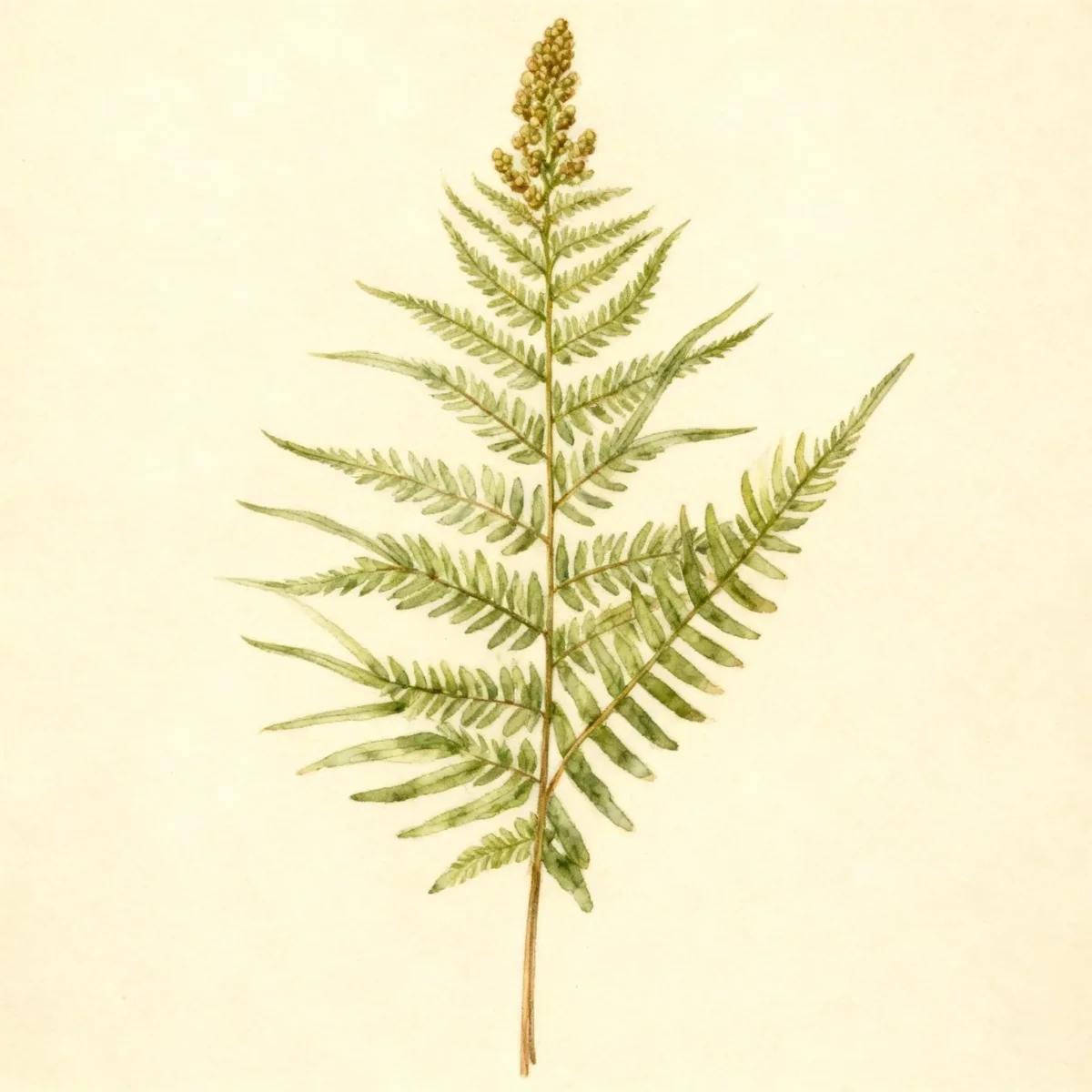
Soft shield fern (Polystichum setiferum (Plumosomultilobum Group))
The Soft shield fern, Polystichum setiferum (Plumosomultilobum Group), offers lacy texture in deep shade. This low-maintenance fern thrives in dry to medium soils.
Scroll down to discover growing tips, care requirements, companion plants, and more
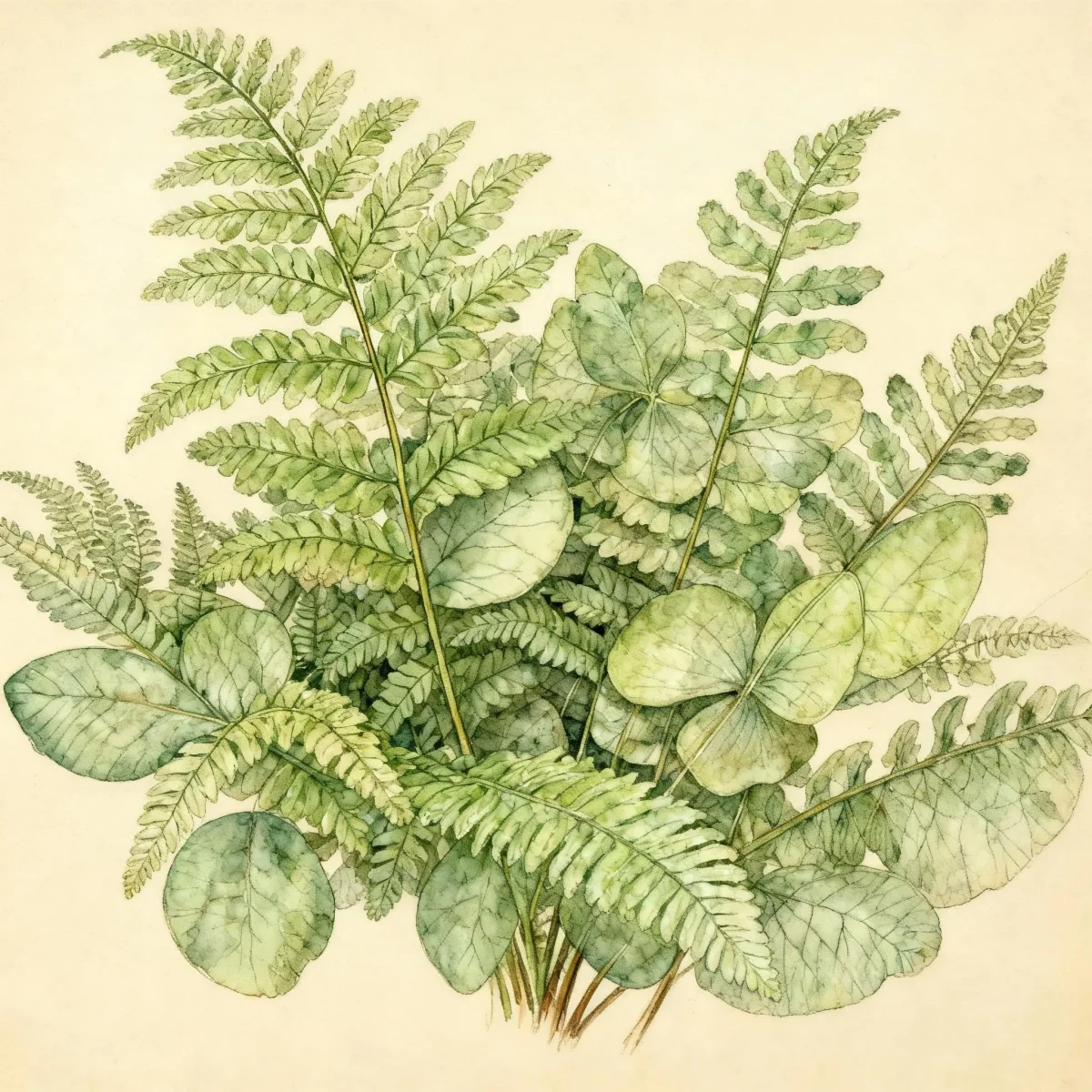
Complete Plant Information
Overview
The Soft shield fern, Polystichum setiferum (Plumosomultilobum Group), is celebrated for its exquisite, finely divided foliage that forms a dense, lacy mound. This evergreen to semi-evergreen fern brings essential texture and deep green color to shaded garden areas where few other plants thrive. It belongs to the Dryopteridaceae family and is native to Europe.
The Plumosomultilobum Group specifically refers to cultivars noted for their multilayered fronds, creating a fluffy, delicate appearance contrasted against the generally robust nature of the species. As a low-maintenance perennial, the Soft shield fern is an excellent choice for gardeners seeking long-term structure with minimal input.
Its tolerance for challenging conditions, including heavy shade and relatively dry soil once established, makes Polystichum setiferum (Plumosomultilobum Group) invaluable for woodland borders and shaded foundation plantings. This fern ensures your dark corners remain visually interesting throughout the year.
Fast Facts
- Plant Family: Dryopteridaceae
- Plant Type: Fern
- Hardiness Zones: USDA Zones 6-8
- Size at Maturity:
- Height: 1-1.5 ft
- Spread: 1.5-2 ft
- Bloom Time: Non-flowering
- Sun Exposure: Part shade to full shade
- Water Needs: Dry to medium
- Maintenance Level: Low
How to Grow
Planting the Soft shield fern is best done in spring or fall, ensuring the soil is fertile, humusy, and moist but well-drained before planting. Because this species can be susceptible to crown rot, especially in heavy, poorly drained soils, consider planting the rhizome at a slight angle. In borderline climates, such as the northern reaches of its range, providing winter protection may be necessary for the Polystichum setiferum (Plumosomultilobum Group) to remain fully evergreen.
Maintenance for this low-effort plant centers around managing moisture and providing consistent shade. While it handles dry soil once established, consistent watering during prolonged dry spells will keep the fronds looking their best. Fertilizing is rarely required; rich organic matter worked into the soil annually is usually sufficient to maintain vigor.
Pruning involves removing any unsightly or dead lower fronds in early spring before new growth begins. Cleaning up old foliage allows the handsome cinnamon-brown scales covering the stalks of the Soft shield fern to be more visible. Avoid letting winter moisture pool around the crown, which is the primary management concern for this otherwise tough plant.
Landscape Uses
The inherent elegance and resilience of Polystichum setiferum (Plumosomultilobum Group) make it versatile in shaded landscapes. It shines brightest when used to define shaded borders, providing a soft edge against hardscaping or lawn areas. The fine texture of the Soft shield fern contrasts beautifully with plants that have broader leaves, such as Hosta or Epimedium.
Consider grouping several plants together to create a lush, textural sweep in woodland gardens or wild gardens. Its moderate size (1-1.5 ft tall) also makes the fern suitable for shaded rock gardens, where its lacy arching fronds can spill over stones. If used in containers, ensure the potting mix is light and drains exceptionally well.
Standout Features
Noteworthy Characteristics
Polystichum setiferum, commonly called soft shield fern, is a tufted evergreen to semi-evergreen fern with lance-shaped, bi-pinnate, medium green fronds that grow in shuttlecock form to 3’ tall. Stalks and most midribs are covered with attractive cinnamon-brown scales. Pinnae have serrate, spiny margins. This fern is native to Europe. Genus name comes from the Greek words polys meaning many and stichos meaning in a row in reference to its spore cases being in rows. Specific epithet comes from the Latin words setae meaning bristles and fer meaning bearing in reference to the bristle-toothed pinnae. Plumosomultilobum Group ferns form a mound of multilayered, very finely divided fronds that create a lacy, fluffy texture. They grow 1-1.5’ tall and 1.5-2’ wide.
Tolerances
- Heavy Shade
- Dry Soil
Potential Problems
The Soft shield fern generally exhibits excellent pest and disease resistance, making it a reliable choice. The most significant cultural challenge gardeners face is crown rot, which typically occurs during winter under dormant conditions if the soil is too waterlogged or poorly draining. To mitigate this, ensure your planting site does not pool water and consider amending heavy clay soil with grit or compost to improve drainage significantly. Avoid over-mulching directly against the crown of the Polystichum setiferum (Plumosomultilobum Group).
Frequently Asked Questions
What hardiness zones is Soft shield fern suitable for?
The Polystichum setiferum (Plumosomultilobum Group) is generally hardy in USDA Zones 6 through 8, though protected locations are recommended in the colder limits of this range.
How large does Soft shield fern grow?
At maturity, the Soft shield fern typically reaches a height of 1 to 1.5 feet and spreads between 1.5 to 2 feet wide, forming an attractive, dense mound.
What sun exposure does Polystichum setiferum (Plumosomultilobum Group) need?
This fern prefers part shade to full shade conditions, adapting well to deep, dark areas where many flowering plants struggle.
When does Soft shield fern bloom?
The Soft shield fern is Non-flowering, as is characteristic of all ferns, reproducing via spores rather than flowers or fruit.
Conclusion
The Polystichum setiferum (Plumosomultilobum Group) offers unrivaled fine texture and dependable evergreen structure for the shadiest parts of the garden. Its low maintenance needs and hardiness in Zones 6-8 make the Soft shield fern a cornerstone for woodland design. Before planting this year, assess your site drainage, as ensuring the soil is well-drained is the key to long-term success with this beautiful fern.
Companion Planting
Selecting companions that share the semi-shade to part shade requirements ensures uniform health across your planting beds. Look for plants that offer contrasting leaf shapes to enhance the lacy look of the Soft shield fern. Excellent partners include woodland wildflowers like spring-blooming Trilliums or plants that offer brighter foliage color, such as Japanese Forest Grass (Hakonechloa macra), which appreciates similar filtered light conditions.
Design Ideas for Shade Gardens
The Polystichum setiferum (Plumosomultilobum Group) excels when used as mass planting or as a textural foreground plant. In a woodland garden setting, use drifts of the fern to blur the line between path edging and deeper shade beds. For formal shade borders, plant them in repeating patterns to establish rhythm, leveraging their consistency. Because the fronds are evergreen, they provide crucial winter interest, anchoring the garden design when deciduous perennials are dormant.