Purple coneflower (Echinacea 'Piccolino')
Echinacea 'Piccolino' is a compact Purple coneflower boasting double pink blooms from June to August. Low maintenance and drought tolerant.
Scroll down to discover growing tips, care requirements, companion plants, and more
Complete Plant Information
Overview
Echinacea ‘Piccolino’ is a wonderfully compact cultivar of the classic Purple coneflower, prized for its double pink blooms and manageable stature. Sporting short, sturdy stems, this variety reaches only about 9-12 inches tall, making it perfect for borders where taller coneflowers might overwhelm neighboring plants. As an adaptable herbaceous perennial, it thrives even in less-than-ideal conditions, offering reliable color through the summer months.
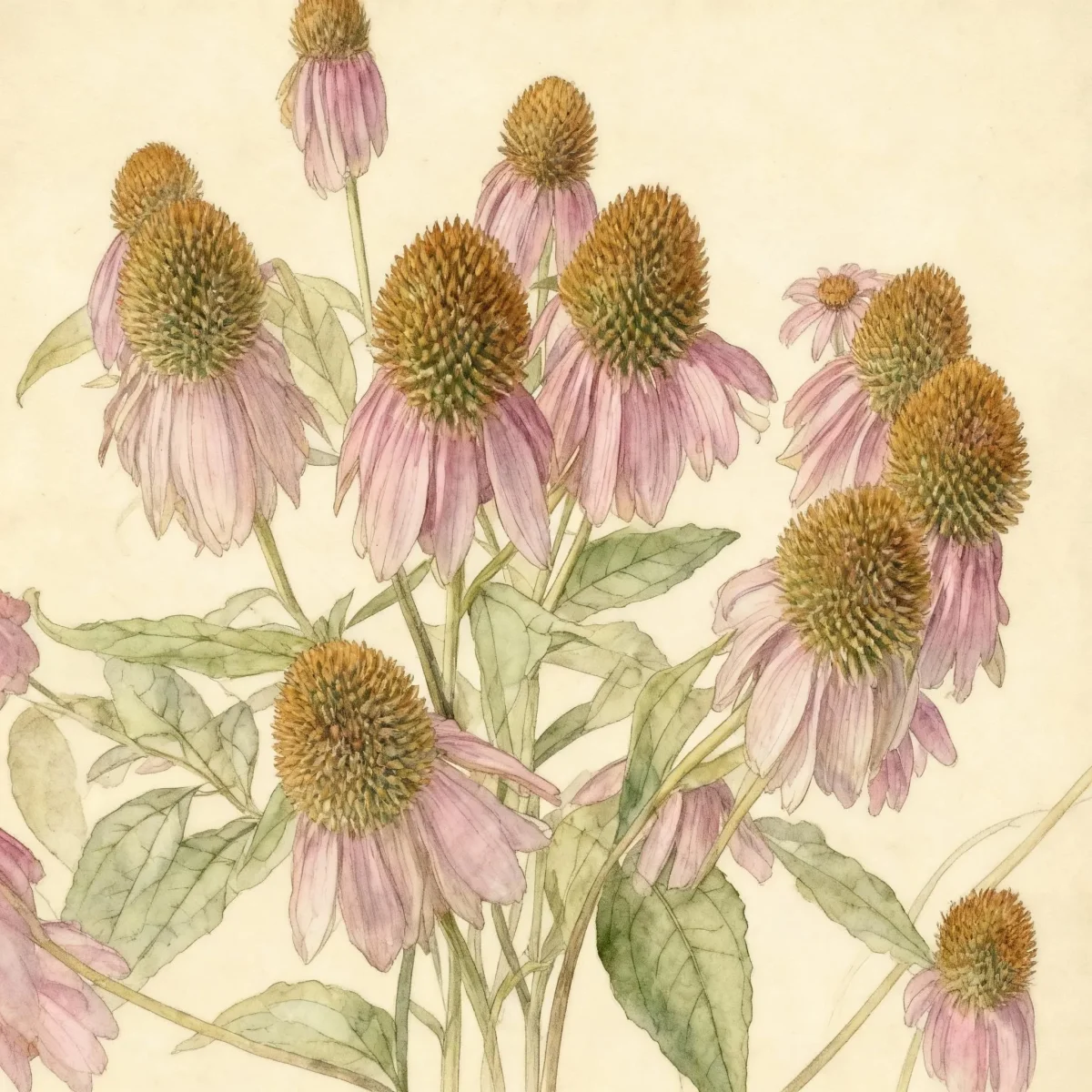
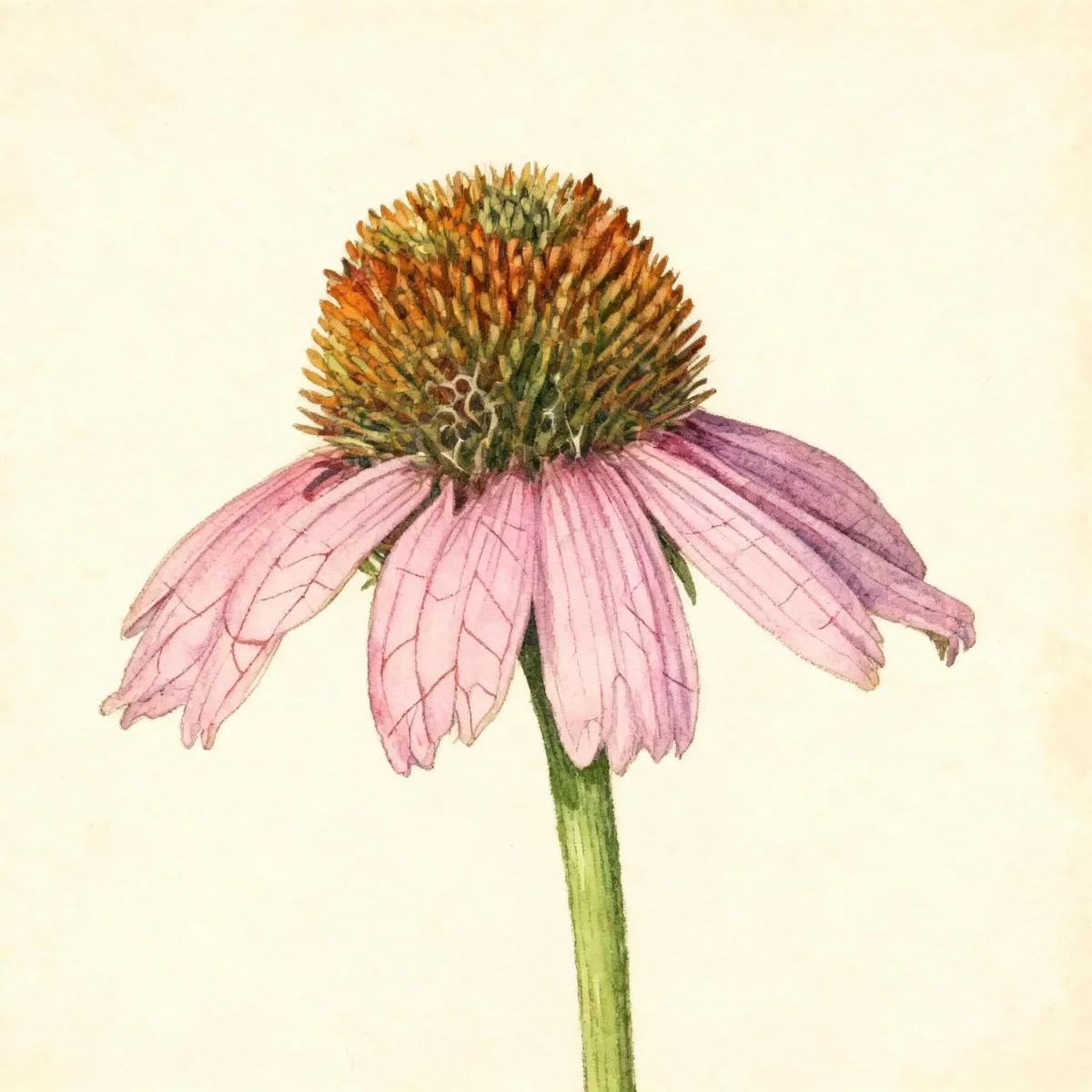
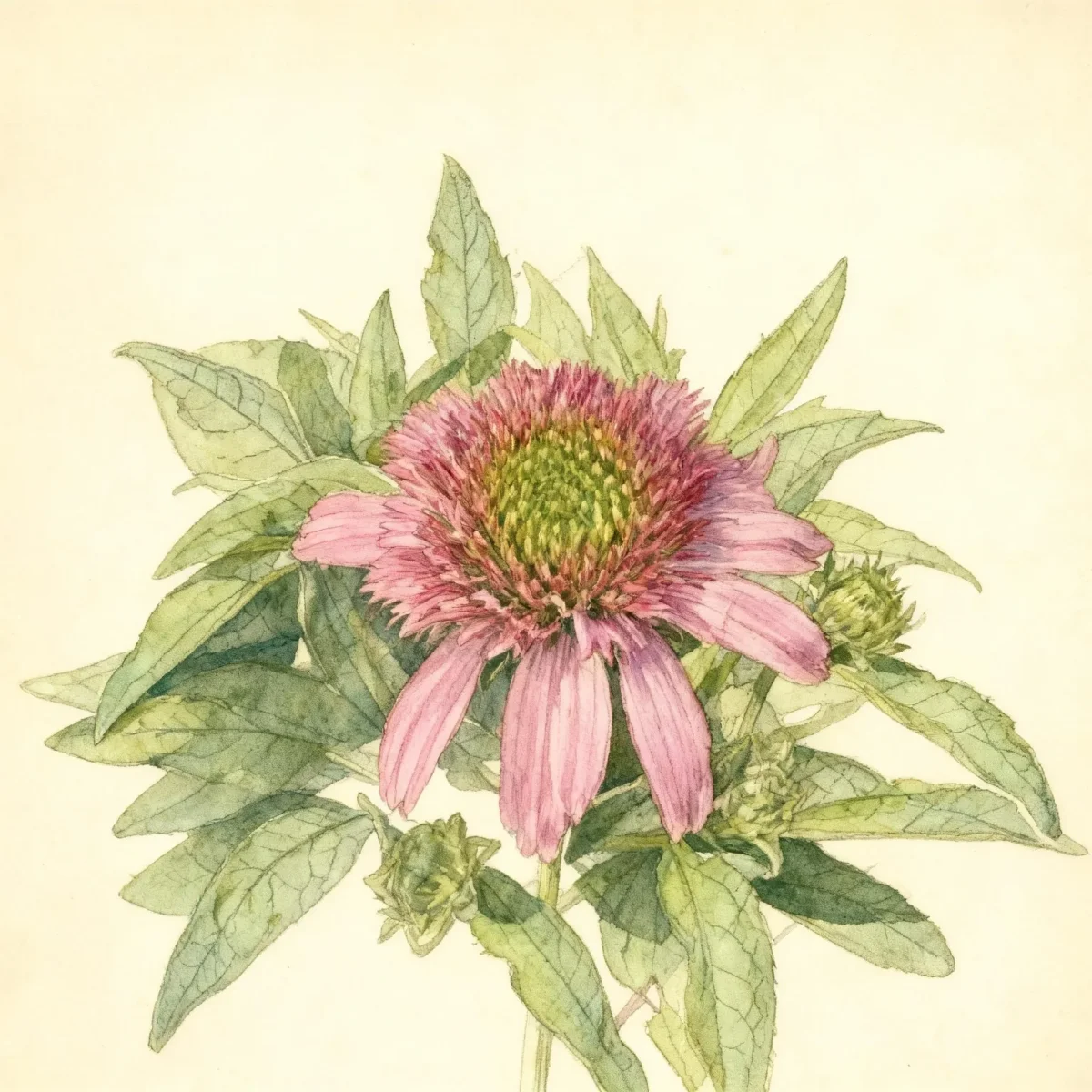
This specific strain of Purple coneflower draws attention with its unique blooms: downward-sloping pink ray florets surrounding a prominent, dark pink, pompom-like center cone. While the double nature of Echinacea ‘Piccolino’ makes it less impactful for wildlife compared to single-flowered types, its low maintenance needs offer significant value to busy gardeners. It performs best when achieving full, consistent sun exposure throughout the critical growing season.
Planting Echinacea ‘Piccolino’ provides a vibrant addition to the summer garden schedule. It combines the toughness expected of the genus—tolerating heat, humidity, and poor soils—with a refined, dwarf habit. Enjoying this robust Purple coneflower ensures structural interest and color from early summer well into the late season.
Fast Facts
- Plant Family: Asteraceae
- Plant Type: Herbaceous perennial
- Hardiness Zones: USDA Zones 3-8
- Size at Maturity:
- Height: 0.75-1 ft
- Spread: 1-1.5 ft
- Bloom Time: June to August
- Bloom Description: Pink (double)
- Sun Exposure: Full sun to part shade
- Water Needs: Dry to medium
- Maintenance Level: Low
How to Grow
The best time to establish your Echinacea ‘Piccolino’ is in the spring or fall, ensuring the plant has time to settle roots before extreme weather hits. These plants thrive best when given full sun, though they can tolerate light afternoon shade, especially in hotter climates. They prefer average, well-drained soils. Avoid heavy, waterlogged conditions, as excellent drainage is crucial for long-term health.
Once established, the Purple coneflower demands very little intervention. Water sparingly; they are highly drought-tolerant. Fertilizing is generally unnecessary, especially if the soil is marginally fertile. To encourage the best continued bloom display, prompt removal of spent flowers is recommended, although plants rebloom adequately even without deadheading.
Divide overcrowded clumps every four years to maintain vigor and shape. This simple division is the main cultural task for mature plants. Over winter, the dead flower stems often remain upright, providing structure; however, removing them in early spring tidies the garden before new growth emerges. Gardeners appreciate how adaptable this specific cultivar is, tolerating clay and dry or rocky soils with ease.
Landscape Uses
Echinacea ‘Piccolino’ excels when used toward the front of perennial borders, thanks to its compact height of under one foot. Its uniform, sturdy growth habit makes it an excellent choice for mass plantings or groupings along pathways where mass drifts of pink can create significant visual impact. Its neat size also makes it suitable for rock gardens, adding perennial structure where soil layers might be shallower.
Due to its manageable spread, this variety works well as an accent or specimen plant against lower-growing groundcovers or among softer textures like ornamental grasses. Consider pairing the double pink blooms of Echinacea ‘Piccolino’ with silvery foliage plants or contrasting cool blues and whites for a sophisticated summer tableau. They blend seamlessly into open woodland-style gardens that receive filtered light.
Standout Features
Flower Qualities
- Showy
Noteworthy Characteristics
Echinacea is a genus of seven species all endemic to eastern and central North America. Coneflowers bloom from June to August with some sporadic later bloom. Attractive to butterflies and other insect pollinators. Good fresh cut or dried flower. The dead flower stems will remain erect well into the winter, and if flower heads are not removed, the blackened cones may be visited by goldfinches or other birds that feed on the seeds.Genus name of Echinacea comes from the Greek word echinos meaning hedgehog or sea urchin in reference to the spiny center cone found on most flowers in the genus.‘Piccolino’ is a double pink coneflower that typically grows in upright clumps to only 9-12” tall and to 15-18” wide on short, sturdy, well-branched stems that do not need staking. Flowers appear in a floriferous bloom from late spring to late summer, sometimes with additional sporadic bloom until frost. Each double flower (to 3” diameter) features downward-sloping pink ray florets which surround a large, rounded, pompom-like center cone of darker pink disc florets. Center cone has a green eye. Strigose, narrow-ovate to lanceolate leaves are medium green. PPAF (U.S. Plant Patent Applied For). The double blooms this cultivar produces are not as beneficial to wildlife since they do not produce pollen, nectar, or seeds.
Tolerances
- Deer
- Drought
- Clay Soil
- Dry Soil
- Shallow-Rocky Soil
Potential Problems
All coneflowers are susceptible to aster yellows and various fungal and bacterial leaf spots. Watch for erythroid mites and Japanese beetles. Management of potential leaf spots often involves improving air circulation through appropriate spacing when planting and ensuring the soil drains well, avoiding overhead watering late in the day. If pests like Japanese beetles appear, handpicking them during early morning hours when they are sluggish is an effective, non-chemical control method for these Echinacea ‘Piccolino’ admirers.
Frequently Asked Questions
What hardiness zones is Purple coneflower suitable for?
Echinacea ‘Piccolino’, a resilient variety of Purple coneflower, is reliably hardy in USDA Zones 3 through 8.
How large does Echinacea ‘Piccolino’ grow?
This dwarf cultivar typically reaches a mature height between 0.75 and 1 foot tall, spreading out to occupy 1 to 1.5 feet in width.
When does Purple coneflower bloom?
The primary bloom time for Echinacea ‘Piccolino’ is generally from June through August, featuring distinctive double pink flowers.
What sun exposure does Echinacea ‘Piccolino’ need?
For the best flowering display, provide this perennial with full sun, although it can tolerate conditions ranging up to part shade.
Conclusion
Echinacea ‘Piccolino’ offers gardeners a compact, tough, and reliably blooming option perfect for small spaces or neat borders. Its unique double pink flowers provide lasting summer color with very low annual maintenance requirements. Check that your growing location falls within USDA Zones 3-8 before planting this excellent Purple coneflower this season.
Companion Planting
When selecting neighbors for your Echinacea ‘Piccolino’, consider plants with similar leanings toward bright sun and dry to medium moisture needs. Excellent companions that echo the upright structure include ornamental grasses like Little Bluestem (Schizachyrium scoparium) or upright Sedum varieties, which offer contrasting foliage texture. For color harmony, pair the double pink blooms with silver-leaved plants such as Lamb’s Ears (Stachys byzantina) or pale blue Russian Sage (Perovskia atriplicifolia) for a classic, warm-season cottage look.
Wildlife Benefits
While the double blooms of Echinacea ‘Piccolino’ are less beneficial to pollinators than single varieties because they lack easily accessible pollen and nectar, the genus Echinacea remains an important garden staple. When the growing season concludes, resist the urge to immediately clean up spent flower heads on nearby single coneflowers, as the remaining seeds attract goldfinches throughout the winter. Even a dwarf Purple coneflower provides structural interest long after bloom time ends.