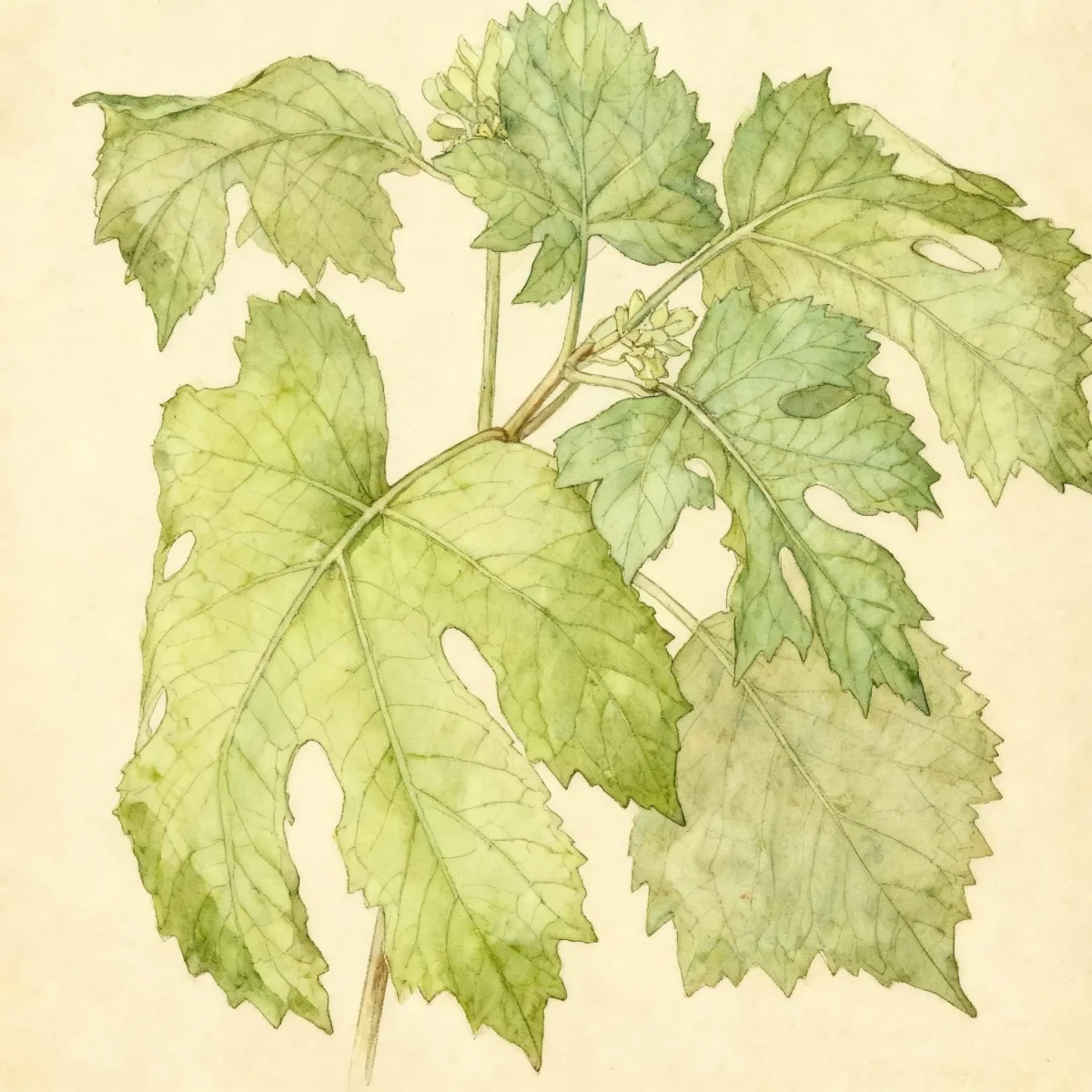
Oakleaf hydrangea (Hydrangea quercifolia 'Ruby Slippers')
Hydrangea quercifolia 'Ruby Slippers' (Oakleaf hydrangea) is a compact, low-maintenance shrub with stunning ruby-red summer blooms and mahogany fall color.
Scroll down to discover growing tips, care requirements, companion plants, and more
Complete Plant Information
Overview
The Hydrangea quercifolia ‘Ruby Slippers’, a spectacular cultivar of the Oakleaf hydrangea, is highly prized for its refined structure and multi-season interest. This compact variety offers large, upright flower panicles that transition beautifully from white to deep ruby red, providing excellent summer color that outshines many other landscape shrubs. As a deciduous shrub, it contributes significant aesthetic value across the gardening year.
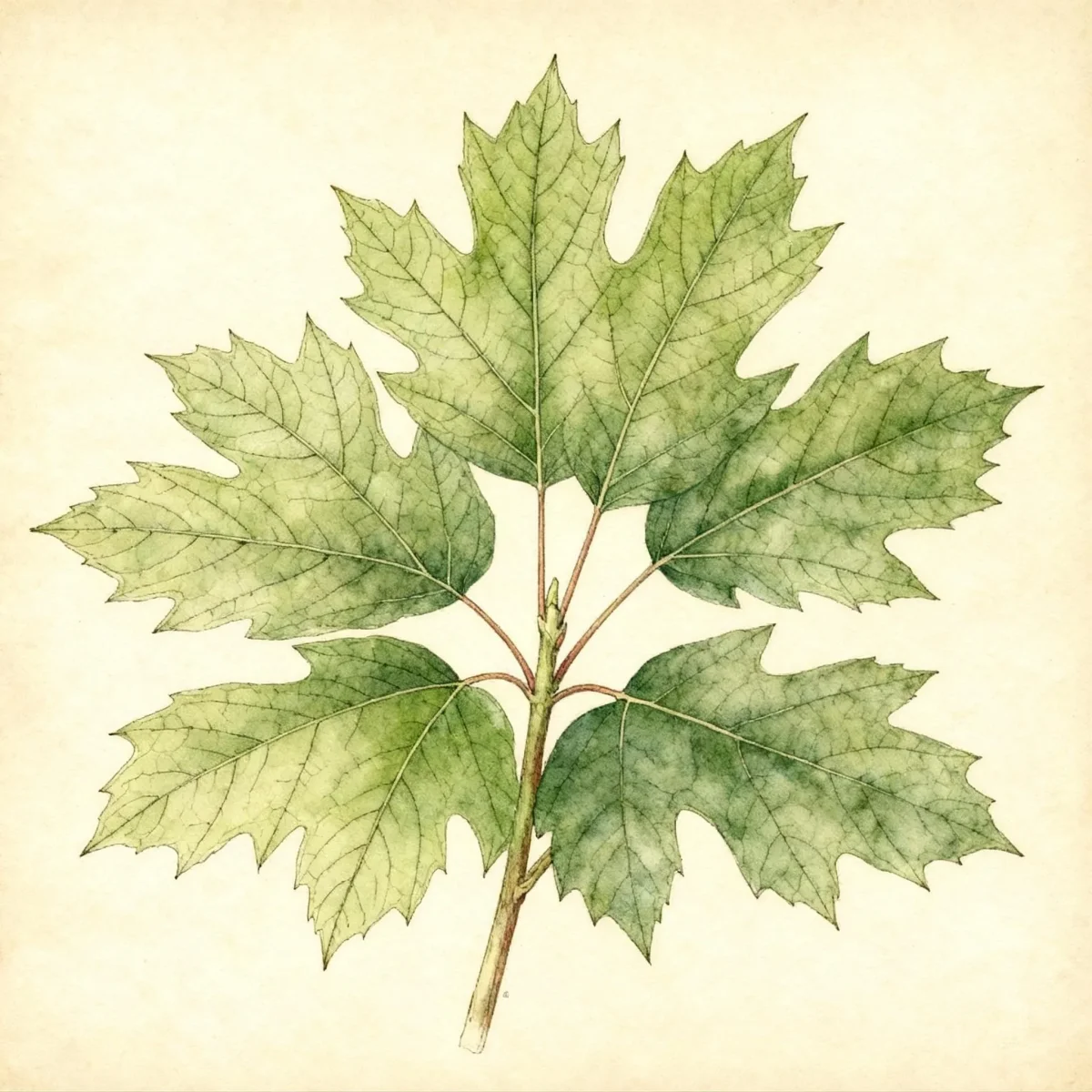
Valued for its low maintenance needs, Hydrangea quercifolia ‘Ruby Slippers’ thrives in conditions ranging from full sun to partial shade, making it versatile for various light exposures. Its distinctive foliage, resembling oak leaves, deepens into rich mahogany red tones in the fall, keeping the garden colorful long after the flowers fade. This cultivar is an outstanding, manageable choice for smaller gardens while still providing the exfoliating bark texture characteristic of the Oakleaf hydrangea.
Gardeners appreciate this species for its adaptability and enduring beauty. The upright habit of Hydrangea quercifolia ‘Ruby Slippers’ makes it an excellent specimen plant or foundation accent, offering year-round appeal through its flowers, foliage, and winter bark structure. Planting this Oakleaf hydrangea where it receives protection, especially in colder zones, ensures reliable seasonal performance and magnificent ruby blooms.
Fast Facts
- Plant Family: Hydrangeaceae
- Plant Type: Deciduous shrub
- Hardiness Zones: USDA Zones 5-9
- Size at Maturity:
- Height: 3-4 ft
- Spread: 3-5 ft
- Bloom Time: June to July
- Bloom Description: White maturing to ruby red
- Sun Exposure: Full sun to part shade
- Water Needs: Medium
- Maintenance Level: Low
How to Grow
Planting your Hydrangea quercifolia ‘Ruby Slippers’ should ideally occur in spring or early fall when soil temperatures are moderate. Choose a location with organically rich, medium-moisture, well-drained soil. While the Oakleaf hydrangea tolerates full sun, afternoon shade is highly beneficial, particularly in hotter climates, to prevent scorching and maintain leaf quality.
Consistent moisture is key to developing robust growth and abundant blooms. Water deeply when the top inch of soil feels dry, and take special care to apply a summer mulch to help retain soil moisture, as this plant thrives in moist conditions. Fertilization is rarely necessary, as the plant establishes well in rich soil. Remember that bloom occurs on old wood, which significantly dictates your pruning strategy.
Pruning for the Hydrangea quercifolia ‘Ruby Slippers’ should be minimal. If needed, prune immediately after flowering concludes in summer. Avoid pruning in late fall or winter, as this removes the wood carrying the next season’s flower buds. In colder locations, specifically USDA Zone 5, provide winter protection such as heavy mulch or burlap wrapping, especially for young plants, as harsh winters below -10°F can damage stems and destroy flower buds for the following year.
Landscape Uses
The compact stature of Hydrangea quercifolia ‘Ruby Slippers’ opens up numerous possibilities for landscape design, despite its traditional use as an informal hedge. It excels as a specimen plant near patios or entryways, where its exfoliating bark and ruby-red flowers can be easily observed. Grouping several together creates an impactful border that showcases their deeply lobed foliage throughout the growing season.
For foundation plantings, this cultivar prevents overcrowding issues common with larger shrubs, maintaining a neat profile near structures. Consider pairing the Oakleaf hydrangea with plants that share similar moisture and sun requirements but offer contrasting textures or bloom times, such as evergreen azaleas or ferns that appreciate dappled light. Small gardens benefit immensely from this cultivar, offering four-season interest in a controlled size package.
In woodland or naturalized settings, mass plantings provide excellent textural contrast against taller trees. Furthermore, mature stems add essential winter architecture, making this a year-round feature. Even in larger landscapes, the Oakleaf hydrangea works well in containers, providing superb moveable color, though watering routines will need to be observed more closely outside of in-ground cultivation.
Standout Features
Flower Qualities
- Showy
- Good Cut
- Good Dried
Noteworthy Characteristics
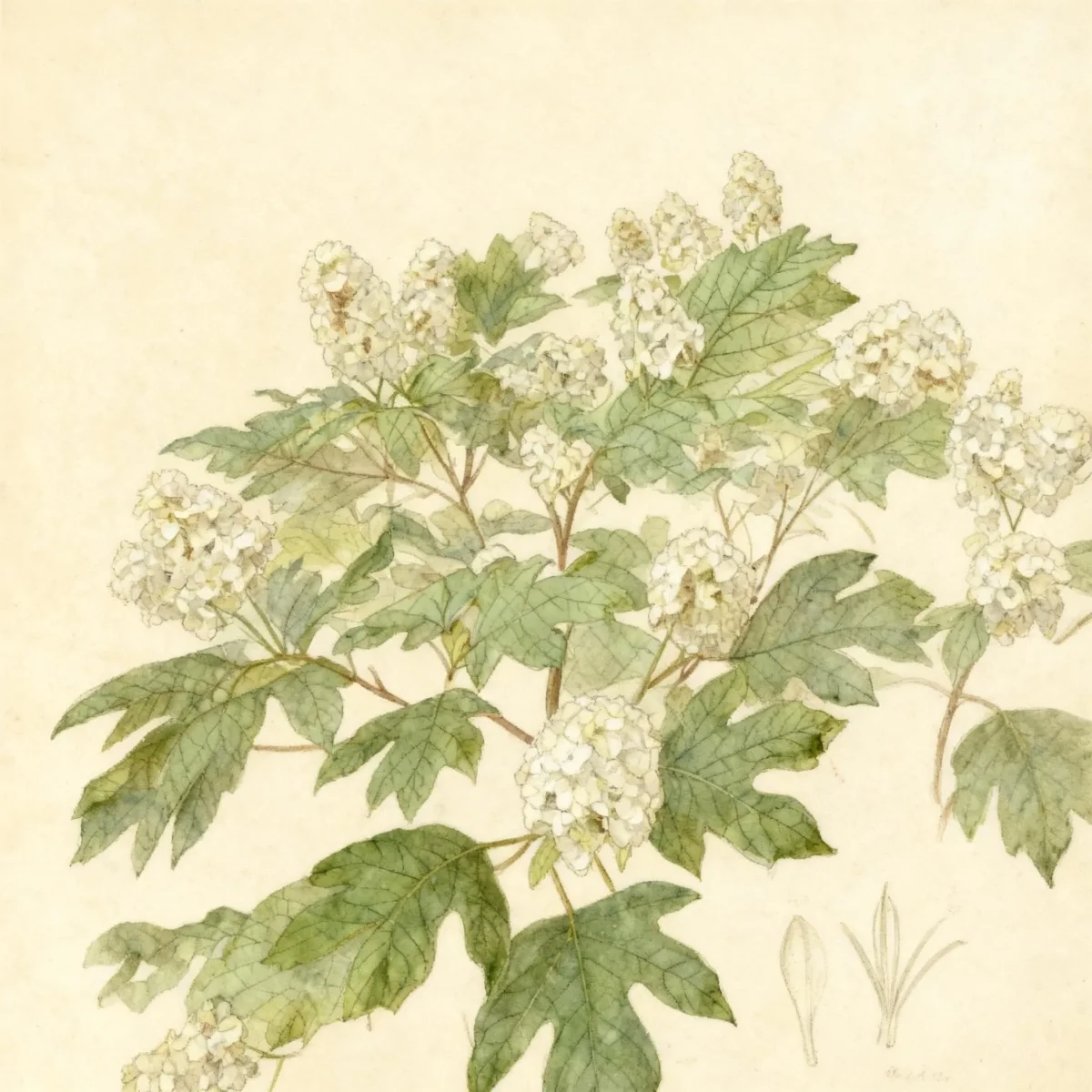
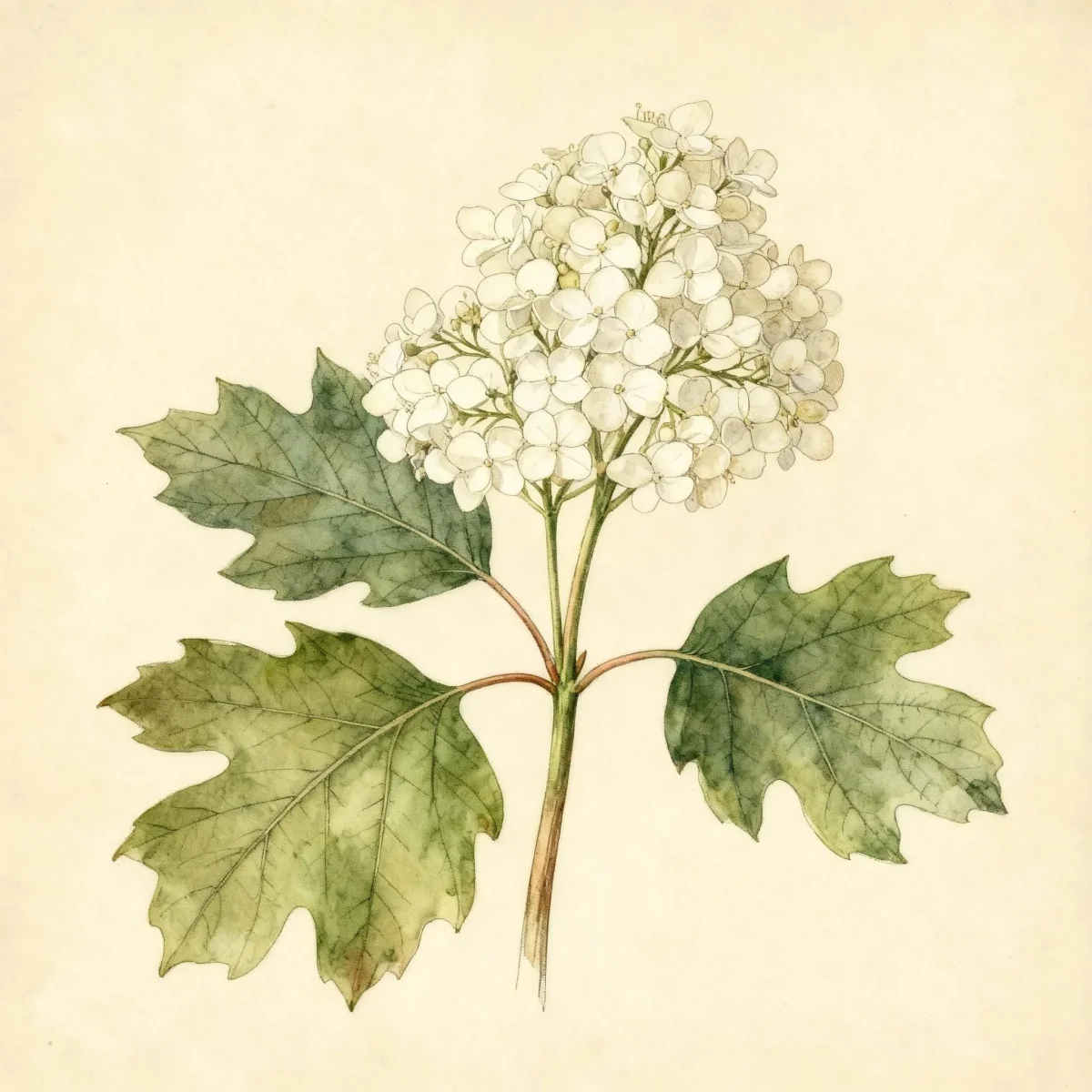
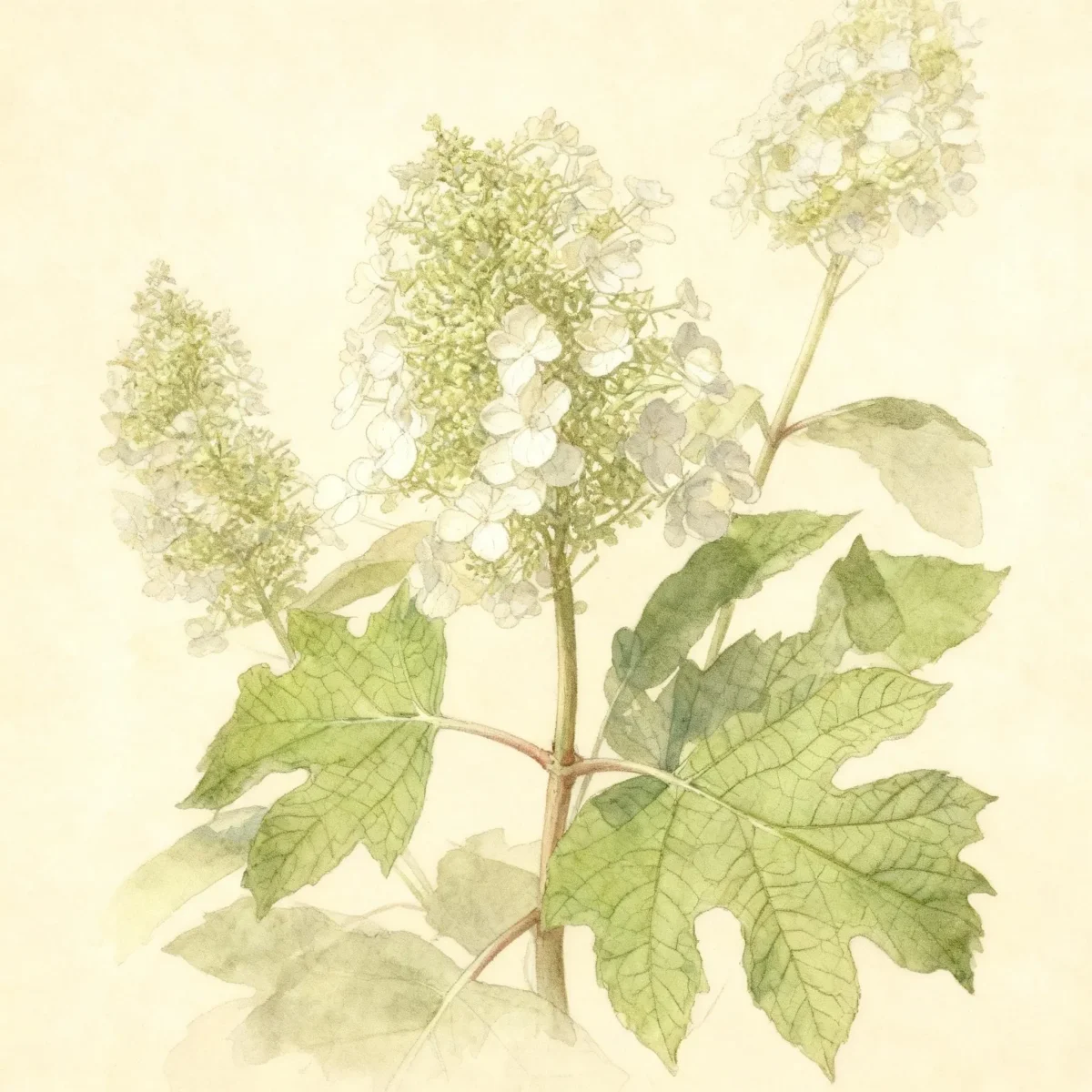
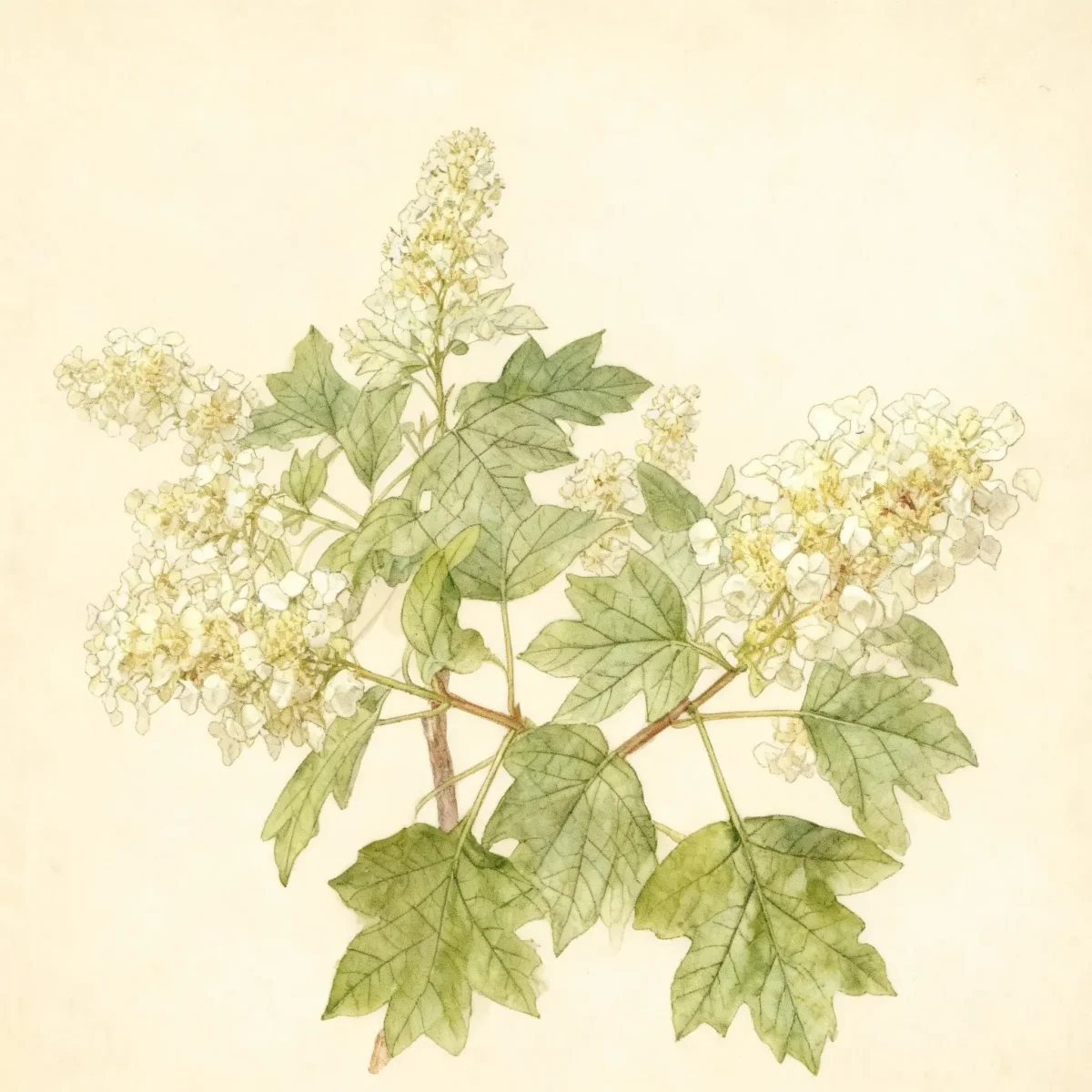
This Oakleaf hydrangea is noted for its compact size, reaching only 3-4 feet tall, derived from its parentage (‘Snow Queen’ and ‘Pee Wee’). It produces large, upright flower panicles, which start white, turn pink, and finally mature to a striking ruby red. The distinctly lobed, oak-like leaves transform into attractive mahogany-red shades in autumn, complementing the richly exfoliating brown bark visible in winter, a trait highly valued in the garden.
Tolerances
No specific tolerances were detailed in the provided data structure beyond basic cultural requirements.
Potential Problems
Fortunately, most gardeners find the Hydrangea quercifolia ‘Ruby Slippers’ exceptionally resilient, reporting no serious recurring insect or disease issues under proper cultural conditions. However, growers should watch for occasional minor susceptibility to leaf blight or powdery mildew, particularly in humid, shaded environments where air circulation is poor.
If these issues arise, management is straightforward. Ensure good garden hygiene by removing persistently diseased foliage promptly. Aphids and spider mites are noted as occasional, minor visitors; minor infestations can often be managed with strong sprays of water or targeted insecticidal soap applications. Avoiding overly dense planting helps mitigate humidity-related fungal issues.
Frequently Asked Questions
What hardiness zones is Oakleaf hydrangea suitable for?
Hydrangea quercifolia ‘Ruby Slippers’ is hardy and performs best when grown in USDA hardiness zones 5 through 9.
How large does Hydrangea quercifolia ‘Ruby Slippers’ grow?
This compact cultivar typically reaches a manageable height between 3 and 4 feet, with a spread generally ranging from 3 to 5 feet wide.
What sun exposure does Hydrangea quercifolia ‘Ruby Slippers’ need?
This Oakleaf hydrangea prefers a location receiving full sun to part shade; ensure adequate moisture if placed in the sunniest spots.
When does Oakleaf hydrangea bloom?
The bloom time for Hydrangea quercifolia ‘Ruby Slippers’ is generally from June into July, featuring flowers that emerge white and mature to a distinctive ruby red color.
Conclusion
The Hydrangea quercifolia ‘Ruby Slippers’ is a superior compact shrub, delivering continuous ornamental value through its unique summer flowers, vibrant fall color, and attractive winter bark. For gardeners seeking maximum impact with minimal fuss, this Oakleaf hydrangea is an excellent choice. Always confirm your local USDA hardiness zone compatibility before finalizing your planting location for this exceptional cultivar.
Companion Planting
Selecting appropriate companions enhances the beauty and health of your Hydrangea quercifolia ‘Ruby Slippers’. Consider pairing it with plants that thrive in similar medium moisture, well-drained soil conditions and partial shade, such as Hostas or Japanese painted ferns, whose textured foliage contrasts nicely with the Oakleaf hydrangea’s coarse leaves. For spring interest before the ruby red blooms appear, early-flowering bulbs like Narcissus or Iris work well near the base of the shrub.
When planning borders, use evergreen shrubs or broadleaf evergreens strategically to provide visual structure during winter when the hydrangea is dormant. Because the Oakleaf hydrangea is native to woodland environments, plants like native woodland phlox or tiarella (foamy bells) create a naturalistic and culturally harmonious planting scheme surrounding your Oakleaf hydrangea.
Seasonal Care Calendar
For optimal ruby red flowers, focus cultural care around the bloom cycle. During spring, monitor for winter damage in Zone 5; promptly prune any dead wood immediately after assessment, before new growth hardens off. Summer watering should be consistent, ensuring medium moisture levels are maintained, especially applying that beneficial summer mulch.
Autumn is the time to enjoy the transformation as the deeply lobed leaves shift to brilliant mahogany red tones. Resist the urge to prune after late summer, as this action would remove next year’s potential flower buds, which form on the mature wood over the fall and winter months. Cleanup involves removing any fallen leaves if leaf blight was a concern the previous year to reduce overwintering spores.