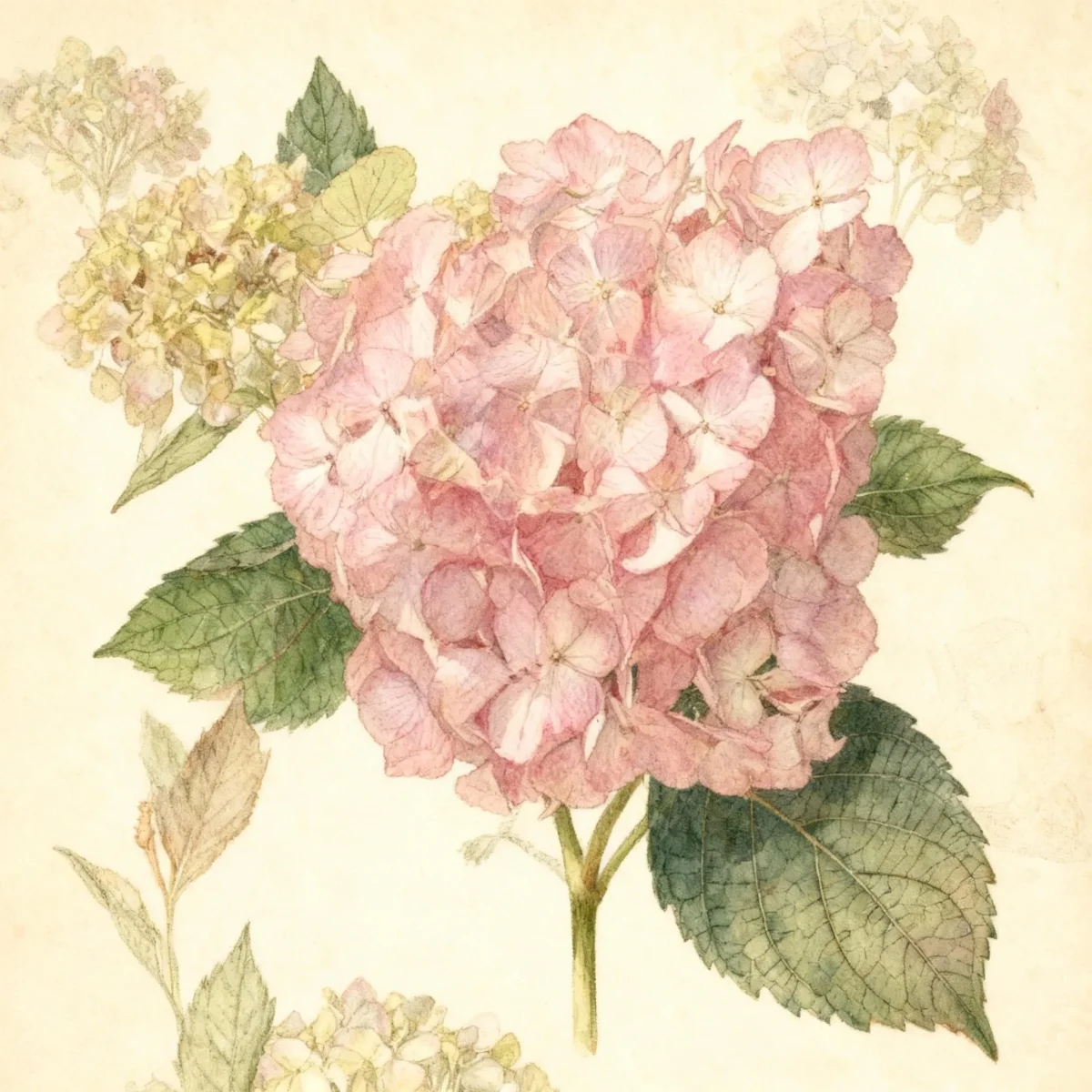
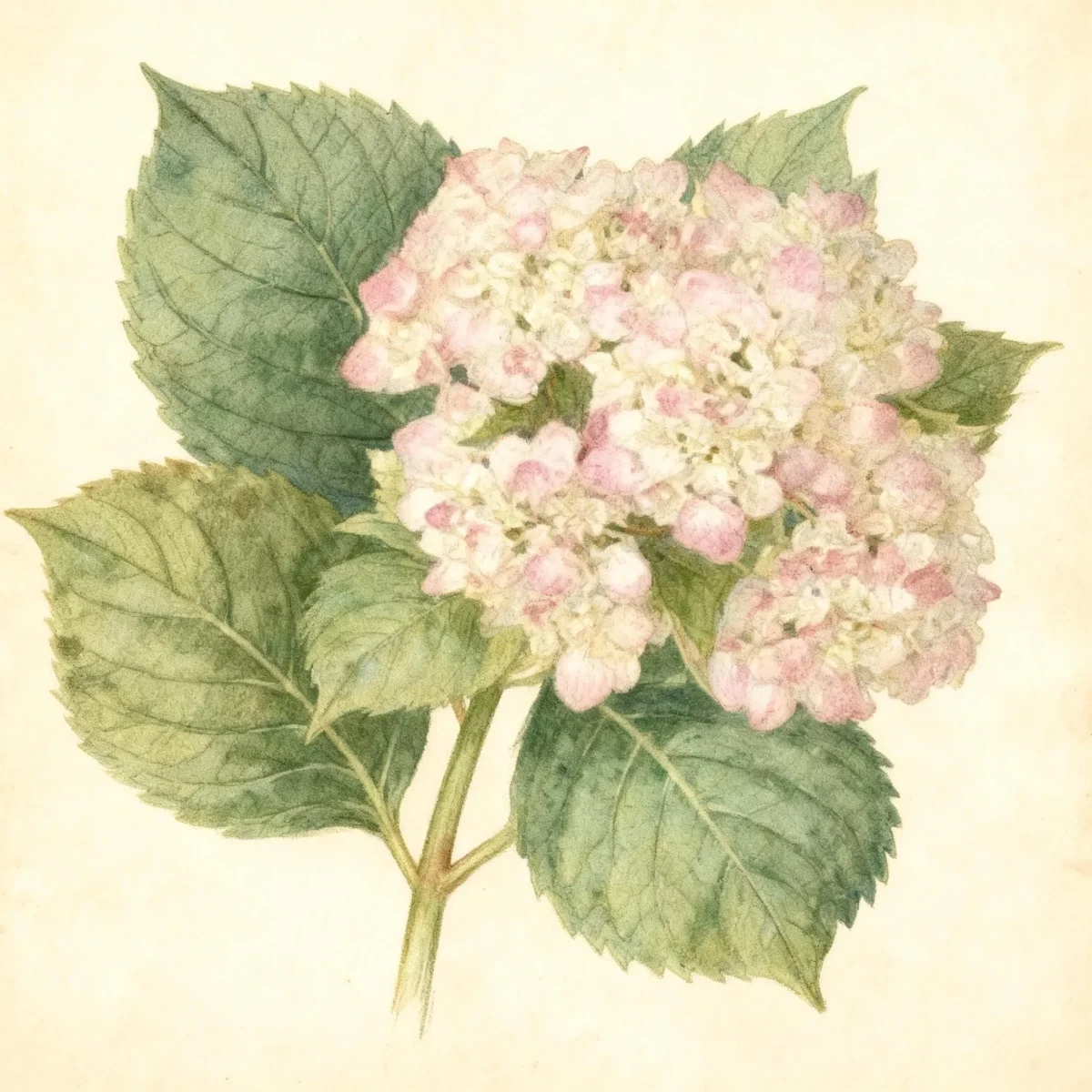
Bigleaf hydrangea (Hydrangea macrophylla 'Fanfare' WEDDING RING)
Discover Hydrangea macrophylla 'Fanfare' WEDDING RING, a rewarding Bigleaf hydrangea featuring blue/pink blooms with distinct white margins.
Scroll down to discover growing tips, care requirements, companion plants, and more
Complete Plant Information
Overview
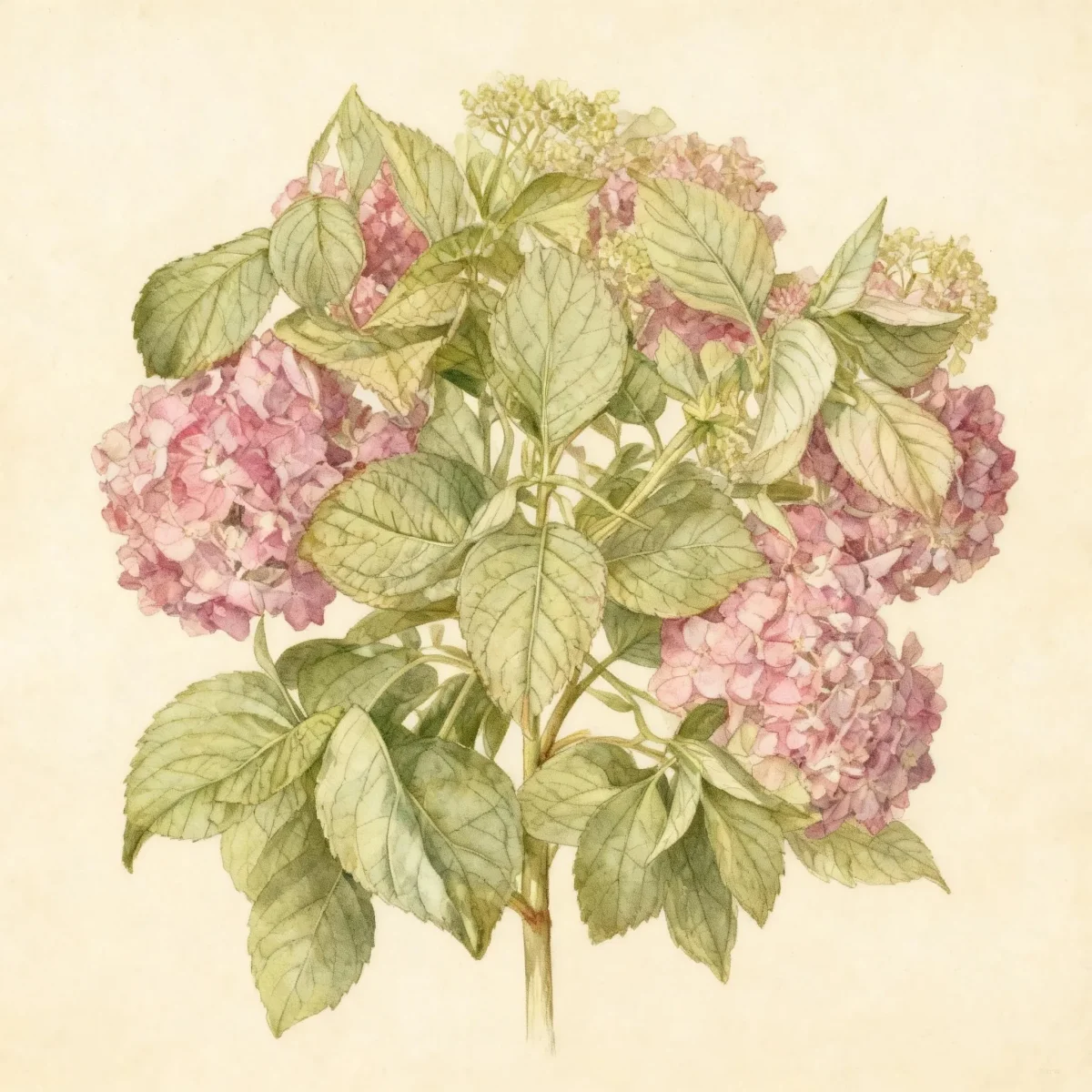
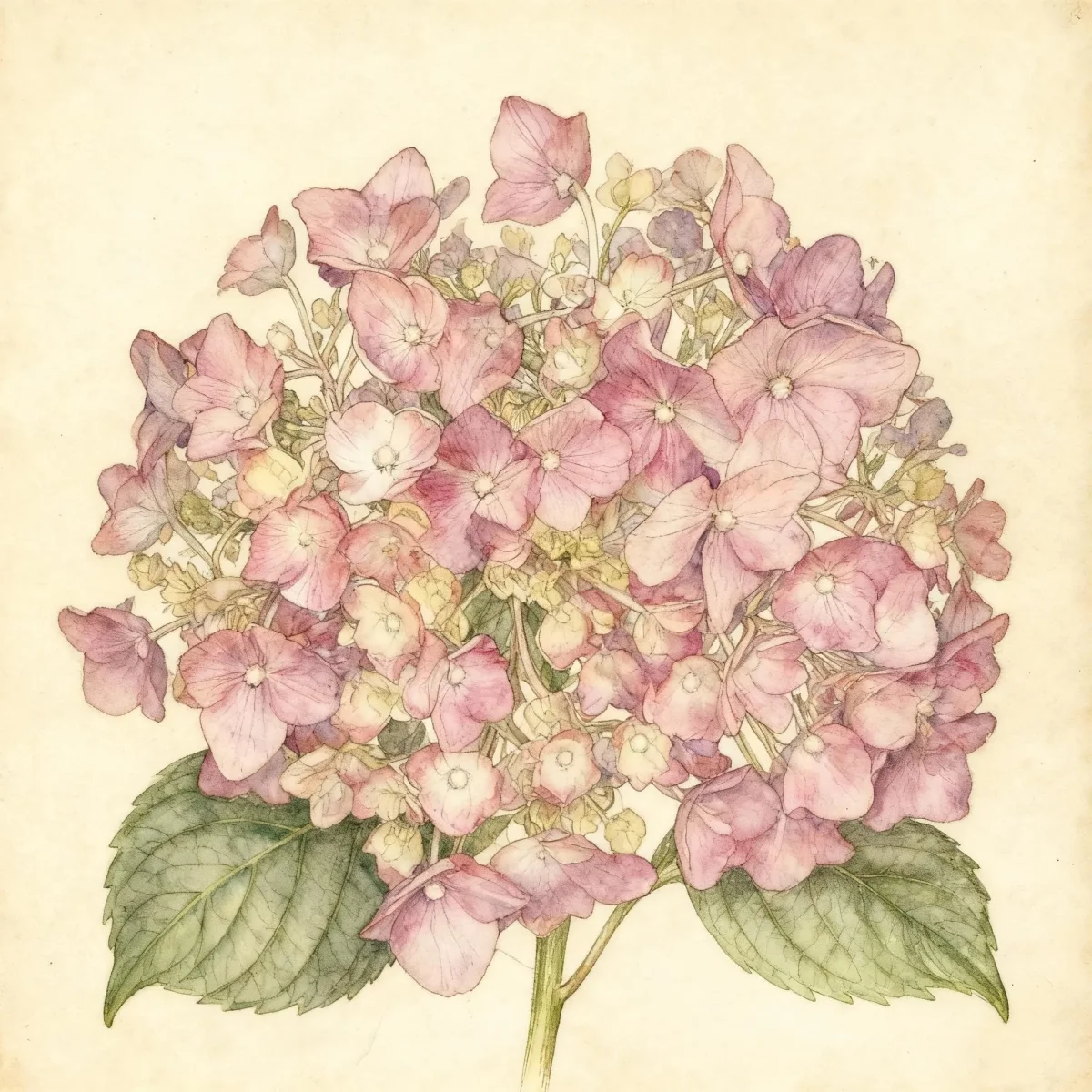
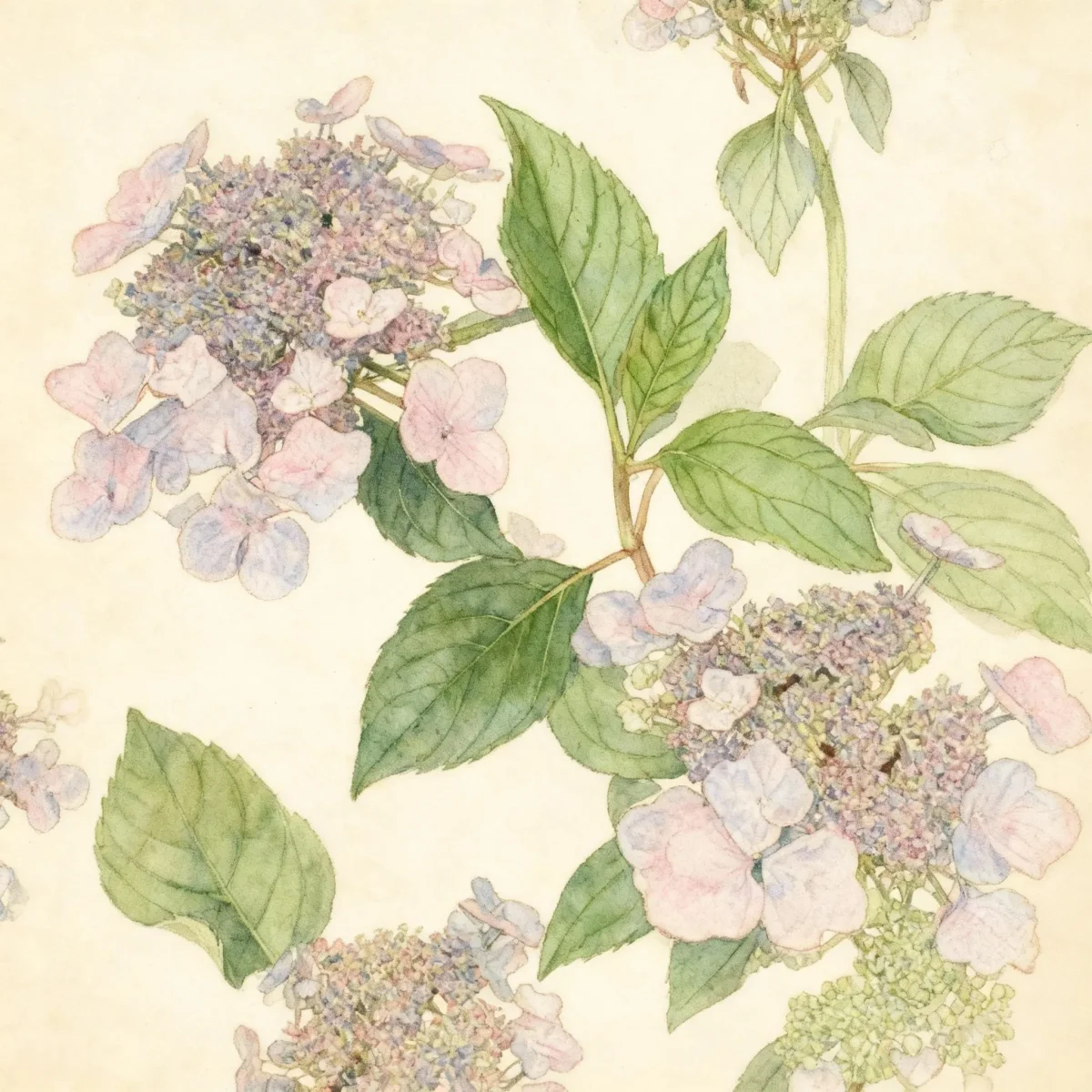
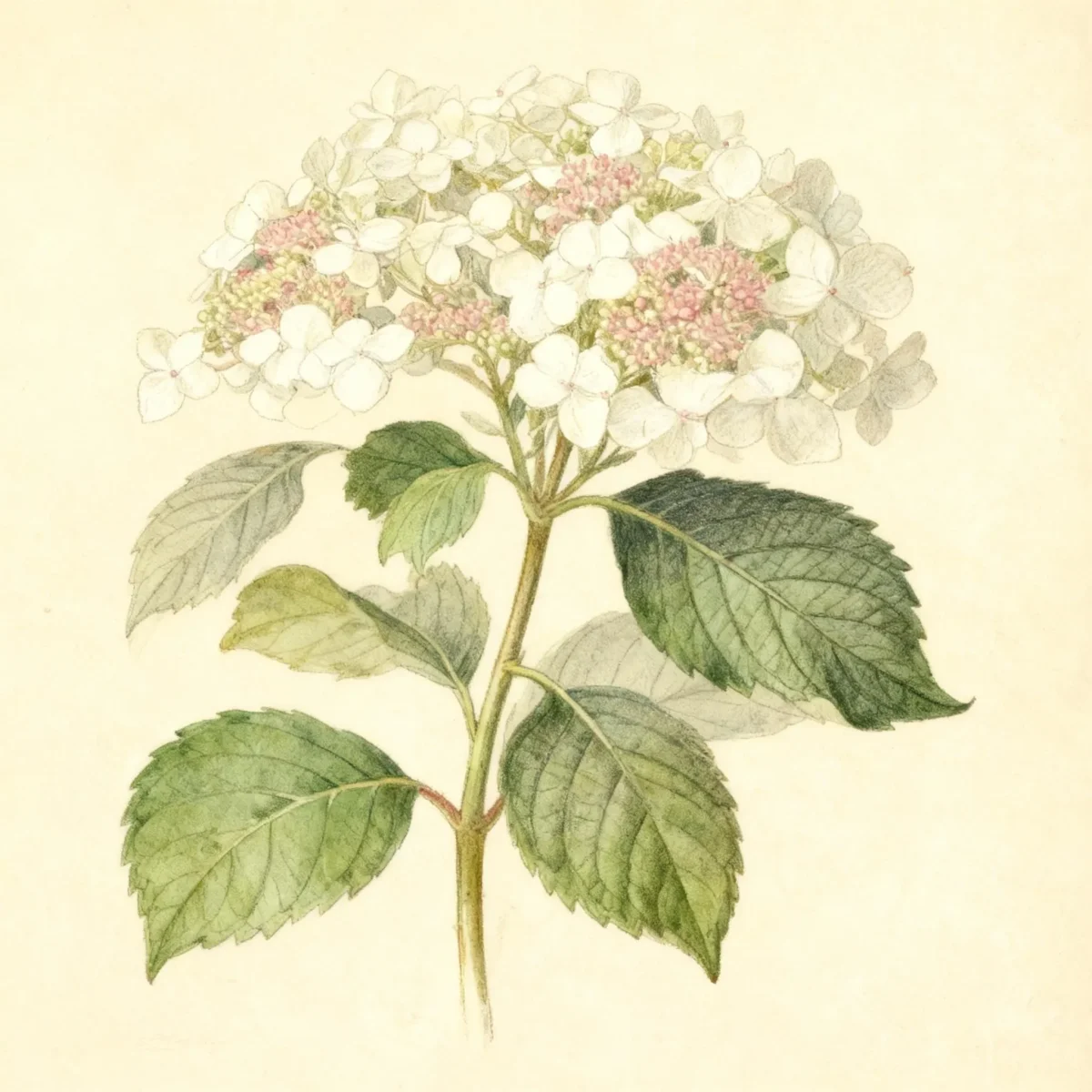
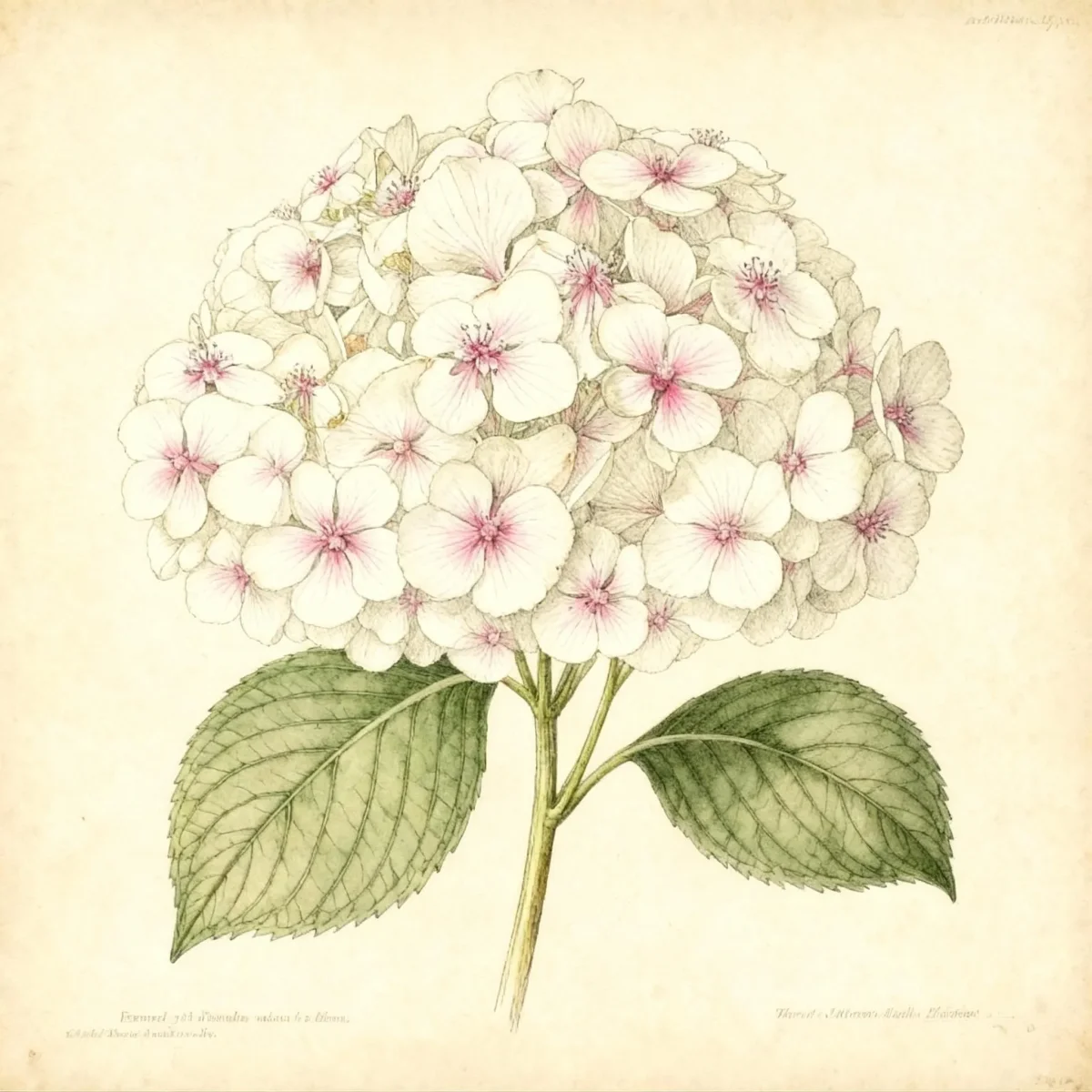
The Hydrangea macrophylla ‘Fanfare’ WEDDING RING, a spectacular variety of Bigleaf hydrangea, offers gardeners excellent season-long color interest. This cultivar is valued for its unique, bicolored mophead flowers that display centers of blue or pink edged distinctly in white. Growing to a manageable size, Hydrangea macrophylla ‘Fanfare’ WEDDING RING performs best when sited in partial shade, where it can develop its rich foliage and consistent flowering habit.
As a deciduous shrub, it provides robust structure to the landscape through summer and fall. The ability of this Bigleaf hydrangea to offer continuous bloom, often reblooming on new wood, makes it a reliable choice for continuous visual appeal near patios or as an accent. Gardeners must pay attention to soil pH, as this inherently influences the blue or pink tones of the flowers.
For optimal success, ensure you provide rich, well-drained soil and consistent moisture, as is typical for most hydrangeas. The Hydrangea macrophylla ‘Fanfare’ WEDDING RING is noted to have reasonably improved winter hardiness compared to many standard H. macrophylla types, making it a potentially safer bet for slightly cooler environments within its range.
Fast Facts
- Plant Family: Hydrangeaceae
- Plant Type: Deciduous shrub
- Hardiness Zones: USDA Zones 6-9
- Size at Maturity:
- Height: 3-4 ft
- Spread: 3-5 ft
- Bloom Time: June to October
- Bloom Description: Blue or pink with white margins
- Sun Exposure: Part shade
- Water Needs: Medium
- Maintenance Level: Medium
How to Grow
Planting Hydrangea macrophylla ‘Fanfare’ WEDDING RING is best done in spring or fall when temperatures are moderate, ensuring it establishes roots before extreme conditions arrive. Locate your Bigleaf hydrangea where it receives rich, medium-moisture, well-drained soil, ideally in part shade. Full sun is tolerable only if soil moisture is kept absolutely consistent throughout the growing season.
Water moderately; hydrangeas prefer consistently moist conditions. A key cultural consideration involves soil chemistry: highly acidic soils promote blue flowers, while slightly acidic to alkaline soils yield pink coloration. Apply aluminum sulfate in autumn or early spring months to encourage bluer heads or lime to encourage pinker ones.
Pruning requirements for this type are minimal. If trimming is necessary, execute it immediately after the initial flowering period by cutting stems back to a set of healthy buds. In late winter or early spring, remove any damaged or weak wood before new growth begins. Mulching annually with about 3 inches of shredded bark or compost helps retain soil moisture and moderates soil temperature, which is especially helpful for root health.
Winter protection for Zone 5 gardeners is crucial, as protecting flower buds from harsh temperature swings is difficult. While burlap wraps are unattractive, they offer protection necessary to ensure good spring blooming for your Hydrangea macrophylla ‘Fanfare’ WEDDING RING.
Landscape Uses
The upright, compact habit of Hydrangea macrophylla ‘Fanfare’ WEDDING RING makes it exceptionally versatile in landscape design. It excels when used as a specimen plant near entryways or patios, where its large, showy mophead flowers can be admired up close throughout the long bloom season. It is also an excellent choice for creating defined hedges or incorporating mass plantings within a mixed shrub border, providing consistent three-season interest.
When planning companions, select plants that enjoy similar cultural conditions—especially rich, well-drained soil and protection from harsh afternoon sun. Consider pairing this Bigleaf hydrangea with shade-tolerant perennials like Hostas, Astilbes, or Japanese Forest Grass for contrasting leaf texture and color.
As this cultivar is suitable for containers, gardeners with limited space can use it to create striking focal points on decks or balconies. Ensure containers are large enough to accommodate its 3 to 5-foot spread and provide excellent drainage to prevent root rot.
Standout Features
Flower Qualities
- Showy
- Good Cut
- Good Dried
Noteworthy Characteristics
The genus name Hydrangea refers to its need for water, while the specific epithet macrophylla means “large leaf.” ‘Fanfare’ (WEDDING RING) is a compact mophead cultivar that typically reaches 3-4 feet tall and 3-5 feet wide on strong stems. It is botanically significant for its tendency to bloom on both old and new wood, extending its visual display from spring potentially into the fall if maintained properly.
Tolerances
- Some susceptibility to bud blight, bacterial wilt, leaf spot and mildew.
Potential Problems
This beautiful Bigleaf hydrangea can occasionally face several issues, primarily related to fungal diseases or pests. Watch for signs of leaf spot and mildew, which thrive in overly humid or poorly ventilated conditions. You can manage these through proper spacing—essential for any hedge planting—and ensuring good air circulation around the shrub.
Aphids are noted as occasional visitors. If present, small infestations can usually be managed with a strong stream of water or insecticidal soap. Consistent cultural practices, like avoiding overhead watering late in the day and applying mulch, will significantly reduce the stress that invites most problems for the Hydrangea macrophylla ‘Fanfare’ WEDDING RING.
Frequently Asked Questions
What hardiness zones is Bigleaf hydrangea suitable for?
Hydrangea macrophylla ‘Fanfare’ WEDDING RING is reliably hardy in USDA Zones 6 through 9.
How large does Hydrangea macrophylla ‘Fanfare’ WEDDING RING grow?
This compact cultivar generally matures to a height between 3 and 4 feet, with a spread ranging from 3 to 5 feet wide.
What sun exposure does Bigleaf hydrangea need?
This variety thrives best in part shade conditions. It can tolerate full sun if moisture levels in the soil are kept consistently high.
When does Hydrangea macrophylla ‘Fanfare’ WEDDING RING bloom?
It produces its showy flowers between June and October, offering blue or pink blooms edged with white margins depending on the soil pH.
Conclusion
The Hydrangea macrophylla ‘Fanfare’ WEDDING RING is an outstanding horticultural specimen, combining manageable size with superior, long-lasting, two-toned blooms. Homeowners seeking a reliable and visually distinct Bigleaf hydrangea for structure and summer color will appreciate its reblooming nature. Before purchasing, confirm that your growing location falls within USDA Zones 6-9 and plan your soil pH management strategy early to achieve your desired flower color.
Companion Planting
When designing a border around your Hydrangea macrophylla ‘Fanrophyre’ WEDDING RING, prioritize plants that enjoy similar dappled light and consistent moisture. Shade-tolerant evergreens like low-growing Rhododendrons or Azaleas provide excellent contrasting texture and foundation color during winter months.
Pairing with ferns adds an airy, delicate quality that contrasts beautifully with the large, glossy leaves of the Bigleaf hydrangea. Consider groundcovers like Ajuga or Pachysandra to maintain cool, moist soil conditions around the base of the shrub, which aids both the hydrangea and the surrounding aesthetics.
Watering and Mulching Schedule
To ensure continuous bloom on the Hydrangea macrophylla ‘Fanfare’ WEDDING RING, establish a consistent watering routine, especially during establishment and hot summer periods. Deep, infrequent watering is preferred over shallow, daily sprinklings, encouraging deeper root growth.
Apply a thick, 3-inch layer of organic mulch, such as shredded bark or aged compost, over the entire root zone annually. This practice insulates the roots, drastically reduces water evaporation, and helps regulate the soil temperature fluctuations that can stress this medium-water-need shrub.