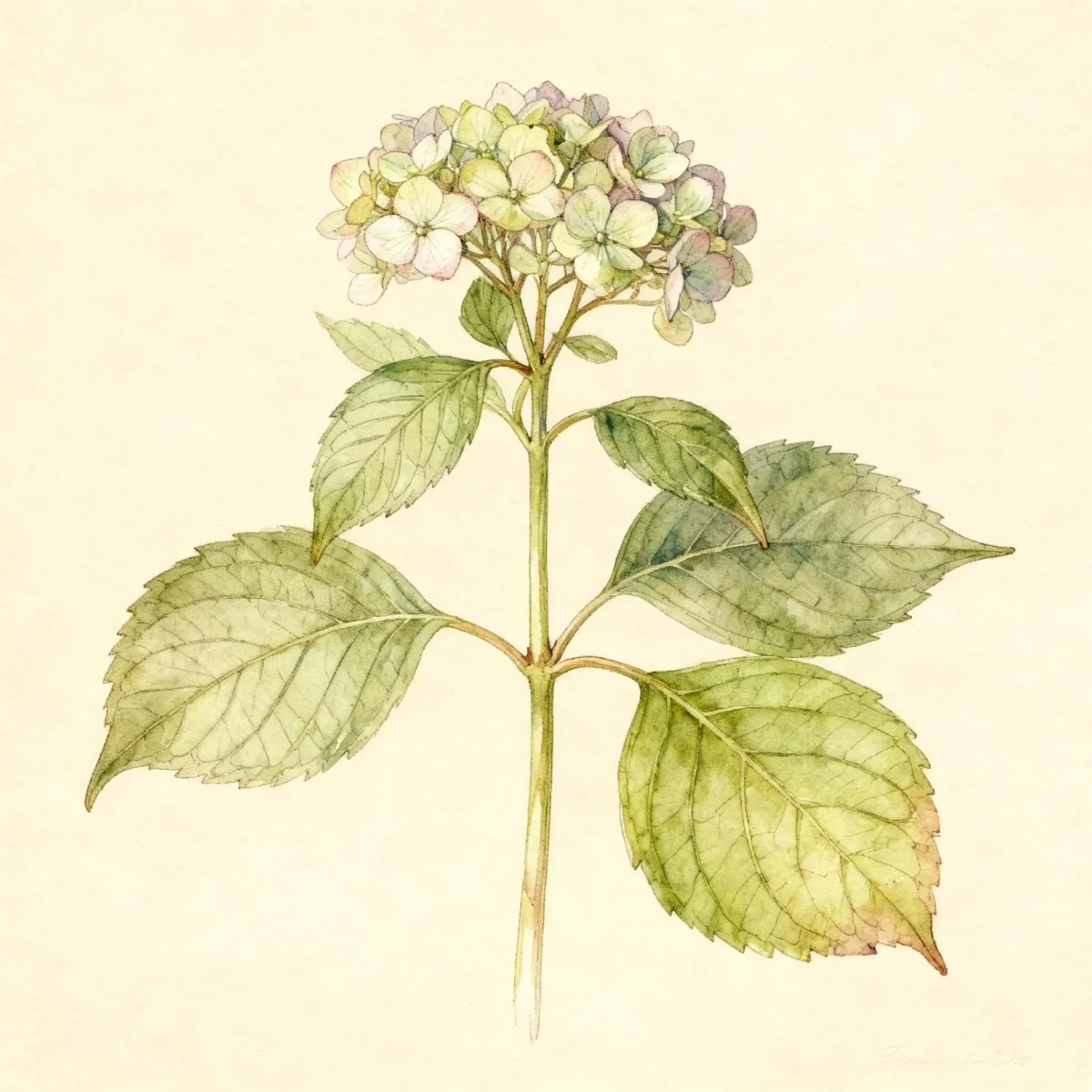
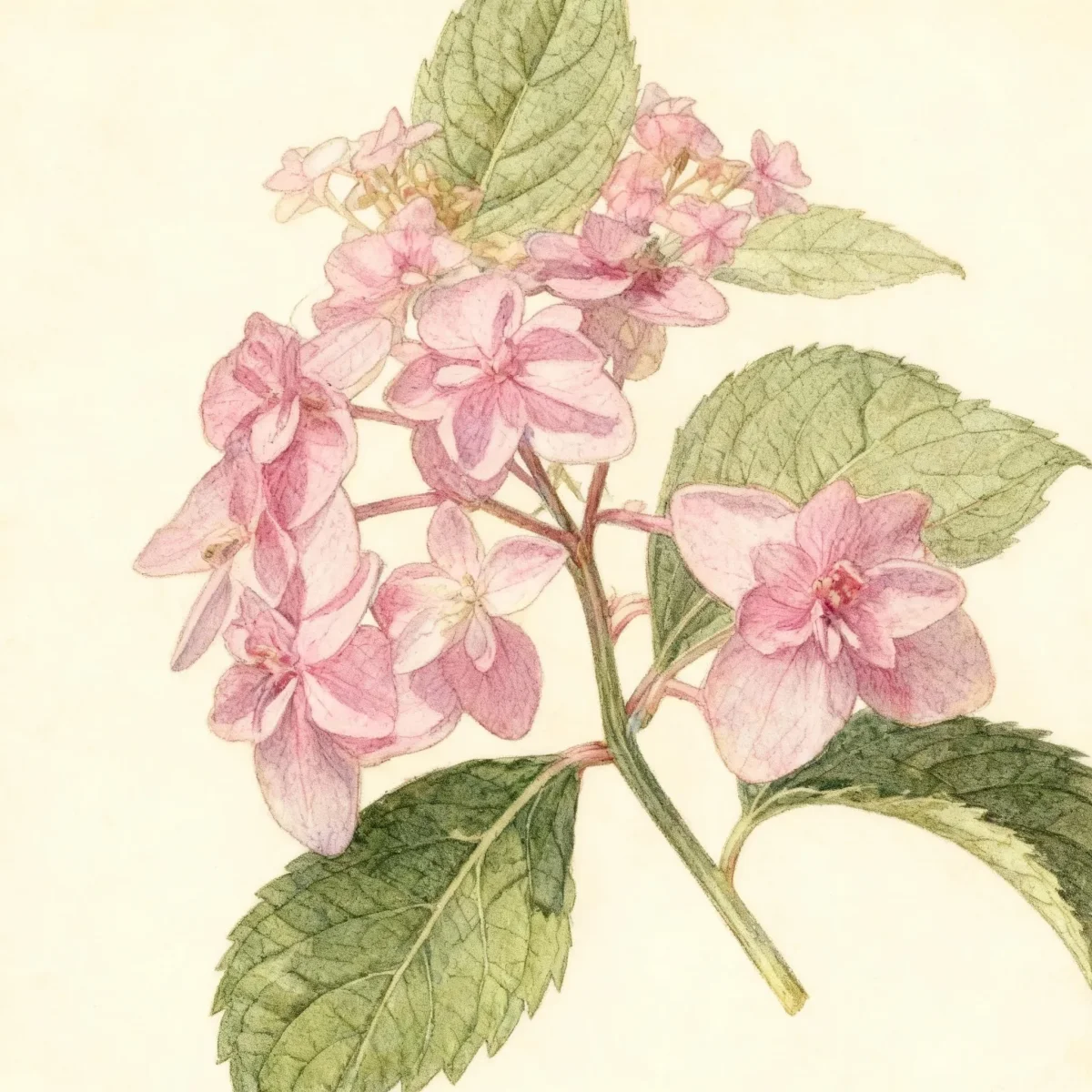
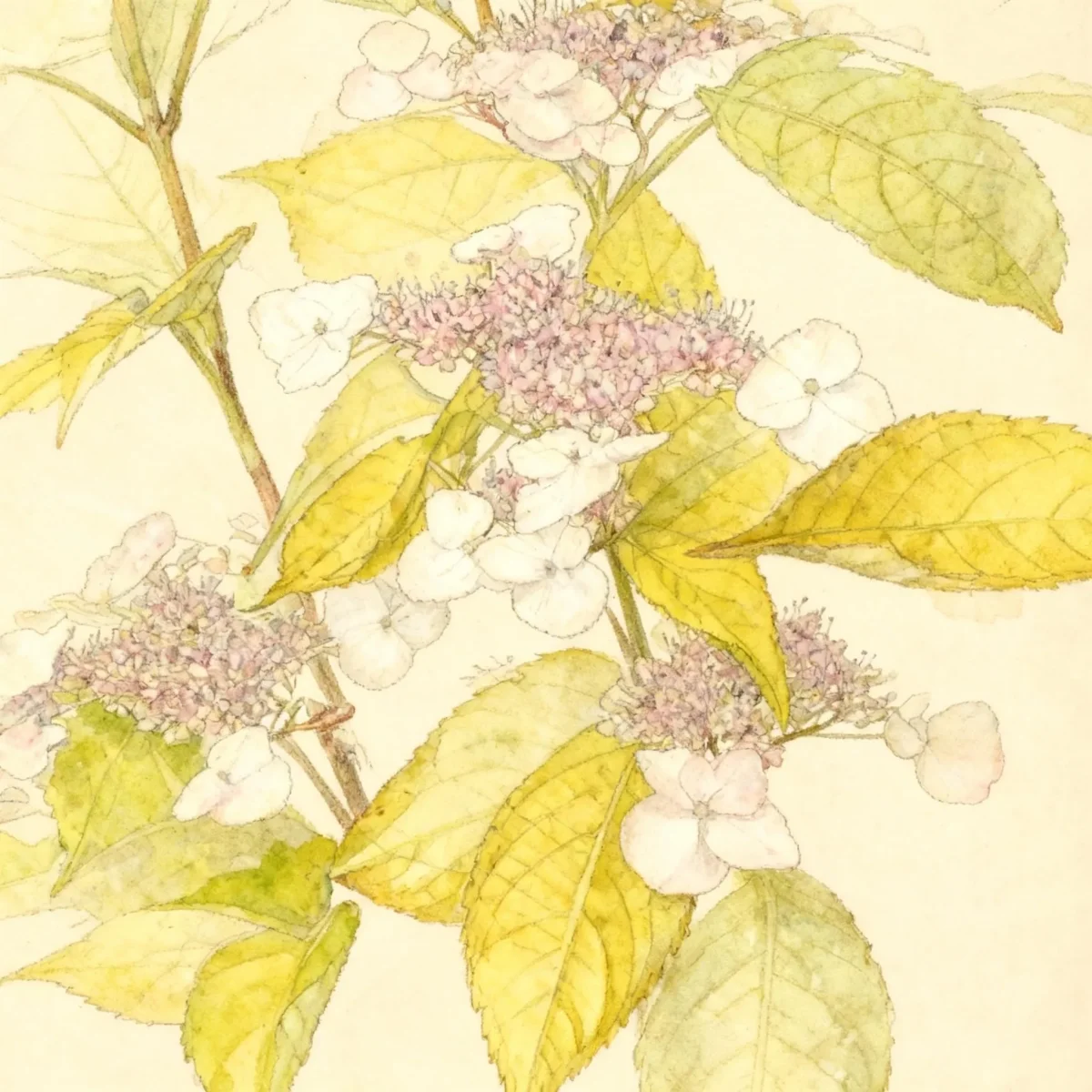
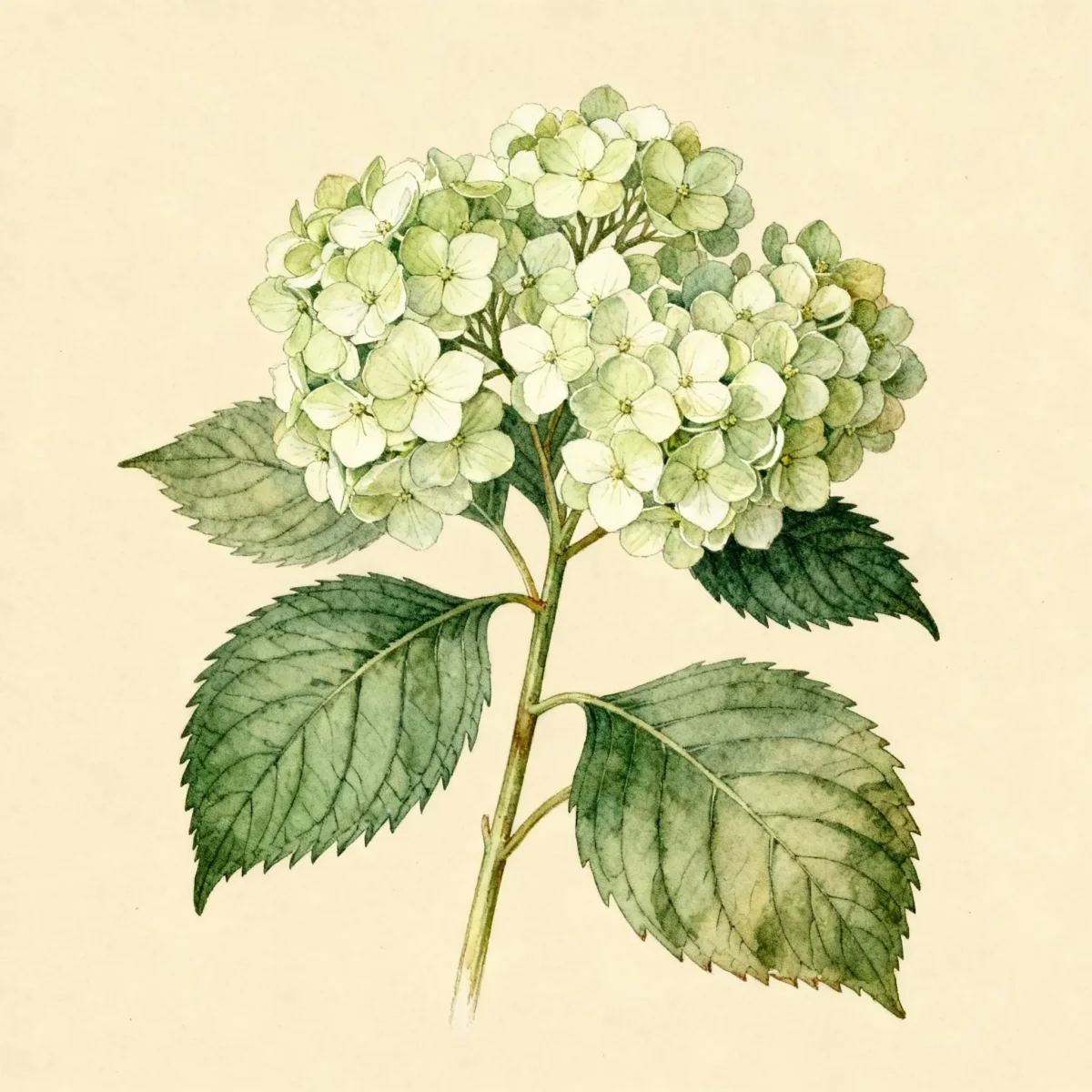
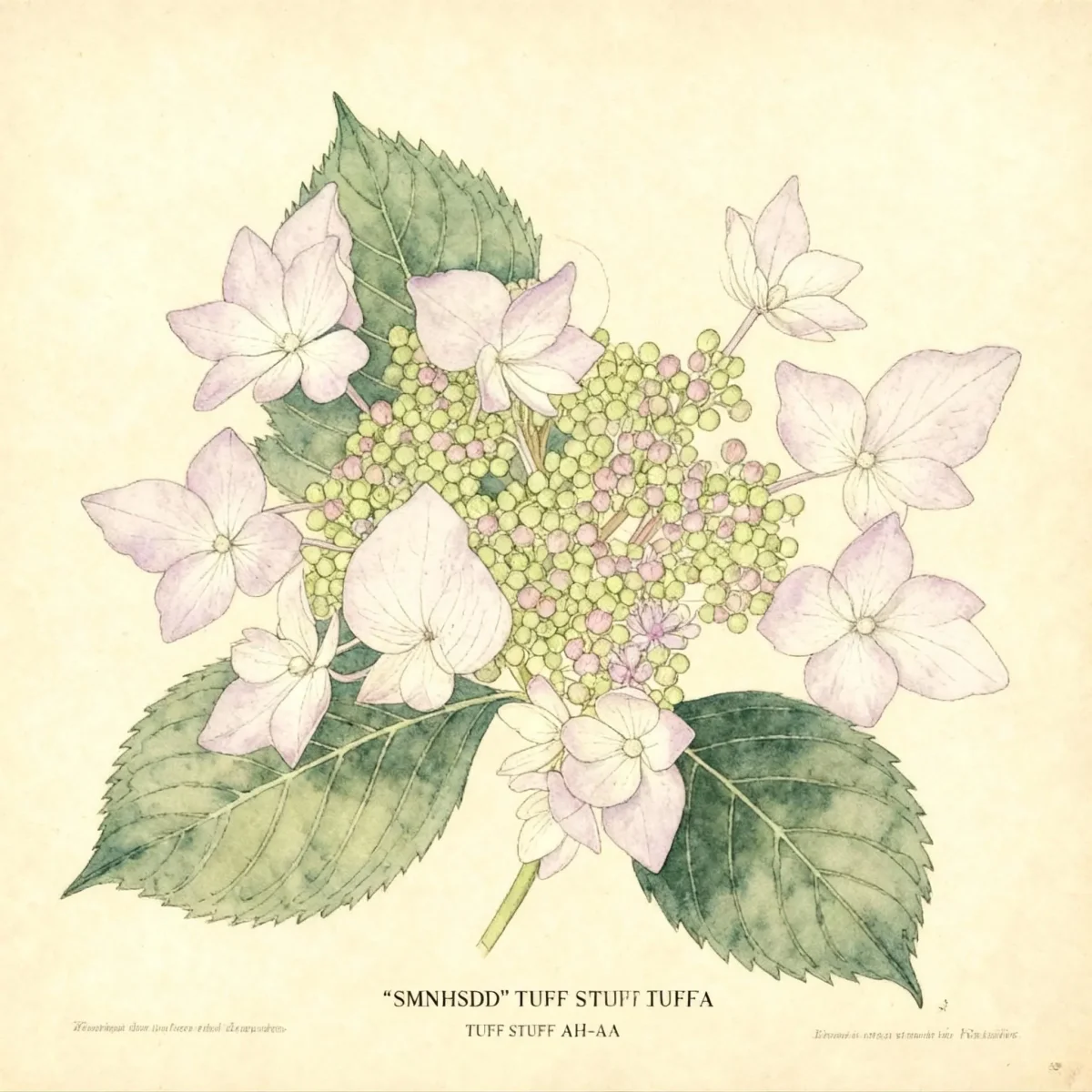
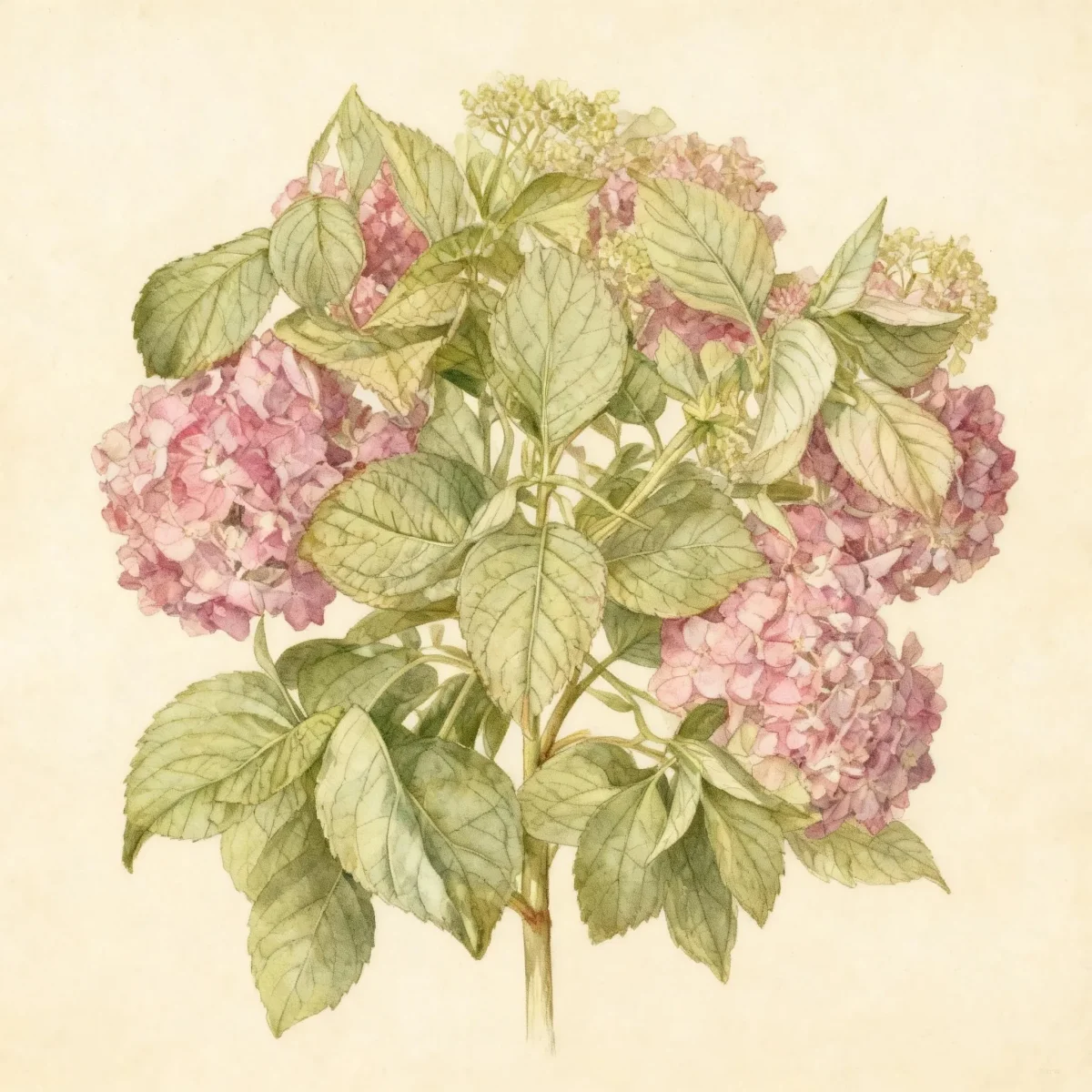
Hydrangea (Hydrangea angustipetala 'MonLongShou' GOLDEN CRANE)
Discover Hydrangea angustipetala 'MonLongShou' GOLDEN CRANE, a fragrant, compact Hydrangea shrub thriving in USDA Zones 6-10.
Scroll down to discover growing tips, care requirements, companion plants, and more
Complete Plant Information
Overview
Hydrangea angustipetala ‘MonLongShou’ GOLDEN CRANE offers gardeners a uniquely fragrant bloom among the Hydrangea genus. This compact, deciduous shrub forms an attractive specimen, typically reaching 2 to 3 feet tall and wide. Its value lies in its reliable blooming habit, often being one of the earliest Hydrangeas to flower.
As a unique variety developed from seed collected in Southern China, this Hydrangea provides dense, dark green foliage punctuated by beautiful lacecap flowers. The bloom is especially notable for its strong fragrance, a trait less common in many other Hydrangea species.
This tough Hydrangea variety demonstrates excellent adaptability, tolerating a wide range of soil conditions, making it a versatile addition to sheltered borders or woodland garden settings. Proper placement in part shade ensures the best performance for Hydrangea angustipetala ‘MonLongShou’ GOLDEN CRANE throughout the long summer blooming period.
Fast Facts
- Plant Family: Hydrangeaceae
- Plant Type: Deciduous shrub
- Hardiness Zones: USDA Zones 6-10
- Size at Maturity:
- Height: 2-3 ft
- Spread: 2-3 ft
- Bloom Time: June to September
- Bloom Description: White
- Sun Exposure: Part shade
- Water Needs: Medium
- Maintenance Level: Medium
How to Grow
The ideal location for planting this Hydrangea variety is in rich, well-drained soil that maintains medium moisture levels, situated in partial shade. While Hydrangea angustipetala ‘MonLongShou’ GOLDEN CRANE can handle full sun, this is only recommended if the soil moisture is kept consistently high throughout the growing season. Planting in spring or fall is generally best to establish the root system before extreme weather hits.
Watering should be consistent, providing medium moisture, especially during dry spells, reflecting the genus name origin related to water. This Hydrangea variety is generally low maintenance and requires little pruning. Any necessary pruning, such as removing weak or winter-damaged stems, should occur in early spring before new growth begins.
If pruning for size or shape is desired, execute this task immediately after flowering concludes, as pruning late can remove developing buds for the next season. Gardeners in colder areas like USDA Zone 5 must provide winter protection, such as a heavy layer of mulch or burlap wrapping, to guard the flower buds against severe winter cold.
Landscape Uses
Hydrangea angustipetala ‘MonLongShou’ GOLDEN CRANE excels when grouped or massed in borders where its fragrant flowers can be easily appreciated, particularly near patios or walkways. Its compact size (2-3 ft) also makes it suitable as an accent plant within protected locations near the home foundation.
Consider placing this Hydrangea in woodland gardens where the dappled light mimics its native habitat. Due to its high tolerance for various soil types, including clay and wet soils, it is an excellent candidate for functional landscape designs like rain gardens, effectively managing runoff and erosion.
Pair this Hydrangea with companion plants that also thrive in consistent moisture and part shade, such as hostas, ferns, or astilbes, to create a lush understory effect. The structure provided by this deciduous shrub gives year-round interest even when not in bloom.
Standout Features
Flower Qualities
- Showy
- Fragrant
Noteworthy Characteristics
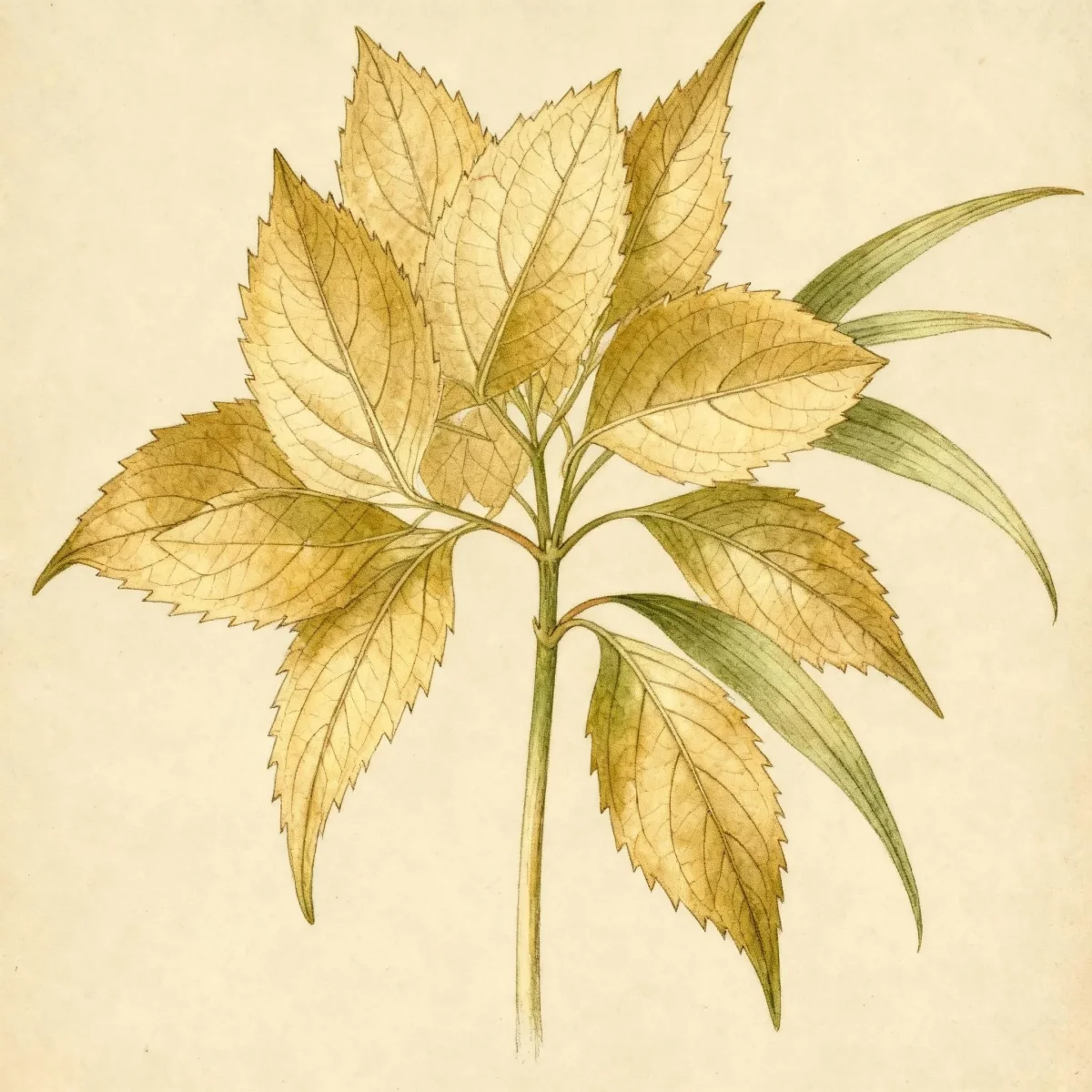
Hydrangea angustipetala is a compact shrub that typically grows to 3’ tall and as wide (infrequently to 5’ tall). Narrow willow-like pubescent deeply toothed dark green leaves characterize this plant, which blooms relatively early. ‘MonLongShou’, commonly sold under the trade name of GOLDEN CRANE, is noted for producing an extremely fragrant bloom of lacecap flowers in late spring, with continued bloom through summer on new wood.
Tolerances
- Rabbit
- Drought
- Erosion
- Clay Soil
- Dry Soil
- Wet Soil
- Shallow-Rocky Soil
Potential Problems
This Hydrangea generally remains free from serious insect or disease issues, which adds to its horticultural appeal. However, be aware of occasional susceptibility to issues like mildew, leaf spot, bud blight, and bacterial wilt. Aphids sometimes appear but are usually manageable with simple horticultural oils or insecticidal soap. Monitoring the foliage early in the season can help catch these minor issues before they impact the overall health of your Hydrangea angustipetala ‘MonLongShou’ GOLDEN CRANE.
Frequently Asked Questions
What hardiness zones is Hydrangea suitable for?
This Hydrangea angustipetala ‘MonLongShou’ GOLDEN CRANE is winter hardy in USDA Zones 6 through 10.
How large does Hydrangea grow?
This compact Hydrangea typically reaches a mature size of 2 to 3 feet in height and spreads between 2 and 3 feet wide.
What sun exposure does Hydrangea angustipetala ‘MonLongShou’ GOLDEN CRANE need?
This variety performs best when positioned in part shade. It can tolerate more sun if soil moisture is maintained consistently.
When does Hydrangea bloom?
Hydrangea angustipetala ‘MonLongShou’ GOLDEN CRANE blooms from June through September, offering white, fragrant, lacecap flowers.
Conclusion
The Hydrangea angustipetala ‘MonLongShou’ GOLDEN CRANE is a valuable landscape asset due to its compact size, excellent soil tolerance, and uniquely fragrant white blooms. For gardeners seeking a reliable, lower-maintenance Hydrangea that extends the flowering season, this variety delivers exceptional impact. Before planting, confirm that your location falls within USDA Zones 6-10 and plan to provide part shade for optimal flowering.
Companion Planting
When designing a border featuring Hydrangea angustipetala ‘MonLongShou’ GOLDEN CRANE, select plants that appreciate similar cultural conditions—rich, moist, well-drained soil and protection from harsh afternoon sun. Shade-loving perennials like Japanese Forest Grass (Hakonechloa macra) provide fine texture that contrasts beautifully with the coarser leaves of the Hydrangea. Consider planting Hosta varieties with blue or chartreuse foliage beneath the shrub canopy for sustained season-long color interest.
Seasonal Care Calendar
Spring is the critical time for preparing your Hydrangea for its long bloom period. In early spring, prune out any dead or obviously winter-damaged stems before new growth emerges. As summer progresses through June and September, ensure the medium water needs of your Hydrangea are met, especially during periods of drought, which prevents flower bud stress. In autumn, resist heavy pruning; the plant benefits from going into winter with its structure intact, and cold protection (mulch) should be applied to younger plants in Zone 5 or colder fringes of Zone 6.