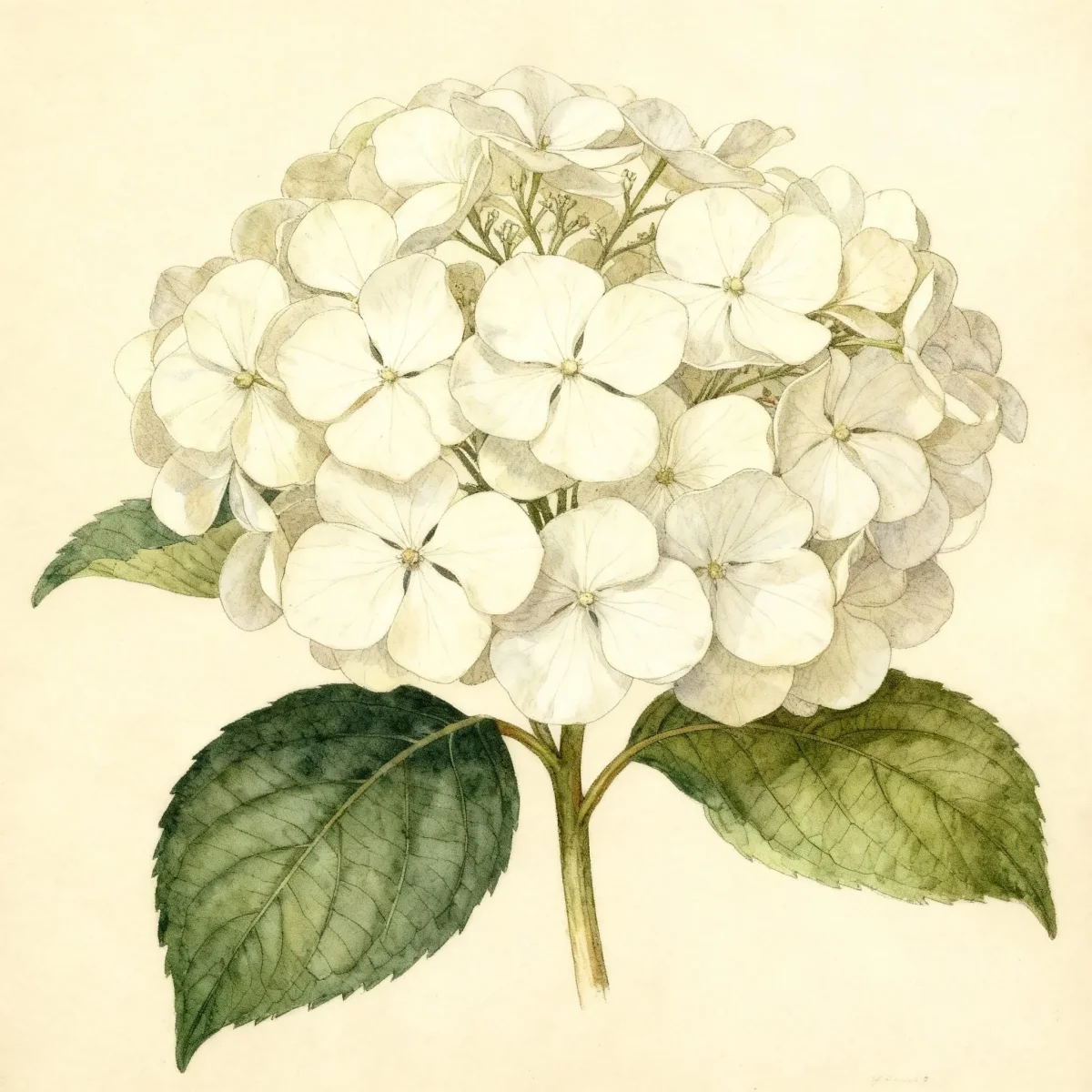
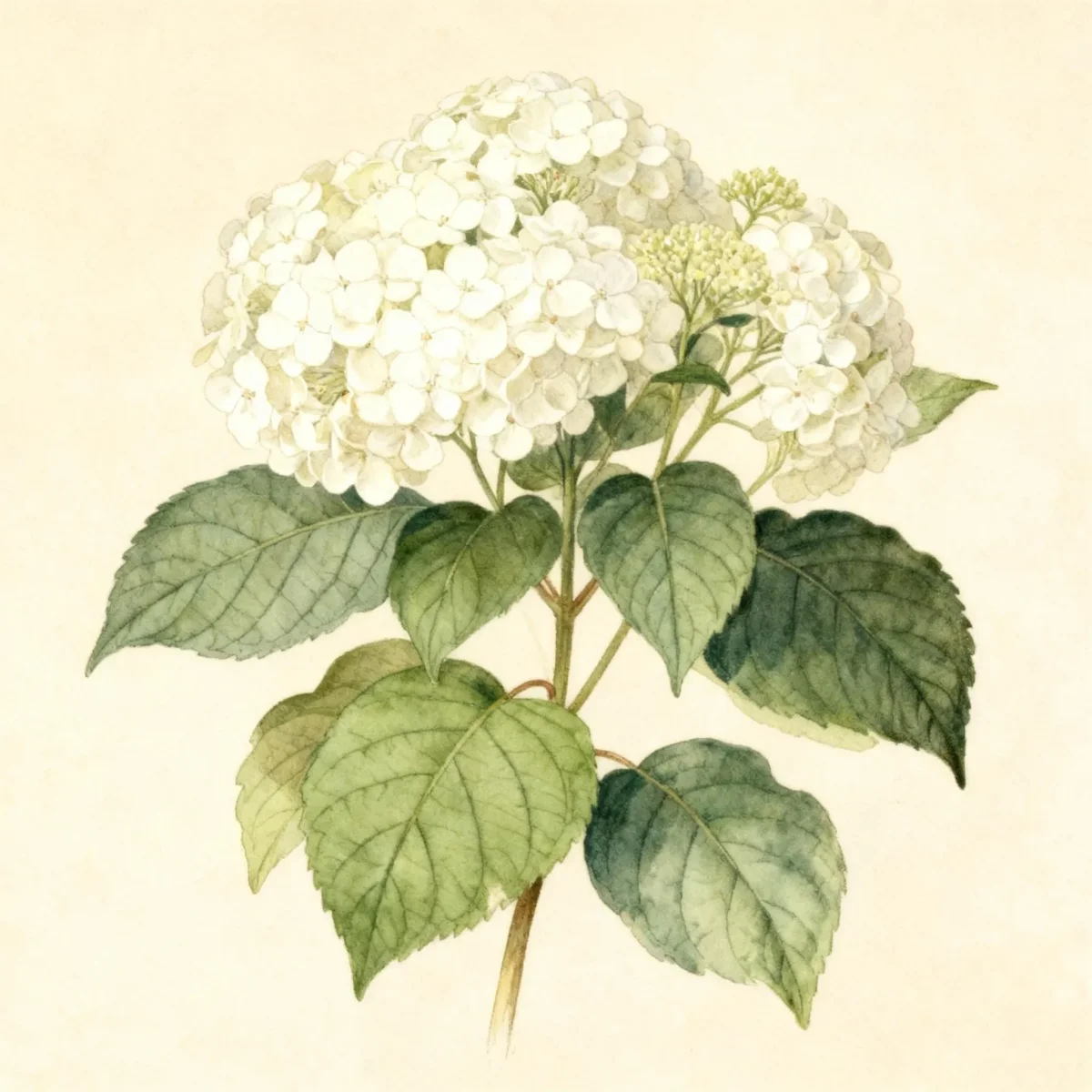
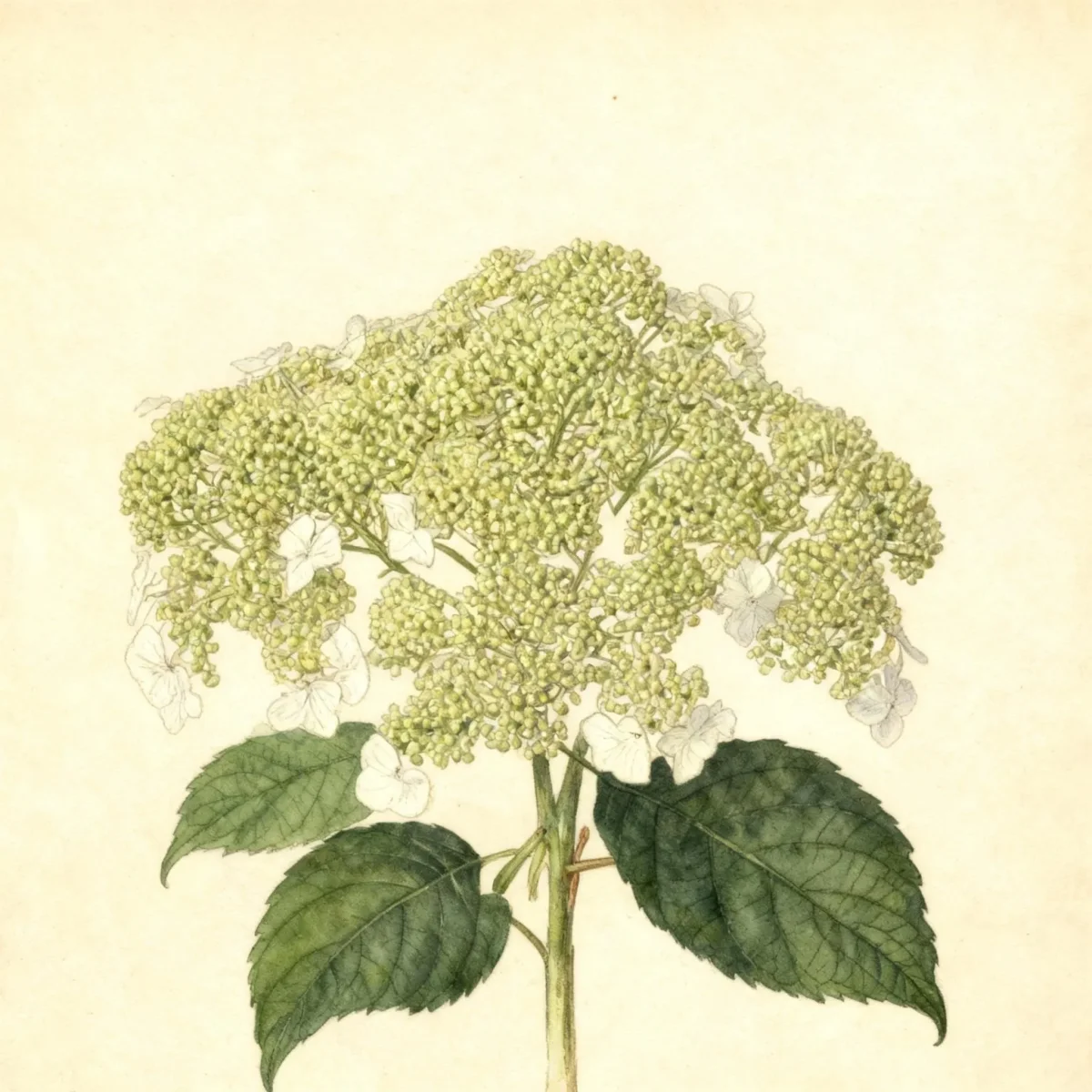
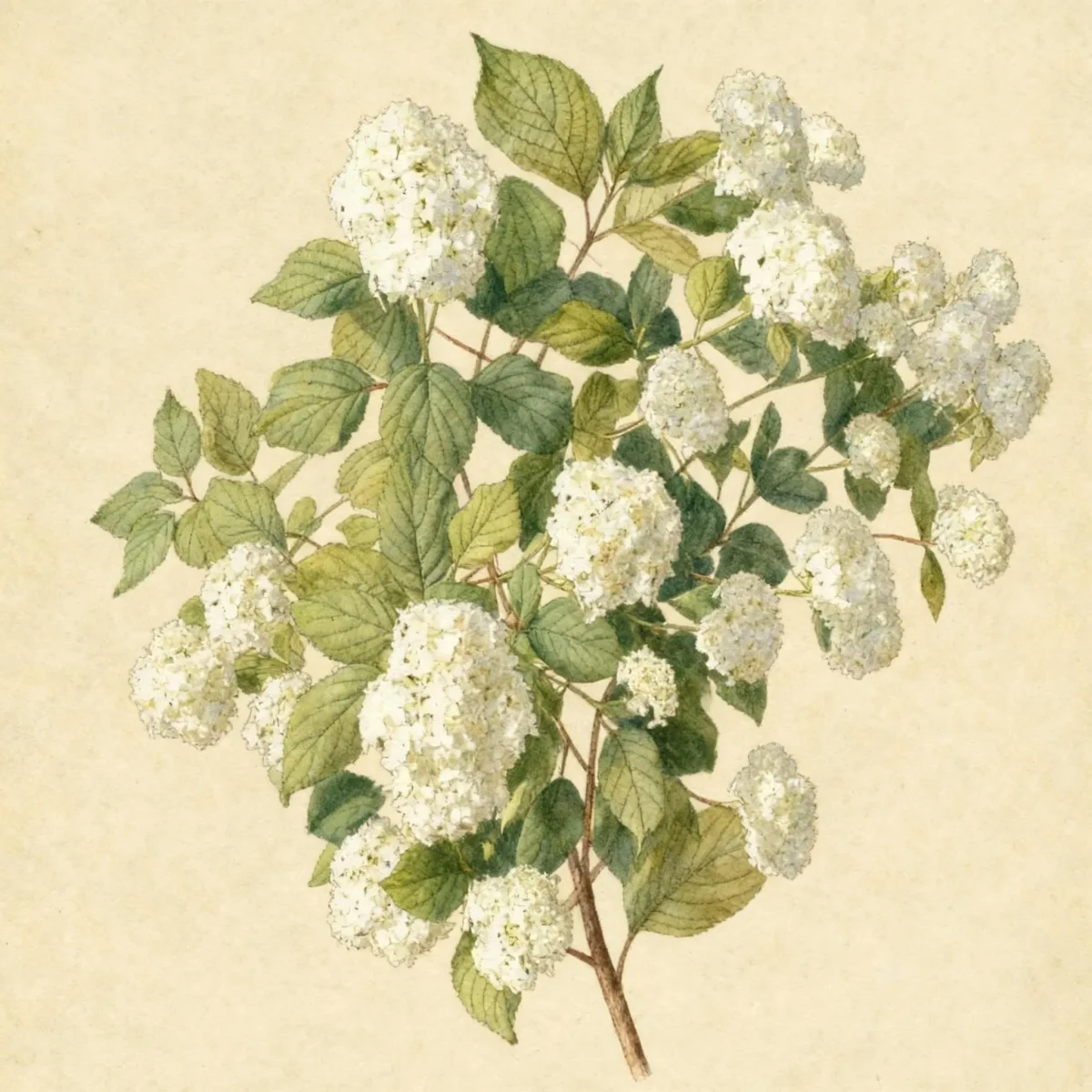
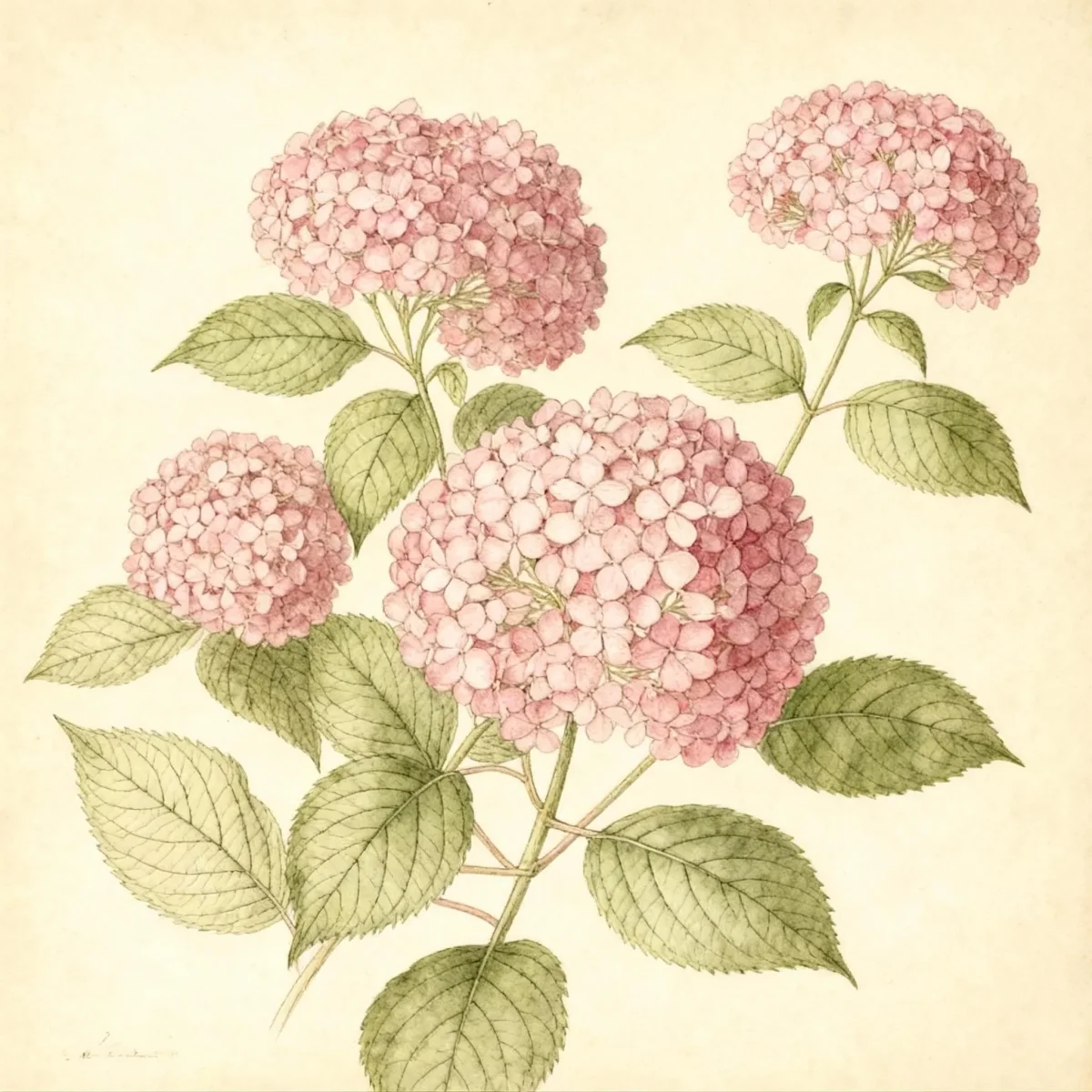
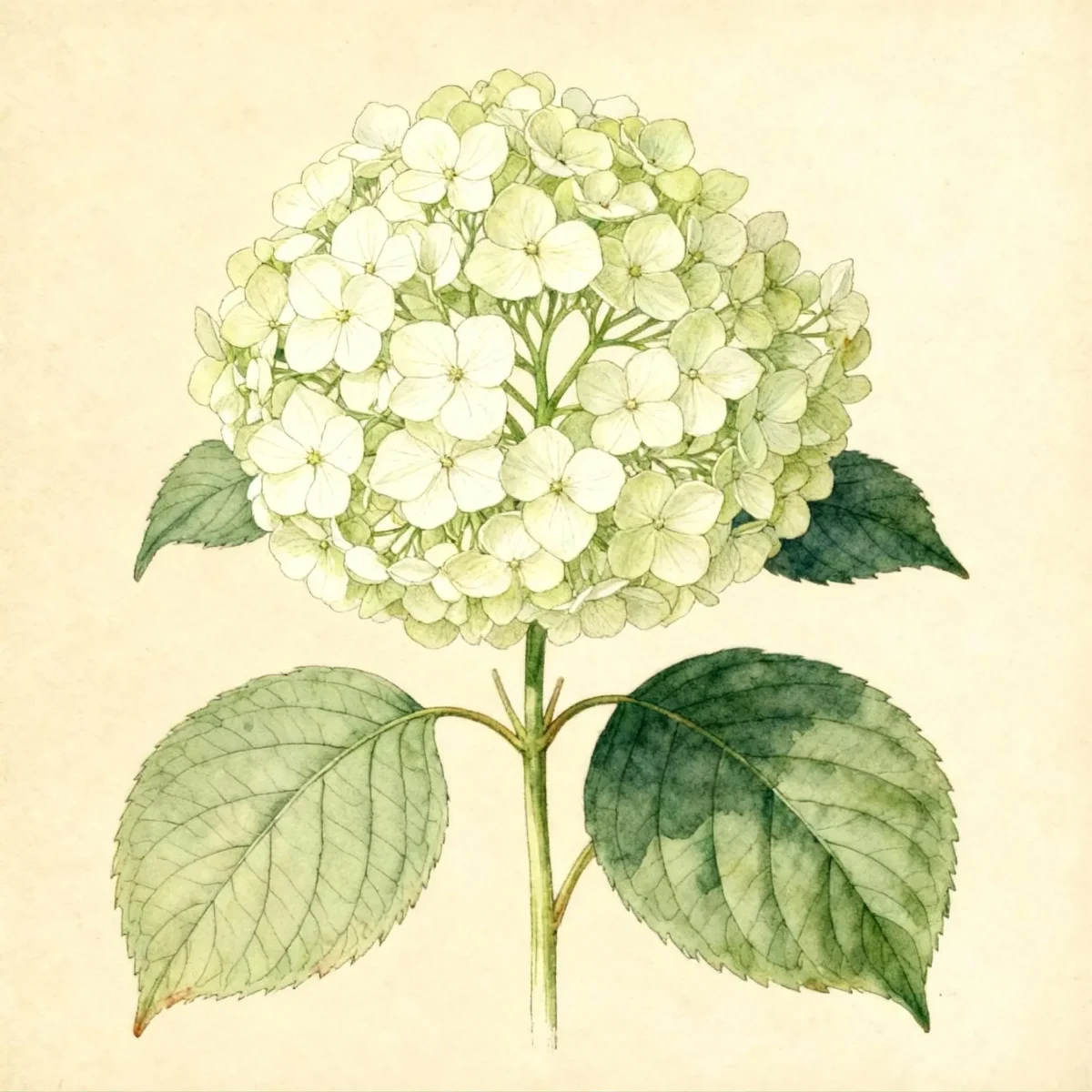
Smooth hydrangea (Hydrangea arborescens 'Piiha-I' ENDLESS SUMMER BELLA ANNA)
Meet Hydrangea arborescens 'Piiha-I' ENDLESS SUMMER BELLA ANNA, a low-maintenance, magenta-pink blooming Smooth hydrangea hardy to Zone 4.
Scroll down to discover growing tips, care requirements, companion plants, and more

Complete Plant Information
Overview
Hydrangea arborescens ‘Piiha-I’ ENDLESS SUMMER BELLA ANNA delivers reliable summer color in a compact, easy-to-manage form, making the Smooth hydrangea an indispensable landscape asset. This cultivar is prized for its prolific magenta-pink mophead blooms that appear continuously from mid-summer well into autumn. As a member of the famed ENDLESS SUMMER collection, it inherits the valuable trait of flowering reliably on both old and new wood.
This deciduous shrub offers great adaptability, thriving in partial shade while maintaining its neat, upright habit, generally reaching only 2 to 3 feet tall and wide. Its low maintenance requirements and resistance to common issues make Hydrangea arborescens ‘Piiha-I’ ENDLESS SUMMER BELLA ANNA an excellent choice for both novice and experienced gardeners seeking consistent performance.
Functionally, the dense foliage and manageable size allow this Smooth hydrangea to serve as excellent foundational planting or as a vibrant hedge component. Gardeners will appreciate its vigorous nature, even though it benefits from consistent moisture to maintain peak foliage health throughout the season.
Fast Facts
- Plant Family: Hydrangeaceae
- Plant Type: Deciduous shrub
- Hardiness Zones: USDA Zones 4-9
- Size at Maturity:
- Height: 2-3 ft
- Spread: 2-3 ft
- Bloom Time: July to September
- Bloom Description: Magenta-pink
- Sun Exposure: Part shade
- Water Needs: Medium
- Maintenance Level: Low
How to Grow
Planting Hydrangea arborescens ‘Piiha-I’ ENDLESS SUMMER BELLA ANNA is best done in spring or fall in average, well-drained soil. While it prefers part shade, it can tolerate full sun if you commit to providing consistent moisture throughout the growing season. This shrub adapts surprisingly well to various soil types, including clay, but prolonged dryness will cause the foliage to decline noticeably.
Watering should remain medium and consistent, especially during establishment and hot, dry spells. Although it tolerates drought briefly, the foliage suffers. Fertilization is generally not necessary; focus cultural efforts on moisture regulation rather than heavy feeding, which can sometimes reduce flowering.
Pruning is simple for this new wood-blooming variety. For revitalization and the best form, you may prune Hydrangea arborescens ‘Piiha-I’ ENDLESS SUMMER BELLA ANNA back close to the ground in late winter. Alternatively, if you prefer less severe cutting, simply remove any weakened or damaged stems in early spring before new growth starts. Be prepared for plants to potentially die back to the ground during exceptionally harsh winters; pruning encourages strong new stems for summer blooms.
Landscape Uses
The compact nature of Hydrangea arborescens ‘Piiha-I’ ENDLESS SUMMER BELLA ANNA makes it incredibly versatile for structured landscape designs. It excels when massed or grouped in partially shaded areas, providing a consistent wall of deep magenta color against darker backgrounds. Use it as a mid-border specimen or foreground hedging where its 2-3 foot height won’t overwhelm surrounding perennials.
Its adaptability also makes it suitable for naturalizing in woodland settings or stabilizing banks, as it shows tolerance for erosion. Furthermore, in areas challenged by wet soil conditions or within a rain garden design, this Smooth hydrangea provides structure and reliable seasonal interest. It pairs beautifully with shade-loving companions like hostas, ferns, and astilbes.
Standout Features
Flower Qualities
- Showy
Noteworthy Characteristics
Hydrangea arborescens, commonly known as smooth hydrangea or wild hydrangea, is a loosely and widely branched deciduous shrub that typically grows to 3-6’ (less frequently to 10’) tall. It is native to moist or rocky wooded slopes, ravines, streambanks and bluff bases from New York to Florida west to Iowa, Missouri, Oklahoma and Louisiana. Gray-brown stems are clad with opposite, broad egg-shaped to rounded, sharply toothed, dark green leaves (2-6” long) with pale green undersides. Leaves turn yellow in fall. Tiny white fertile flowers bloom in May-July in flattened hairy clusters (corymbs to 2-6”across). Scattered continuing flowering may occur throughout summer to September. A few large sterile flowers usually appear at the cluster margins (usually not enough for a quality lacecap effect). Flowers give way to dehiscent seed capsules which ripen in October-November.The genus name Hydrangea comes from hydor meaning “water” and aggeion meaning “vessel”, in reference to the cup-like capsular fruit.Specific epithet comes from arbor meaning “tree” in reference to the similarity of this shrub to a small tree.‘Piiha-I’, commonly sold under the trade name of ENDLESS SUMMER BELLA ANNA, is an upright deciduous shrub that typically matures to 3’ tall and as wide. It is an open pollinated progeny from a numbered selection of Hydrangea arborescens. Magenta-pink flowers in mophead form bloom in large and showy corymbs (each to 5” by 3”) throughout summer. A single corymb can contain up to 300 showy sterile flowers and 75 fertile flowers. Ovate dark green leaves (to 5” long) have acuminate apices, rounded to cordate bases, and serrate margins. U.S. Plant Patent PP21,227 was issued on August 24, 2010 Hydrangeas sold under the trade name of ENDLESS SUMMER are often now referred to as being part of the ENDLESS SUMMER collection. The ENDLESS SUMMER collection includes as of January 2014 four U. S. Patented plants: (1) ENDLESS SUMMER THE ORIGINAL(H. Macrophylla ‘Bailmer’) which is a mophead featuring pink flowers in alkaline soils or blue flowers in acidic soils (PP15,298), (2) ENDLESS SUMMER ‘Blushing Bride’(H. Macrophylla ‘Blushing Bride’) which is a mophead featuring white flowers lightly flushed with pink (PP17,169), (3) ENDLESS SUMMER TWIST-N-SHOUT(H. Arborescens ‘Piihm-I’) which is a lace cap featuring pink flowers in alkaline soils or blue flowers in acidic soils (PP20,176), and (4) ENDLESS SUMMER BELLA ANNA (H. Arborescens ‘Piiha-I’) which is a mophead featuring magenta pink flowers (PP21,227). All ENDLESS SUMMER plants produce flowers on both old and new growth, resulting in excellent repeat flowering throughout the summer as emphasized by the trade name. All ENDLESS SUMMER plants also have excellent winter hardiness (to USDA Zone 4), and rarely suffer winter injury in the St. Louis area
Tolerances
- Rabbit
- Drought
- Erosion
- Clay Soil
- Dry Soil
- Wet Soil
- Shallow-Rocky Soil
- Black Walnut
Potential Problems
Many species of hydrangea, including this one, are susceptible to bud blight, bacterial wilt, leaf spots, mold, rust and powdery mildew. Watch for common pests like aphids, mites, scale, and nematodes. While this shrub holds up well generally, consistent issues often point back to improper moisture management or insufficient air circulation.
The best proactive management against potential decline is proper pruning combined with appropriate site selection. Pruning stems back hard to the ground in late winter promotes vital stem vigor for the coming season. Rabbits generally tend to avoid this particular smooth hydrangea variety, offering a small benefit over other landscape shrubs.
Frequently Asked Questions
What hardiness zones is Smooth hydrangea suitable for?
Hydrangea arborescens ‘Piiha-I’ ENDLESS SUMMER BELLA ANNA is reliably hardy in USDA Zones 4 through 9.
How large does Hydrangea arborescens ‘Piiha-I’ ENDLESS SUMMER BELLA ANNA grow?
This cultivar typically matures to a height between 2 and 3 feet, with a comparable spread of 2 to 3 feet.
When does Smooth hydrangea bloom?
This variety provides extended color, blooming actively from July through September with attractive magenta-pink flowers.
What sun exposure does Hydrangea arborescens ‘Piiha-I’ ENDLESS SUMMER BELLA ANNA need?
The ideal placement is in partial shade; while it can tolerate more sun, consistent moisture is crucial if placed in sunnier spots.
Conclusion
Hydrangea arborescens ‘Piiha-I’ ENDLESS SUMMER BELLA ANNA is a stellar choice for reliable, low-effort summer color, proven by its vigorous reblooming habit and compact size. This exceptional Smooth hydrangea variant brings deep magenta-pink mopheads to gardens hardy down to Zone 4. Before planting, check your zone compatibility and ensure you plan for its medium water needs to maximize enjoyment of this beautiful shrub.
Companion Planting in Shady Beds
Because this Hydrangea thrives in part shade and medium moisture, selecting companions that share these needs enhances the overall design cohesion. Consider planting lower-growing groundcovers beneath the shrub to keep the soil cool and retain moisture, such as Ajuga or Vinca minor. For complementary texture, ferns or Hosta varieties with chartreuse or blue foliage provide a soft contrast to the dark green leaves of the Smooth hydrangea.
Avoid placing high-sun, drought-tolerant plants immediately adjacent, as the resulting competition for water will stress the Hydrangea and cause leaf scorch or decline. The rich, mounding shape of the magenta blooms works well when paired with vertical accents like tall ornamental grasses adapted to shade, or white flowering shade perennials for brightness.
Seasonal Care Calendar
Late winter is the critical time for maintenance on Hydrangea arborescens ‘Piiha-I’ ENDLESS SUMMER BELLA ANNA. This is when you should perform hard pruning, cutting the stems down near the ground to stimulate fresh, strong growth that will support this year’s summer flowers. If you choose not to prune severely, only remove any visibly dead or damaged wood at this time.
In spring and summer, shift focus entirely to monitoring moisture levels. While maintenance is generally low, do not let the shrub experience prolonged dryness, especially if situated in a location receiving more than filtered light. Water deeply at the base rather than using overhead sprinklers to discourage fungal issues on the foliage. No significant deadheading is usually required, as the spent blooms often drop naturally or contribute light texture until the winter pruning cuts are made.