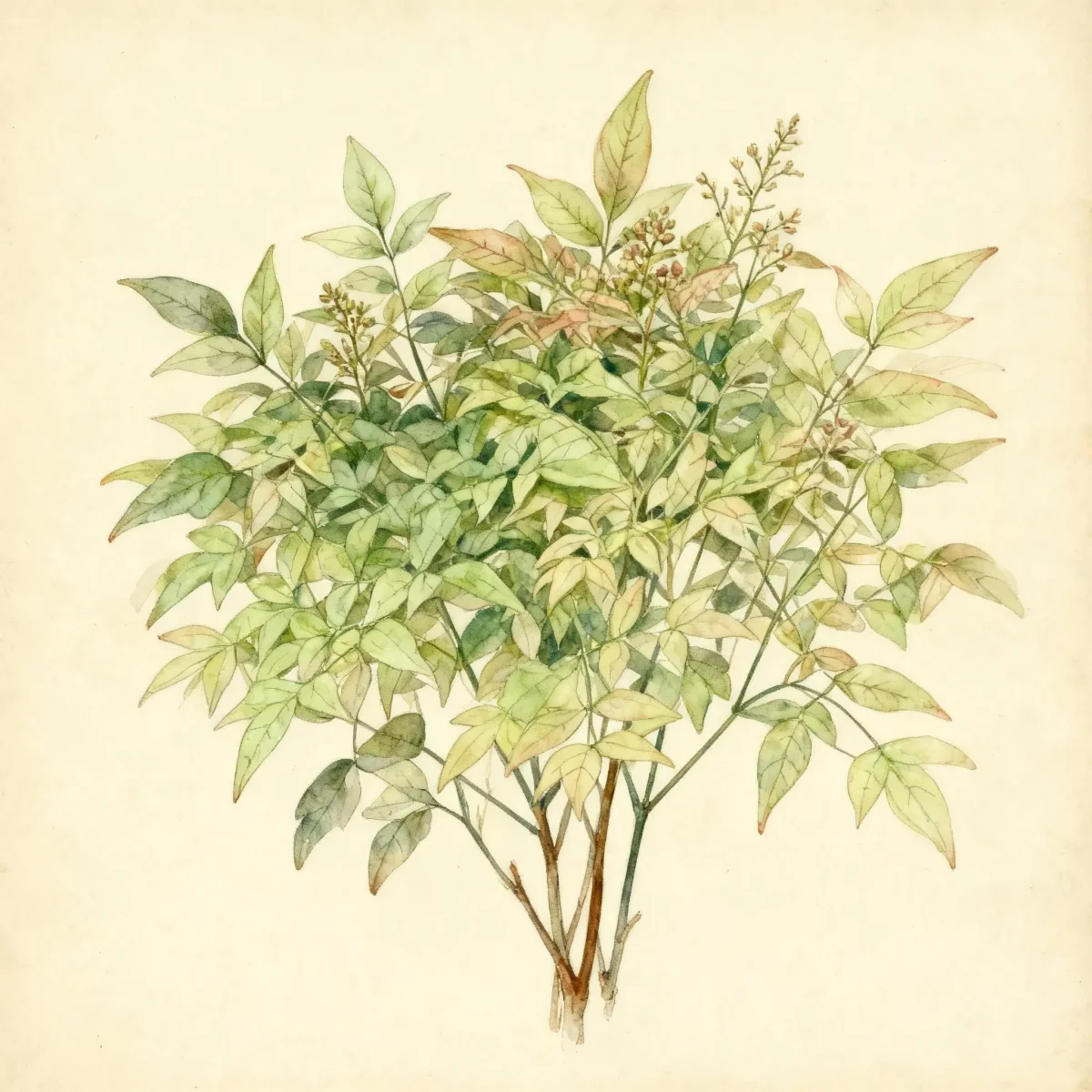
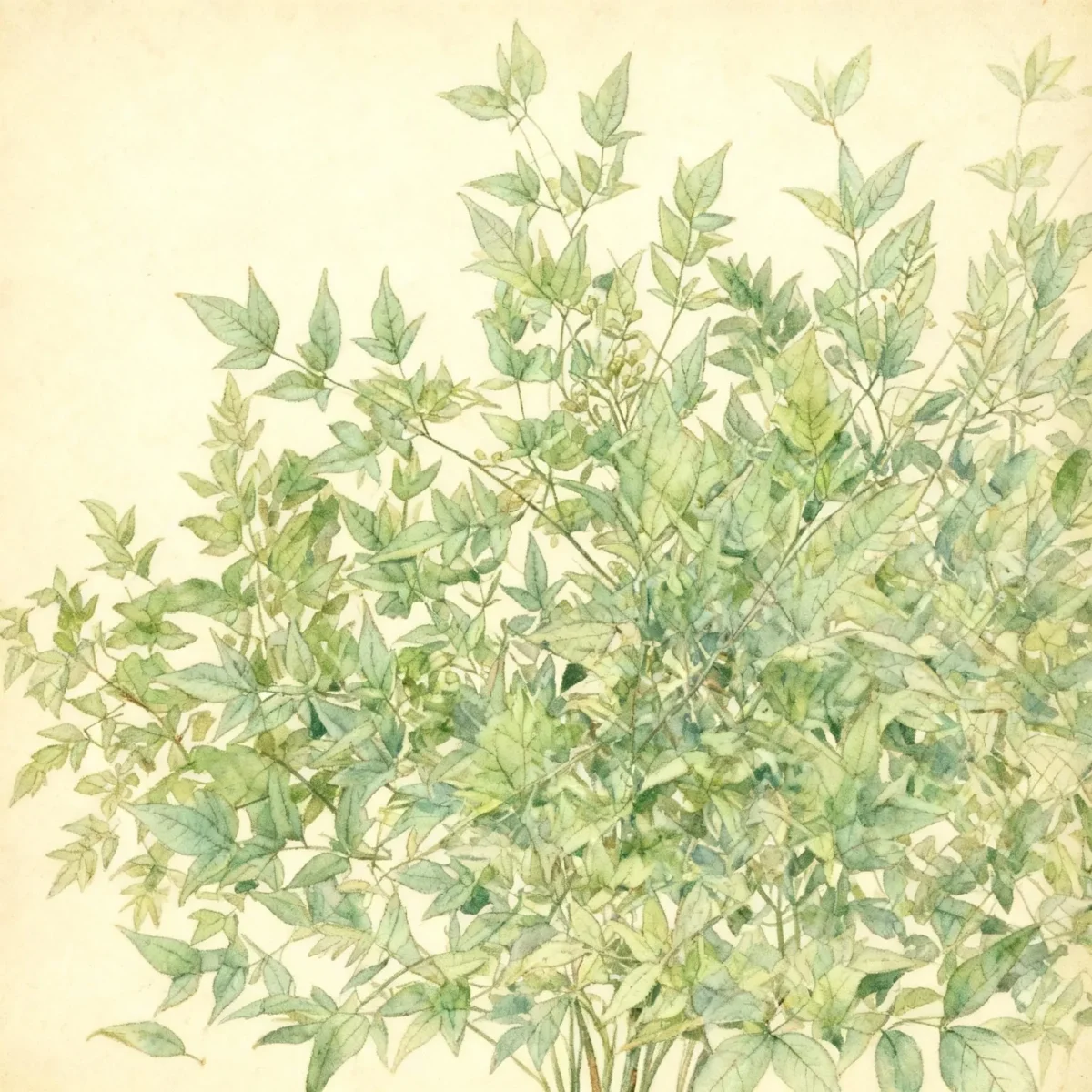
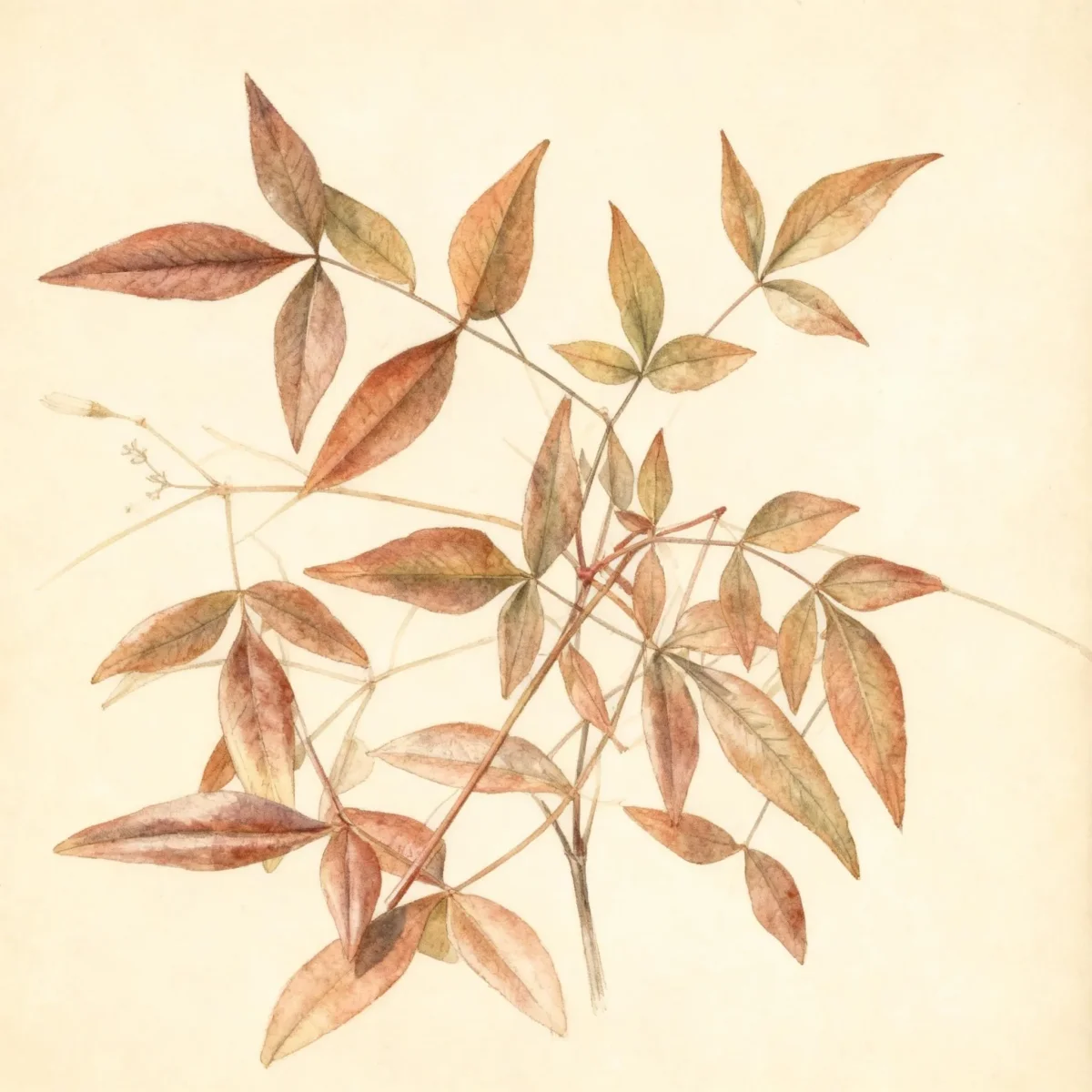
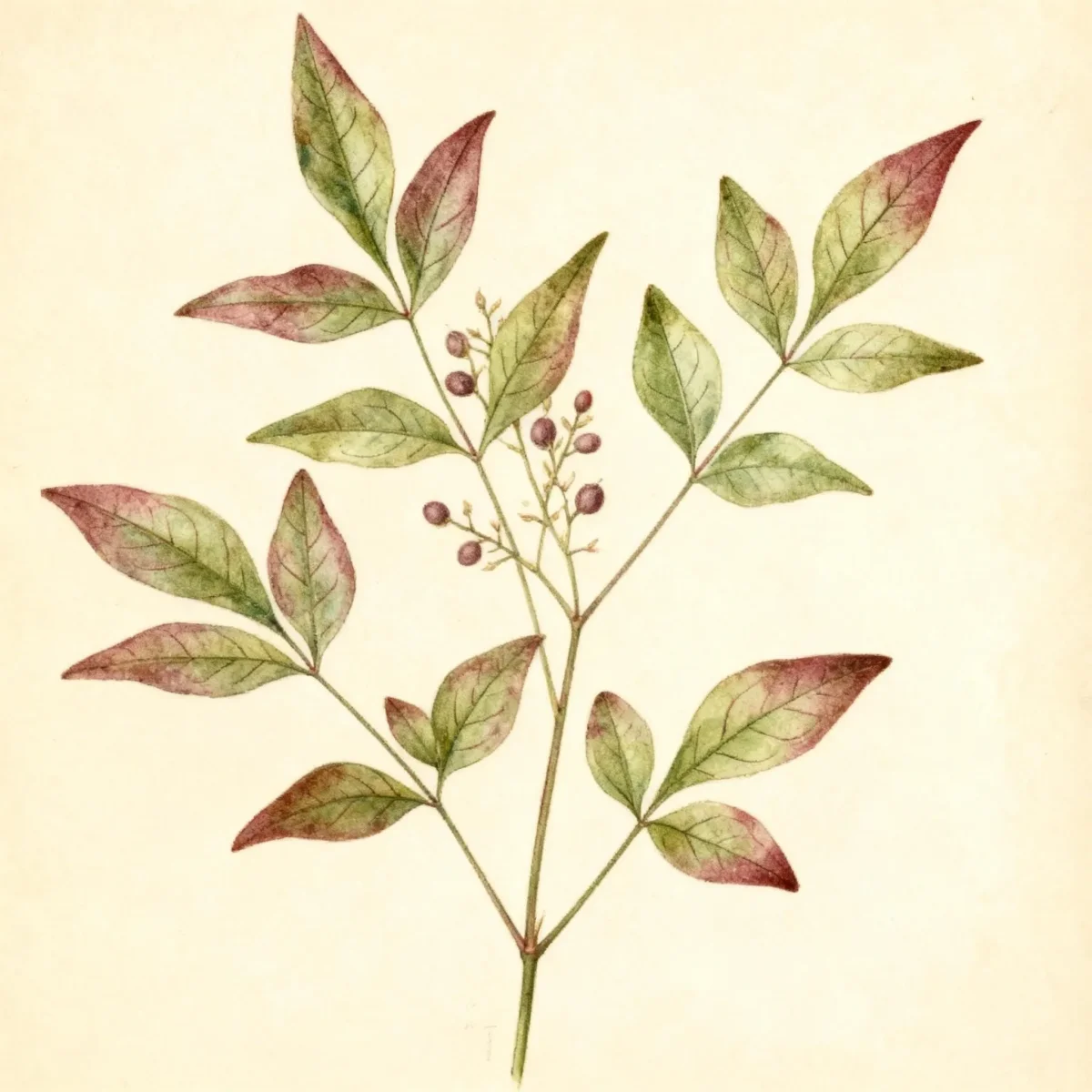
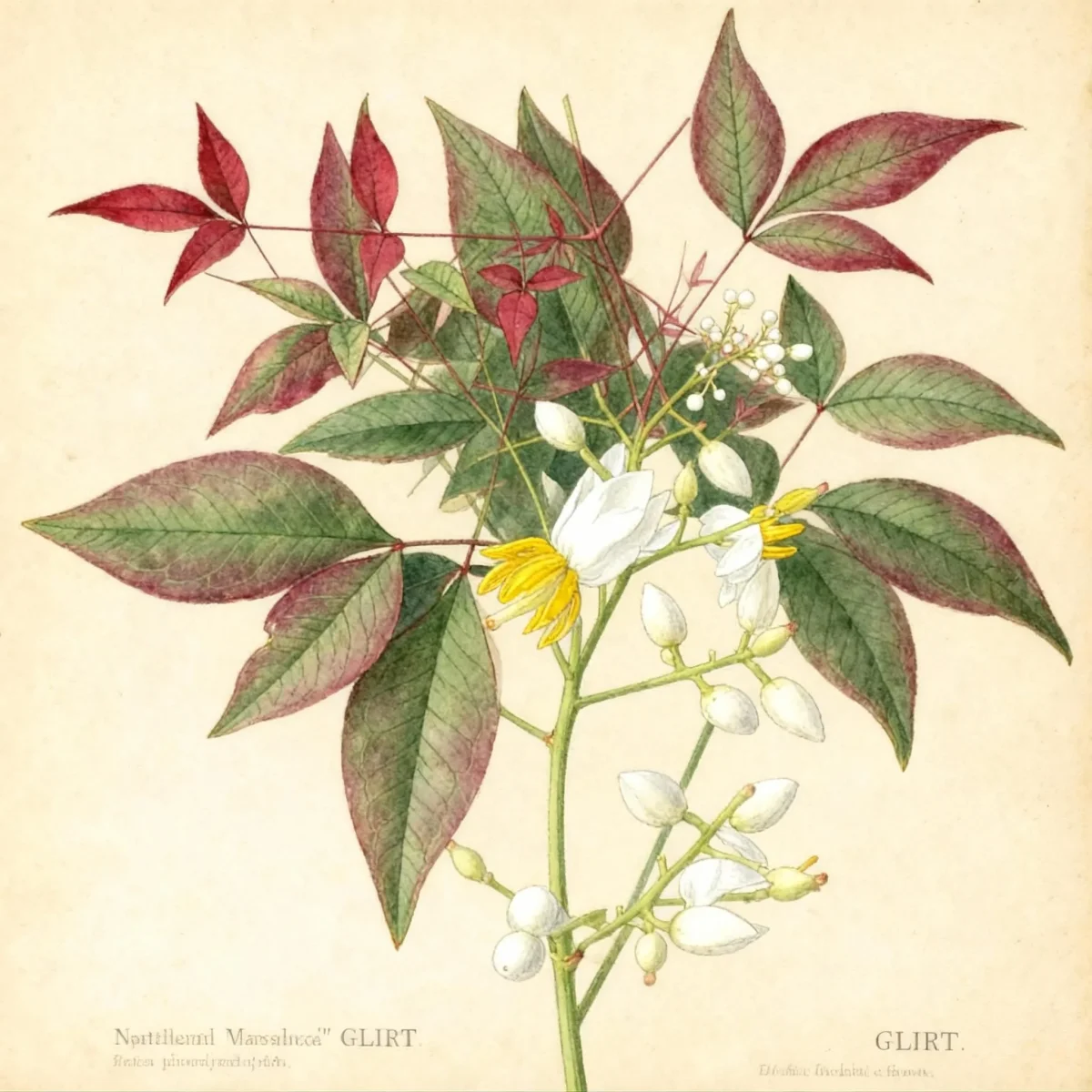
Heavenly bamboo (Nandina domestica 'Fire Power')
Nandina domestica 'Fire Power' is a versatile broadleaf evergreen offering year-round interest. Heavenly bamboo thrives in USDA Zones 6-9.
Scroll down to discover growing tips, care requirements, companion plants, and more
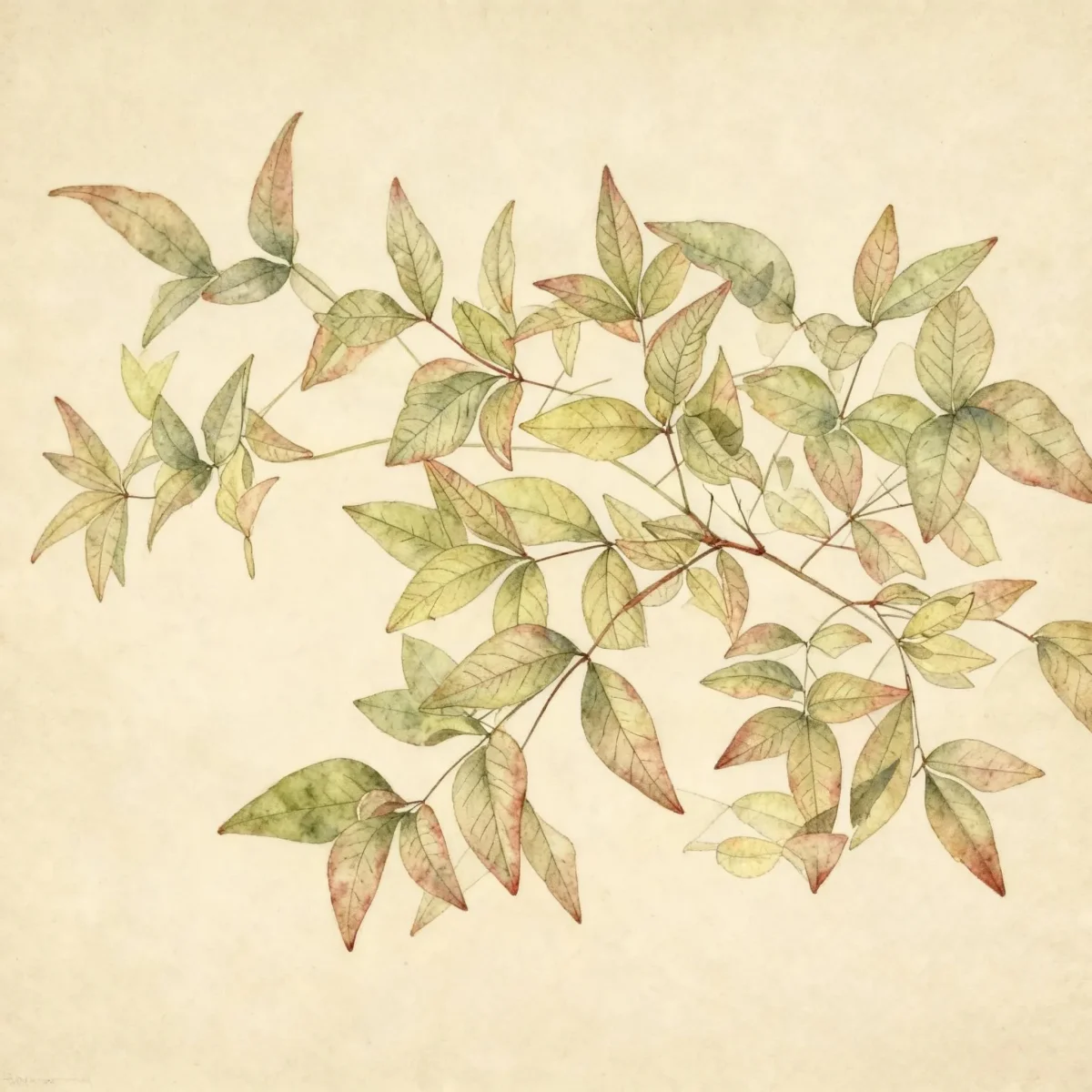
Complete Plant Information
Overview
Nandina domestica ‘Fire Power’, commonly referred to as Heavenly bamboo, is a staple ornamental shrub prized for its compact structure and reliability across multiple seasons. This variety of Heavenly bamboo offers dense foliage that provides excellent texture in foundation plantings or borders. While it is botanically distinct, its upright growth habit and cane-like stems lead to its common designation.
As a broadleaf evergreen, Nandina domestica ‘Fire Power’ maintains visual interest even when many other landscape plants are dormant. It performs best when given average to rich, well-drained soil conditions. Gardeners appreciate this shrub for its low-fuss nature once established, though it requires consistent care initially to reach its full potential.
A significant benefit is its adaptability to various light conditions, tolerating everything from full sun to partial shade, though afternoon shade is often preferred in hotter climates. Due to its manageable size, Nandina domestica ‘Fire Power’ adds vertical punctuation without overwhelming smaller garden spaces, making it a highly versatile choice for structured or informal landscapes.
Fast Facts
- Plant Family: Berberidaceae
- Plant Type: Broadleaf evergreen
- Hardiness Zones: USDA Zones 6-9
- Size at Maturity:
- Height: 1-2 ft
- Spread: 1-2 ft
- Bloom Time: June
- Bloom Description: Non-flowering
- Sun Exposure: Full sun to part shade
- Water Needs: Medium
- Maintenance Level: Medium
How to Grow
The ideal time for planting Nandina domestica ‘Fire Power’ is generally spring or early fall, allowing the roots time to establish before temperature extremes. Ensure the planting site offers average, well-drained soils. While this Heavenly bamboo tolerates a wide range of soil types, it thrives best in rich, moist, humusy conditions. Adequate drainage is critical to prevent root issues.
Watering should be consistent, especially during the first year post-planting. Established plants exhibit good drought tolerance, but for optimal health and growth, aim for medium water needs. Fertilization is usually not necessary if the soil is adequate, but supplemental feeding can boost vibrancy. Pruning, if required, is minimal; focus on removing any damaged or dead stems near the base.
A crucial consideration for Nandina domestica ‘Fire Power’ relates to winter hardiness. In warmer regions (Zones 8-10), it reliably stays evergreen. However, in colder limits like Zone 6, plants can become semi-evergreen or even deciduous if temperatures drop below 10°F, potentially leading to stem dieback. In these borderline zones, site your Heavenly bamboo in protected locations and apply a thick layer of organic mulch in winter for insulation.
Landscape Uses
The compact size of Nandina domestica ‘Fire Power’ makes it incredibly flexible for landscape design. Its form and foliage color provide year-round interest, making it an excellent selection for shrub borders or mass plantings where a consistent low hedge is desired in warmer zones. It functions well as an informal edger along walkways or beds, taking advantage of its dwarf stature.
For foundation plantings, this variety offers vertical accent without becoming overgrown. Consider grouping or massing Nandina domestica ‘Fire Power’ to maximize its visual impact, particularly in woodland-style gardens or where informal settings are preferred. While the species can produce berries, this cultivar is often chosen specifically for its foliage and form, making it a reliable structural component.
Standout Features
Noteworthy Characteristics
Nandina domestica, commonly called heavenly bamboo, is a broadleaf evergreen shrub that is ornamentally grown for its interesting foliage and its often spectacular fruit display. This is a rhizomatous, upright, evergreen shrub that typically grows shorter than the standard species in regions subject to harsh winter freezes. Although it belongs to the Barberry family, it is commonly called heavenly bamboo because its erect, cane-like stems and compound leaves resemble bamboo. Gardeners selecting Nandina domestica ‘Fire Power’ value this specific cultivar for its predictable, neat size and seasonal color changes.
Tolerances
- Drought
- Heavy Shade
Potential Problems
Nandina domestica ‘Fire Power’ generally exhibits few serious insect or disease issues, contributing to its medium maintenance rating. The primary cultural concern relates to soil alkalinity; foliage may develop chlorosis (yellowing) if the soil pH is too high. To manage this, amend the soil with acidifying fertilizers or organic matter, and ensure deep, consistent watering practices.
It is vital to note that Heavenly bamboo species, including some Nandina varieties, are considered invasive in certain southeastern U.S. regions due to seed dispersal. Gardeners must check local ordinances and recommendations before introducing this plant to ensure it aligns with regional environmental goals. Selecting the compact ‘Fire Power’ cultivar can reduce the risk associated with larger, heavy-fruiting types.
Frequently Asked Questions
What hardiness zones is Heavenly bamboo suitable for?
Nandina domestica ‘Fire Power’ is suitable for USDA Hardiness Zones 6 through 9.
How large does Nandina domestica ‘Fire Power’ grow?
This specific cultivar typically reaches a mature height of 1 to 2 feet and spreads between 1 and 2 feet wide.
What sun exposure does Nandina domestica ‘Fire Power’ need?
This shrub performs well in full sun exposure but can also tolerate partial shade conditions, though foliage color can be best maintained with some direct light.
When does Heavenly bamboo bloom?
Though the species produces flowers, this variety is noted as non-flowering, with bloom time listed as June.
Conclusion
Nandina domestica ‘Fire Power’ offers outstanding architectural interest and reliable evergreen structure, making it a top-tier choice for low-growing landscape accents. Its manageable size and tolerance for varying light conditions confirm why Heavenly bamboo remains a popular evergreen option. Always verify that the USDA hardiness zone for your location supports reliable winter survival when planting Nandina domestica ‘Fire Power’.
Companion Planting
When selecting plants to pair with Nandina domestica ‘Fire Power’, focus on species that share similar sun, water, and soil requirements. Since this Heavenly bamboo provides fine texture and dark green or reddish fall/winter foliage, contrasting textures work exceptionally well. Consider low-growing ferns or hostas for shady locations, as they appreciate similar moisture levels and appreciate the upright structure of the Nandina.
For sunny borders, use companion plants with contrasting bloom times or colors to ensure year-round appeal. Compact ornamental grasses or creeping perennials that offer mounding habits complement the upright, airy nature of Nandina domestica ‘Fire Power’. Grouping them near plants that prefer rich, humusy soil conditions will ensure cooperative nutrient demands across the planting bed.
Design Ideas for Dwarf Shrubs
The dwarf stature of Nandina domestica ‘Fire Power’ (1-2 ft tall) makes it perfect for creating subtle, repeating patterns in formal or contemporary gardens. Use tight groupings of these shrubs to create low repeating anchors along a walkway edge, providing year-round structure where seasonal bloomers might fade. They serve as excellent transition plants between taller background shrubs and low groundcovers.
Because this variety is less prone to aggressive suckering than some larger Nandina types, it functions well in modern mixed borders. Plant them nearest the front edge, allowing their foliage to provide consistent color regardless of the season. Even in containers, Nandina domestica ‘Fire Power’ makes an excellent “thriller” or “spiller” element due to its dense, colorful habit throughout the year.