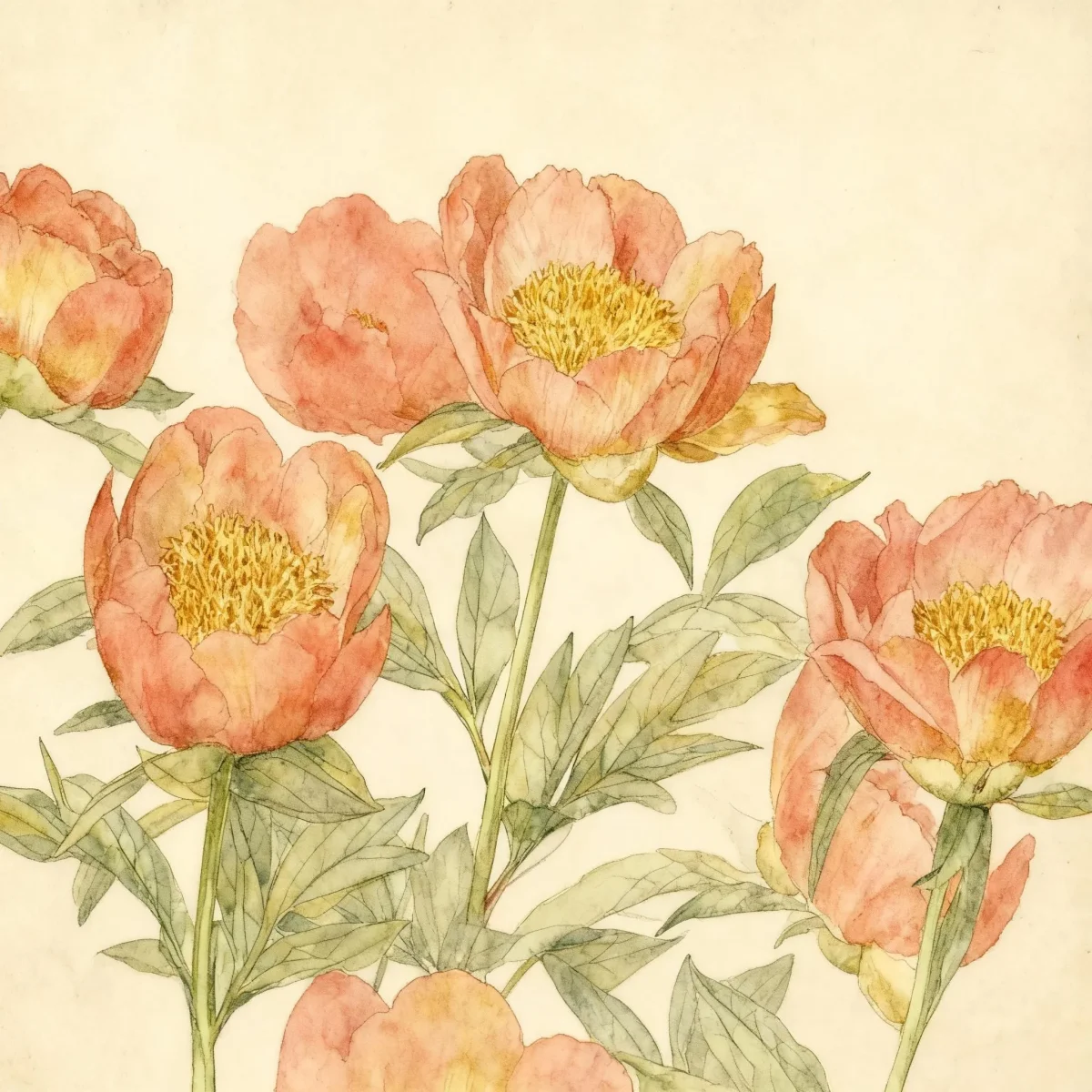
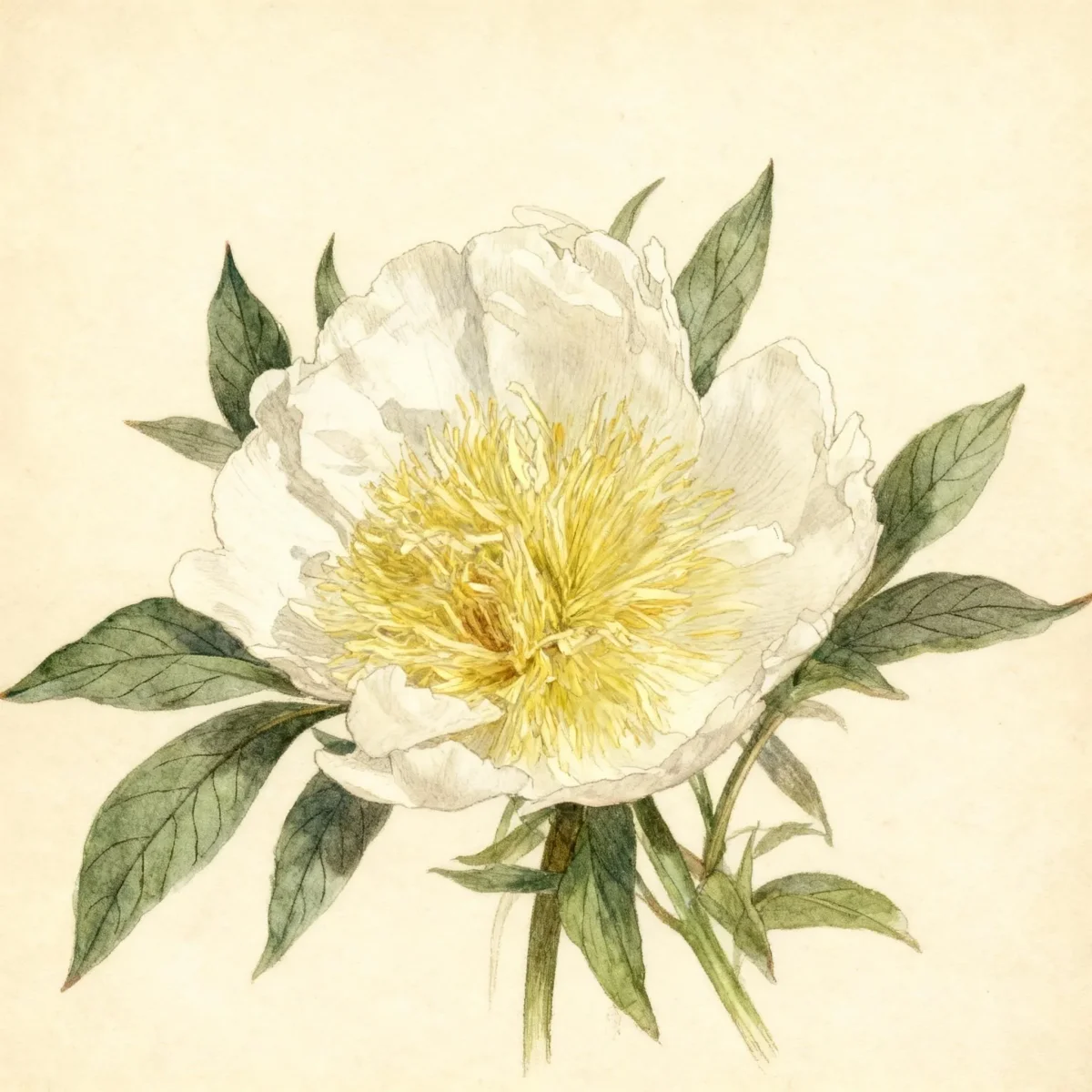
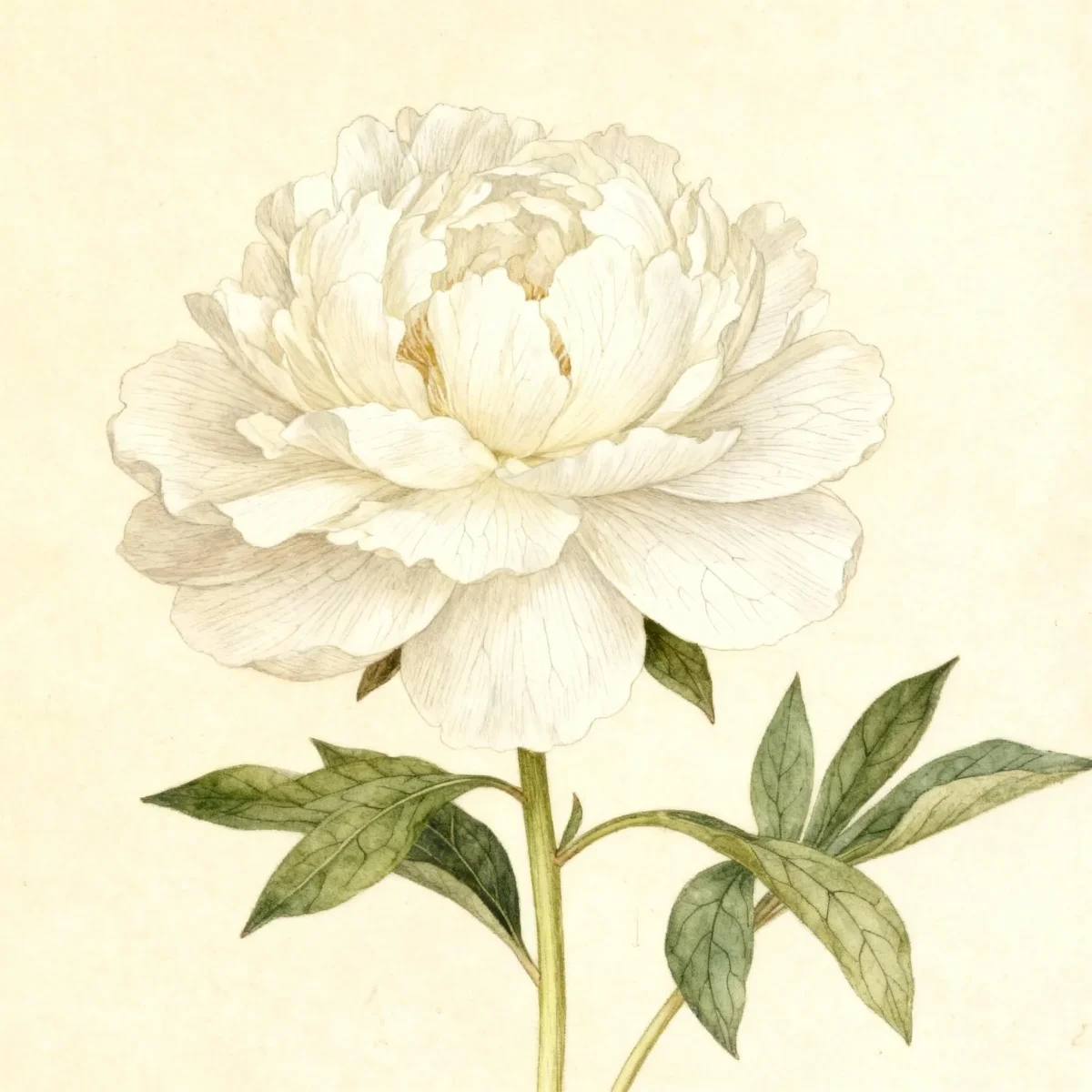
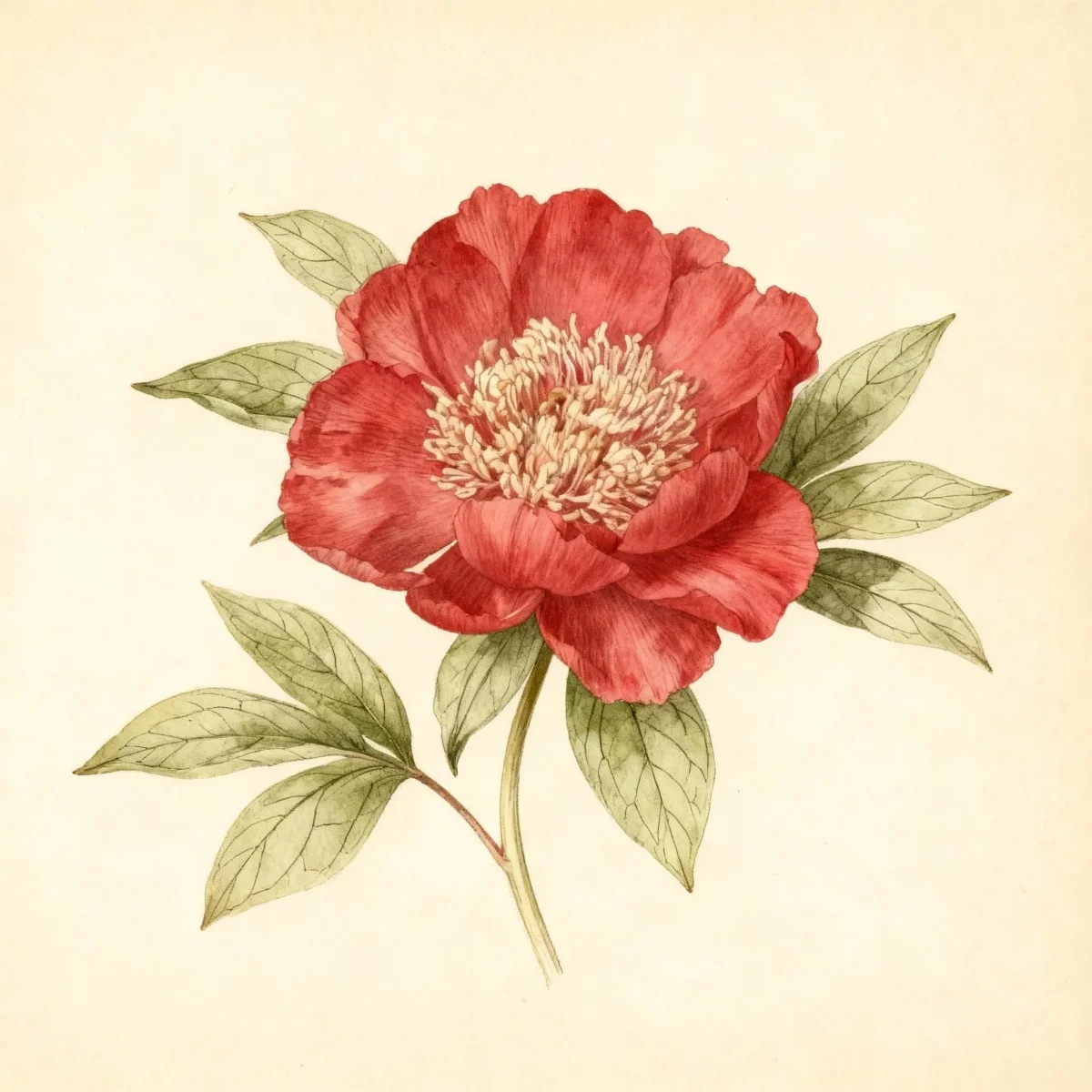
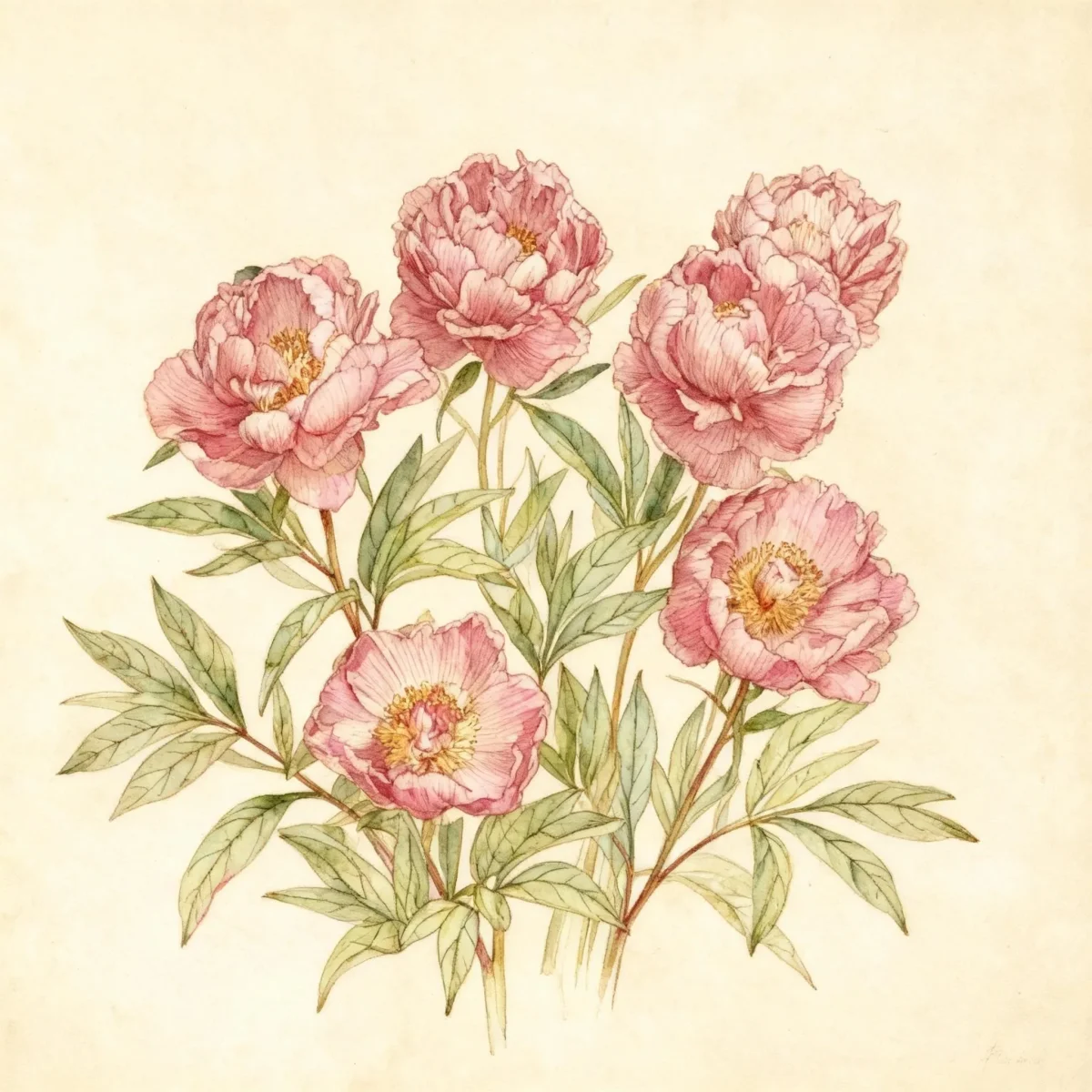
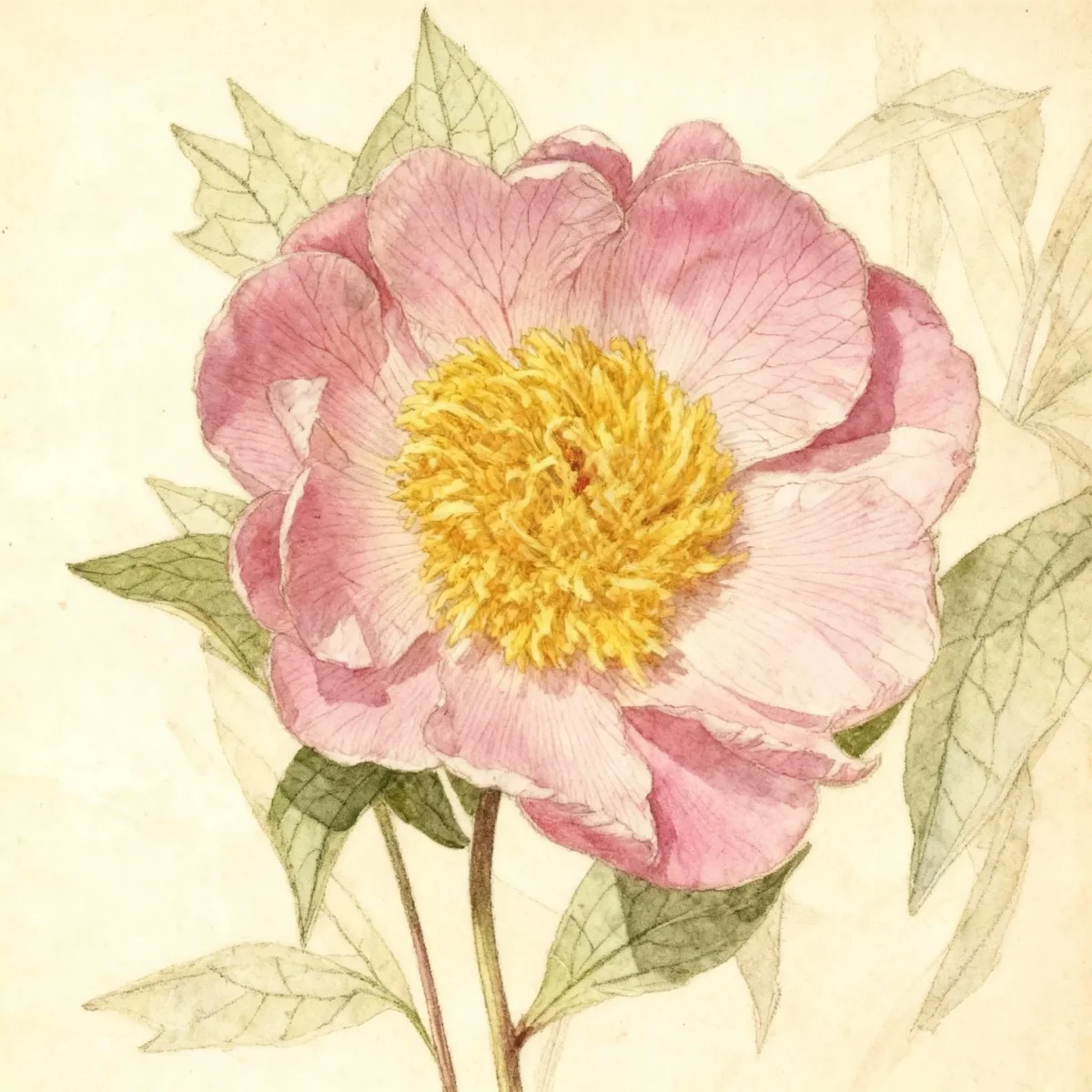
Peony (Paeonia 'Smith Opus 2' TAKARA)
The magnificent Paeonia 'Smith Opus 2' TAKARA Peony offers showy, fragrant lavender-pink blooms atop strong stems, perfect for borders.
Scroll down to discover growing tips, care requirements, companion plants, and more
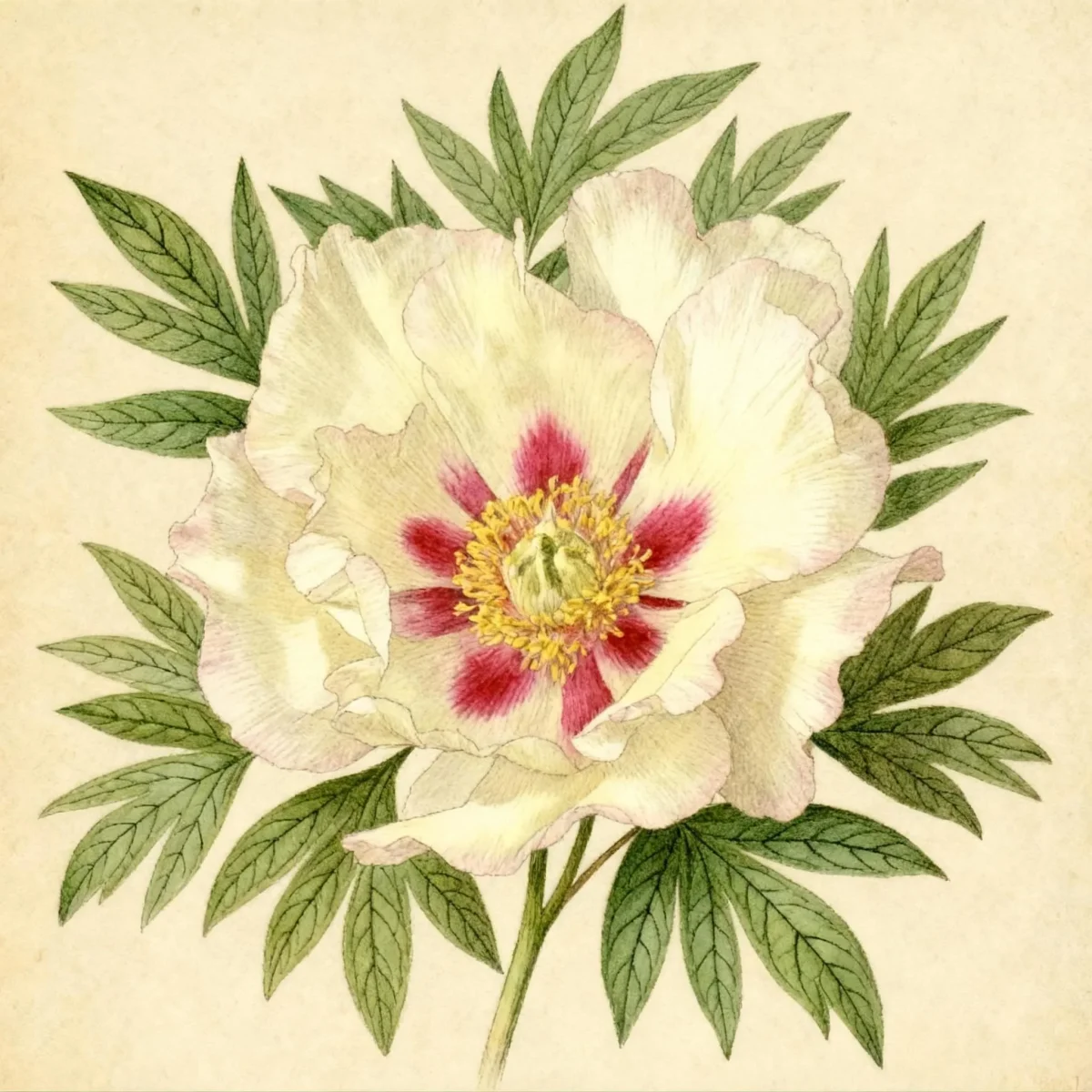
Complete Plant Information
Overview
Paeonia ‘Smith Opus 2’ TAKARA is a highly desirable Itoh (intersectional hybrid) Peony, valued for combining the best traits of herbaceous and tree peonies. This cultivar produces extremely large flowers, up to six inches across, showcasing a stunning color shift from lavender pink centers to pink-white edges. As a robust herbaceous perennial, this Peony variety forms a strong, compact mound, making it an exceptional specimen plant in the garden space.
The reliable growth habit of the Paeonia ‘Smith Opus 2’ TAKARA ensures beauty year after year, as these plants are known for their longevity when allowed to mature undisturbed. Its deep green, attractive foliage remains handsome throughout the season, providing excellent structure even after the spectacular mid-spring bloom period finishes. Gardeners prize this Peony for its low-maintenance nature once established and its superior, strong stems designed to hold up heavy blooms.
This specific Peony is well-suited for gardeners seeking reliable, high-impact color that benefits from medium water needs. The Paeonia ‘Smith Opus 2’ TAKARA provides phenomenal garden presence and yields some of the best material for cutting, bringing its unique, fragrant blooms indoors.
Fast Facts
- Plant Family: Paeoniaceae
- Plant Type: Herbaceous perennial
- Hardiness Zones: USDA Zones 4-8
- Size at Maturity:
- Height: 2-3 ft
- Spread: 2-3 ft
- Bloom Time: May to June
- Bloom Description: Lavender pink to pink-white blend
- Sun Exposure: Full sun to part shade
- Water Needs: Medium
- Maintenance Level: Medium
How to Grow
The best time to plant your Paeonia ‘Smith Opus 2’ TAKARA is in the fall, allowing the root system time to establish before the ground freezes. Plant in a location that receives full sun to part shade; note that TAKARA prefers full sun for the best flower production. This Peony thrives in rich, fertile, medium moisture, well-drained soils. Incorporate compost into the planting area before installation to ensure optimal soil structure and fertility.
Maintenance for this Itoh Peony is relatively straightforward. Provide medium watering, especially during establishment and dry periods, ensuring the soil remains consistently moist but never waterlogged. While the stems are strong, extra staking might occasionally be needed for the largest blooms, although Itoh peonies generally require less support than traditional garden peonies. Remove spent flowers immediately after they fade to encourage better overall plant health.
As an herbaceous perennial, Paeonia ‘Smith Opus 2’ TAKARA requires an important autumn cleanup task. After the first hard frost kills the foliage, cut all stems down to the ground and remove the cuttings from the garden area to prevent potential overwintering disease spores. These specific plants are long-lived and strongly resent being divided or moved, often continuing to bloom profusely for decades if left alone.
Landscape Uses
Peonies are foundational stars in perennial borders, serving perfectly as focal points or integrated into mixed groupings. Paeonia ‘Smith Opus 2’ TAKARA makes an excellent accent, especially since its foliage remains attractive long after the spring bloom. Consider planting them along walkways, driveways, or against low walls where their upright habit can be easily admired.
Because the blooms of this Peony are so spectacular, they pair well with plants that offer contrasting textures or bloom later in the season, such as Baptisia or ornamental grasses that thrive in similar sun conditions. The strong stems and upright form of this cultivar make it an excellent choice to frame views or provide a backdrop for shorter annuals or perennials. Furthermore, these are considered excellent cut flowers, demanding dedicated garden space near the kitchen door.
Standout Features
Flower Qualities
- Showy
- Fragrant
- Good Cut
Noteworthy Characteristics
Paeonia is a genus encompassing about 30 species presented as herbaceous perennials and subshrubs originating from Europe, Asia, and Western North America. Paeonia ‘Smith Opus 2’ TAKARA is specifically an Itoh peony, a hybrid cross combining the large flowers of tree peonies with the herbaceous habit of garden peonies. These hybrids, first achieved by Toihi Itoh, feature very large blooms with a color blend that matures from lavender pink to white tinged with pink, all held atop strong, upright stems.
Tolerances
- Rabbit
- Deer
Potential Problems
Peonies are generally resistant to most pests, but vigilance against fungal diseases is wise. Botrytis blight and Phytopthora blight are occasional concerns, often related to overly wet conditions or dense planting. Management involves ensuring high air circulation and excellent drainage; always remove all foliage after frost in the fall to reduce inoculum sources for next year.
Ants crawling on the developing buds are entirely harmless; they are attracted to the nectar and will leave once the flowers open. If your Paeonia ‘Smith Opus 2’ TAKARA fails to bloom, check planting depth (too deep or too shallow), excessive shade, or if the plant was recently moved. While large blooms on traditional peonies often require staking, the superior stem strength of this Itoh Peony minimizes this need.
Frequently Asked Questions
What hardiness zones is Peony suitable for?
This robust Peony variety, Paeonia ‘Smith Opus 2’ TAKARA, is generally suitable for USDA Hardiness Zones 4 through 8.
How large does Paeonia ‘Smith Opus 2’ TAKARA grow?
At maturity, this herbaceous perennial typically reaches a height and spread between 2 to 3 feet, forming a compact, rounded mound.
When does Peony bloom?
The flowering window for this cultivar is generally from May to June, offering large blooms described as a lavender pink to pink-white blend.
What sun exposure does Peony need?
This Peony performs best with ‘Full sun to part shade’; ensure it receives adequate light, as too much shade can inhibit flowering.
Conclusion
The Paeonia ‘Smith Opus 2’ TAKARA delivers exceptional garden value through its large, fragrant, and durable blooms and reliable herbaceous perennial structure. By providing rich soil and respecting its preference for limited disturbance, you ensure decades of stunning performance from this magnificent Peony. Before planting, verify that your site falls within USDA Zones 4–8 and confirm sufficient exposure to full sun for the best results.
Companion Planting
Successful companion planting for the Paeonia ‘Smith Opus 2’ TAKARA centers on choosing perennials that tolerate similar soil pH and sun exposure while offering textural contrast when the Peony foliage dies back. Consider pairing this Peony with plants that mature later in the season, such as Russian Sage (Perovskia) or tall ornamental grasses like Blue Oat Grass (Helictotrichon sempervirens). These companions help mask the bare spots that appear once the Peony foliage is cut down after the first heavy fall frost.
Avoid planting shallow-rooted annuals right next to the base, as the Peony requires consistent, deep watering. Plants that enjoy similar well-drained, fertile conditions, such as bearded Iris or hardy Geraniums planted slightly further out, integrate beautifully with the mid-season blooming schedule of Paeonia ‘Smith Opus 2’ TAKARA.
Seasonal Care Calendar
Spring care begins as soon as new growth emerges on your Paeonia ‘Smith Opus 2’ TAKARA. Gently clear away any old mulch or debris from the crown area, being careful not to damage the emerging eyes. This is the ideal time to apply a light layer of compost or a balanced fertilizer if your soil is lacking richness. Summer maintenance focuses primarily on watering: maintain even medium moisture, especially during dry spells in May and June when flowers are developing and opening.
Deadheading spent peony blooms just as they fade is crucial; remove the faded flower parts but leave the healthy foliage intact to allow the plant to photosynthesize and store energy for the next year. In late autumn, after the first hard frost has turned the remaining foliage brown, perform the essential cleanup required for this herbaceous perennial. Cut all stems down to about two inches above the ground and discard the material off-site to minimize disease carryover.