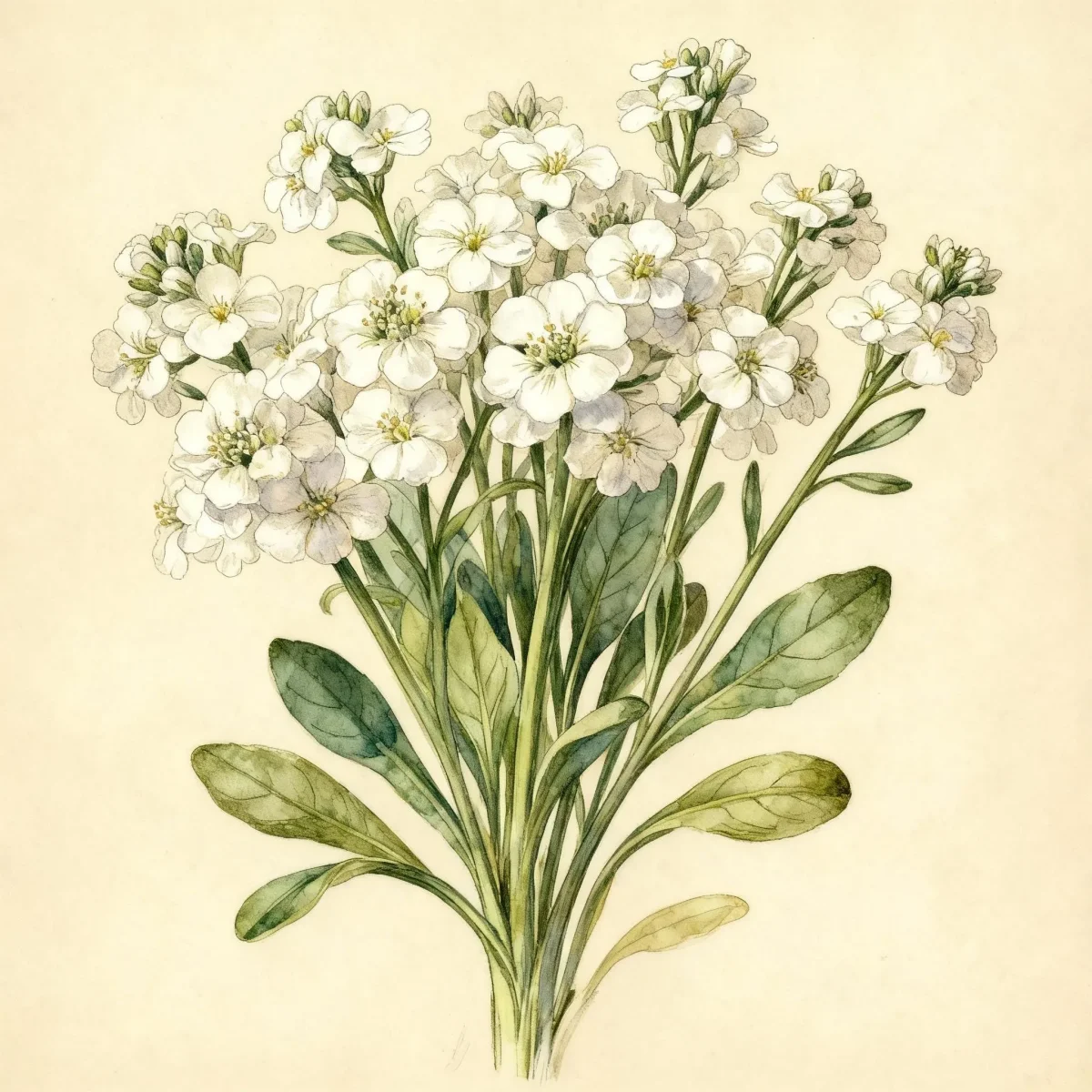
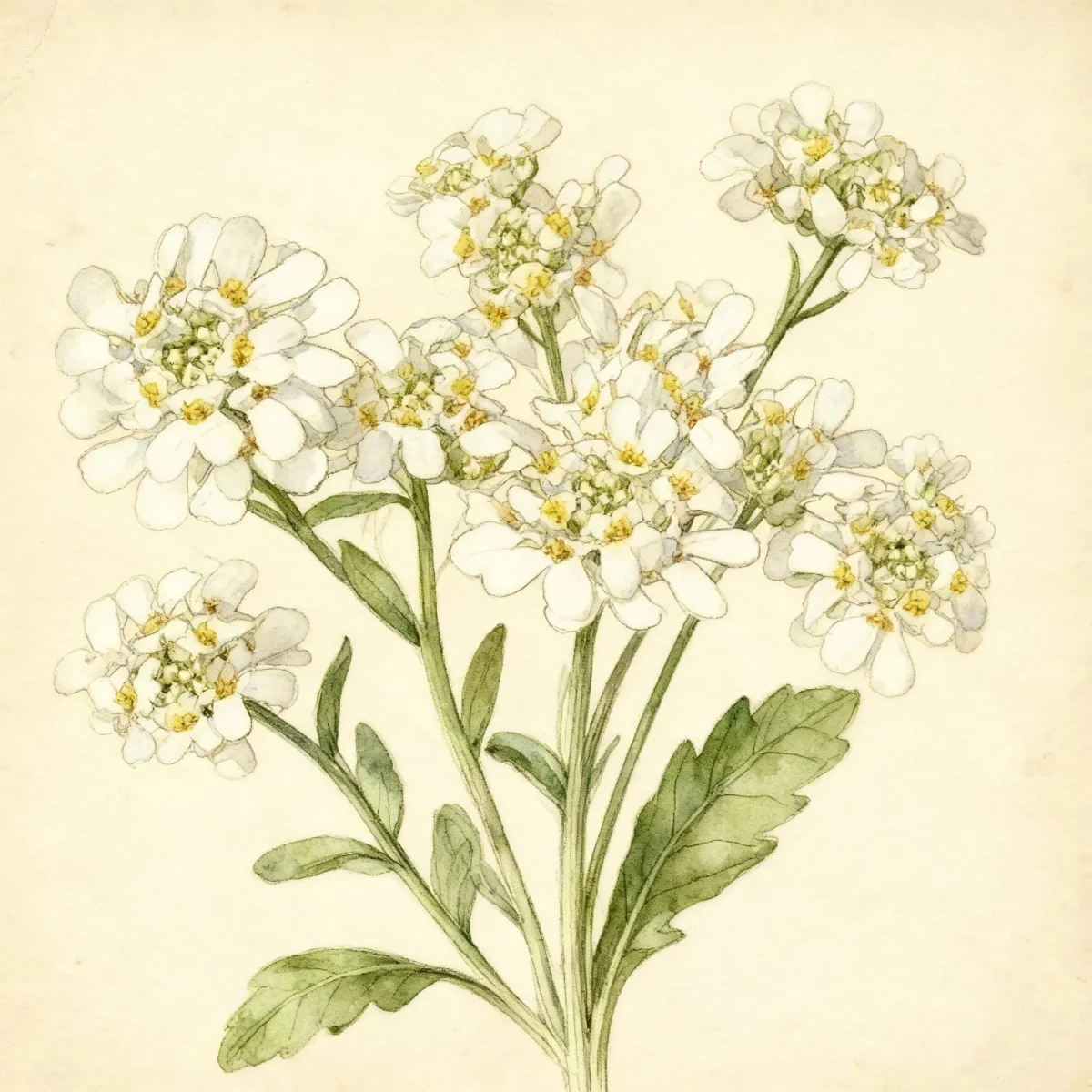
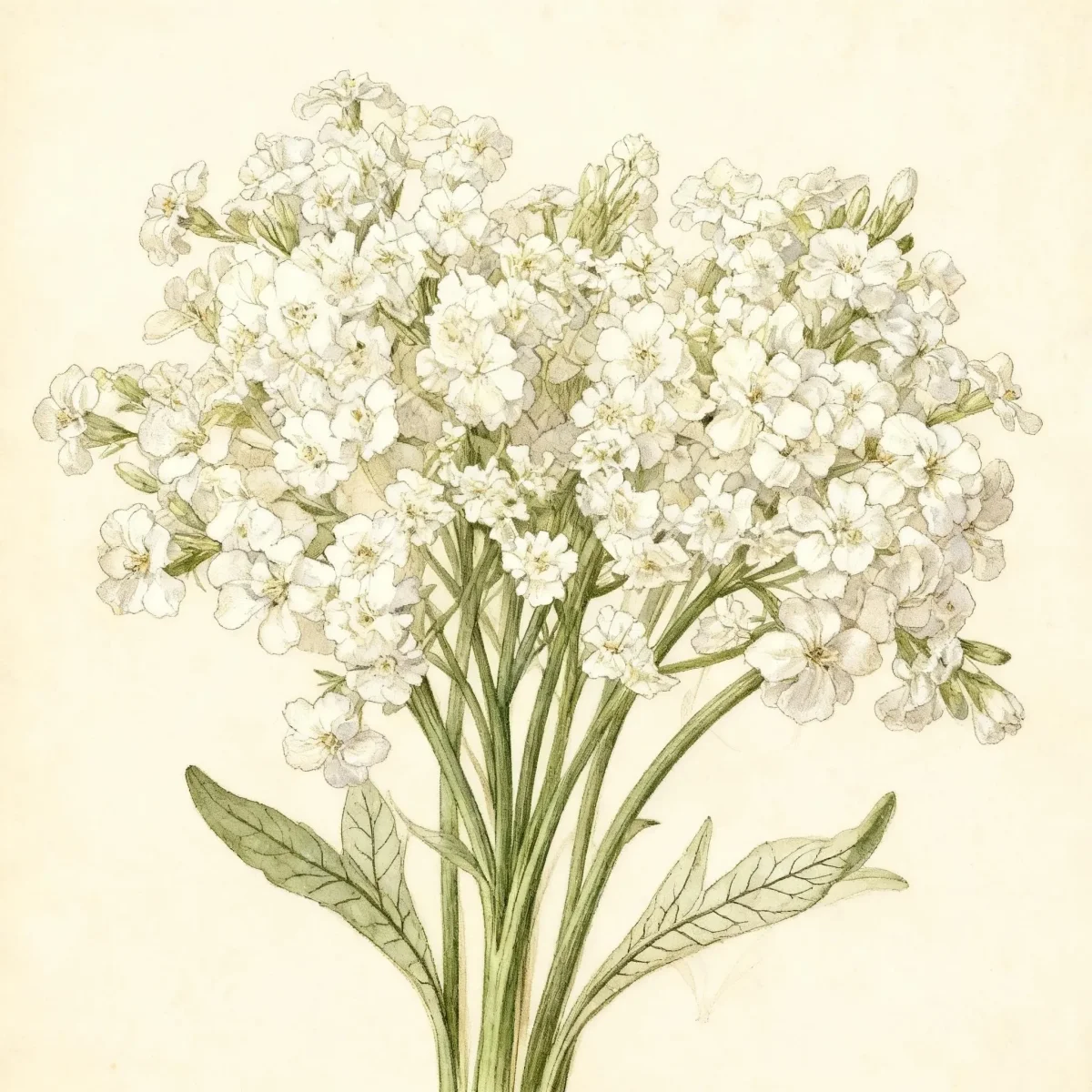
Candytuft (Iberis SNOWBALL)
Iberis SNOWBALL, or Candytuft, offers spectacular spring white blooms. Perfect ground cover for zones 3-9 needing full sun.
Scroll down to discover growing tips, care requirements, companion plants, and more

Complete Plant Information
Overview
Iberis SNOWBALL, commonly known as Candytuft, is prized in the landscape for creating dense, low-growing carpets of brilliant white flowers, typically appearing from April to May. This selection offers a compact, uniform growth habit, making it an exceptionally reliable choice for edging and ground cover applications where neatness is required. As an herbaceous perennial, it provides dependable seasonal interest, transforming sunny bare spots with its lush spring display.
This specific evergreen candytuft variety thrives when provided with sharp drainage and ample sunlight, rewarding attentive gardeners with profuse bloom power. While it handles some drought once its roots are established, consistent moisture is vital during initial establishment and peak growth periods. The genus name, Iberis, originates from the ancient Greek term for Iberia, reflecting its Mediterranean origins.
For gardeners seeking low-mounding texture and bright white spring flowers, Iberis SNOWBALL is an excellent perennial solution. Its moderate maintenance needs and tolerance for various soil types (provided drainage is excellent) secure its place in rock gardens, pathway borders, and spilling containers.
Fast Facts
- Plant Family: Brassicaceae
- Plant Type: Herbaceous perennial
- Hardiness Zones: USDA Zones 3-9
- Size at Maturity:
- Height: 0.5-0.75 ft
- Spread: 1-1.75 ft
- Bloom Time: April to May
- Bloom Description: White
- Sun Exposure: Full sun
- Water Needs: Medium
- Maintenance Level: Medium
How to Grow
The bedrock of successful Iberis SNOWBALL culture is exceptional soil drainage. Plant Candytuft in gravely to sandy, neutral to alkaline soils. While it performs best in full sun, exposure to deep part shade will result in significantly fewer flowers. Planting is ideally done in spring or early fall, allowing the plant time to establish before intense summer heat or deep winter freezes.
Water needs are classified as medium. Ensure the soil remains evenly moist, especially when young, but never waterlogged. Experienced growers note that sharp soil drainage is non-negotiable, as wet, poorly-drained conditions guarantee crown rot. Fertilization is rarely necessary; too much rich material can encourage excessive leafy growth at the expense of flowers.
Immediate aftercare following the spectacular spring bloom is crucial for maintaining the tight, tidy habit of Iberis SNOWBALL. Cut or sheer the stems back by about one-third immediately post-flowering. This pruning encourages dense new growth throughout the season and prevents the plant from becoming leggy or sparse by the following spring.
Landscape Uses
The compact habit and dense flowering mounds of Iberis SNOWBALL make it fundamentally valuable as an edging plant. Use it to neatly delineate the front of perennial borders or alongside walkways and paths where its low profile will not obscure neighboring plants. It excels as a ground cover for smaller, sunny areas of the garden that require year-round green texture punctuated by white spring masses.
Consider utilizing this evergreen candytuft to soften the edges of hardscaping. Allowing Iberis SNOWBALL to spill naturally over the edge of a retaining wall or the lip of a container creates a beautiful, softening effect. Pair its white blooms with early-blooming bulbs like daffodils or tulips for layered springtime color interest.
Standout Features
Flower Qualities
- Showy
Noteworthy Characteristics
Iberis is a genus of about 40 species of annuals, perennials and evergreen subshrubs from Crimea, Southern Europe, North Africa, Cyprus, Syria, North Iraq, Turkey and the Caucasus. Genus name comes from the Greek word iberis indicating a plant from Iberia. SNOWBALL is a hybrid candytuft selection that features large clusters of white blooms in spring and a compact, uniform growth habit. Mature plants will reach around 0.5-0.75’ tall with a 1-1.75’ spread.
Tolerances
- Drought
Potential Problems
The foremost threat to established plantings of Iberis SNOWBALL is poor drainage, which invariably leads to insidious crown rot, capable of devastating entire patches quickly. Management focuses entirely on prevention: amend heavy soils heavily with grit or gravel before planting. Additionally, this plant is susceptible to club root, a soil-borne disease that manifests as stunted, distorted growth. If club root is suspected, avoid planting members of the Brassicaceae family in that spot for several years.
Frequently Asked Questions
What hardiness zones is Candytuft suitable for?
Iberis SNOWBALL is a robust perennial suitable for USDA Zones 3 through 9, offering flexibility across many climates.
How large does Iberis SNOWBALL grow?
Mature plants typically reach a low height between 0.5 and 0.75 feet tall, spreading out to a width of 1 to 1.75 feet.
When does Candytuft bloom?
This variety features its primary bloom display of white flowers from April into May, providing excellent early-to-mid-spring color.
What sun exposure does Iberis SNOWBALL need?
For the most floriferous results, ensure Iberis SNOWBALL receives full sun exposure throughout the growing season.
Conclusion
The reliable texture and stunning blanket of white flowers ensure that Iberis SNOWBALL remains a gardener favorite for low-maintenance design accents. Combining drought tolerance once established with its compact structure, Candytuft brightens borders and pathways effectively. Before planting, always verify your soil offers the sharp drainage this perennial demands, ensuring a healthy, long-lived spring spectacle.
Companion Planting
When selecting companions for Iberis SNOWBALL, prioritize plants that share a preference for full sun and excellent soil drainage. Low-growing alpines or creeping thyme make excellent low-profile neighbors that won’t compete aggressively for light or space. Taller spring bloomers like early bearded irises or dwarf narcissus can provide vertical contrast emerging just above the neat mound of the Candytuft.
Design Ideas
Utilize Iberis SNOWBALL heavily in xeriscaping or rock gardens where sharp, gritty soil is naturally present. Its evergreen nature means it retains structure through winter, contrasting beautifully with deciduous shrubs. Furthermore, it serves as a perfect textural foil in mixed containers, trailing appealingly over the edges while demanding minimal pruning attention throughout the summer months post-bloom shearing.