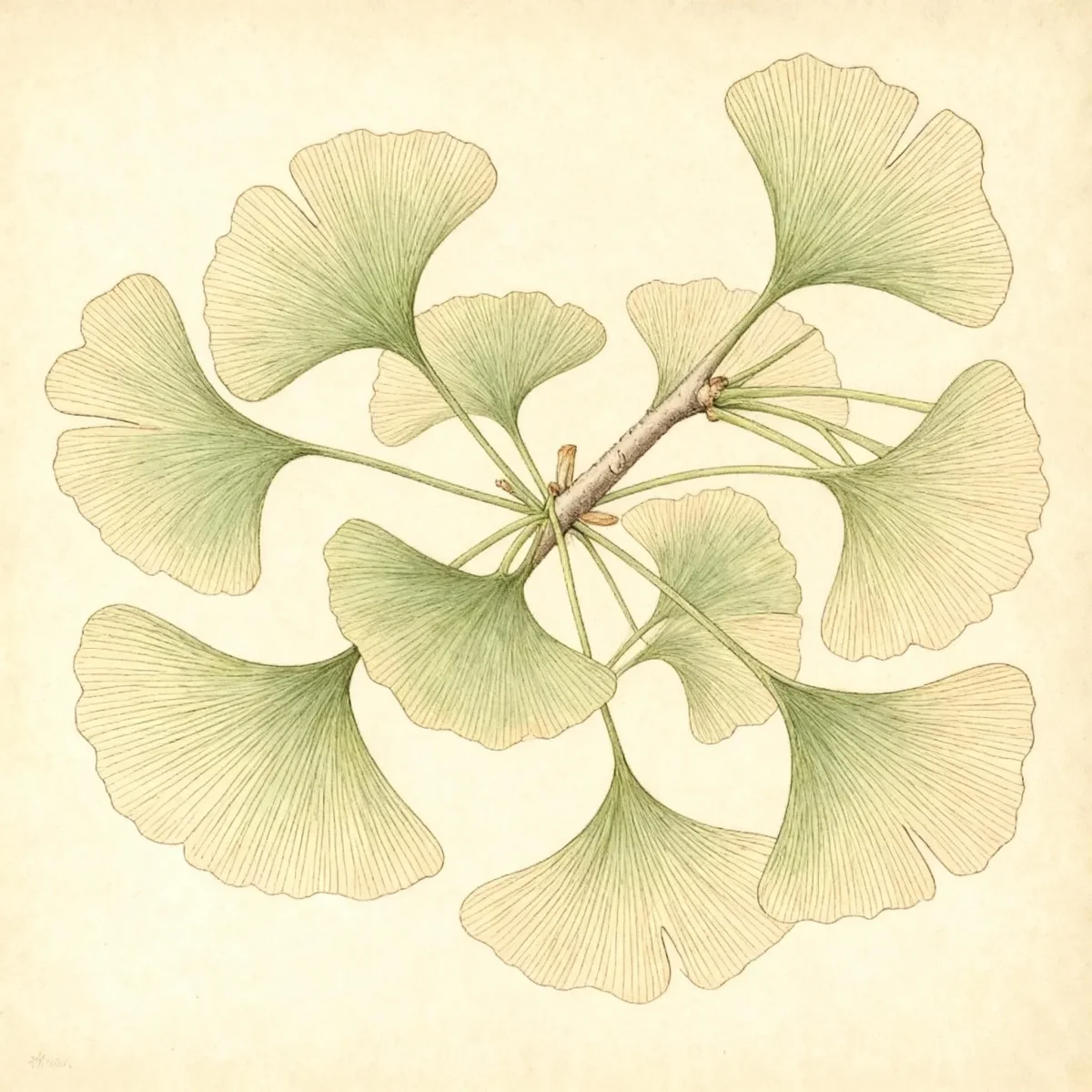
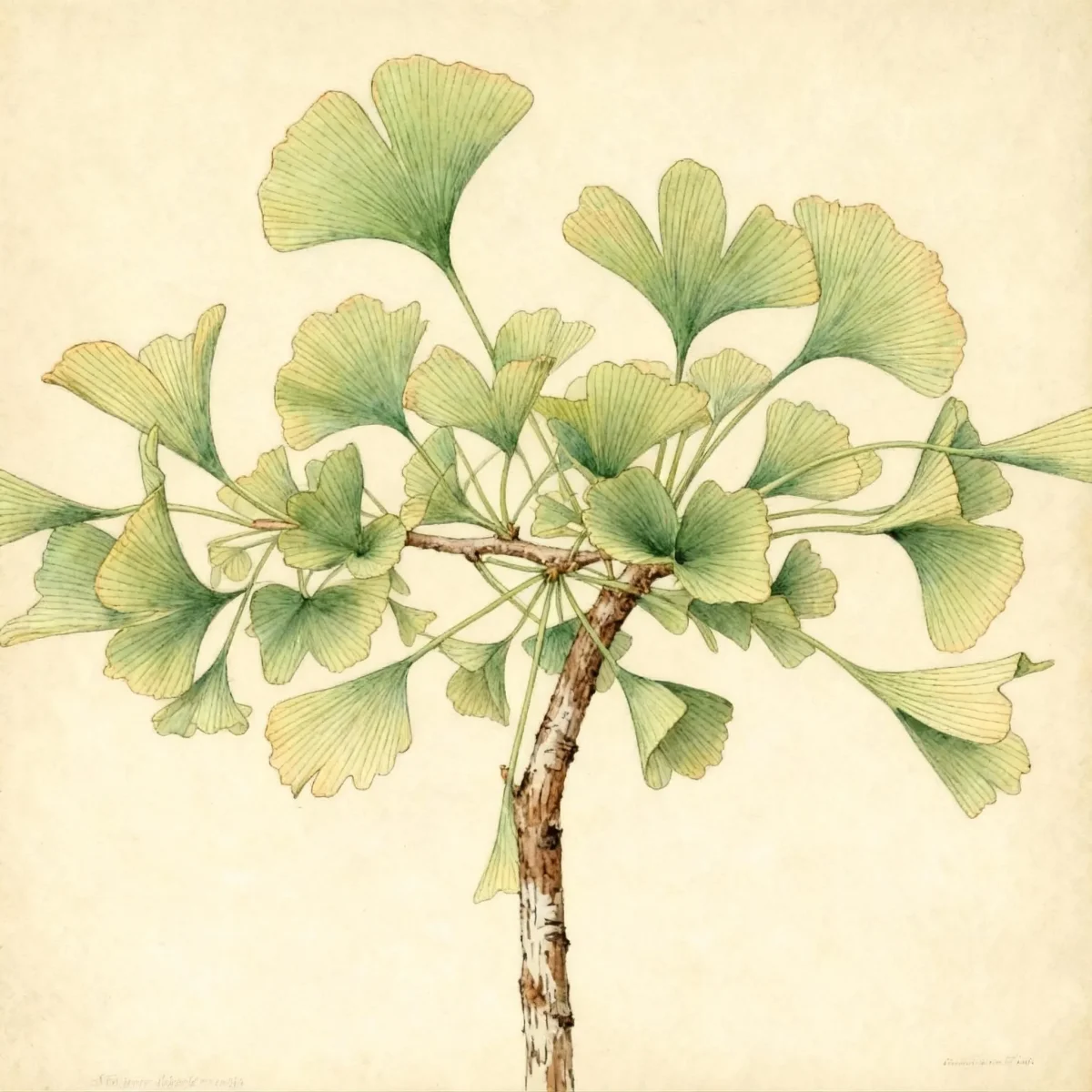
Maidenhair tree (Ginkgo biloba 'Troll')
Ginkgo biloba 'Troll' is a compact, low-maintenance Maidenhair tree perfect for small gardens, reaching only 3 ft tall.
Scroll down to discover growing tips, care requirements, companion plants, and more
Complete Plant Information
Overview
The Ginkgo biloba ‘Troll’ offers gardeners a miniature version of the majestic, ancient Maidenhair tree. This cultivar is highly valued for retaining the classic fan-shaped foliage of its larger relatives while maintaining a dramatically small, dense habit, usually maxing out at three feet. It is an incredibly robust and adaptable specimen, making it an excellent choice for modern, space-conscious landscaping.
As a unique dwarf shrubby variety, Ginkgo biloba ‘Troll’ thrives in full sun and requires only medium water input once established. Its structure develops naturally into a bushy mound, providing year-round interest with vibrant green summer leaves that transform into brilliant yellow in the autumn. This resilience, combined with its compact size, makes the Maidenhair tree cultivar a standout in tight spots.
These plants are celebrated for their near-immunity to pests and diseases, reflecting the ancient lineage of the Maidenhair tree. Gardeners seeking low-input, high-impact specimen plants will find the Ginkgo biloba ‘Troll’ an exceptionally rewarding addition capable of tolerating difficult urban soils and conditions.
Fast Facts
- Plant Family: Ginkgoaceae
- Plant Type: Tree
- Hardiness Zones: USDA Zones 3-9
- Size at Maturity:
- Height: 2-3 ft
- Spread: 2-3 ft
- Bloom Time: April
- Bloom Description: Green
- Sun Exposure: Full sun
- Water Needs: Medium
- Maintenance Level: Low
How to Grow
Planting the Ginkgo biloba ‘Troll’ is simplest in the spring or early fall when temperatures are moderate. Select a location receiving full sun, which ensures the best fall color display for this small Maidenhair tree. While highly adaptable, this cultivar performs best in average, medium moisture soil. However, it tolerates poorly drained or highly compacted soils much better than many ornamental shrubs.
Maintenance for Ginkgo biloba ‘Troll’ is wonderfully simple. Watering should be consistent—medium moisture is key—especially during dry spells in its first couple of years establishing in the landscape. Fertilization is rarely required; if growth seems exceptionally slow, use a balanced, slow-release fertilizer in early spring. Pruning is generally unnecessary due to its naturally dense, mounding habit, but minor shaping can be done in late winter.
This plant is exceptionally tough. It adapts well to alkaline or acidic conditions, handles clay soil efficiently, and shows high tolerance to saline conditions and heat. These characteristics confirm its appropriateness for challenging urban environments where other species struggle, allowing it to flourish with minimal specialized care.
Landscape Uses
The compact stature of Ginkgo biloba ‘Troll’ (rarely exceeding three feet) makes it an interesting and unusual dwarf shrubby plant perfect for areas where larger trees are impossible. It excels as a specimen in rock gardens, lending an ancient, architectural form to modern plantings. Its clean, fan-shaped leaves ensure it remains visually appealing from spring to frost.
Consider utilizing the Maidenhair tree cultivar in containers, especially on patios or near entryways where its fine texture and seasonal color can be fully appreciated. It functions well as a low border element or as a unique specimen plant interspersed among lower-growing perennials. Its tolerance for pollution makes it one of the most reliable choices for foundation plantings near busy streets.
Pair this unique Ginkgo with contrasting textures, such as fine-leaved evergreens or broad-leafed hostas in shaded portions of its environment, although it prefers full sun. Its slow, controlled growth also lends itself exceptionally well to the art of bonsai cultivation for enthusiasts.
Standout Features
Flower Qualities
- Insignificant
Noteworthy Characteristics
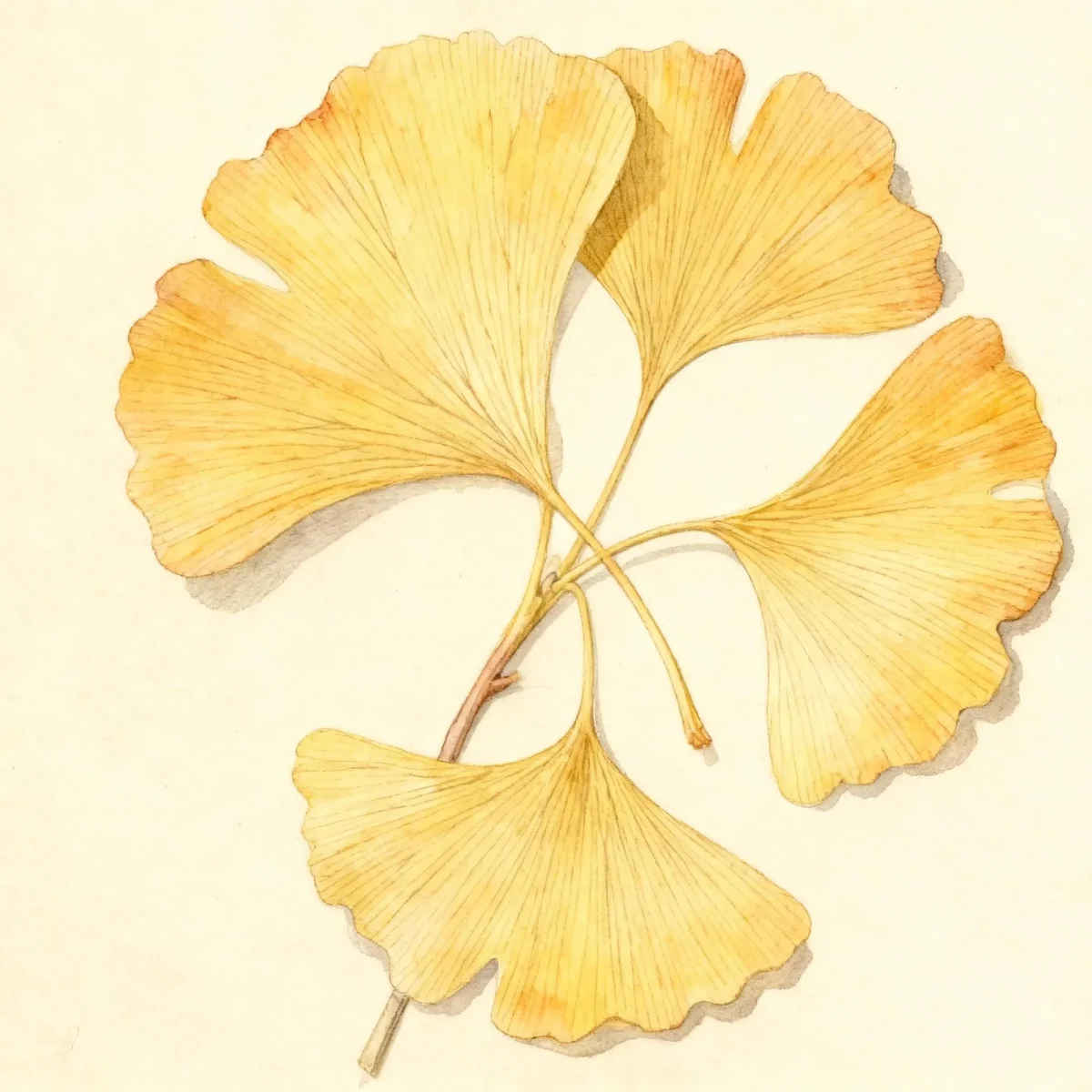
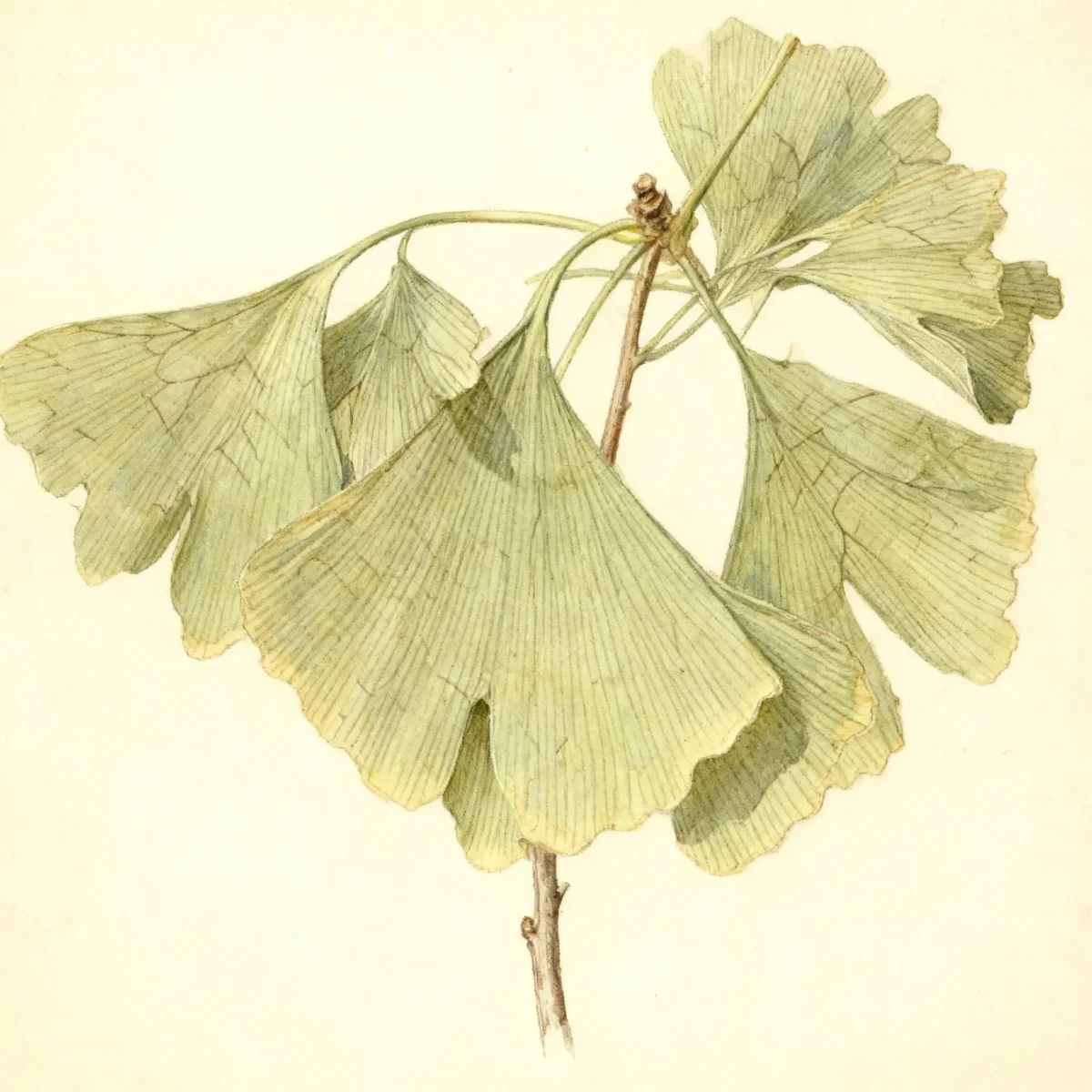
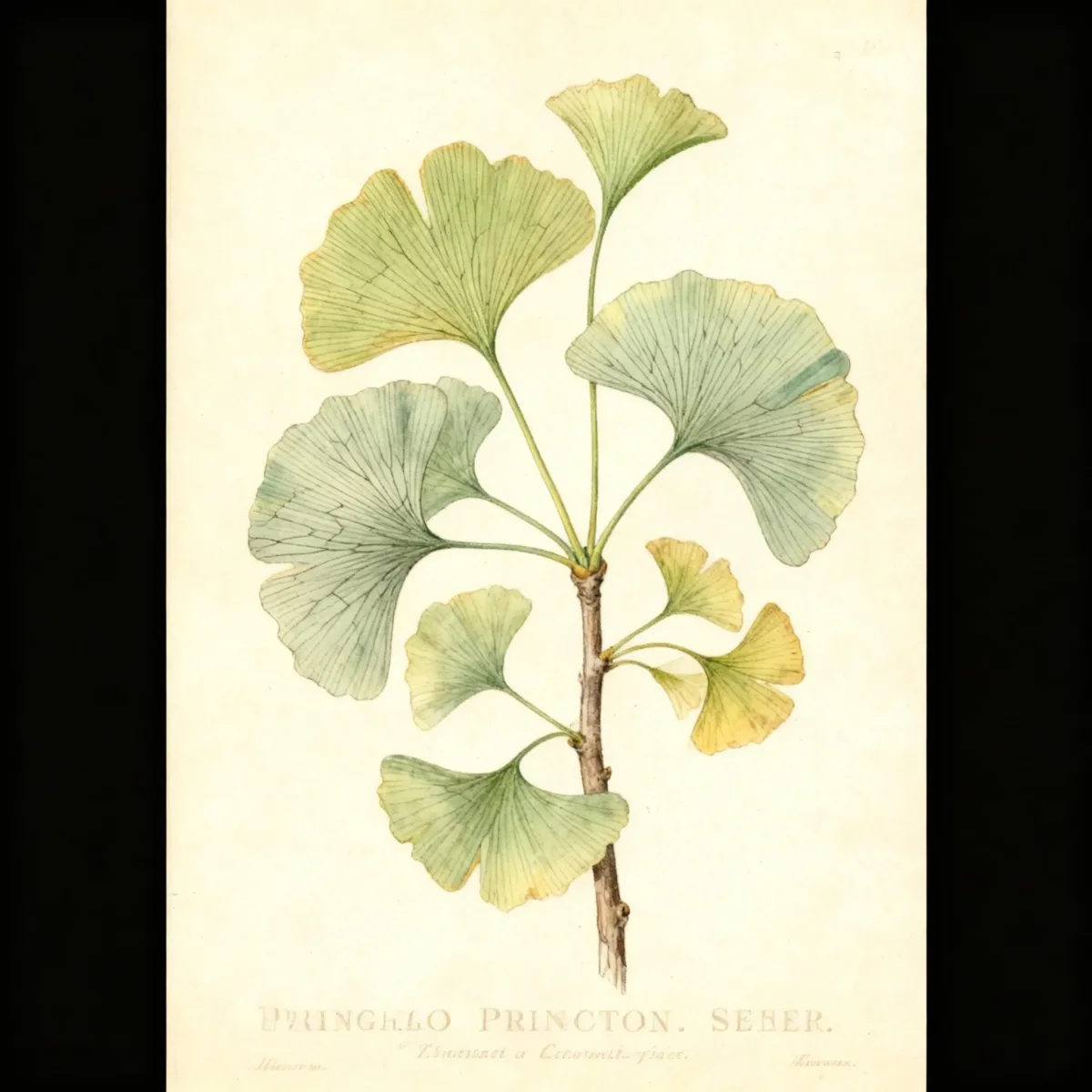
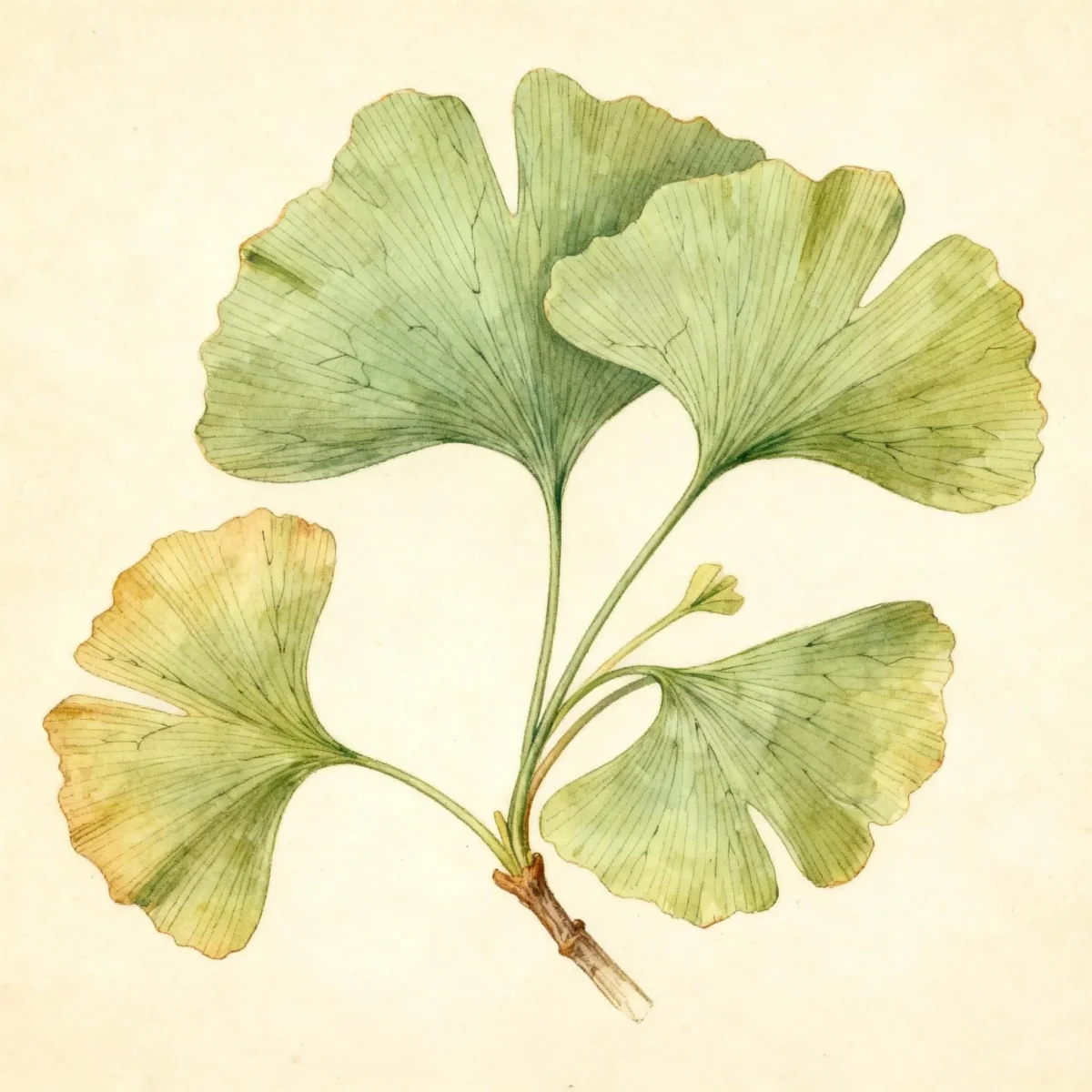
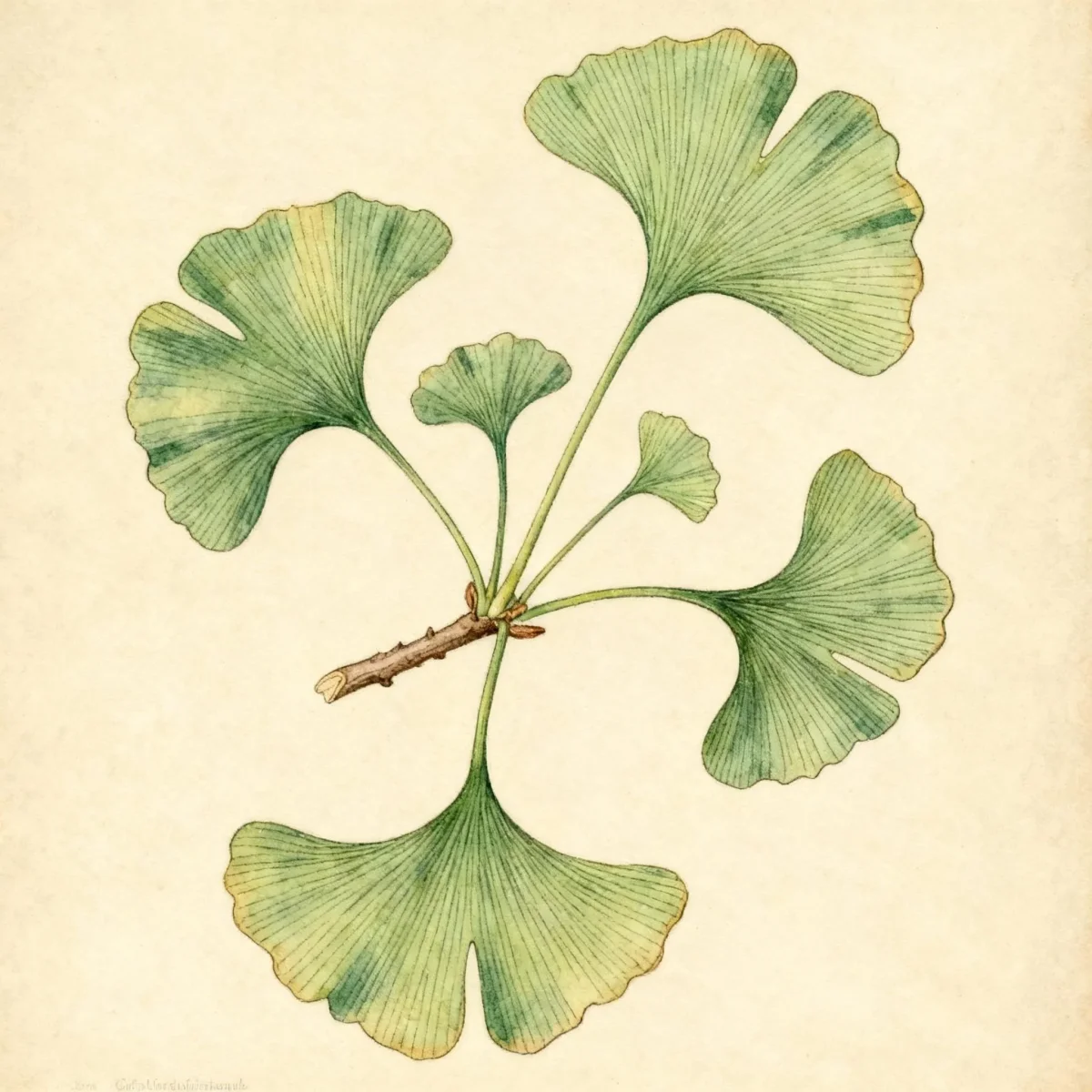
The species Ginkgo biloba is a living fossil lineage, being the only surviving member of a plant group once common millions of years ago. While the standard tree reaches 100’ tall, the Ginkgo biloba ‘Troll’ cultivar remains dwarf, maturing over time to only about 3 feet tall and wide, typically forming a bushy mound. It features those classic, oddly beautiful fan-shaped, two-lobed leaves that turn a stunning, uniform bright yellow in the fall before dropping cleanly.
Tolerances
- Deer
- Clay Soil
- Air Pollution
Potential Problems
One of the greatest appeals of the Ginkgo biloba ‘Troll’ is its general lack of serious horticultural issues. Rarely do insect pests or fungal diseases affect this resilient plant. Gardeners should be aware that initial growth after planting may appear slow or somewhat sparse as the root system establishes itself.
Management for slow initial growth simply involves ensuring adequate, consistent watering during the first season. Do not over-fertilize, as this dwarf form is genetically programmed for compact size. Because this cultivar is extremely robust, chemical intervention for pests or diseases is almost never necessary.
Frequently Asked Questions
What hardiness zones is Maidenhair tree suitable for?
Ginkgo biloba ‘Troll’ is highly adaptable, suitable for USDA Hardiness Zones 3 through 9.
How large does Ginkgo biloba ‘Troll’ grow?
This dwarf cultivar typically reaches a mature height and spread of 2 to 3 feet, forming a bushy mound.
What sun exposure does Ginkgo biloba ‘Troll’ need?
For optimal health and best fall color, this plant requires full sun exposure.
When does Maidenhair tree bloom?
The Maidenhair tree blooms in April, producing inconspicuous green flowers.
Conclusion
The Ginkgo biloba ‘Troll’ is a triumph of dwarfing horticulture, capturing the prehistoric beauty of the Maidenhair tree in a garden-friendly size. Its low maintenance needs, combined with superb adaptability to urban stressors, make it an essential inclusion for specialized planting sites. Before planting, confirm your local area falls within USDA Zones 3-9 to ensure this unique dwarf Ginkgo thrives for years to come.
##Companion Planting
Given the extreme tolerance levels of the Ginkgo biloba ‘Troll’, it pairs well with many durable perennials and small shrubs. In rock gardens or mixed borders, consider plants that offer contrasting foliage texture, such as Hakonechloa (Japanese Forest Grass) or low-growing Sedums, provided adequate sunlight is maintained. Its slow, controlled growth means it won’t easily be overwhelmed by faster-growing neighbors, making it a reliable anchor point.
For those growing this Maidenhair tree in containers, pair it with annuals that enjoy similar full sun and medium moisture conditions, such as trailing calibrachoa or upright petunias. The key is to select companions that do not require rich, constantly moist soil, respecting the Ginkgo’s preference for well-drained conditions.
##Container Growing Tips
Growing Ginkgo biloba ‘Troll’ in containers is an excellent strategy for maximizing its features, especially for gardeners with heavy clay soils or limited ground space. Select a container that is only slightly larger than the current root ball, as crowding the roots slightly encourages the compact habit. Ensure the container has excellent drainage holes because while it tolerates clay, standard potting mix in a pot must be allowed to drain freely.
Use a high-quality, standard potting mix, perhaps amended lightly with grit or sand to improve aeration, rather than heavy garden soil. Water whenever the top inch or two of soil feels dry, as containers dry out faster than the ground, even though the plant requires only medium water needs generally. Repotting should only occur every 3-4 years as the plant establishes itself slowly.