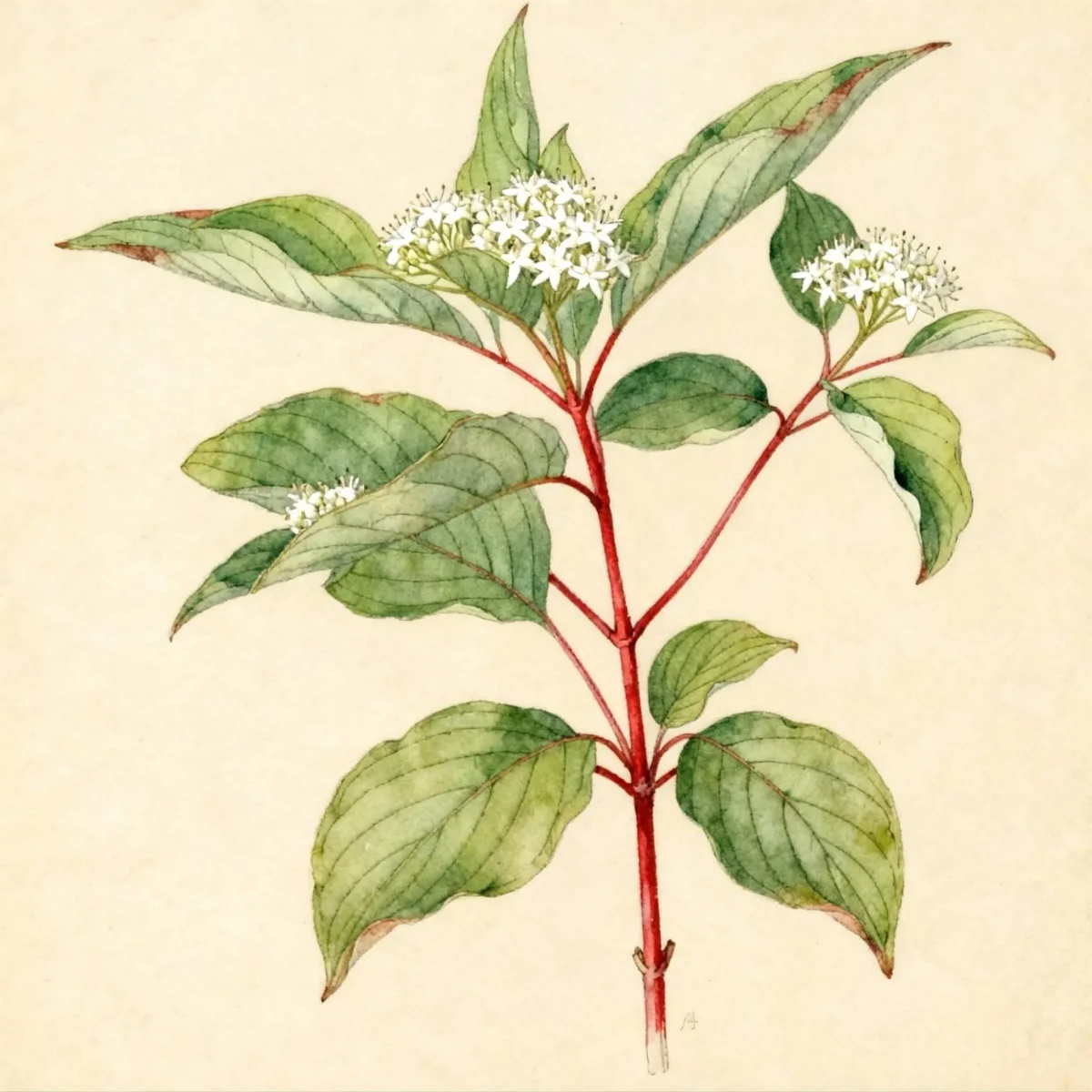
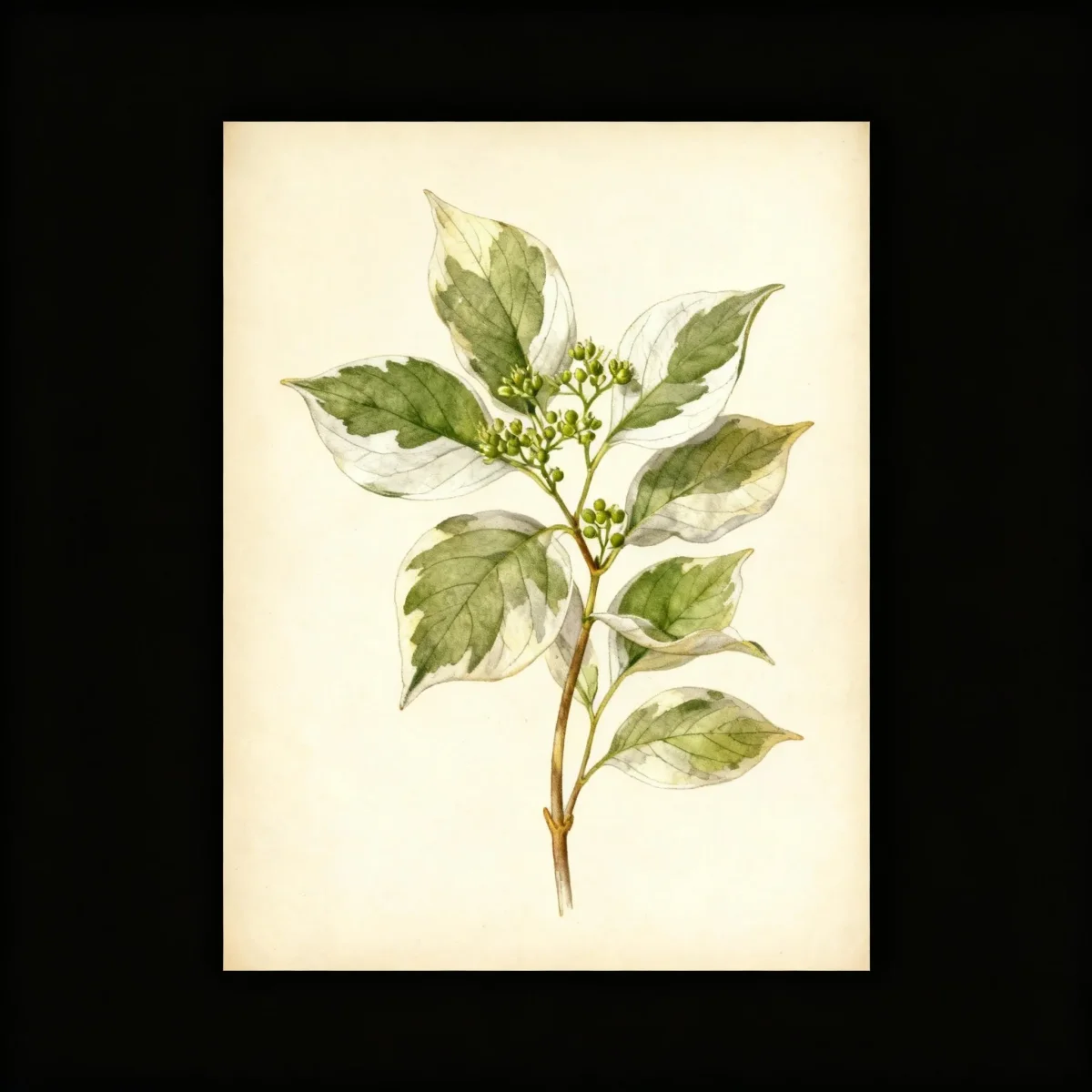
Red twig dogwood (Cornus sericea 'KLM RR' ERIKA THE BLONDE)
Cornus sericea 'KLM RR' ERIKA THE BLONDE is a stunning Red twig dogwood prized for golden summer foliage and bright red winter stems.
Scroll down to discover growing tips, care requirements, companion plants, and more
Complete Plant Information
Overview
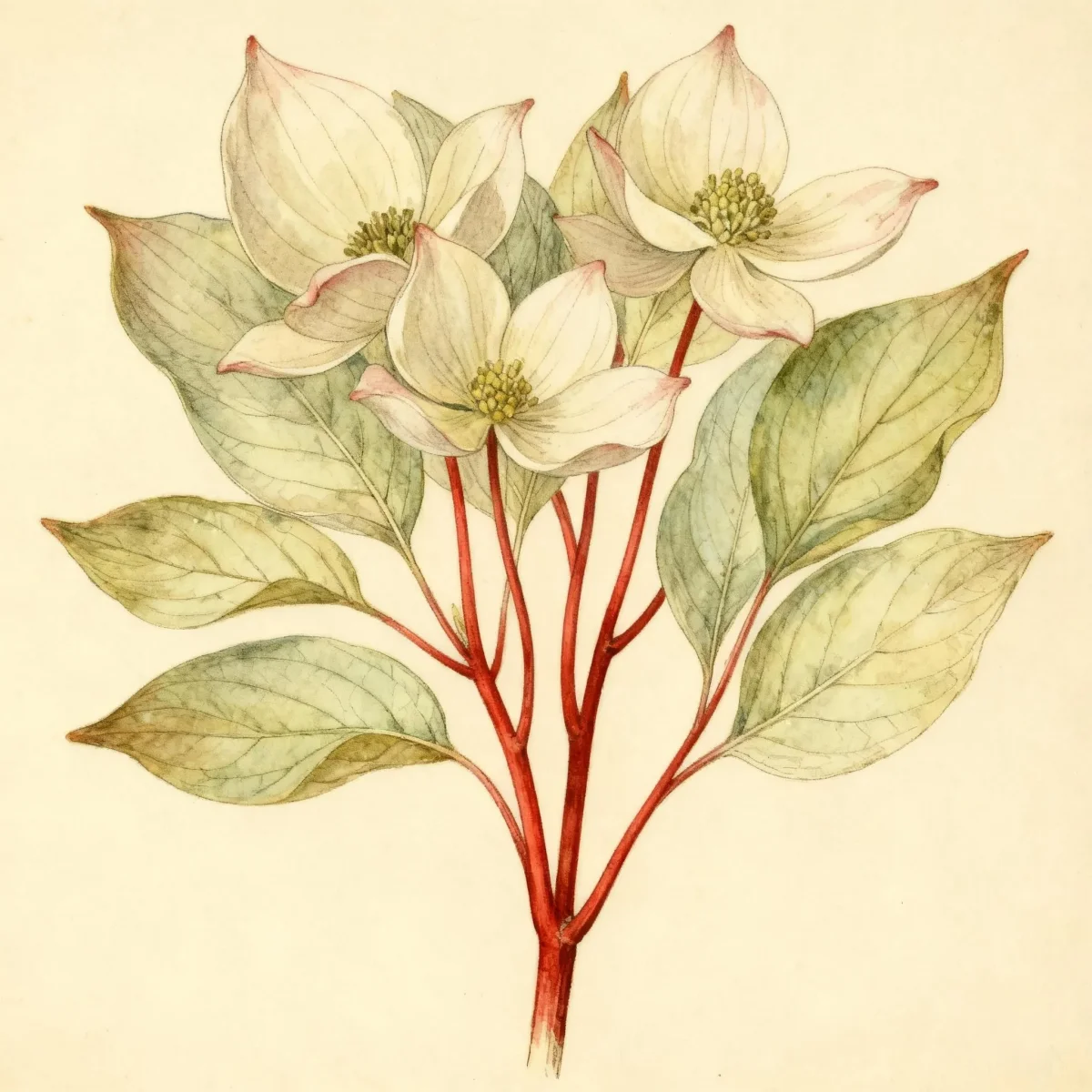
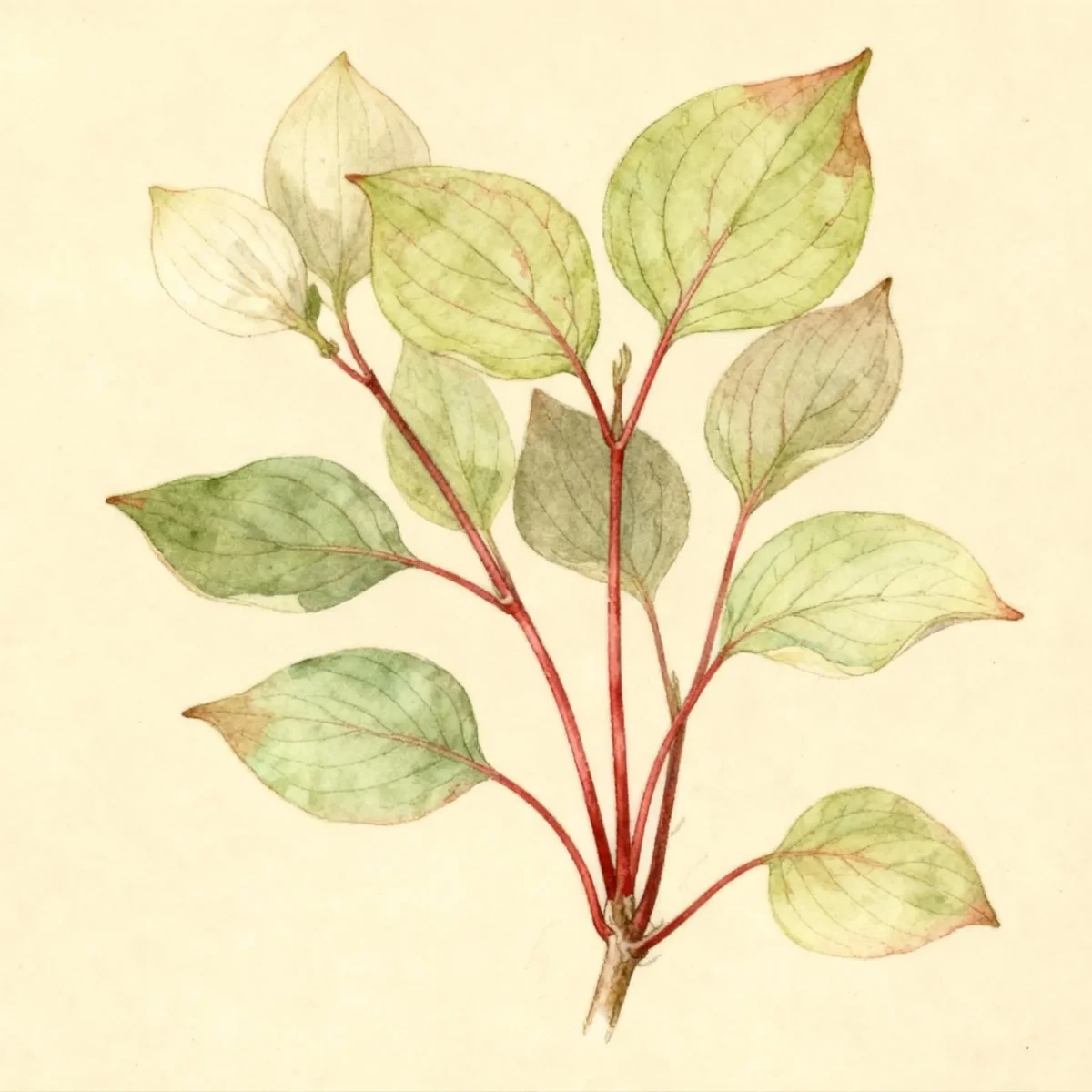
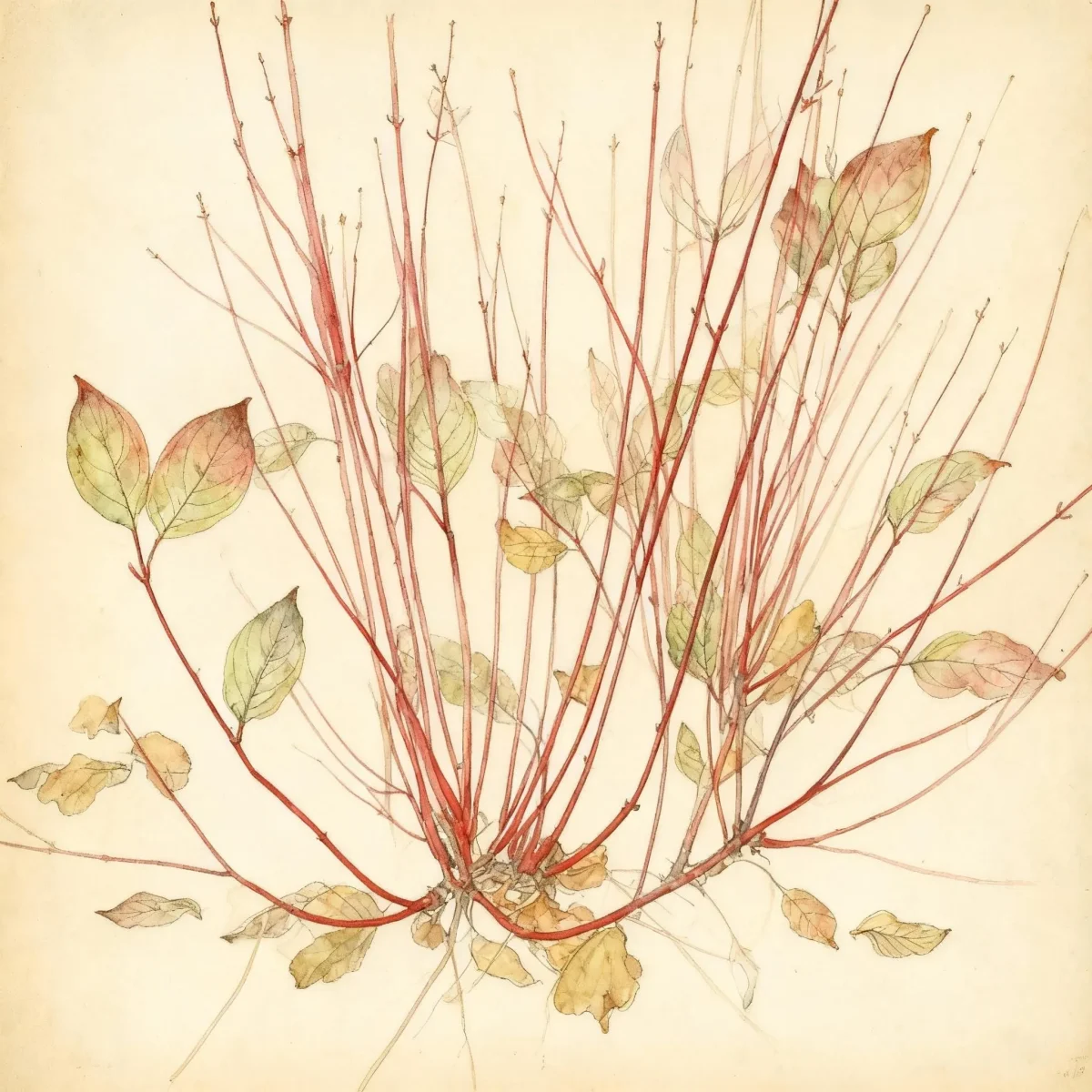
The Red twig dogwood cultivar, Cornus sericea ‘KLM RR’ ERIKA THE BLONDE, offers spectacular year-round interest, making it a top choice for structural plantings. While related species are known for their bright red winter stems, this specific selection stands out for its unique golden-yellow summer foliage, offering a bright contrast against the brilliant red twigs that emerge after leaf drop. Functionally, this suckering shrub provides excellent screening and excels in wetland environments where many other plants struggle.
As a cultivar called ERICA THE BLONDE, this Red twig dogwood typically matures to a manageable 4 to 5 feet tall and slightly wider, fitting well into modest garden spaces. It requires consistent moisture to thrive, thriving near water features or in rain gardens where its fibrous roots help stabilize soil. The golden hue of the leaves ensures that Cornus sericea ‘KLM RR’ ERIKA THE BLONDE provides visual appeal long before the dramatic winter stem color develops.
This adaptable shrub is highly valued by landscape designers for both its texture and its ability to withstand tough conditions, including clay soil and occasional wet periods. Properly maintained, the vibrant stems of Cornus sericea ‘KLM RR’ ERIKA THE BLONDE enhance the winter landscape, attracting attention when other deciduous plants are dormant. It remains an outstanding specimen plant or mass planting for reliable seasonal performance.
Fast Facts
- Plant Family: Cornaceae
- Plant Type: Deciduous shrub
- Hardiness Zones: USDA Zones 3-7
- Size at Maturity:
- Height: 4-5 ft
- Spread: 5-6 ft
- Bloom Time: May to June
- Bloom Description: White
- Sun Exposure: Full sun to part shade
- Water Needs: Medium to wet
- Maintenance Level: Medium
How to Grow
The best success with Cornus sericea ‘KLM RR’ ERIKA THE BLONDE is achieved when planted in organically rich, fertile soil that remains consistently moist. Site this Red twig dogwood where it receives full sun to partial shade; intense afternoon sun keeps the foliage healthiest and the winter stems most vibrant. It demonstrates exceptional tolerance for a wide range of soil conditions, performing very well even in swampy or boggy locations.
Watering should focus on consistency, especially during establishment and hot, dry spells, as this variety prefers medium to wet conditions. Fertilization is rarely needed if the soil is already rich. If aggressive spreading via root suckers is not desired, gardeners should prune the roots with a spade annually and immediately remove any suckers that emerge outside the desired space.
Pruning is key to maximizing the stem color of Cornus sericea ‘KLM RR’ ERIKA THE BLONDE. While not mandatory, gardeners should aim to remove 20-25% of the oldest stems each early spring. This stimulates the growth of new wood, which displays the brightest red winter color. Alternatively, a complete cutback (coppicing to about 8 inches) every 2 to 3 years achieves a complete renewal. Note that intense heat and humidity south of Zone 7 can stress the plant, increasing susceptibility to canker.
Landscape Uses
The versatile nature of this Red twig dogwood makes it invaluable in structural plantings. It performs exceptionally well when massed together, creating a stunning, colorful backdrop that naturally combats soil erosion along stream banks, pond edges, or in low spots where water collects. Its medium stature allows it to function effectively as a foundational hedge or as a property line screen.
For high visual impact, place Cornus sericea ‘KLM RR’ ERIKA THE BLONDE in shrub borders where its golden summer leaves contrast sharply with nearby dark evergreens or plants offering different colors of winter stems. This plant is a superb component for naturalistic plantings in moist areas, where it can be allowed to spread gently into thickets. Its resilience allows it to be an excellent core element in functional rain garden designs.
Standout Features
Flower Qualities
- Showy
Fruit Qualities
- Showy
Noteworthy Characteristics
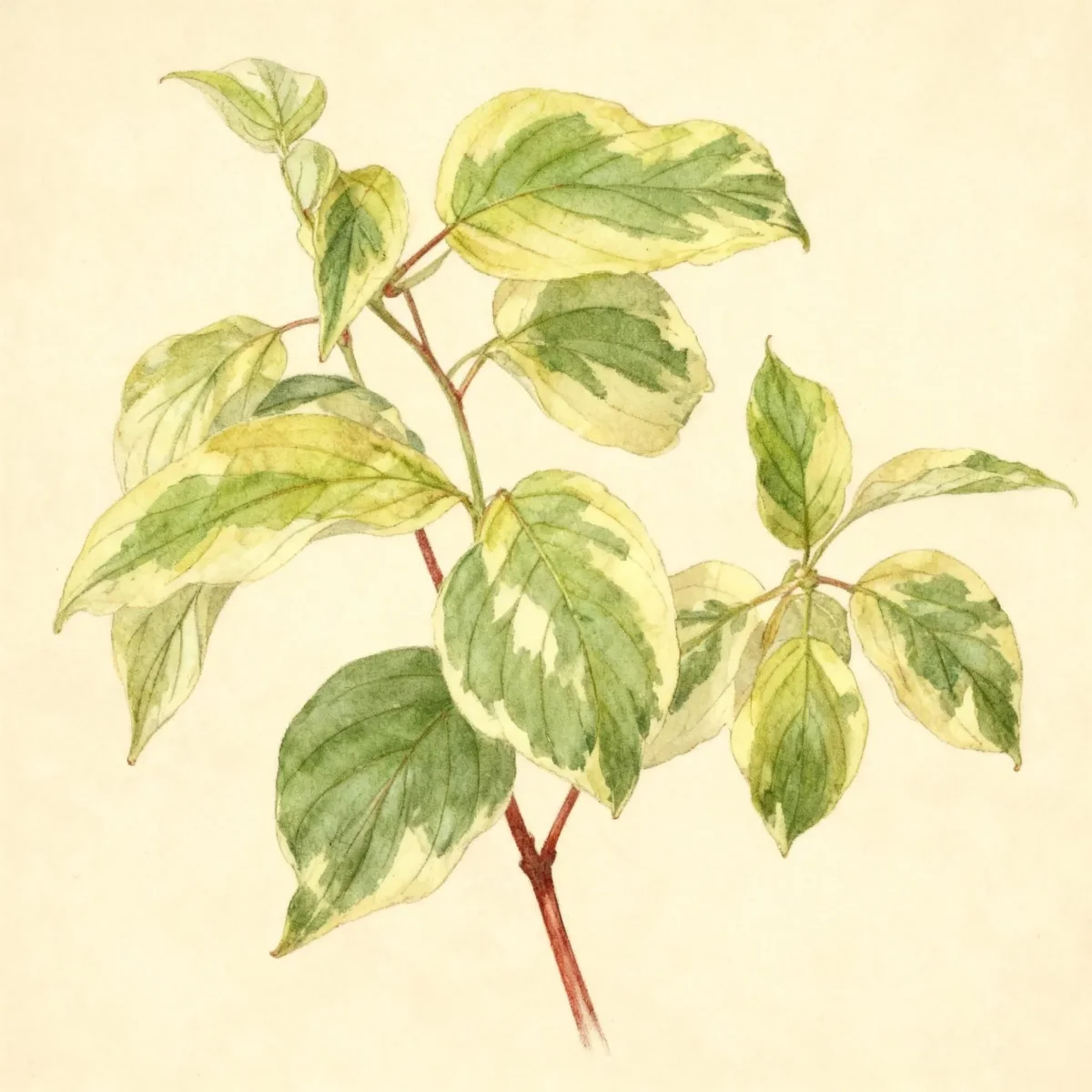
Cornus sericea ‘KLM RR’ ERIKA THE BLONDE is distinguished by its golden yellow foliage present throughout the spring and summer, offering a unique color profile compared to classic green-leaved red twig dogwoods. The species is naturally an upright, suckering shrub, found natively in wet areas across much of North America. Its winter stems provide fantastic structural color, while the small white flowers give way to whitish summer drupes that attract local wildlife.
Tolerances
- Deer
- Erosion
- Clay Soil
- Wet Soil
Potential Problems
This plant is generally robust but can be susceptible to various fungal issues under stress. Be watchful for leaf and twig blights, and canker, particularly if the plant is stressed by excessive heat or humidity outside its ideal zones. Occasional insect pests like scale, leaf miners, and bagworms may appear. Good air circulation, proper pruning to encourage new growth, and avoiding overhead watering can significantly limit disease development.
Frequently Asked Questions
What hardiness zones is Red twig dogwood suitable for?
Cornus sericea ‘KLM RR’ ERIKA THE BLONDE is reliably hardy across USDA Zones 3 through 7.
How large does Cornus sericea ‘KLM RR’ ERIKA THE BLONDE grow?
This cultivar typically reaches a height between 4 and 5 feet, with a spread ranging from 5 to 6 feet when fully mature.
What sun exposure does Cornus sericea ‘KLM RR’ ERIKA THE BLONDE need?
For optimal health, golden foliage color, and bright winter stems, this shrub should be situated where it receives full sun to part shade.
When does Red twig dogwood bloom?
The small, white flowers of this variety appear in abundance from May into June, sometimes lightly re-blooming sparsely into the summer months.
Conclusion
The unique golden summer foliage combined with the brilliant red winter stems ensures that Cornus sericea ‘KLM RR’ ERIKA THE BLONDE provides exceptional, multi-season interest in the landscape. This resilient Red twig dogwood thrives in moist conditions and heavy soils, providing structure and reliable color. Before planting, confirm that your growing region falls within USDA Zones 3-7 and prepare the site with rich, consistently moist soil for the best results.
Companion Planting
When selecting plants to partner with Cornus sericea ‘KLM RR’ ERIKA THE BLONDE, focus on species that appreciate consistent moisture and can complement its bright foliage and stems. Consider pairing it with dark green evergreens, such as dwarf spruces or yews, to maximize the contrast during winter when the red stems are most exposed. For summer interest in a rain garden setting, moisture-loving perennials like native irises (Iris versicolor) or meadowsweet (Filipendula rubra) work well alongside the golden leaves of this dogwood variety.
Wildlife Benefits
The flowers of this Red twig dogwood, though small, appear from May to June, providing an early source of nectar for beneficial insects before many other shrubs are in full bloom. Furthermore, the summer fruit clusters (drupes) are an appealing meal for numerous bird species, supporting local ecosystems, especially as they prepare for migration. The dense, suckering structure of a mature thicket also offers excellent protective cover and nesting sites for small songbirds throughout the year.