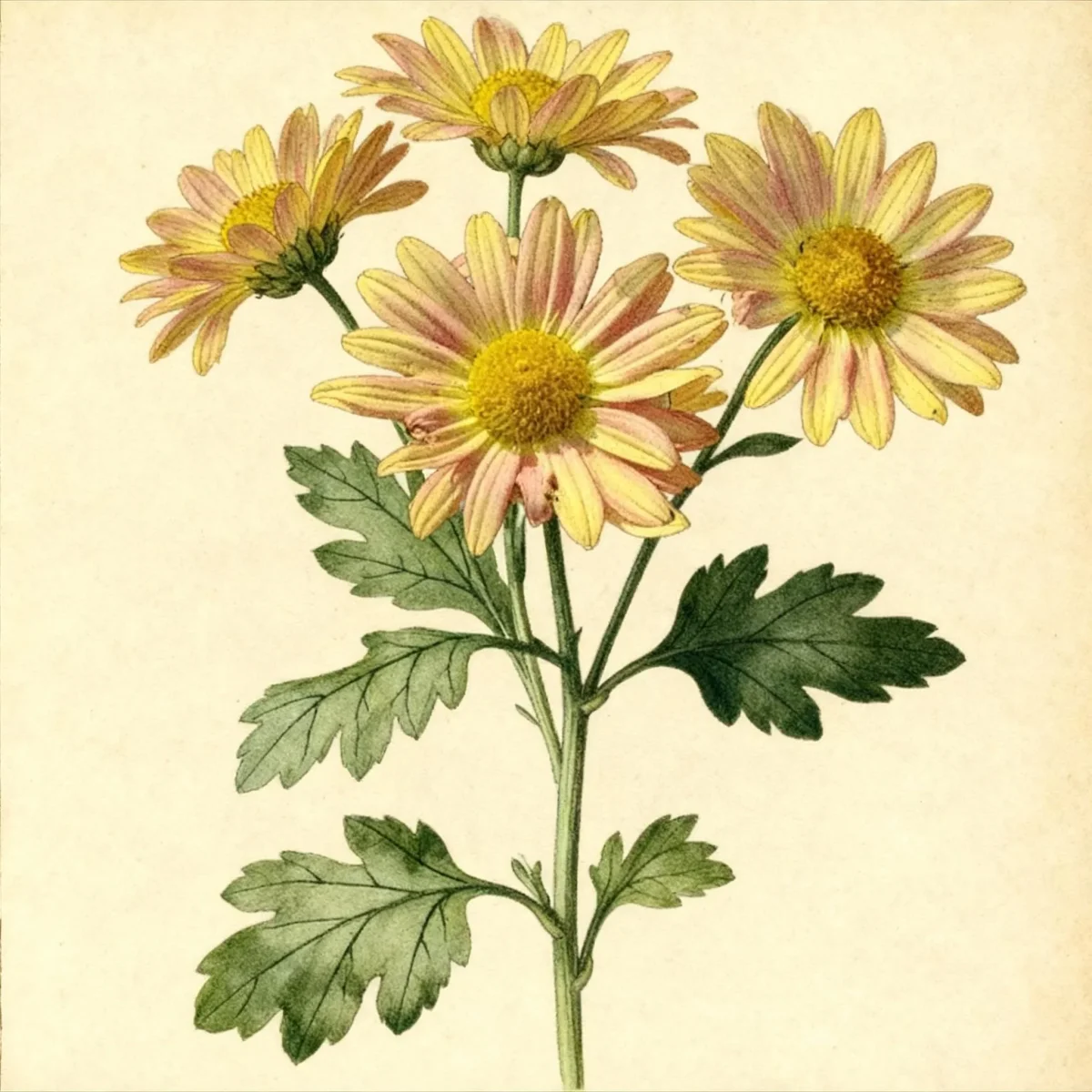
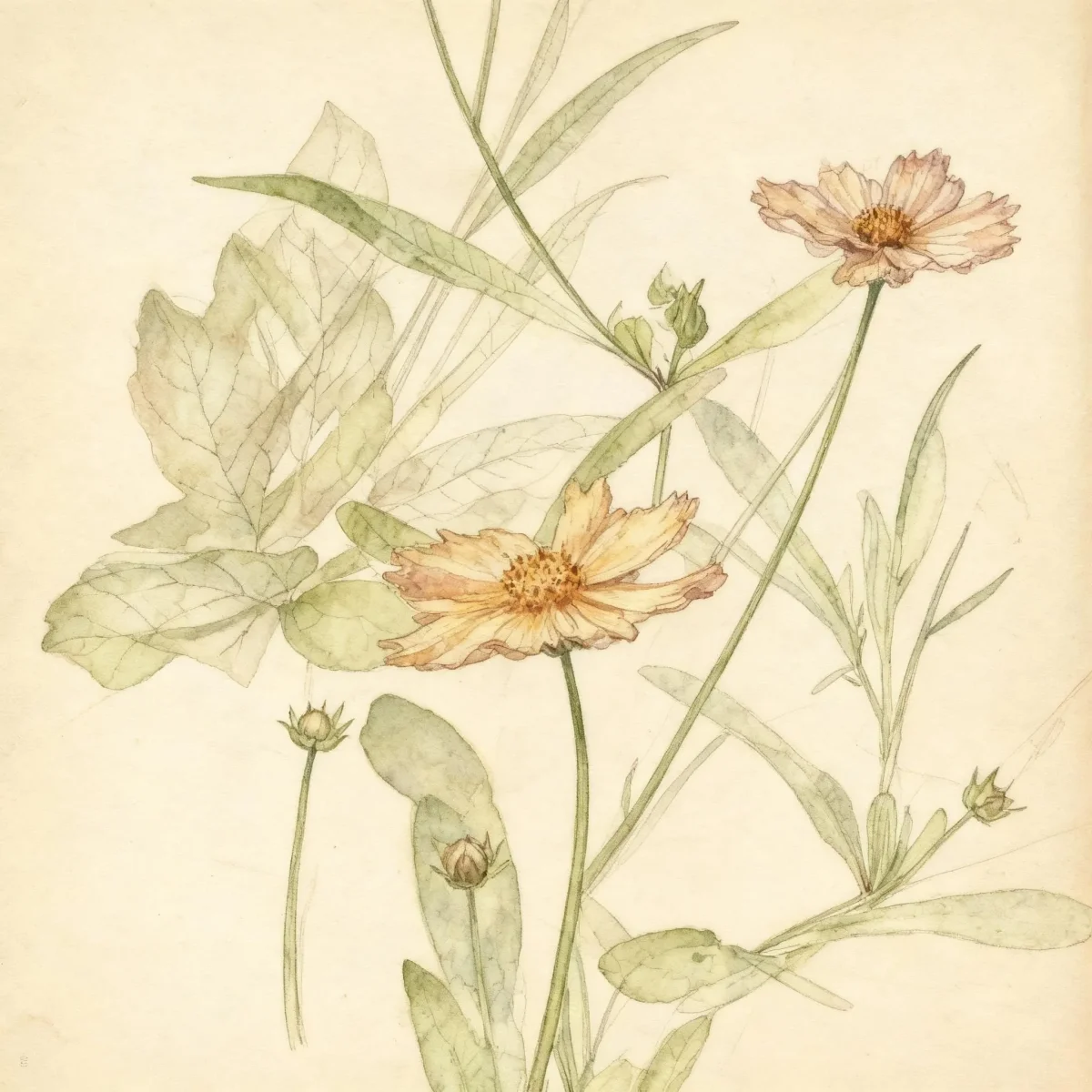
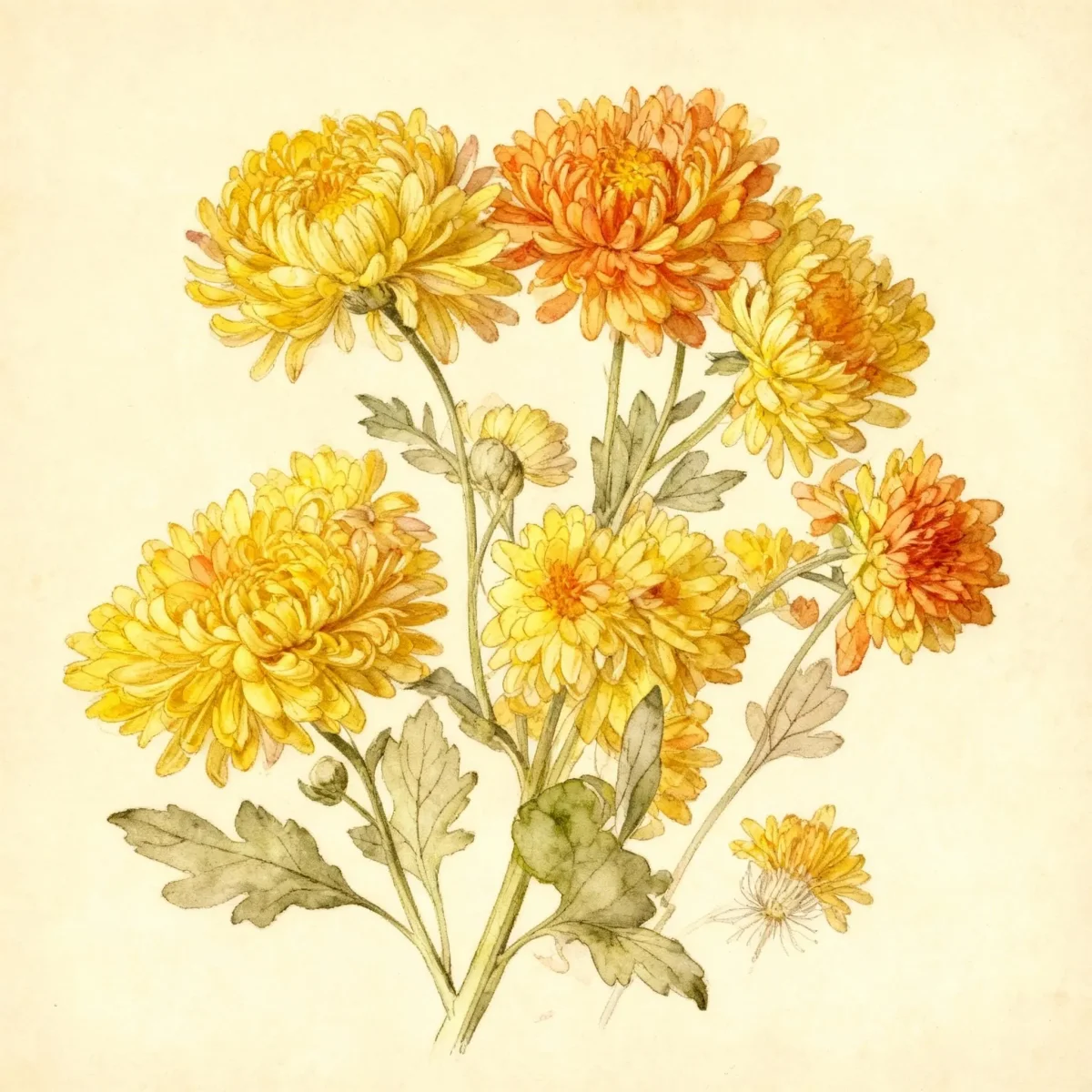
Daisy garden mum (Chrysanthemum 'Cathy's Rust')
Chrysanthemum 'Cathy's Rust' is a low-maintenance Daisy garden mum offering rusty red blooms from late summer until frost.
Scroll down to discover growing tips, care requirements, companion plants, and more
Complete Plant Information
Overview
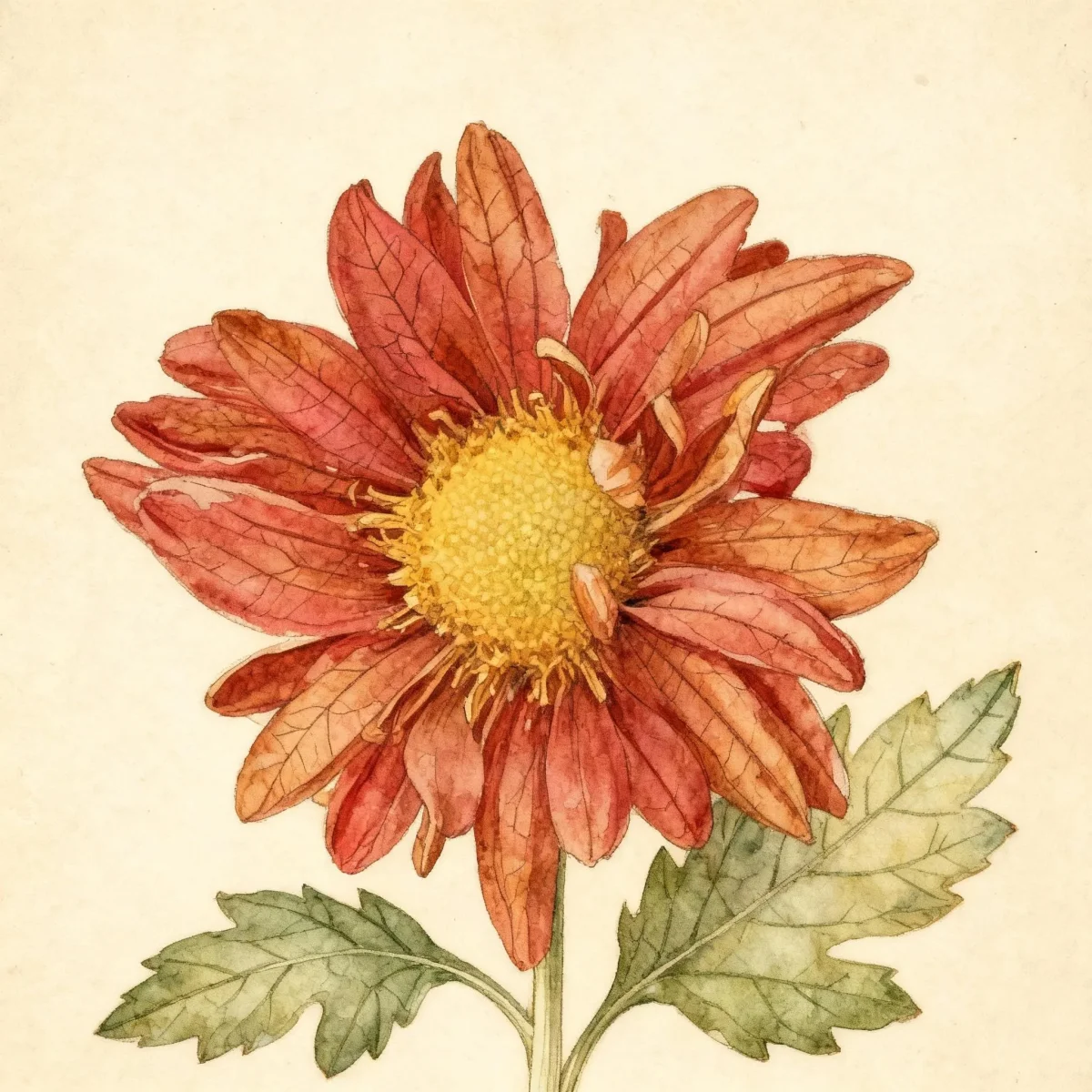
The Daisy garden mum, scientifically known as Chrysanthemum ‘Cathy’s Rust’, is a dependable, clump-forming herbaceous perennial prized for its late-season color display. This variety stands out with its distinctly beautiful, single, daisy-like flowers rendered in a rich rusty red hue, offering vital appeal as the garden begins to fade. As a mainstay of the fall garden, Chrysanthemum ‘Cathy’s Rust’ features strong upright stems, making it a fantastic structure plant when many other perennials slow down.
Gardeners appreciate this plant for its low maintenance requirements and its ability to bring vibrant color from late summer right up until the first hard frost, often extending the viewing season significantly. The genus name originates from Greek words for gold and flower, honoring historical varieties, though this particular cultivar, Chrysanthemum ‘Cathy’s Rust’, shines with oxidized tones instead of gold.
In addition to its aesthetics, this variety attracts butterflies, adding beneficial wildlife activity to the autumn landscape. Whether treating it as a permanent perennial or a colorful annual filler, Chrysanthemum ‘Cathy’s Rust’ provides reliable texture and color saturation when it is needed most.
Fast Facts
- Plant Family: Asteraceae
- Plant Type: Herbaceous perennial
- Hardiness Zones: USDA Zones 5-9
- Size at Maturity:
- Height: 2-3 ft
- Spread: 1-2 ft
- Bloom Time: September to frost
- Bloom Description: Rusty red
- Sun Exposure: Full sun
- Water Needs: Medium
- Maintenance Level: Low
How to Grow
To establish your Chrysanthemum ‘Cathy’s Rust’ successfully, plant it in humusy, fertile, consistently moist, well-drained soils. While this Daisy garden mum thrives in full sun, it will tolerate very light afternoon shade, which can be beneficial in extremely hot summer climates. Planting should occur when plants are actively growing, though many gardeners purchase mums in late summer for immediate fall effect, treating them as annuals.
Consistent care ensures the best bushy shape and prolific flowering for Chrysanthemum ‘Cathy’s Rust’. Pinch stems back repeatedly from late spring until mid-summer (around Memorial Day through the Fourth of July) to encourage dense branching rather than tall, leggy growth. Ensure you feed these heavy feeders several times throughout the growing season to support abundant rusty red blooms.
Watering should be consistent; these mums do not tolerate drying out completely. After the final flush of color, cut the plants back to about 6 inches above the ground. Applying a good layer of mulch, such as a straw or evergreen boughs, is crucial, especially in colder reaches of its range, to protect the roots over winter, although winter survival can vary.
Landscape Uses
This versatile Daisy garden mum is excellent for defining garden edges and adding structure to borders, serving equally well as a durable perennial or a vibrant seasonal annual. Grouping several Chrysanthemum ‘Cathy’s Rust’ plants together creates a mass planting that maximizes the impact of the rusty red color palette during the autumn months. They perform beautifully when used as edging along pathways or mixed into containers alongside late-blooming grasses or deep purple foliage plants.
For perennial borders, place them toward the middle or back given their 2 to 3-foot height potential. They serve as excellent transitional plantings, bridging the gap between summer bloomers and true late-season stars. For container design, utilize the upright habit of Chrysanthemum ‘Cathy’s Rust’ as a “thriller” component, balancing it with draping trailers and complementary textures.
Standout Features
Flower Qualities
- Showy
Noteworthy Characteristics
Chrysanthemum is a genus of about 20 species grown mostly for their showy flowers, with many hybrids becoming mainstays of the fall garden. ‘Cathy’s Rust’ is specifically a clump-forming, fall-blooming garden mum, typically reaching 2-3 feet tall and 1-2 feet wide. Its single, daisy-like, rusty red flowers (2 inches in diameter) possess yellow centers and bloom atop strong stems from late summer until frost.
Tolerances
Potential Problems
Aphids, thrips, and spider mites pose the most significant threat to the foliage and health of the Daisy garden mum during the growing season. Monitor the undersides of leaves regularly, especially during dry spells, and treat promptly with insecticidal soap or horticultural oil if infestations persist.
Fungal issues like Botrytis, leaf spots, rust (note: the bloom color is rusty red, but the disease is also possible), and powdery mildew thrive in humid or overcrowded conditions. Proper air circulation, achieved through timely pinching and proper spacing, mitigates many disease risks. Ensure good soil drainage, as stem and root rots are potential problems if the soil stays waterlogged. Deer and rabbits generally ignore this plant, offering a benefit in areas with high browsing pressure.
Frequently Asked Questions
What hardiness zones is Chrysanthemum ‘Cathy’s Rust’ suitable for?
Chrysanthemum ‘Cathy’s Rust’ is robust in USDA Zones 5 through 9, offering good winter hardiness to Zone 5, with some protection possibly extending survival to Zone 4 in ideal conditions.
How large does Daisy garden mum grow?
This cultivar typically reaches a mature height between 2 and 3 feet tall, spreading moderately to between 1 and 2 feet wide, forming a neat clump.
What sun exposure does Chrysanthemum ‘Cathy’s Rust’ need?
For the best performance and most abundant rusty red blooms, the Daisy garden mum requires full sun exposure throughout the day.
When does Chrysanthemum ‘Cathy’s Rust’ bloom?
This plant provides excellent late-season color, blooming reliably from September until the first hard frost arrives, featuring rusty red flowers.
Conclusion
The low-maintenance nature and spectacular late-season floral display make Chrysanthemum ‘Cathy’s Rust’ an indispensable addition to any transitional or autumnal landscape plan. Its attractive rusty red flowers provide crucial color and attract butterflies when other plants fade, solidifying the value of this Daisy garden mum. Before planting, confirm your location falls within USDA Zones 5-9 and plan your pinching schedule to achieve a perfectly bushy habit this season.
Companion Planting
Selecting appropriate companions for Chrysanthemum ‘Cathy’s Rust’ should focus on plants that share similar cultural needs—full sun and medium, consistent moisture—while offering varying textures or colors to enhance the rusty tones. Consider late-flowering ornamental grasses, such as switchgrass (‘Shenandoah’ for purplish contrast) or aster varieties that bloom slightly later, which will complement the daisy-like structure. Sedums, particularly those with dark foliage like ‘Autumn Joy’, pair well near the base, as they tolerate the same sunny, well-drained conditions and require less supplemental water once established.
Wildlife Benefits
The primary wildlife contribution of Chrysanthemum ‘Cathy’s Rust’ comes from its appeal to late-season pollinators, especially butterflies needing nectar before overwintering or migrating. Since its bloom time extends well into autumn, it provides a critical late buffet when many earlier nectar sources are exhausted. The simple, single-flower form, featuring clear access to the yellow center, is often preferred by generalist pollinators over highly double or complex mums. Planting a generous mass of this Daisy garden mum ensures a noticeable landing zone for these beneficial insects.