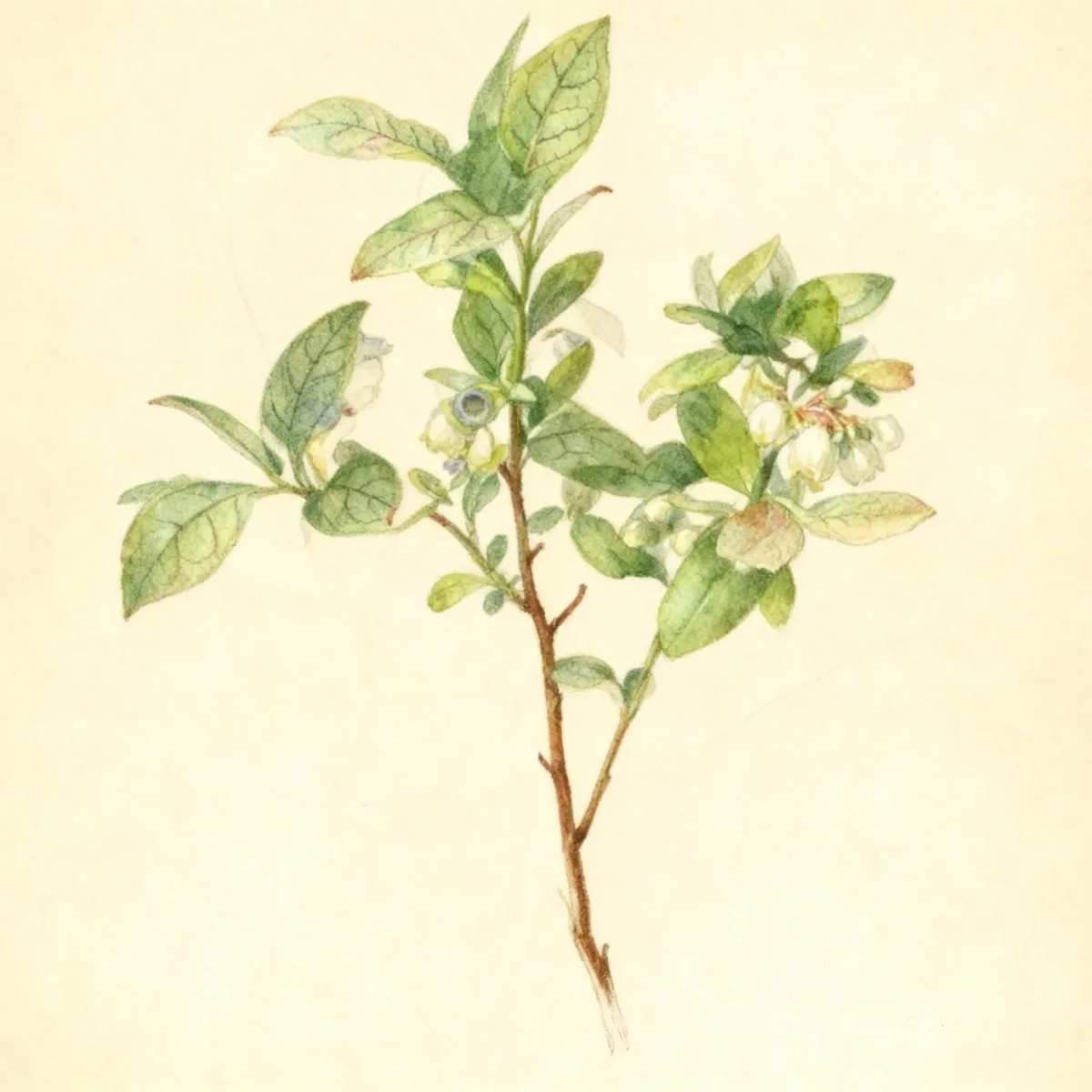
Highbush blueberry (Vaccinium corymbosum 'Aurora')
Vaccinium corymbosum 'Aurora' (Highbush blueberry) offers late-season tasty fruit, attractive fall color, and medium stature (4-6 ft).
Scroll down to discover growing tips, care requirements, companion plants, and more
Complete Plant Information
Overview
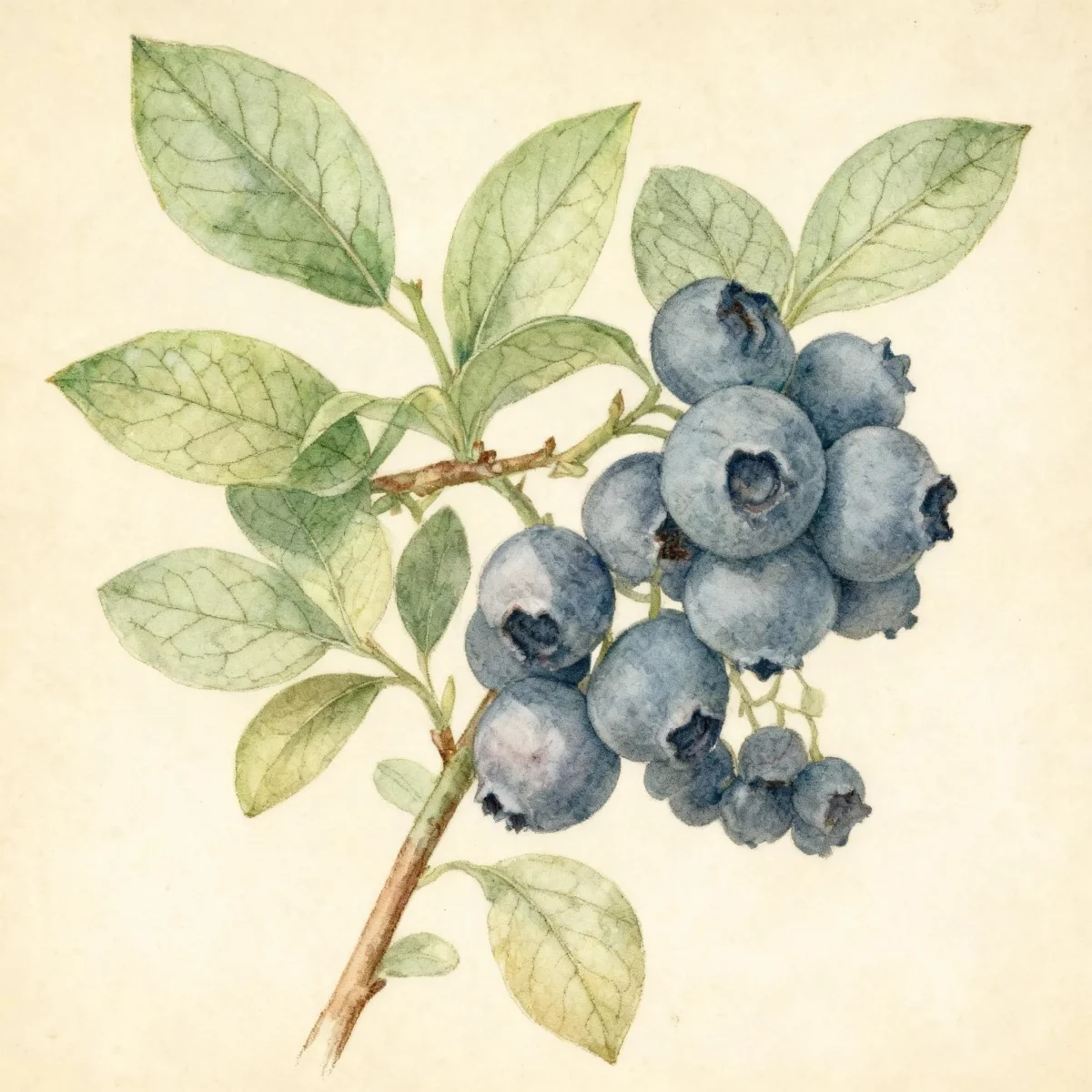
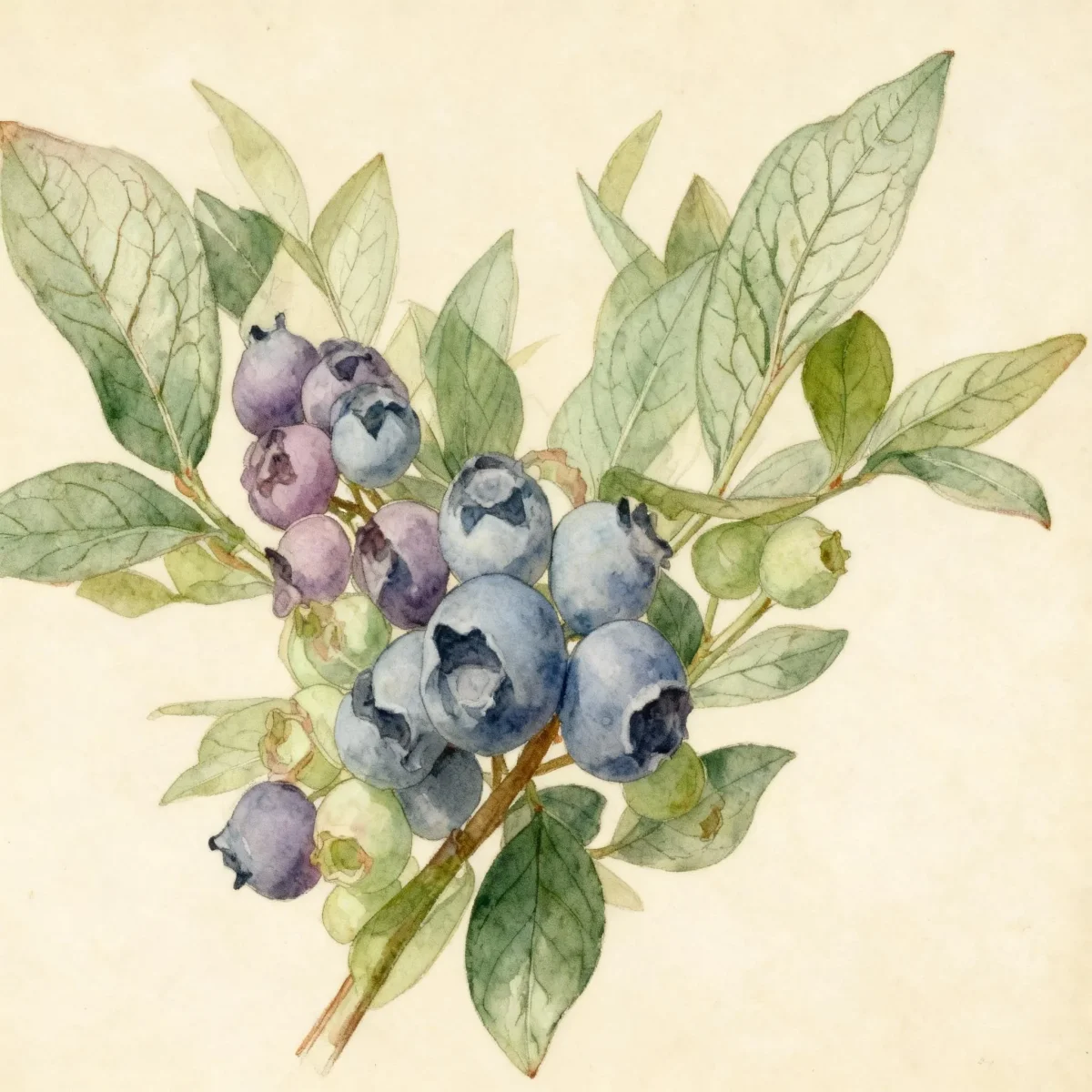
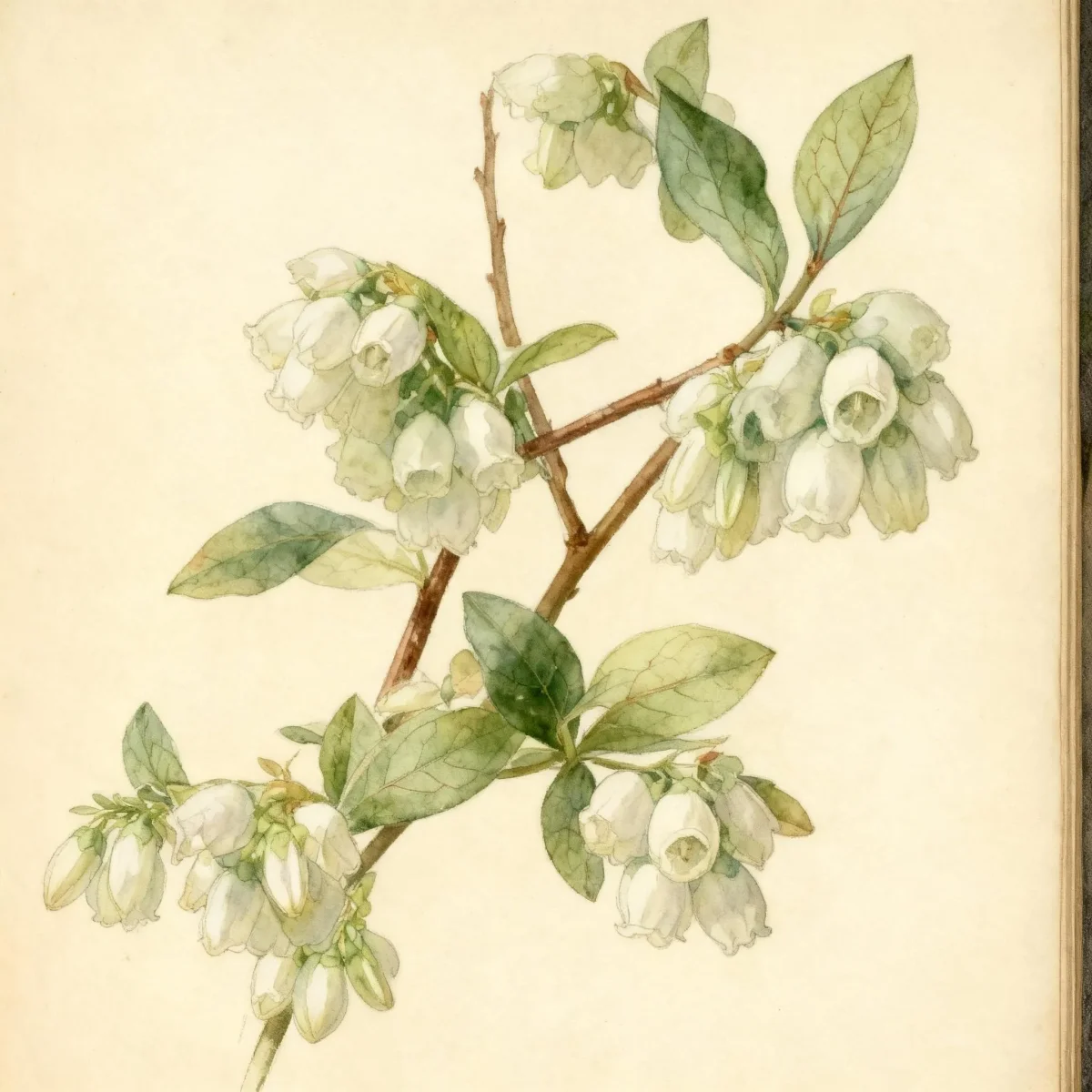
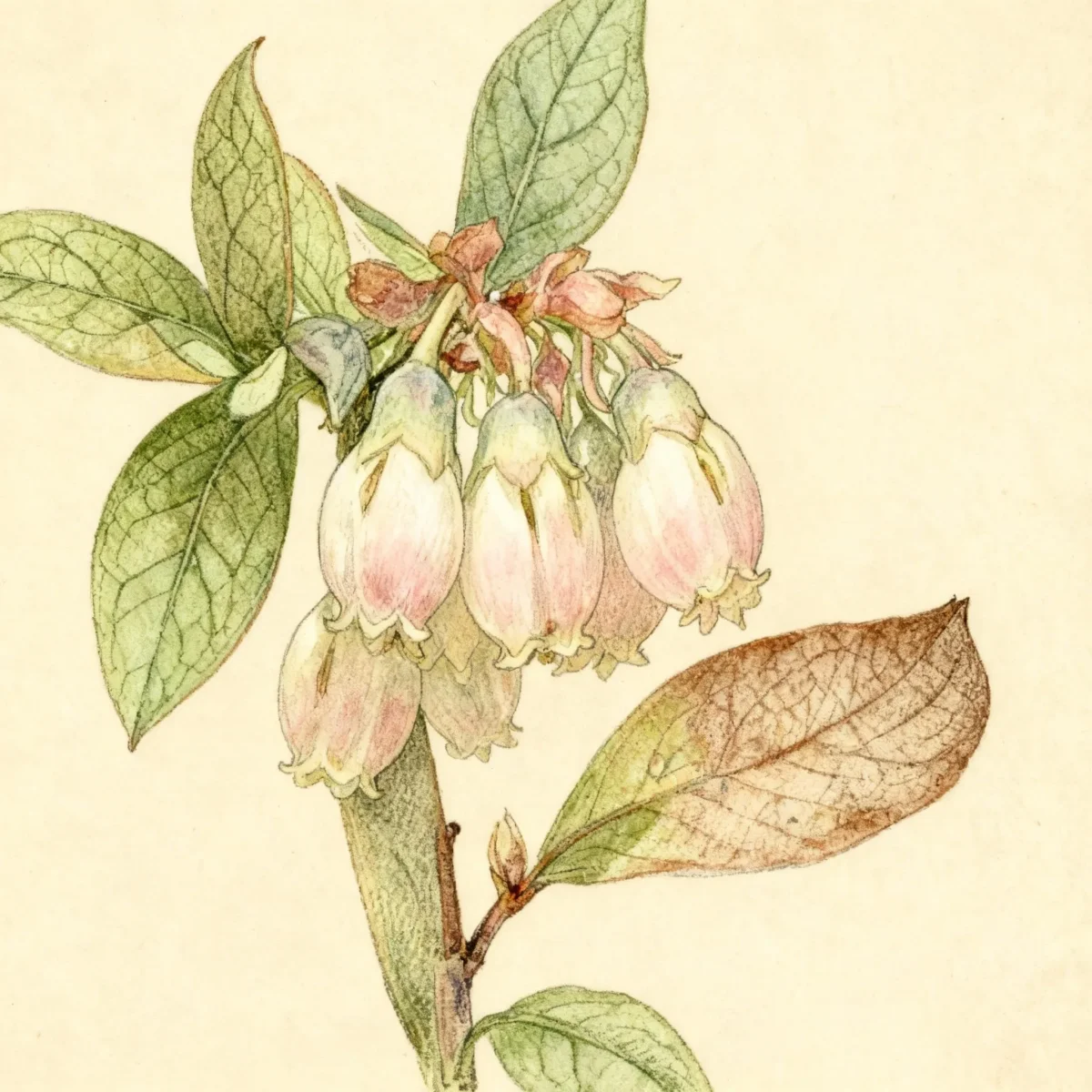
The Highbush blueberry, specifically the cultivar Vaccinium corymbosum ‘Aurora’, is a highly valued, upright deciduous shrub excellent for edible production and seasonal aesthetics. This cultivar is particularly sought after for its very late-season harvest, extending availability well into late summer or early fall, making it a staple in many fruit gardens. Vaccinium corymbosum ‘Aurora’ provides four-season interest, featuring attractive flowers blooming in spring, sweet, tangy fruit, vibrant summer foliage, and stunning fall color display.
As an upright shrub reaching 4 to 6 feet tall and wide, the structure of the Highbush blueberry lends itself well to hedges or specimen planting. Successful cultivation hinges on providing the specific acidic soil conditions that all blueberries thrive in. Offering both ornamental appeal and reliable harvests, this plant provides significant practical benefit to gardeners looking to maximize their yield and landscape beauty.
Fast Facts
- Plant Family: Ericaceae
- Plant Type: Fruit
- Hardiness Zones: USDA Zones 5-8
- Size at Maturity:
- Height: 4-6 ft
- Spread: 4-6 ft
- Bloom Time: May
- Bloom Description: White
- Sun Exposure: Full sun to part shade
- Water Needs: Medium to wet
- Maintenance Level: Medium
How to Grow
The most critical aspect of growing Vaccinium corymbosum ‘Aurora’ is soil pH management. Best results are achieved in organically rich, well-drained soils maintained at a highly acidic pH range of 4.8 to 5.2. Plant during the dormant season in a location receiving full sun to filtered afternoon shade. Due to their shallow, fibrous root systems, blueberries require constant moisture; ensure the soil never dries out, but remains well-drained to prevent root rot. Apply a generous layer of organic mulch annually to moderate soil temperature and retain moisture.
While Vaccinium corymbosum ‘Aurora’ is technically self-fertile, cross-pollination with another compatible, mid-to-late-blooming variety is strongly encouraged to achieve the largest berries and highest yields. Blueberry season can be staggered beautifully by mixing early, mid, and late varieties. It is highly recommended to clip off all flowers in the first two years after planting to direct the plant’s energy into root and structural growth rather than fruit production.
Pruning should occur in late winter, starting in the third year after establishment. Selective removal of older, less productive canes encourages vigorous new growth which bears the best fruit. Be mindful of the water requirements, as medium to wet conditions are preferred, though standing water must be avoided.
Landscape Uses
The upright habit of the Highbush blueberry makes Vaccinium corymbosum ‘Aurora’ an excellent choice for functional landscape elements, most notably serving as an attractive, productive hedge. Beyond its use as a formal or informal hedge, this variety excels in shrub borders or within native plant groupings, particularly alongside other acid-loving plants like rhododendrons and azaleas. Gardeners benefit from the dual purpose—ornamental display from the flowers, foliage, and fall color, combined with substantial edible fruit harvest.
For a visually rich border, situate the blueberries toward the back, allowing shorter, shade-tolerant plants that enjoy acidic soil to fill the foreground. Leaving some fruit on the branches provides late-season visual interest and incidental food for local wildlife, though bird netting may be necessary to secure your crop.
Standout Features
Flower Qualities
- Showy
Fruit Qualities
- Showy
- Edible
Noteworthy Characteristics
Vaccinium corymbosum, commonly known as highbush blueberry, is an upright, deciduous shrub native to eastern North America where it typically grows in moist woods, bogs, swamps and low areas. The cultivar ‘Aurora’ is specifically recognized for producing fruit in very late season, often ripening in August and September in moderate climates, sometimes classifying it as a fall-bearing plant in northern areas, with harvest commencing about five days after the ‘Elliot’ variety. This late-season performance, combined with attractive foliage that transitions to yellow-orange, red, and purple hues in autumn, makes ‘Aurora’ a standout choice.
Tolerances
Potential Problems
Birds are the primary threat to a successful Highbush blueberry harvest; protective netting over the plants as the fruit begins to soften and darken is the most effective proactive measure. Soil quality presents another common challenge; when grown in alkaline soils with high pH, plants will likely exhibit chlorosis (yellowing of leaves) due to nutrient lockout, emphasizing the need for highly acidic soil correction. Fungal diseases like mummy berry, which causes berries to shrivel and drop, and pest issues such as the blueberry maggot, require vigilant monitoring throughout the growing season.
Routine scouting for pests is essential, especially as the fruit ripens. Implementing preventative fungicidal treatments if fungal issues are historic can reduce the severity of stem blight or cane cankers. Always ensure excellent air circulation when planting to minimize mildew and botrytis problems.
Frequently Asked Questions
What hardiness zones is Highbush blueberry suitable for?
Vaccinium corymbosum ‘Aurora’ is reliably hardy in USDA Zones 5 through 8.
How large does Highbush blueberry grow?
This cultivar typically reaches a mature height between 4 and 6 feet, with a similar spread of 4 to 6 feet.
What sun exposure does Vaccinium corymbosum ‘Aurora’ need?
It performs best in full sun but can tolerate light part shade conditions, though this may slightly reduce fruit yield.
When does Highbush blueberry bloom?
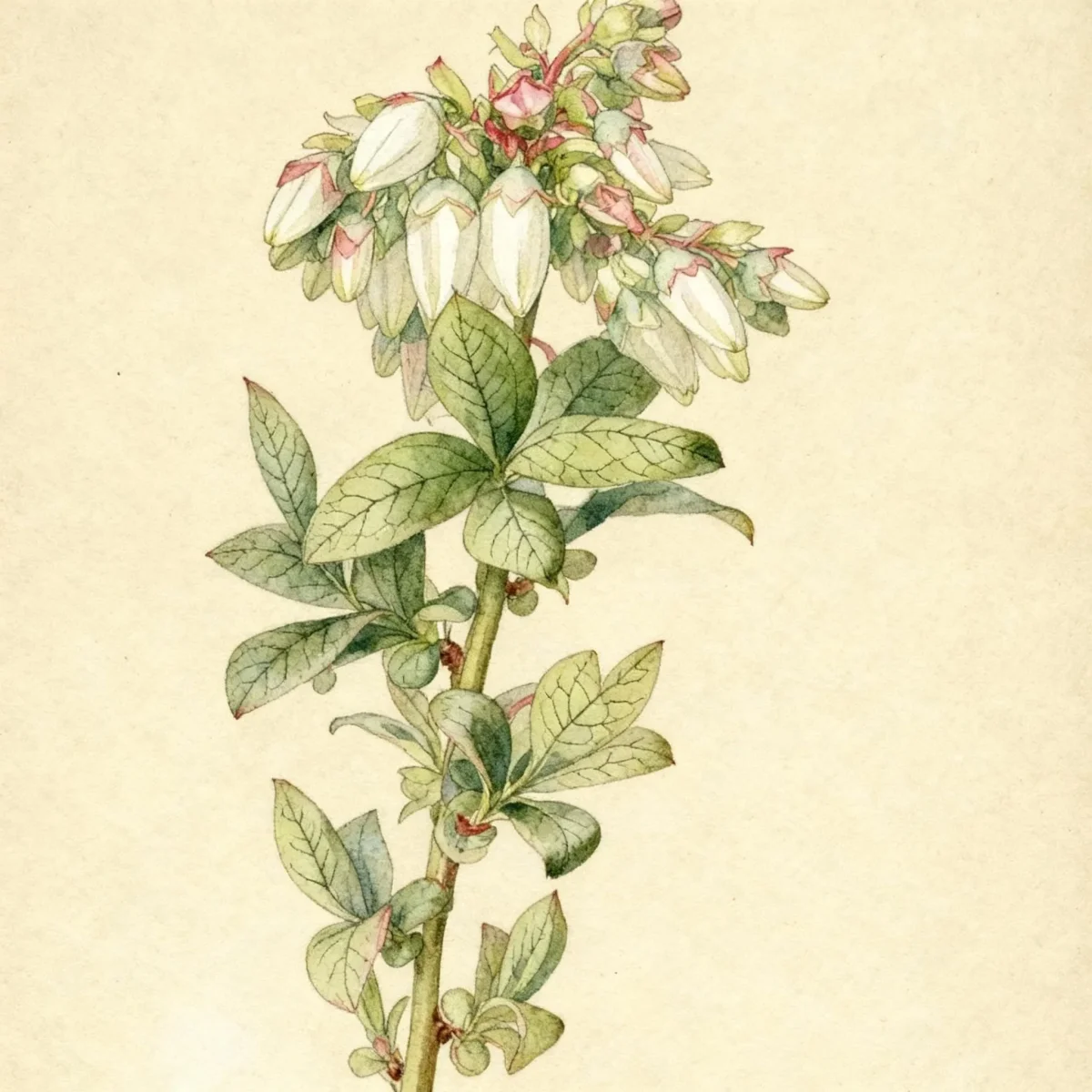
The waxy, bell-shaped white flowers of Vaccinium corymbosum ‘Aurora’ typically appear in late spring, around May.
Conclusion
The Vaccinium corymbosum ‘Aurora’ offers exceptional value by combining ornamental appeal—including lovely spring flowers and vibrant fall color—with intensely delicious, late-ripening fruit. Gardeners prioritizing season extension will greatly benefit from incorporating this specific Highbush blueberry into their landscape plans. Before planting, confirm that your soil pH is acidic enough (ideally below 5.2) to ensure the health and productivity of your new shrub.
Companion Planting
Selecting appropriate companions for your Highbush blueberry planting can enhance soil health and manage moisture levels naturally. As mentioned, plants requiring similar acidic, moist conditions are ideal partners. Rhododendrons, azaleas, and camellias anchor this association well, providing rich textural contrast while sharing cultural needs.
For ground cover, consider using evergreen acid-loving shrubs or low-growing acid-loving perennials, which can help keep the soil cool and consistent around the shallow blueberry roots. Avoid planting near species that require high-pH or dry, gritty soils, as competition for different nutrient profiles will stress the blueberry.
Seasonal Care Calendar
Spring activities for Vaccinium corymbosum ‘Aurora’ center on awakening the plants and preventing early pests. Once new growth begins, apply a layer of fresh organic mulch and ensure consistent watering, especially if spring rains are scarce. In late spring, if you are interested in fruit production, ensure adequate pollination by planting other suitable varieties nearby.
Summer is focused on fruit protection and water management, particularly during fruit maturation where water stress severely impacts size and quality. Apply bird netting precisely when berries show color change. Summer pruning is generally avoided; reserve significant pruning for the late winter dormancy period when the plant is easiest to shape and structure.