Flowering crabapple (Malus 'Inglis' WHITE ANGEL)
Malus 'Inglis' WHITE ANGEL is a resilient Flowering crabapple notable for abundant white blossoms and persistent red fruit.
Scroll down to discover growing tips, care requirements, companion plants, and more
Complete Plant Information
Overview
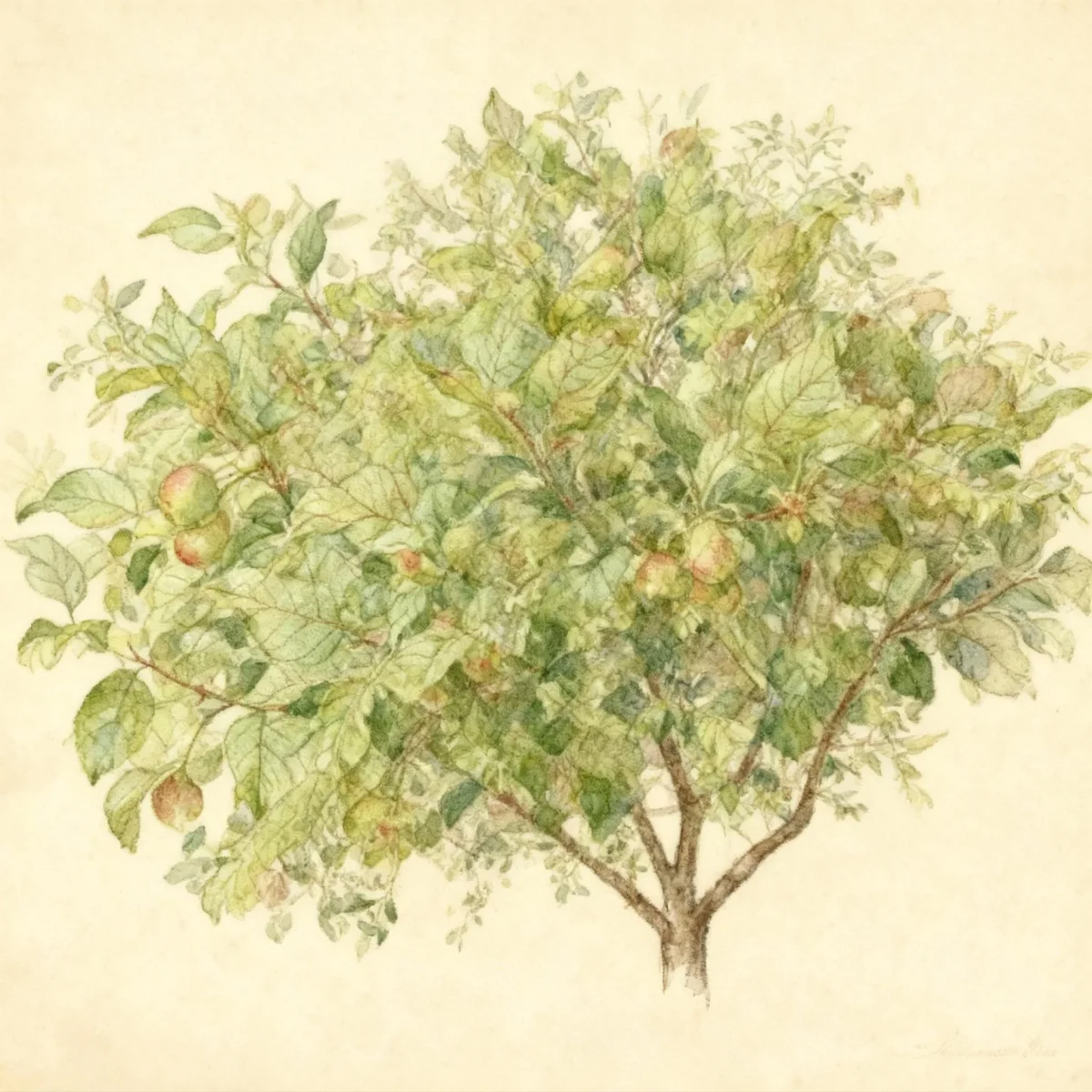
The Malus ‘Inglis’ WHITE ANGEL is a highly esteemed Flowering crabapple cultivar valued for its showy spring display and excellent structure. This tree matures into a broad, rounded specimen, providing excellent aesthetic impact in the landscape. It is recognized for its good natural disease resistance when compared to other crabapple varieties.
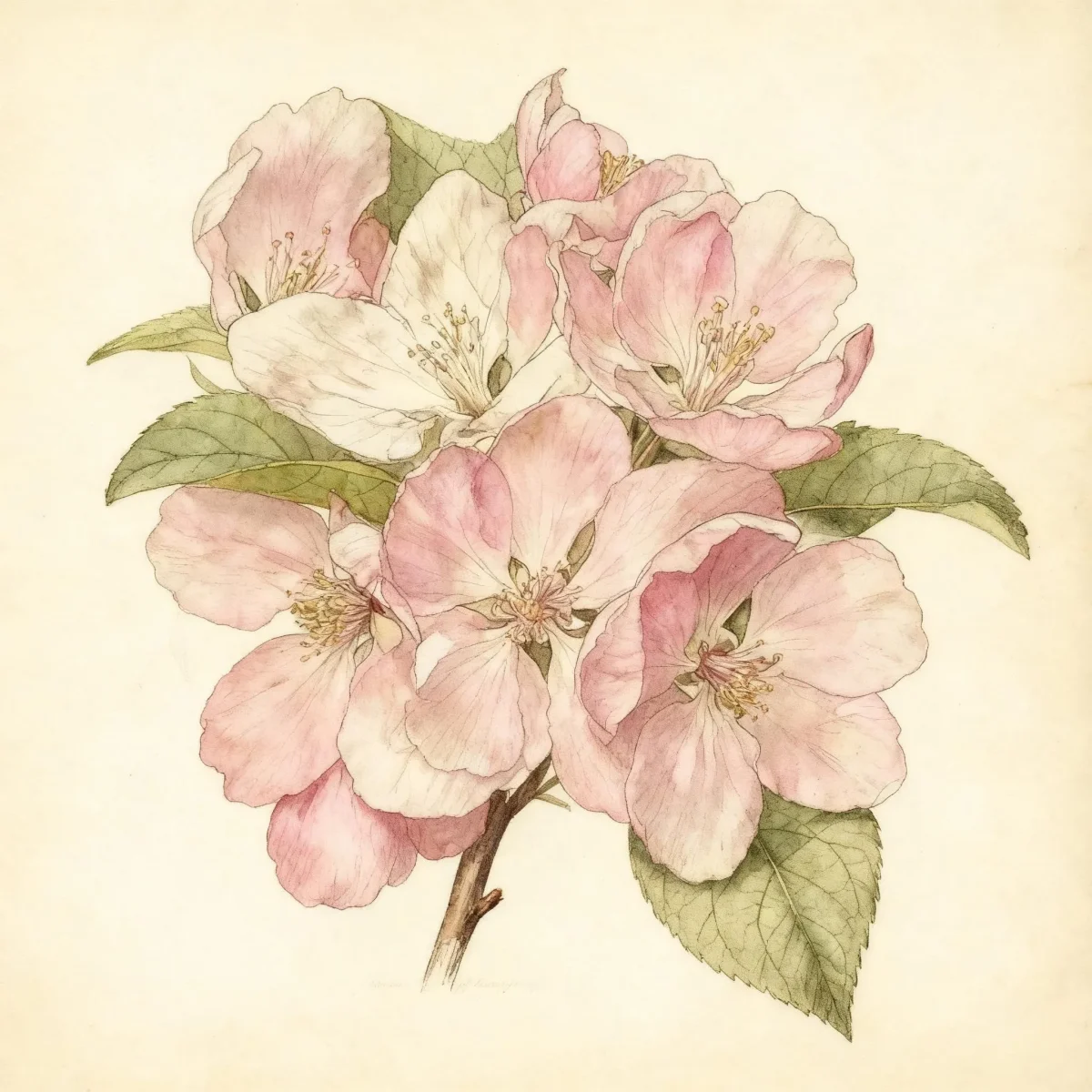
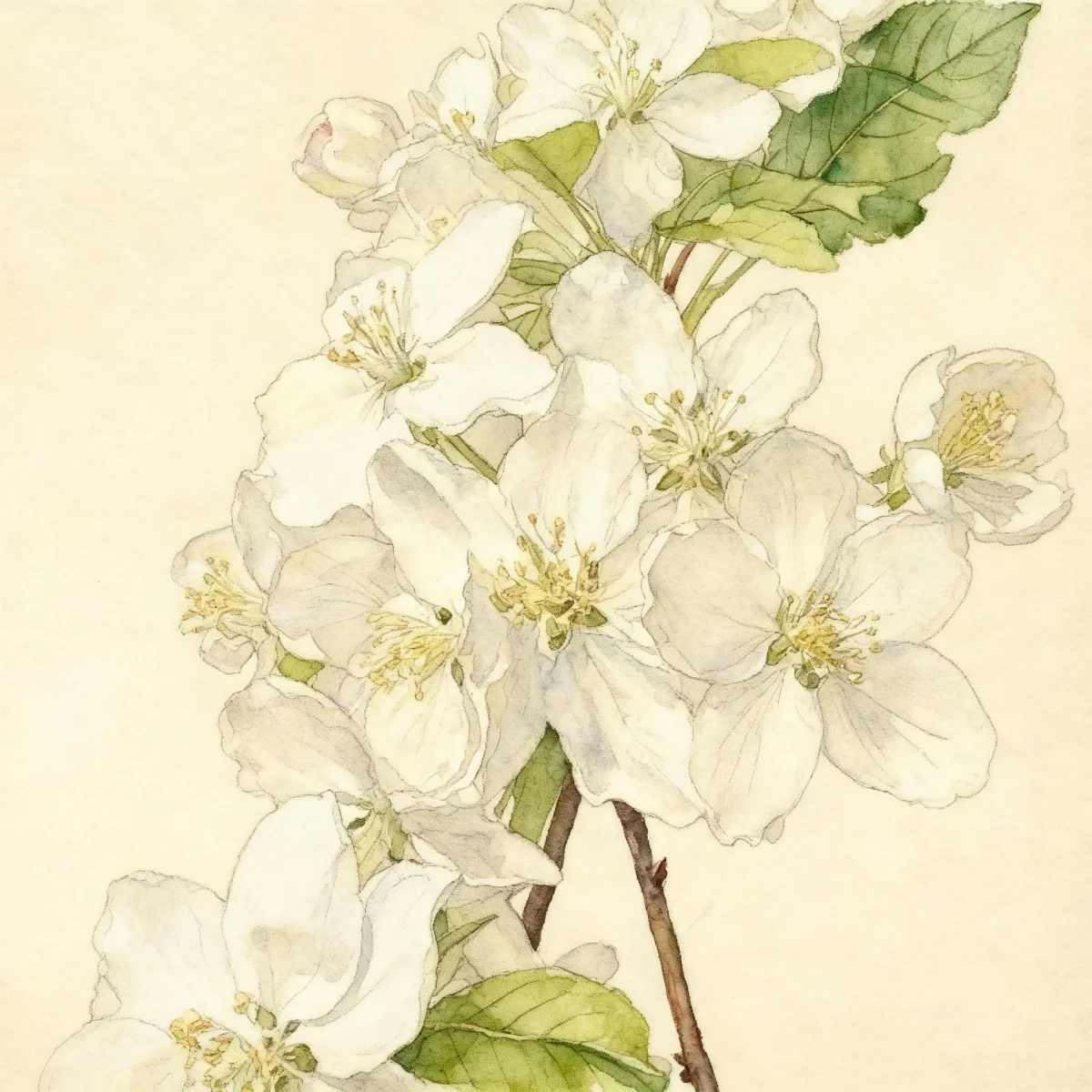
Gardeners appreciate the Malus ‘Inglis’ WHITE ANGEL for its reliable performance across a wide range of conditions. Its visual appeal is defined by pink buds opening into pure white flowers, followed by small, bright red crabapples that often remain on the branches well into the winter months. This ornamental accent offers seasonal interest from spring bloom through persistent fall/winter fruit.
As a sturdy member of the Rosaceae family, this tree is relatively low maintenance once established. It serves wonderfully as a specimen planting where its seasonal attributes can be fully appreciated, making the Malus ‘Inglis’ WHITE ANGEL a dependable choice for landscape designers seeking year-round structure and seasonal highlights.
Fast Facts
- Plant Family: Rosaceae
- Plant Type: Tree
- Hardiness Zones: USDA Zones 4-8
- Size at Maturity:
- Height: 20-30 ft
- Spread: 20-30 ft
- Bloom Time: April
- Bloom Description: White
- Sun Exposure: Full sun
- Water Needs: Medium
- Maintenance Level: Low
How to Grow
For optimal health, the Malus ‘Inglis’ WHITE ANGEL should be situated where it receives full sun exposure. While it adapts well to various soil types, it thrives best when planted in medium moisture, well-drained, acidic loams. Establishing the tree correctly ensures it develops good drought tolerance as it matures throughout the seasons.
Watering should be consistent, meeting its medium water needs, especially during dry periods in the first few summers after planting. This resilient Flowering crabapple generally requires low maintenance. Fertilizing is rarely necessary if the soil conditions are adequate, but soil testing can guide any supplemental feeding.
Pruning is a vital, yet carefully timed, task for this species. It is always best to prune the tree as needed in late winter while it is dormant. Avoid any spring pruning entirely, as open cuts created during this time can serve as entry points for the fireblight bacterium, one of the potential diseases affecting crabapples.
Landscape Uses
The recommended use for Malus ‘Inglis’ WHITE ANGEL is as a prominent Flowering Tree. Its mature size and broad, rounded habit make it an outstanding specimen planting suitable for anchoring views or providing focal points in medium-to-large gardens. Planting in distinct small groups can also create dramatic impact when the white flowers are in full display during April.
This crabapple excels in general landscape applications where seasonal color is desired, such as framing an entryway or adding vertical interest to a mixed border. While it is attractive on its own, pairing it with contrasting foliage colors or varying bloom times can enhance its presence throughout the growing season. The persistent red fruit also provides excellent winter interest when most other color has faded.
Standout Features
Flower Qualities
- Showy
Fruit Qualities
- Showy
Noteworthy Characteristics
Malus is a genus of about 35 species of deciduous trees and shrubs from Europe, Asia and North America. Genus name from Latin is an ancient name for apple. ‘Inglis’, commonly marketed under the trade name of WHITE ANGEL, is a crabapple that typically matures to 15-20’ tall and as wide. It is noted for its broad-rounded shape, white flowers, abundant red fruit and good disease resistance. Pink buds open in spring to white flowers (1” diameter). Flowers are followed by bright red crabapples (to 1/2” diameter) that mature in fall and persist into winter. Birds are attracted to the fruit. Oval dark green leaves (to 3” long) turn yellow in fall.
Tolerances
- Air Pollution
Potential Problems
The primary concerns for crabapples involve fungal diseases, most commonly scab, rusts, leaf spot, and powdery mildew, alongside concerns about fire blight. Insect pest pressure is generally less severe, though occasional issues with scale, borers, aphids, or Japanese beetles may occur; spider mites are also possible. Fortunately, the Malus ‘Inglis’ WHITE ANGEL demonstrates good resistance to apple scab, rusts, leaf spot, and powdery mildew.
Cultural practices are key to prevention. Ensure excellent air circulation by adhering to proper pruning timing—only prune in late winter. If fire blight is a historic concern in your region, monitor branches closely and remove any signs of oozing cankers immediately during the growing season, cutting well below the affected area. Proper site selection prevents stress, which often invites secondary pest issues.
Frequently Asked Questions
What hardiness zones is Flowering crabapple suitable for?
The Malus ‘Inglis’ WHITE ANGEL is suitable for planting in USDA Hardiness Zones 4 through 8.
How large does Malus ‘Inglis’ WHITE ANGEL grow?
This tree typically reaches a mature height between 20 and 30 feet, with a comparable spread between 20 and 30 feet.
What sun exposure does Flowering crabapple need?
This Flowering crabapple requires full sun exposure to ensure the best flowering and disease resistance management.
When does Flowering crabapple bloom?
The Malus ‘Inglis’ WHITE ANGEL produces its desirable white flowers in April, often starting from pinkish buds.
Conclusion
The Malus ‘Inglis’ WHITE ANGEL remains a top choice for landscape use due to its low maintenance requirements and significant seasonal beauty provided by its white blossoms and persistent red fruit. This dependable Flowering crabapple offers structure and wildlife value throughout the year. Before planting, confirm that your local garden site sits comfortably within USDA Zones 4-8 and plan your pruning schedule for late winter.
Wildlife Benefits
The persistent red crabapples, measuring up to 1/2 inch in diameter, are highly attractive to various bird species, providing a crucial late-season or winter food source. Planting Malus ‘Inglis’ WHITE ANGEL ensures that avian visitors have access to natural forage when other food sources become scarce. The dense canopy also offers excellent nesting and roosting cover throughout the year.
Companion Planting
When designing a space around the Malus ‘Inglis’ WHITE ANGEL, consider companions that thrive in similar acidic, well-drained soil and full sun conditions. Low-growing evergreen shrubs, such as dwarf conifers or certain Japanese hollies, can provide a dark, stable backdrop that makes the white spring blooms truly pop. For seasonal rhythm, look to early spring bulbs for foreground interest before the tree fully leafs out.