Hardy begonia (Begonia grandis subsp. evansiana 'Alba')
Discover Begonia grandis subsp. evansiana 'Alba', the reliable Hardy begonia, offering white blooms and shade tolerance in Zones 6-9.
Scroll down to discover growing tips, care requirements, companion plants, and more
Complete Plant Information
Overview
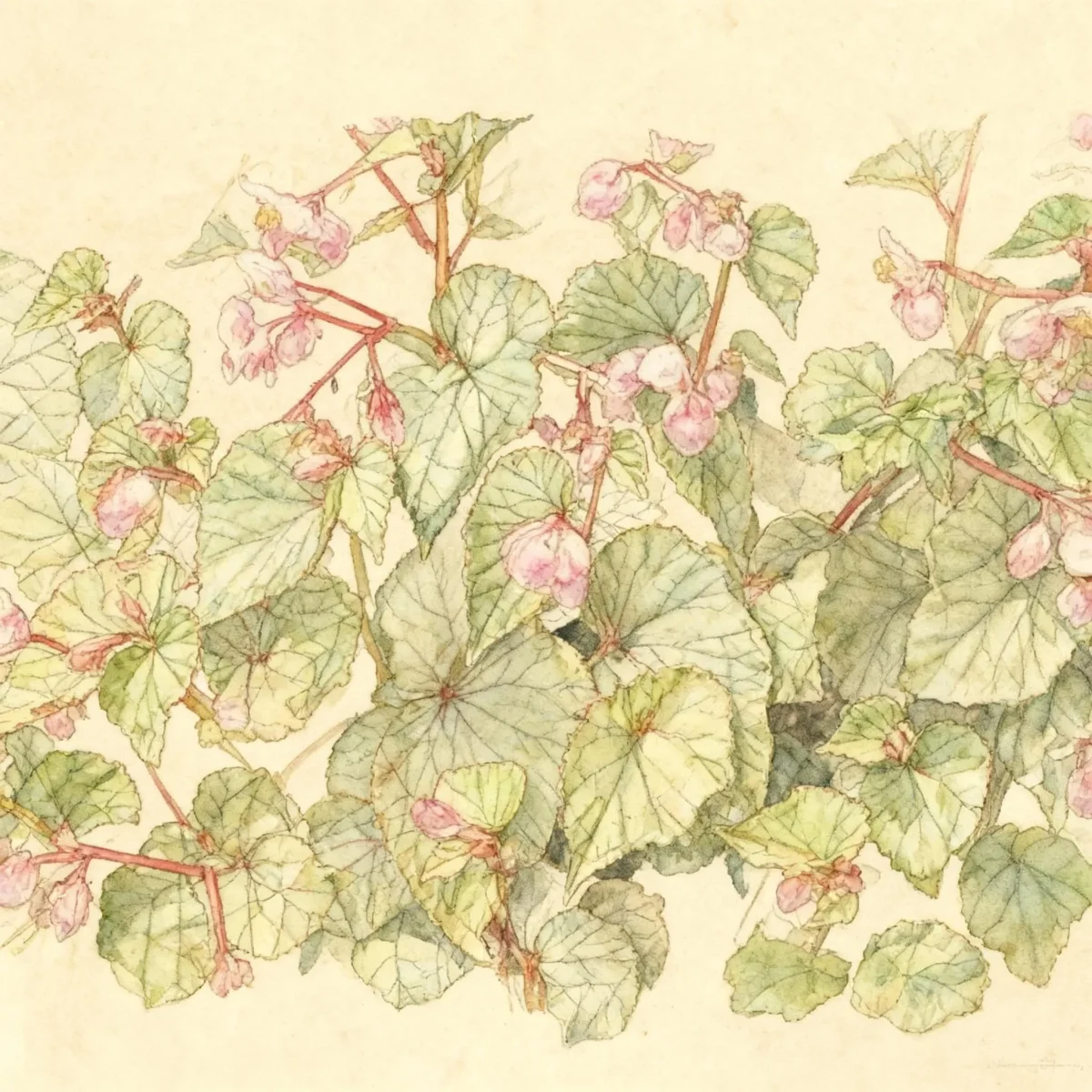
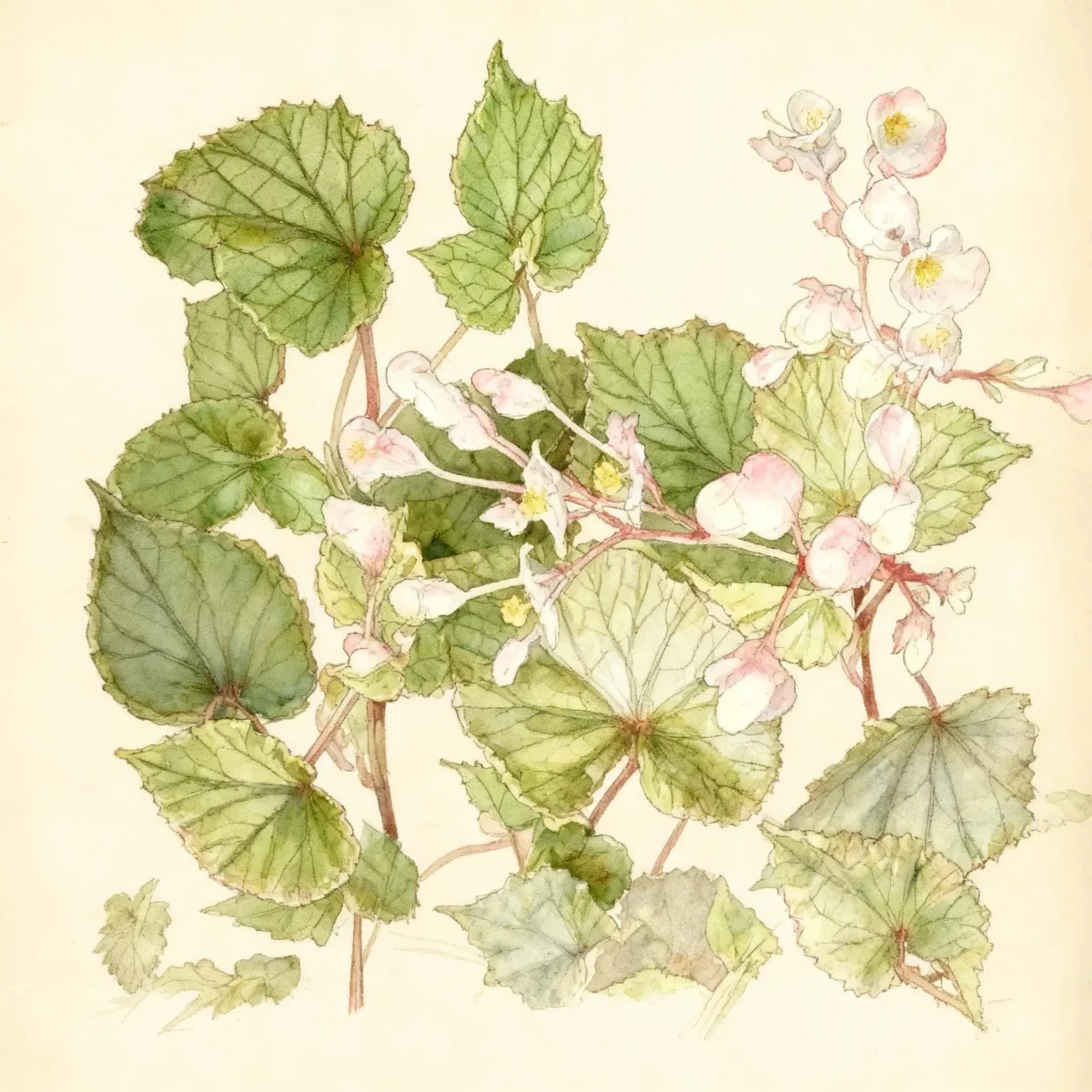
The Begonia grandis subsp. evansiana ‘Alba’ stands out as a horticultural gem, primarily because it offers reliable perennial interest where most begonias fail outdoors. Commonly known as the Hardy begonia, this species thrives as a clump-forming perennial, decorating the shaded garden from mid-summer through autumn. Its attractive foliage, often featuring reddish undersides, provides excellent texture against ferns and hostas.
For gardeners seeking late-season color in deep shade, the Hardy begonia is an excellent choice, producing clusters of clean white flowers. Its ability to tolerate heavy shade—and even the chemical exudates from Black Walnut trees—makes Begonia grandis subsp. Evansiana ‘Alba’ exceptionally versatile in difficult woodland settings.
This tuberous perennial reliably returns each year, forming a bushy mound generally reaching two feet high. While it requires consistent moisture, its ease of propagation through tiny aerial bulblets ensures you can easily expand your plantings of this dependable shade lover.
Fast Facts
- Plant Family: Begoniaceae
- Plant Type: Herbaceous perennial
- Hardiness Zones: USDA Zones 6-9
- Size at Maturity:
- Height: 1.5-2 ft
- Spread: 1-1.5 ft
- Bloom Time: July to September
- Bloom Description: White
- Sun Exposure: Part shade to full shade
- Water Needs: Medium to wet
- Maintenance Level: Medium
How to Grow
To establish robust clumps of Begonia grandis subsp. evansiana ‘Alba’, select a location that provides part shade to full shade conditions. These plants thrive best when planted in moist, organically rich, well-drained soils. Ensure the soil does not dry out, as consistent ambient moisture is critical for their performance throughout the summer growing season.
Watering should be regular, maintaining medium to wet conditions, particularly during dry spells. While the Hardy begonia is known for its resilience, gardeners in northern limits of Zone 6 should provide a winter mulch around the crown after the first hard frost to ensure maximum winter hardiness. Deadheading spent flowers can encourage a slightly extended bloom period.
Be patient in the spring, as new growth from the tuber is usually quite late to emerge. This species possesses a unique reproductive feature: tiny bulblets form in the leaf axils during autumn. These can be allowed to drop naturally to self-propagate the Hardy begonia, or they can be carefully harvested and planted immediately to increase your stock.
Landscape Uses
The Hardy begonia excels as a reliable late-summer flowering plant specifically designed for shaded environments. Its upright habit and bright foliage make it an ideal structural element in the woodland garden, seamlessly blending with moisture-loving companions.
Pairing Begonia grandis subsp. evansiana ‘Alba’ with ferns, hostas, bleeding hearts, and woodland phlox creates layered interest in shaded borders. It performs beautifully when naturalized beneath mature deciduous trees where spring ephemeral bulb displays have finished flowering but summer structure is needed. The resulting effect is lush, textural, and provides continuous visual appeal without demanding significant upkeep.
Standout Features
Flower Qualities
- Showy
Noteworthy Characteristics
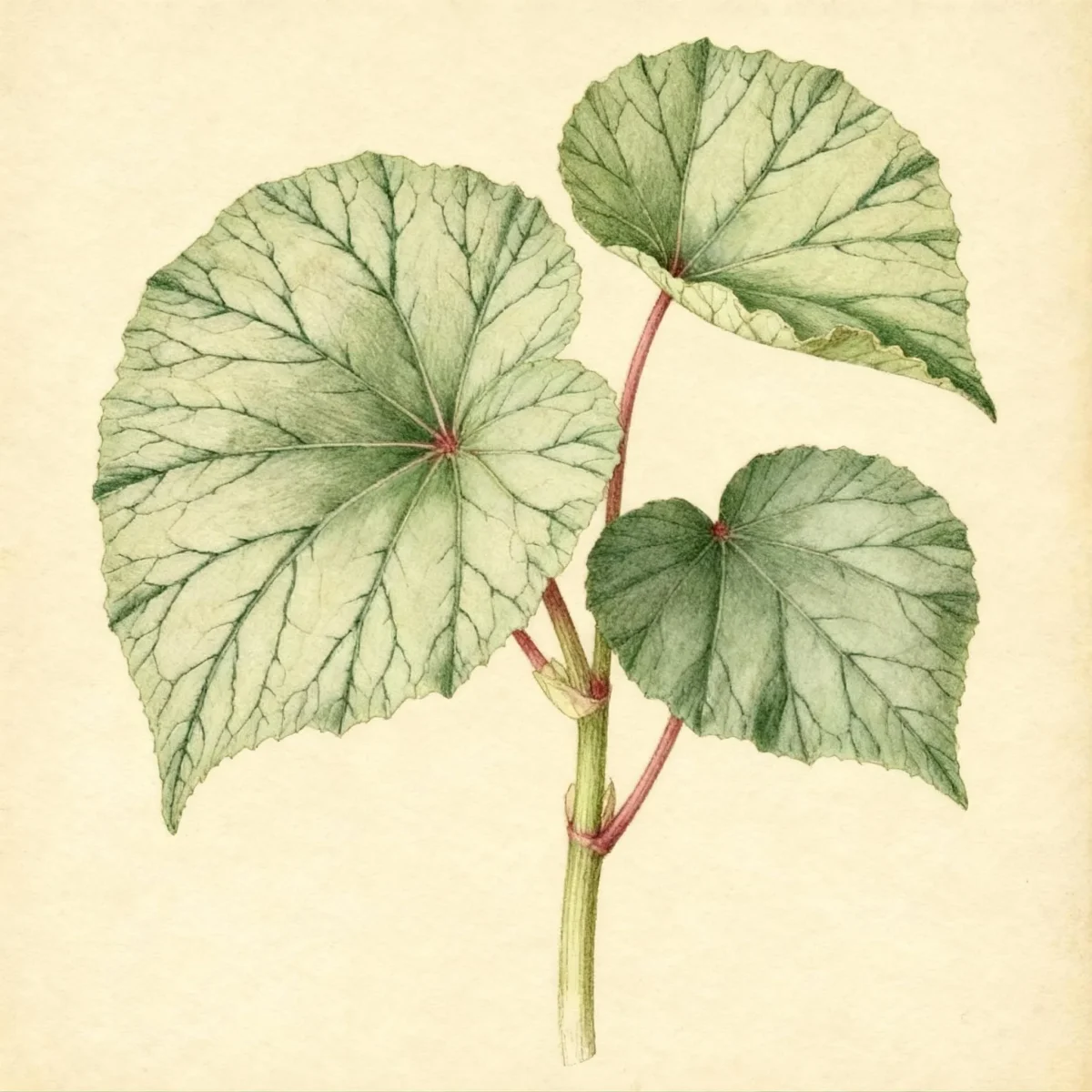
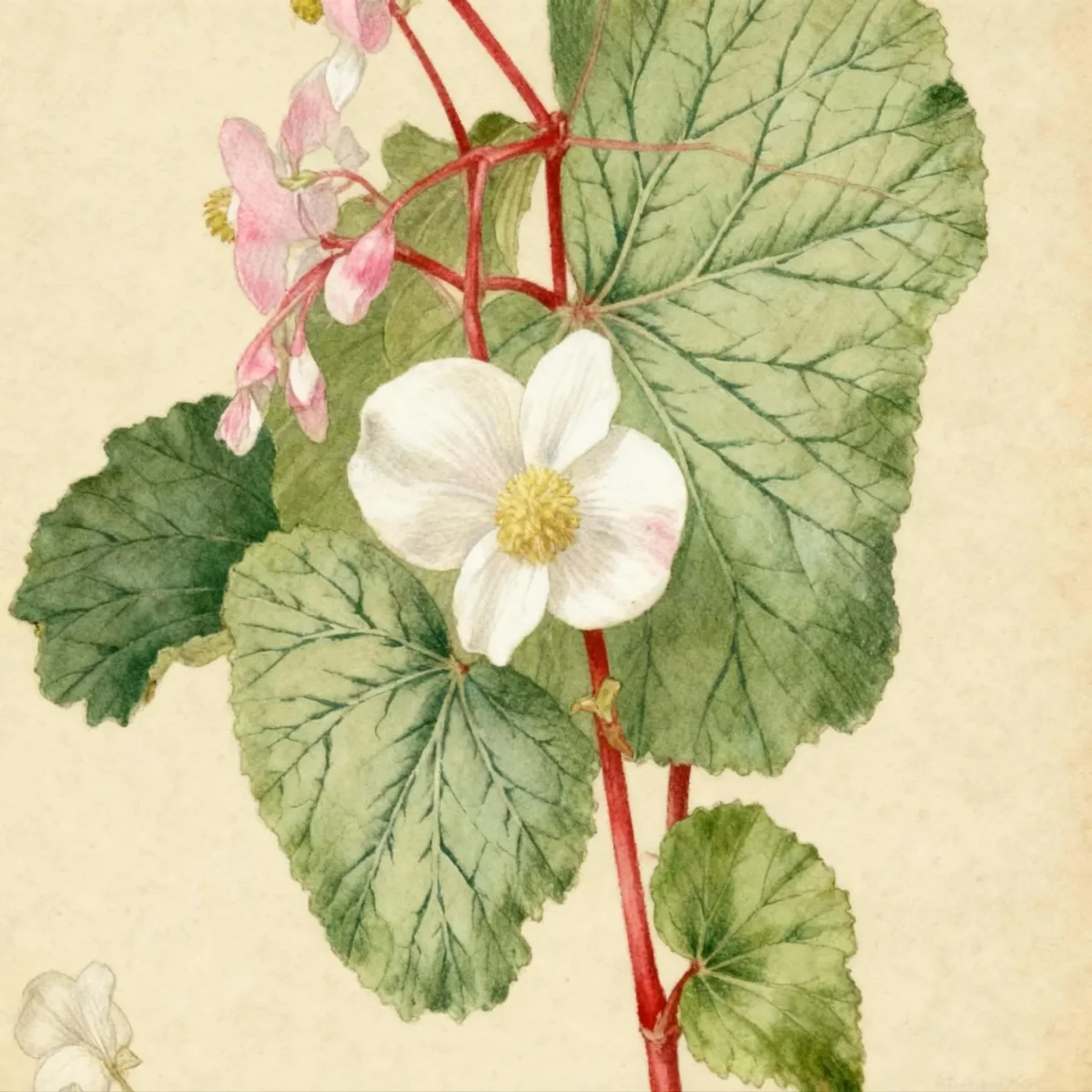
Begonia grandis, commonly called hardy begonia, is the only species of Begonia that is winter hardy to the St. Louis area. It is a monoecious, tuberous-rooted, clump-forming perennial that typically forms a bushy mound of foliage to 2’ tall on branching stems. Large, obliquely ovate leaves (to 4” long) with cordate bases are medium to olive green above and reddish green with red veining beneath. ‘Alba’ is a white-flowered form.
Tolerances
- Heavy Shade
- Black Walnut
Potential Problems
The Hardy begonia generally exhibits few serious insect or disease problems, which adds to its appeal for low-maintenance gardening. The primary concern for cultivation revolves around winter survival, especially near the northern edge of its recommended hardiness range. In areas like St. Louis, providing a protective layer of mulch over the crown after dormancy begins is highly advisable for reliable overwintering. Ensure excellent drainage, as wet, poorly draining soil in winter can cause tubers to rot.
Frequently Asked Questions
What hardiness zones is Hardy begonia suitable for?
The Begonia grandis subsp. evansiana ‘Alba’ is best suited for USDA Hardiness Zones 6 through 9, though winter mulch may be necessary in the cooler end of that spectrum.
How large does Hardy begonia grow?
This herbaceous perennial typically reaches a mature height between 1.5 and 2 feet tall, spreading to a width of 1 to 1.5 feet, forming a dense mound.
When does Begonia grandis subsp. Evansiana ‘Alba’ bloom?
This variety offers extended flowering from July until September, presenting attractive white blossoms throughout the late summer landscape.
What sun exposure does Begonia grandis subsp. evansiana ‘Alba’ need?
It performs best in part shade to full shade conditions, making it an excellent option for brightening darker garden areas.
Conclusion
The Begonia grandis subsp. evansiana ‘Alba’ is a robust and rewarding addition to any shaded garden space, valued for its reliable summer bloom and attractive foliage. By ensuring consistently moist, rich soil, you can enjoy the dependable performance of your Hardy begonia year after year. Check your local zone compatibility and plan to plant this perennial in a partially shaded spot this spring for established color next season.
Companion Planting
When integrating Begonia grandis subsp. evansiana ‘Alba’ into your shade garden, consider companion plants that share its preference for consistent moisture and rich organic matter. Ferns, such as Ostrich Fern (Matteuccia struthiopteris) or Japanese Painted Fern (Athyrium niponicum), offer contrasting, feathery textures while appreciating similar moisture levels.
Hostas provide broad, architectural contrast to the slightly softer foliage and upright habit of the Hardy begonia. For spring interest preceding the bloom of the Begonia grandis subsp. Evansiana ‘Alba’, consider grouping it with Astilbes or Hellebores, which also thrive in dappled light and require moisture consistency.
Propagation Tips
The easiest way to increase your stock of this Hardy begonia is by utilizing the tiny aerial bulblets it produces naturally. As the season progresses toward autumn, small, hardened black bulblets form in the leaf axils. These can be carefully pinched off or scraped from the stems before they fall.
These bulblets should be planted shortly after collection, ideally in a sheltered tray filled with moist potting mix and covered lightly. Keep the soil consistently damp and provide a protected spot; emergence will occur the following spring. This passive propagation method is the simplest way to expand your collection of Begonia grandis subsp. evansiana ‘Alba’ across your property.