Rush (Juncus 'Blue Dart')
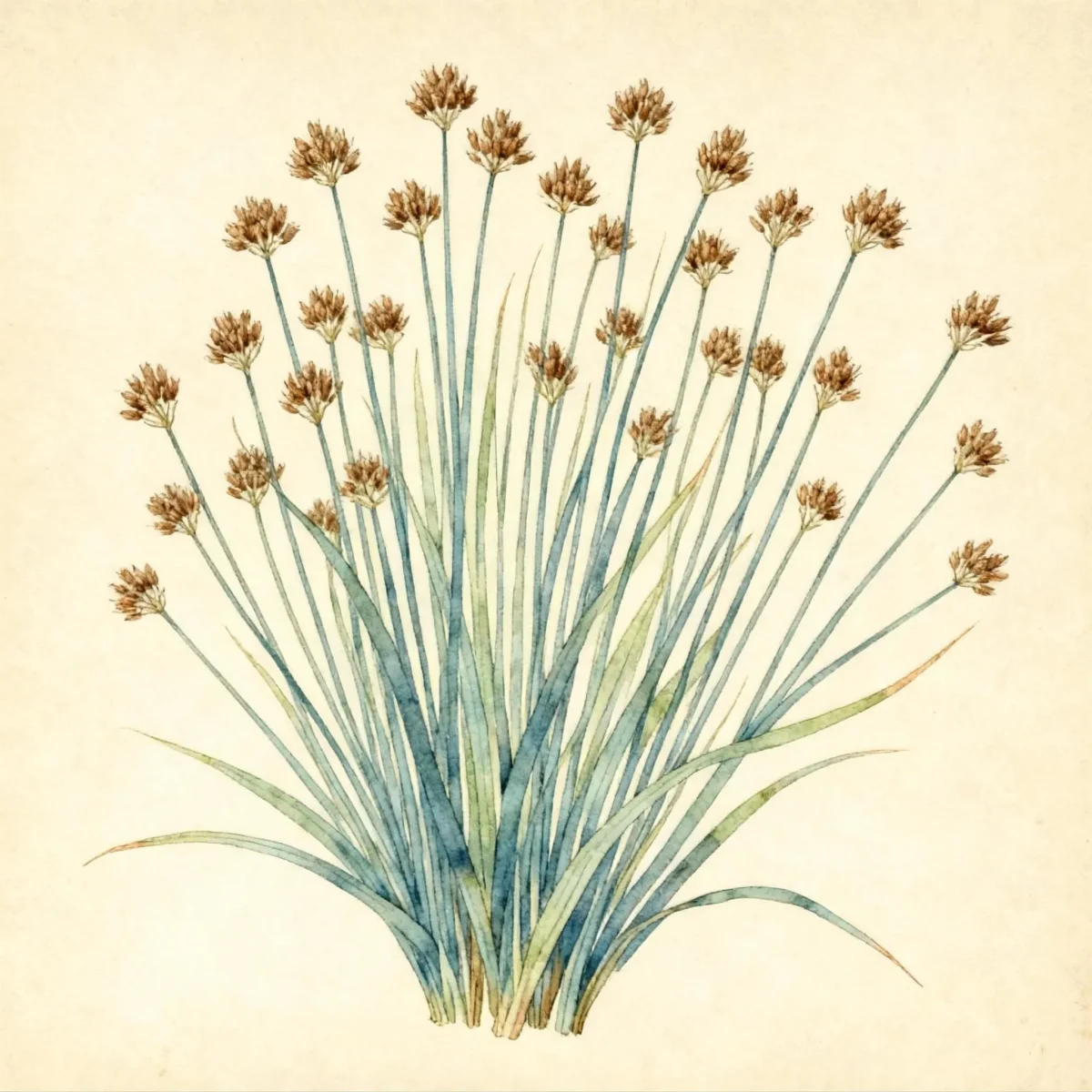
Juncus 'Blue Dart' is an attractive Rush prized for its linear, blue-green foliage, thriving in moist sites.
Scroll down to discover growing tips, care requirements, companion plants, and more
Complete Plant Information
Overview
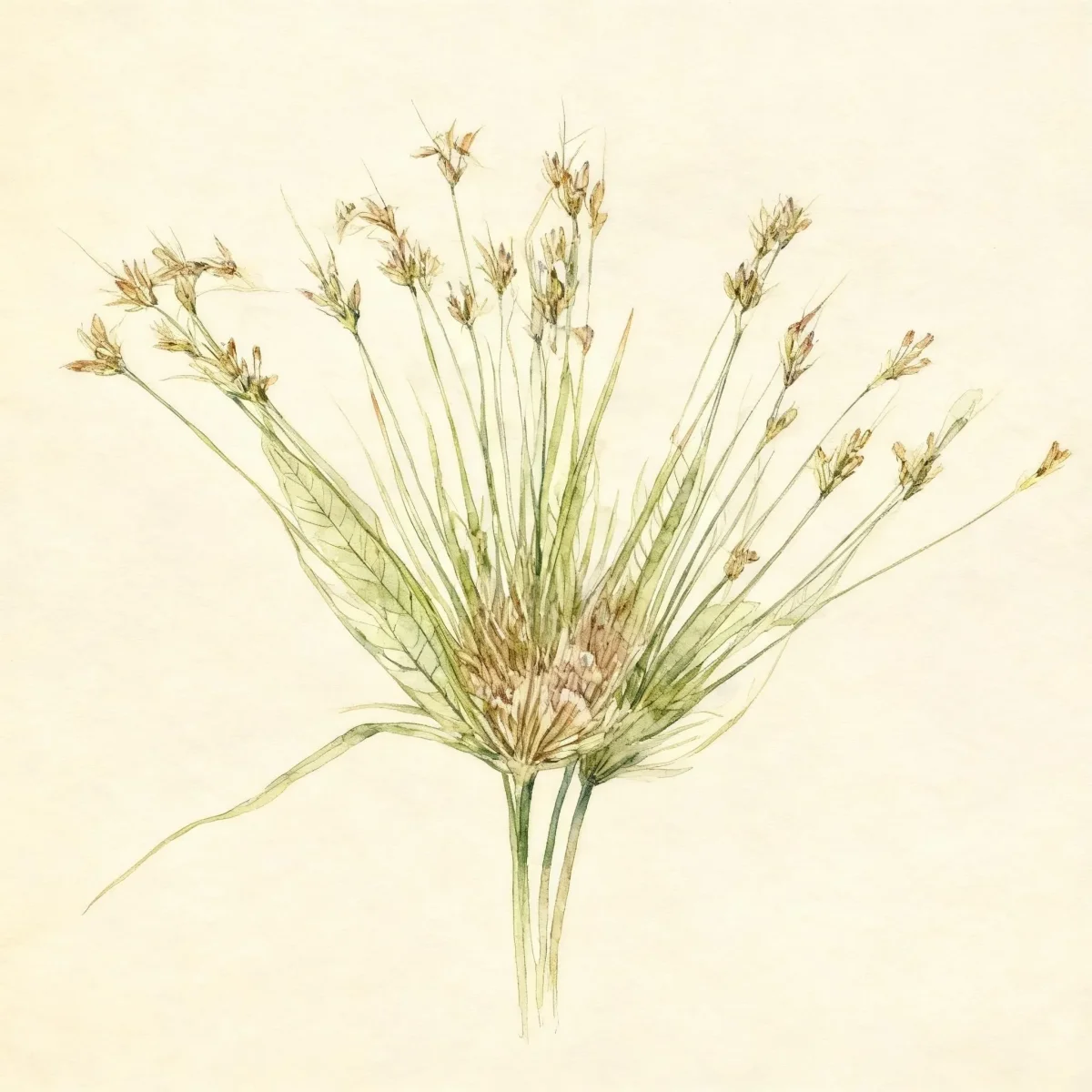
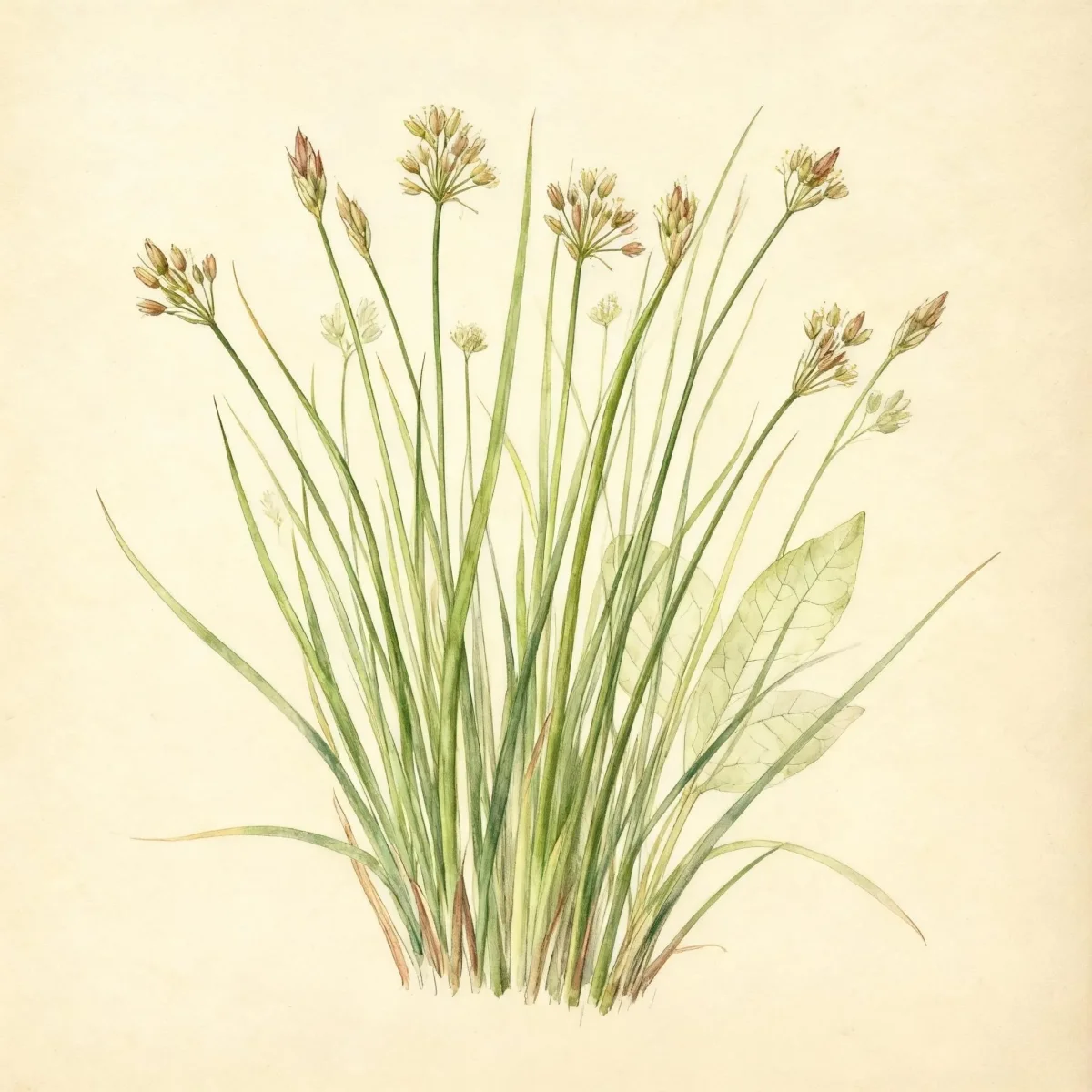
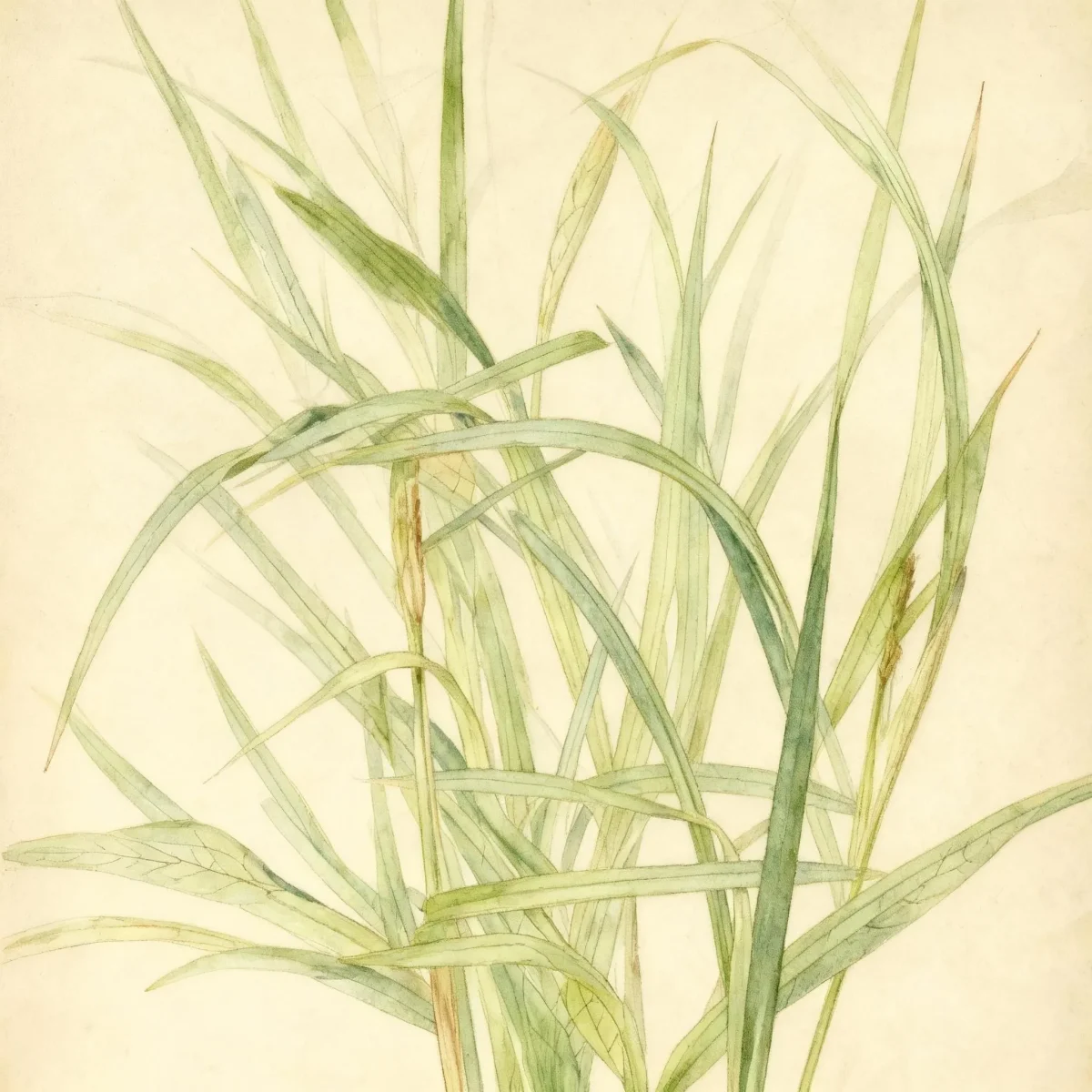
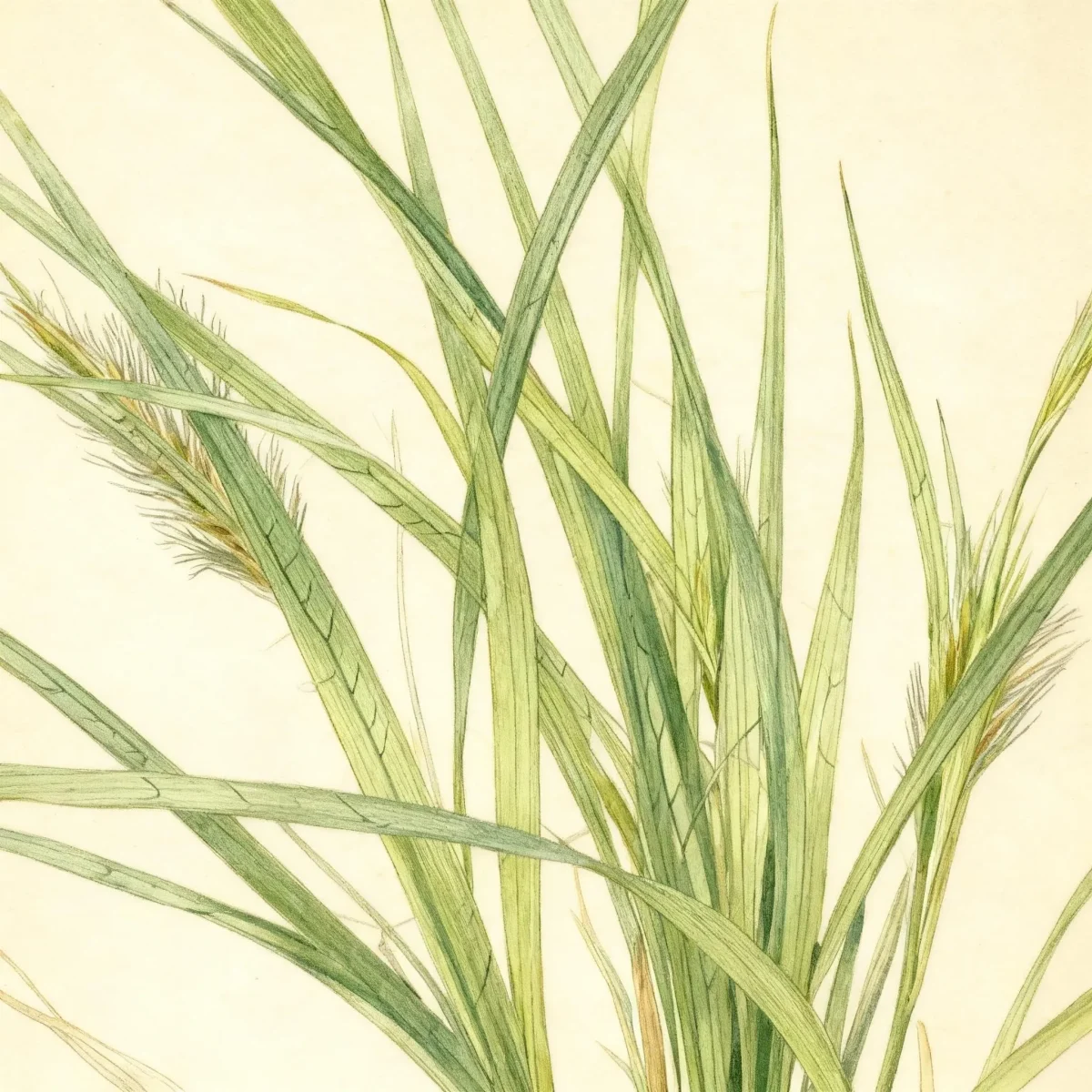
Juncus ‘Blue Dart’ is a highly valued Rush cultivar known for its striking, linear foliage that displays an attractive blue to blue-green hue. This grass-like perennial brings unique texture and color to garden spaces, particularly where consistent moisture is present. The genus Juncus encompasses hundreds of species worldwide, usually populating wet habitats.
A key benefit of planting Juncus ‘Blue Dart’ is its adaptability to challenging, wet soil conditions where many traditional ornamentals fail. While it prefers consistent moisture, it is surprisingly tolerant of even slightly drier soils once established. Its structure makes it an excellent vertical element.
This Rush offers low maintenance once successfully integrated into the landscape, slowly increasing its presence via creeping rhizomes. For gardeners seeking structure, year-round interest, or solutions for erosion control near water features, Juncus ‘Blue Dart’ presents a reliable, aesthetically pleasing option.
Fast Facts
- Plant Family: Juncaceae
- Plant Type: Rush or Sedge
- Hardiness Zones: USDA Zones 2-9
- Size at Maturity:
- Height: 1-1.5 ft
- Spread: 0.75-1 ft
- Bloom Time: May to September
- Bloom Description: Green
- Sun Exposure: Full sun to part shade
- Water Needs: Medium to wet
- Maintenance Level: Low
How to Grow
For optimal performance, plant Juncus ‘Blue Dart’ in the spring after the threat of hard frost has passed. It thrives best in full sun, which enhances the blue tones of the foliage, though it tolerates light shade. Ensure the planting location consistently provides moist to wet soils; this Rush tolerates heavy clay soils well, which aids in its use near ponds or in rain gardens.
Watering should focus on keeping the soil consistently moist, especially during establishment. While it needs ample moisture, it can handle short periods of less saturation. Fertilization is rarely necessary for this vigorous plant, as performance in marginal soils is often best with minimal amendment.
If spreading becomes too vigorous, propagation can be achieved by dividing the clumps in early spring before new growth accelerates. Be aware that established plants may promote self-seeding under ideal, very moist cultural conditions. Minimal pruning is required; generally, remove old, dead foliage during early spring cleanup.
Landscape Uses
The ornamental appeal of Juncus ‘Blue Dart’ centers on its sharp, upright, blue foliage, making it an excellent structural accent. It fills a vital role in pond and stream margins, lending a naturalized look to water features. Its tolerance for wet environments also makes it a perfect candidate for rain gardens, acting as a functional component in managing stormwater runoff.
Beyond aquatic settings, this Rush works effectively as ground cover, slowly knitting together areas that receive consistent moisture. Its dense, vertical habit also provides an interesting contrast when paired with broader-leaved perennials or used as a vertical element in combination containers, sometimes substituting for Dracaena when grown potted above ground level.
Consider pairing this Rush with other moisture-loving plants like Siberian Iris or Astilbe, ensuring the overall design complements the vertical rhythm of the Juncus ‘Blue Dart’. Its ability to manage erosion in damp areas further increases its practical value across the landscape.
Standout Features
Noteworthy Characteristics
Juncus is a genus of 300 species of grass-like plants that are found throughout the world occurring mostly in wet habitats in colder climates. The genus name means rush. ‘Blue Dart’ features attractive, linear, blue to blue-green foliage. It is sometimes used in containers as an alternative to Dracaena, though industry naming can be confused between cultivars of Juncus inflexus and Juncus tenuis.
Tolerances
- Erosion
- Clay Soil
- Wet Soil
Potential Problems
This Rush generally exhibits excellent resistance to pests and diseases, meaning gardeners face no serious insect or disease problems under normal conditions. Focus management efforts primarily on ensuring adequate moisture is supplied, as drought stress can compromise plant vigor more than any pest.
Frequently Asked Questions
What hardiness zones is Rush suitable for?
Juncus ‘Blue Dart’ is highly adaptable, suitable for USDA Zones 2 through 9.
How large does Juncus ‘Blue Dart’ grow?
It typically reaches a mature height between 1 and 1.5 feet tall, with a spread of about 0.75 to 1 foot wide.
What sun exposure does Juncus ‘Blue Dart’ need?
This plant performs best planted in full sun but can tolerate partial shade; full sun maximizes the desirable blue coloration of the foliage.
When does Rush bloom?
The bloom time for this Rush is relatively long, spanning from May through September, with the flowers generally described as green.
Conclusion
Juncus ‘Blue Dart’ offers exceptional textural contrast and reliable color, particularly for moist or borderline wet garden areas. Its low maintenance needs and ability to establish well in heavy soils make this Rush a highly pragmatic choice for landscape architects and home gardeners alike. Assess your site’s moisture levels and plan your planting during spring for the best results with this excellent blue-foliaged variety.
Companion Planting
Selecting appropriate neighbors is key when using Juncus ‘Blue Dart’ near water features or bog gardens. Look for plants that share a similar need for consistent moisture to maximize uniformity in your planting area. Excellent companions include Caltha palustris (Marsh Marigold) for early spring color, or taller, wetter-loving perennials like certain varieties of Iris or Sessile Sedges (Carex species).
Avoid placing the Rush next to drought-tolerant Mediterranean herbs or succulents, as the increased watering required by Juncus ‘Blue Dart’ will quickly harm those dryer-loving companions. The blue-green vertical lines of this Rush also pair nicely with contrasting broad leaves, such as Hosta varieties adapted to damp shade, provided the Hosta receives enough consistent water.
Propagation Tips
The primary method for multiplying Juncus ‘Blue Dart’ is through division, a simple technique best performed in early spring. Wait until the crown just begins to show new growth before digging up the established clump. Using a clean, sharp spade or hand trowel, divide the mass into smaller sections, ensuring each new piece has adequate roots and shoots attached.
These divisions can be replanted immediately into prepared, moist soil. Given its spreading nature via rhizomes, division is often necessary every few years to keep the clumps contained and maintain optimal vigor for the Rush. While it may self-seed, division ensures you retain the desirable cultivar characteristics of Juncus ‘Blue Dart’.