Wild petunia (Ruellia strepens)
Discover the low-maintenance beauty of Ruellia strepens, the Wild petunia, offering lilac blooms from May through September.
Scroll down to discover growing tips, care requirements, companion plants, and more
Complete Plant Information
Overview
The Wild petunia, scientifically known as Ruellia strepens, is a valuable addition for gardeners seeking reliable, long-blooming color in shaded areas. This herbaceous perennial quickly establishes into a clump-forming presence, providing visual interest throughout the hottest months when many other spring bloomers fade. Its aesthetic contribution comes from distinctive, petunia-like flowers splashed across the foliage in soft lilac and lavender hues.
Ruellia strepens is generally celebrated for its ease of care and adaptability to less-than-ideal light conditions. Native to regions spanning from New Jersey westward to Texas, this plant thrives best when provided with consistently moist, yet well-drained soil. Gardeners will appreciate the low maintenance associated with this species, allowing it to function effectively as soft filler in woodland settings or borders.
For those dedicated to cultivating structurally sound and ecologically beneficial landscapes, the Wild petunia offers a dependable native solution. Its consistent presence from late spring through early autumn ensures continuous texture and color, making Ruellia strepens a quiet workhorse in layered shade gardens.
Fast Facts
- Plant Family: Acanthaceae
- Plant Type: Herbaceous perennial
- Native Range: New Jersey to Texas and Georgia
- Hardiness Zones: USDA Zones 5-8
- Size at Maturity:
- Height: 1-3 ft
- Spread: 1-1.5 ft
- Bloom Time: May to September
- Bloom Description: Lilac to lavender
- Sun Exposure: Part shade
- Water Needs: Medium
- Maintenance Level: Low
How to Grow
The best time to establish Ruellia strepens is in the spring after the threat of frost has passed, ensuring the soil has been amended prior to planting. Site selection is crucial; the Wild petunia performs best in organically rich, well-drained soils. While it prefers part shade, this species is relatively tolerant and can handle situations leaning towards full shade, though bloom production might be slightly reduced in deepest shade.
Once established, Ruellia strepens requires medium water—aim for consistency, especially during dry spells, to keep the soil evenly moist but never waterlogged. Fertilization is usually unnecessary if the soil is organically rich, as over-fertilizing can lead to floppy, excessive green growth at the expense of flowers. Deadheading spent blooms is generally not required for reblooming, contributing to its low maintenance profile.
Minimal pruning is needed for this plant. A simple cutback of the foliage in very early spring before new growth emerges is sufficient to tidy up old stems. Monitor moisture levels through the summer, as inconsistent watering can stress the plant, especially in hotter climates within its range (Zones 7 and 8).
Landscape Uses
The recommendations for Ruellia strepens center heavily around creating naturalistic plantings, particularly in woodland garden designs. Because it prefers part shade and moist conditions, it pairs beautifully beneath the dappled canopy of deciduous trees or along shaded borders where sunlight is filtered. It works effectively as a mid-layer plant, filling the space between groundcovers and taller shrubs.
Consider using the Wild petunia to soften the hard lines of paths or patios in shady areas. Its 1 to 3-foot stature allows it to serve as an informal edge plant rather than a formal hedge. This plant is an excellent choice for native plant gardens focused on regional ecology, offering seasonal interest without demanding intensive cultural inputs.
Companion planting should focus on other shade-loving perennials that thrive in similar soil types. Think of ferns whose texture contrasts well with the softer leaves of Ruellia strepens, or hostas and bleeding hearts that offer spring structure before the Wild petunia reaches its full summer stride.
Standout Features
Flower Qualities
- Showy
Noteworthy Characteristics
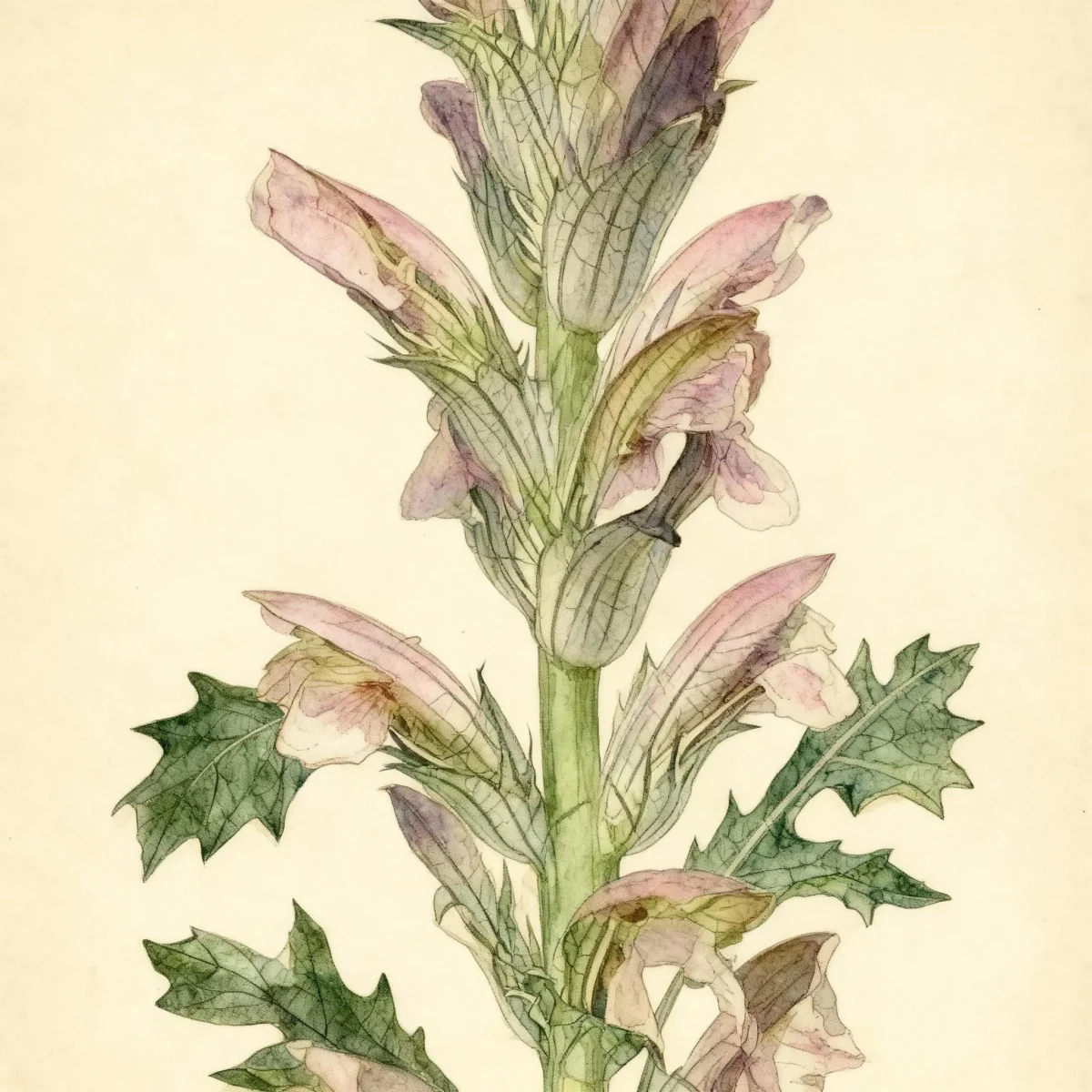
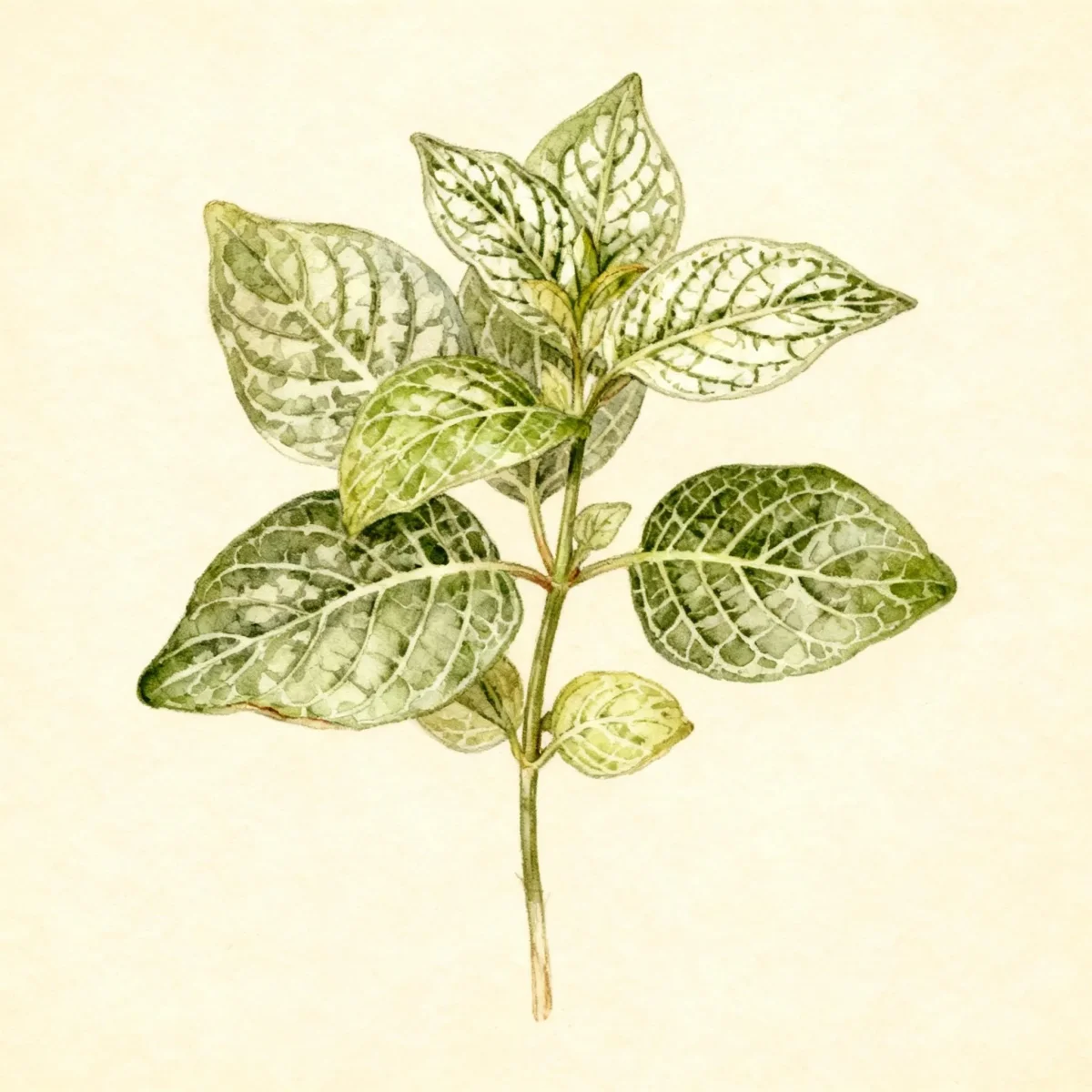
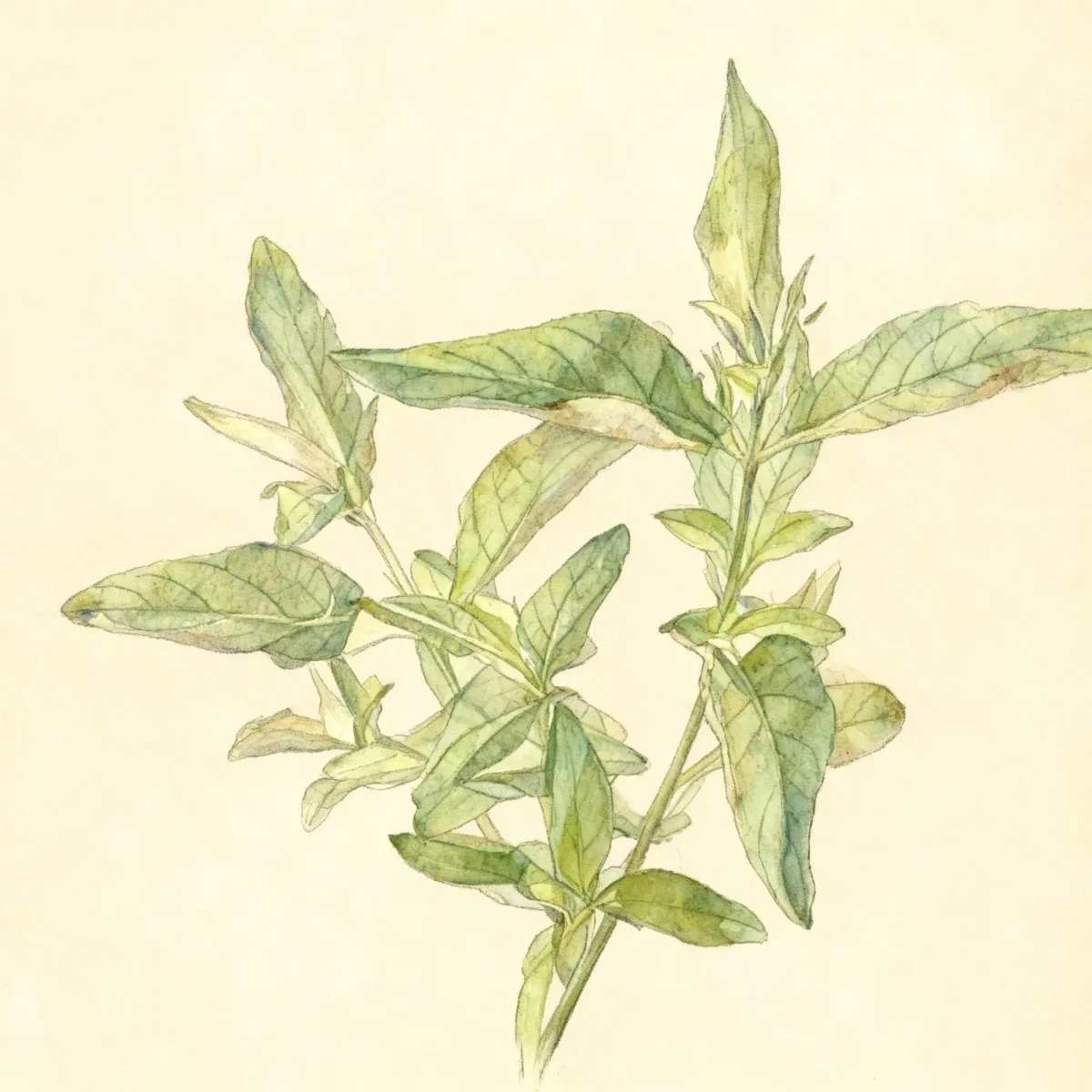
Ruellia strepens, commonly called wild petunia or smooth ruellia, is native to Missouri where it typically occurs in rich open woods, thickets and borders of streams and ponds throughout the State. It is a glabrous (without hairs) to sparingly hairy clump-forming perennial that grows 1-3’ tall. Features pale lilac to lavender petunia-like flowers (to 2” long) with five flaring lobes. Flowers bloom in the leaf axils from May to September. Opposite oval leaves to 6” long.Genus name honors Jean de la Ruelle (1474-1537), French herbalist and physician to Francois I (1494-1547) who was king of France from 1515 until his death in 1547.Specific epithet means creaking or rattling.
Tolerances
There are no specific tolerance details recorded in the provided data structure.
Potential Problems
Gardeners should be reassured that Ruellia strepens rarely encounters serious insect or disease problems, making it an inherently robust choice for perennial beds. Its low maintenance profile means fewer chemical interventions are typically required.
The primary management concern relates to ensuring proper soil drainage. If planted in heavy clay that retains too much water, root rot can become an issue, though this is preventable by amending the soil with organic matter before planting. Providing the appropriate part shade location also minimizes stress that might invite secondary pest issues.
Frequently Asked Questions
What hardiness zones is Wild petunia suitable for?
Ruellia strepens is well-suited for cultivation within USDA Hardiness Zones 5 through 8.
How large does Ruellia strepens grow?
This perennial typically matures to a height between 1 and 3 feet, with a spread ranging from 1 to 1.5 feet wide.
What sun exposure does Wild petunia need?
The ideal placement for Ruellia strepens is in part shade, although it has the resilience to handle conditions closer to full shade.
When does Wild petunia bloom?
The blooming period for the Wild petunia is extensive, covering May to September, and the flowers display a lovely lilac to lavender coloration.
Conclusion
The Ruellia strepens, or Wild petunia, offers gardeners a highly reliable, low-effort solution for consistently coloring shaded garden spaces between late spring and early fall. Its native adaptation and tolerance for rich, moist soils reduce cultural demands significantly. Before planting, ensure your location falls within USDA Zones 5-8 and has the suitable part shade exposure to maximize the continuous display of lilac flowers from your new Ruellia strepens.
Companion Planting
Selecting suitable neighbors enhances the beauty and health of your Ruellia strepens groupings. Because the Wild petunia thrives in part shade and requires medium moisture, focus on companions that share these needs. Astilbe varieties are excellent partners, offering feathery plumes that contrast beautifully with the flatter, petunia-like flowers of the Ruellia strepens.
Shade-tolerant groundcovers can also be integrated around the base to suppress any opportunistic weeds and maintain consistent soil moisture. Try using Tiarella (Foamflower) or creeping Jenny, provided the latter is kept confined, allowing both plants to benefit from the slightly cooler, dappled light environment they prefer.
When designing woodland borders, consider pairing this perennial with taller, fine-textured plants like Japanese painted ferns or taller Hosta cultivars. This creates a layered effect, where the solid mid-height presence of the Wild petunia anchors the planting arrangement beautifully.
Wildlife Benefits
While not explicitly listed as a major pollinator attractor, native species like Ruellia strepens inherently provide value to local ecosystems simply by being present. The flowers, blooming through the summer, likely offer nectar sources for native bees and specific butterfly species active during the high summer months.
Furthermore, as a clump-forming perennial native to open woods and thickets, the dense foliage of the Wild petunia offers necessary low-level cover for small ground-dwelling insects and beneficial arthropods throughout the growing season. Creating habitat through native plantings is a cornerstone of environmentally conscious gardening.
By successfully growing native Ruellia strepens in your landscape, you are contributing to regional biodiversity by supporting the local food web with appropriately adapted flora. Evaluate its placement near host plants for caterpillars or flowering species that bloom sequentially with the Wild petunia for continuous wildlife support.