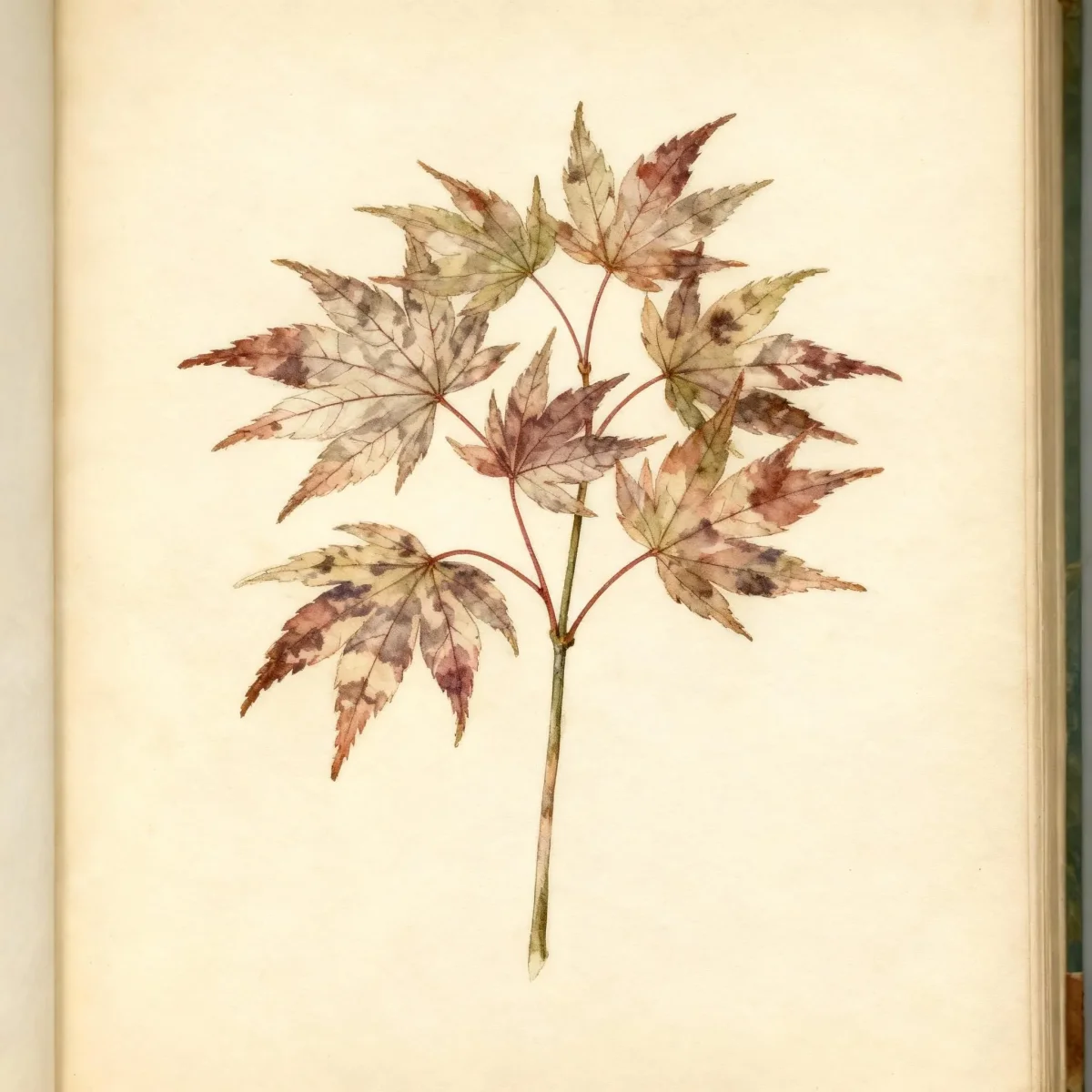
Montpellier maple (Acer monspessulanum)
The Montpellier maple (Acer monspessulanum) is a tough, low-maintenance small tree ideal for urban settings, offering dense branching and drought tolerance.
Scroll down to discover growing tips, care requirements, companion plants, and more
Complete Plant Information
Overview
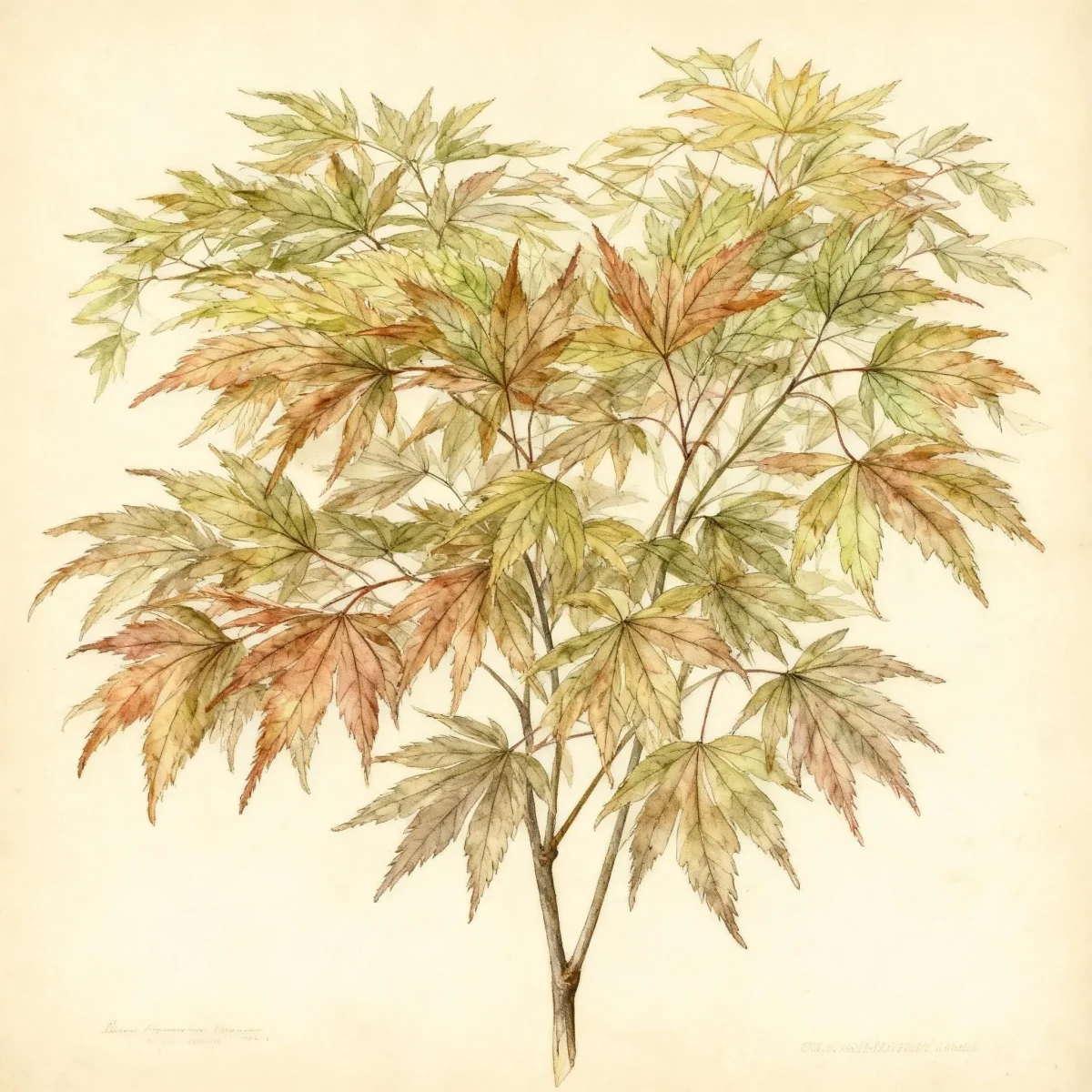
The Montpellier maple (Acer monspessulanum) stands out as a highly valuable, resilient tree suitable for challenging landscape sites. Classified as a small, rounded, densely branched tree or large shrub, it brings Mediterranean hardiness into temperate gardens. Gardeners appreciate its manageable size, typically reaching 18 to 30 feet tall and wide, making it less overwhelming than many other maple species.
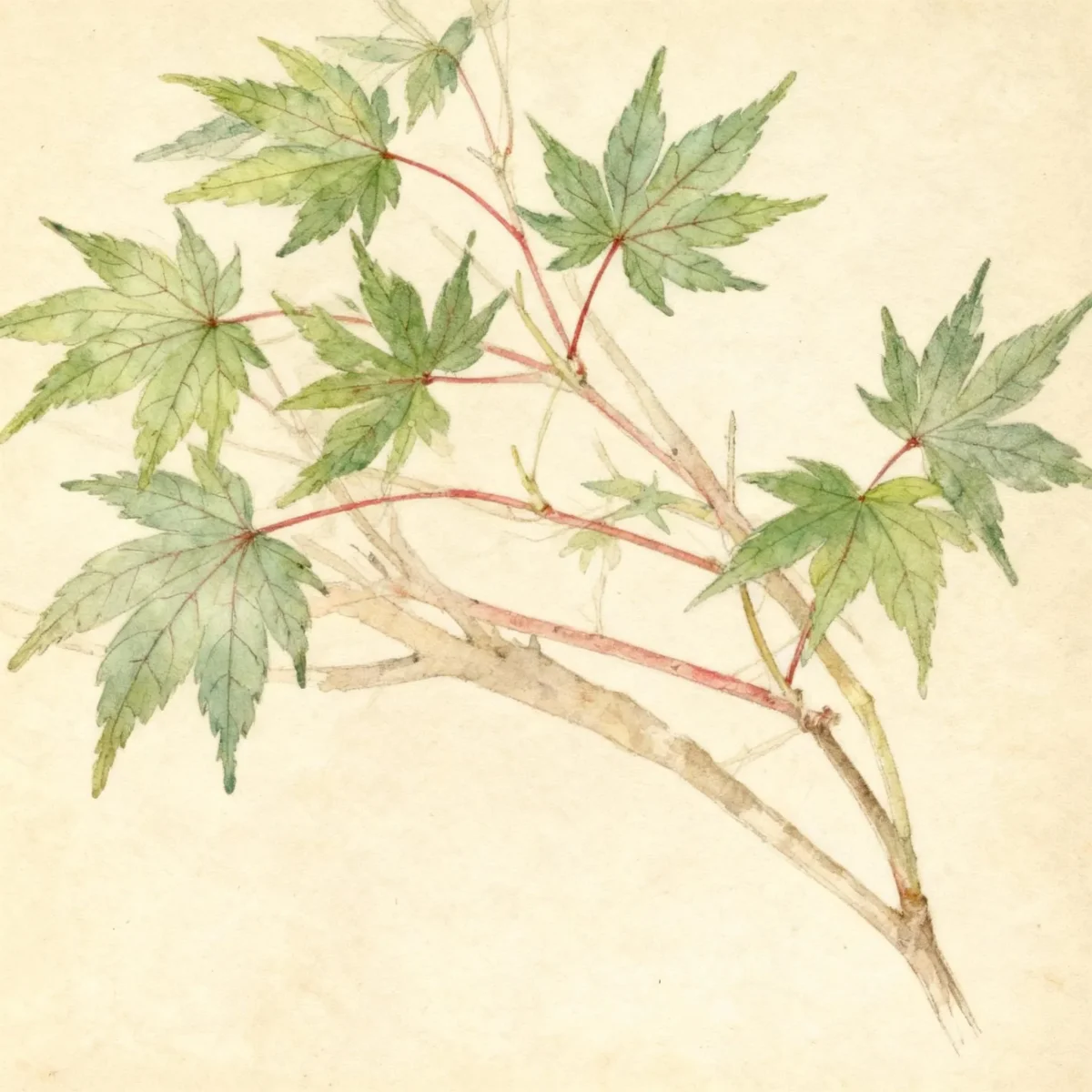
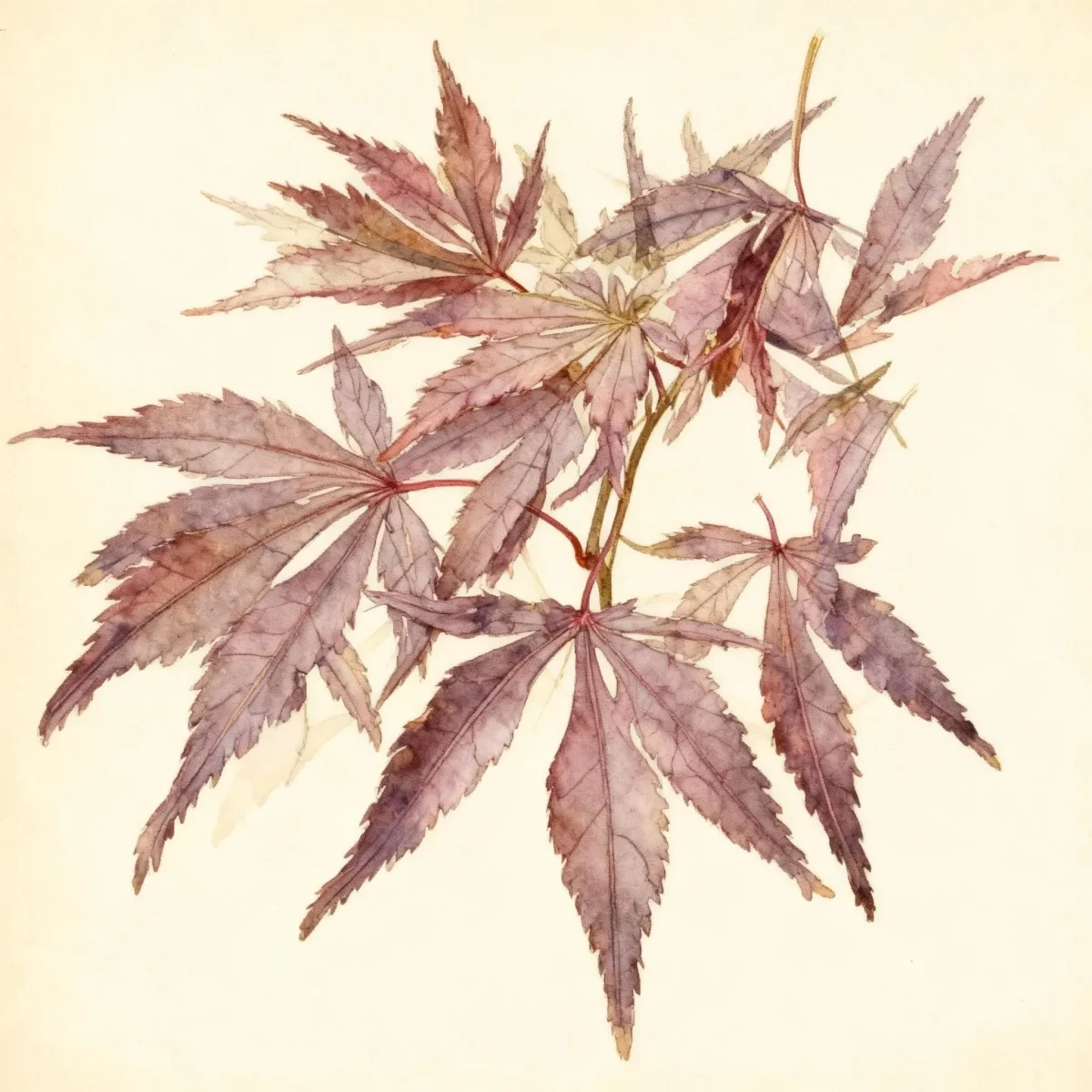
Native to wider regions spanning from Northern Africa across western Asia into Europe, the Acer monspessulanum offers excellent tolerance for heat and periods of dry weather once established. Its smooth gray bark and small, leathery, three-lobed dark green leaves provide lasting visual appeal throughout the growing season. This species requires relatively low maintenance, rewarding the dedicated gardener with reliable structure and shade.
This species offers practical benefits, holding up remarkably well as a street tree where tougher conditions prevail. The Montpellier maple’s compact structure and dark foliage contrast nicely with lighter-colored architecture or deciduous companions. For landscapes seeking durability combined with classic maple form, the Acer monspessulanum is an excellent expert choice.
Fast Facts
- Plant Family: Sapindaceae
- Plant Type: Tree
- Native Range: Northern Africa, western Asia, Europe
- Hardiness Zones: USDA Zones 5-9
- Size at Maturity:
- Height: 18-30 ft
- Spread: 18-30 ft
- Bloom Time: May
- Bloom Description: Greenish-yellow
- Sun Exposure: Full sun to part shade
- Water Needs: Medium
- Maintenance Level: Low
How to Grow
Planting the Montpellier maple is best achieved in the early spring or fall when temperatures are moderate, allowing the root system to establish before summer stress. Select a location that offers fertile, moist but well-drained soils. While it tolerates some drought, consistent moisture is key for establishment. Full sun exposure promotes the densest growth, although it handles partial shade well.
Watering should be consistent during the first one or two growing seasons to encourage deep root development. After establishment, the Acer monspessulanum shows good drought tolerance, fitting into lower-water landscape designs. Generally, heavy fertilization is unnecessary for this resilient species; prune only to remove dead, damaged, or crossing branches to maintain its natural rounded habit.
Seasonal care for this maple is straightforward. Minimal cleanup is usually required in the fall compared to broad-leafed maples, as leaf drop occurs late where conditions permit. Its tolerance for heat and drought means specialized winter protection is rarely needed outside the coldest edges of Zone 5.
Landscape Uses
The tough constitution of the Montpellier maple makes it highly adaptable for functional roles in the landscape. It excels as a street tree due to its relatively compact canopy, tolerance for reflected heat, and superior drought hardiness compared to many ornamental trees. Furthermore, its dense branching lends itself well to use as a structural shade tree where space is somewhat limited.
Beyond municipal applications, the Acer monspessulanum is an attractive choice for smaller residential yards needing vertical interest without overwhelming scale. It is also popular in Europe as a bonsai subject, indicating its finely textured structure is appreciated even in miniature form. Consider grouping it with drought-tolerant shrubs that share its Mediterranean origins for cohesive, low-water planting schemes.
Standout Features
Flower Qualities
- Insignificant
Noteworthy Characteristics
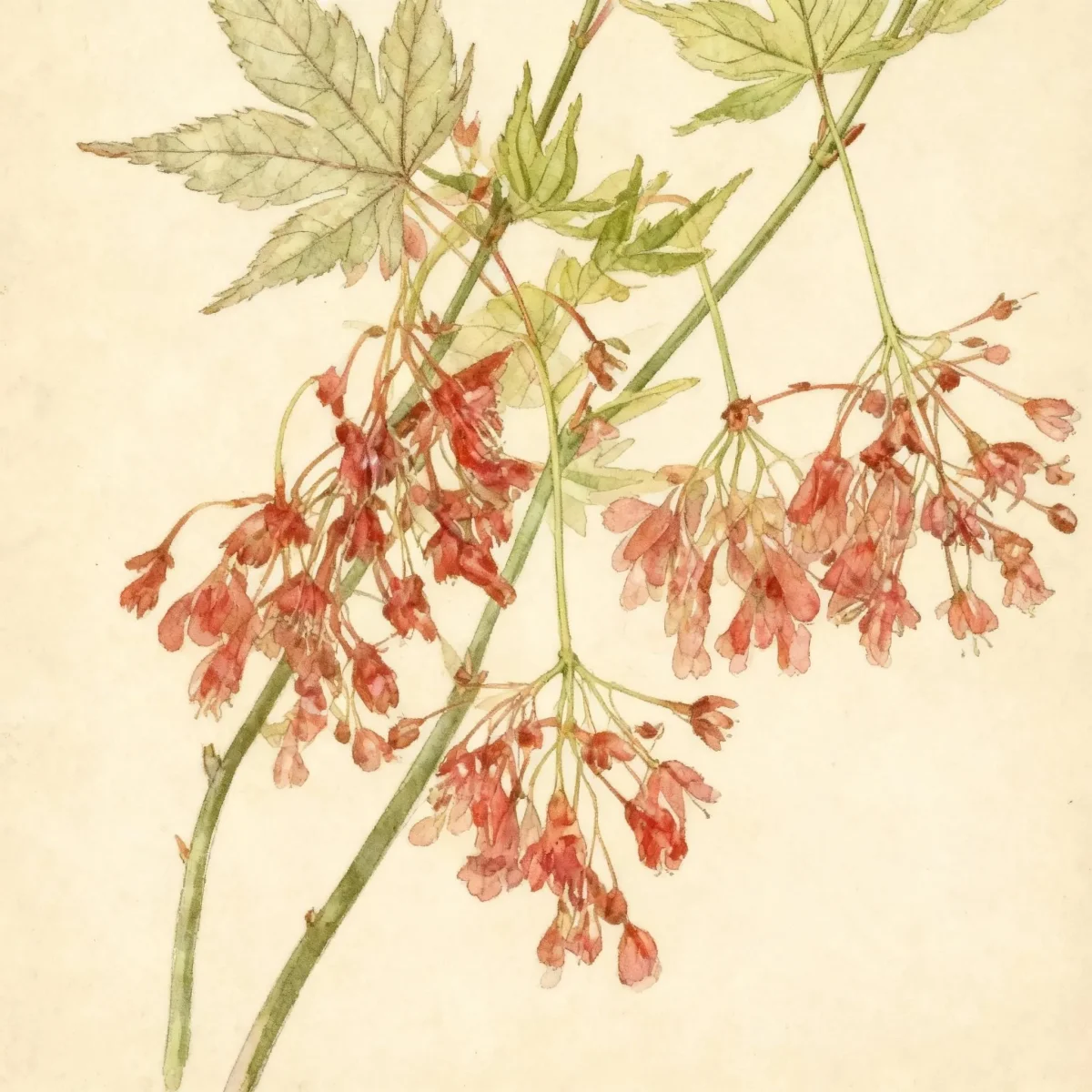
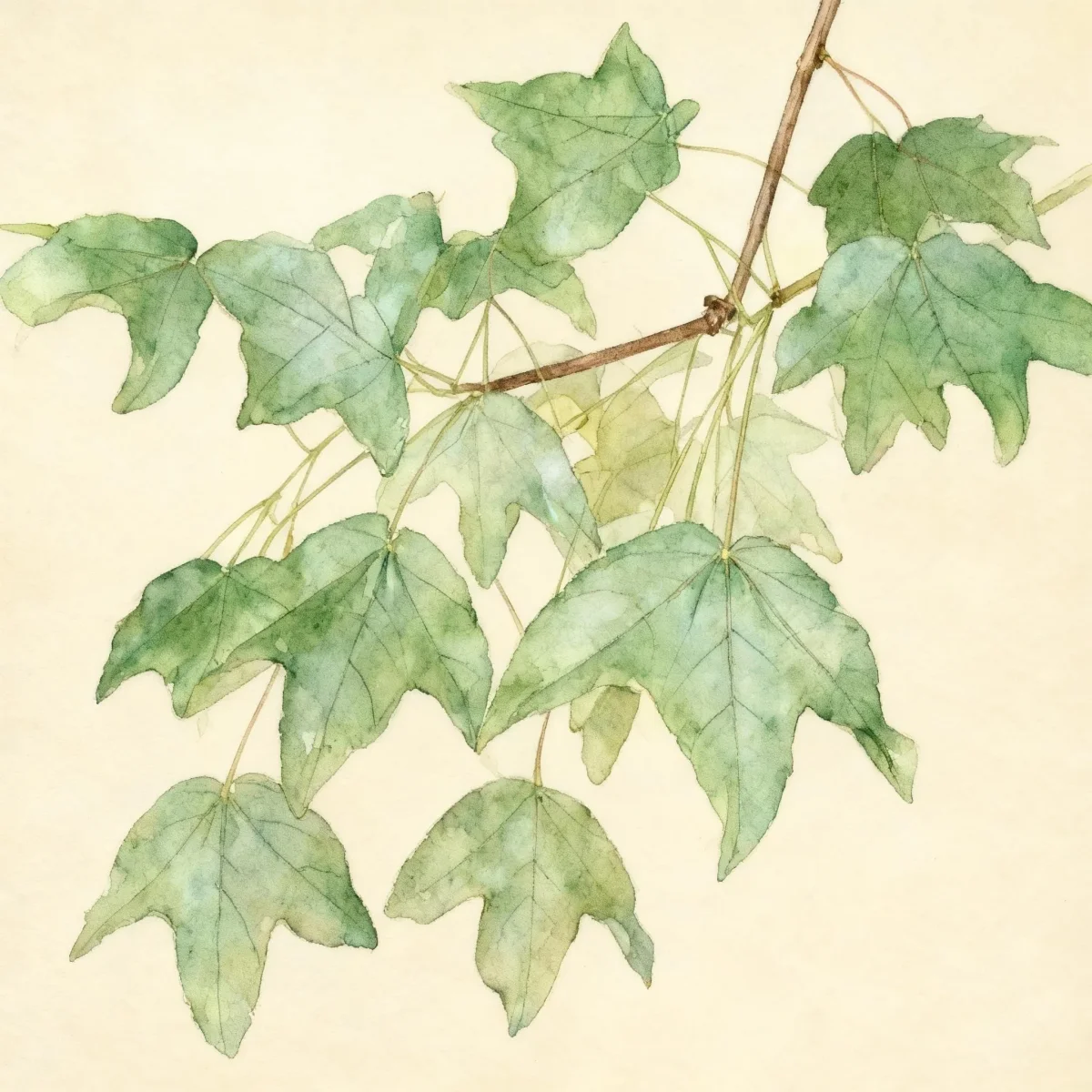
Acer monspessulanum commonly known as Montpellier (or Montpelier) maple is a small, rounded, densely branched tree or large shrub that typically grows to 18-30’ tall. It is native to the Mediterranean region edging up into France and Germany, providing distinct character compared to native North American maples. Small, leathery, three-lobed dark green leaves contrast with its smooth gray bark. Experienced growers note that the samaras have reddish wings that are connivent or overlapping, distinctly unlike the wide-spreading pairs found on the similar English maple.
Tolerances
- Drought
Potential Problems
The Montpellier maple is regarded highly because it exhibits virtually no serious insect or disease problems, which significantly lowers the maintenance burden for gardeners. This inherent resistance is a major advantage when selecting trees for difficult urban environments where stress often aggravates pest issues. Avoid overly wet soil conditions, as this is the primary cause of root stress in otherwise healthy specimens.
Frequently Asked Questions
What hardiness zones is Montpellier maple suitable for?
The Montpellier maple (Acer monspessulanum) is suitable for USDA Hardiness Zones 5 through 9, offering broad adaptability across diverse climates.
How large does Acer monspessulanum grow?
This species typically matures into a small tree, reaching mature heights between 18 and 30 feet, with an equivalent spread of 18 to 30 feet.
What sun exposure does Acer monspessulanum need?
It requires full sun to part shade. Providing full sun encourages the best overall growth habit, though it tolerates some afternoon shade.
When does Montpellier maple bloom?
The tree blooms in May, producing inconspicuous greenish-yellow flowers before developing its distinctive samaras.
Companion Planting
Selecting companions for the Montpellier maple should prioritize plants that thrive in similar conditions: well-drained soil, medium water needs, and openness to full sun exposure. Near the base, low-growing, highly drought-tolerant perennials such as lavender (Lavandula species) or rock rose (Cistus) create a beautiful, low-water Mediterranean aesthetic.
Since this maple is valued for its clean structure and low leaf litter (compared to some other maples), pair it with groundcovers that offer contrasting texture or seasonal flower color, such as creeping thyme (Thymus serpyllum). Ensure good air circulation between all plants, as crowded plantings can sometimes encourage minor fungal issues where humidity allows.
Seasonal Care Calendar
Spring is the ideal time to inspect your Acer monspessulanum for any winter damage and perform necessary structural pruning before the leaves fully emerge. Monitor soil moisture closely during the first summer, ensuring deep, infrequent waterings to promote drought resistance.
Summer care revolves around heat management; while established trees tolerate high temperatures, supplemental watering during extended dry spells benefits appearance and vigor. In autumn, appreciate the relatively late leaf drop, which requires less immediate yard cleanup than many deciduous shade trees.
Conclusion
The Montpellier maple (Acer monspessulanum) offers landscape architects and homeowners a tough, reliable, and visually pleasing small tree capable of handling heat and moderate dryness. Its smooth bark, dense structure, and low maintenance profile make it a superior choice for both street planting and defined garden spaces. Evaluate your local USDA hardiness zone compatibility and plan to plant your Acer monspessulanum during the cooler seasons for the best establishment results.