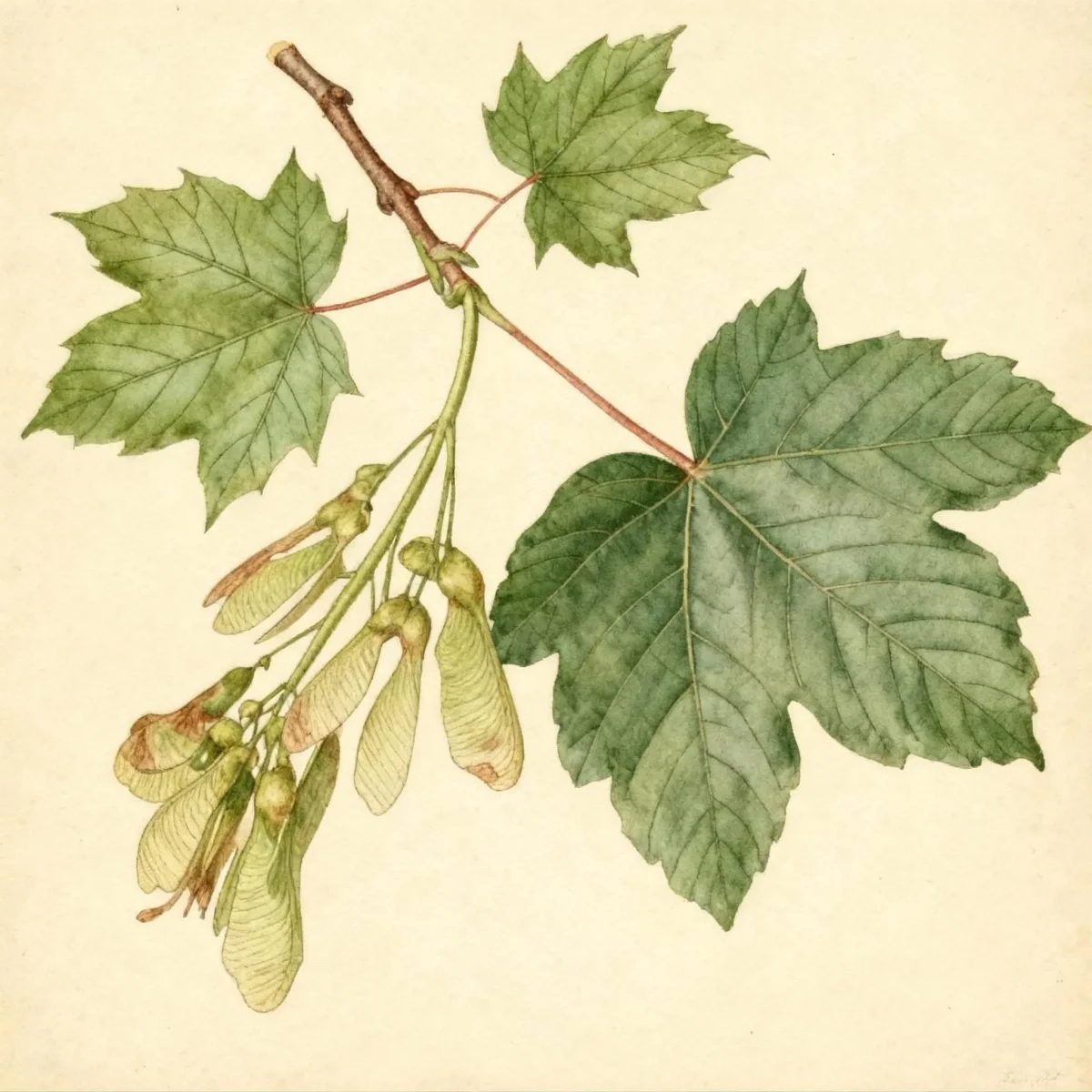
Sycamore maple (Acer pseudoplatanus)
The robust Sycamore maple (Acer pseudoplatanus) is a fast-growing European shade tree, vital for urban resilience and low maintenance.
Scroll down to discover growing tips, care requirements, companion plants, and more
Complete Plant Information
Overview
The Sycamore maple (Acer pseudoplatanus) is recognized for its substantial size and adaptability, making it a dependable choice for large-scale landscape applications. As a deciduous tree native to Europe and Western Asia, this species offers dense coverage suitable for buffering urban environments where many ornamentals struggle. Gardeners choosing Acer pseudoplatanus prioritize rapid growth and resilience over flashy seasonal color.
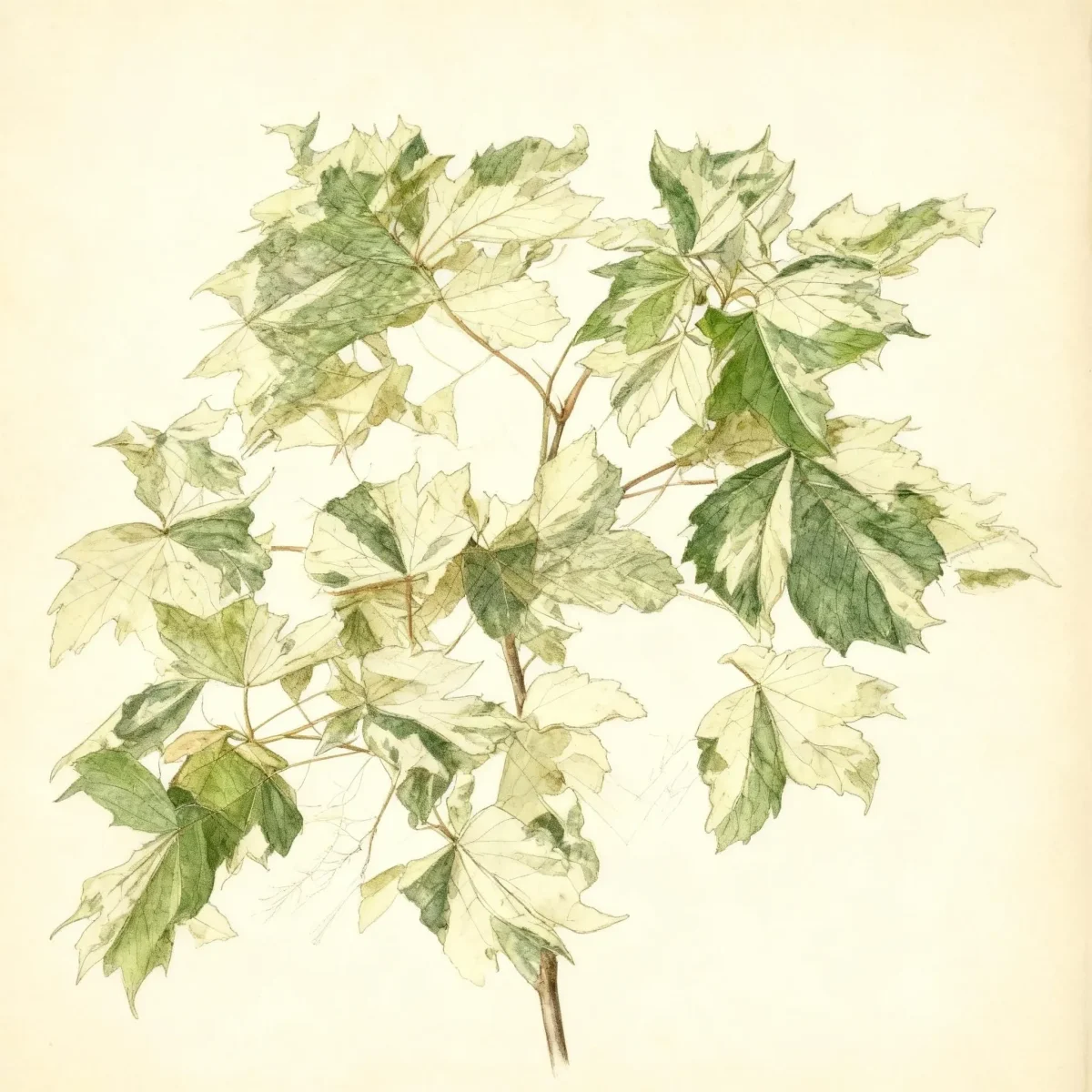
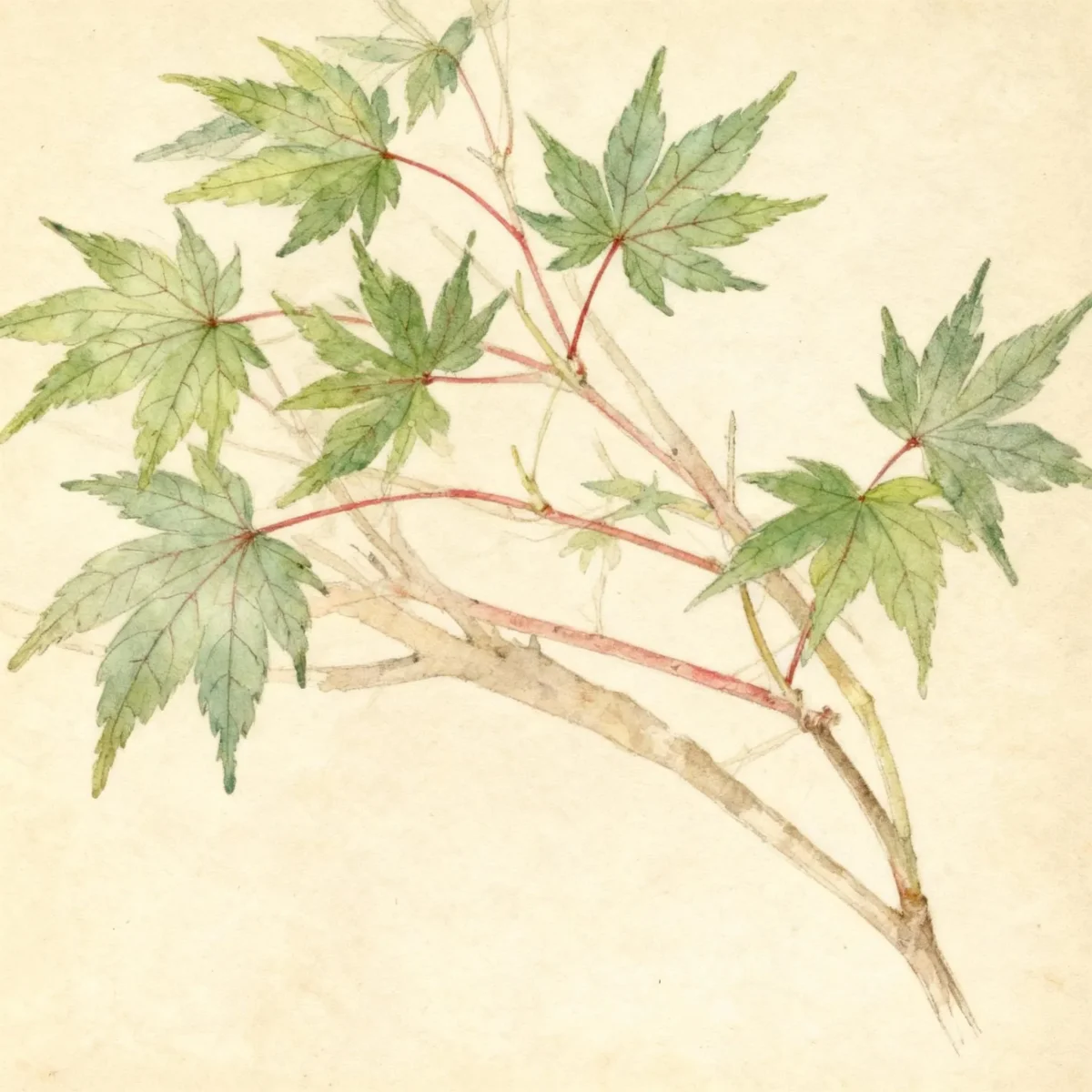
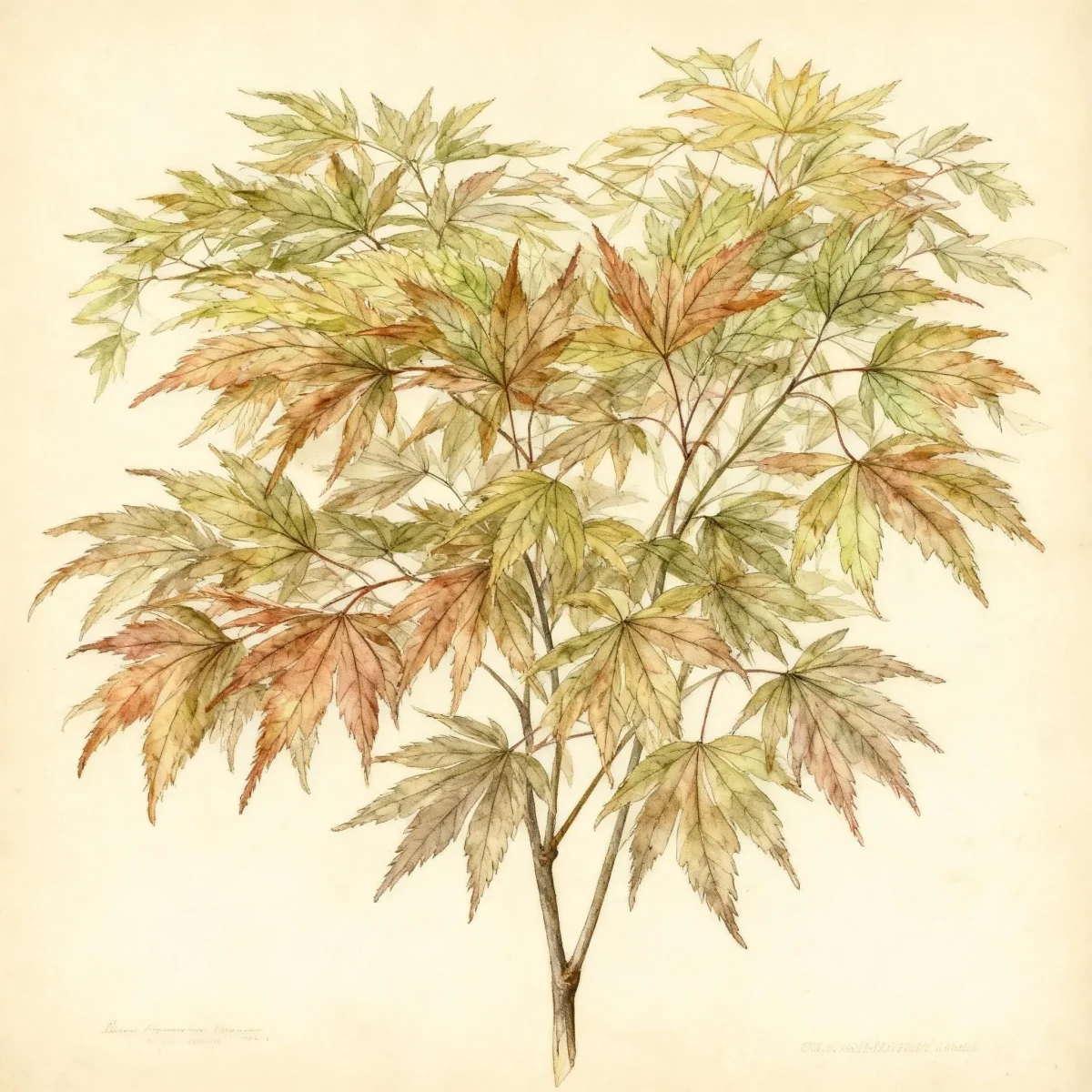
This robust specimen readily achieves heights between 40 and 60 feet, developing a rounded, spreading canopy that provides significant shade. The leaves are large, coarsely textured, and dark green, offering a consistent look throughout the summer growing season. While the Sycamore maple is valued for its constitution, it is important to note that the leaves typically offer little significant fall interest.
Despite not being favored for high ornamental value, Acer pseudoplatanus excels functionally. Its tolerance for road salt and typical urban air pollutants ensures its survival in challenging roadside plantings. For those seeking a low-maintenance, highly durable shade producer, the Sycamore maple presents a straightforward, powerful solution.
Fast Facts
- Plant Family: Sapindaceae
- Plant Type: Tree
- Native Range: Northwest to central Europe, Italy, Western Asia
- Hardiness Zones: USDA Zones 4-7
- Size at Maturity:
- Height: 40-60 ft
- Spread: 40-60 ft
- Bloom Time: May
- Bloom Description: Yellow green
- Sun Exposure: Full sun to part shade
- Water Needs: Medium
- Maintenance Level: Low
How to Grow
The Sycamore maple thrives when planted in average, medium-moisture, well-drained soil. Establish younger Acer pseudoplatanus during the cooler periods of early spring or fall to encourage root development before summer heat arrives. It adapts well to various soil types, reflecting its inherent hardiness.
Once established, this tree requires a medium amount of water, tolerating short periods of drought gracefully. Due to its low maintenance requirements, routine fertilizer application is usually unnecessary unless the soil is severely depleted. Structural pruning should focus on removing crossing or damaged limbs, as this species does not require heavy shaping for aesthetic effect.
A significant advantage of growing Acer pseudoplatanus is its broad tolerance profile. It handles exposure to salt spray excellently, making it a staple along eastern coastlines. Gardeners in the Deep South (below USDA Zone 7) should approach planting with caution, as the species prefers cooler summer climates to truly flourish.
Landscape Uses
The primary role for Acer pseudoplatanus in the landscape is serving as a substantial shade tree or a resilient street tree, where durability outweighs ornamental flash. Its broad, spreading habit creates an excellent canopy over large lawns or expansive paved areas requiring visual softening. The low maintenance requirement means minimal intervention once the Sycamore maple is sited properly.
Because its foliage is dense but lacks vibrant fall color or showy flowers, pair this tree with understory plantings or nearby specimens that offer seasonal contrast. Consider planting low-maintenance shrubs or perennials beneath the canopy that perform well in dappled shade, utilizing the filtered light cast by the mature leaves of the Acer pseudoplatanus. Its salt tolerance makes it highly effective near driveways or walkways treated with deicing agents.
Standout Features
Flower Qualities
- Insignificant
Noteworthy Characteristics
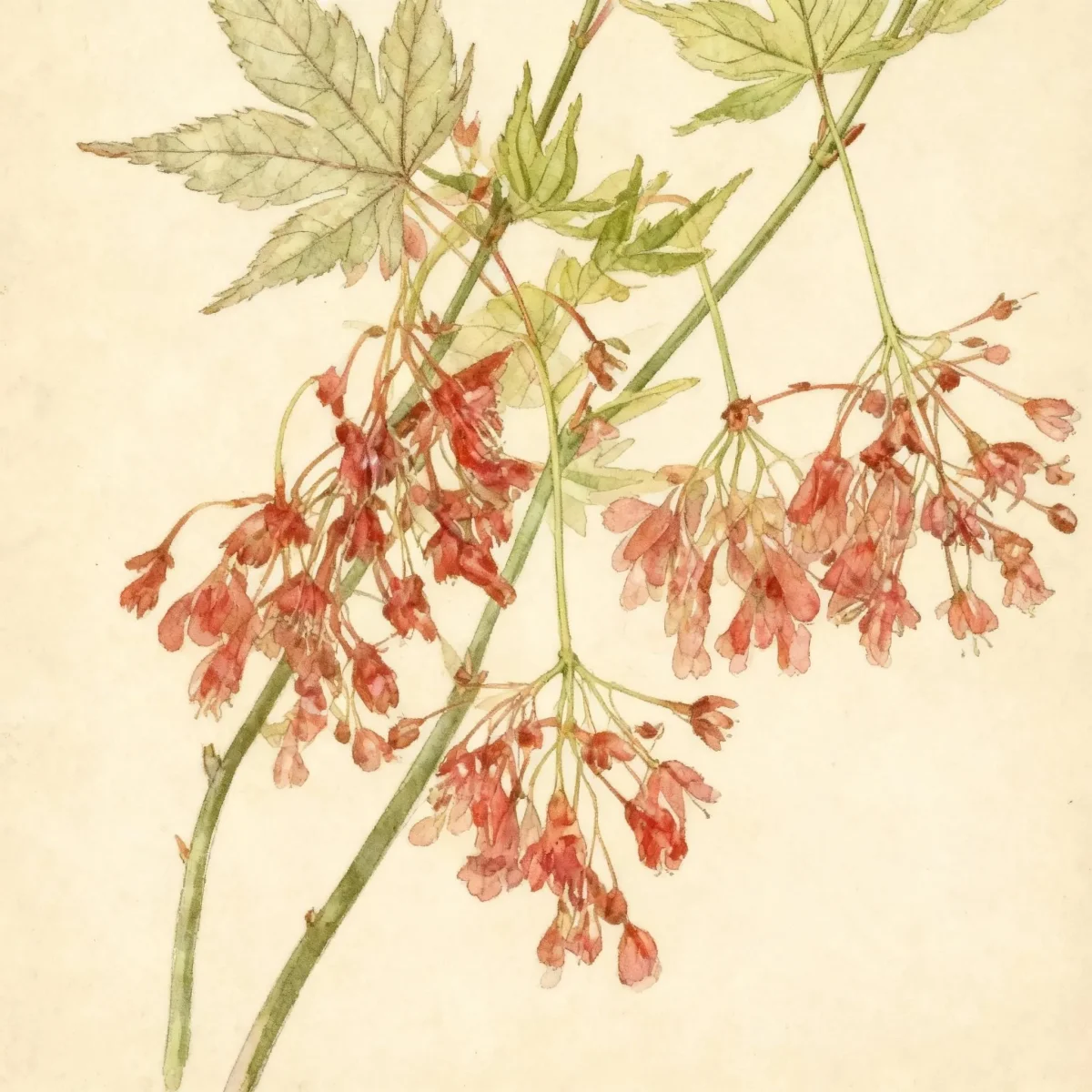
Acer pseudoplatanus, commonly called sycamore maple or planetree maple, is native to northwest/central Europe and western Asia. It is a rounded, spreading, deciduous tree that grows 40-60’ (less frequently to 100’) tall with large, leathery, dark green leaves. Flowers appear in yellow-green panicles in spring, followed by pairs of samaras that mature in early autumn, and mature bark flakes to reveal interesting inner orange coloration.
Tolerances
- Tolerant of a wide range of soils
- Tolerant of some drought
- Tolerant of salt
- Generally tolerant of many urban pollutants
Potential Problems
Acer pseudoplatanus is generally robust, suffering from few serious insect or disease complications during its long life span. However, canker stands out as the most significant potential disease threat that warrant scouting for. Cankers are typically characterized by sunken, dead areas on branches or the trunk, often caused by environmental stress or fungal pathogens entering existing wounds.
To mitigate canker risk, focus on maintaining excellent culture: avoid mechanical injury from lawnmowers or string trimmers, and ensure the tree is planted in well-drained soil. Promptly prune out any visibly infected or dead branches during dry weather to prevent pathogen spread, ensuring cuts are made back to healthy tissue.
Frequently Asked Questions
What hardiness zones is Sycamore maple suitable for?
The Sycamore maple (Acer pseudoplatanus) is suitable for USDA Hardiness Zones 4 through 7.
How large does Sycamore maple grow?
This species typically matures to a height between 40 and 60 feet, with a similar spread of 40 to 60 feet.
What sun exposure does Sycamore maple need?
Acer pseudoplatanus prefers full sun but tolerates partial shade well, making it adaptable to various site conditions.
When does Sycamore maple bloom?
The Sycamore maple blooms in May, producing small, yellow-green flowers that emerge just after the main foliage appears.
Conclusion
The Sycamore maple (Acer pseudoplatanus) proves its worth through exceptional durability and low maintenance needs, making it a utilitarian powerhouse for civic landscapes and large properties. When selecting this robust shade provider, confirm your planting site falls within USDA Zones 4 to 7 and plan for its eventual large stature. Incorporate this dependable tree where resilience is required over ornamental detail.
Companion Planting
Because the Sycamore maple establishes a wide, dense canopy, companion plants must tolerate partial to deep shade and competition from established surface roots. Consider planting shade-loving groundcovers such as Pachysandra (Japanese Spurge) or low-growing hostas near the drip line to suppress weeds and retain soil moisture. For spring color before the maple leafs out completely, bulbs like snowdrops (Galanthus) or spring snowflakes (Leucojum) are excellent choices as they finish their cycle before the tree’s shade becomes too deep.
Design Ideas for Urban Settings
Using Acer pseudoplatanus in urban environments capitalizes on its resistance to pollution and salt spray. When establishing these trees along rights-of-way or parking lots, ensure sufficient unpaved area to accommodate the 40 to 60-foot spread of the mature canopy. Use architectural, low-profile retaining elements or root barriers during construction to manage root spread near hardscaping, protecting sidewalks without stressing the tree itself. The flaking bark that reveals orange patches on mature specimens adds a subtle, year-round visual texture sometimes lacking in other street trees.