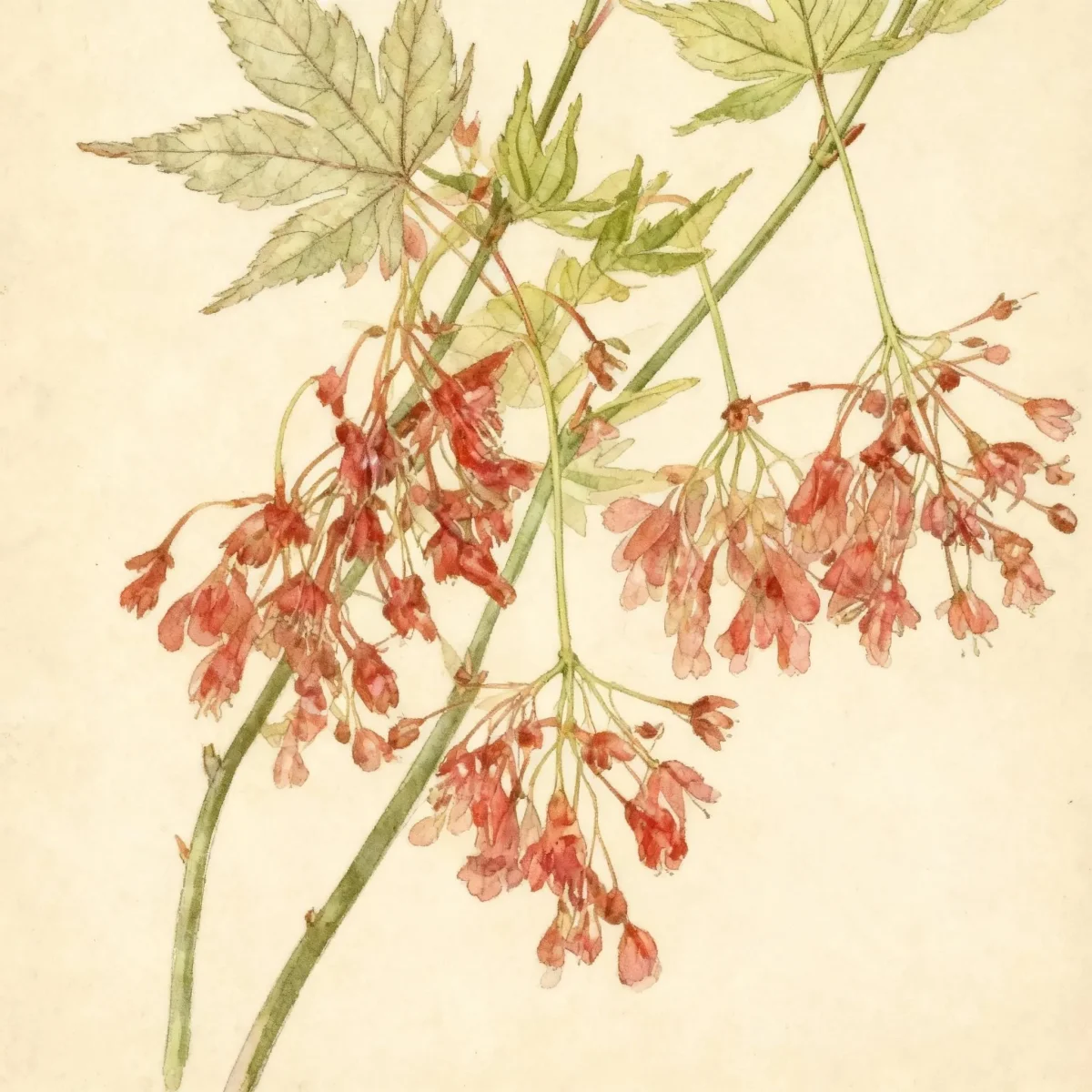
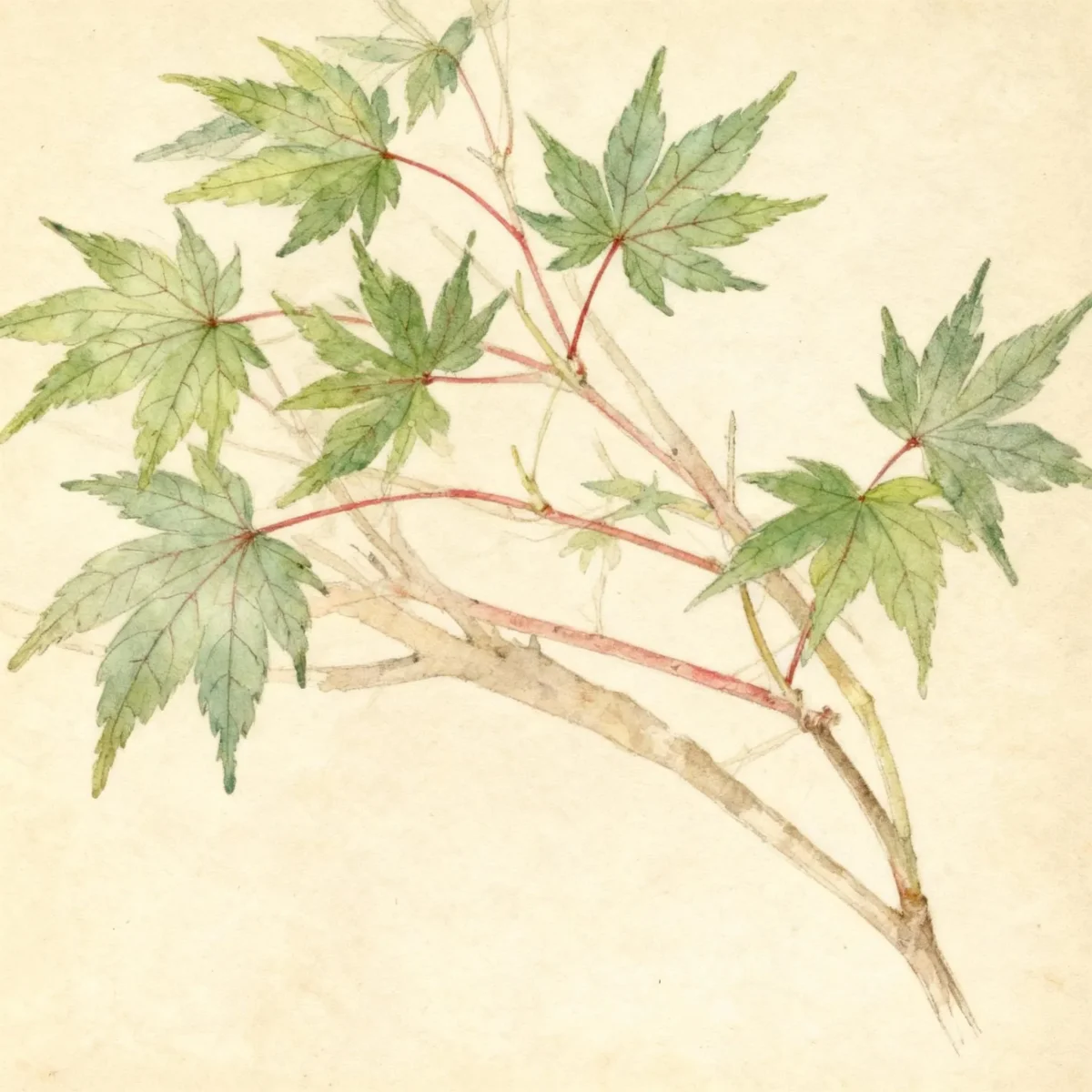
Maple (Acer pentaphyllum)
Discover Acer pentaphyllum, the rare, vase-shaped Maple native to China, perfect for Zone 7-9 landscapes.
Scroll down to discover growing tips, care requirements, companion plants, and more
Complete Plant Information
Overview
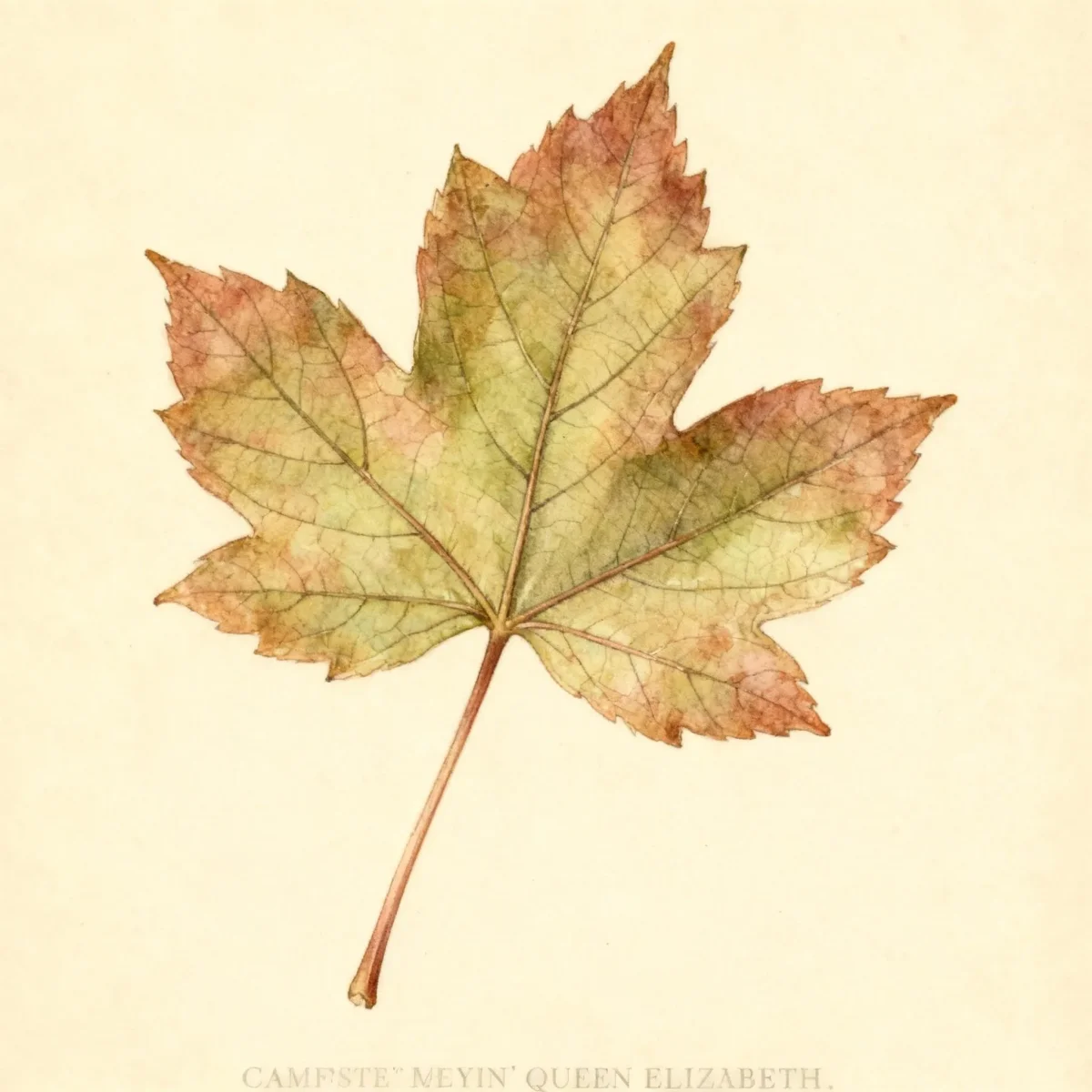
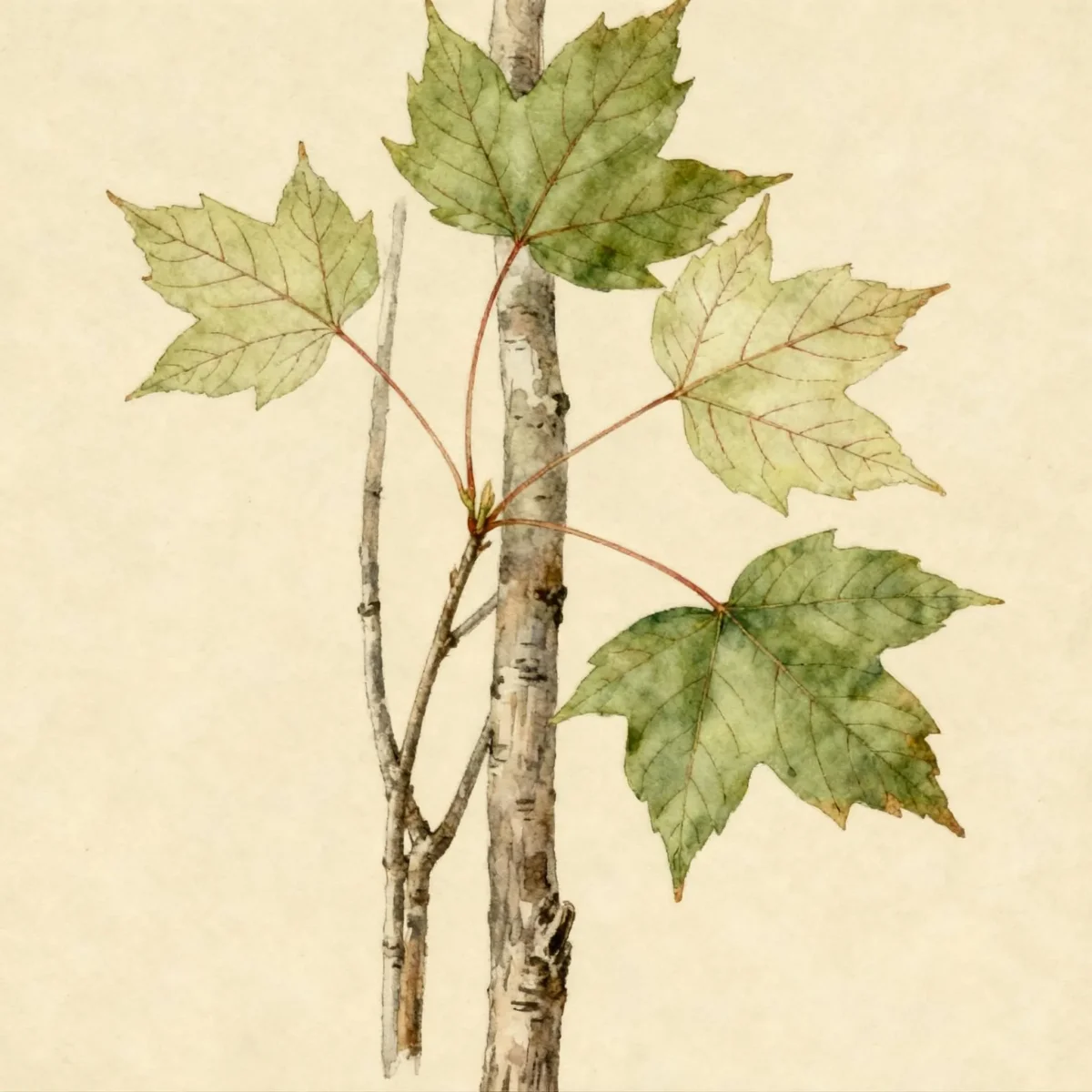
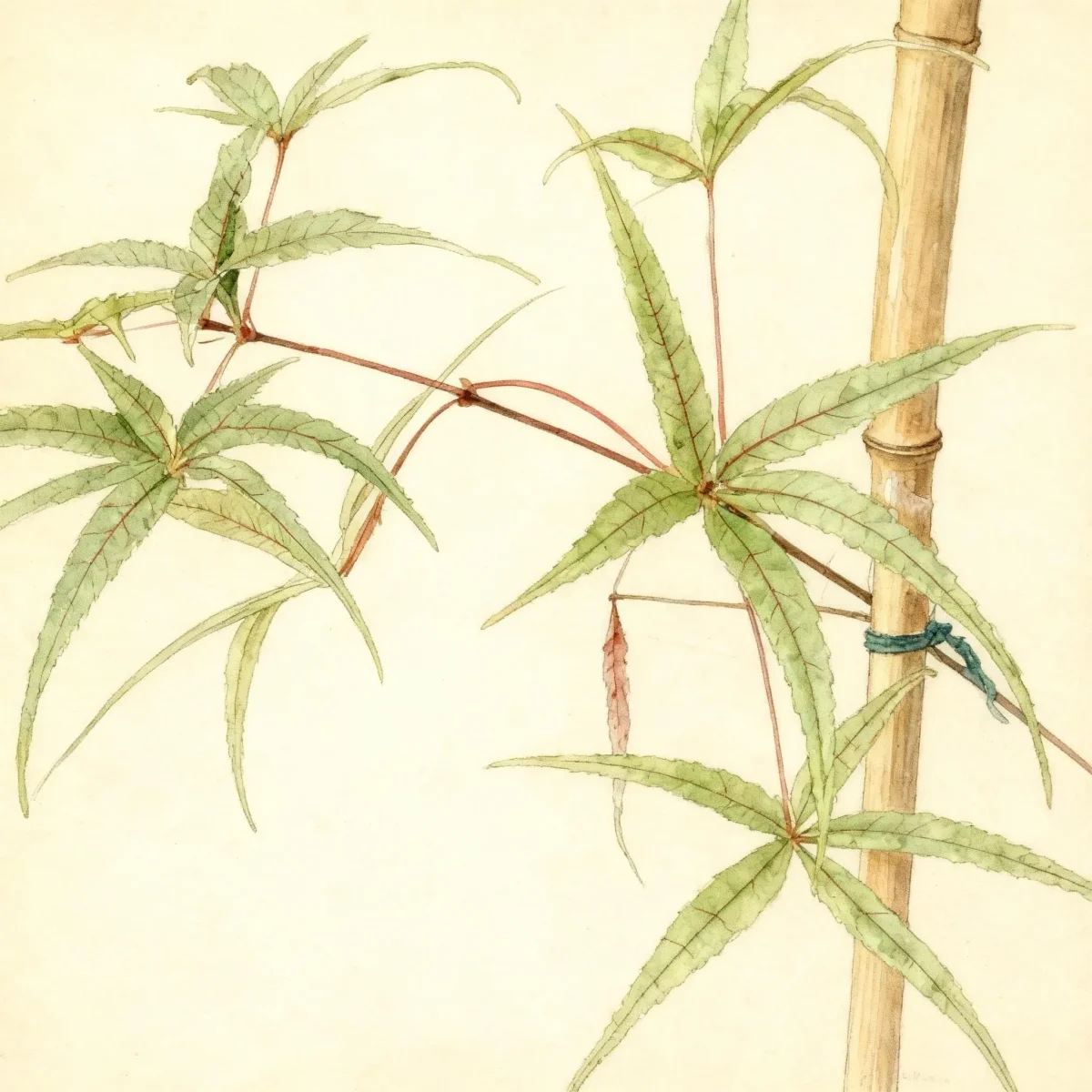
The Acer pentaphyllum, often known generally as Maple, presents a unique opportunity for specialized gardeners due to its critically endangered status in the wild. This small, deciduous tree often adopts a vase shape, maturing typically between 20 and 30 feet tall, though it may resemble a large shrub when young. Its most distinctive feature, the deeply divided, five-lobed leaves, lends it the common moniker of five-lobe Maple, though the foliage shape occasionally leads to the informal name “marijuana maple.”
Native only to specific, remote valleys in China, cultivating this Maple supports conservation efforts for this rare species. It offers subtle late-spring blooms followed by characteristic winged samaras. For those able to source this tree, Acer pentaphyllum provides excellent specimen interest, particularly noted for its unique leaf structure as its dark green foliage transitions through shades of yellow, orange, and red in autumn.
Growing this tree requires attention to its specific cultural needs, favoring cool, moist environments. While its maintenance level is generally low once established, providing the ideal soil structure and siting it correctly within USDA Zones 7 through 9 is key to success. Introducing the exceptional Acer pentaphyllum into your garden space provides a focal point of botanical rarity.
Fast Facts
- Plant Family: Sapindaceae
- Plant Type: Tree
- Native Range: China
- Hardiness Zones: USDA Zones 7-9
- Size at Maturity:
- Height: 20-30 ft
- Spread: 16-25 ft
- Bloom Time: April to May
- Sun Exposure: Full sun to part shade
- Water Needs: Medium
- Maintenance Level: Low
How to Grow
Planting Acer pentaphyllum is best achieved in spring after the danger of hard frost has passed, ensuring adequate room for its mature spread of up to 25 feet. This Maple thrives in cool, moist conditions, requiring acidic, well-drained soils for optimal health. Site selection should favor full sun exposure, though partial shade is tolerated, provided air circulation is good.
Establishment requires a medium watering regimen; ensure the soil remains consistently moist but never waterlogged. Given its sensitivity, if planting in borderline zones like 6a (as experienced in St. Louis), protection is crucial. Always site the Acer pentaphyllum away from harsh, drying winds and ensure a substantial layer of root mulch is applied to moderate soil temperature and retain moisture.
Maintenance for this tree is typically low once established. As an endangered species, avoid unnecessary pruning; pruning should only be done to remove crossing or dead branches. Monitor for signs of potential stress related to soil conditions, as improper drainage or pH levels can lead to difficulties.
Landscape Uses
Locating a true Chinese Maple, Acer pentaphyllum, in general commerce can be challenging, immediately elevating its status as a specimen plant. Where available, it excels as a singular focal point in smaller landscapes or contemporary gardens where its unusual foliage can be closely appreciated. Its delicate structure makes it suitable for woodland garden margins, where it can benefit from dappled sunlight filtering through taller trees.
Consider planting this Maple near structures or walkways where its unique silhouette and eventual fall color can be admired up close. Because it maintains a generally manageable size compared to larger landscape maples, it also performs well when grown in very large containers, allowing gardeners in marginally colder zones temporary protection or mobility.
Companion planting for Acer pentaphyllum should focus on species that appreciate similar acidic, moist soil conditions and filtered light. Underplanting with shade-tolerant ferns, hostas, or acid-loving shrubs like rhododendrons can create a serene, naturalistic woodland scene that complements the Maple’s cultural profile.
Standout Features
Flower Qualities
- Insignificant
Noteworthy Characteristics
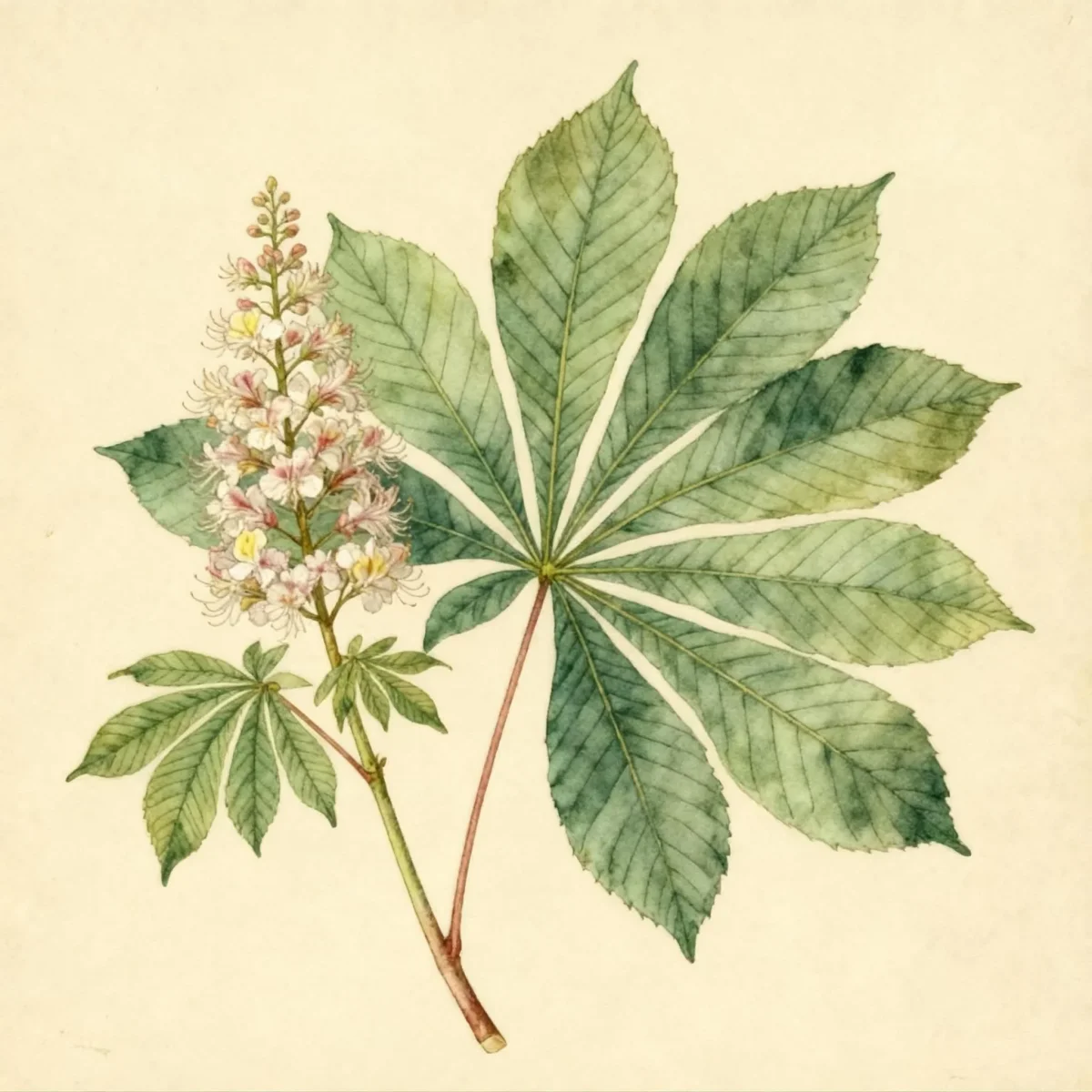
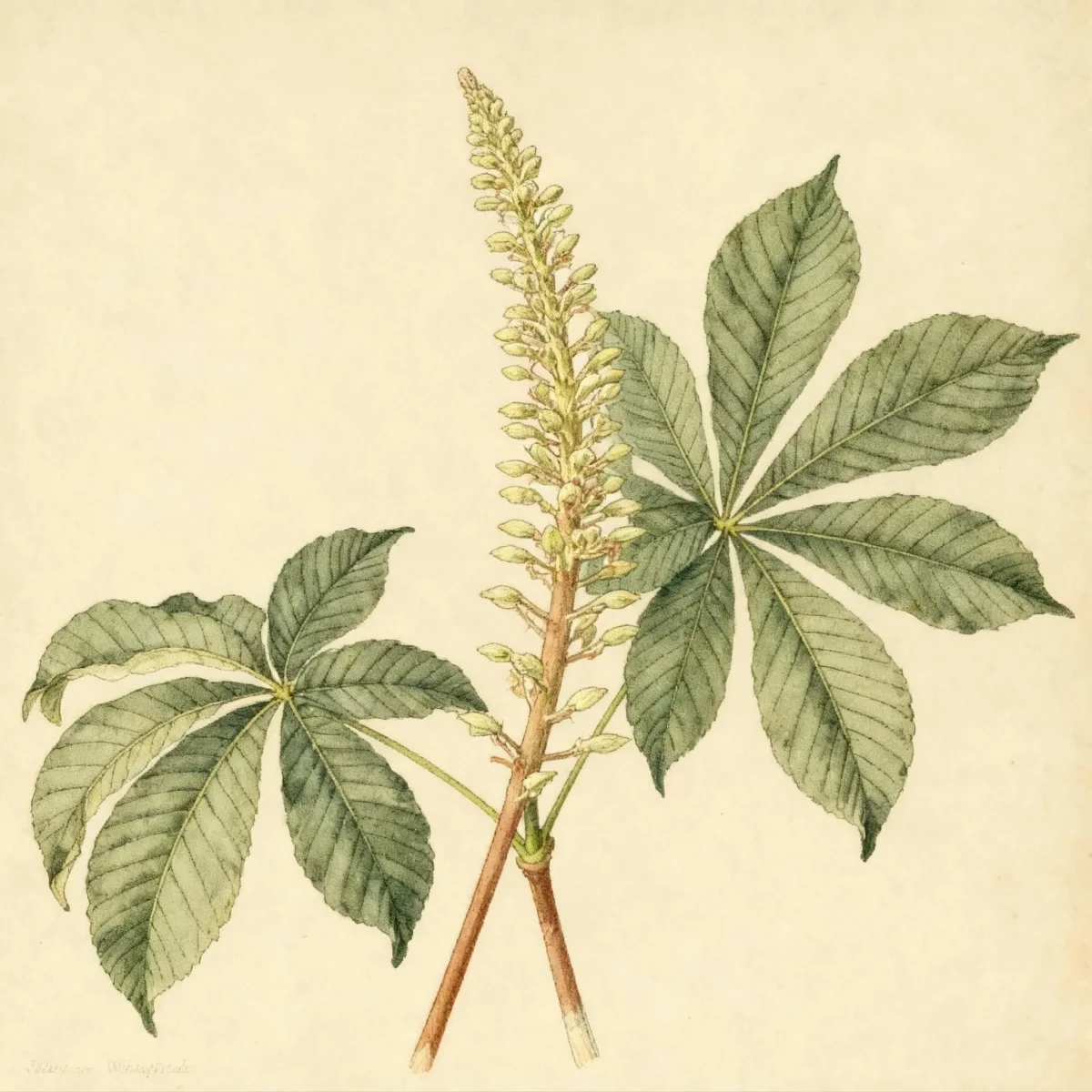
Acer pentaphyllum, commonly called Chinese maple or five-lobe maple, is a small, vase-shaped, multi-stemmed, deciduous tree that typically matures over time to 20-30’ tall with a slightly narrower spread, but often grows much shorter as a shrub to 9-12’ tall. It is native to mixed forests and valleys in several hidden locations in a remote part of China located in southwestern Sichuan Province, sadly making it an endangered species on the brink of extinction in the wild. Distinguishing features include opposite, palmately-compound, red-petioled, dark green leaves, each having 5 (occasionally 7) very narrow leaflets, while the fall color offers shades of yellow to orange to red.
Tolerances
Potential Problems
This particular Maple generally exhibits few severe insect or disease issues under ideal growing conditions. However, like many trees in the Sapindaceae family, it remains susceptible to certain pathogens. Potential disease problems include common issues like verticillium wilt, leaf spots, tar spot, canker, and root rots, emphasizing the need for excellent soil drainage.
Insect pests that may occasionally affect the Acer pentaphyllum include aphids, scale insects, borers, and various caterpillars. Mites can also appear, particularly during periods of heat or drought stress. Prevention relies heavily on maintaining the correct cultural balance—ensuring cool, consistent moisture and avoiding planting in areas prone to poor air movement. Should issues arise, address specific pests promptly with targeted, appropriate treatments.
Frequently Asked Questions
What hardiness zones is Maple suitable for?
This specific Maple, Acer pentaphyllum, is hardy in USDA Zones 7 through 9.
How large does Maple grow?
When grown as a tree, Acer pentaphyllum typically reaches a height between 20 and 30 feet, with a spread ranging from 16 to 25 feet.
What sun exposure does Maple need?
Acer pentaphyllum prefers full sun to part shade conditions for best growth and color development.
When does Maple bloom?
This tree produces small, yellowish flowers that bloom during the spring, specifically between April and May.
Conclusion
The Acer pentaphyllum is a botanical treasure, offering highly unusual foliage structure and compelling specimen value to the dedicated gardener. While this Maple is significantly rare, successfully cultivating it provides a unique green statement in USDA Zones 7-9. Always confirm that your planting site offers the requisite cool, well-drained, acidic soil before attempting to acquire and establish this remarkable Chinese Maple.
Companion Planting
When designing a planting scheme around Acer pentaphyllum, focus on plants that share its preference for damp, slightly acidic soil and protection from intense afternoon sun. Groundcovers that thrive in partial shade, such as Japanese Forest Grass (Hakonechloa macra) or Pachysandra, work well to preserve the cool root zone necessary for this Maple.
For upright companions offering textural contrast, consider shade-tolerant evergreens like Japanese Holly (Ilex crenata) cultivars or various smaller evergreen azaleas which share similar pH requirements. These companions help soften the edges of the landscape while not competing aggressively for moisture or nutrients needed by the rare Maple.
Seasonal Care Calendar
Spring is the critical time for Acer pentaphyllum preparation; ensure the root mulch layer is refreshed to maintain cool, consistent conditions as the unusual leaves emerge late in the season. Monitor closely for unfolding leaf buds to preemptively treat for any early-season aphid activity.
Summer care focuses entirely on watering; maintain medium moisture levels, particularly during dry spells, to prevent leaf scorch or stress that might invite pests like mites. Avoid high levels of nitrogen fertilizer, which can encourage soft, susceptible growth.
Autumn preparation involves assessing overall plant health before winter dormancy. In borderline zones, ensure the root area is heavily protected with an insulating layer of natural mulch before the first hard freeze arrives.