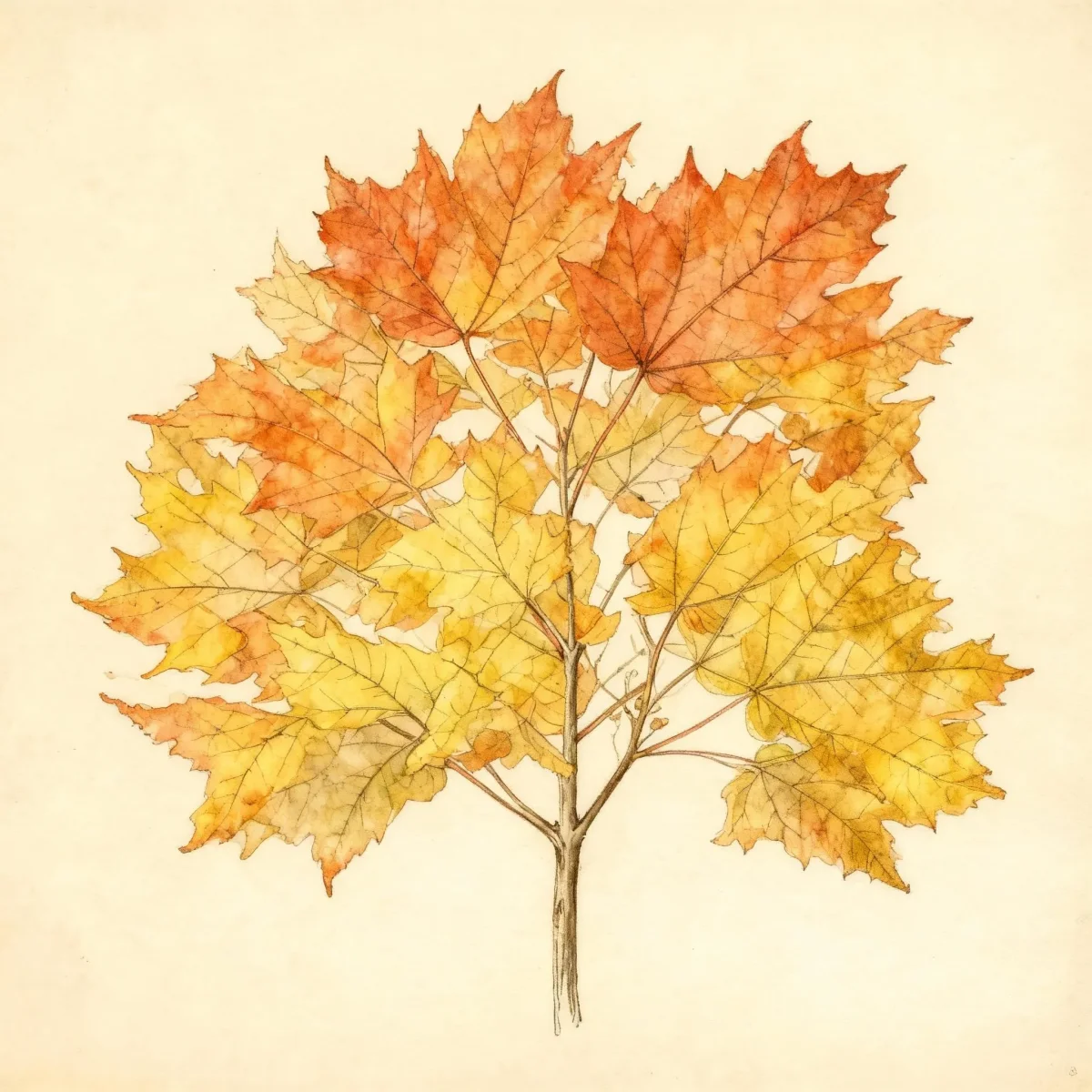
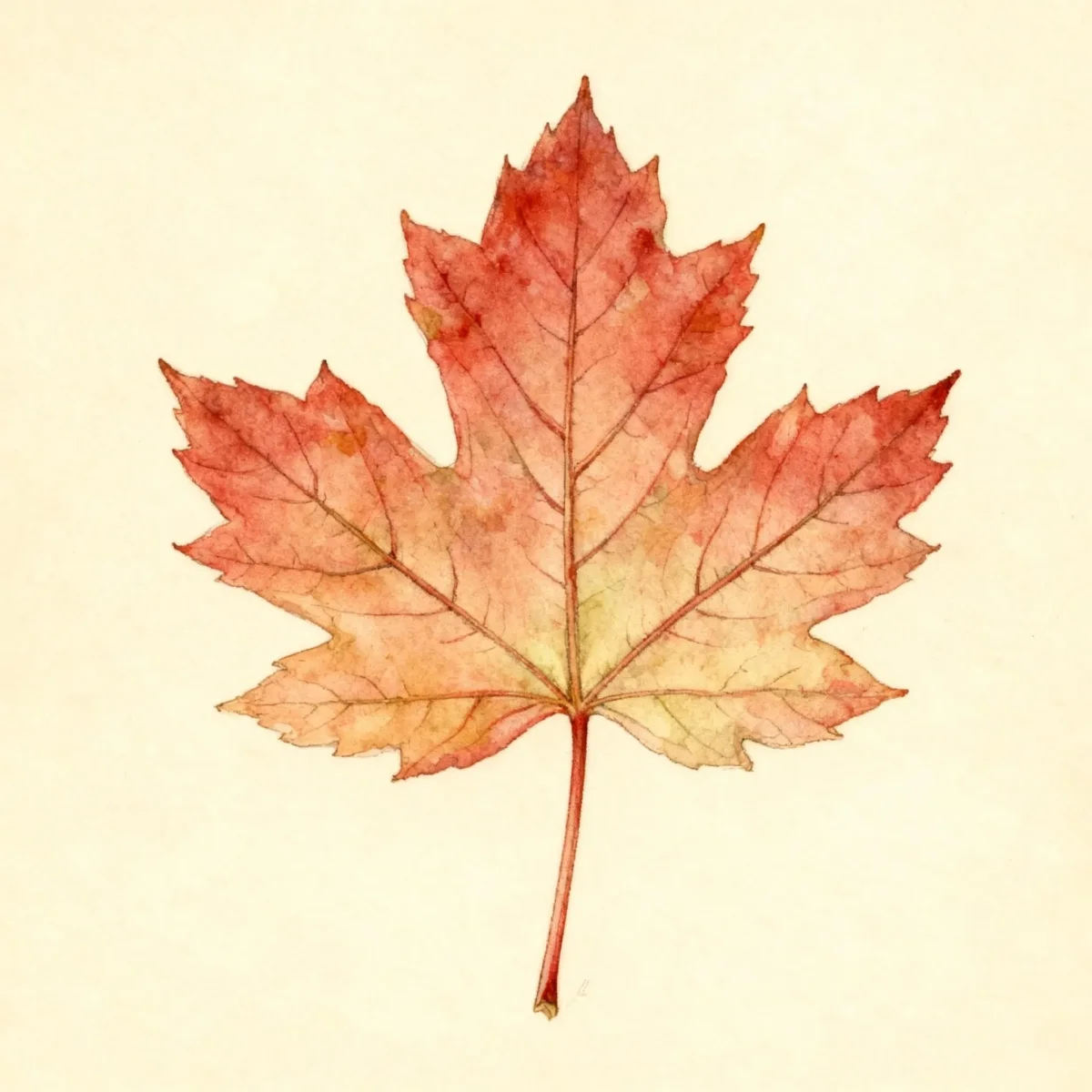
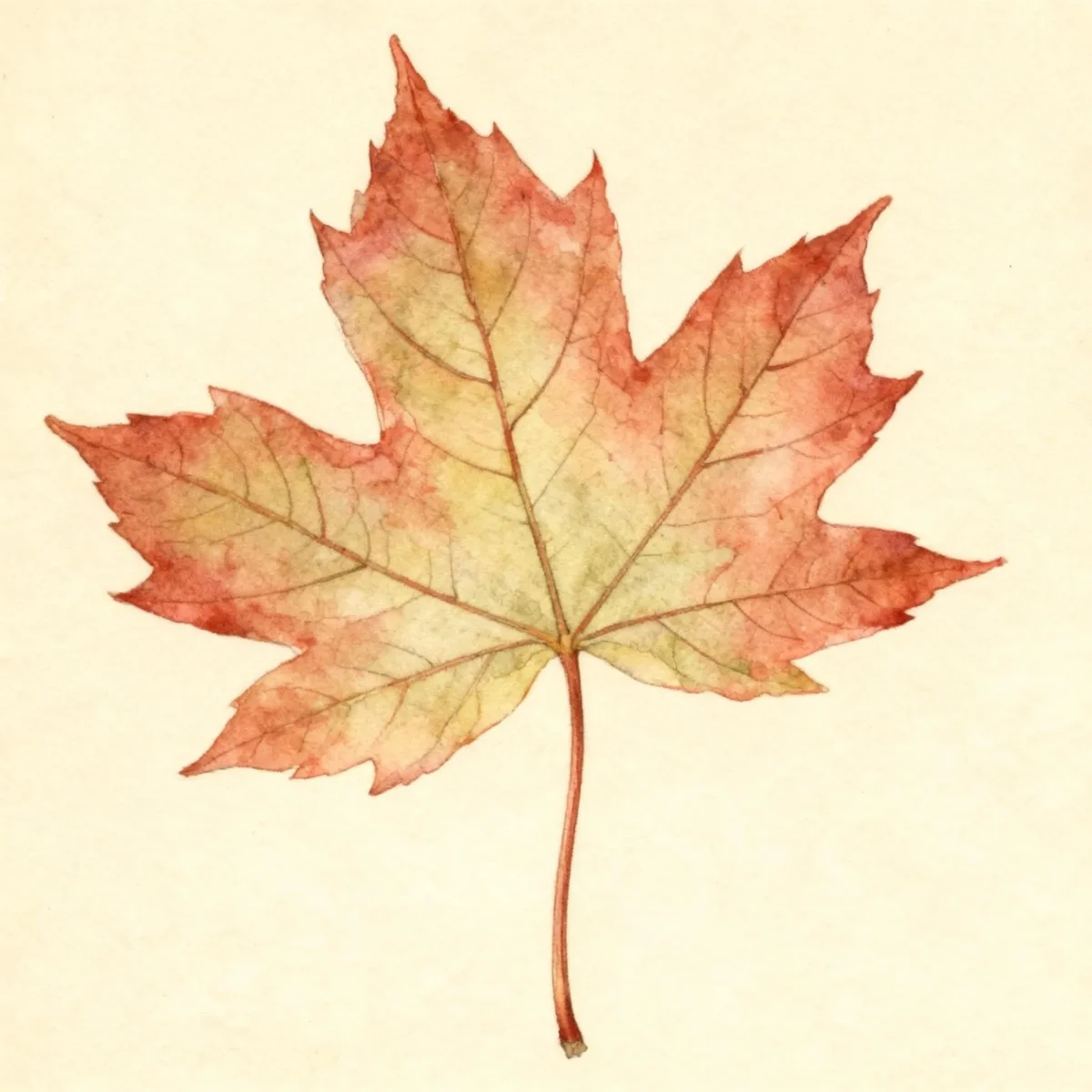
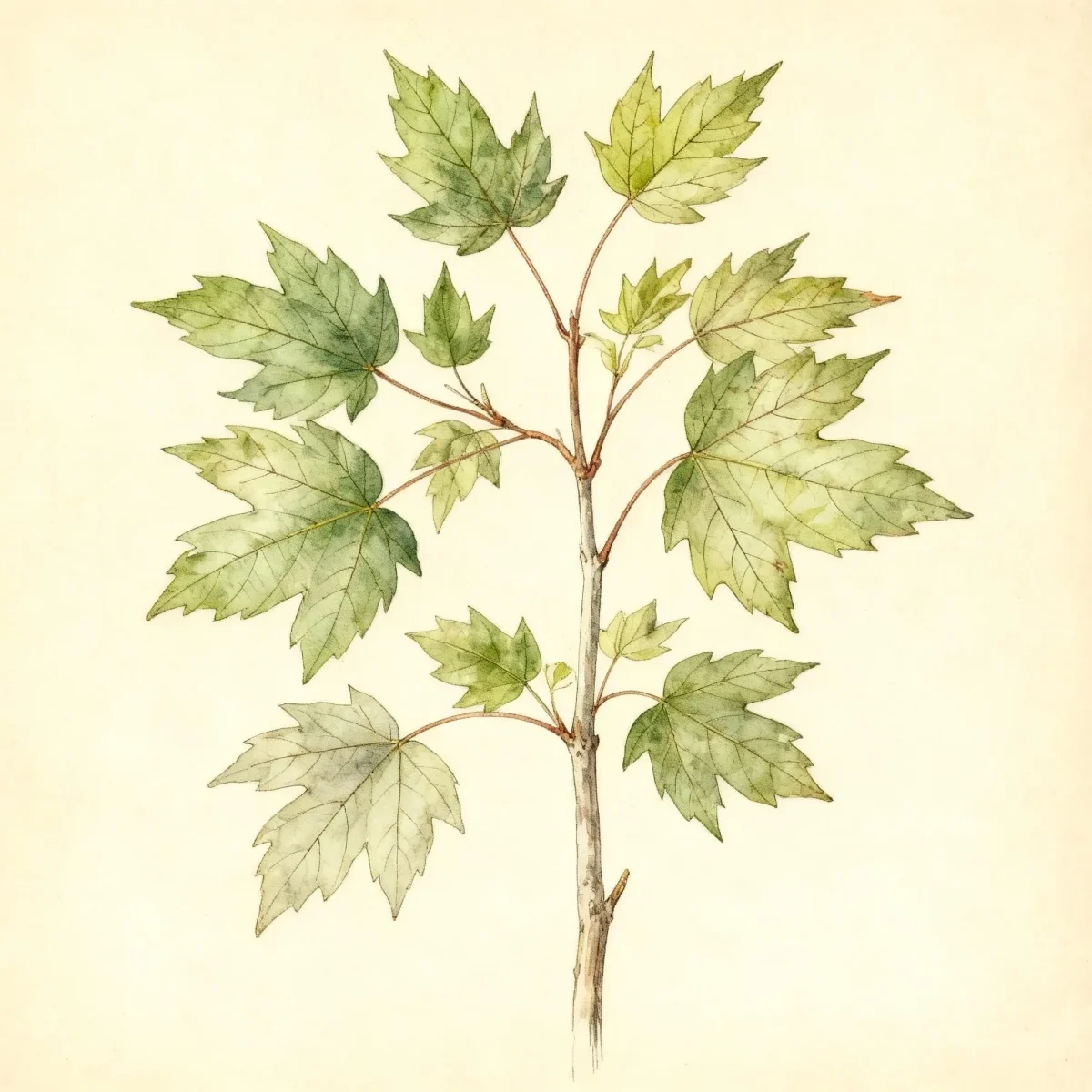
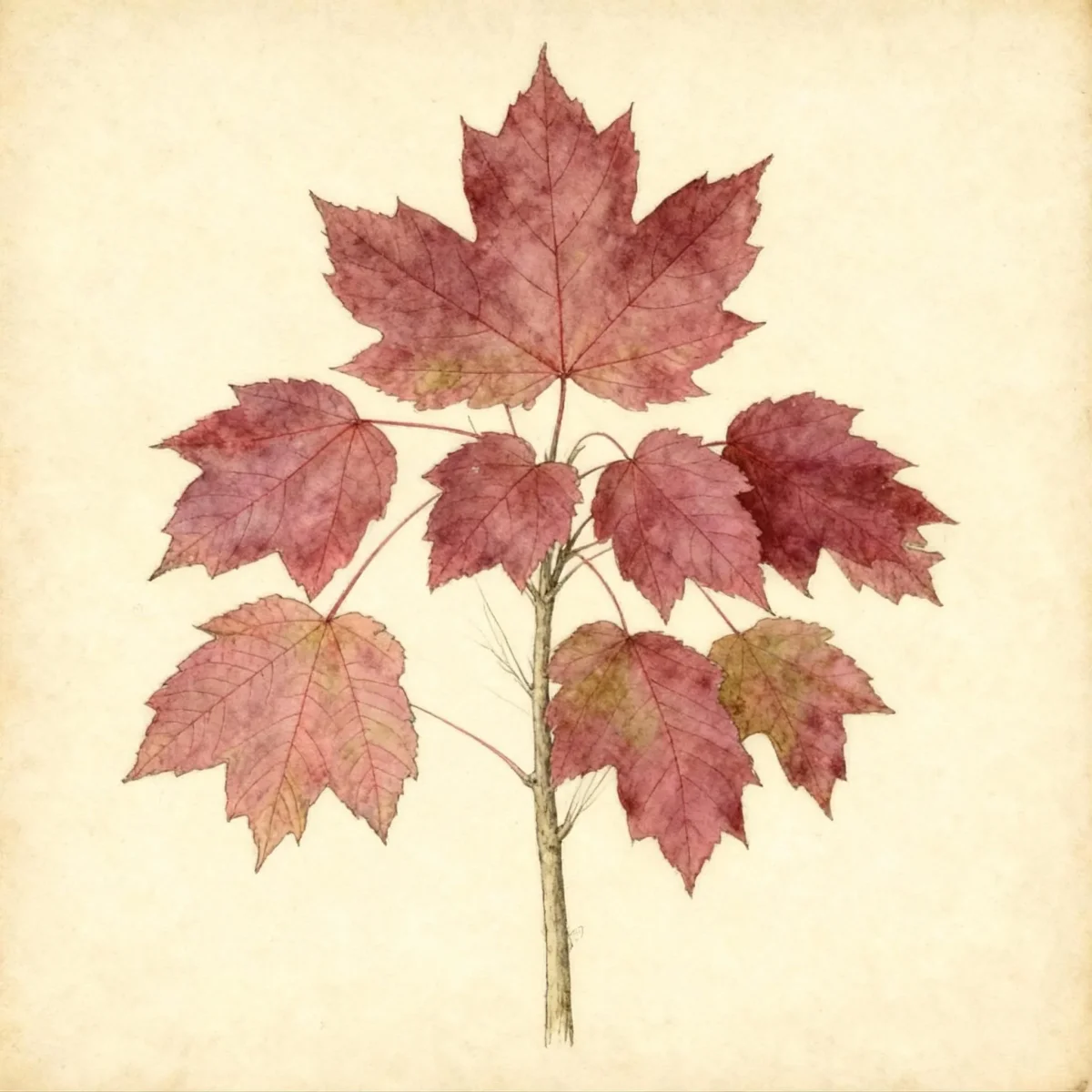
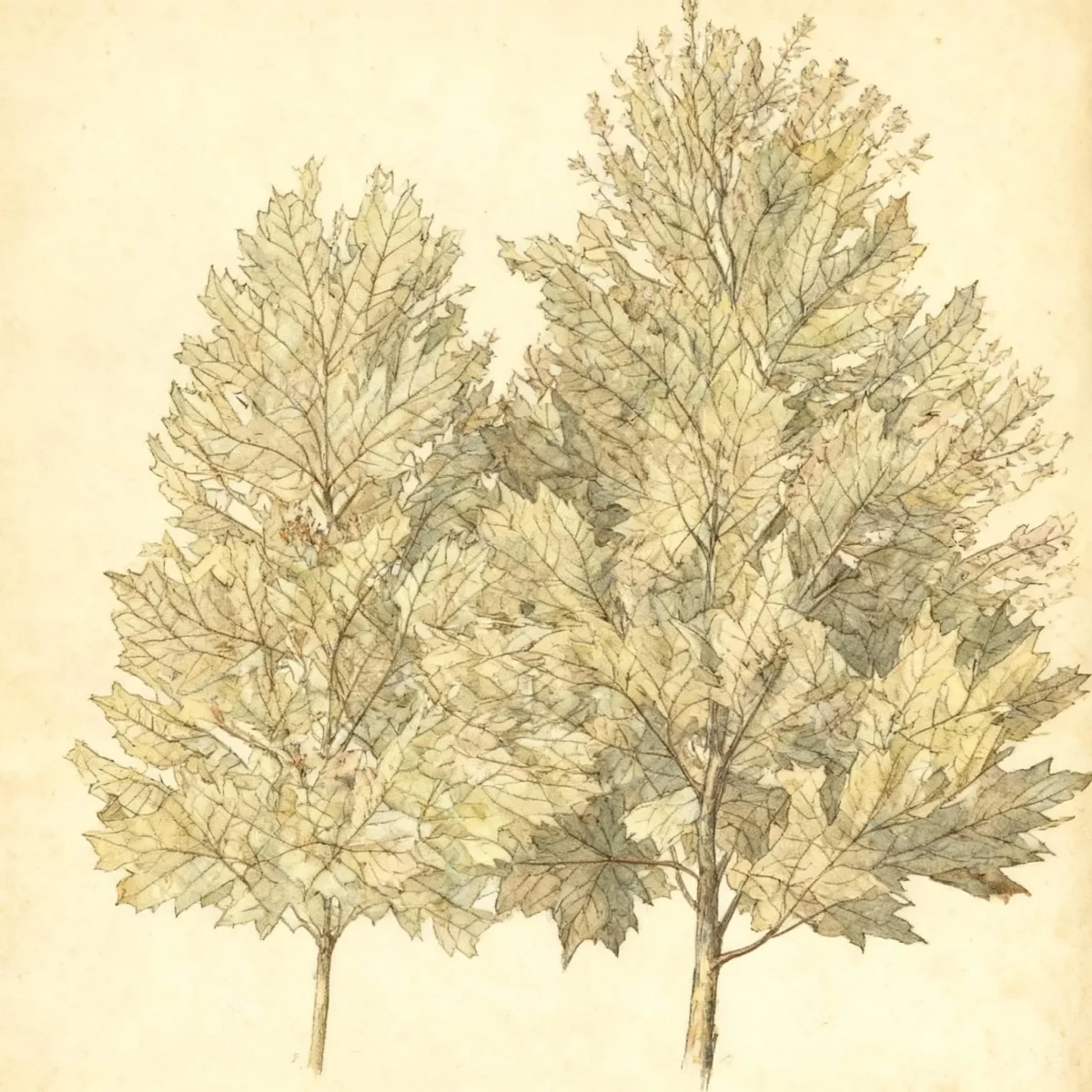
Red maple (Acer rubrum)
Acer rubrum, or Red maple, is a celebrated native tree known for its brilliant red spring flowers and exceptional fall color, thriving in moist soils.
Scroll down to discover growing tips, care requirements, companion plants, and more

Complete Plant Information
Overview
The Red maple (Acer rubrum) is one of North America’s most widespread and adaptable native trees, prized by gardeners for its spectacular, vibrant seasonal displays. This deciduous beauty often surprises homeowners with its early spring flowers, which appear before the foliage, setting the stage for the season. Its common name, Red maple, references the numerous red-tinged features throughout the year, culminating in stunning crimson or orange-red foliage in autumn.
As a fast-growing specimen, the Acer rubrum quickly establishes a rounded to oval crown, offering substantial shade as it reaches maturity. It is highly valued for its low maintenance needs and tolerance for various difficult settings, making it an excellent long-term landscape investment. While it is most famous for its color, its tolerance for moist ground also gives it critical ecological value.
Understanding the adaptability of the Red maple is key to its success. While it is cold hardy and thrives across a broad range of USDA zones, optimizing soil moisture and acidity will ensure the most brilliant performance, particularly regarding its famous fall coloration.
Fast Facts
- Plant Family: Sapindaceae
- Plant Type: Tree
- Native Range: Eastern and central North America
- Hardiness Zones: USDA Zones 3-9
- Size at Maturity:
- Height: 40-70 ft
- Spread: 30-50 ft
- Bloom Time: March to April
- Bloom Description: Red, sometimes yellow
- Sun Exposure: Full sun to part shade
- Water Needs: Medium to wet
- Maintenance Level: Low
How to Grow
The ideal time to establish a new Acer rubrum is in the fall or early spring when the plant is dormant, allowing the root system to establish before summer heat. These trees are easily grown in average, medium to wet, well-drained soils. While Red maple tolerates many soil types, it performs best in moist, slightly acidic conditions, which supports its vigorous growth rate. Ensure adequate spacing during planting, factoring in its potential 50-foot spread.
Watering needs for established trees trend toward medium to wet; consistently moist soil is preferable, especially for younger specimens experiencing their first few growing seasons. Fertilizing is generally unnecessary unless soil tests indicate severe nutrient deficiencies, as rapid growth is a natural trait of Red maple. Pruning is important for structure; remove dead, crossing, or poorly angled limbs, particularly during the dormant season, to maximize branch strength, as some limbs may be prone to breaking from wind or ice, though maintenance remains low overall.
Since the Red maple is very cold hardy, major winter preparation is often unnecessary in its native range (down to Zone 3). However, newer plantings should receive a deep watering just before the ground freezes hard to help prevent winter desiccation. Mulching under the canopy helps regulate soil temperature and moisture, benefiting that desirable slightly acidic, moist environment.
Landscape Uses
The versatility of the Red maple makes it a staple in municipal and residential landscapes alike. Its robust structure and fast growth make it an excellent choice to serve as a majestic Shade Tree over large lawns or expansive park areas. Historically, they have been successfully employed as Street Trees due to their tolerance for urban conditions, including air pollution.
However, gardeners must exercise caution regarding location due to the shallow, flattened root system common to Acer rubrum. Planting too close to hardscapes like sidewalks or driveways is strongly discouraged, as these surface roots often buckle surrounding pavement as the tree matures. Conversely, this same need for moisture makes the Red maple perfectly situated for use in Rain Gardens, where it can effectively manage runoff while providing dramatic seasonal interest.
If used as a specimen, pair the Red maple with appropriate understory plantings that do not compete aggressively for moisture in the drier end of its preferred range. Alternatively, its brilliant red spring color provides an excellent backdrop for spring-flowering bulbs planted around its base before the canopy fully develops.
Standout Features
Flower Qualities
- Showy
Noteworthy Characteristics
Acer rubrum, commonly called red maple, is a medium-sized, deciduous tree that is native to Eastern North America from Quebec to Minnesota south to Florida and eastern Texas. It typically grows 40-60’ tall with a rounded to oval crown. Emerging new growth leaves, leafstalks, twigs, flowers, fruit and fall color are red or tinged with red, and the red flowers appear in dense clusters in late March to early April before the leaves emerge.
Tolerances
- Wet Soil
- Black Walnut
- Air Pollution
Potential Problems
Gardeners should monitor Red maple for common tree pests. Watch specifically for aphids, leafhoppers, borers, scale, and caterpillars, which can sometimes cause defoliation or aesthetic damage. More serious, though less common, is Verticillium wilt, a soil-borne fungus that attacks the vascular system and can prove fatal; ensure adequate drainage prevents waterlogging, which stresses the tree. Furthermore, be mindful that wind and ice may cause breakage on some branches, necessitating appropriate pruning early in the tree’s life.
Frequently Asked Questions
What hardiness zones is Red maple suitable for?
The Red maple is exceptionally adaptable, thriving across a wide range, suitable for USDA Zones 3 through 9.
How large does Red maple grow?
This tree typically reaches a mature height between 40 to 70 feet tall, with a spread generally ranging from 30 to 50 feet wide.
What sun exposure does Red maple need?
For best results and optimal color, plant Acer rubrum where it can receive full sun to partial shade conditions.
When does Red maple bloom?
The beautiful red flowers of the Red maple appear relatively early in the season, blooming from March to April before the leaves fully emerge.
Conclusion
The Red maple (Acer rubrum) remains a fantastic choice for nearly any large landscape setting due to its low maintenance profile and unparalleled spectrum of seasonal color, from startling red spring blooms to vibrant fall foliage. Planning your planting location carefully to accommodate its eventual size and root spread is the most critical step for long-term success with this magnificent native tree. Consult your local agricultural extension to confirm the best planting windows for your region.
Wildlife Benefits
The presence of Acer rubrum offers significant support to local ecosystems. The early bloom attracts numerous beneficial insects and pollinators emerging from winter dormancy, drawn to the abundant red flowers that appear before many other species have woken up. Furthermore, the seeds contained within the two-winged samaras and the flower buds themselves are an important food source for many species of birds throughout the year.
In addition to direct food sources, the foliage of the Red maple supports the local food web higher up the chain. Caterpillars and other insects that feed on its leaves serve as a crucial, protein-rich meal for nesting birds during the critical spring and summer months when high-energy food is necessary for raising young.
Companion Planting
Due to the preference of Red maple for medium to wet soil, companion plants should share similar hydration needs, particularly if you are planting in a rain garden context. Consider pairing it with moisture-loving evergreens like certain varieties of Inkberry Holly (Ilex glabra) or wet-tolerant deciduous shrubs such as Buttonbush (Cephalanthus occidentalis).
If the soil tends toward the acidic side, which Acer rubrum prefers, groundcovers that enjoy lower pH levels, like native sedges or Gaultheria species, can fill the space beneath the developing canopy. Avoid planting shallow-rooted lawn grasses right up against the trunk, as this contributes to root stress and competition for moisture.