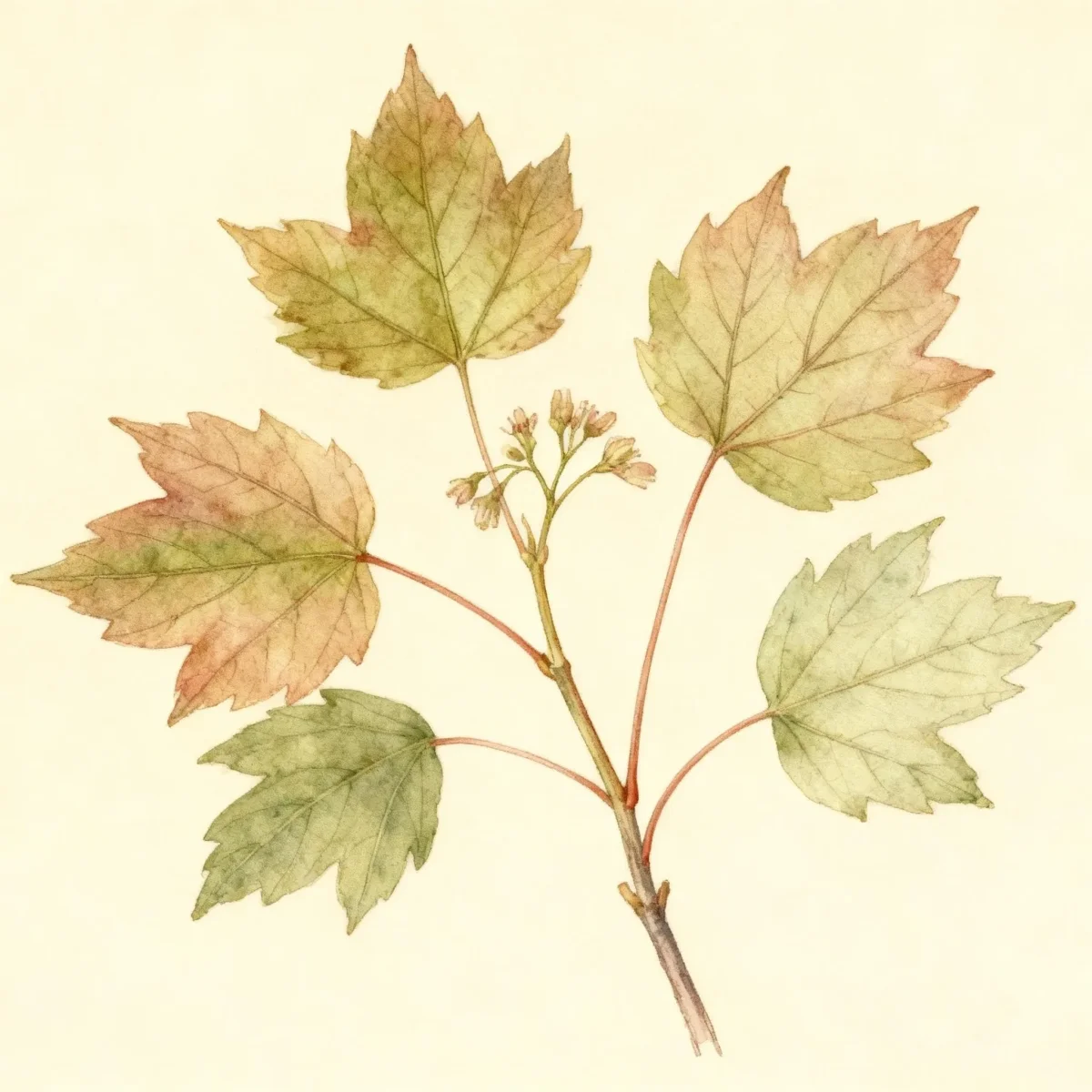
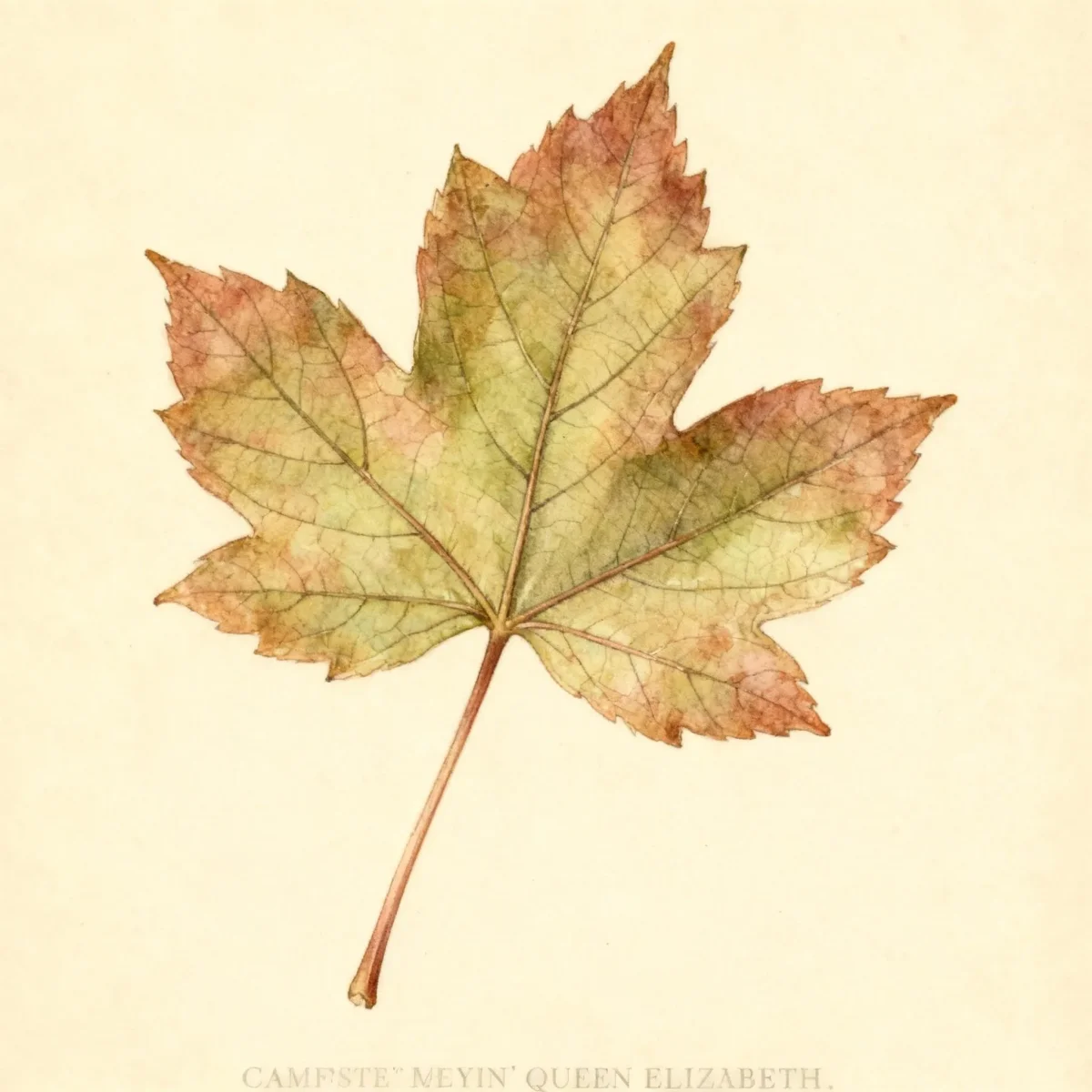
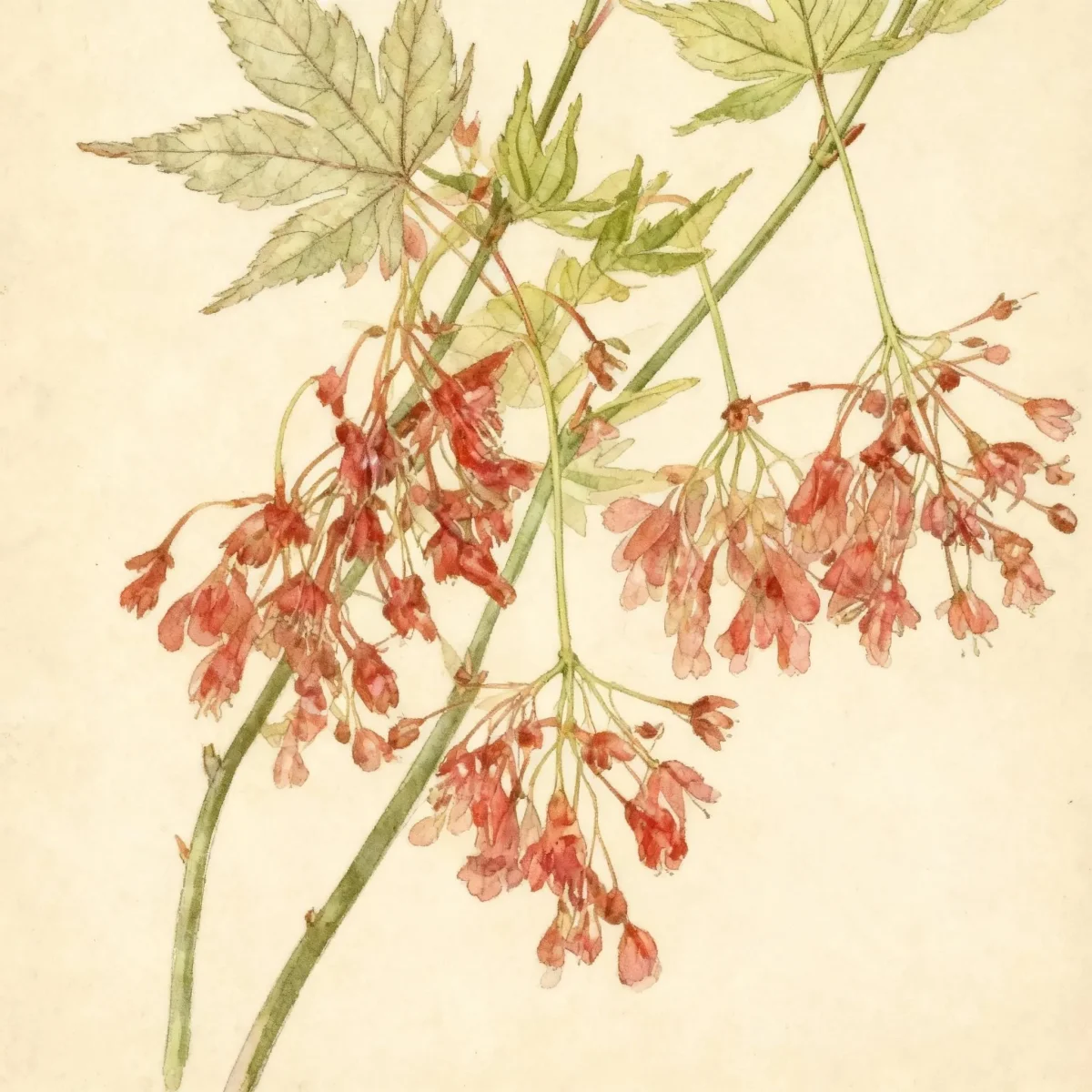
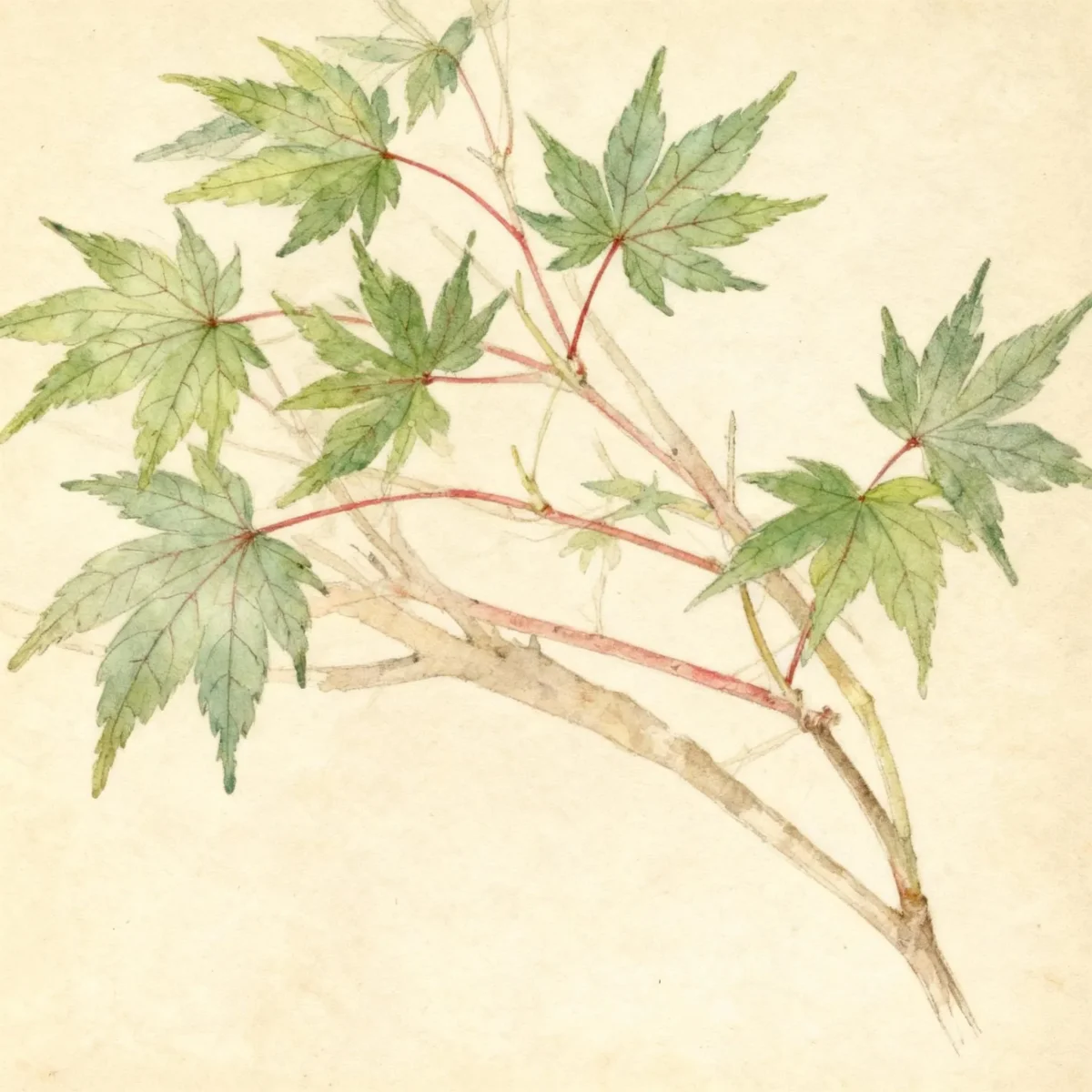
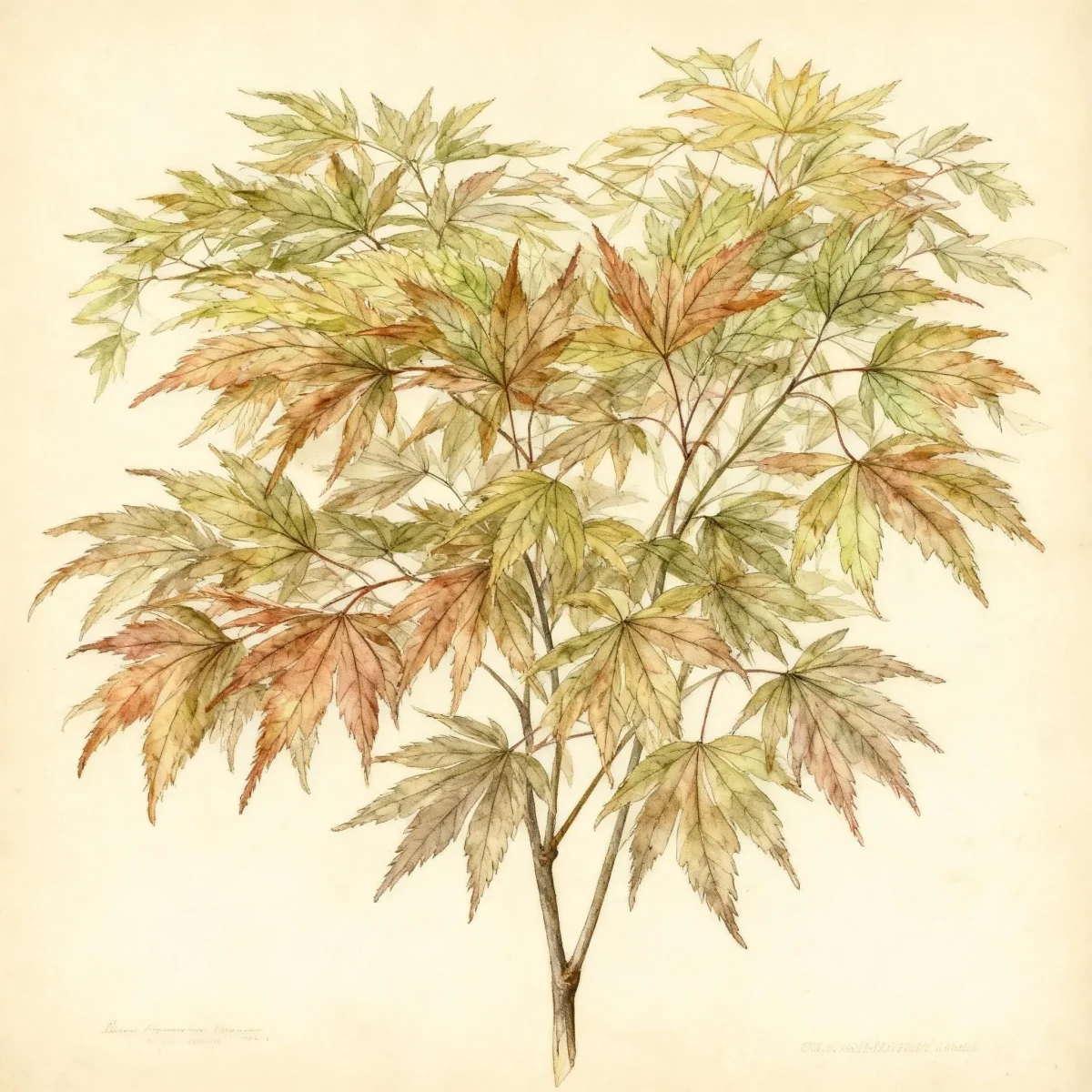
Hedge maple (Acer campestre)
The adaptable Hedge maple (Acer campestre) is a dense, low-maintenance tree perfect for hedges or urban settings in Zones 5-8.
Scroll down to discover growing tips, care requirements, companion plants, and more
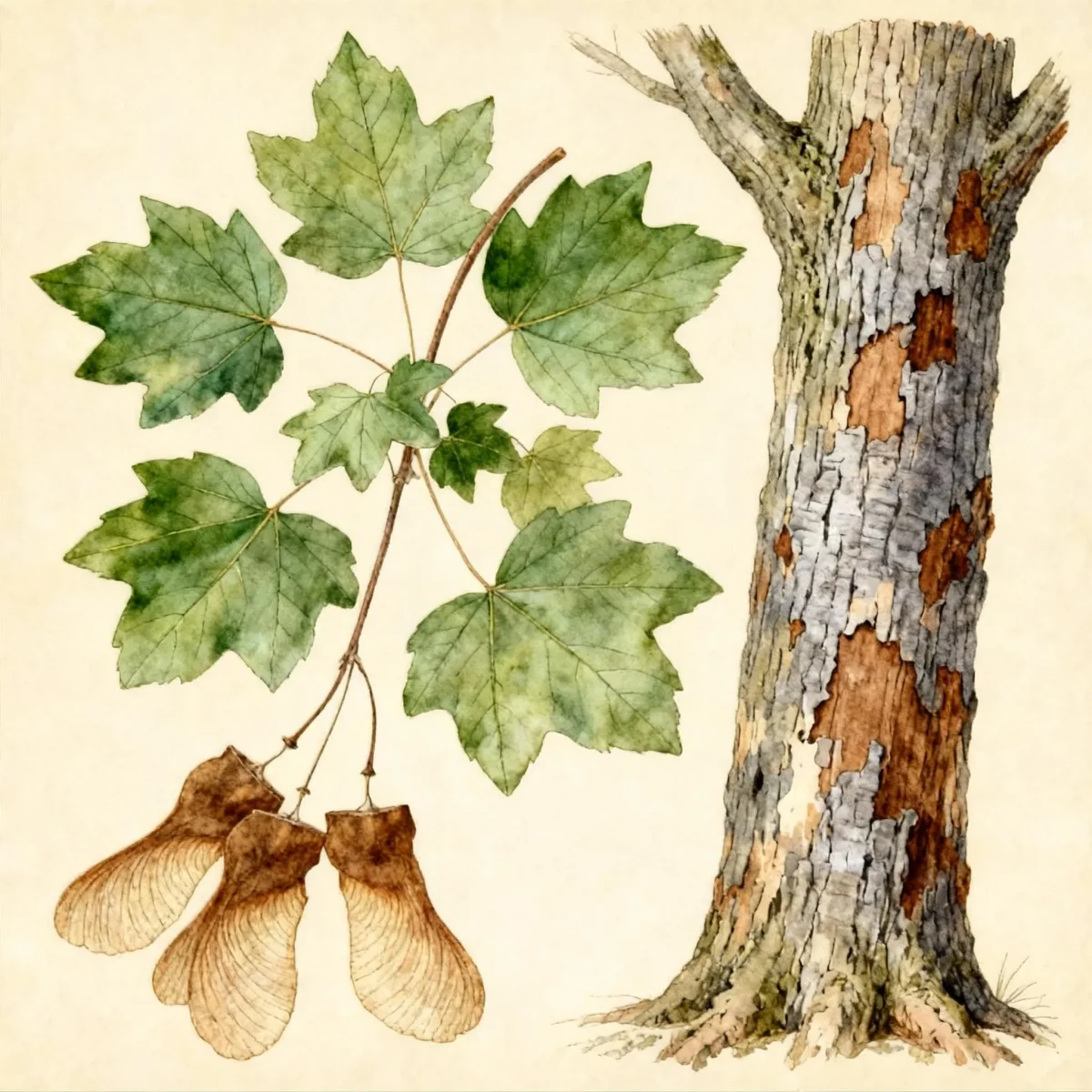
Complete Plant Information
Overview
The Hedge maple, or Acer campestre, is celebrated by horticulturalists for its remarkable toughness and adaptability, making it an outstanding choice for challenging environments. This native of Europe and western Asia is a small, dense, rounded deciduous tree or large shrub known for its reliably neat form. Gardeners value the Acer campestre particularly for its suitability as a screen or boundary marker, as it responds exceptionally well to pruning.
This versatile species performs admirably in a wide range of conditions, thriving in full sun yet tolerating partial shade without complaint. Its inherent tolerance for poorer soils and urban stresses sets it apart from more delicate maple varieties. The resulting mature specimen provides consistent texture and shade, maintaining a respectable height and spread for medium-sized landscapes.
Functionally, the Hedge maple excels where performance and low input define success. Whether utilized as a shade provider on a suburban lawn or sheared tightly into a robust hedge, its low maintenance requirements ensure long-term satisfaction. Planning for its placement demands assessing needs for shade or boundary definition, capitalizing on its natural hardiness.
Fast Facts
- Plant Family: Sapindaceae
- Plant Type: Tree
- Native Range: Europe, western Asia
- Hardiness Zones: USDA Zones 5-8
- Size at Maturity:
- Height: 25-35 ft
- Spread: 25-35 ft
- Bloom Time: April to May
- Bloom Description: Yellowish-green
- Sun Exposure: Full sun to part shade
- Water Needs: Medium
- Maintenance Level: Low
How to Grow
Planting the Hedge maple is straightforward, as it is not overly particular about soil type. The best results, including optimal size and density, are achieved when planted in average, medium-moisture, well-drained soils under full sun exposure. While it adapts readily to heavy clay, ensuring the roots are not sitting in standing water during establishment is crucial. Spring is generally the ideal time to plant bare-root or containerized stock.
Once established, this tree requires medium watering, though it possesses a respectable drought tolerance, especially compared to other maples. Fertilization is rarely necessary if the soil quality is average; focus initial feeding only during the first year if growth seems stunted. Pruning for structural training should occur when the plant is young, focusing on establishing a strong central leader if used as a specimen tree.
For hedgerow applications, aggressive shearing is encouraged, often done in late winter or very early spring before bud break. This encourages the dense branching habit for which the Acer campestre is named. Due to its general tolerance of urban stresses, minimal supplemental care is usually required through the growing season.
Landscape Uses
The landscape versatility of the Hedge maple is one of its primary selling points. As a naturally dense, low-branched specimen, it transitions seamlessly from street tree to specimen shade tree near a lawn. The ability of Acer campestre to be sheared makes it one of the premier candidates for creating high, formal hedgerows in European-style gardens or establishing property boundaries where screening is paramount.
When used informally, its natural rounded shape provides excellent texture contrast against finer-leaved or smoother-barked neighboring plants. Consider pairing the Hedge maple with broadleaf evergreens that benefit from the light, dappled shade it casts, or use it near walkways where its tolerance for air pollution ensures clean foliage retention. Its adaptability means it fits well into mixed borders or as a specimen in smaller parks.
Standout Features
Flower Qualities
- Insignificant
Noteworthy Characteristics
Acer campestre is commonly called hedge maple. It is native to Europe and western Asia, frequently being found on plains, hills and along rivers. This is a small, low-branched, dense, rounded, deciduous tree or large multi-stemmed shrub that typically grows in cultivation to 25-35’ tall. As the common name suggests, it may be pruned to form a tall hedge, and in England it is often included in traditional hedgerows.
Tolerances
- Clay Soil
- Air Pollution
Potential Problems
While robust, the Hedge maple is not entirely immune to issues. Common physiological disorders include leaf spots and tar spot, which are often cosmetic and manageable by ensuring good air circulation during pruning. More serious concerns involve vascular diseases like verticillium wilt, which can cause sudden branch dieback; soil remediation and proper watering habits are the best preventative measures.
Potential insect pests are generally minor but can include aphids, scale insects, borers, and various caterpillars, especially if the tree is stressed. Mites may also become an issue during hot, dry periods. Monitoring newly flushed foliage for signs of infestation in the spring allows for early, targeted intervention before populations explode.
Frequently Asked Questions
What hardiness zones is Hedge maple suitable for?
The Hedge maple (Acer campestre) is reliably hardy across USDA Zones 5 through 8.
How large does Acer campestre grow?
This tree typically reaches a height between 25 and 35 feet, with a comparable spread of 25 to 35 feet at full maturity.
What sun exposure does Acer campestre need?
The optimal sun exposure for the Hedge maple is full sun, although it will tolerate partial shade conditions depending on its intended use.
When does Hedge maple bloom?
Flowering occurs relatively early in the season, typically from April to May, producing small, yellowish-green blooms.
Conclusion
The adaptability and structure offered by the Acer campestre make it an invaluable component for landscape designers looking for low-maintenance screening or informal shade. Its proven tolerance for challenging sites ensures the Hedge maple remains a steady performer year after year. Before planting, confirm that your location falls within USDA Zones 5-8 and plan for its intended use as either a structural specimen or a dense, formal hedge.
Companion Planting
When designing beds around your Hedge maple, selecting companions that share similar low-maintenance and sun exposure requirements is ideal. Consider using hardy, shade-tolerant groundcovers beneath larger specimens in areas where the canopy creates deep shade, such as Vinca minor or Pachysandra terminalis, which thrive in medium moisture. For sunny areas where the Acer campestre is used in an open setting, robust perennials like Russian Sage (Perovskia atriplicifolia) or hardy ornamental grasses offer excellent textural contrast without competing aggressively for resources.
Seasonal Care Calendar
Spring is the prime time for structural pruning on the Hedge maple, removing any crossing branches or deadwood before the new growth fully emerges. During the summer months, monitor closely for pests like scale or mites, especially when drought stress occurs; a strong jet of water can often dislodge minor infestations to conserve beneficial insects. In the fall, while the cleanup is minimal compared to some deciduous trees, raking fallen leaves will help reduce overwintering fungal spores. Winter is largely dormant but offers the best opportunity to assess the overall framework of the tree.