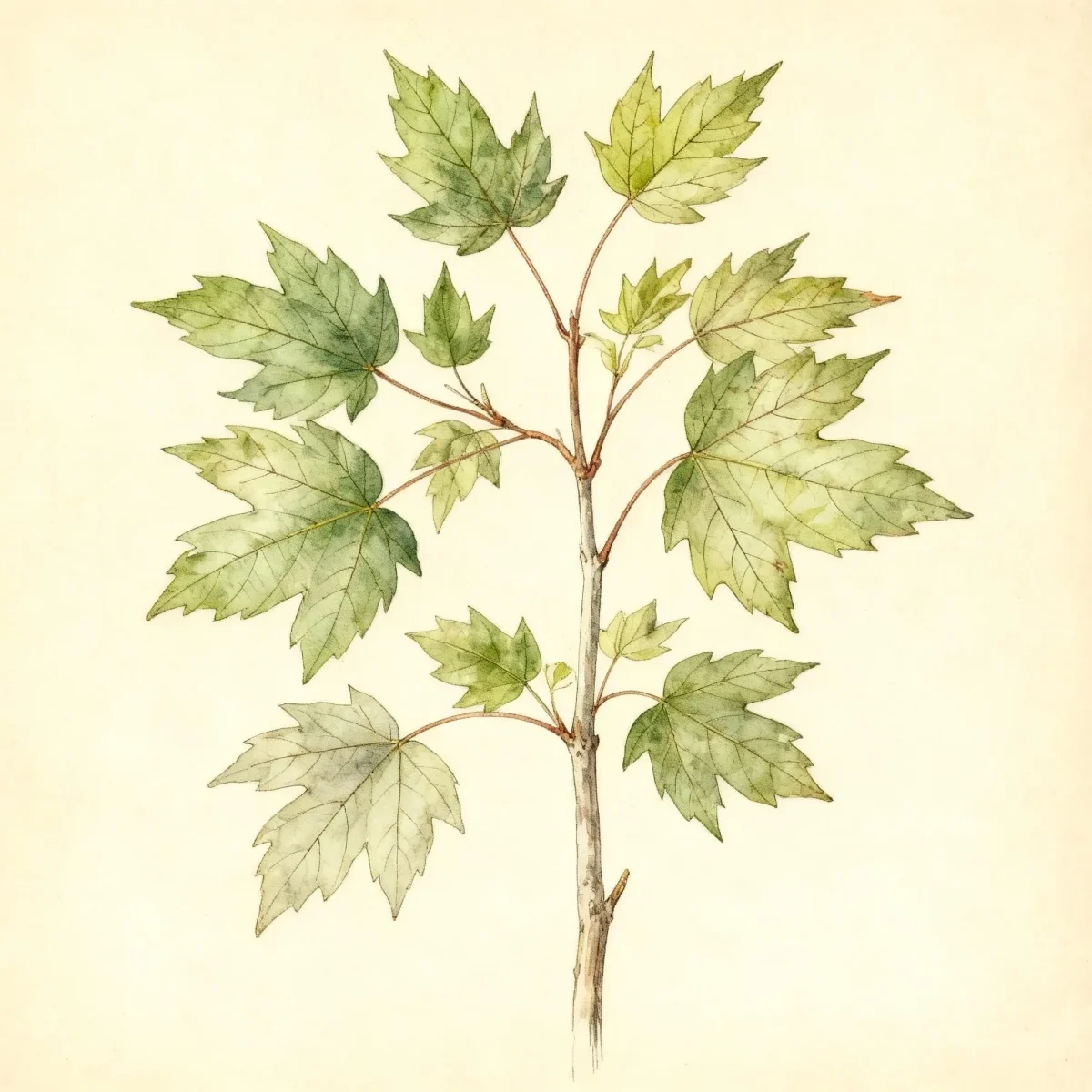
Silver maple (Acer saccharinum)
The Silver maple (Acer saccharinum) is a large, fast-growing deciduous tree valued for shade, despite having brittle wood issues.
Scroll down to discover growing tips, care requirements, companion plants, and more
Complete Plant Information
Overview
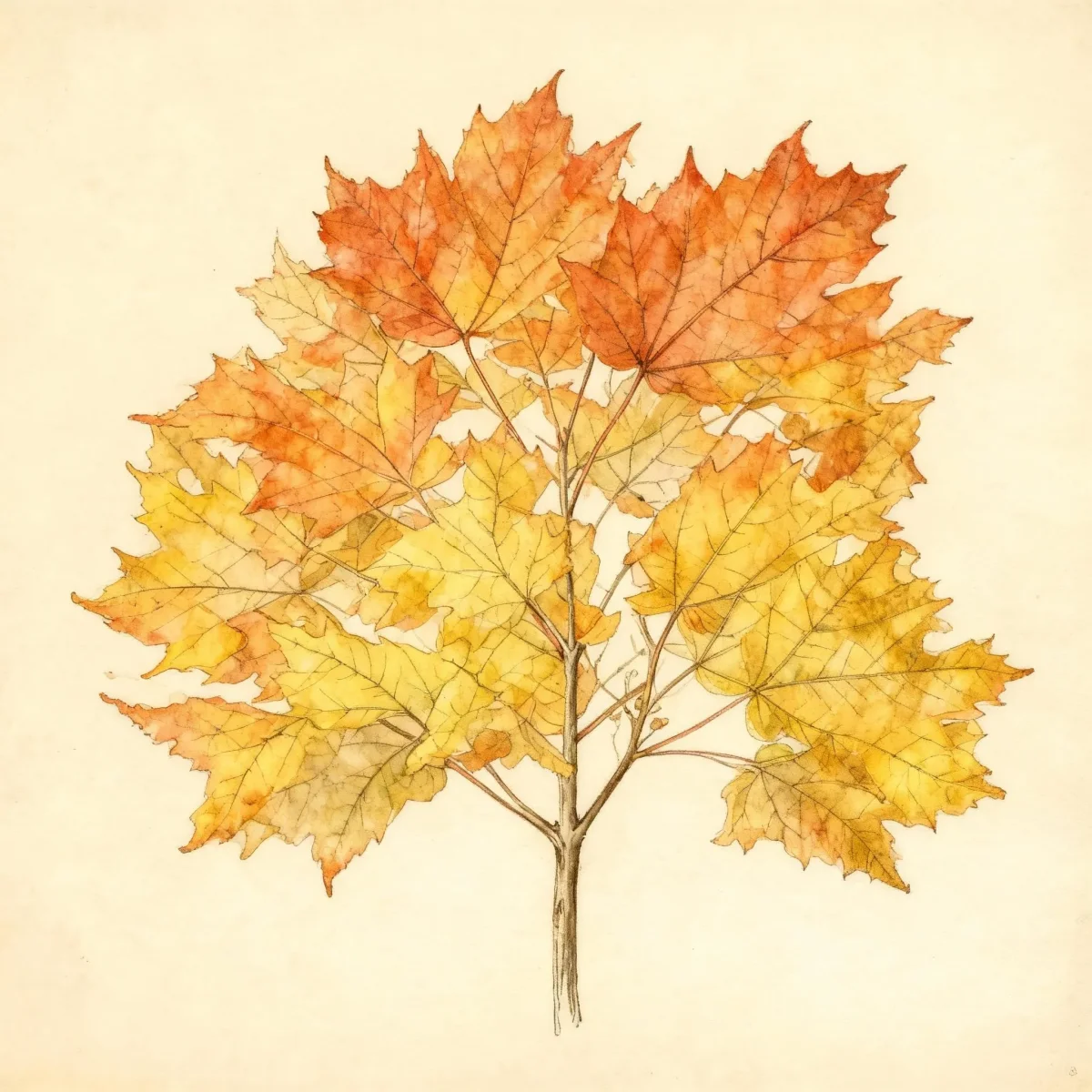
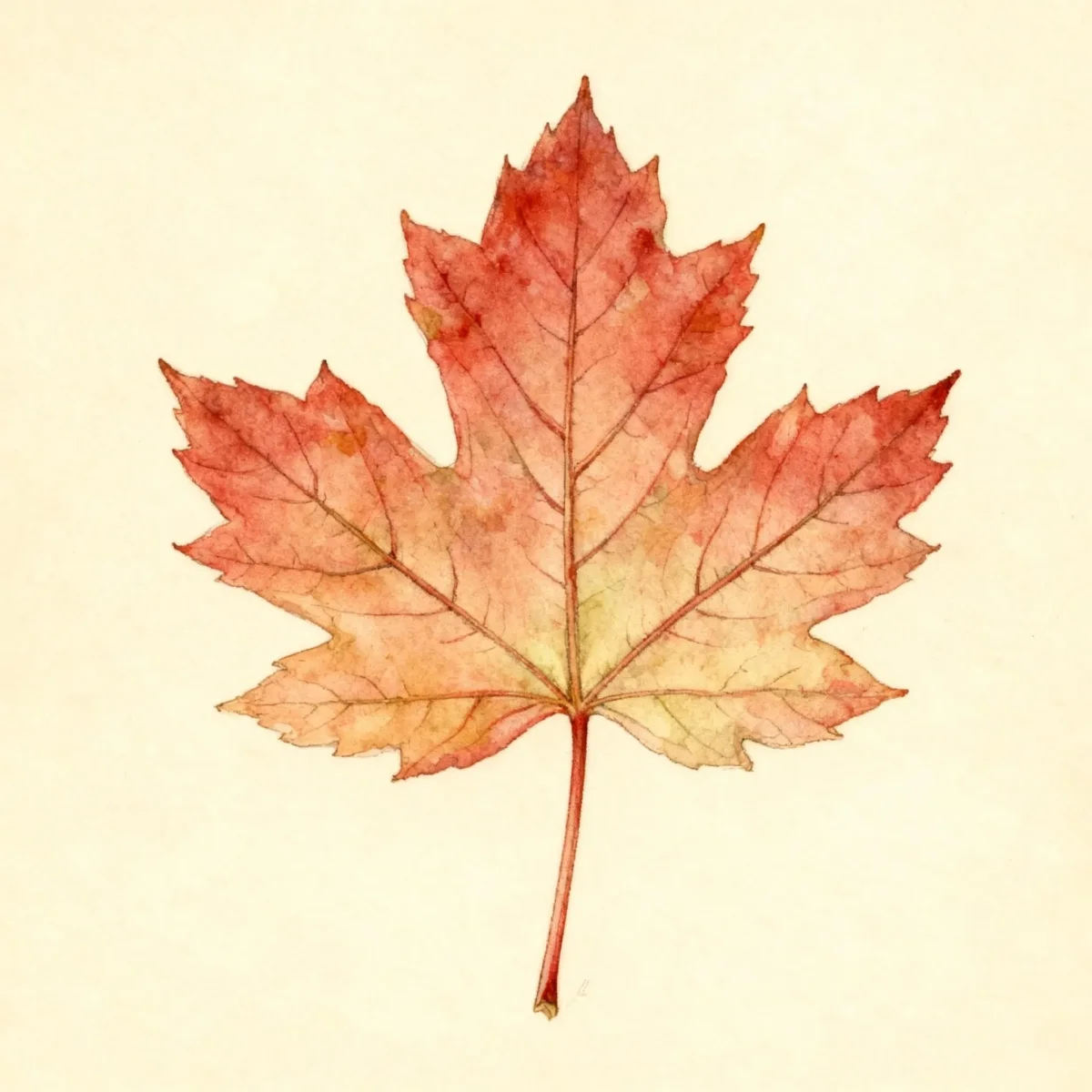
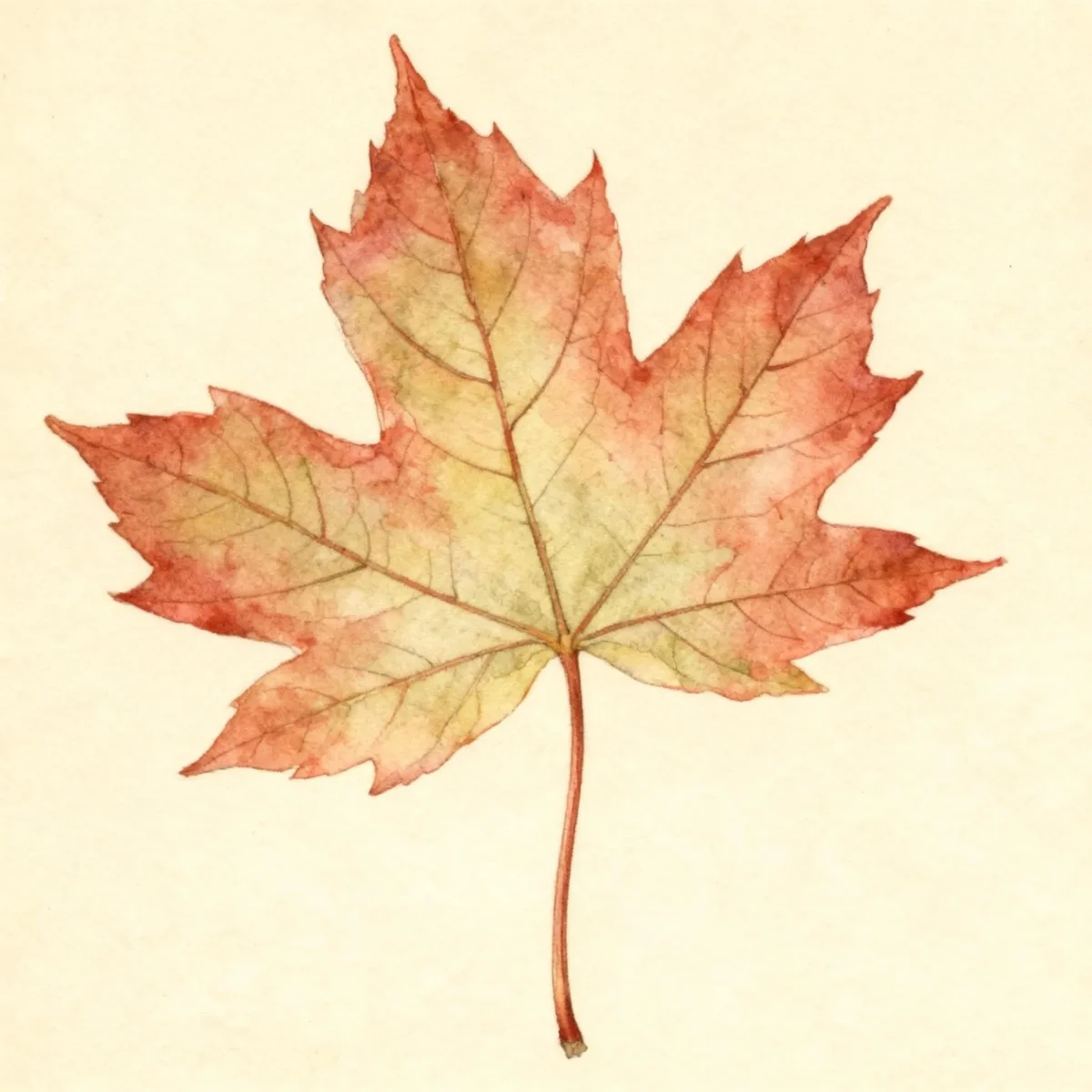
The Silver maple, scientifically known as Acer saccharinum, is a commanding, large, deciduous tree native to moist floodplains across Eastern North America. This species is immediately recognizable by the stunning silvery coloration on the undersides of its deeply lobed leaves, which flash beautifully in even a slight breeze, lending it its common name. It is prized for its rapid growth rate, quickly establishing significant shade over large landscapes.
Although historically a favorite for urban settings due to its hardiness and size, be aware that Acer saccharinum possesses weaker wood compared to some relatives like the sugar maple. This characteristic means limbs can split during severe ice storms or high winds. Gardeners seeking immediate height and dense canopy coverage often select this fast-growing native.
Despite the structural concerns, the Silver maple is incredibly adaptable, thriving in average, moist, or even wet soils where other ornamental trees might struggle. Its low maintenance needs and tolerance for tough urban conditions make it a practical choice when placed appropriately away from fragile structures.
Fast Facts
- Plant Family: Sapindaceae
- Plant Type: Tree
- Native Range: Eastern North America
- Hardiness Zones: USDA Zones 3-9
- Size at Maturity:
- Height: 50-80 ft
- Spread: 35-70 ft
- Bloom Time: March
- Bloom Description: Greenish-yellow
- Sun Exposure: Full sun to part shade
- Water Needs: Medium to wet
- Maintenance Level: Low
How to Grow
Planting the Silver maple is best done during the dormant season, early spring or late fall, allowing the roots time to establish before summer stress. This tree prefers deep, moist, well-drained soils but is remarkably adaptable, tolerating poor, dry soils surprisingly well once established. Ensure you provide ample space for its large mature spread of up to 70 feet.
Water needs for Acer saccharinum are medium to wet; it naturally prefers riparian areas. While establishing, water deeply and consistently to promote strong root development. Fertilization is rarely required unless the tree is showing signs of chlorosis in marginal, nutrient-poor soils. Pruning should focus on removing crossing or weak branches early to help mitigate future breakage risks associated with its brittle wood.
The culture of this tree strongly favors moist conditions. If planting near water features or in areas prone to seasonal flooding, the Silver maple will thrive. Conversely, even though it shows tolerance for dry spells, consistent moisture will support the tree’s rapid growth rate and overall vigor throughout the growing season. Due to its shallow root system, be mindful of pavement placement.
Landscape Uses
The immense size and rapid establishment of the Silver maple secure its role as a premier shade provider. It excels when used as a grand Shade Tree over large lawns or in park settings where its sweeping crown can develop fully. Its documented tolerance for street conditions makes it a viable Street Tree option, provided utility lines are well above the anticipated mature height.
A specific advantage of this species, noted by its hardiness, is its suitability for Rain Gardens or low areas that experience seasonally wet or mucky soil. It performs well in harsh conditions where stronger-wooded yard trees might fail. Position the Silver maple where its shallow roots will not interfere with concrete sidewalks or underground pipes.
Because of its fast growth, companion planting often involves slower-growing, stronger-wooded shade trees at a distance, or using it as an anchor specimen in informal, naturalized landscapes. Avoid placing Acer saccharinum close to structures due to potential root intrusion and limb drop risk.
Standout Features
Flower Qualities
- Insignificant
Noteworthy Characteristics
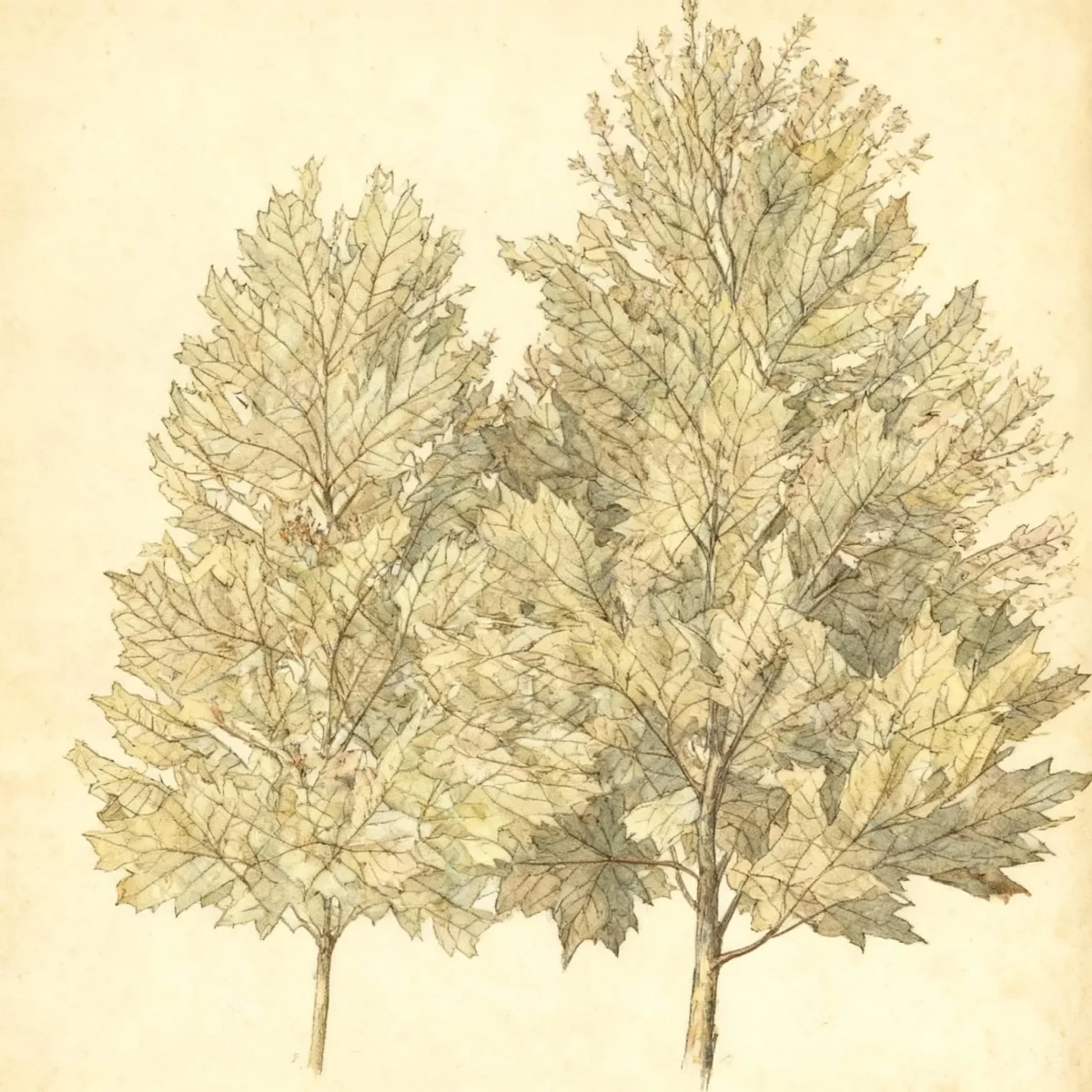
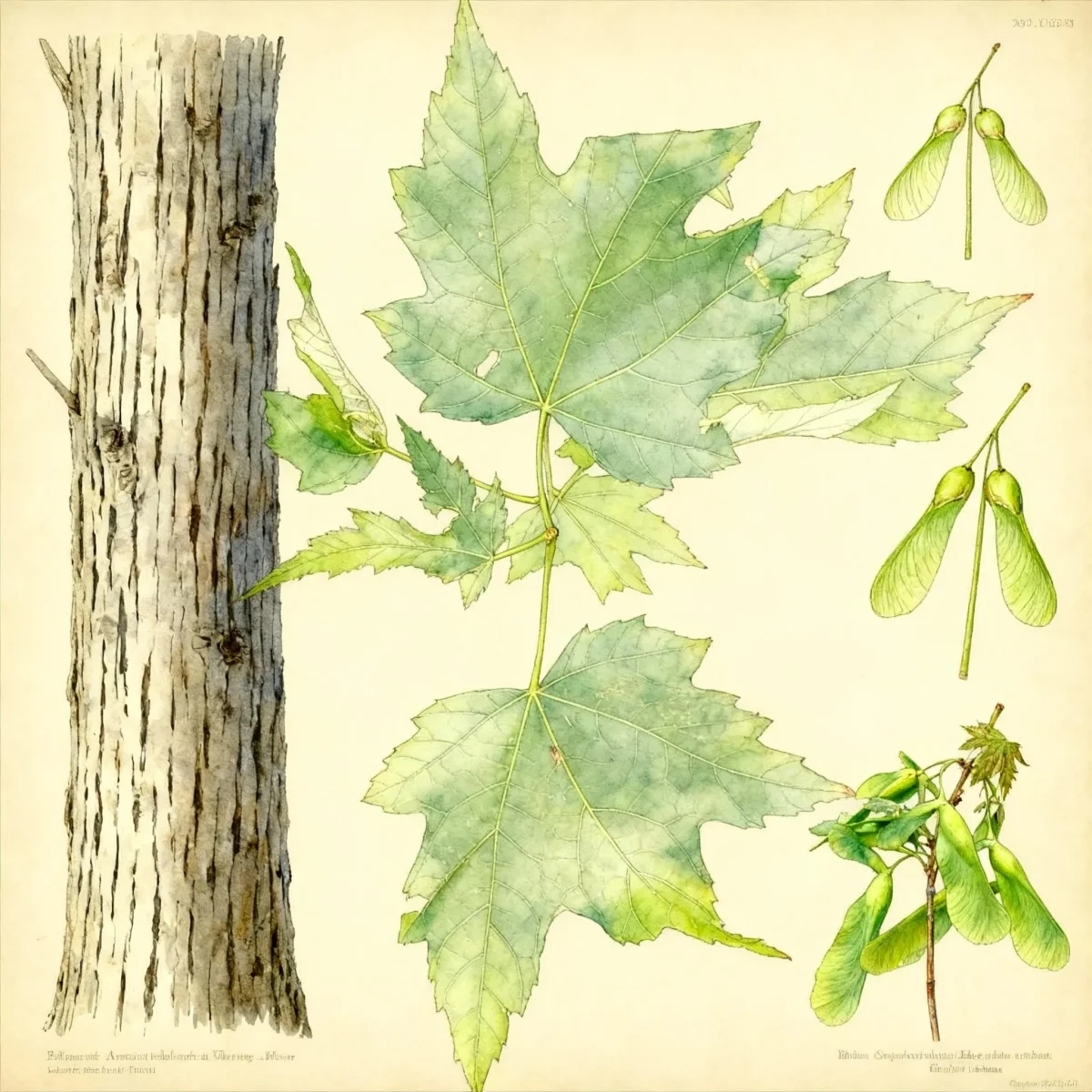
Acer saccharinum commonly known as silver maple, is a large, deciduous tree typically growing to 50-80’ (less frequently to 100’) tall with a rounded open spreading crown. It is native to eastern and central North America where it typically occurs in moist to wet, sometimes mucky, often poorly drained soils on floodplains, along the edges of streams and rivers and in low woods. The foliage is distinctive: deeply 5-lobed light green leaves (to 6” across) have silvery undersides, which is the origin of the name silver maple.
Tolerances
- Drought
- Wet Soil
- Black Walnut
- Air Pollution
Potential Problems
The primary concern for gardeners growing Acer saccharinum relates to its structural integrity. The tree is susceptible to developing weak, brittle branches that readily break during high winds or when heavy ice and snow loads accumulate in winter. Proactive pruning is essential to remove crossing limbs and structurally weak wood early in the tree’s life.
Pest and disease issues include susceptibility to verticillium wilt, anthracnose, and canker, though these are often secondary concerns compared to the physical breakage risk. Furthermore, this species frequently develops shallow, aggressive roots that can lift and damage nearby sidewalks, patios, and foundations. Plant the Silver maple at least 30 feet from paved surfaces needing stability.
Frequently Asked Questions
What hardiness zones is Silver maple suitable for?
The Silver maple (Acer saccharinum) is highly cold-tolerant and suitable for USDA Hardiness Zones 3 through 9.
How large does Silver maple grow?
This large deciduous tree commonly reaches mature heights between 50 to 80 feet, with a substantial spread ranging from 35 to 70 feet wide.
What sun exposure does Acer saccharinum need?
Acer saccharinum performs best when situated in an area that receives full sun, although it tolerates partial shade conditions well.
When does Silver maple bloom?
The tree blooms early in the season, typically in March, producing inconspicuous clusters of greenish-yellow flowers before the leaves emerge.
Conclusion
The Silver maple remains a valuable asset for gardeners needing rapid height and coverage, excelling particularly in moist or challenging sites due to its resilience and low maintenance requirements. While the weak wood of Acer saccharinum necessitates careful placement away from valuable assets, its striking foliage makes it a worthwhile landscape feature. Before planting, confirm your site conditions include adequate space for its massive mature dimensions and match its zonal suitability.
Companion Planting
Because the Silver maple prefers moist to wet soil conditions, pairing it with other moisture-loving native species can enhance the landscape aesthetic. Consider underplanting large specimens with moisture-tolerant shrubs that thrive in partial shade, such as various dogwood species (Cornus) or buttonbush (Cephalanthus occidentalis). Pairing it with stronger-wooded, slower-growing shade alternatives like oaks can provide visual interest across different stages of growth.
Wildlife Benefits
Although Acer saccharinum is not typically a premier pollinator plant, its early March bloom is significant as one of the first available food sources for emerging bees and insects in colder climates. In habitat gardening, the presence of a large, mature tree provides essential canopy cover and nesting sites for various bird species throughout the year. The seeds (samaras) dispersed in late spring can also serve as a minor food source for small mammals and certain birds.