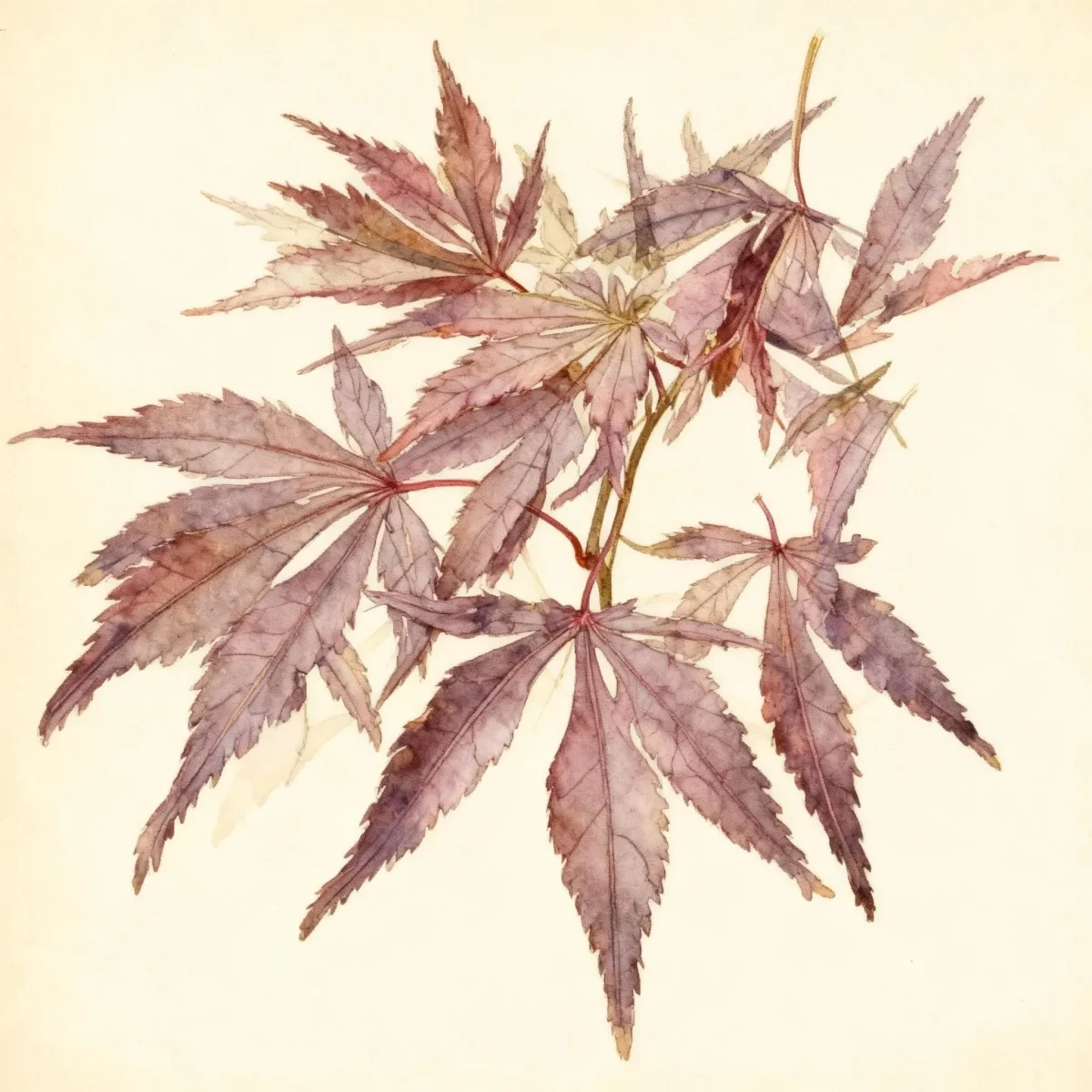
Snakebark maple (Acer davidii)
Acer davidii, the striking Snakebark maple, offers unique olive-green, striped bark and excellent autumn color for Zones 5-7.
Scroll down to discover growing tips, care requirements, companion plants, and more
Complete Plant Information
Overview
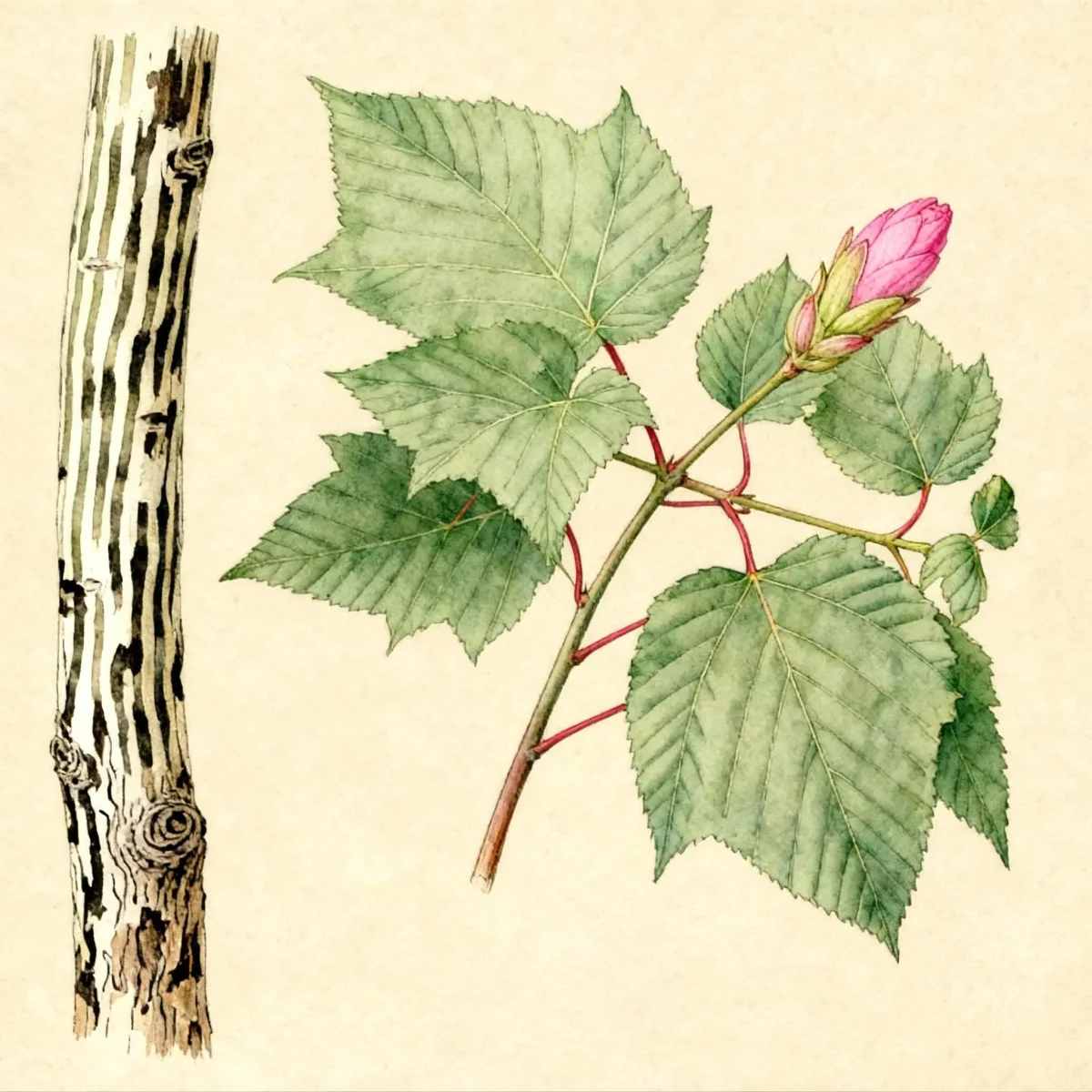
The Snakebark maple (Acer davidii) is prized by discerning gardeners primarily for its spectacular, smooth, olive-green bark conspicuously streaked with white or green, giving it a distinctive ‘snakeskin’ appearance. This deciduous tree provides essential visual interest throughout the dormant winter months when its colorful trunk is fully exposed. Native to mixed forests in central China, this relatively small to medium-sized specimen is known for its upright habit and arching branches.
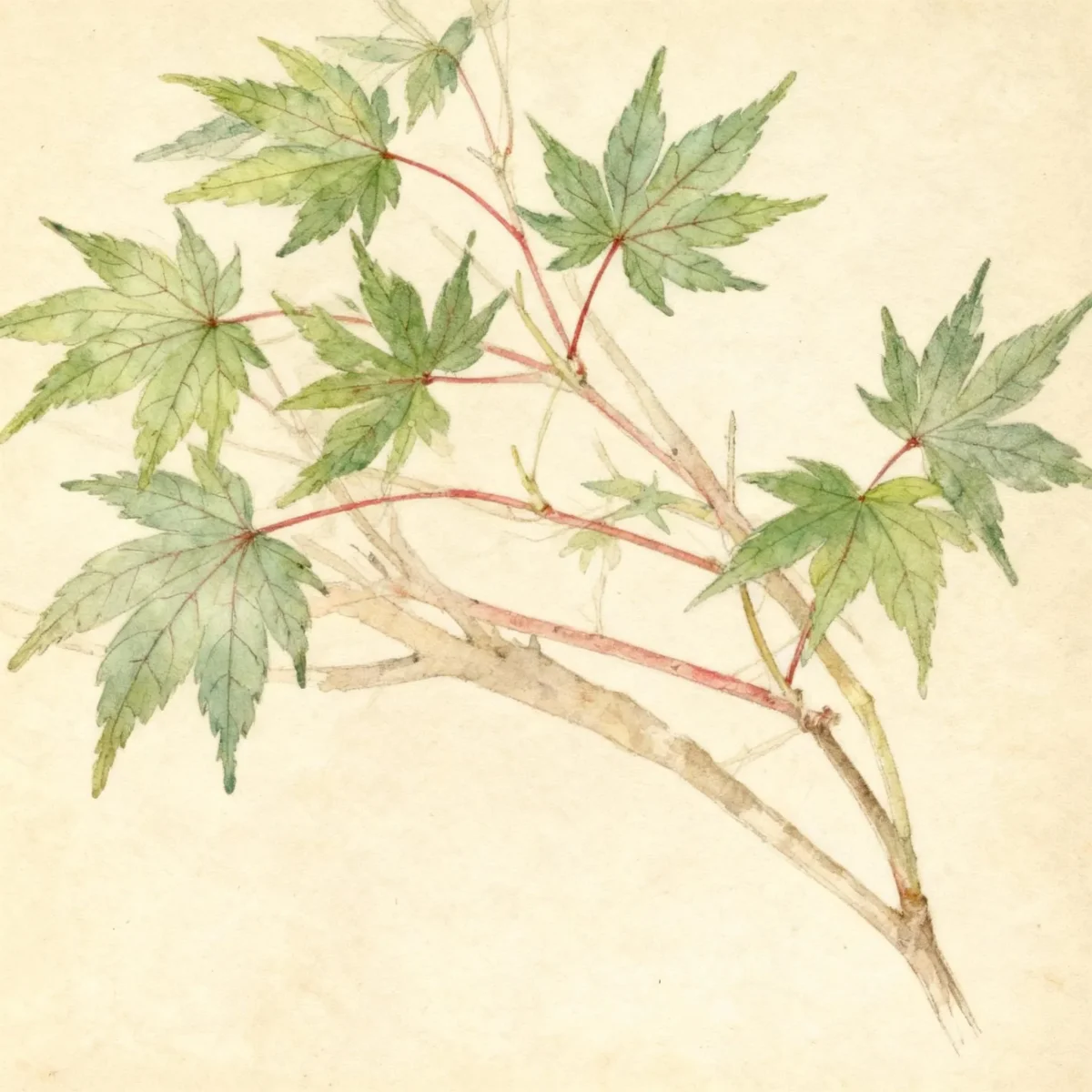
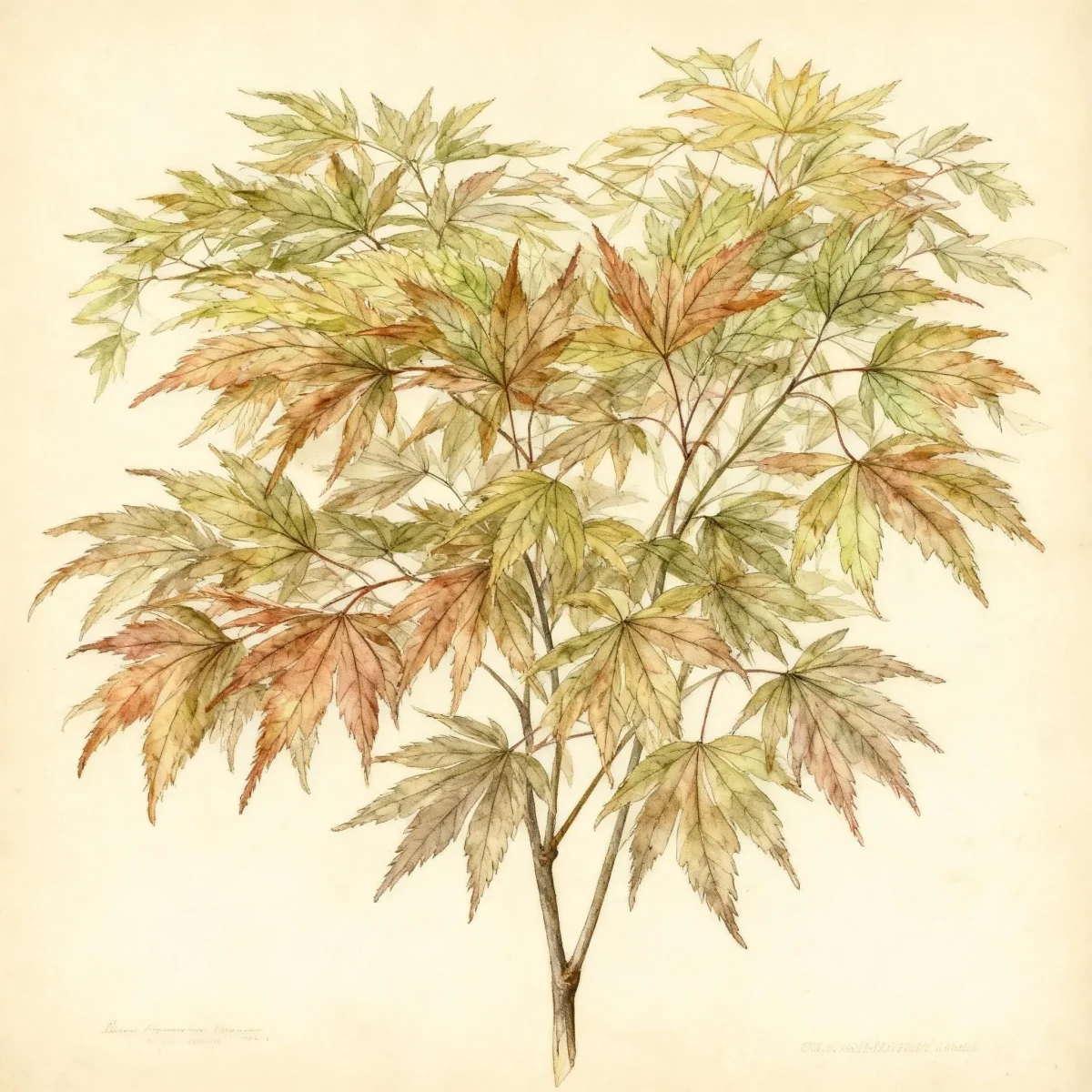
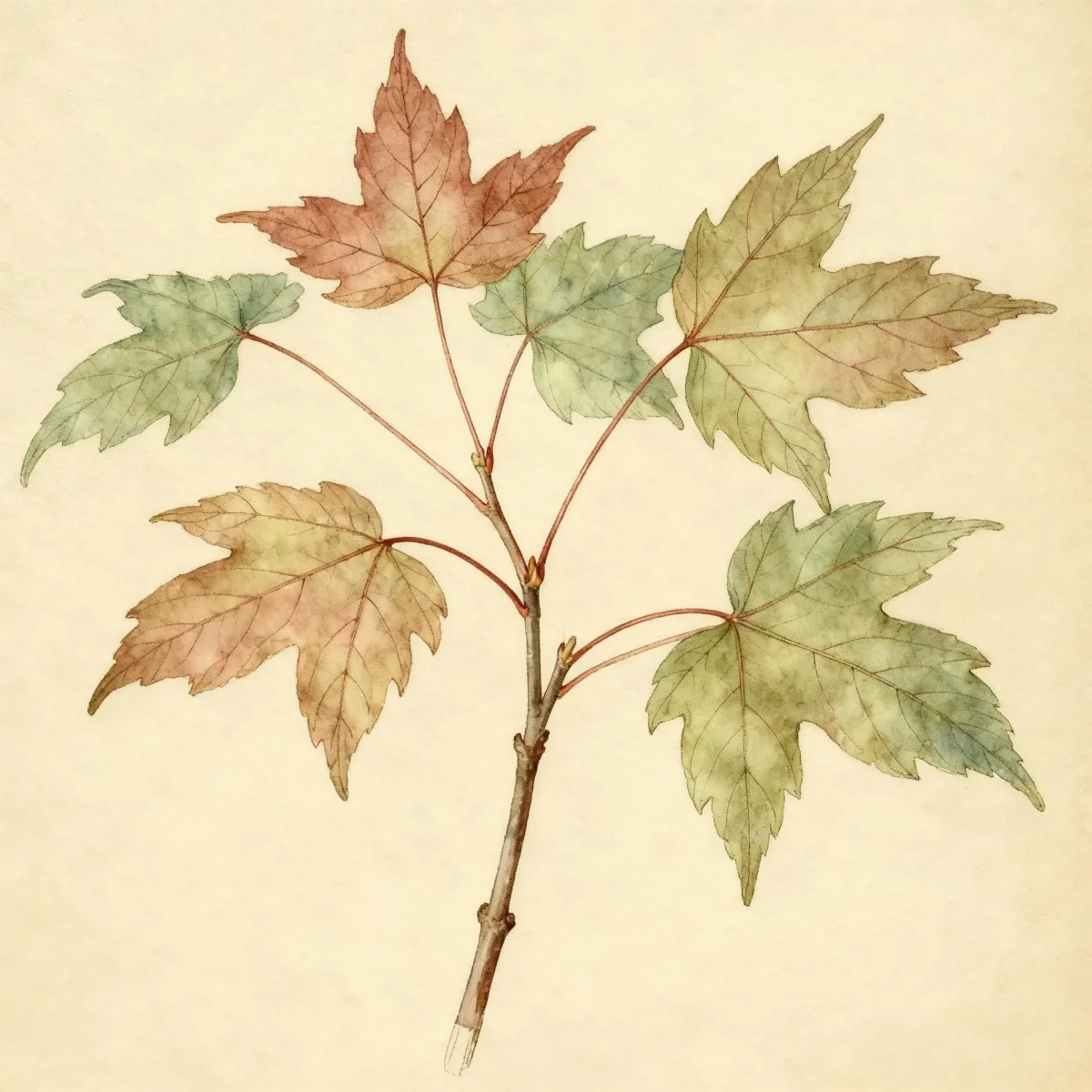
Acer davidii offers more than just its striking bark; it features unlobed, dark green leaves that turn brilliant yellow, orange, or red shades in the fall, adding seasonal depth to the landscape. As a member of the Macrantha section, it shares traits with other striped-bark maples, making it a unique addition to woodland-style plantings or as a specimen tree.
This tree is relatively low maintenance and performs best in climates that avoid extreme heat and prolonged humidity. Gardeners in cooler regions with proper soil composition will find the Snakebark maple rewards them with reliable structure and year-round aesthetic appeal.
Fast Facts
- Plant Family: Sapindaceae
- Plant Type: Tree
- Native Range: China, Myanmar
- Hardiness Zones: USDA Zones 5-7
- Size at Maturity:
- Height: 30-50 ft
- Spread: 20-40 ft
- Bloom Time: April
- Bloom Description: Yellow
- Sun Exposure: Full sun to part shade
- Water Needs: Medium
- Maintenance Level: Low
How to Grow
Planting the Snakebark maple should ideally occur in the spring or fall, allowing the root system time to establish before facing seasonal extremes. Location is critical; select a site where it receives full sun to partial shade, though bright afternoon sun should be avoided in hot climates. Acer davidii thrives in average, well-drained soils that are consistently moist and slightly acidic.
Watering should be maintained at a medium level, ensuring the soil does not dry out, especially during establishment or in hot weather. This maple benefits from consistent moisture, mirroring its native understory environment. Fertilizing is usually unnecessary unless the soil is extremely poor. Focus pruning efforts on removing dead, damaged, or crossing branches to maintain attractive form, ideally done during the late winter dormancy.
Gardeners in the deep South should be cautious, as Acer davidii struggles in high heat and humidity. Its best performance is consistently noted in cool summer regions, such as the Pacific Northwest, where it can handle more exposure. Ensure soil acidity is maintained if possible to support robust health.
Landscape Uses
The Snakebark maple is uncommonly found in cultivation, making it an excellent choice for gardeners looking to add a unique specimen tree. Its moderate mature size lends itself well to use as a thoughtful shade tree in smaller yards or courtyards where larger maples would dominate. It also functions admirably as a stately street tree, provided adequate space for its 20-40 foot spread is available.
As an attractive small tree or large shrub, Acer davidii excels when placed against darker backgrounds, such as evergreen hedges or deep green lawns, allowing its striped bark to truly pop. Consider pairing it with shade-tolerant, low-maintenance shrubs that share its preference for moist, acidic conditions, such as Rhododendrons or woodland ferns, placing them where their texture contrasts with the maple’s smooth trunk.
Standout Features
Noteworthy Characteristics
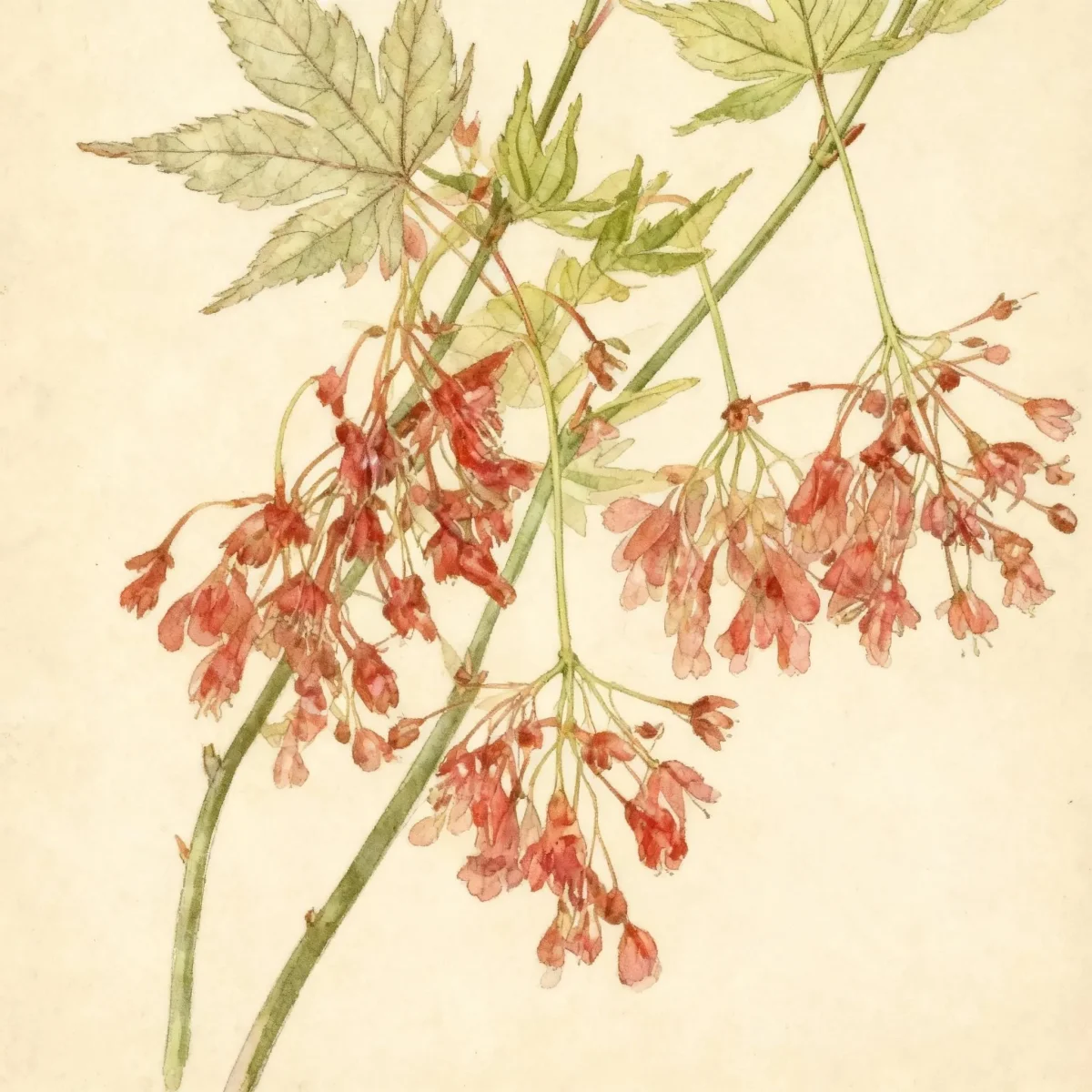
Acer davidii commonly called snakebark maple or Pere David’s maple is a deciduous, somewhat variable, small to medium sized, understory tree that is native to mixed forest areas of central China. It is perhaps best noted for its snake-like bark, unlobed leaves and attractive autumn leaf color. It is part of the Macrantha taxonomic section of maples which consists of trees commonly called stripe bark maple or snake bark maple in reference to their distinctive bark. This species offers excellent yellow to orange to red fall color following the flowering of small, inconspicuous, yellowish blooms in spring.
Flower Qualities
- Insignificant
Fruit Qualities
Tolerances
Potential Problems
While generally low maintenance, gardeners should monitor Acer davidii for potential issues. Disease vulnerabilities include verticillium wilt, which can be serious, as well as common leaf spots, tar spot, canker, and root rots. Prevention involves ensuring excellent drainage and avoiding planting stress.
Insect pests that may appear include aphids, scale insects, borers, and various caterpillars. An early inspection for scale, particularly under branches, allows for timely dormant oil treatment. Mites can also be a concern during dry, hot periods, emphasizing the need for consistent moisture management for this beautiful plant.
Frequently Asked Questions
What hardiness zones is Snakebark maple suitable for?
The Snakebark maple (Acer davidii) is best suited for USDA Hardiness Zones 5 through 7.
How large does Acer davidii grow?
This species typically matures to a height between 30 to 50 feet, with a spread ranging from 20 to 40 feet wide.
What sun exposure does Acer davidii need?
Acer davidii performs well in partial shade, but it can also tolerate full sun, noting that shade is preferred, especially in locations experiencing hot summer weather.
When does Snakebark maple bloom?
Blooming occurs in April, producing small, inconspicuous flowers described as yellow in color.
Conclusion
The Snakebark maple is an outstanding selection for adding unique textural contrast and vibrant seasonal color to the landscape, primarily due to its iconic striped bark. Successful cultivation of Acer davidii relies on providing consistently moist, well-drained, slightly acidic soil away from intense summer heat. Before planting, confirm your regional growing conditions fall within USDA Zones 5-7 to ensure this stunning maple thrives.
Companion Planting
For optimal performance, pair the Snakebark maple with plants that share its preference for partial shade and consistently moist, acidic soils. Consider underplanting with acid-loving evergreens such as Azaleas or Rhododendrons, whose dense, dark foliage will dramatically highlight the pale, striped bark of the Acer davidii in winter.
Groundcovers like Pachysandra or woodland ferns (e.g., Japanese Painted Ferns for color contrast) make excellent companions beneath the canopy. These companions do not compete aggressively for light and mimic the desirable, filtered light conditions of the maple’s native habitat, reinforcing the structural beauty of the Acer davidii.
Design Ideas: Creating Focal Points
Due to the remarkable visual interest of its trunk, the Snakebark maple is best utilized as a specimen plant where it can be viewed year-round, particularly during winter. Planted near evening outdoor lighting or visible from a frequently used window, the bark becomes an illuminated focal point. Avoid placing it directly against a complex background; a simple wall or a mass planting of dark green shrubs will enhance its architectural qualities.
For a layered, textural effect reminiscent of its native Chinese woods, position the Acer davidii towards the middle or back of a border, allowing lower-growing, shade-tolerant perennials to frame its base. Its natural tendency to form an often multi-trunked shape provides a lovely, slightly informal silhouette suitable for Japanese-inspired or naturalistic landscape designs.