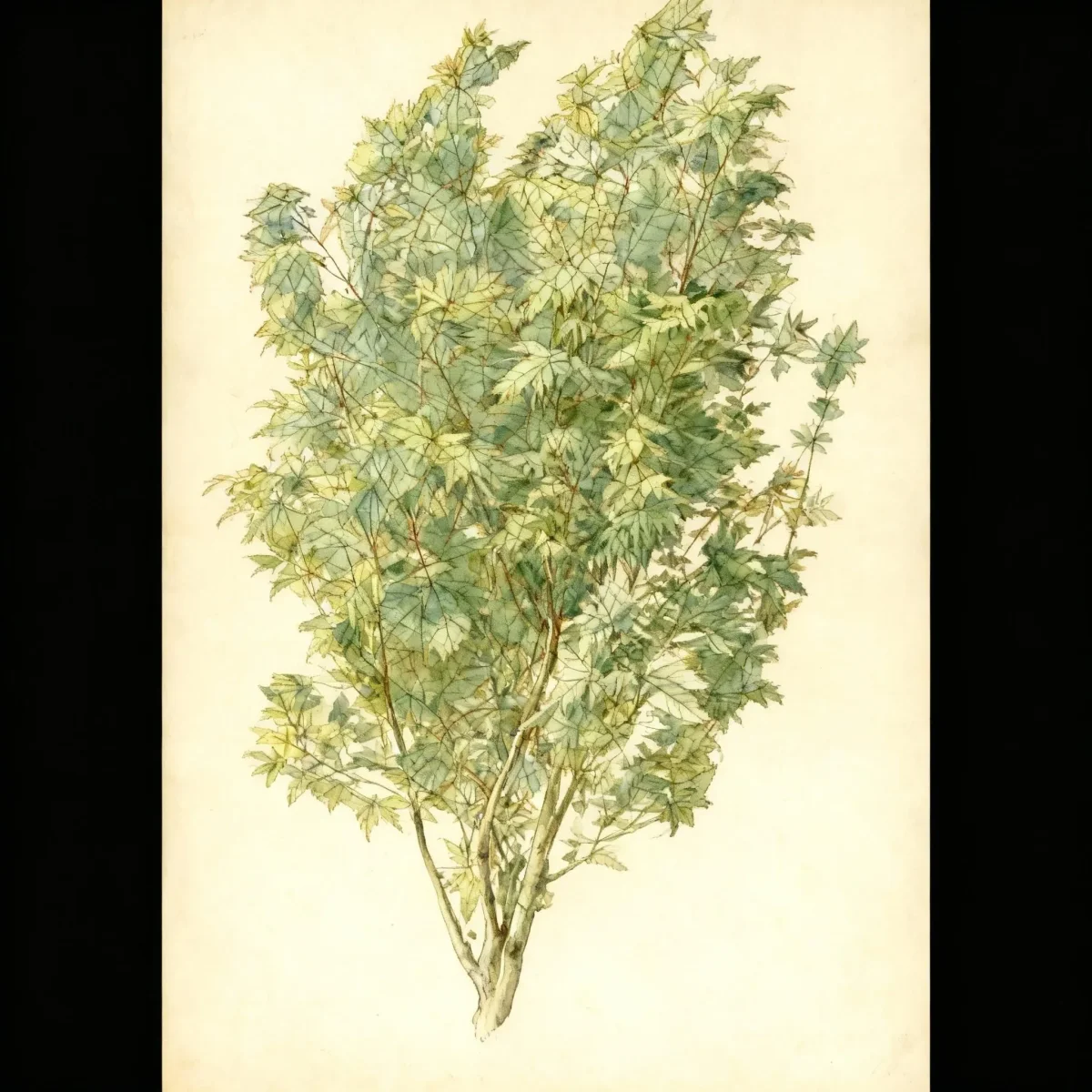
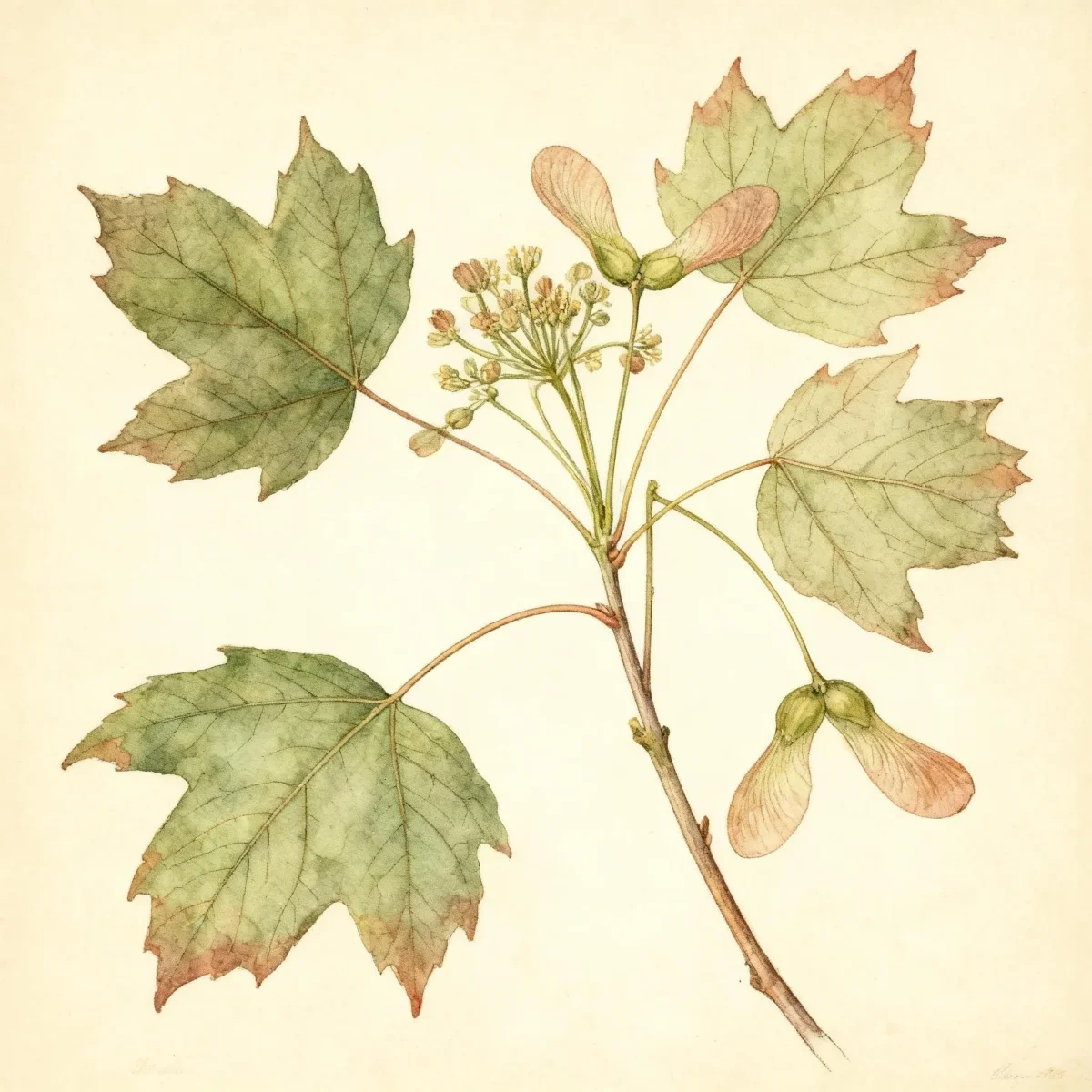
Black maple (Acer saccharum subsp. nigrum)
Discover Black maple (Acer saccharum subsp. nigrum), a robust shade tree native to North America, valued for its excellent fall color and syrup potential.
Scroll down to discover growing tips, care requirements, companion plants, and more
Complete Plant Information
Overview
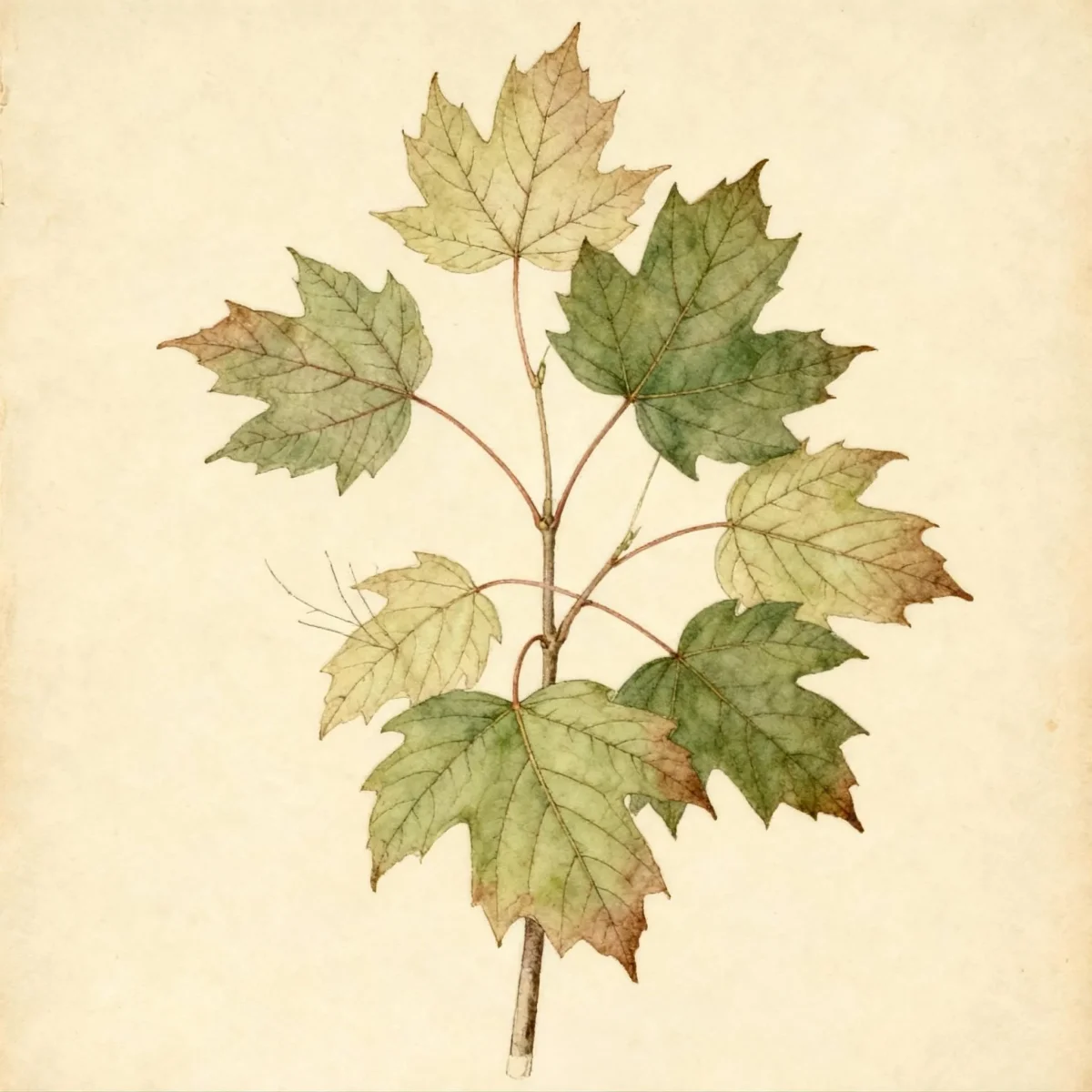
The Black maple, scientifically known as Acer saccharum subsp. nigrum, is a magnificent addition to large landscapes, highly valued for its dense crown and reliable shade production. While closely related to the common sugar maple, the Acer saccharum subsp. Nigrum often exhibits darker bark and distinctively lobed leaves that turn brilliant yellow, orange, and red in autumn. This substantial, deciduous tree is a foundation species in eastern North American hardwood forests, offering significant aesthetic and ecological value.
Gardeners appreciate the Black maple for its stature and its relative resilience compared to other maples. It easily adapts to average, well-drained soils, though it performs best when siting allows for consistent moisture during the growing season. Mature trees develop a rounded crown, making them exceptional choices where large-scale summer cooling is required.
Furthermore, the tapping quality of the sap from Acer saccharum subsp. nigrum is equivalent to that of the sugar maple, offering the potential for home syrup production. Whether used as an imposing shade provider or a striking specimen tree, the Black maple deserves consideration for its longevity and robust presence.
Fast Facts
- Plant Family: Sapindaceae
- Plant Type: Tree
- Native Range: Central and eastern North America
- Hardiness Zones: USDA Zones 4-8
- Size at Maturity:
- Height: 60-75 ft
- Spread: 40-60 ft
- Bloom Time: April
- Bloom Description: Yellowish-green
- Sun Exposure: Full sun to part shade
- Water Needs: Medium
- Maintenance Level: Medium
How to Grow
Planting Acer saccharum subsp. nigrum is best achieved in spring or fall, allowing the root system to establish before the stress of extreme summer heat or deep winter cold. Select a location providing full sun to partial shade; while it tolerates shade, optimal growth and fall color occur with more direct light exposure. This tree thrives in average, medium soils, provided they are well-drained, though performance improves significantly in consistently moist conditions.
Ongoing care requirements for the Black maple are considered medium. Ensure deep, infrequent watering, especially during dry periods, as the species benefits from moisture. Although adaptable, be mindful that best performance is achieved when summer heat and drought stress are minimized. Pruning should generally be reserved for removing dead or damaged limbs, following standard maple trimming guidelines to avoid excessive sap flow damage if pruned in late winter or early spring.
Mature trees display a surprising tolerance to both drought and heat compared to nearby sugar maples, a useful characteristic when planning sites that might experience drier conditions or urban heat island effects. Pay attention to spring clean-up to manage fallen leaves, though they break down well in garden beds as mulch.
Landscape Uses
The primary function of the Black maple in the landscape is serving as a monumental shade tree, ideal for large lawns, parks, or open estates where its 60 to 75-foot height can be fully appreciated. Its dense, rounded crown provides exceptional relief from summer sun, making it perfect for shading patios or driveways over time. Due to its size, it is also recommended for use as a street tree, provided adequate soil volume is available beneath paved surfaces.
When designing groupings, utilize the impressive fall display of the Acer saccharum subsp. Nigrum as a focal point. Companion planting works well with slower-growing, shade-tolerant understory shrubs like Witchhazel or evergreen foundation plantings that contrast with its deciduous canopy. Avoid placing smaller, delicate plantings too close, as the canopy of the mature Black maple will dominate both light and moisture resources.
For large-scale restoration or naturalistic plantings, establishing the Black maple alongside other native hardwoods reinforces its ecological significance in the environment. Its imposing structure also provides excellent vertical contrast against lower-growing ornamental grasses or groundcovers tolerant of its eventual deep shade.
Standout Features
Flower Qualities
- Insignificant
Noteworthy Characteristics
The Acer saccharum subsp. nigrum, commonly known as black maple, shares much with the sugar maple but distinguishes itself with darker bark and leaves that appear droopy and hairy underneath, generally presenting with three lobes. This species is native to the upper Midwest and Northeast and is known for its excellent, lengthy lifespan and relatively slow growth rate. Its dark green leaves mature into beautiful seasonal displays of yellow, orange, and red, and the sap is prized for syrup production identical in quality to that derived from Acer saccharum.
Tolerances
- Heavy Shade
Potential Problems
While generally robust, the Acer saccharum subsp. Nigrum is susceptible to several common fungal and pest issues found in the maple family. Watch for signs of Verticillium wilt, which can cause sudden branch dieback, and various leaf spots like tar spot. Insect infestations involving aphids, borers, and scale may also occur, though usually not to a devastating degree unless the tree is already stressed. To mitigate fungal diseases, ensure good air circulation around the foliage and maintain appropriate soil moisture levels to keep the tree vigorous. Annual inspections can help catch early signs of borers or canker infections.
Frequently Asked Questions
What hardiness zones is Black maple suitable for?
The Black maple is hardy across USDA Zones 4 through 8, providing wide tolerance across many central and eastern climates.
How large does Black maple grow?
At maturity, Acer saccharum subsp. nigrum typically reaches heights between 60 and 75 feet, with a spread ranging from 40 to 60 feet wide.
What sun exposure does Black maple need?
This tree adapts well to conditions ranging from full sun to partial shade, though bright light encourages the best overall health and autumn coloration.
When does Black maple bloom?
The pale yellowish-green flowers of the Black maple typically emerge in April, preceding the full flush of summer leaves.
Conclusion
The Acer saccharum subsp. nigrum stands out as a foundational landscape monarch, rewarding careful placement with decades of reliable shade and spectacular autumn hues. The adaptability of the Black maple, especially its strong performance in rich midwestern soils, secures its place as an excellent choice for any significant planting project. Before planting, always verify that your site falls within USDA Zones 4 to 8 to ensure the long-term success of this magnificent native tree.
Companion Planting
Choosing appropriate companions for Acer saccharum subsp. nigrum involves prioritizing species that thrive in similar medium moisture requirements and can tolerate the deep shade cast by a mature canopy. Understory shrubs that appreciate dappled light, such as serviceberry (Amelanchier species), provide textural contrast without competing aggressively for resources. Mid-sized ferns are excellent groundcovers beneath Black maples, particularly in moister pockets, as they thrive in the filtered light.
For a more formal look, consider grouping the Black maple with other moisture-loving, large deciduous trees like American Beech. This pairing creates a layered woodland effect, though careful spacing is essential to allow both species adequate room to reach their mature spread without crowding. Ensure that any companion plants are not overly prone to wet feet, as poorly drained soil can cause issues for the maple itself.
Wildlife Benefits
The dense branching structure of the Black maple offers crucial nesting and roosting opportunities for numerous bird species throughout the year, making it a keystone species in local ecosystems. In early spring, the yellowish-green flowers provide an early, albeit unspectacular, nectar source for emerging insects before many other sources become available. Furthermore, the seeds (samaras) are a food source for various small mammals and birds in late summer and early fall before winter sets in.
The presence of Acer saccharum subsp. Nigrum contributes significantly to local biodiversity simply through its mass and longevity. Large, stable trees provide microclimates and cover that support complex invertebrate populations, which in turn feed higher trophic levels. Planting this native maple directly supports native insect and bird communities in the region where it naturally occurs.