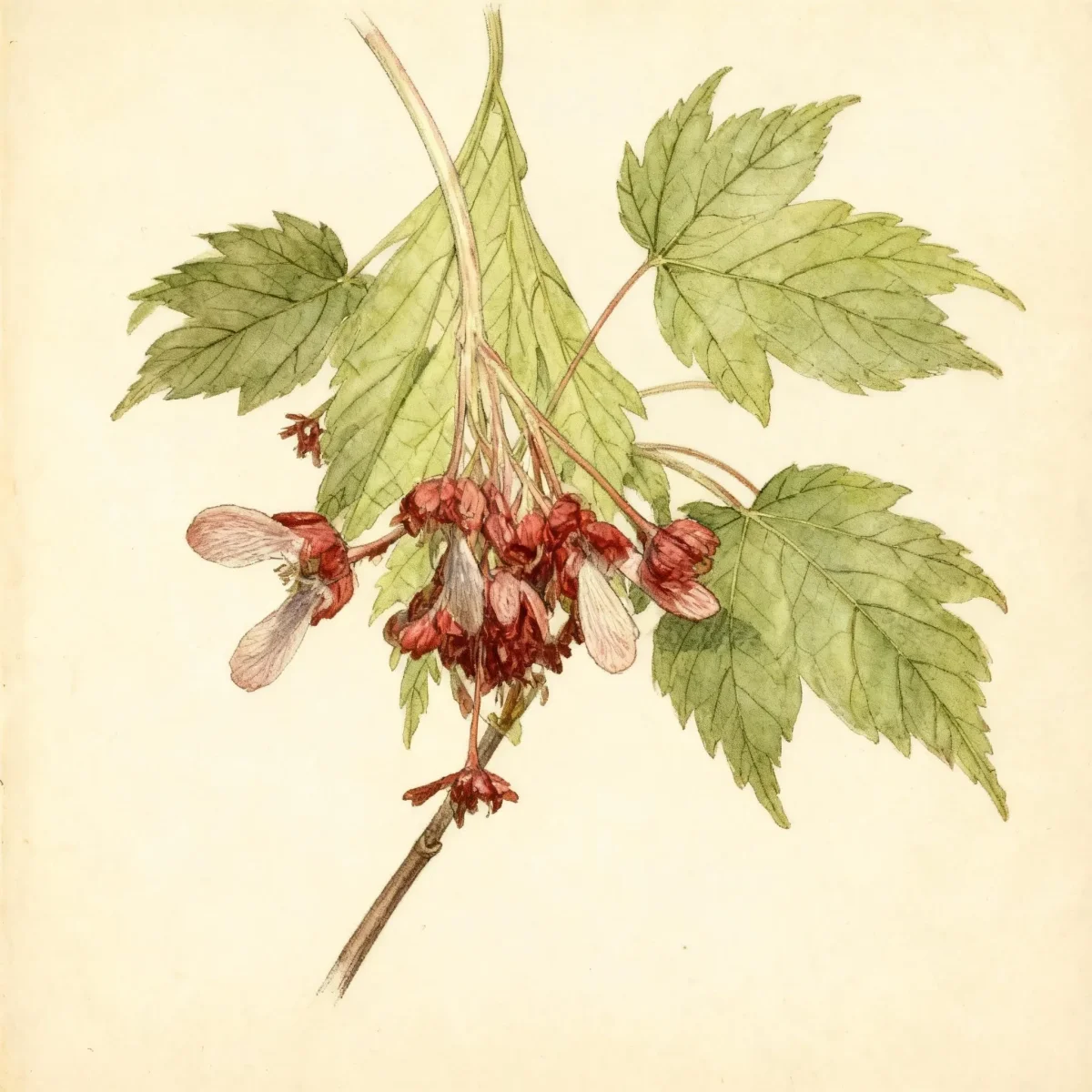
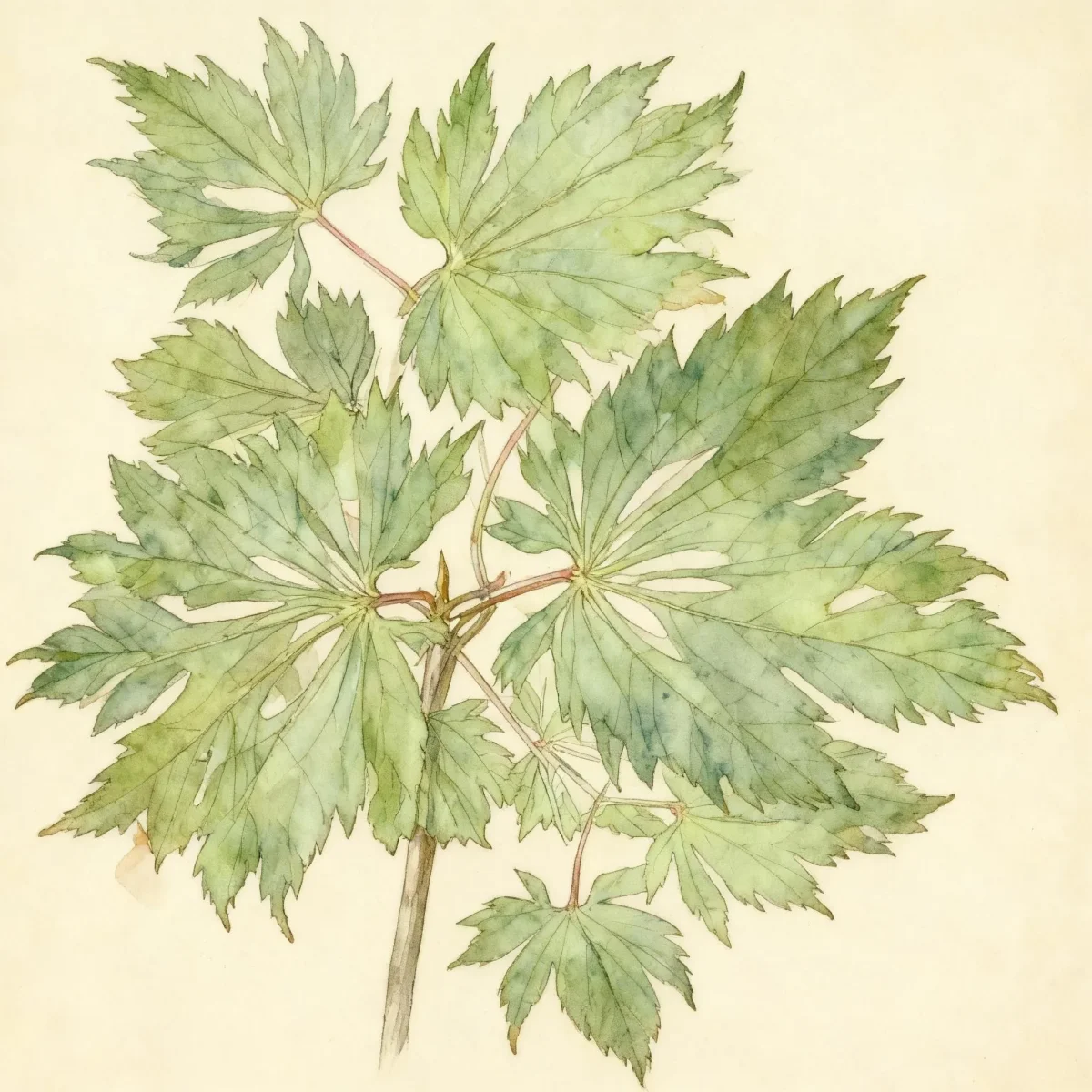
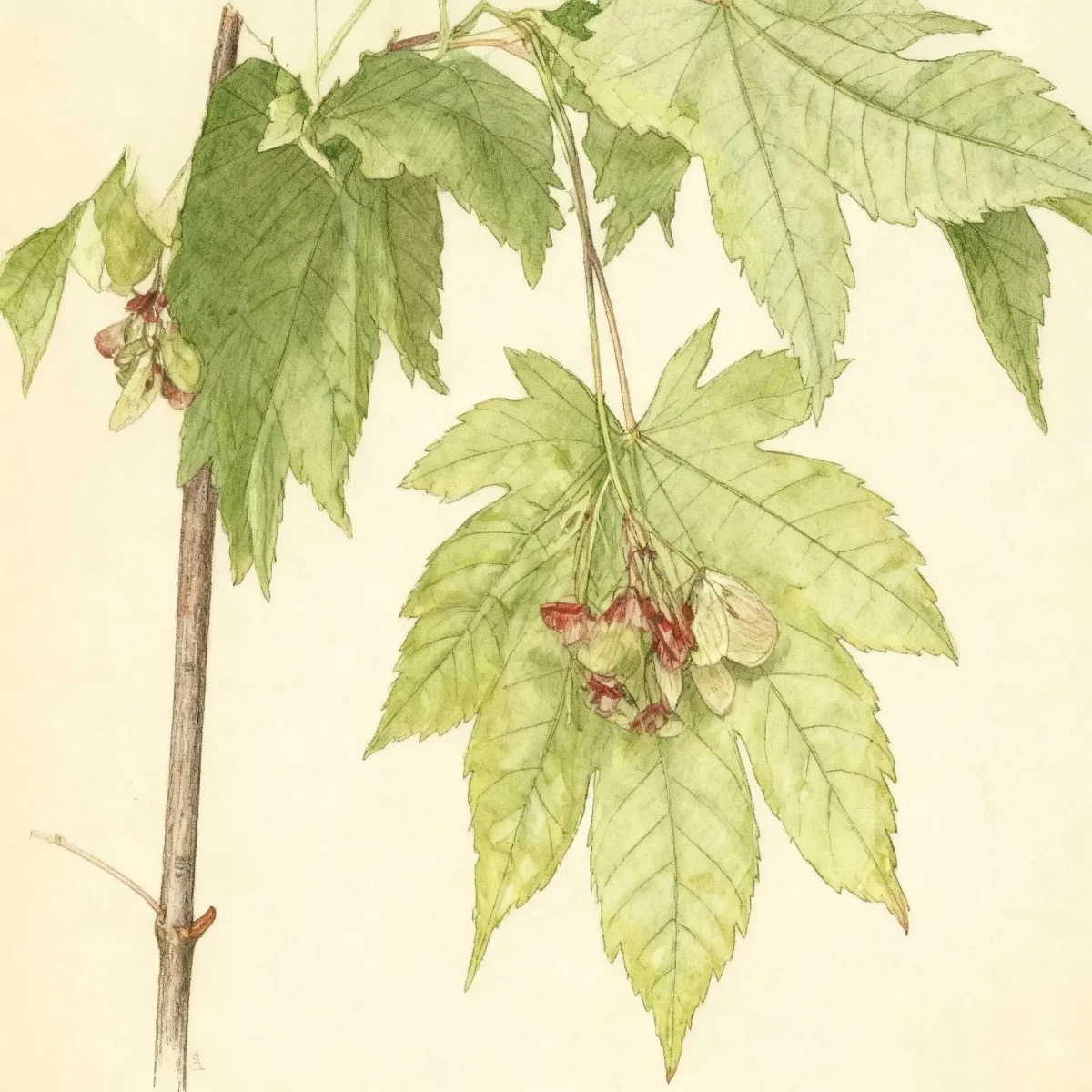
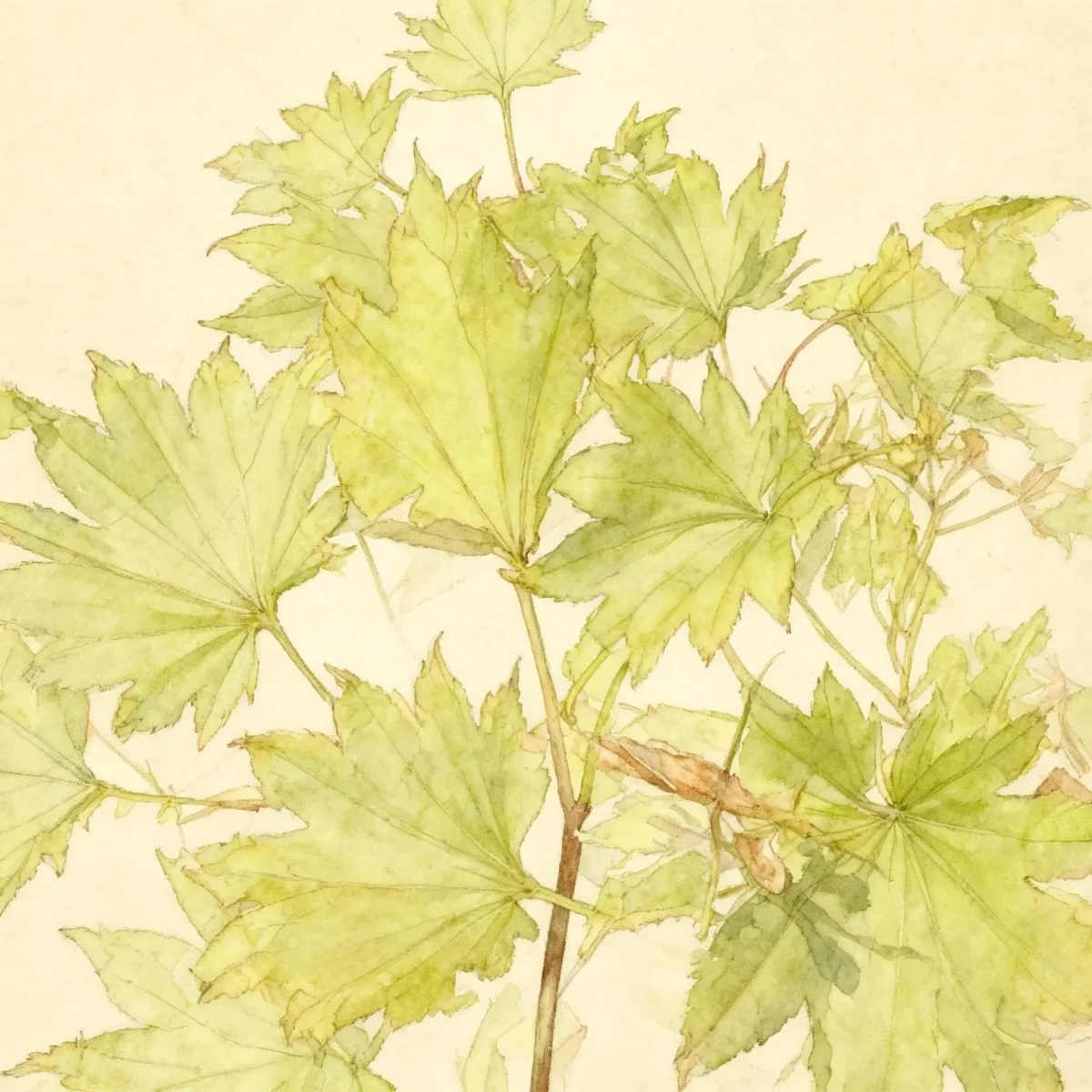
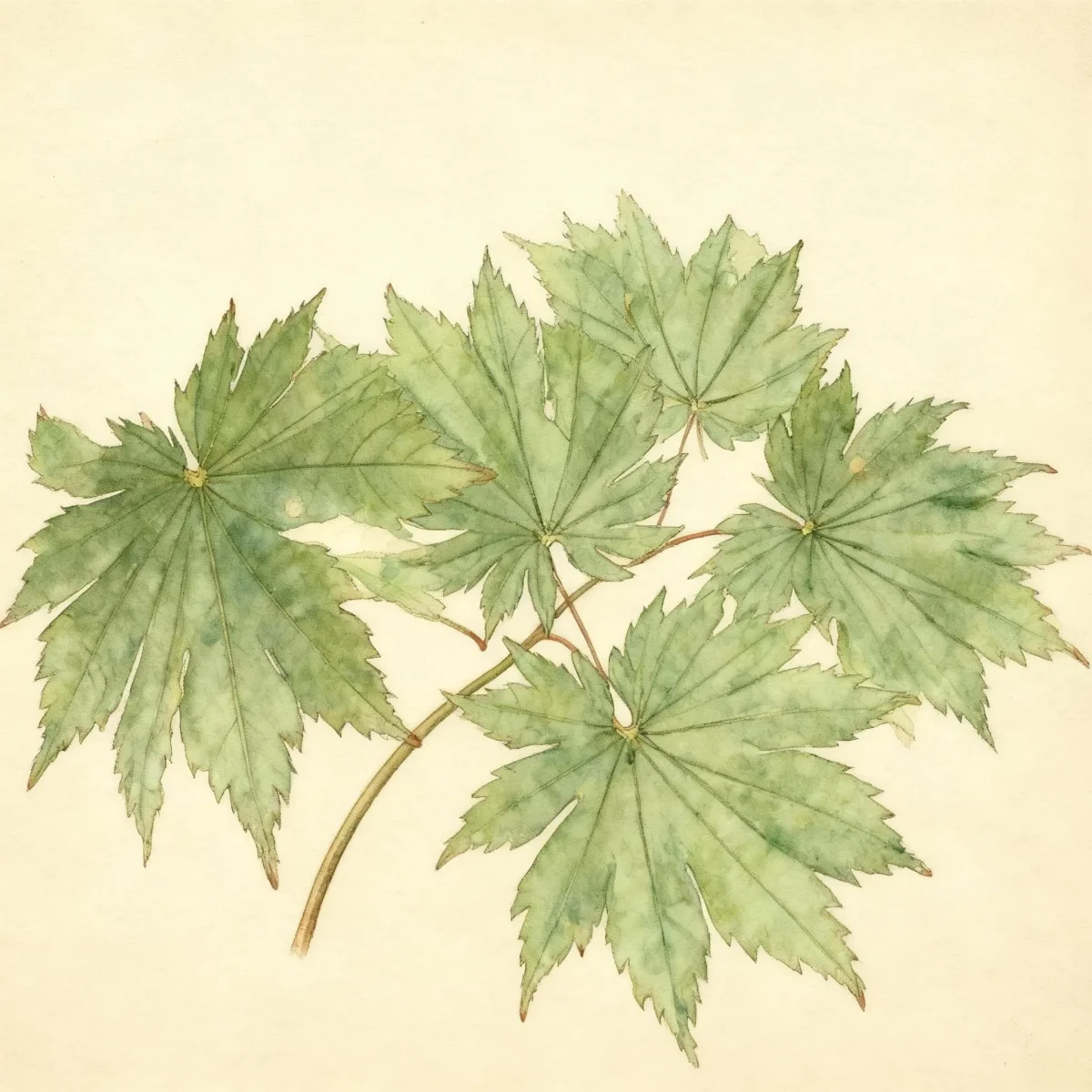
Full moon maple (Acer japonicum)
Discover the stunning Full moon maple (Acer japonicum), a spreading, low-maintenance tree ideal for zones 5-7.
Scroll down to discover growing tips, care requirements, companion plants, and more
Complete Plant Information
Overview
The Full moon maple, scientifically known as Acer japonicum, is cherished by gardeners for its elegant, rounded form and deeply lobed foliage that gives it a distinctive, soft texture. This deciduous tree provides exceptional visual interest throughout the growing season, peaking with bright yellow and red fall coloration. It is a graceful addition to residential landscapes, offering shade and structure without reaching the imposing size of larger shade trees.
Native to the mountainous regions of Japan, this species thrives in cooler environments, preferring protection from harsh afternoon sun and strong winds. Its slow to moderate growth rate results in a well-behaved specimen tree, often grown multi-trunked, adding architectural appeal even in winter. The name Acer japonicum perfectly encapsulates its origin and its iconic, moon-like leaf shape.
Cultivating the Acer japonicum brings long-term value through its low maintenance requirements once established. It excels as a focal point where its unique leaf structure and seasonal color palette can be fully appreciated. Gardeners seeking architectural interest and reliable autumn display should consider incorporating the Full moon maple into their design.
Fast Facts
- Plant Family: Sapindaceae
- Plant Type: Tree
- Native Range: Japan, Kuril Islands
- Hardiness Zones: USDA Zones 5-7
- Size at Maturity:
- Height: 20-30 ft
- Spread: 20-30 ft
- Bloom Time: April
- Bloom Description: Purplish red
- Sun Exposure: Full sun to part shade
- Water Needs: Medium
- Maintenance Level: Low
How to Grow
Establish your Acer japonicum during the cooler seasons, ideally early spring or fall, to allow the roots to settle before summer heat or deep winter freezes arrive. This maple performs best when planted in average, well-drained soil rich in organic matter. While it tolerates full sun, it strongly prefers lightly dappled shade, especially in hotter climates, to prevent scorching of its delicate foliage during the summer months.
Watering should be consistent, maintaining medium moisture levels; avoid letting the soil dry out completely, particularly during establishment. Acer japonicum appreciates cool summer conditions, so mulching heavily around the base will help retain soil moisture and moderate root temperature. Young trees benefit from staking temporarily to encourage a more upright growth habit, and care should be taken to site them where they are not exposed to strong winds.
Maintenance is generally low for this species. Pruning should be minimal, focusing only on removing dead, damaged, or crossing branches, typically during the dormant season. Be mindful that the foliage leafs out early, making it susceptible to damage from unexpected late spring frosts; siting it near a building might offer slight protection. Plants perform poorly if situated south of USDA Zone 7, indicating a preference for temperate climates.
Landscape Uses
The Full moon maple is overwhelmingly recognized as a specimen plant, making it the ideal focal point near patios, entries, or central lawn areas where its unique foliage can be observed up close. It functions superbly as an understory tree, allowing dappled light to filter through its canopy, which compliments shade-loving perennials and groundcovers planted beneath it. Its aesthetic value peaks during autumn when the leaves ignite in vivid yellows and scarlets.
Planting Acer japonicum in small groups can create a captivating woodland effect, softening hardscape features like stone walls or pathways. Avoid planting it where it competes directly with turfgrass, as maples generally prefer an uncrowded root zone. Combining the Acer japonicum with broad-leaved evergreens can enhance the visual contrast between the fine texture of the maple and the dense texture of shrubs like Rhododendrons or Japanese Holly.
Because of its refined appearance and manageable height, this small tree integrates well into Asian-inspired garden designs or contemporary settings requiring year-round structure. Its low maintenance profile means careful initial site selection is the most critical step; once sited correctly to avoid excessive sun or wind, the Full moon maple requires little intervention.
Standout Features
Flower Qualities
- Showy
Noteworthy Characteristics
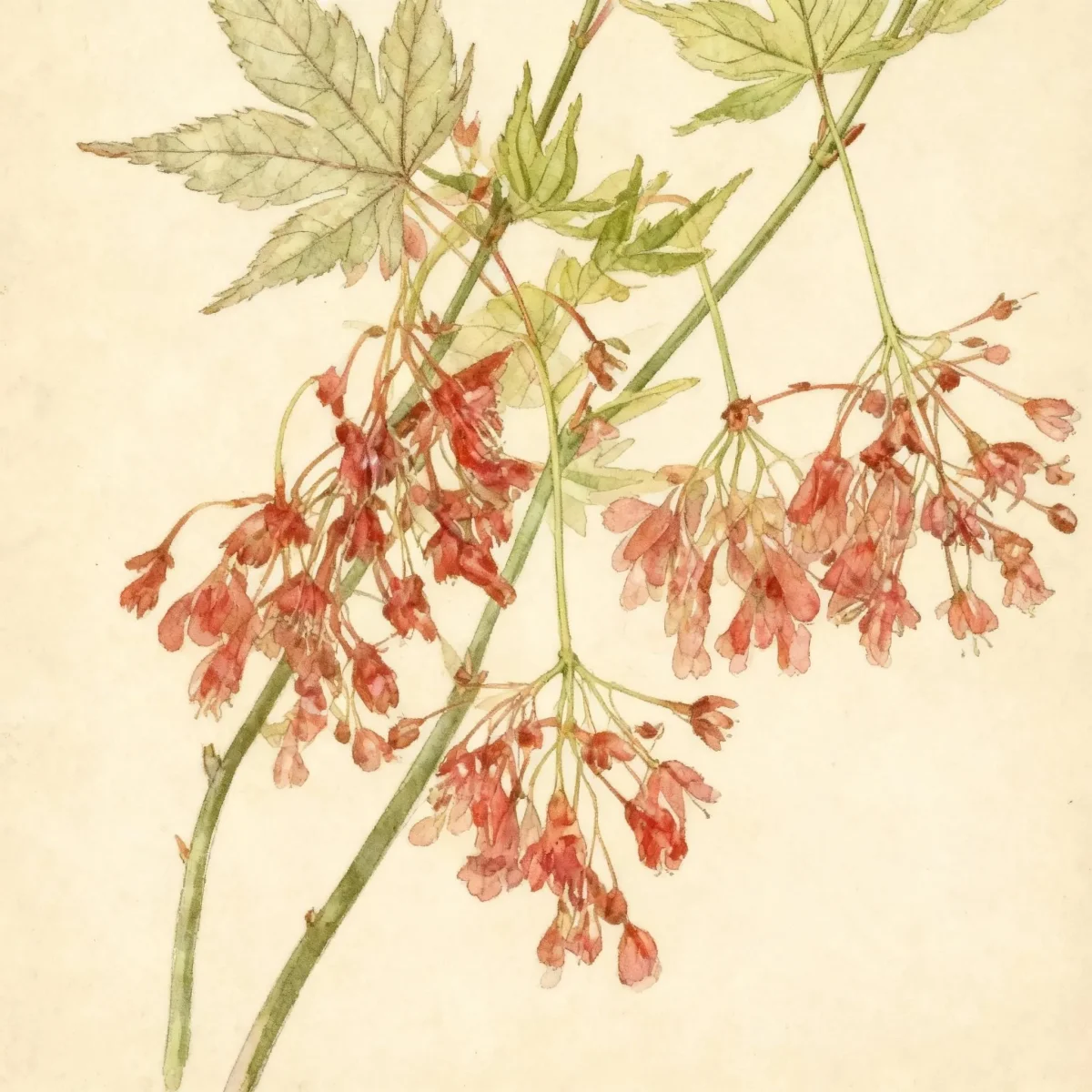
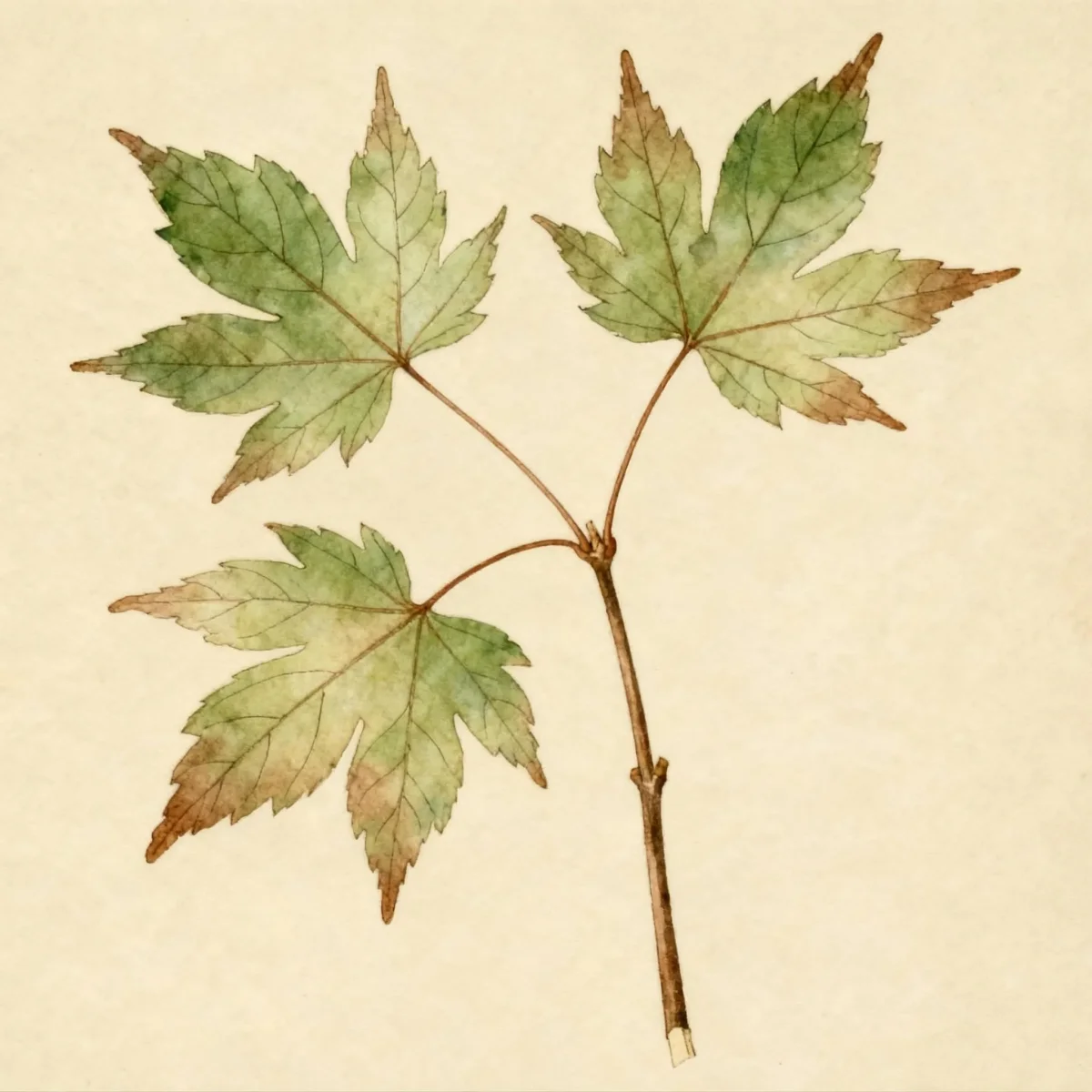
Acer japonicum, commonly called full moon maple, is a deciduous, spreading, small tree or large shrub that grows to 20-30’ tall and often grows in a multi-trunked form. It is native to mountainous areas of Japan, Manchuria and Korea, featuring rounded, palmate, medium green leaves deeply divided into 7-11 lobes, which turn yellow and red in fall. Small purplish-red flowers appear in pendulous corymbs in early spring before the leaves, followed by winged samaras that ripen in late summer.
Tolerances
(No data available)
Potential Problems
The foliage of the Full moon maple tends to leaf out quite early in the spring, leaving it vulnerable to damage from late frosts that can temporarily compromise its appearance. More significantly, the species is generally susceptible to several fungal and soil-borne diseases, including Verticillium wilt, various leaf spots, root rots, anthracnose, collar rot, and stem canker, underlining the necessity of excellent drainage. Furthermore, common insect pests such as aphids, scale, borers, and caterpillars may appear, alongside mites, requiring vigilance and prompt treatment to maintain the health of your Acer japonicum.
To mitigate disease risk, ensure proper air circulation by avoiding overcrowded plantings and never overwater; correct cultural practices are the first line of defense against root and collar rot. Watch for early signs of wilting, which suggests potential systemic issues like Verticillium wilt, in which case removal of affected branches or the entire tree may be necessary depending on severity. Controlling insect populations usually involves dormant oil applications for scale or targeted organic insecticides for active infestations of caterpillars.
Frequently Asked Questions
What hardiness zones is Full moon maple suitable for?
The Full moon maple (Acer japonicum) is suitable for gardeners located in USDA Hardiness Zones 5 through 7.
How large does Full moon maple grow?
This species typically matures to a height between 20 and 30 feet, with a corresponding spread of 20 to 30 feet, maintaining a compact, spreading habit.
What sun exposure does Full moon maple need?
Acer japonicum thrives best in locations receiving full sun to part shade, though it prefers lightly dappled shade to protect its leaves from burning in hot summers.
When does Full moon maple bloom?
The delicate blooms of the Full moon maple typically appear in April, showcasing small, purplish-red flowers before the characteristic foliage fully emerges.
Conclusion
The Acer japonicum, or Full moon maple, remains a premier choice for discerning gardeners who value refined structure, delicate form, and exceptional fall color in a manageable size. Its low maintenance needs—provided it receives correctly mitigated sun and well-drained soil—make it a rewarding long-term investment. Before purchasing, confirm that your site falls within USDA hardiness zones 5-7 and plan for planting during the appropriate cool season to ensure a successful start for your new specimen.
Companion Planting
When designing a planting scheme around your Acer japonicum, focus on companions that share its cultural needs for medium moisture and dappled light. Shade-tolerant, fine-textured perennials like Japanese Forest Grass (Hakonechloa macra) offer wonderful textural contrast beneath the maple’s canopy, while hostas with variegated or blue foliage provide broad shapes that balance the Acer japonicum’s palmate leaves. Consider using woodland edge shrubs like Azaleas or Camellias if your zone permits, as they thrive in similar well-drained, slightly acidic conditions.
For structural accents, pair the Full moon maple with plants that offer vertical interest or bright spring bulbs that fade before the maple’s summer canopy is fully developed. Since the maple is often grown as a specimen, ensure underplantings do not crowd the base, which inhibits air circulation and inhibits crucial moisture regulation around the root flare. Proper spacing maintains the elegant silhouette of the Acer japonicum.
Design Ideas for the Full Moon Maple
The distinctive, rounded habit of the Full moon maple makes it exceptionally valuable in small to medium-sized gardens where large shade trees are impractical. Use it as a powerful anchor plant near formal seating areas or courtyards, allowing its multi-trunk structure to define the space. In contemporary landscapes, a single specimen can provide an organic counterpoint to modern, clean lines and hard materials like steel or concrete.
In a woodland garden setting, utilize the Acer japonicum near a water feature or along a winding path where morning light can illuminate its emerging spring color. Allow it to overhang a slow-moving stream or dry creek bed to emphasize its natural Japanese aesthetic. If sited against a dark green backdrop, its medium green summer leaves become luminous, setting the stage for its fiery autumn show.