Tatarian maple (Acer tataricum)
Hardy Tatarian maple (Acer tataricum) is a low-maintenance tree thriving in zones 3-8, valued for its drought tolerance and showy red samaras.
Scroll down to discover growing tips, care requirements, companion plants, and more
Complete Plant Information
Overview
The Acer tataricum, commonly known as the Tatarian maple, is a highly adaptable small tree or large shrub prized by landscape designers for its resilience and attractive seasonal interest. This species readily establishes itself, offering a rounded crown structure that provides reliable shade and vertical accent in residential landscapes. Gardeners value the Tatarian maple for its low maintenance requirements and significant tolerance to less-than-ideal soil conditions.
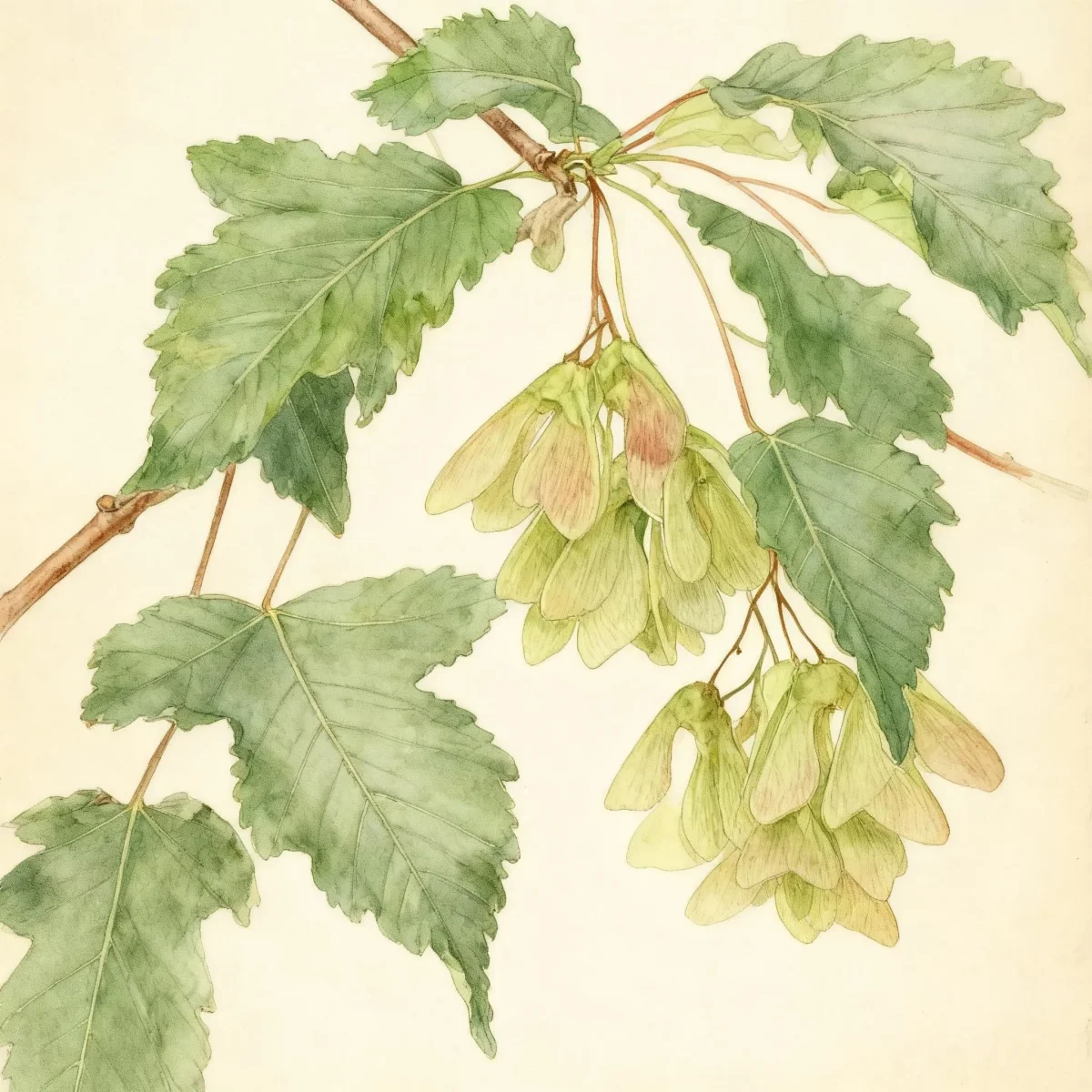
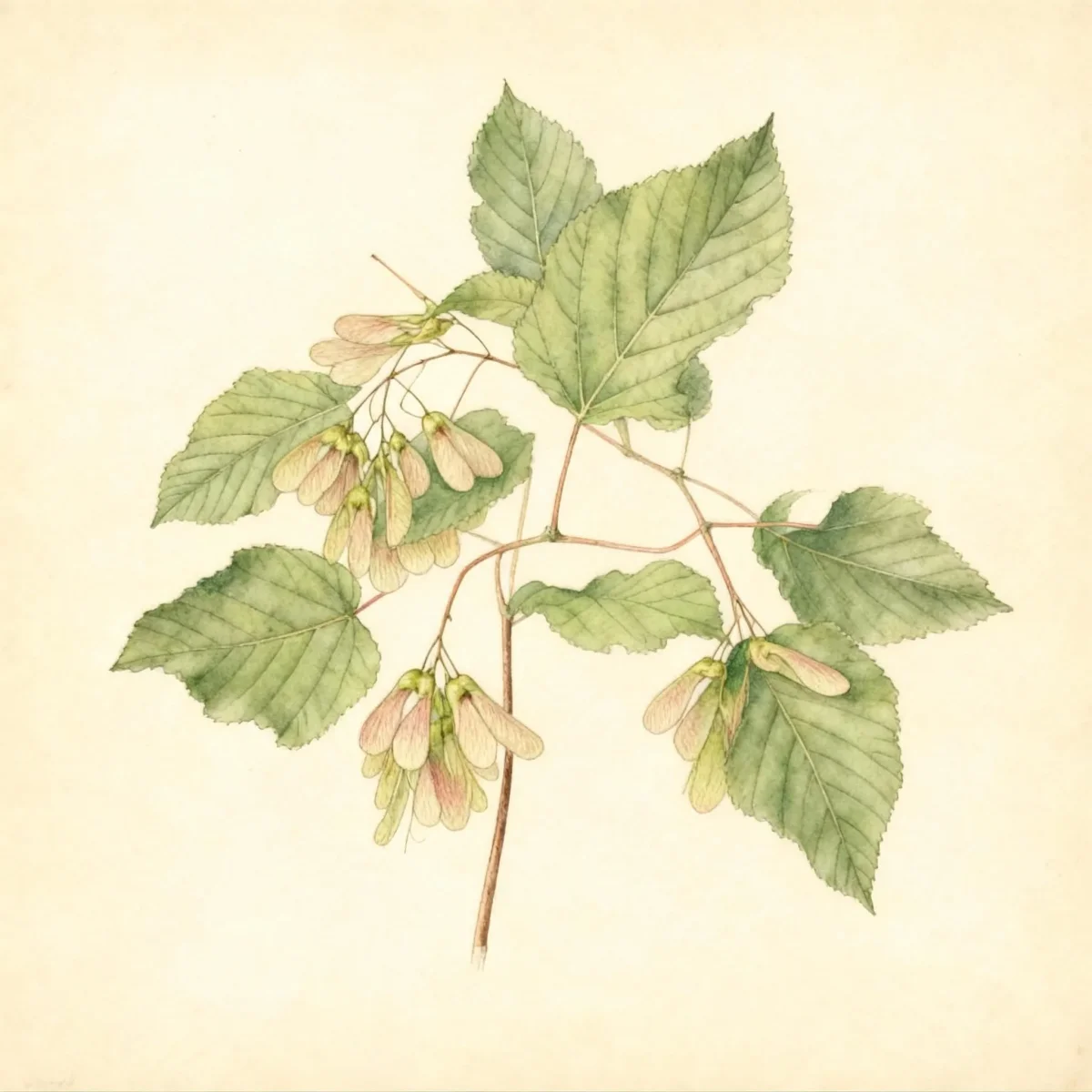
Native to the drier forested margins of Central Asia and Eastern Europe, Acer tataricum brings robust structure to tough sites where other maples might struggle. Its seasonal display includes mildly fragrant, small greenish-white flowers in spring, followed by the real visual highlight: masses of showy, reddish winged seeds, or samaras, that persist into the fall. This combination makes the Tatarian maple a dependable structural element throughout the growing season.
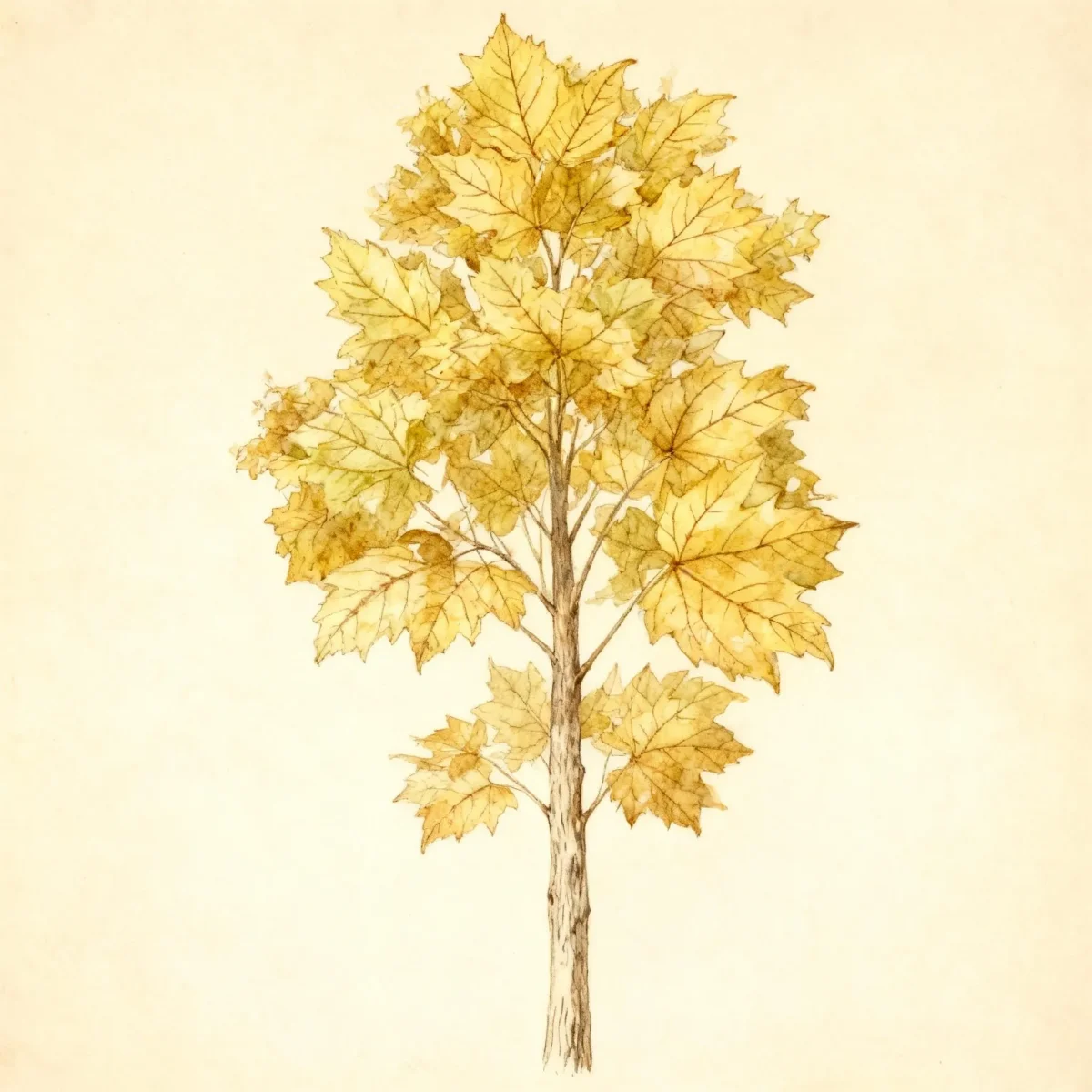
Mature specimens reach a manageable size, typically between 15 to 20 feet tall and wide, making it a versatile choice for various landscape roles. Whether utilized as a specimen or integrated into mixed borders, the Tatarian maple offers excellent four-season appeal without demanding constant intensive care, embodying true functional beauty.
Fast Facts
- Plant Family: Sapindaceae
- Plant Type: Tree
- Native Range: Central and western Asia, eastern Europe
- Hardiness Zones: USDA Zones 3-8
- Size at Maturity:
- Height: 15-20 ft
- Spread: 15-20 ft
- Bloom Time: April
- Bloom Description: Greenish-white
- Sun Exposure: Full sun to part shade
- Water Needs: Medium
- Maintenance Level: Low
How to Grow
Planting the Tatarian maple should ideally occur in early spring or fall while the tree is dormant, allowing good root establishment before summer heat. Locate Acer tataricum where it receives full sun or bright, sun-dappled locations for the best density and fall color, though it tolerates dappled shade. It prefers moist, organically rich, well-drained soils but is notably tolerant of clay, making it highly adaptable to various site preparations.
Water needs for established Acer tataricum are medium, though it possesses some drought tolerance once mature. Overwatering, particularly in heavy clay, should be avoided, as maples dislike standing water. Generally, supplemental feeding is rarely needed; if the soil is poor, a balanced slow-release fertilizer applied in early spring can encourage vigorous growth. Pruning is minimal, focusing mainly on removing crossing or damaged branches during winter dormancy.
For optimal performance, ensure the planting site allows the Tatarian maple room to develop its rounded crown without immediate constraint. While it handles heat better than many maples, consistent deep watering during its first two summers will secure its long-term survival. If you are gardening in areas with cooler summers, the Acer tataricum will achieve its best growth habit and enjoy robust health.
Landscape Uses
The Tatarian maple serves effectively as an interesting specimen shrub or small tree, drawing attention with its dense habit and unique samaras. Its manageable spread makes it suitable for medium residential lots where a large shade tree would overwhelm the space. Consider placing it where the spring greenish-white flowers can be appreciated up close, or position it against a darker backdrop so the red summer samaras truly pop.
Due to its low-maintenance nature and clay tolerance, Acer tataricum works well within mixed shrub borders or functioning as a transition plant between turf areas and wilder woodland plantings. It can provide screening or lend an informal, naturalized look to larger properties. Focus on pairing it with lower-growing, sun-loving perennials or evergreens that do not compete aggressively for surface moisture.
Standout Features
Flower Qualities
- Insignificant
Fruit Qualities
- Showy
Noteworthy Characteristics
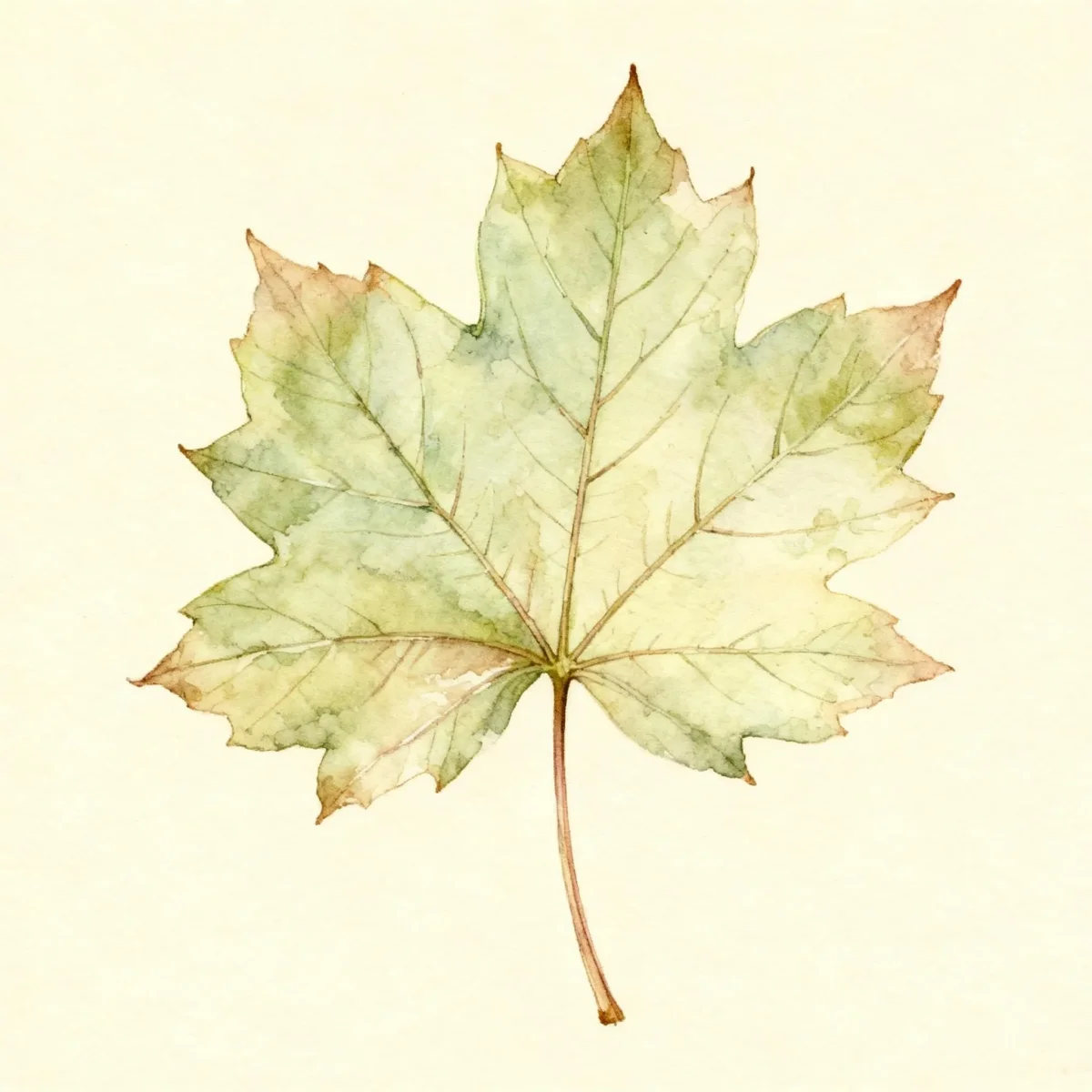
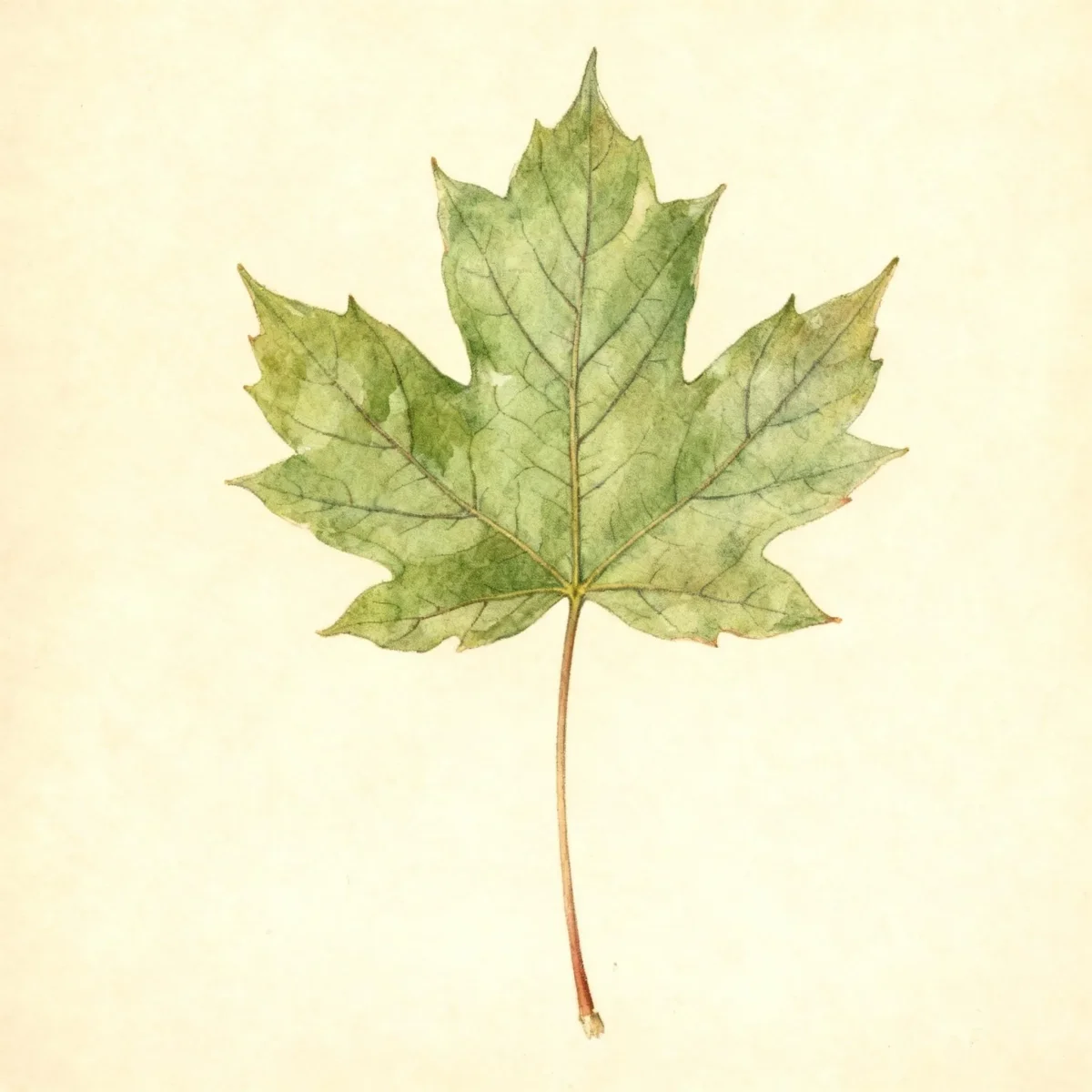
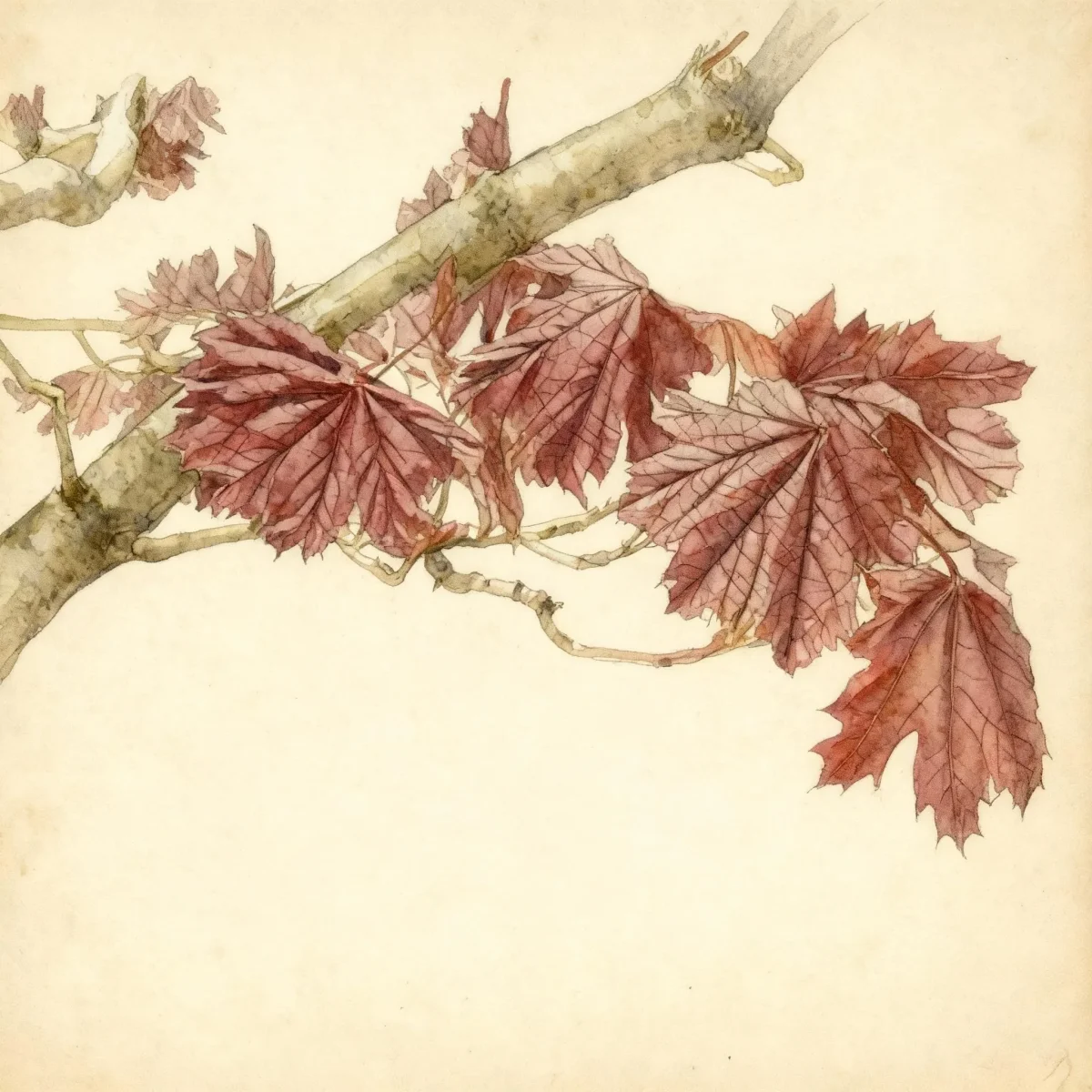
Acer tataricum, commonly called Tatarian maple, typically grows as a small, upright spreading tree with a dense, rounded crown or as a large multi-stemmed shrub. It matures over time to 15-20’ tall and is native to forested areas from western Asia to southeastern Europe. Its medium green leaves turn shades of yellow and red in the fall, followed by winged samaras that mature to a showy red in summer and fall. Note that Acer tataricum subsp. Ginnala and its cultivars are more often found in cultivation than the species form itself.
Tolerances
- Drought
- Clay Soil
Potential Problems
While generally tough, the Tatarian maple can occasionally be susceptible to various fungal and insect issues common to the genus. Watch for Verticillium wilt, stem canker, tar spot, anthracnose, and leaf spots, which are often indicators of environmental stress, particularly poor drainage or drought stress. Proactive watering management can reduce the likelihood of these fungal outbreaks.
Pest monitoring is also prudent; common culprits include aphids, borers, scale insects, leafhoppers, caterpillars, and mites. Healthy, vigorous Acer tataricum specimens are usually best equipped to fend off minor infestations naturally. Consult local extension services if an infestation appears severe or widespread.
A significant management consideration for this species is its tendency to self-seed prolifically. Plants have escaped cultivation and naturalized in certain regions of the eastern U.S., meaning spent flowers should be removed promptly if you wish to limit volunteer seedlings in turf or garden beds nearby.
Frequently Asked Questions
What hardiness zones is Tatarian maple suitable for?
The Tatarian maple (Acer tataricum) is a resilient choice, suitable for USDA Hardiness Zones 3 through 8.
How large does Tatarian maple grow?
This species typically matures to a height range of 15 to 20 feet, with a similar spread of 15 to 20 feet, forming a dense, rounded crown.
What sun exposure does Tatarian maple need?
Acer tataricum prefers full sun, but it performs very well in locations receiving part shade or bright, sun-dappled conditions.
When does Tatarian maple bloom?
The bloom time for the Tatarian maple is April, featuring small, greenish-white flowers.
Conclusion
The Acer tataricum stands out as an invaluable, low-maintenance option for gardeners seeking reliable structure and seasonal color in challenging soil conditions. Its tolerance for medium water needs and drought makes the Tatarian maple a pragmatic selection for sustainable landscaping projects across zones 3 to 8. Before planting, confirm your site conditions align with its preference for full sun to part shade to ensure your new specimen thrives.
Companion Planting
Selecting appropriate companion plants for the Tatarian maple centers around its robust structure and preference for well-drained conditions. Given that Acer tataricum is tolerant of both drought and clay, avoid pairing it with plants demanding perpetually wet feet, as this can lead to root issues for the tree. Low-growing, drought-tolerant shrubs that offer contrasting foliage textures are excellent choices.
Consider using lower-profile plants that will not obscure the tree’s lower structure or compete heavily for surface nutrients. Good companions might include various ornamental grasses adapted to similar sun exposures, or tough, deep-rooted perennials such as Russian Sage (Perovskia atriplicifolia) or some sedum varieties, which thrive alongside the mild shade cast by the maturing Acer tataricum.
Wildlife Benefits
The spring blossoms of the Tatarian maple, though noted as visually insignificant, offer an important, early nectar source, providing necessary sustenance for emerging pollinators. While it is not a primary pollinator magnet, early blooms are always beneficial in the transition from winter dormancy.
The more significant benefit to local fauna comes from the fruit production. The showy red samaras that develop provide a food source for various birds as they mature in the summer and persist into the early fall. Integrating this native-range species helps support local ecosystems by providing reliable cover and forage opportunities.