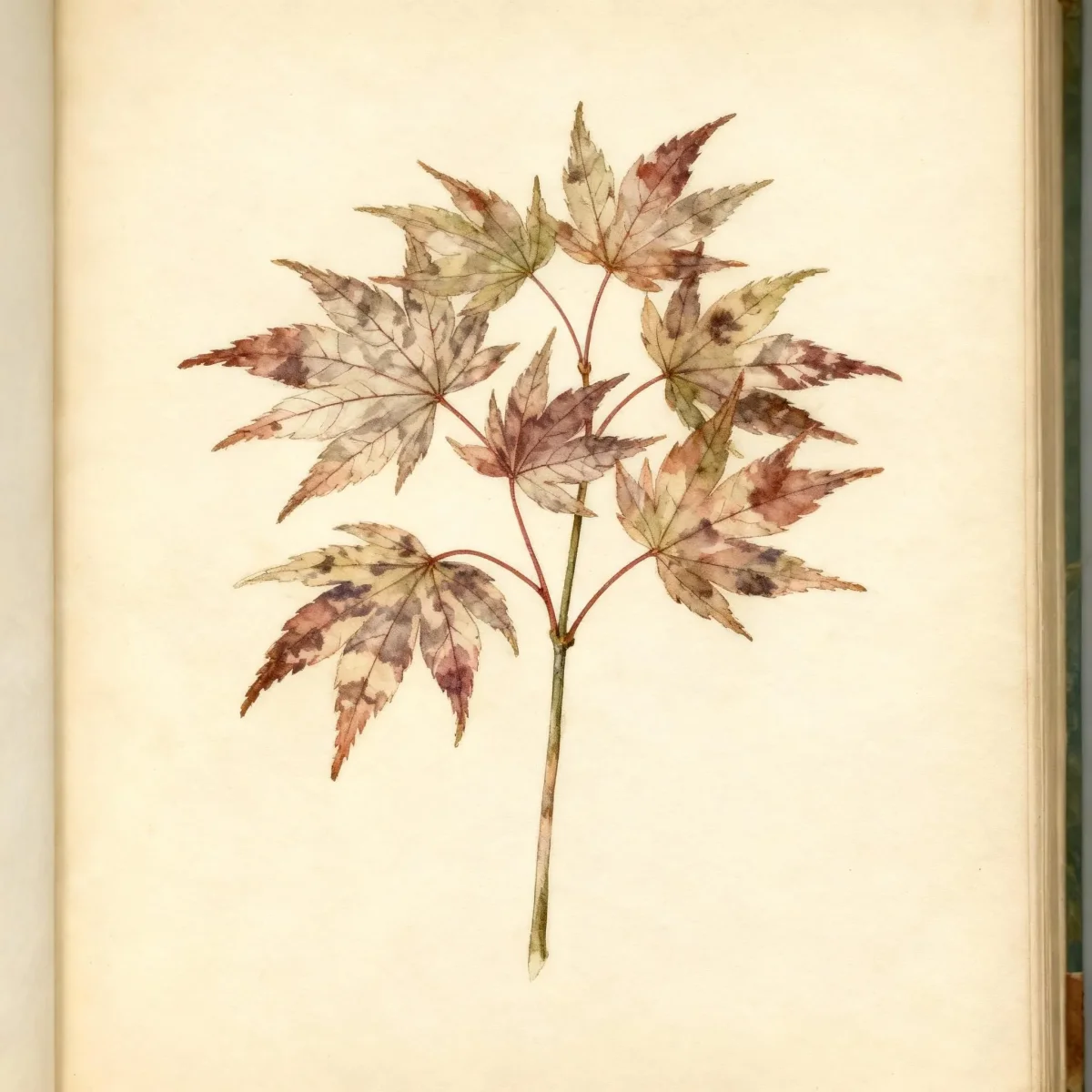
Hornbeam maple (Acer carpinifolium)
Acer carpinifolium, the Hornbeam maple, offers unique, non-lobed leaves, growing as a low-maintenance small tree in Zones 4-7.
Scroll down to discover growing tips, care requirements, companion plants, and more
Complete Plant Information
Overview
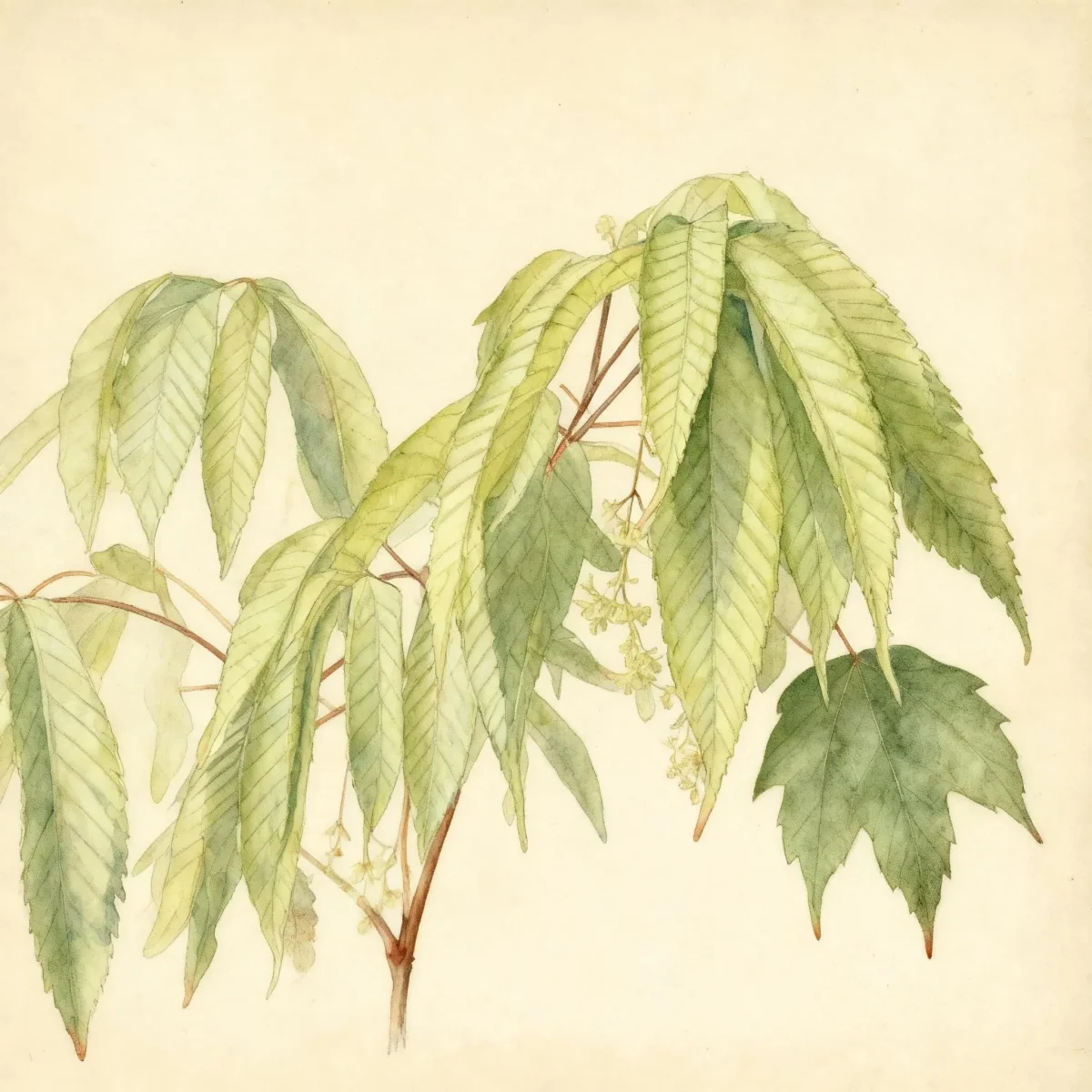
The Hornbeam maple, Acer carpinifolium, is a distinctive small deciduous tree prized for its highly unusual foliage that sets it apart from typical maples. Its leaves are ovate-oblong, deeply corrugated, and entirely lack the familiar lobes, instead resembling the leaves of Carpinus (hornbeam), hence its common name. This species is a low-maintenance choice, typically maturing into a bushy, often multi-trunked specimen ideal for smaller landscapes or layered plantings.
Native to Japan, Acer carpinifolium offers reliable structure and seasonal interest, though its fall color is noted as brownish-gold rather than brilliant hues. Gardeners appreciate this species for its textural contrast and its manageable scale, reaching only 20 to 30 feet tall and wide. Establishing the Hornbeam maple correctly ensures a handsome, relatively carefree ornamental tree for years to come.
Fast Facts
- Plant Family: Sapindaceae
- Plant Type: Tree
- Native Range: Japan
- Hardiness Zones: USDA Zones 4-7
- Size at Maturity:
- Height: 20-30 ft
- Spread: 20-30 ft
- Bloom Time: May
- Bloom Description: Greenish-yellow
- Sun Exposure: Full sun to part shade
- Water Needs: Medium
- Maintenance Level: Low
How to Grow
Planting the Hornbeam maple is best achieved in the spring or fall when temperatures are mild, allowing the roots to establish before seasonal extremes. This species thrives in locations receiving full sun exposure, though it tolerates partial shade well, especially in hotter afternoon climates. Optimal growth requires fertile, moist, but importantly, well-drained soils. Avoid heavy clay or constantly waterlogged sites, as these can lead to root issues.
Once established, Acer carpinifolium requires medium water input; supplement rainfall during dry periods, especially during the first few growing seasons. Due to its low maintenance classification, routine fertilization is rarely necessary unless soil tests indicate severe nutrient deficiencies. Pruning should be minimal, focused primarily on removing crossing, dead, or damaged branches to maintain the natural bushy structure of this small tree.
Seasonal care focuses on monitoring. In early spring, check emerging foliage for signs of pests, as leaves are covered with fine hairs when they first emerge. In late fall, after the leaves have turned their brownish-gold and dropped, ensure the site remains mulched to help insulate the roots against winter cold, benefiting the hardiness zones 4 through 7.
Landscape Uses
The Acer carpinifolium, or Hornbeam maple, is perfectly scaled for use as an attractive small tree where space prevents the planting of larger maples. Its unique foliage makes it an excellent specimen plant where texture is desired, intentionally contrasting it near fine-needled conifers or plants with large, rounded leaves.
Due to its bushy, often multi-trunked habit, it functions admirably as an informal screen if planted in groups along property lines or to break up large views. While it may be slightly difficult to locate in commerce compared to more common maples, seeking out this unique specimen rewards the patient gardener with year-round structure and visual intrigue. Consider using it in woodland edge plantings where dappled light filters through taller canopy trees.
Standout Features
Flower Qualities
- Insignificant
Noteworthy Characteristics
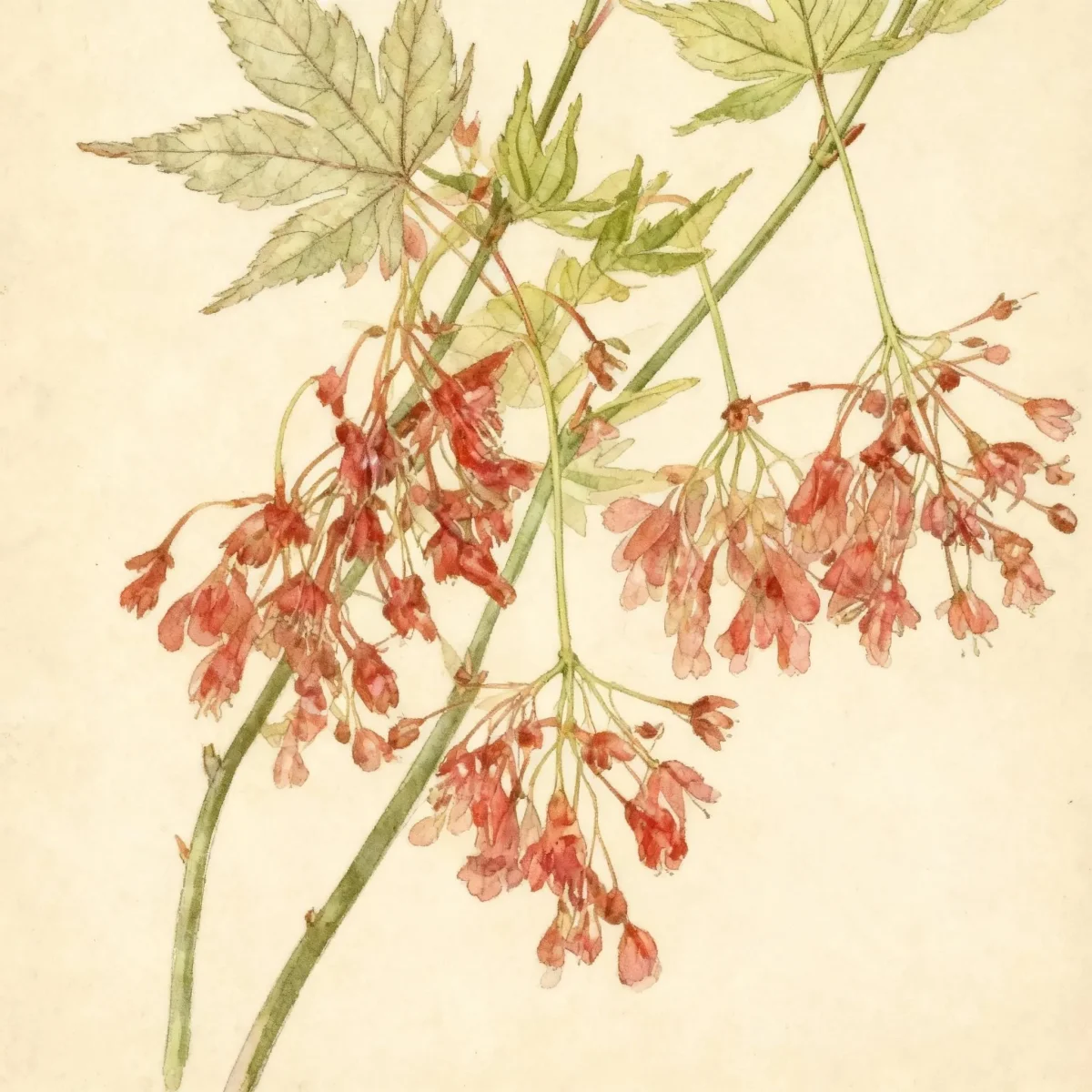
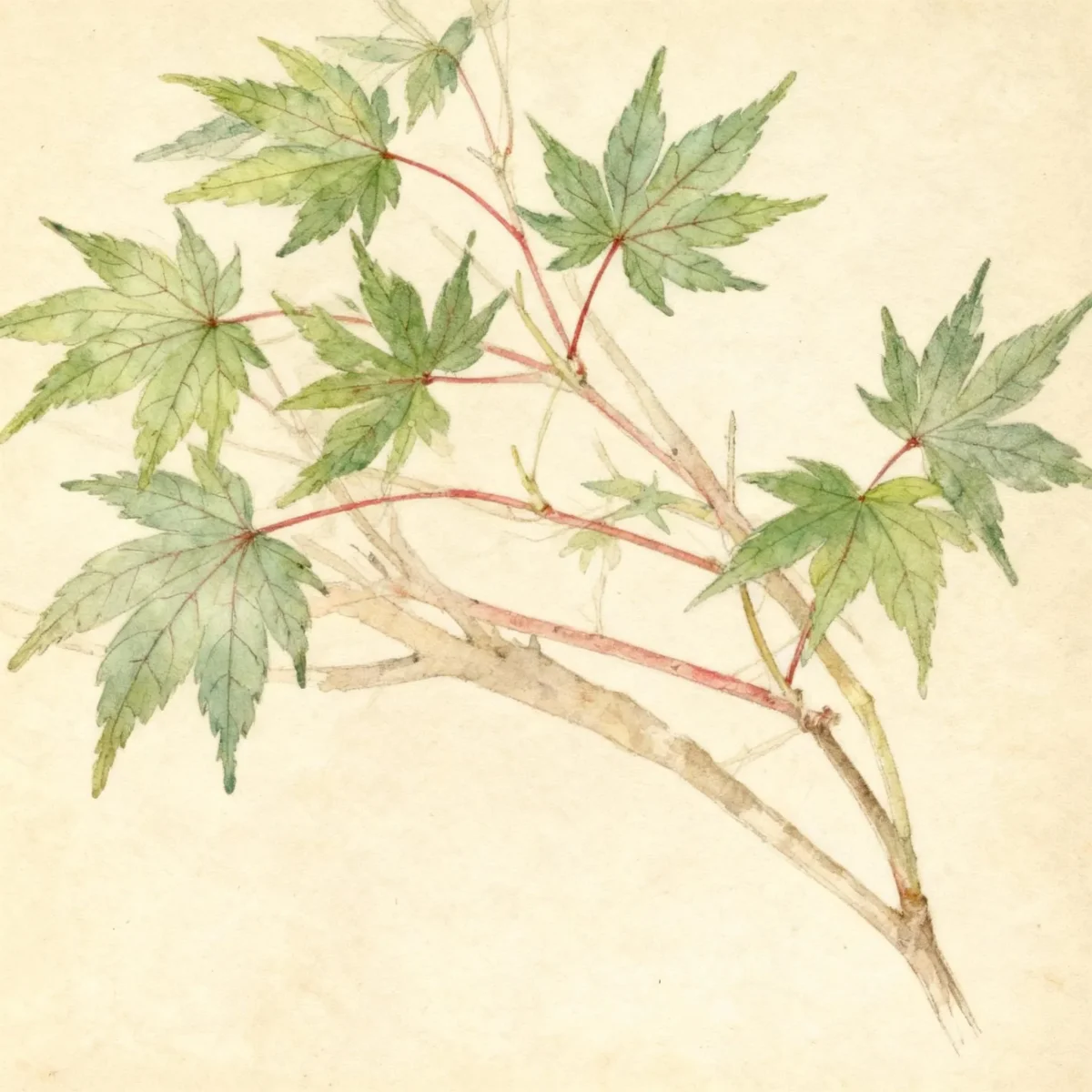
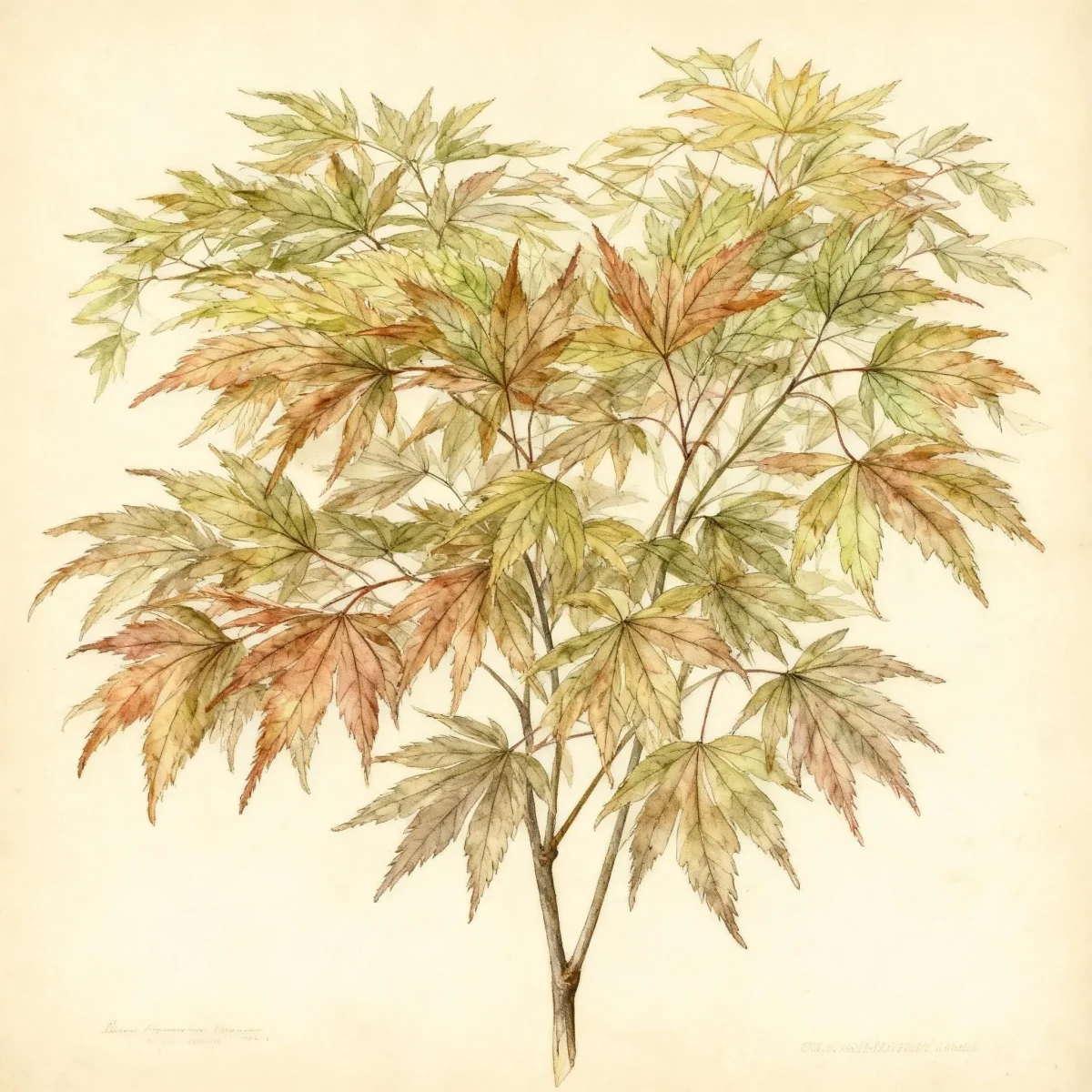
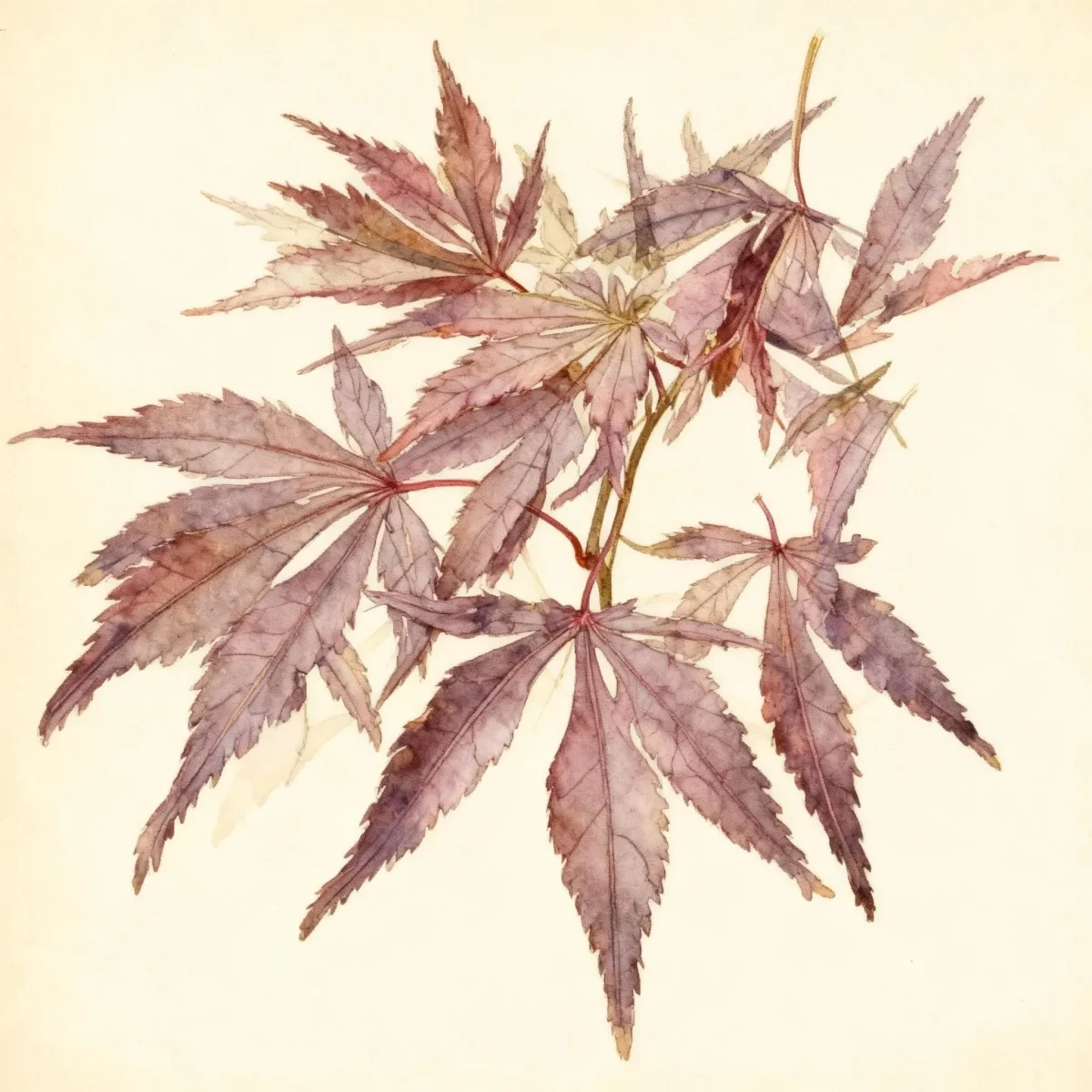
Acer carpinifolium known as hornbeam maple has lobeless, corrugated, ovate-oblong leaves that resemble the leaves of hornbeam in the genus Carpinus. Each bright green leaf (3-5” long) is very un-maple like, with 18-24 pairs of pinnate parallel veins extending from the midrib to the double-toothed margins. Leaves are covered with hairs when they emerge in spring, but become glabrous as they mature in summer. Leaves turn brownish-gold in fall. This is a bushy, often multi-trunked, small deciduous tree or large shrub that is native to Japan. It typically grows to 20-30’ tall. Greenish-yellow flowers in short racemes bloom in May. Trees are dioecious (male and female flowers are on separate trees). Flowers on female trees are followed by winged samaras (3/4” to 1 1/4” long). Smooth gray bark. Genus name is the Latin name for a maple tree. Specific epithet means with leaves like hornbeam (Carpinus.
Tolerances
No specific tolerances were listed in the provided data structure.
Potential Problems
This tree generally exhibits low susceptibility to serious insect or disease issues, lending to its low maintenance rating. However, gardeners should remain aware of potential fungal issues common to maples, including leaf spots, tar spot, and canker, which often appear under humid or stressed conditions. Verticillium wilt and root rots are more serious concerns, generally linked to poor drainage or root disturbance.
For insect management, watch for common tree pests such as aphids, scale, and borers, particularly when the tree is under environmental stress. Dormant oil applications or horticultural soaps can help manage scale infestations early in the season. Regular scouting, especially for caterpillars which can defoliate new growth, allows for prompt, targeted treatment, keeping the Hornbeam maple vigorous.
Frequently Asked Questions
What hardiness zones is Hornbeam maple suitable for?
The Acer carpinifolium is hardy across USDA Zones 4 through 7, making it quite adaptable across many temperate regions.
How large does Acer carpinifolium grow?
The mature size for this species typically ranges between 20 to 30 feet in height and spreads to a similar width of 20 to 30 feet.
When does Hornbeam maple bloom?
This tree produces greenish-yellow flowers during the month of May.
What sun exposure does Acer carpinifolium need?
It performs best in full sun but can gracefully tolerate partial shade conditions in the landscape.
Conclusion
The unique, non-lobed foliage of the Acer carpinifolium secures its place as a standout specimen in the managed landscape, providing texture rarely seen in the maple family. This low-maintenance Hornbeam maple delivers dependable structure with minimal effort, provided you meet its need for well-drained soil. Before planting, ensure your site falls within USDA Zones 4-7 and plan for its eventual 20-foot spread.
Companion Planting
When selecting companions for Acer carpinifolium, focus on plants that share its preference for fertile, medium-moisture soil and can handle full sun to light shade. Good textural partners include broadleaf evergreens or hardy ferns that can benefit from the dappled sun provided by the canopy as the Hornbeam maple matures. Consider underplanting with shade-tolerant groundcovers like Pachysandra or Vinca minor, which offer dense coverage without competing heavily for nutrients necessary for the tree’s established root system.
In terms of color contrast, given the modest greenish-yellow bloom and brownish-gold fall color of the Acer carpinifolium, introducing plants with deep purple or blue foliage/flowers can create striking visual depth. Japanese Forest Grass (Hakonechloa macra) cultivars with golden variegation can harmonize with the maple’s lighter tones, while deep purple Heuchera placed nearby will accentuate the unique shape of the Hornbeam maple leaves.
Seasonal Care Calendar
Early Spring (Pre-bud break): Conduct a thorough inspection for overwintering pests or damage. Perform any necessary structural pruning while the tree is still dormant, focusing on removing deadwood before leaf-out begins.
Late Spring/Early Summer (Bloom & Leaf Out): Monitor seedling growth closely, particularly the hairy new leaves characteristic of Acer carpinifolium. Ensure consistent medium watering, especially if spring rains have been minimal, supporting vigorous growth during this active period.
Mid-Summer (Peak Growth): Since maintenance is low, focus on applying a 2-3 inch layer of organic mulch around the root zone, keeping it clear of the trunk flare, to conserve moisture and regulate soil temperature through the heat.
Fall (Leaf Drop): Observe the characteristic brownish-gold fall transition. Rake leaves promptly if the area is formal, or leave them as natural mulch in a woodland setting. Cease heavy watering as dormancy approaches.