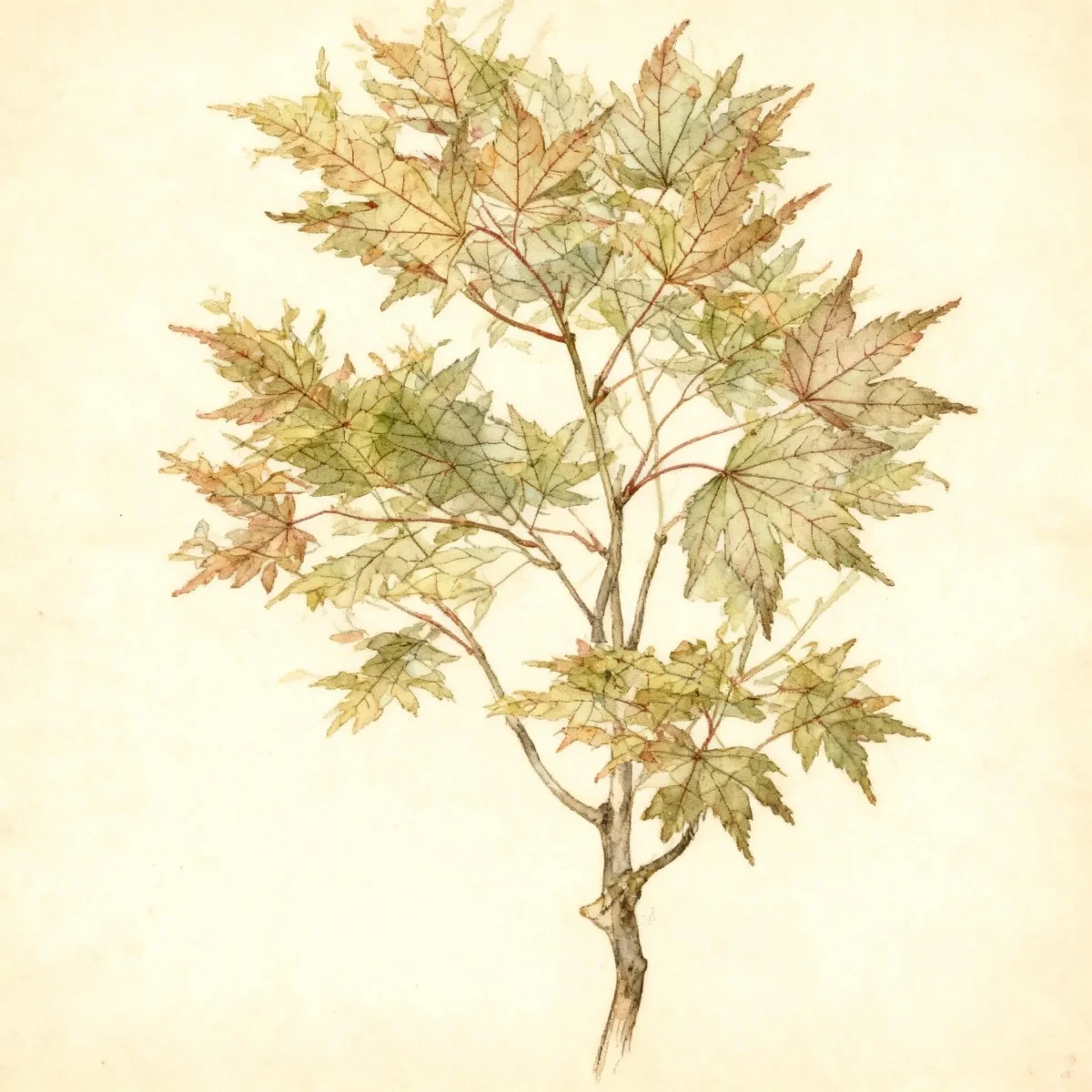
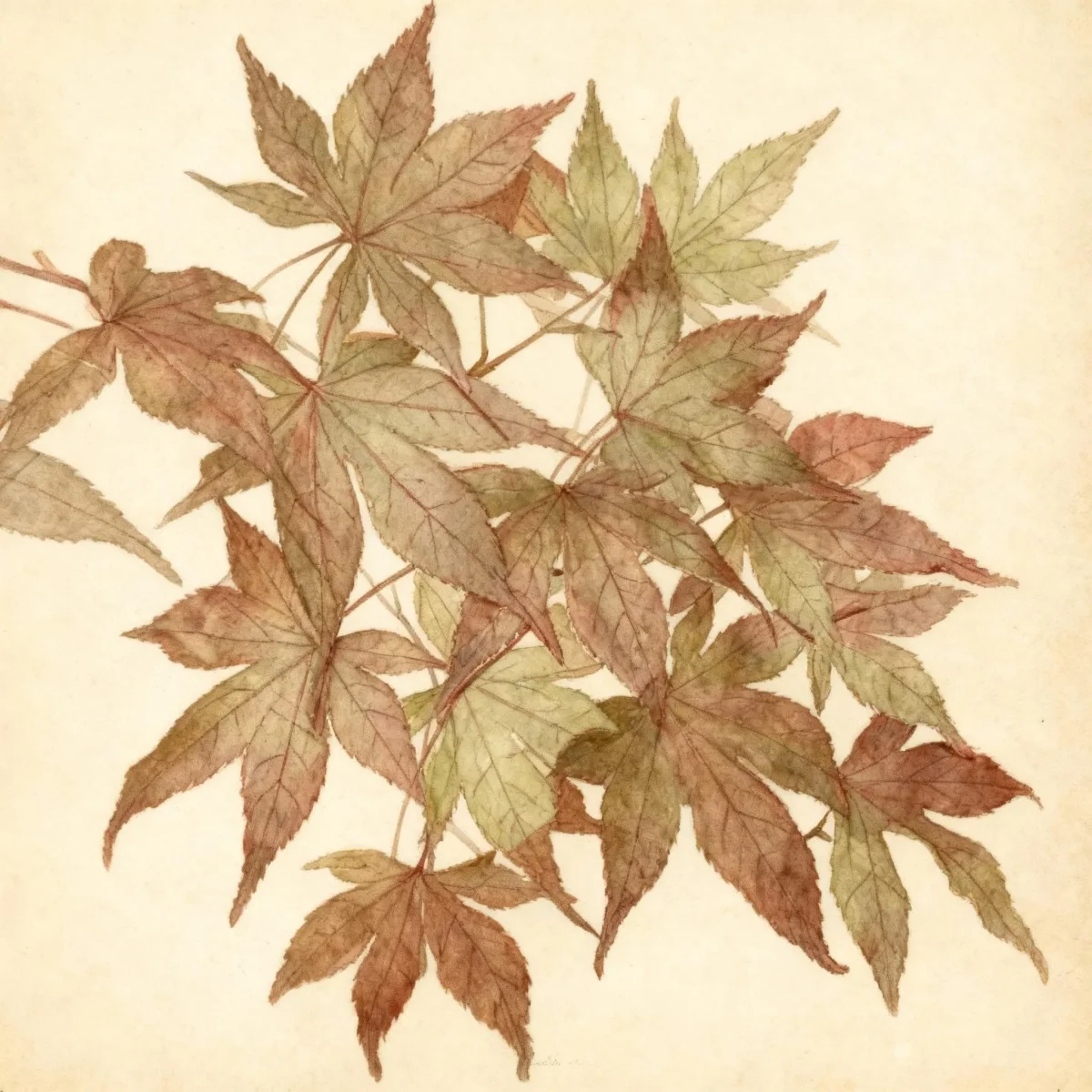
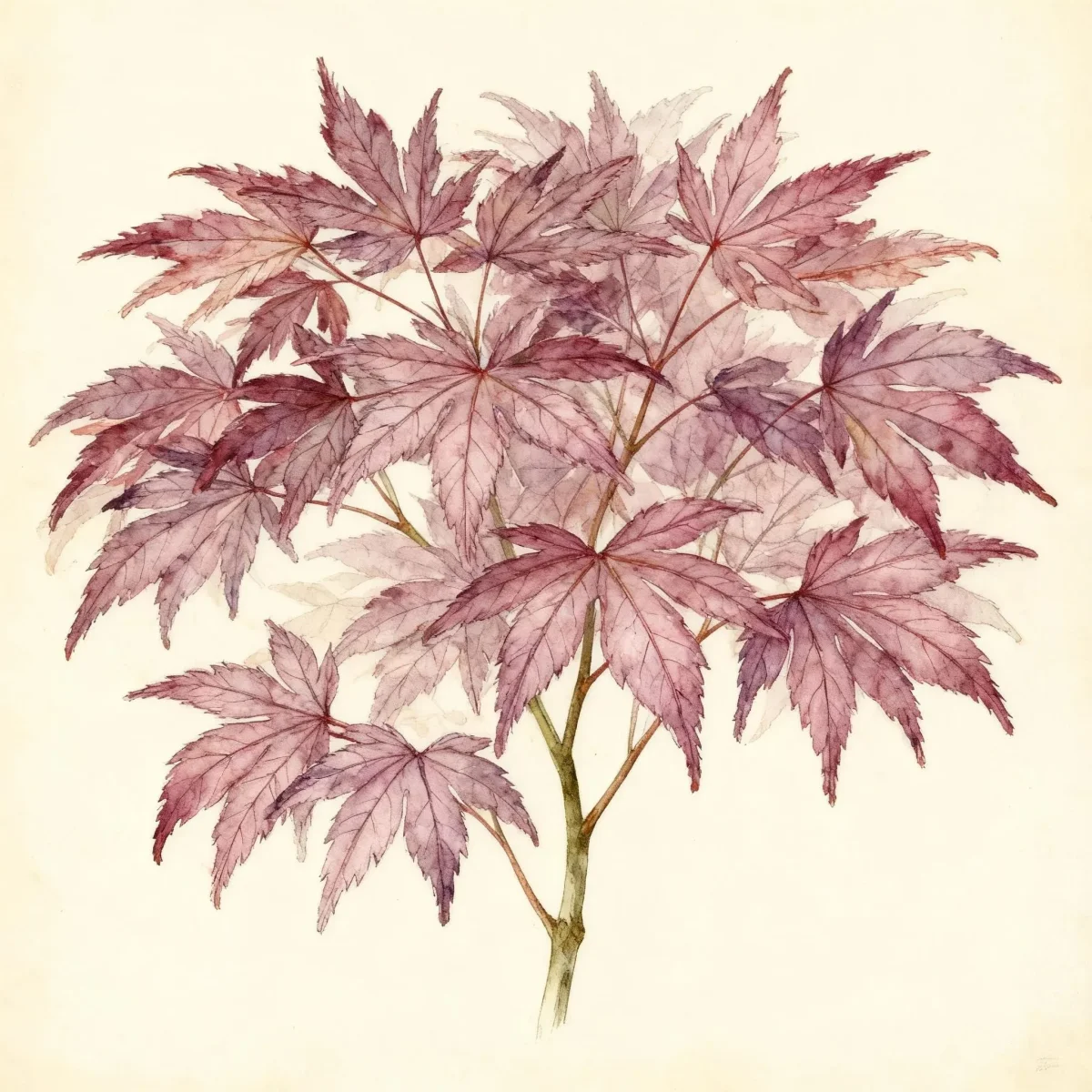
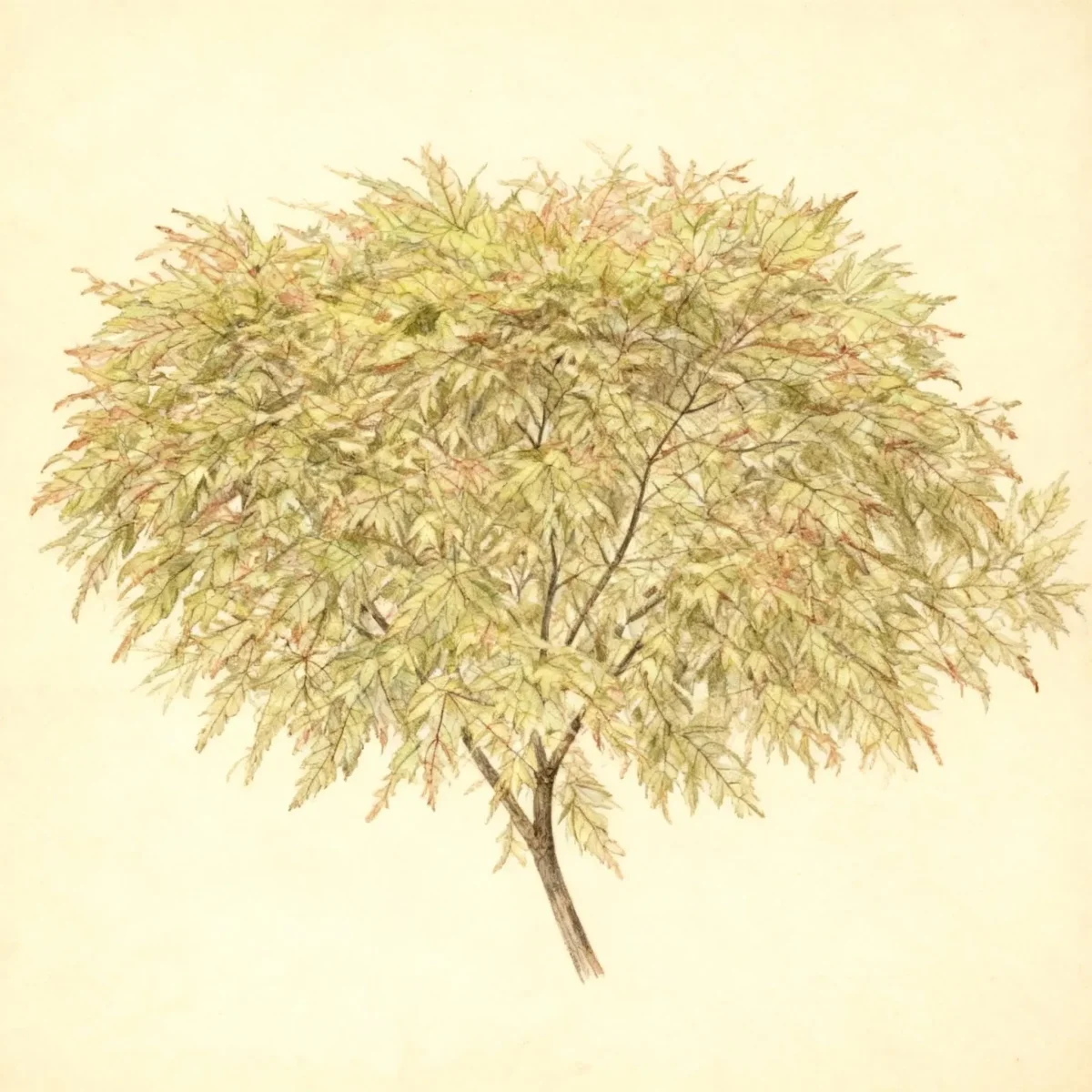
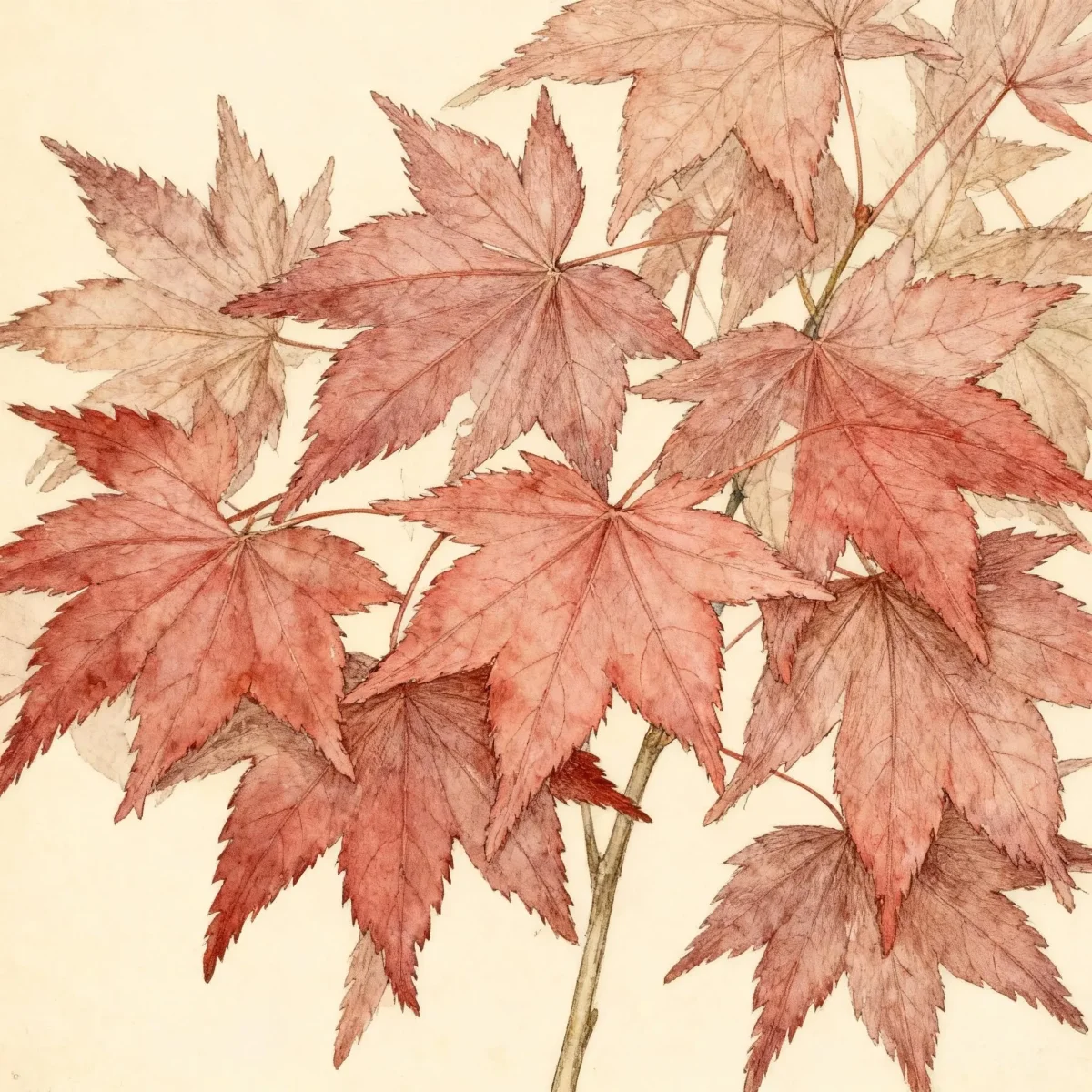
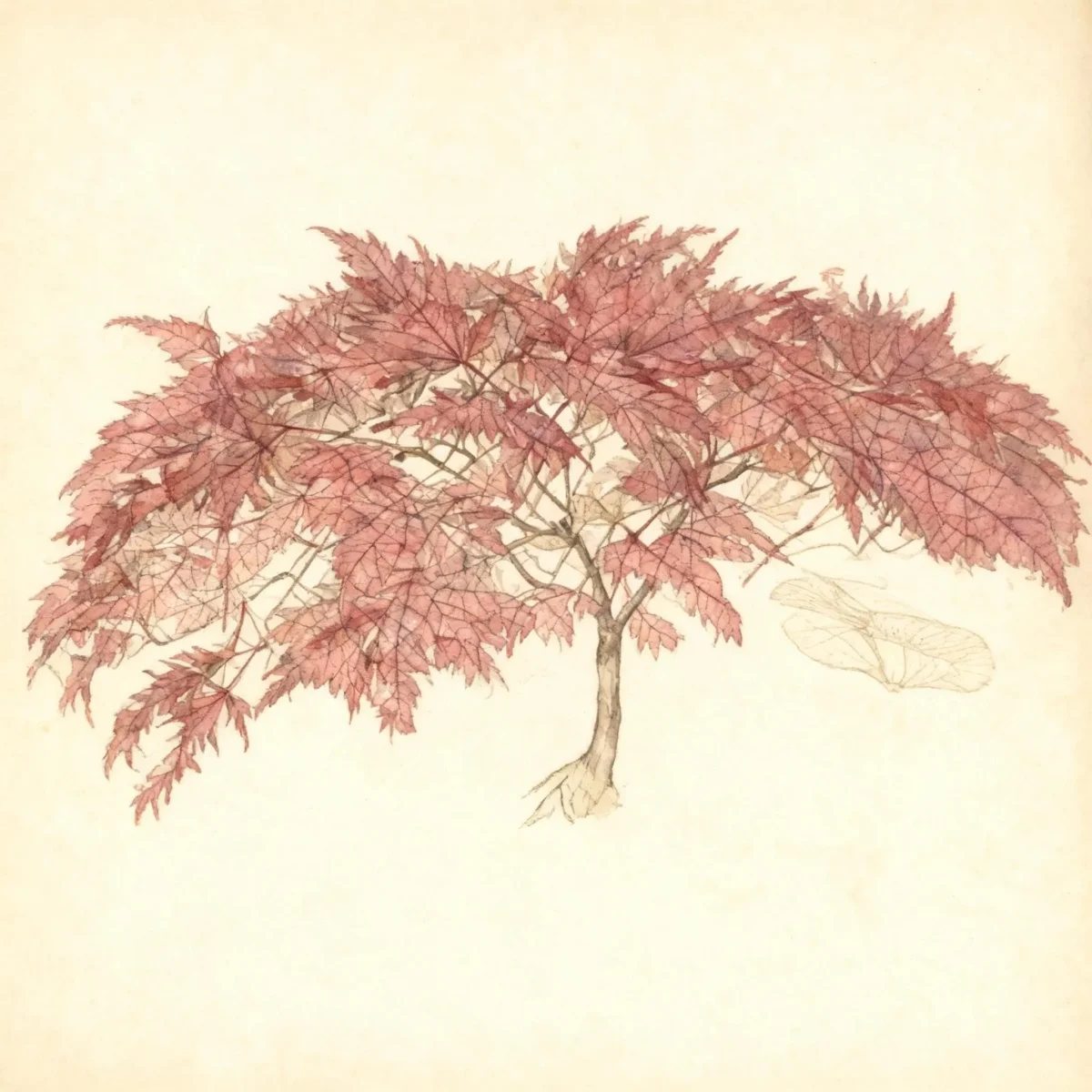
Turkestan shrub maple (Acer tataricum subsp. semenovii)
Discover Acer tataricum subsp. semenovii, the Turkestan shrub maple, valued for low maintenance, drought tolerance, and shrubby growth in Zones 4-4.
Scroll down to discover growing tips, care requirements, companion plants, and more
Complete Plant Information
Overview
The Turkestan shrub maple, scientifically known as Acer tataricum subsp. semenovii, offers a robust and adaptable solution for landscapes needing dense, medium-sized woody plants. Unlike its larger cousins, this subspecies matures into a shrubby, densely branched form, rarely exceeding 13 feet tall, making it excellent for screening or specimen planting where space is limited. Native to the arid regions of Central Asia, including Afghanistan, Acer tataricum subsp. Semenovii possesses a valuable degree of drought tolerance once established.
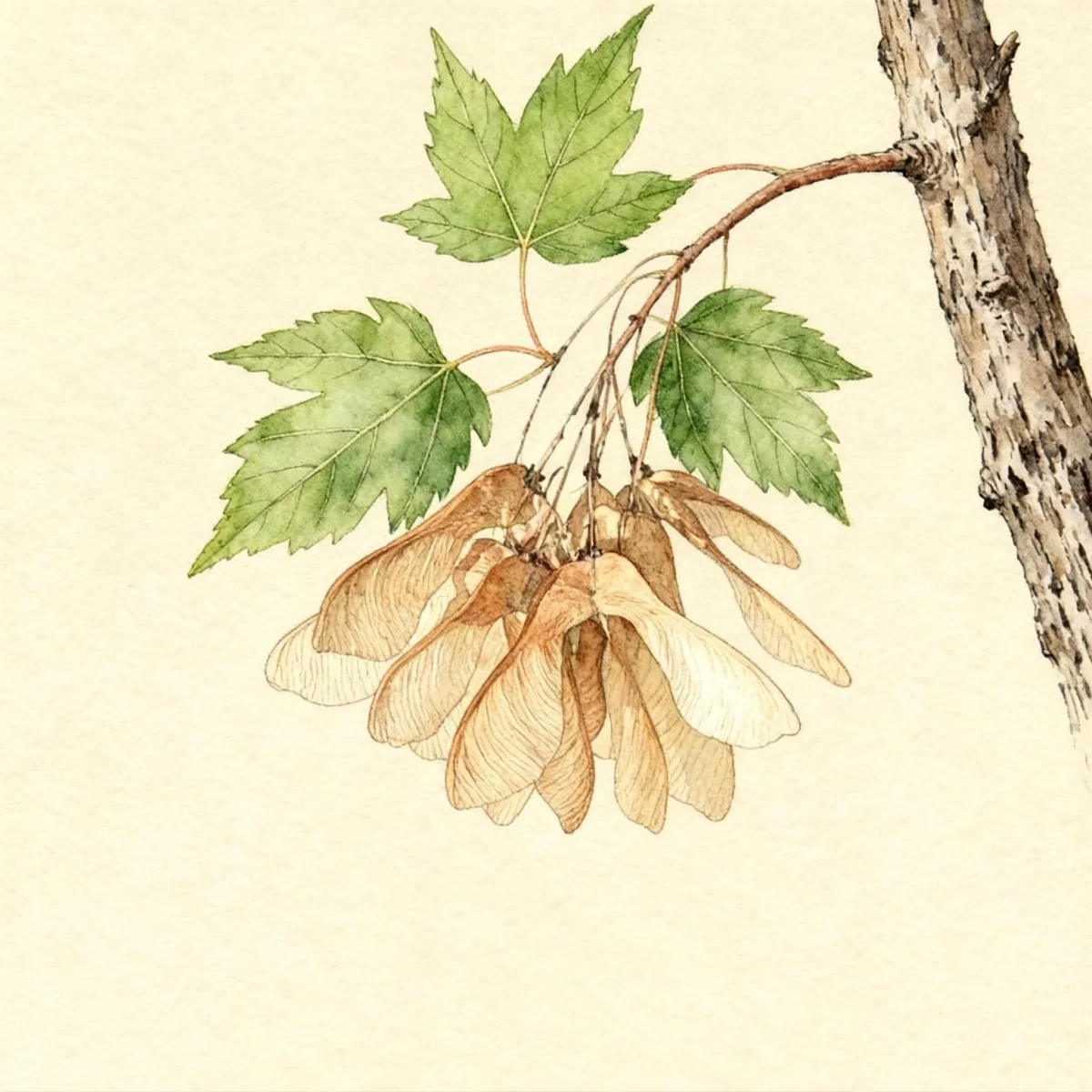
This deciduous shrub provides consistent seasonal interest, beginning with modest greenish-white flowers in April, followed by developing red samaras that add late-season color. Its relatively small, slightly leathery leaves turn attractive shades of yellow and red in the fall, contributing to its low-maintenance appeal. Gardeners value Acer tataricum subsp. semenovii for its hardiness in USDA Zone 4 and its adaptability to both full sun and partial shade conditions.
For gardeners seeking tough, reliable structure, the Turkestan shrub maple is an excellent choice. It requires minimal cultural intervention, thriving in varied conditions common to drier steppe and rocky slope environments where it naturally occurs. Introducing Acer tataricum subsp. semenovii provides structure, seasonal color, and reliable performance where other maples might struggle with heat or water scarcity.
Fast Facts
- Plant Family: Sapindaceae
- Plant Type: Deciduous shrub
- Native Range: Afghanistan, central Asia
- Hardiness Zones: USDA Zones 4-4
- Size at Maturity:
- Height: 10-13 ft
- Spread: 8-10 ft
- Bloom Time: April
- Bloom Description: Greenish-white
- Sun Exposure: Full sun to part shade
- Water Needs: Medium
- Maintenance Level: Low
How to Grow
Plant the Turkestan shrub maple during the cooler, dormant seasons—early spring or late fall—to minimize transplant shock. Ensure the chosen location provides organically rich, well-drained soil, although Acer tataricum subsp. semenovii is adaptable. It performs excellently in full sun, achieving the best density, but tolerates bright, sun-dappled locations well.
Water needs are medium; while young plants require consistent moisture to establish deep roots, established Turkestan shrub maples show significant drought tolerance. This resistance to dry spells makes Acer tataricum subsp. semenovii suitable for xeriscaping or low-water gardens once its root system is developed. Fertilization is rarely necessary if the native soil is reasonably rich; heavy feeding can encourage overly rapid, weak growth.
Pruning should be minimal, focusing only on removing crossing or damaged wood to maintain its natural, shrubby habit. Because it is naturally dense and rarely exceeds 13 feet, heavy structural pruning is seldom required. This inherent low maintenance is a key benefit of growing the Turkestan shrub maple compared to more demanding ornamental trees.
Landscape Uses
The upright spreading habit and dense branching structure make the Turkestan shrub maple an ideal candidate for use as a natural screen or hedge where a formal, closely clipped line is not desired. Reaching heights between 10 and 13 feet with an 8 to 10-foot spread, it provides effective visual blockage while retaining a somewhat informal, appealing texture. It works well in mixed shrub borders, providing backbone and reliable structure through the seasons.
As a specimen shrub in smaller yards or near foundations, Acer tataricum subsp. semenovii stands out without becoming overwhelmingly large. Its cultural preferences for well-drained soil and moderate water align well with many drought-tolerant perennials and shrubs in the cooler, drier regions of Zones 4 through 8. Consider pairing this maple with evergreen conifers or plants that offer contrasting foliage color during the summer or winter to maximize visual appeal.
Standout Features
Flower Qualities
- Insignificant
Noteworthy Characteristics
Acer tataricum, commonly called Tatarian maple, typically grows as a small, upright spreading tree with a dense, rounded crown or as a large multi-stemmed shrub. Subspecies semenovii, commonly called Turkestan shrub maple, differs from the species mainly in its native range, growth habit, and foliage characteristics, being found only in central Asia. This specific subspecies reaches a maximum of 13 feet tall with a shrubby, densely branched habit, and its leaves are smaller and have a slightly leathery texture compared to the species. The specific epithet semenovii honors Petr Semenov-Tian-Shansky, a Russian geographer who explored the Tien Shan mountains.
Tolerances
- Drought
Potential Problems
Like other maples, Acer tataricum subsp. semenovii may occasionally be susceptible to Verticillium wilt, a soil-borne fungus that causes wilting and branch dieback. Management involves ensuring good air circulation and avoiding over-watering in heavy soils, as this can exacerbate fungal issues. Other potential cosmetic issues include stem canker, various leaf spots, tar spot, and anthracnose, which usually only require pruning out affected parts.
Pest monitoring is still important; gardeners should watch for common maple pests such as aphids, borers, scale insects, leafhoppers, caterpillars, and mites. Keeping the plant healthy through correct watering and placement will naturally increase its resistance to pest infestations. Since the Turkestan shrub maple may pose similar escape risks as Acer tataricum in certain environments, monitor its spread locally.
Frequently Asked Questions
What hardiness zones is Turkestan shrub maple suitable for?
Acer tataricum subsp. semenovii is hardy in USDA Zones 4 to 4, providing reliable cold tolerance for gardeners in those regions.
How large does Turkestan shrub maple grow?
This plant typically matures to a height between 10 and 13 feet, with a corresponding spread of 8 to 10 feet, maintaining a distinctly shrubby habit.
What sun exposure does Acer tataricum subsp. semenovii need?
The Turkestan shrub maple thrives best when planted in locations receiving full sun to part shade, performing well in both full light and bright, dappled shade.
When does Acer tataricum subsp. semenovii bloom?
This shrub displays its modest flowering display during April, producing greenish-white blooms before the summer foliage fully develops.
Conclusion
The Turkestan shrub maple (Acer tataricum subsp. semenovii) stands out as a low-maintenance, resilient deciduous shrub uniquely suited for dry climates within Zone 4. Its compact, dense form and inherent drought tolerance make it a practical landscape asset where reliability is paramount. Before planting, confirm your USDA hardiness zone compatibility and select a site that offers at least partial sunlight for the best performance.
Companion Planting
Due to its origins in arid, rocky slopes and its low water needs once established, select companion plants that also tolerate drier spring/summer conditions. Consider pairing Acer tataricum subsp. semenovii with hardy, herbaceous perennials like Russian Sage (Perovskia atriplicifolia) or various low-water ornamental grasses that share a similar cultural profile. Avoid moisture-loving shade perennials, as these can create management conflicts by requiring water while the maple is actively conserving it.
Design Ideas
The dense, multi-stemmed growth provides excellent textural contrast when planted near plants with finer textures, such as needle-like evergreens or plants that retain bright foliage color throughout the winter. Use a grouping of Turkestan shrub maples to create an informal, resilient privacy screen along a property line or field edge. Its relatively modest size means it can also serve as a strong transitional planting between large shade trees and sun-loving perennial borders.