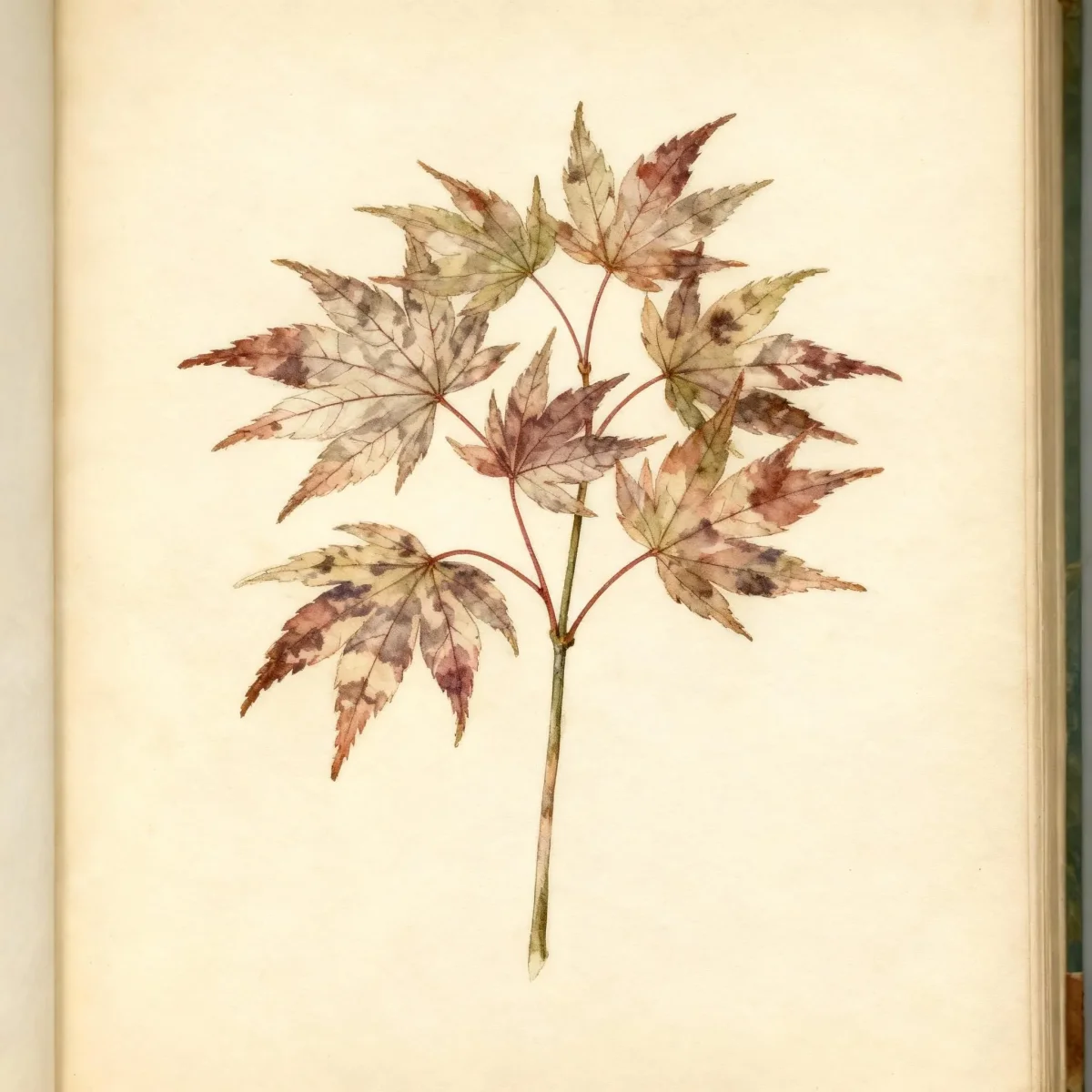
Trident maple (Acer buergerianum)
The Trident maple (Acer buergerianum) is a slow-growing, attractive small tree prized for its manageable size and drought tolerance.
Scroll down to discover growing tips, care requirements, companion plants, and more
Complete Plant Information
Overview
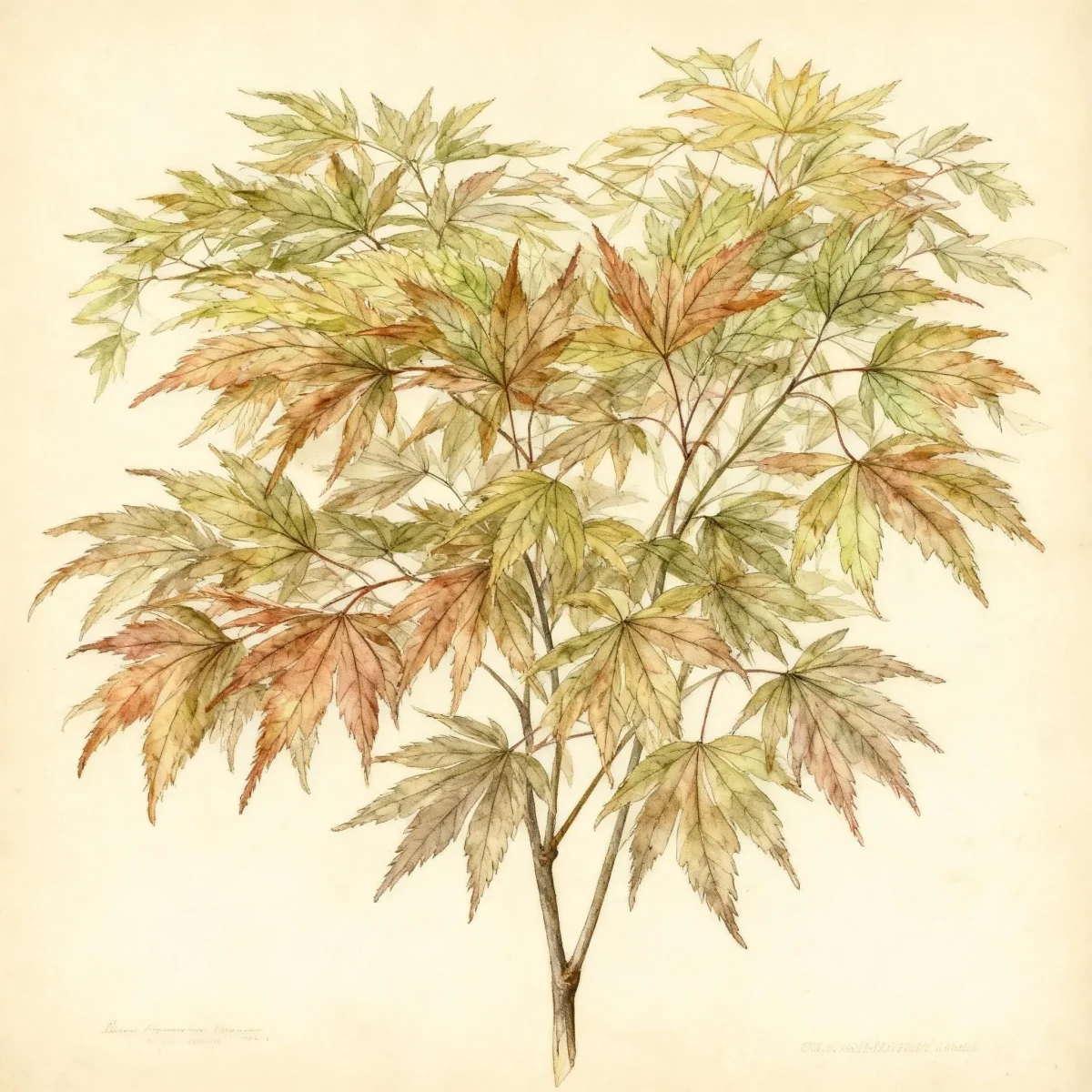
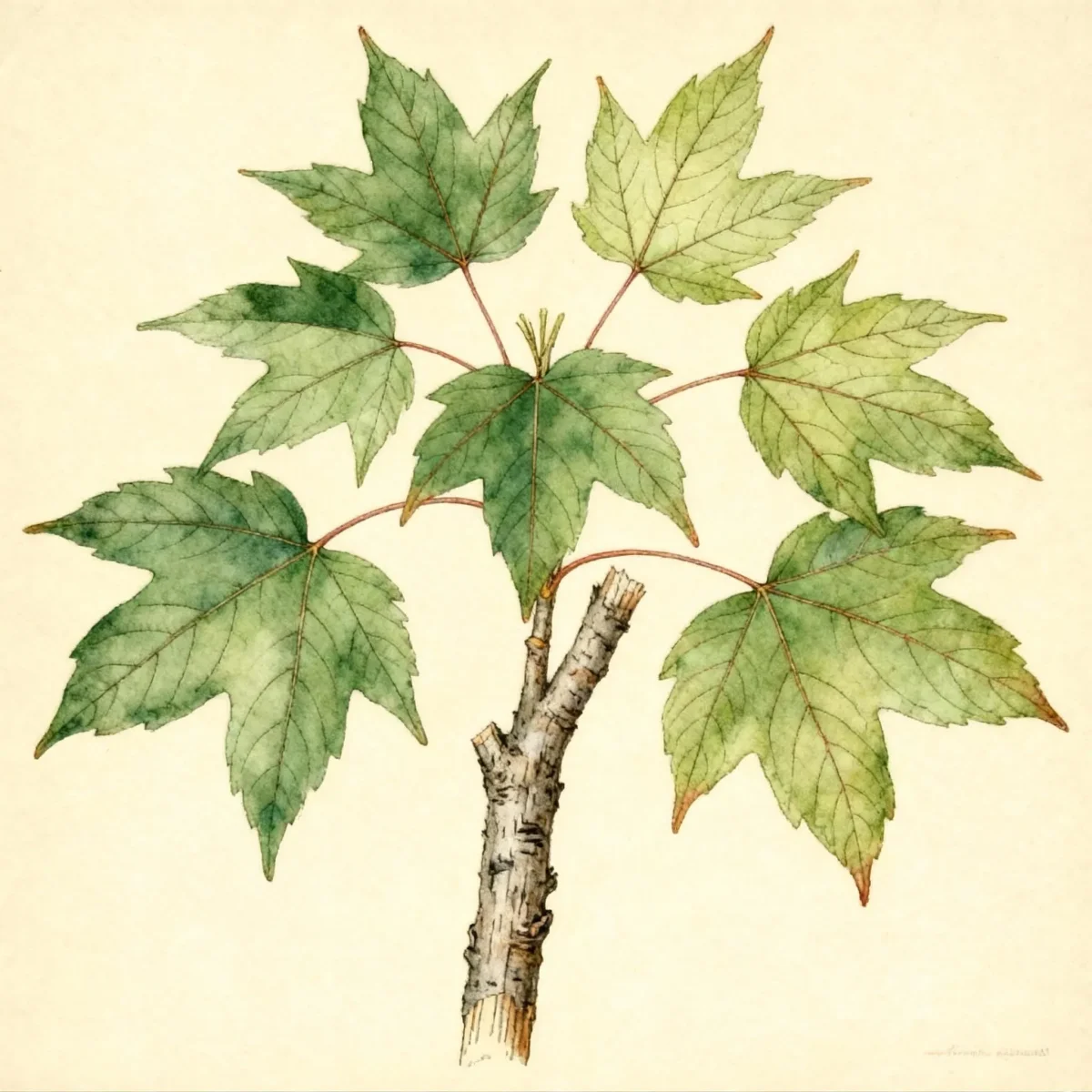
The Trident maple (Acer buergerianum) offers excellent architectural structure for smaller landscapes where space is a consideration. This slow-growing, deciduous tree is highly valued for its manageable mature size, typically reaching only 20 to 30 feet tall and wide. Its glossy, three-lobed foliage provides rich texture throughout the summer before transitioning into attractive dark red and orange fall tones.
Native to Eastern China, Korea, and Japan, the Acer buergerianum is notably tough, making it a reliable choice for urban environments. Gardeners appreciate its low maintenance profile and ability to handle some environmental stress, including moderate drought conditions once established.
Beyond its seasonal aesthetics, mature specimens of Acer buergerianum develop exfoliating bark, adding winter visual interest. This resilience, combined with its fine branching structure, confirms the Trident maple as an excellent screening, specimen, or street tree option.
Fast Facts
- Plant Family: Sapindaceae
- Plant Type: Tree
- Native Range: Eastern China, Japan
- Hardiness Zones: USDA Zones 5-9
- Size at Maturity:
- Height: 20-30 ft
- Spread: 20-30 ft
- Bloom Time: April to May
- Bloom Description: Greenish-yellow
- Sun Exposure: Full sun to part shade
- Water Needs: Medium
- Maintenance Level: Low
How to Grow
Plant the Trident maple in the spring or fall, allowing it time to acclimate before extreme weather hits. Select a location offering full sun for the best growth and most vibrant fall color, though it tolerates part shade. The tree is adapted to average, medium moisture conditions but absolutely requires well-drained soils to prevent root issues.
Once established, this maple demonstrates good drought tolerance due to its adaptation to drier native climates. Water deeply during extended dry spells, aiming for medium moisture levels, but avoid perpetually soggy conditions. Fertilization is rarely necessary; excessive feeding can promote weak, rapid growth, which is counterproductive for this naturally slow-growing species.
Pruning of the Acer buergerianum is generally minimal. Focus on removing dead, damaged, or crossing branches during the dormant season. Be mindful that young limbs on the Trident maple can sometimes be susceptible to winter ice or snow damage, so proper structural pruning early on can help build strength.
Landscape Uses
The dimensions and hardiness of the Trident maple make it extremely versatile in landscape design. Its small, rounded canopy is perfect for providing shade near patios or courtyards without overpowering the space, unlike larger maple varieties. It functions excellently as a specimen tree, showcasing its attractive exfoliating bark in winter gardens.
Due to its tolerance, the Acer buergerianum is recommended as a superior street tree, capable of handling reflected heat and compacted soils often found in urban settings. Its relatively refined size also makes it a wonderful feature for smaller residential lots where a full-sized shade tree would be too expansive.
This tree integrates well with lower-growing, acid-loving shrubs and perennials that appreciate similar sun exposure. Furthermore, the Trident maple is highly regarded in the world of container gardening, thriving as a long-term bonsai subject, highlighting its elegant structure.
Standout Features
Flower Qualities
- Insignificant
Noteworthy Characteristics
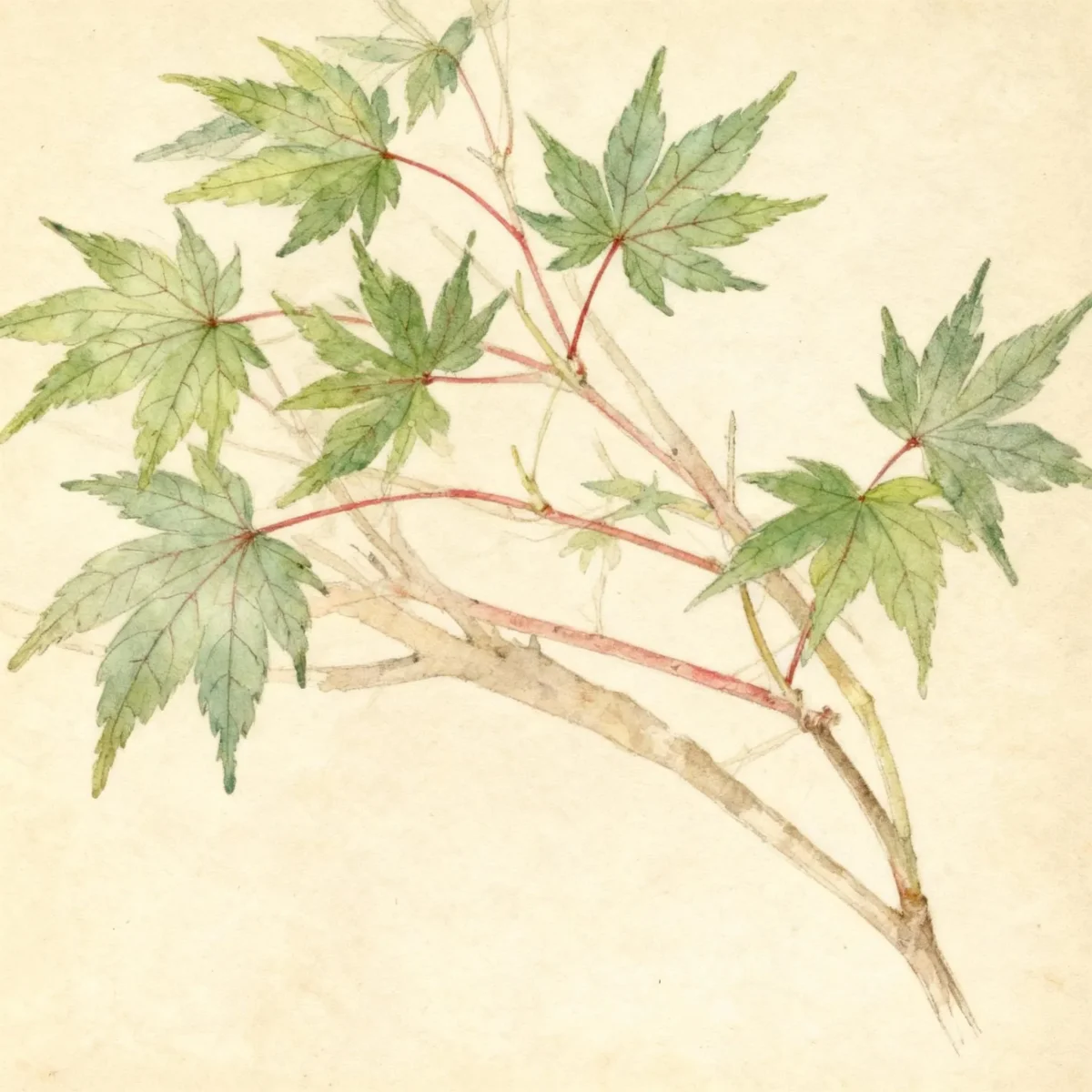
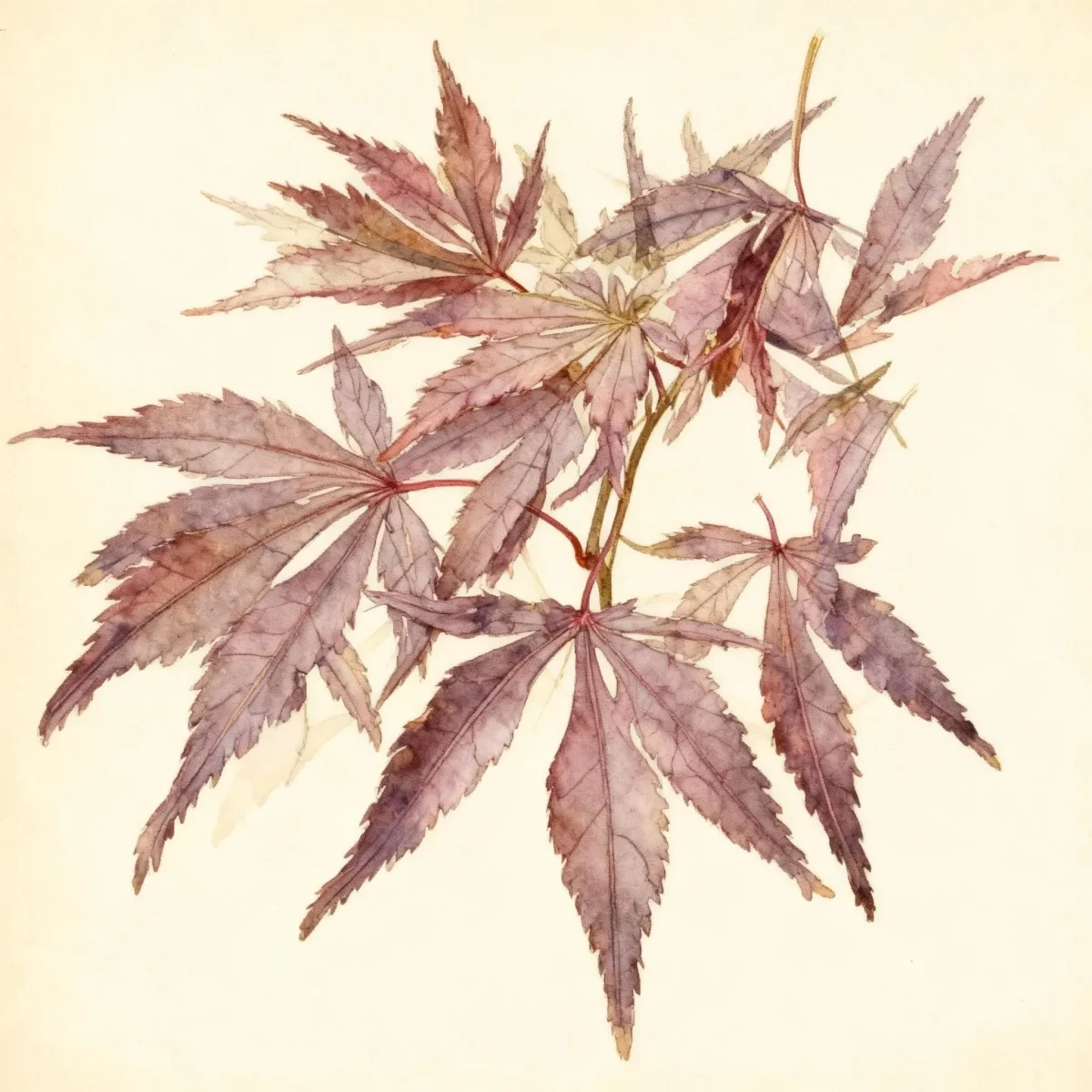
Acer buergerianum commonly called trident maple or three-toothed maple is native to China, Korea and Japan. It is a small, rounded, deciduous tree that typically grows rather slowly to 20-30’. Triangular, three-lobed leaves (to 3.5” long) are glossy green above and pale green beneath. Variable but usually attractive fall color features shades of dark red and orange.
Tolerances
- Air Pollution
Potential Problems
The Trident maple is known for having very few serious insect or disease problems, contributing to its low-maintenance reputation. Standard pests for maples are generally not major concerns. The primary physical vulnerability relates to winter weather; limbs may be damaged in winter by heavy snow and/or ice accumulation. If ice loads are heavy, gently brush the branches clean before the weight causes breakage.
Frequently Asked Questions
What hardiness zones is Trident maple suitable for?
The Trident maple (Acer buergerianum) is reliably cold-hardy in USDA Zones 5 through 9.
How large does Acer buergerianum grow?
This species typically reaches a mature height between 20 and 30 feet, with an equal spread of 20 to 30 feet.
What sun exposure does Trident maple need?
For optimal health and fall color development, the Trident maple thrives best in full sun, although it tolerates partial shade conditions.
When does Acer buergerianum bloom?
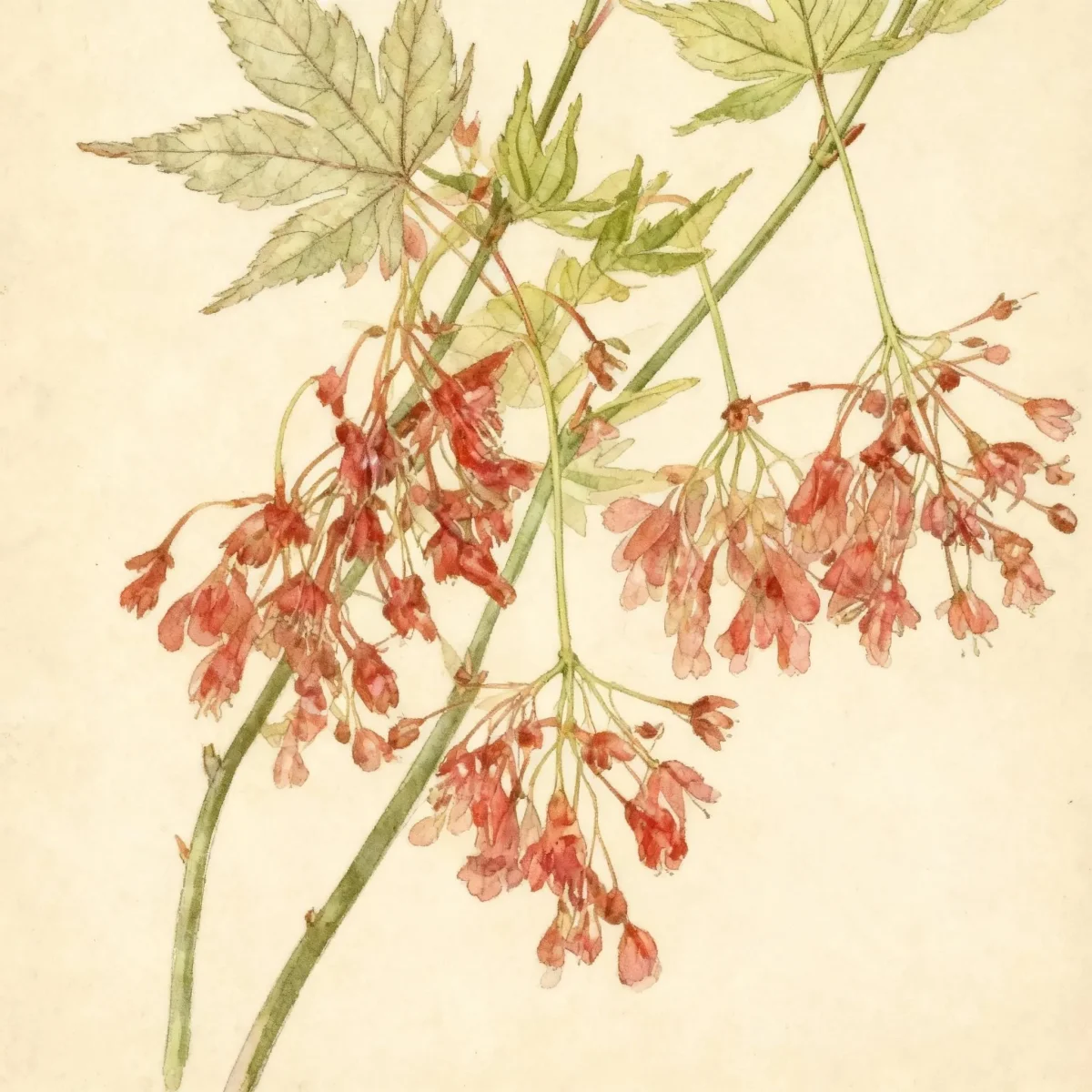
Flowering occurs relatively early in the season, usually from April to May, producing small, greenish-yellow blooms.
Conclusion
The Trident maple (Acer buergerianum) stands out as a tough, manageable specimen, offering seasonal interest from its attractive foliage and exfoliating bark, alongside high adaptability to urban challenges. Consider incorporating this low-maintenance Trident maple into your next project after confirming your local USDA zone compatibility.
Companion Planting
When selecting companions for your Acer buergerianum, prioritize plants that thrive in medium moisture and can handle the dappled shade cast by this small tree, or those that can tolerate the high light intensity around its base. Low-growing groundcovers such as Pachysandra or Vinca minor work well under the canopy, providing year-round green interest. For seasonal color near the trunk, consider shade-tolerant perennials like Hosta varieties or Heuchera (Coral Bells), ensuring their soil needs align with the well-drained conditions required by the maple.
Seasonal Care Calendar
Spring maintenance for your Trident maple should focus on ensuring adequate moisture as the tree leafs out and prepares for summer heat, especially if you are in a drier part of Zones 5-9. Summer care involves occasional deep watering during prolonged dry periods to leverage its drought tolerance effectively. In autumn, monitor the canopy for any deadwood that should be pruned during the winter dormancy before heavy snow or ice accumulation poses a risk of limb breakage to the Acer buergerianum.