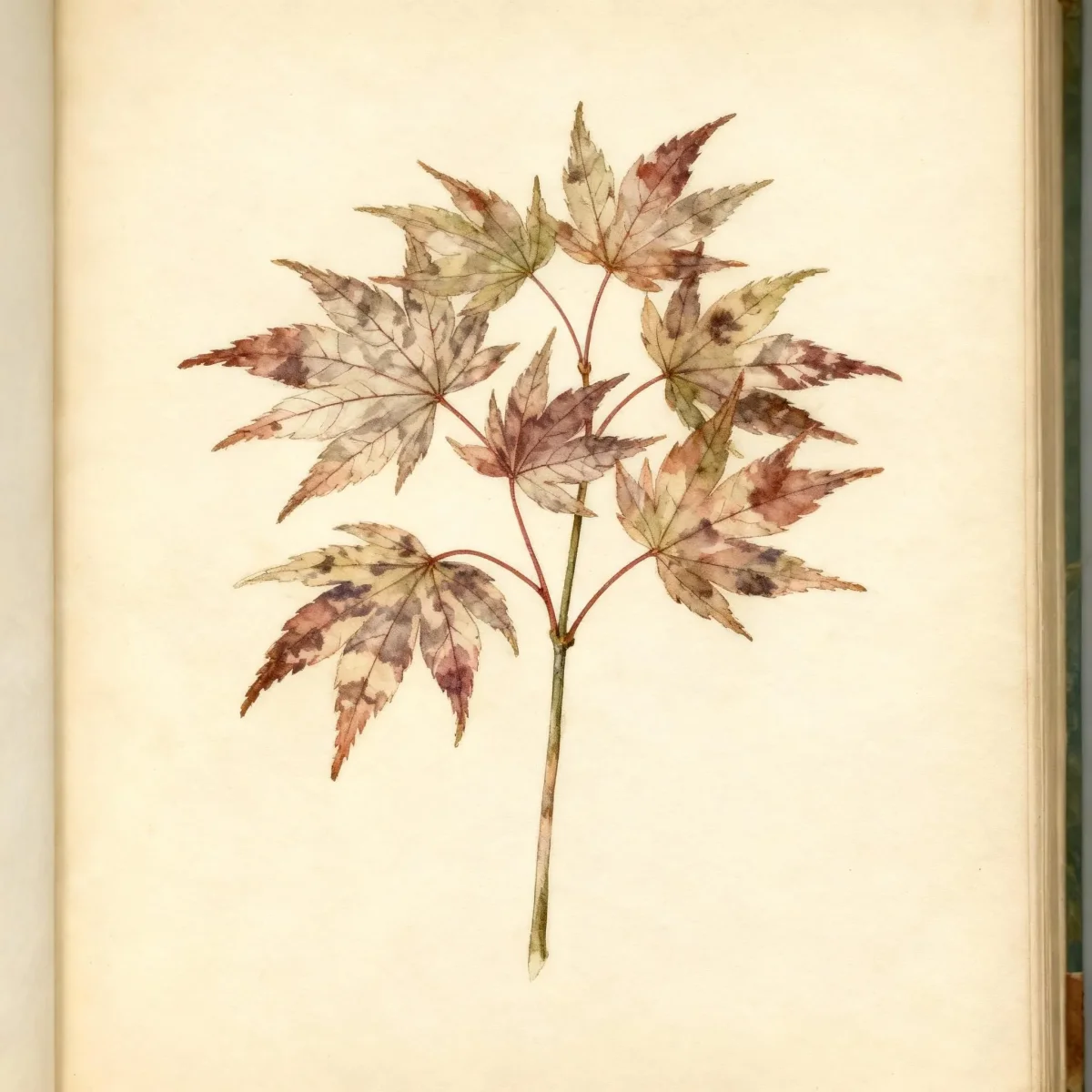
Japanese maple (Acer palmatum)
Discover the elegant Acer palmatum, the Japanese maple, prized for its refined shape and spectacular fall color. Hardy in Zones 5-8.
Scroll down to discover growing tips, care requirements, companion plants, and more
Complete Plant Information
Overview
The Acer palmatum, widely known as the Japanese maple, is celebrated globally for its architectural form, delicate foliage, and stunning seasonal transformations. This deciduous shrub or small tree brings exceptional refinement to any garden setting, often serving as a magnificent focal point. Its adaptability, while requiring specific soil conditions, allows it to thrive across USDA Hardiness Zones 5 through 8.
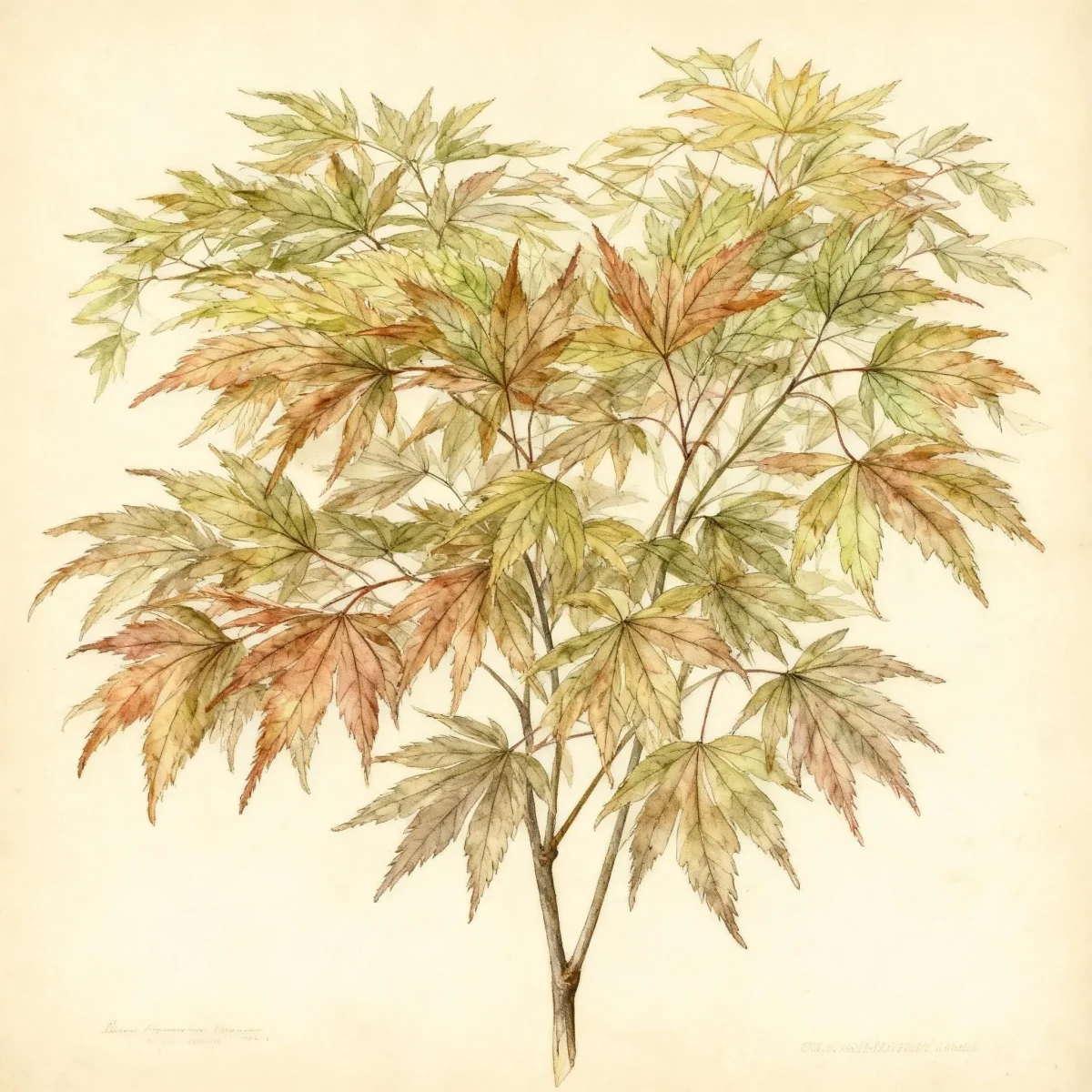
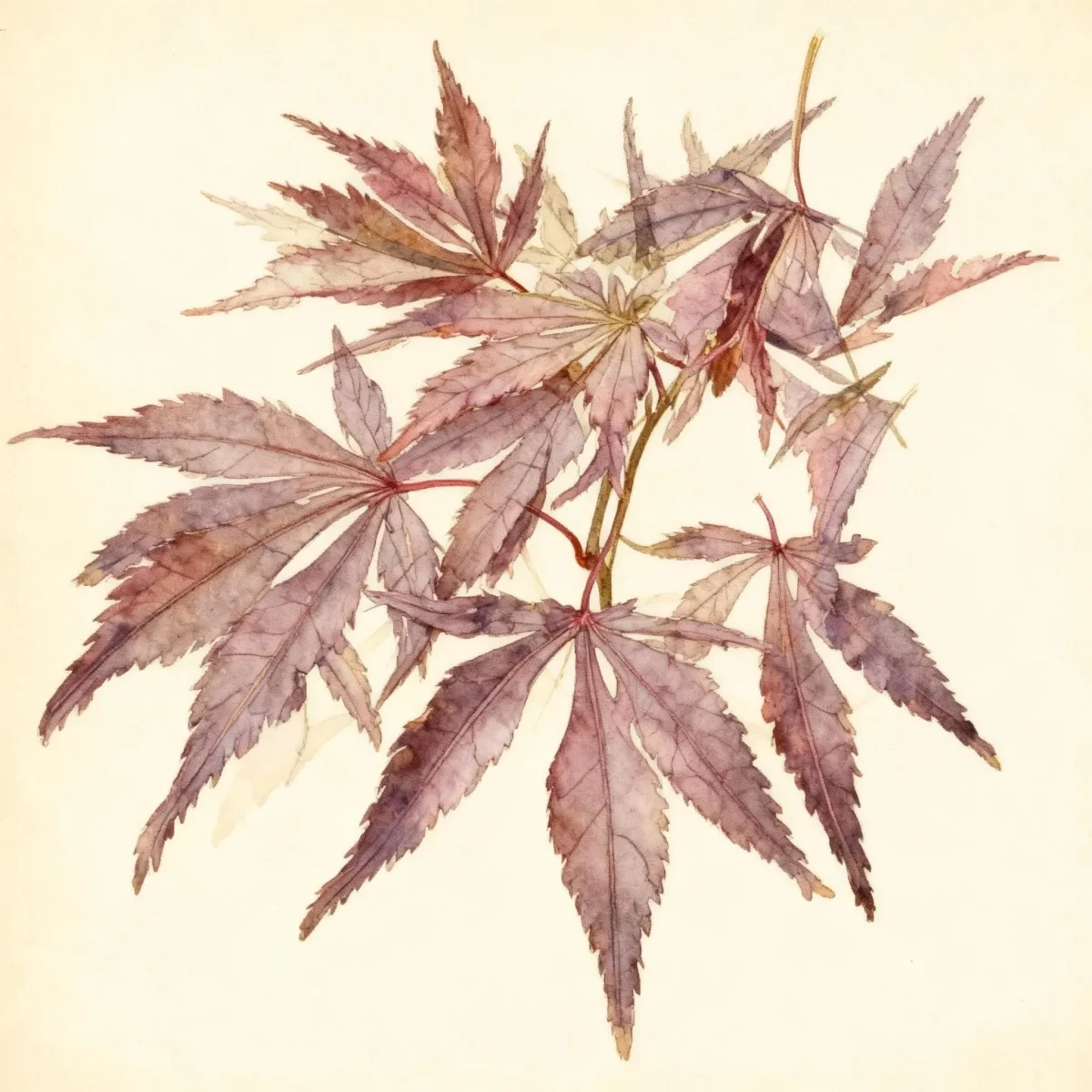
Gardeners value the Japanese maple most for its aesthetic contribution, particularly the deeply lobed leaves that offer intricate texture throughout the growing season before breaking into shades of red-purple, bronze, and yellow during autumn. The overall plant form is typically rounded to broad-rounded, often exhibiting low branching habit that is prized in traditional and contemporary landscapes.
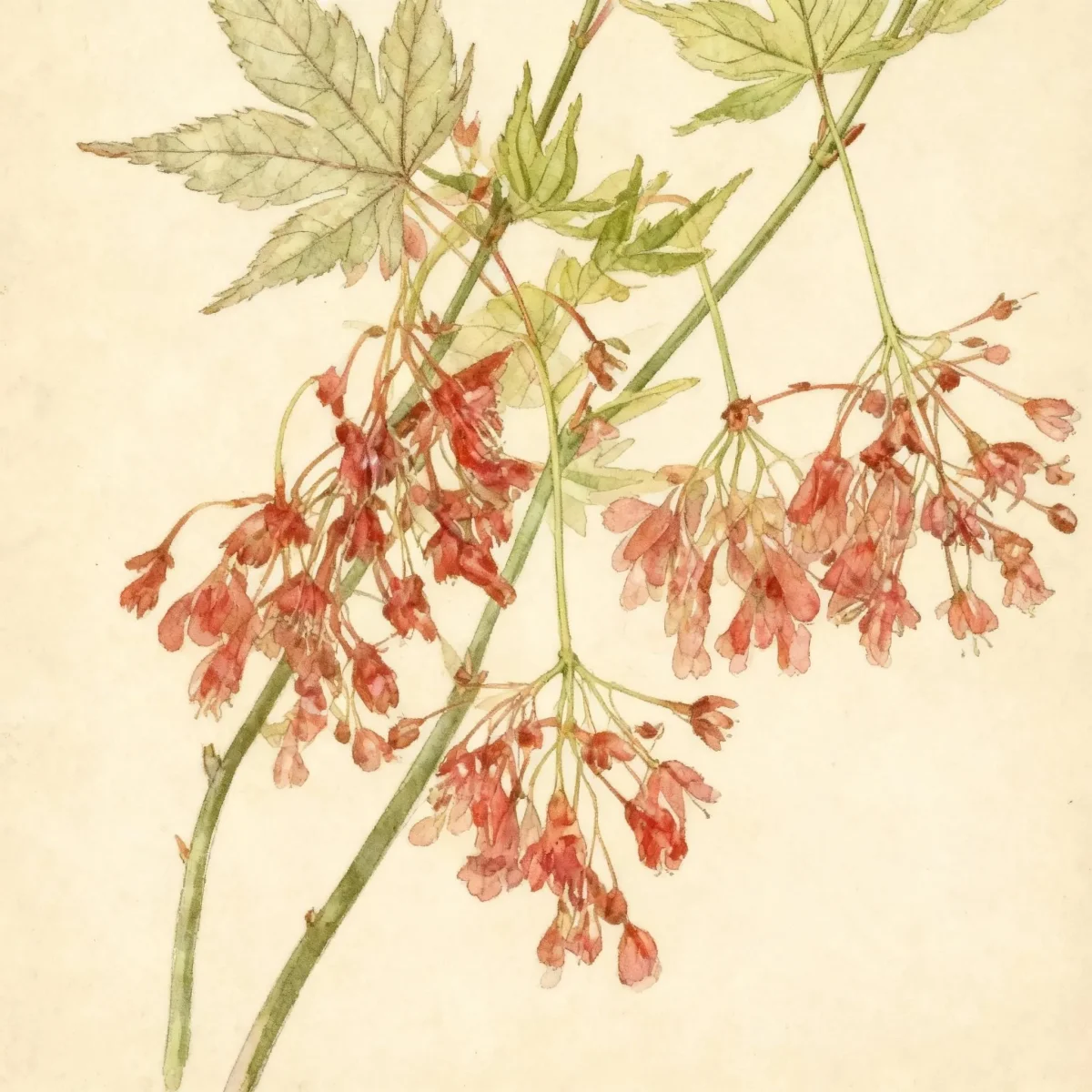
While its small, reddish-purple flowers in spring are not overtly showy from a distance, the overall structure and seasonal color spectacle cement the status of Acer palmatum as a premier ornamental specimen tree. Successful cultivation relies heavily on providing appropriate cultural conditions to ensure the celebrated foliage remains undamaged.
Fast Facts
- Plant Family: Sapindaceae
- Plant Type: Tree
- Native Range: Korea, Japan
- Hardiness Zones: USDA Zones 5-8
- Size at Maturity:
- Height: 10-25 ft
- Spread: 10-25 ft
- Bloom Time: April
- Bloom Description: Reddish-purple
- Sun Exposure: Full sun to part shade
- Water Needs: Medium
- Maintenance Level: Low
How to Grow
The best cultural practice for Acer palmatum involves careful site selection focusing on soil quality and wind protection. These trees thrive best when established in moist, organically rich, slightly acidic, well-drained soils. While they tolerate sandy loams, consistent moisture is crucial to prevent leaf scorch, especially in hotter climates. In northern regions, full sun is tolerated, but throughout the southern extent of its range, afternoon shade is highly recommended to protect the tender new foliage.
Watering should be consistent, adhering to a medium water schedule, ensuring dryness is avoided, particularly during the summer heat. Mulching is highly beneficial, as it helps retain the necessary soil moisture and keeps the shallow root system cool. Fertilize lightly in the spring just before the leaves emerge to support early season growth.
Protect your Japanese maple from strong, drying winds, as exposure can damage leaves and branch tips. When pruning is necessary, always aim for late fall or mid-winter, as pruning during the active growing season (spring or summer) invites significant sap bleed from the cuts. Keep pruning minimal to maintain the natural, graceful structure of the Acer palmatum.
Landscape Uses
The primary appeal of the Japanese maple lies in its highly ornamental foliage and elegant structure, making it an indispensable element in thoughtful landscape design. They excel as specimen or accent trees, highlighted against a plain backdrop to showcase their unique silhouettes, whether near the home foundation or as a singular feature in a lawn expanse. They are excellent choices beneath taller canopy trees, functioning beautifully as sun-dappled understory specimens or along woodland garden margins.
Due to their often spreading, low-branching habit, these maples serve well when grouped near the periphery of borders to soften boundaries or used strategically as a natural screen. Furthermore, many fine cultivars of Acer palmatum are highly sought after by enthusiasts for use in bonsai, illustrating their adaptability to container culture when properly managed.
Standout Features
Flower Qualities
- Insignificant
Noteworthy Characteristics
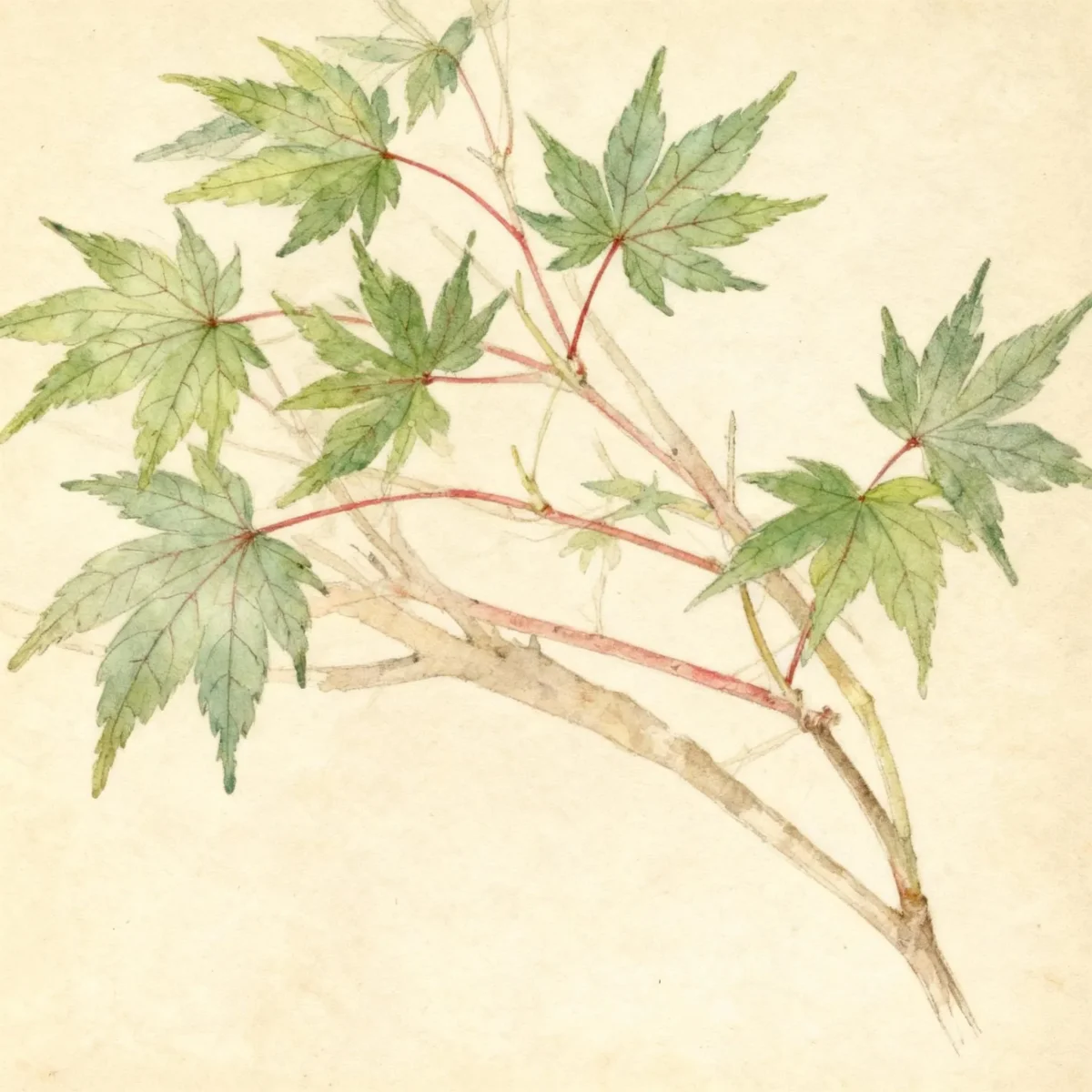
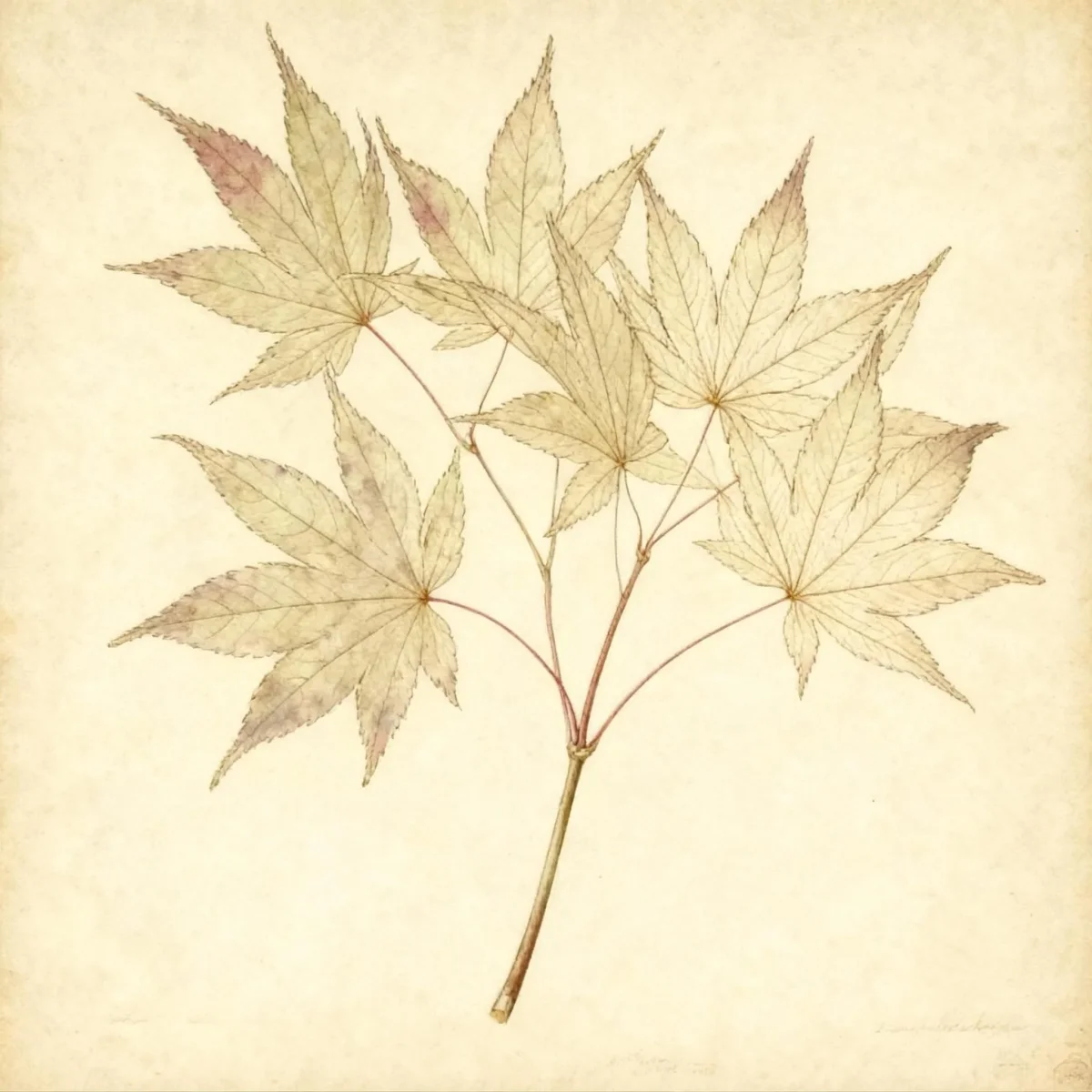
Acer palmatum, commonly called Japanese maple, is a deciduous shrub or small tree that typically grows to 10-25’ (infrequently to 40’) tall. It is native to Japan, Korea and China. General plant form is rounded to broad-rounded, often with low branching. Each palmate green leaf (2-5” long) has 5 or 7 but less frequently 9 pointed toothed lobes. The genus name refers to the Latin term for a maple, while the specific epithet references the palmate nature of the leaves, resembling an open, outstretched hand.
Tolerances
- Rabbit
- Black Walnut
Potential Problems
Japanese maples are susceptible to several issues if cultural requirements are not met. Fungal diseases are common, including stem canker, leaf spots, anthracnose, and various root rots, often aggravated by poor drainage or excessive moisture. Verticillium wilt is a severe concern requiring prompt removal of affected branches.
Insect pests frequently encountered include aphids, various scale insects, borers, and bagworms, which can stress the tree. Mites may also become troublesome, especially during dry spells. A crucial management tip is recognizing that early spring leaf-out makes foliage vulnerable to late spring frosts; site selection that moderates temperature swings helps mitigate this risk. Chlorosis (yellowing leaves) often signals a high pH soil condition.
Frequently Asked Questions
What hardiness zones is Japanese maple suitable for?
The Japanese maple, Acer palmatum, is generally hardy across USDA Zones 5 through 8.
How large does Japanese maple grow?
This species typically matures to a height between 10 and 25 feet, with a similar spread ranging from 10 to 25 feet.
What sun exposure does Japanese maple need?
Acer palmatum prefers full sun to part shade conditions, though it benefits greatly from afternoon shade in the warmer southern parts of its growing range.
When does Japanese maple bloom?
The blooming time for the Japanese maple is in April, producing small, reddish-purple flowers.
Conclusion
The Japanese maple remains a cornerstone of sophisticated garden design due to its unparalleled form and dependable seasonal interest, especially the vibrant fall display. Successfully cultivating this Acer palmatum relies on respecting its need for rich, well-drained soil and consistent moisture to prevent leaf scorch. Before planting, confirm your local hardiness zone compatibility and plan your location to mitigate harsh summer sun or strong winds.
Companion Planting
When designing a space for your Japanese maple, select companions that share similar needs for acidic, well-drained soil and partial shade. Consider evergreen shrubs like Azaleas or Rhododendrons, whose lower stature will help protect the maple’s shallow roots from excessive heat, while their spring flowers complement the delicate structure of the Acer palmatum. Groundcovers such as Hostas, particularly the heartier varieties, thrive in the dappled light beneath the canopy and help maintain cool, moist surface conditions.
Common Mistakes
A frequent error occurs when gardeners plant a young Japanese maple in a location that receives harsh, unobstructed afternoon sun, leading to significant leaf scorch, where leaf margins turn brown and crispy during summer. Another common pitfall is improper pruning timing; attempting to prune during active growth periods in spring or summer will cause the tree to “bleed” excessive sap, weakening the plant. Always avoid planting in soggy locations, as this sets the stage for devastating root rots.