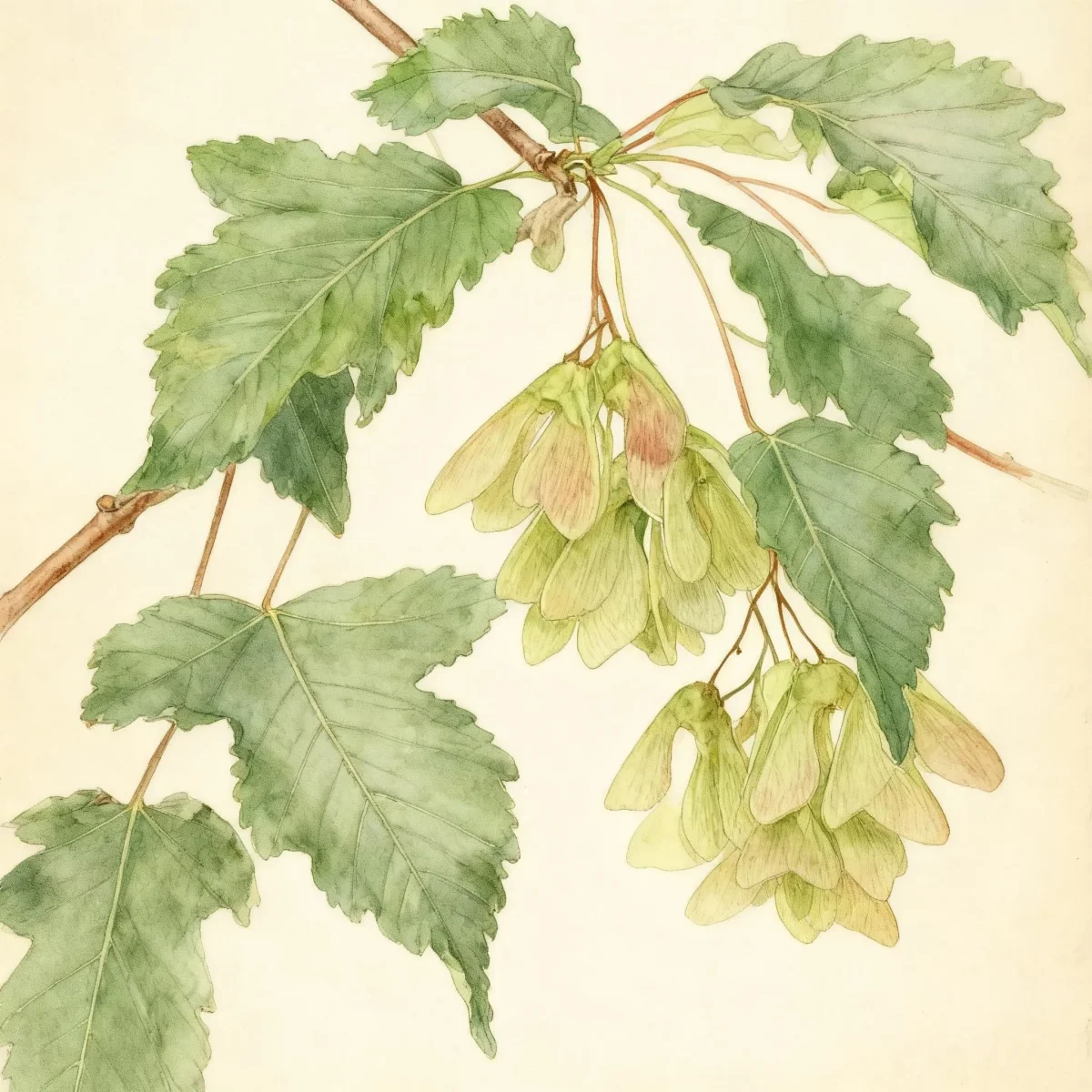
Amur maple (Acer tataricum subsp. ginnala)
The adaptable Amur maple (Acer tataricum subsp. ginnala) is a tough, small tree/shrub offering 3-lobed leaves and red summer samaras. USDA Zones 2-8.
Scroll down to discover growing tips, care requirements, companion plants, and more
Complete Plant Information
Overview
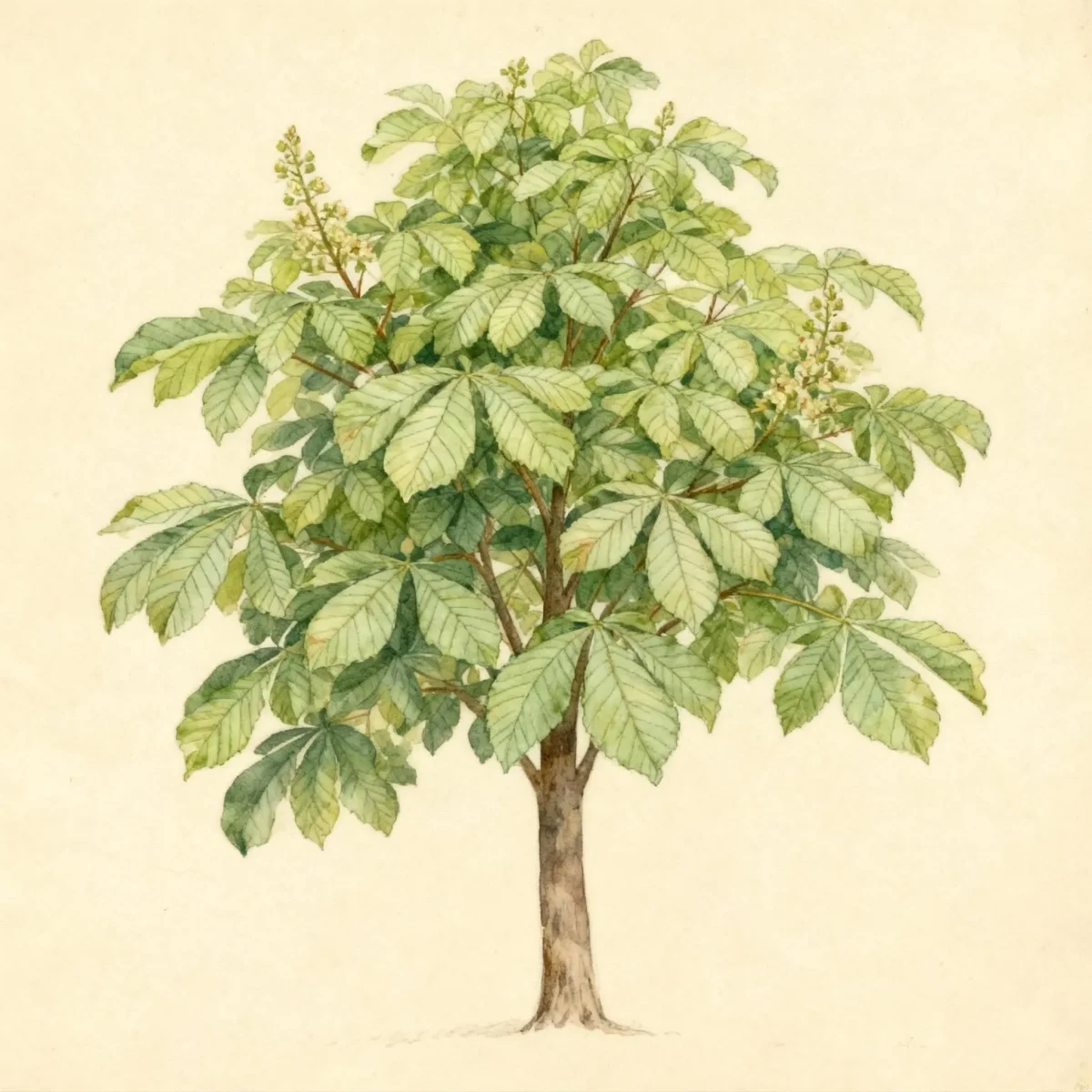
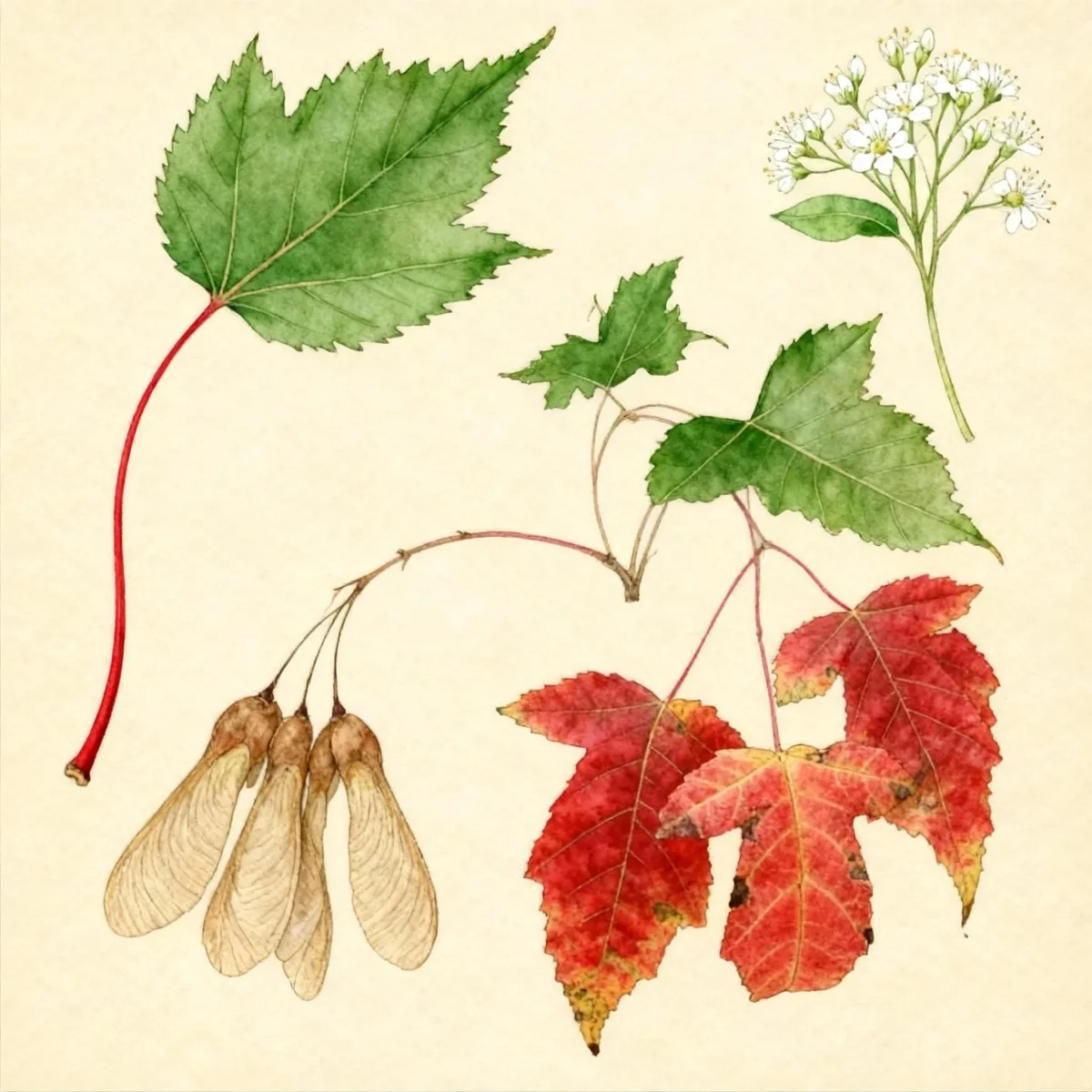
Acer tataricum subsp. ginnala, widely known as Amur maple, is valued by gardeners for its exceptional toughness and ornamental qualities, especially its vibrant fall color and unique samaras. This relatively small tree or large shrub provides density and structure in landscapes where other maples might struggle due to harsh conditions. Identifying features include the distinctively three-lobed leaves, which enhance its appeal beyond the more common Tatarian maple species.
This species thrives across a broad climate range, making Acer tataricum subsp. Ginnala a reliable choice for colder regions. It adapts well to various soil types, including challenging clay, and demonstrates good drought resistance once established. Its growth habit is typically upright and spreading, forming a dense crown suitable for screening or specimen planting.
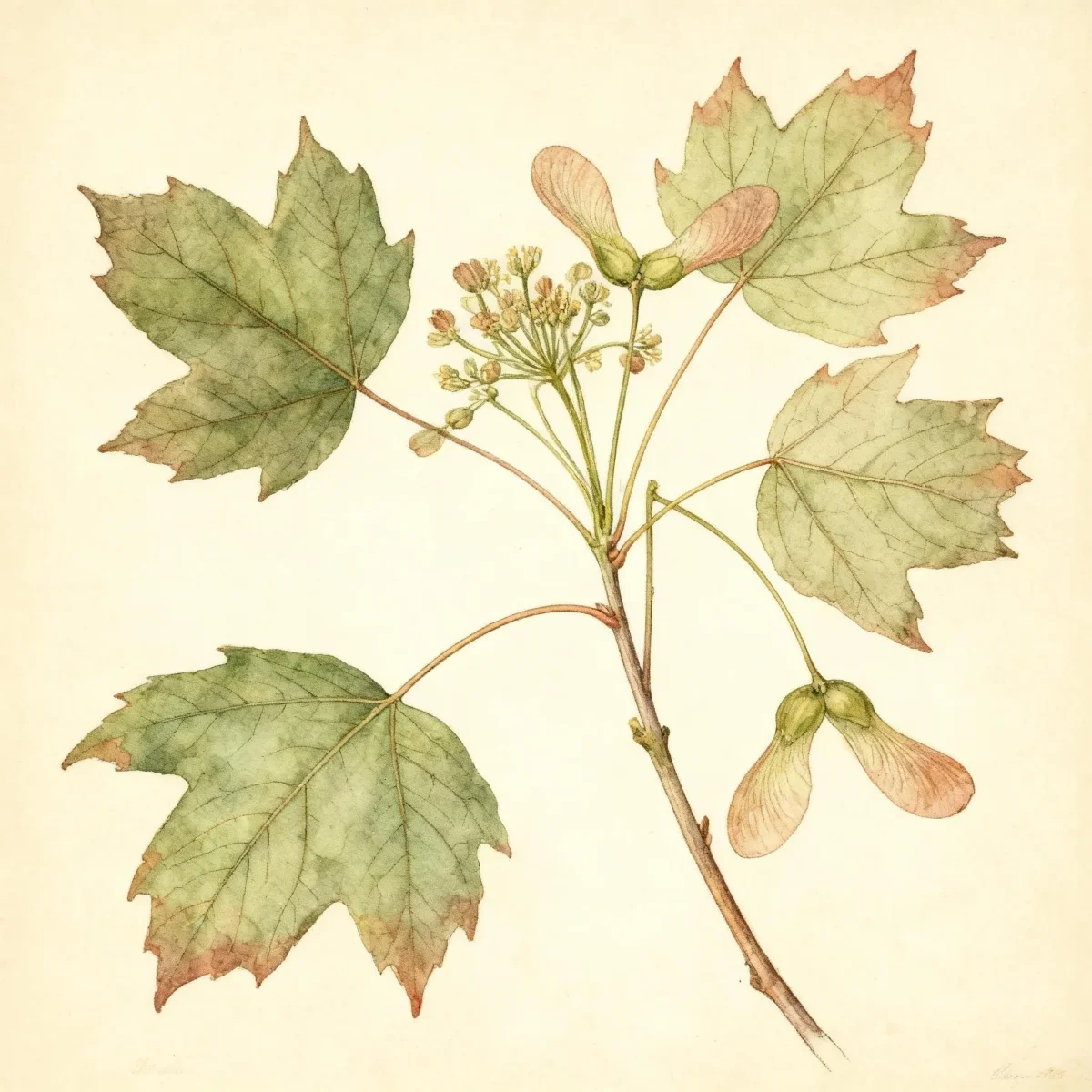
The beauty of the Amur maple continues through the warmer months, offering fragrant yellowish-white spring blooms followed by showy red-winged samaras that persist well into summer and fall. For gardeners seeking a low-fuss, multi-season interest tree that delivers high performance, Acer tataricum subsp. ginnala is an outstanding contender.
Fast Facts
- Plant Family: Sapindaceae
- Plant Type: Tree
- Native Range: Northeastern Asia, northwestern United States
- Hardiness Zones: USDA Zones 2-8
- Size at Maturity:
- Height: 15-20 ft
- Spread: 15-20 ft
- Bloom Time: April to May
- Bloom Description: Yellowish-white
- Sun Exposure: Full sun to part shade
- Water Needs: Medium
- Maintenance Level: Medium
How to Grow
Planting the Amur maple is best done during the dormant seasons—early spring or fall—to minimize transplant shock. Ensure the site receives full sun or at least bright, sun-dappled light for the best performance. This tree transplants easily, but success hinges on providing adequate moisture initially in organically rich, well-drained soils. Avoid locations where water pools, even though it tolerates clay once established.
Water needs are listed as medium; supplemental watering is crucial during the first year to establish a strong root system. After establishment, Acer tataricum subsp. ginnala shows some drought tolerance, making it suitable for low-maintenance areas. Fertilization is rarely necessary if the planting site is organically sound, but a balanced slow-release fertilizer can be applied in early spring if growth appears stunted.
Pruning should focus mainly on structural improvement when the plant is young, encouraging a strong central leader if desired, or maintaining a multi-stemmed shrub form. While generally tough, note that performance peaks in areas with cooler summer climates. Spring cleanup involves removing any winter debris, but otherwise, the plant requires minimal intervention.
Landscape Uses
The Amur maple offers versatility, functioning excellently as an interesting specimen tree or a dense screen due to its rapid, upright growth habit. Its medium size (15-20 ft tall and wide) fits well into moderate-sized residential landscapes where larger maples would overpower the space. Consider planting several together to create an effective, fast-growing visual barrier.
Urban environments often benefit from the hardiness profile of Acer tataricum subsp. ginnala, as it tolerates clay soils and some drought stress common near pavement or disturbed sites. While highly useful, gardeners must verify local regulations; this plant is listed as potentially invasive in some states due to its prolific seed production. If invasiveness is a concern, remove spent flowers before samaras mature or select sterile cultivars.
When considering companions, pair Acer tataricum subsp. ginnala with plants that share similar requirements for sun and medium water needs, perhaps leveraging its excellent fall color against dark green conifers or broad-leaved evergreens throughout the season.
Standout Features
Flower Qualities
- Showy
- Fragrant
Noteworthy Characteristics
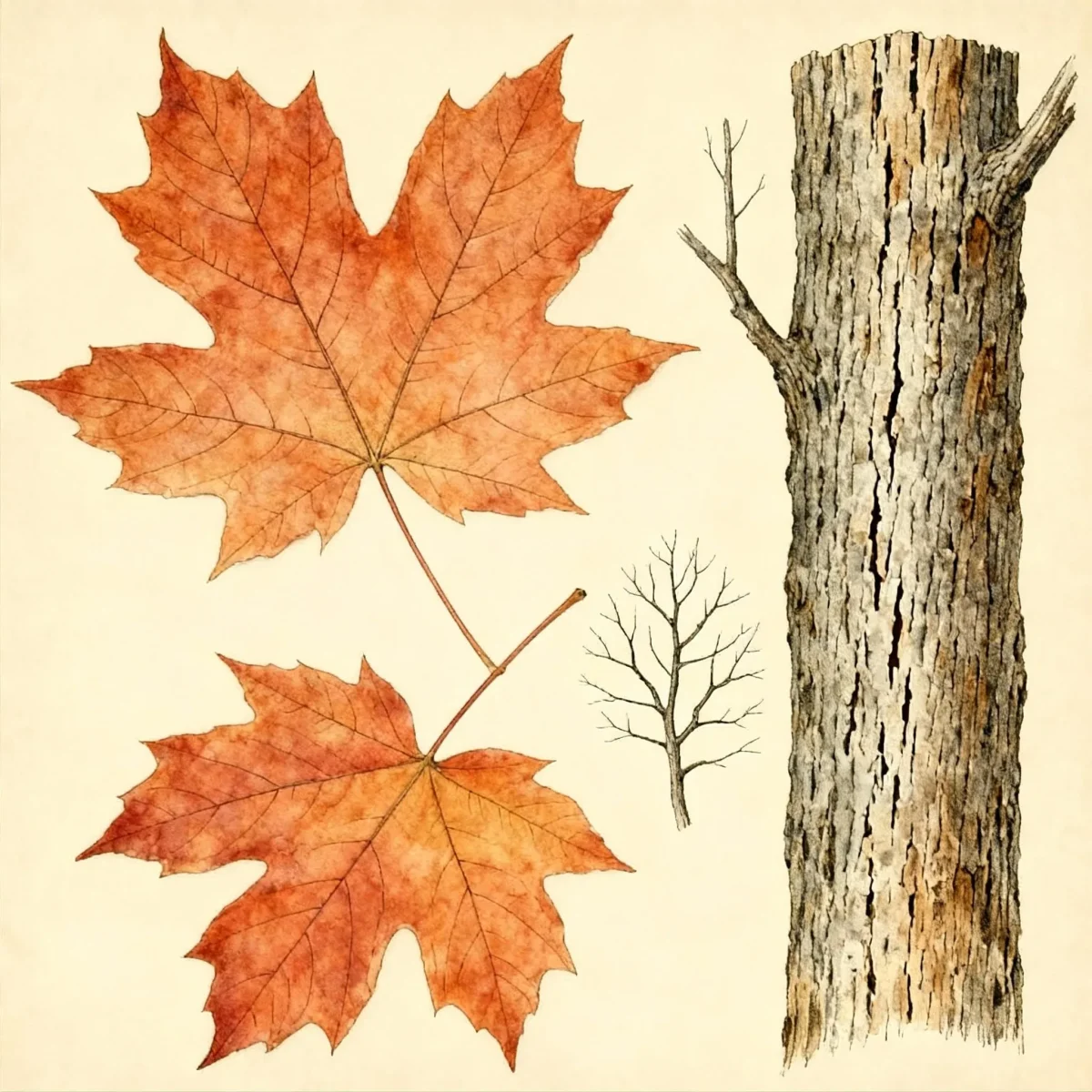
Acer tataricum, commonly called Tatarian maple, typically grows as a small, upright spreading tree with a dense, rounded crown or as a large multi-stemmed shrub, maturing over time to 15-20’ tall. In cultivation, Subsp. Ginnala (Amur maple) is often preferred over the species, featuring more lustrous, distinctly three-lobed leaves and superior red fall color. Fragrant, greenish-yellow flowers bloom in spring, followed by decorative, red-winged samaras lasting through summer and fall.
Tolerances
- Drought
- Clay Soil
Potential Problems
The Amur maple is recognized as a relatively disease-free and insect-resistant specimen, significantly reducing long-term care requirements. However, like many members of the Acer genus, it can occasionally succumb to opportunistic issues. Watch for signs of Verticillium wilt, which can cause branch dieback, and fungal issues like leaf spots, tar spot, and anthracnose, especially in humid weather or poor air circulation.
Pest monitoring should focus on sap-sucking insects such as aphids, scale, and mites, which can weaken the branches over time. Borers may target stressed or older wood, so maintaining proper soil moisture reduces this risk. Promptly prune out any cankered stems to maintain vigor.
Frequently Asked Questions
What hardiness zones is Amur maple suitable for?
The tough nature of Amur maple allows it to thrive in USDA Hardiness Zones 2 through 8.
How large does Amur maple grow?
When mature, Acer tataricum subsp. ginnala typically reaches a height and spread between 15 and 20 feet.
What sun exposure does Amur maple need?
This species performs best in areas receiving full sun, though it can tolerate part shade conditions.
When does Amur maple bloom?
The yellowish-white flowers appear relatively early in the season, typically from April to May.
Conclusion
The Amur maple (Acer tataricum subsp. ginnala) stands out as a remarkably adaptable small tree, offering year-round visual appeal from its fragrant spring flowers to its excellent fall foliage and persistent red samaras. Its tolerance for tough soils and drought makes this plant a practical solution for difficult sites. Before planting, confirm local regulations due to potential invasiveness, and ensure you site your new Acer tataricum subsp. Ginnala where it can receive the full sun exposure it prefers for optimal development.
Companion Planting
When integrating Amur maple into your landscape design, consider plants that share its tolerance for medium water and full sun environments. Native grasses or hardy perennials that don’t demand perfect drainage make ideal neighbors. For contrasting texture, try pairing it with lower-growing shrubs that prefer slightly acidic soil, provided the soil conditions are managed.
Because this maple can become dense, ensure companion plants have enough space for air circulation to minimize any potential for fungal issues on either species. Focus on species that offer bloom times or foliage colors that contrast with the Amur maple’s spring flush and autumn display.
Propagation Tips
While ornamental cultivars are best propagated by grafting to ensure specific traits, the species itself, Acer tataricum subsp. ginnala, can be reliably grown from seed. Collect the winged samaras in summer or fall once they turn red or brown before they drop significantly. Stratification is essential for breaking seed dormancy; simulate winter by chilling the seeds (often mixed with peat moss or sand) in a refrigerator for 90 to 120 days.
For improved success rates on a very young tree or shrub, cuttings can be attempted, though rooting success is highly variable depending on the maturity of the wood. Take semi-hardwood cuttings in mid-summer, treat them with rooting hormone, and maintain high humidity. Be aware that cuttings of maples, in general, can be notoriously slow or difficult to establish compared to seed propagation.