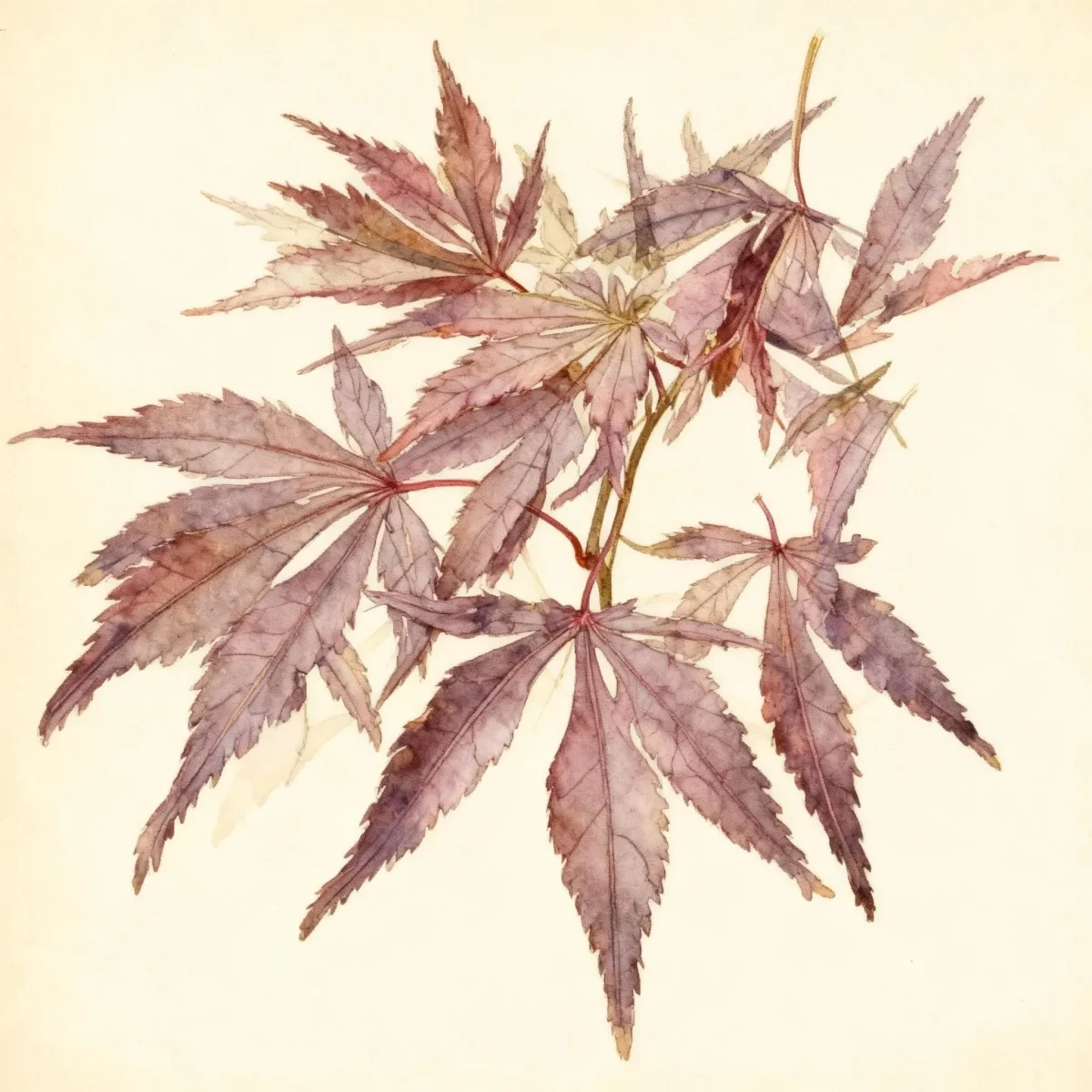
Snakebark maple (Acer capillipes)
Discover the ornamental Snakebark maple (Acer capillipes), prized for its striking white-striped bark and vibrant fall color in Zones 5-7.
Scroll down to discover growing tips, care requirements, companion plants, and more
Complete Plant Information
Overview
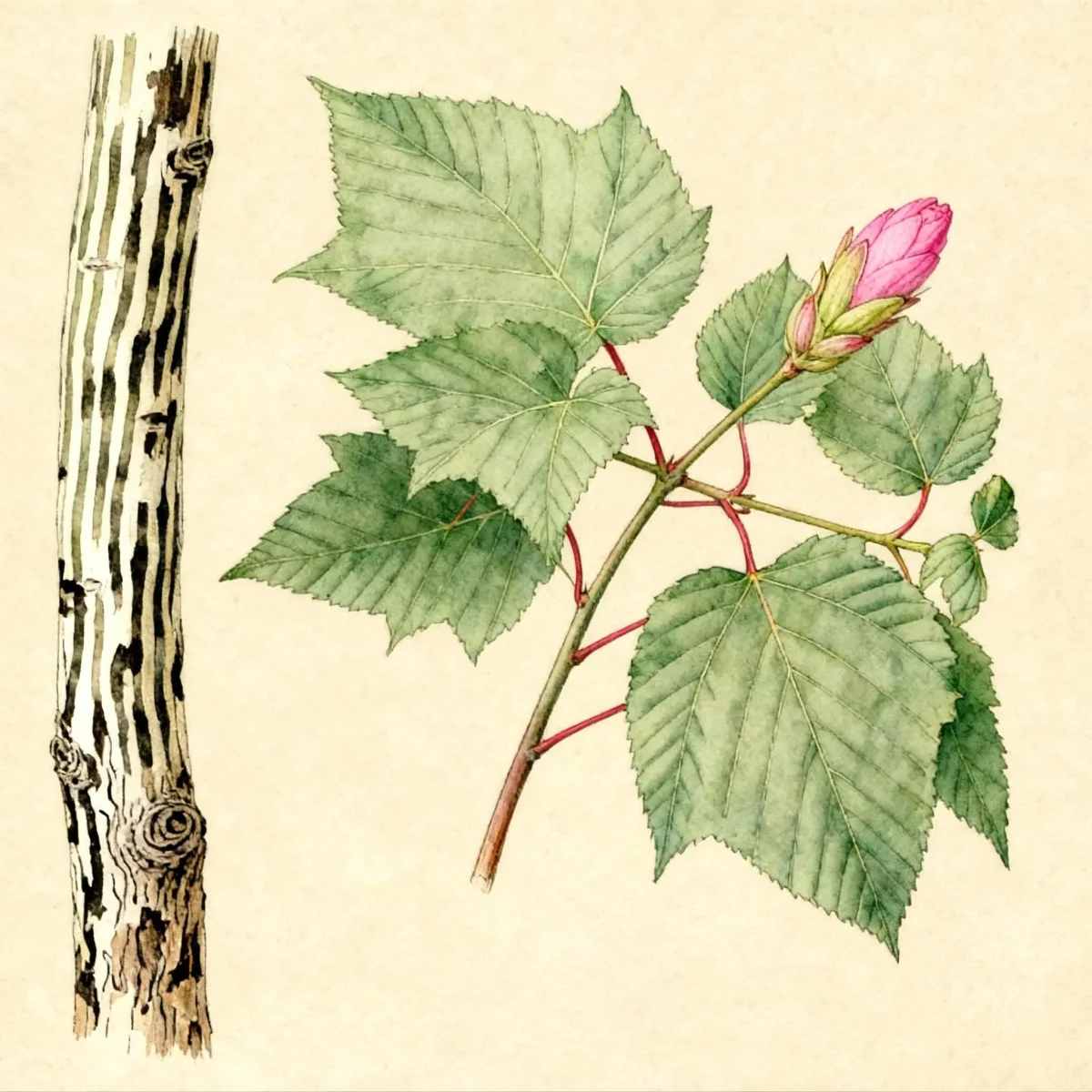
The Snakebark maple (Acer capillipes) is a captivating specimen tree highly valued for its year-round architectural interest, primarily due to its dramatically marked bark. Native to Japan’s mountainous regions, this species provides essential ornamentation when its deciduous leaves have dropped, revealing the signature “snake skin” pattern of olive green striped with crisp white. Gardeners appreciate Acer capillipes for its manageable size, reaching 30 to 40 feet, making it an ideal feature for smaller properties or as an eye-catching accent.
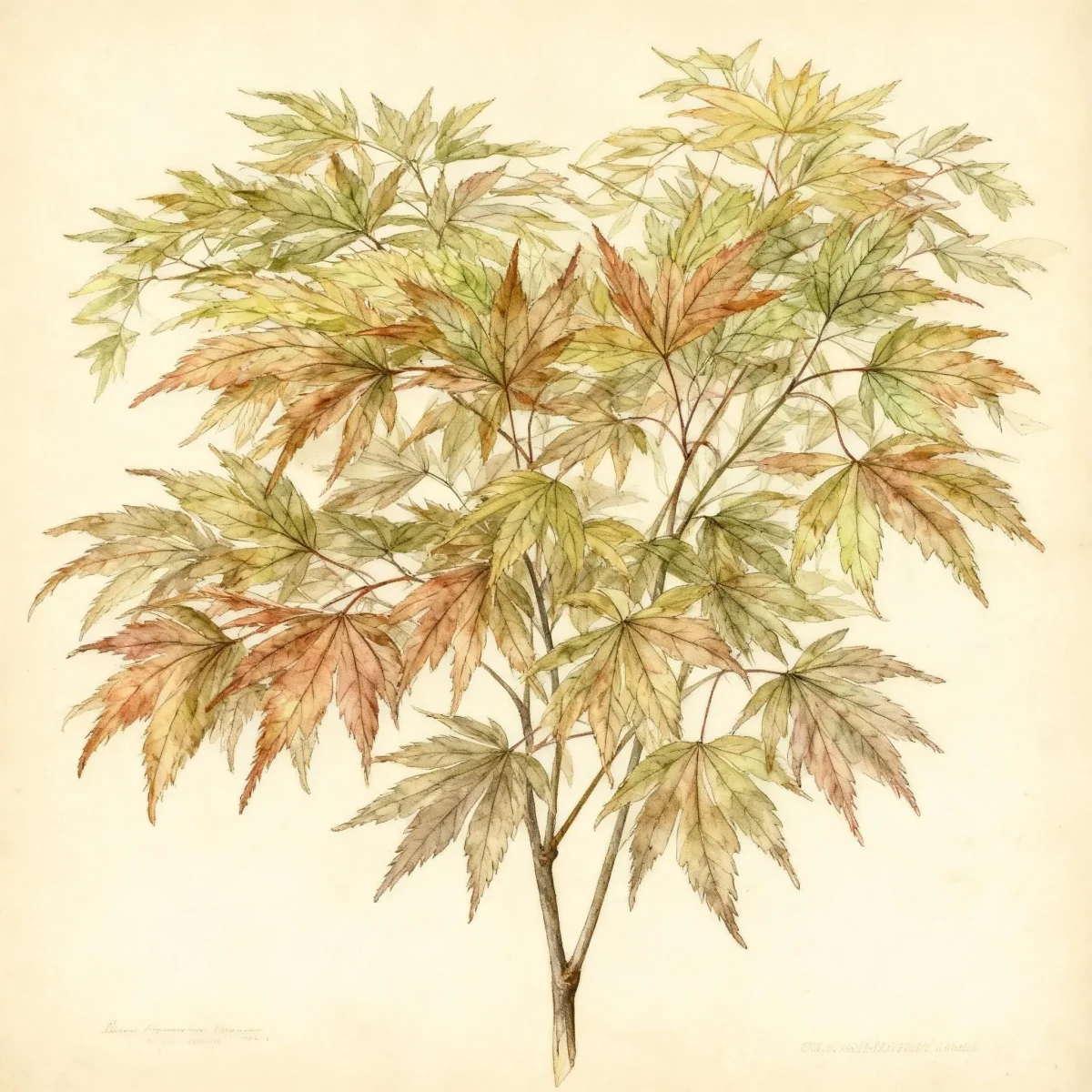
Beyond its unique winter appeal, Acer capillipes offers delicate springtime greenish-white blooms followed by vibrant foliage that turns brilliant orange to red in autumn. It is considered a low-maintenance addition to the landscape, though success relies on replicating its preferred cool, moist environment. This species is uncommonly seen in cultivation, offering a distinctive alternative to more common maples.
For optimal performance, the Snakebark maple requires specific care regarding moisture and soil acidity, reflecting its origins in cool, humid climates. Planting Acer capillipes where it receives afternoon protection, especially in hotter regions, will enhance both the foliage quality and the bark’s vibrancy.
Fast Facts
- Plant Family: Sapindaceae
- Plant Type: Tree
- Native Range: Japan
- Hardiness Zones: USDA Zones 5-7
- Size at Maturity:
- Height: 30-40 ft
- Spread: 30-40 ft
- Bloom Time: April
- Bloom Description: Greenish white
- Sun Exposure: Full sun to part shade
- Water Needs: Medium
- Maintenance Level: Low
How to Grow
The best time to establish your Snakebark maple is in the spring or early fall, allowing the roots to establish before extreme temperatures arrive. Acer capillipes thrives in average, medium-moisture soil that is well-drained, but critically, it strongly prefers acidic conditions. While it tolerates full sun, planting in dappled light or part shade is highly recommended, especially in hot summer climates, to prevent scorch on the attractive foliage. Consistently moist soil is essential for this species.
Once planted, maintain consistent moisture, particularly when the tree is young, until a deep root system develops. Fertilization is rarely necessary if the soil conditions are correct; excessive nitrogen can lead to soft growth prone to pests. Pruning should be aesthetic and minimal, focusing only on removing crossing or damaged branches, as heavy pruning can stress the tree. Look for the reddish tones on young shoots and use this cue to monitor overall health.
Seasonal care centers on water management, especially during dry spells, as Acer capillipes performs best when the soil remains consistently damp. In cooler summer climates, this maple excels, but gardeners in high heat must be vigilant about mulching heavily to conserve soil moisture and keep the roots cool. Avoid planting in areas exposed to drying winter winds if you reside near the colder edge of its hardiness range.
Landscape Uses
The uncommon beauty of the Snakebark maple makes it an outstanding specimen tree or feature plant where its unique bark can be fully appreciated, especially during the winter months. Its relatively compact, rounded form transitioning from an arching dense branching habit lends itself well to use as a stately shade tree or an elegant visual break in Asian-inspired garden designs. Though listed for street use, its sensitivity to dry, compacted soils means it performs best in protected foundation plantings or mixed borders.
Due to its status as an attractive small tree or large shrub, consider planting Acer capillipes near patios or viewing areas where its texture and color contrasts can be easily observed. It pairs beautifully with evergreen textures, such as dark green rhododendrons or broadleaf boxwoods, which help to highlight the white striping of the bark in winter. Its excellent orange to red fall display also allows it to serve as a strong vertical anchor against plantings with yellow or bronze autumnal hues.
Standout Features
Flower Qualities
- Insignificant
Noteworthy Characteristics
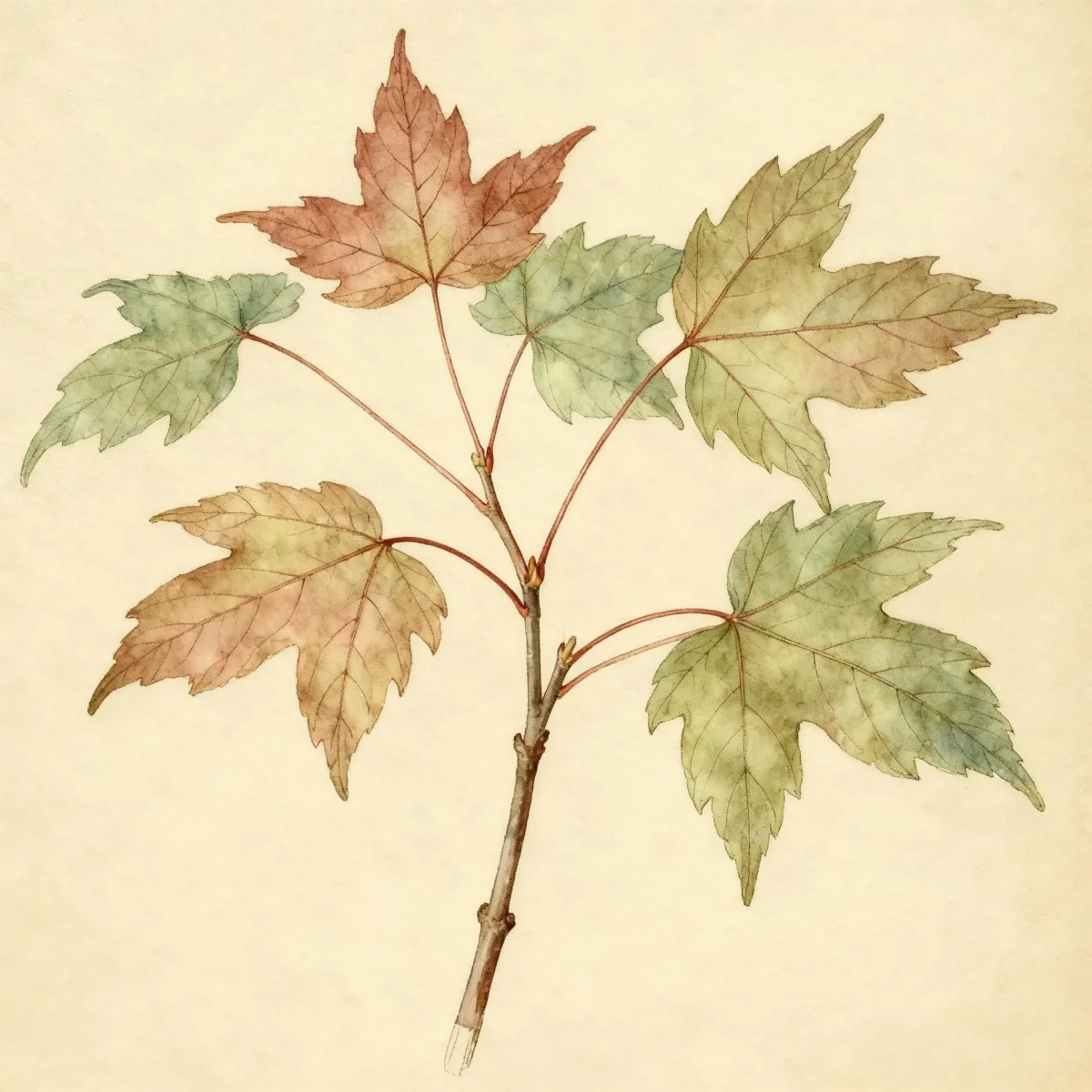
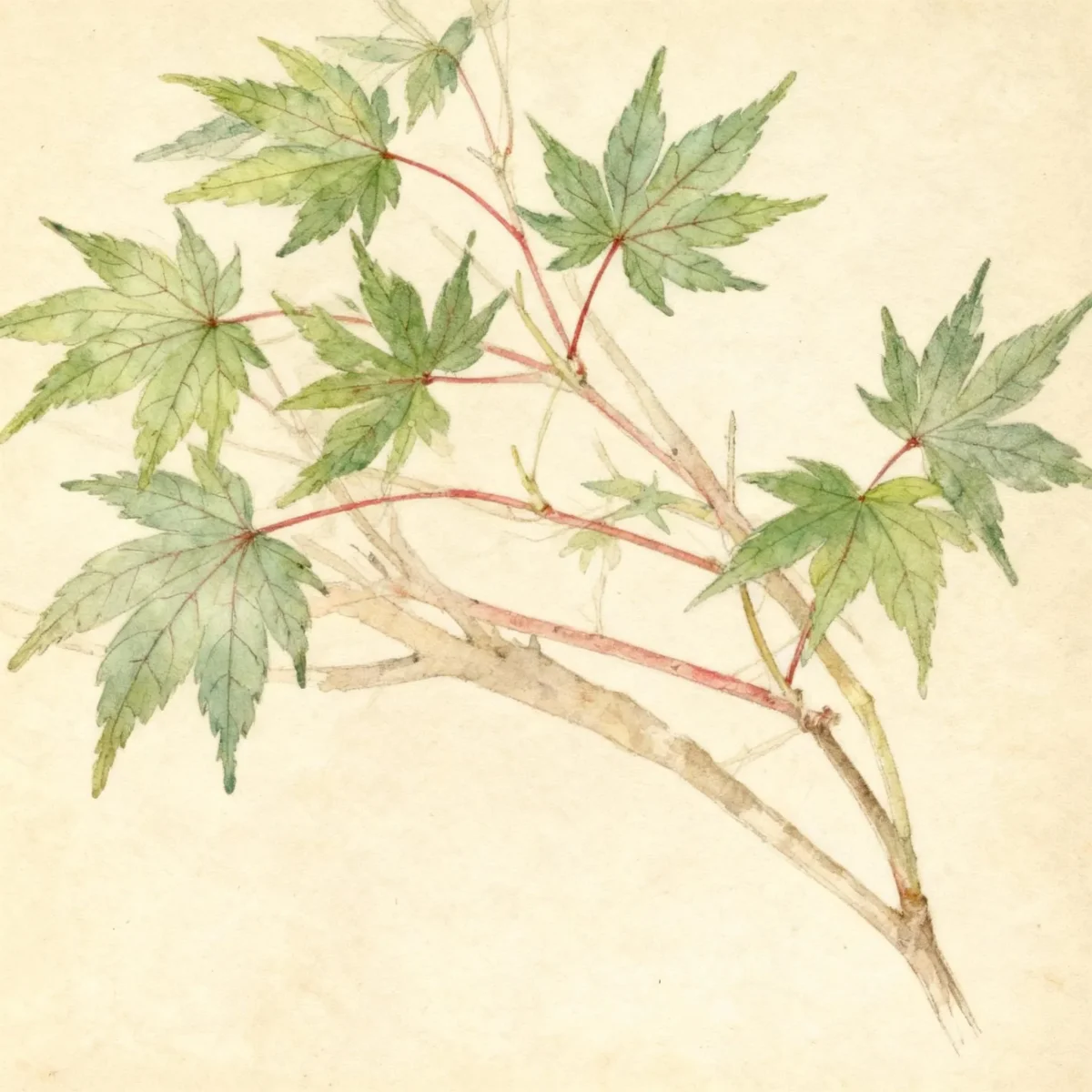
Acer capillipes famous for its “snake-like” bark—olive green accented with narrow, white vertical striping—is a critical ornamental feature. This deciduous tree, native to mountainous Japan, often presents as a large, multi-stemmed shrub in the wild but develops into a small, rounded tree up to 40 feet tall. The foliage emerges reddish before maturing to dark green, contributing to an excellent orange to red fall color show.
Tolerances
This section is omitted as no data was provided in Tolerances array.
Potential Problems
The Snakebark maple generally exhibits good resistance against serious insect or disease issues, which contributes to its low maintenance profile. However, like many maples, it remains susceptible to fungal issues such as leaf spots, tar spot, canker, and root rots, especially if drainage is poor or the tree is stressed. Verticillium wilt is a perennial concern for maples in newly planted or stressed conditions.
Monitor for common tree pests including aphids, scale insects, borers, and caterpillars, particularly if the tree is struggling due to inconsistent moisture or excessive heat. Mite infestations can also occur during hot, dry summers. Good cultural practices—providing consistent, medium moisture, avoiding overly heavy fertilization, and ensuring well-drained acidic soil—are the best preventive measures against most potential problems affecting Acer capillipes.
Frequently Asked Questions
What hardiness zones is Snakebark maple suitable for?
The Snakebark maple (Acer capillipes) is generally suitable for USDA Hardiness Zones 5 through 7.
How large does Acer capillipes grow?
This tree typically matures to a height between 30 and 40 feet tall, with a corresponding spread of 30 to 40 feet, often maintaining a rounded shape.
What sun exposure does Acer capillipes need?
Acer capillipes performs best when planted in full sun to part shade conditions; however, gardeners in very hot summer climates should aim for part shade protection to ensure its best performance.
When does Snakebark maple bloom?
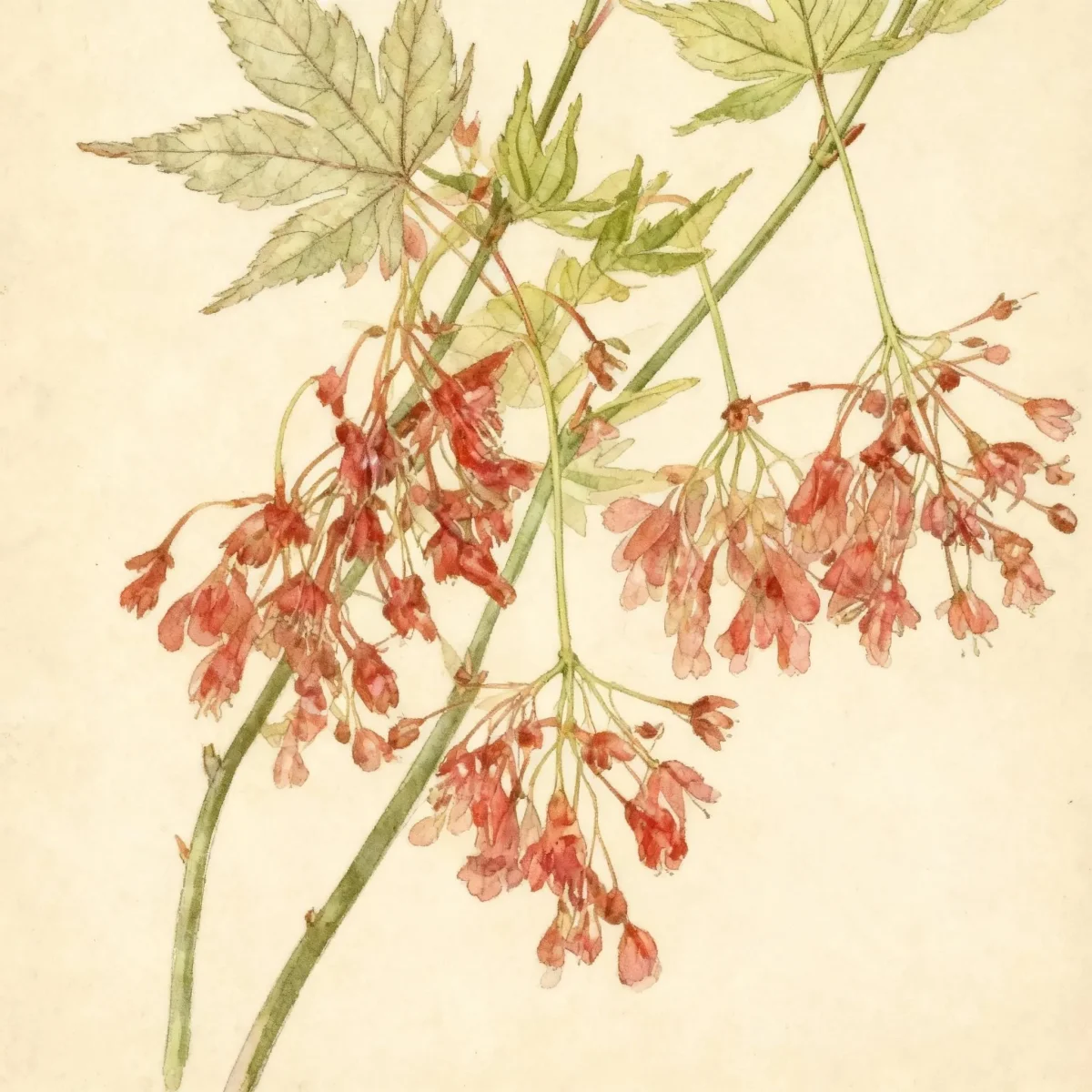
The Acer capillipes typically blooms in April, producing small, greenish white flowers in pendant racemes during the spring.
Conclusion
The Acer capillipes, or Snakebark maple, is an excellent choice for gardeners seeking year-round visual interest, defined by its unparalleled bark texture and respectable fall coloration. This low-maintenance tree offers a unique sculptural element, provided you can meet its specific needs for consistently moist, well-drained, acidic soil. Before planting, confirm that your garden resides within USDA Zones 5-7 and plan for afternoon shade if you anticipate hot summers to ensure this striking specimen thrives.
Companion Planting
Successfully growing the Snakebark maple involves pairing it with plants that share its preference for medium moisture and acidic soil levels. Consider planting shade-loving acid-lovers like Azaleas and Rhododendrons beneath the canopy, as their lower shrub structure complements the height profile of Acer capillipes. Ferns that thrive in moist, dappled light, such as the Japanese Painted Fern (Athyrium niponicum), will also reinforce the cool, woodland aesthetic that this Japanese native prefers.
For textural contrast, avoid groundcovers that aggressively compete for surface moisture. Instead, use coarse barks or pine needles as mulch to help maintain the cool, damp environment the roots require. Since the bark is the star feature, placement near evergreen foundation plants ensures that the white striping of the Acer capillipes remains visible even when snow or winter dormancy is in effect.
Design Ideas: Layered Bark Interest
Leveraging the unique bark of the Snakebark maple requires strategic placement to maximize its winter impact. Place the tree where it can be viewed against a dark background, such as a dark brick wall, deep green hedge, or a structure stained in deep charcoal. This contrast significantly enhances the visibility of the white vertical striping.
Consider using it as a focal point in a winter garden design scheme. Its graceful, arching branching habit, combined with the patterned trunk, provides strong skeletal structure to the landscape when deciduous perennials are dormant. The reddish coloring on the initial spring shoots also offers an ephemeral color burst before the main leaf-out, providing layered interest across multiple growing seasons.