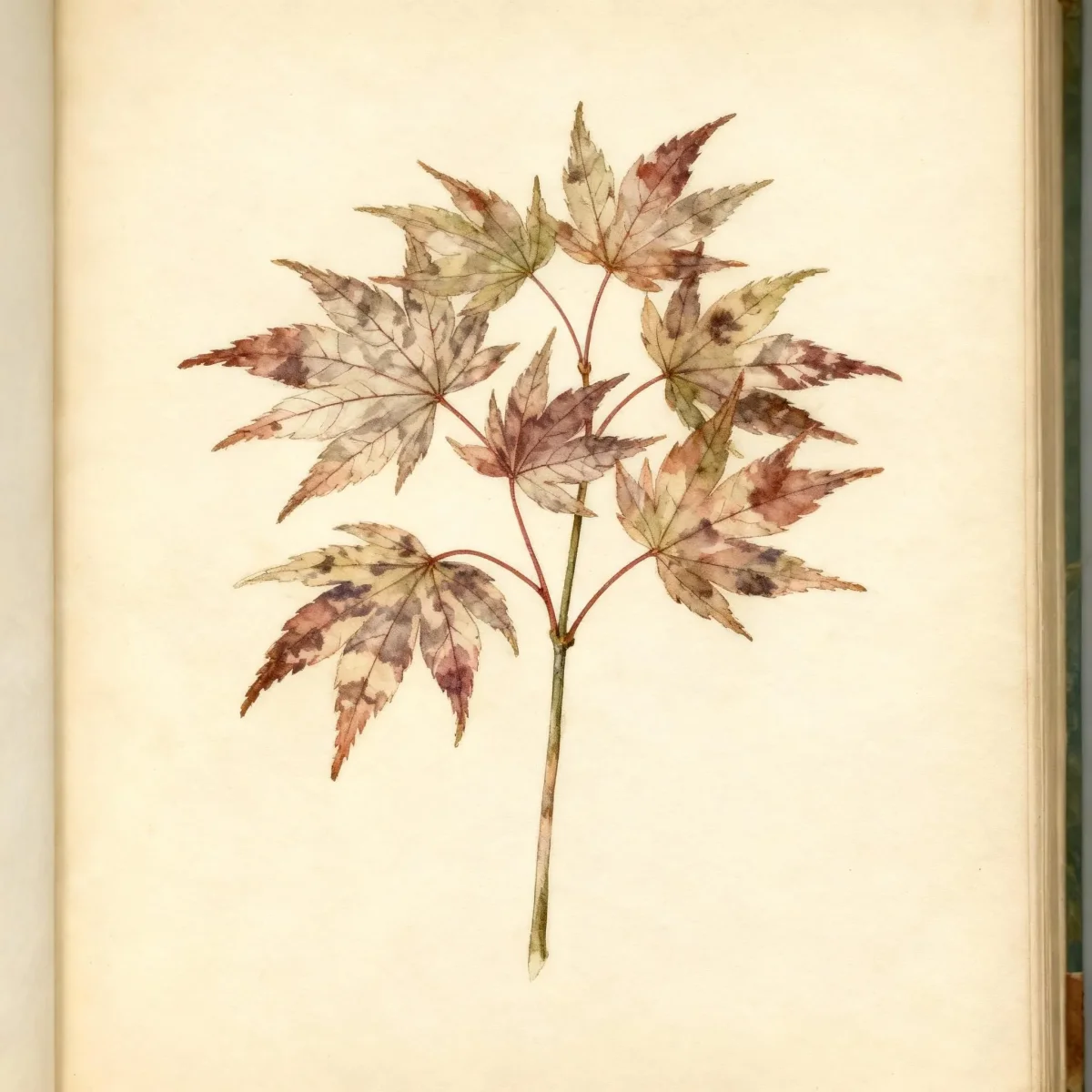
Nikko maple (Acer maximowiczianum)
Discover Acer maximowiczianum, the slow-growing Nikko maple, perfect for small landscapes needing reliable fall color and low maintenance.
Scroll down to discover growing tips, care requirements, companion plants, and more

Complete Plant Information
Overview
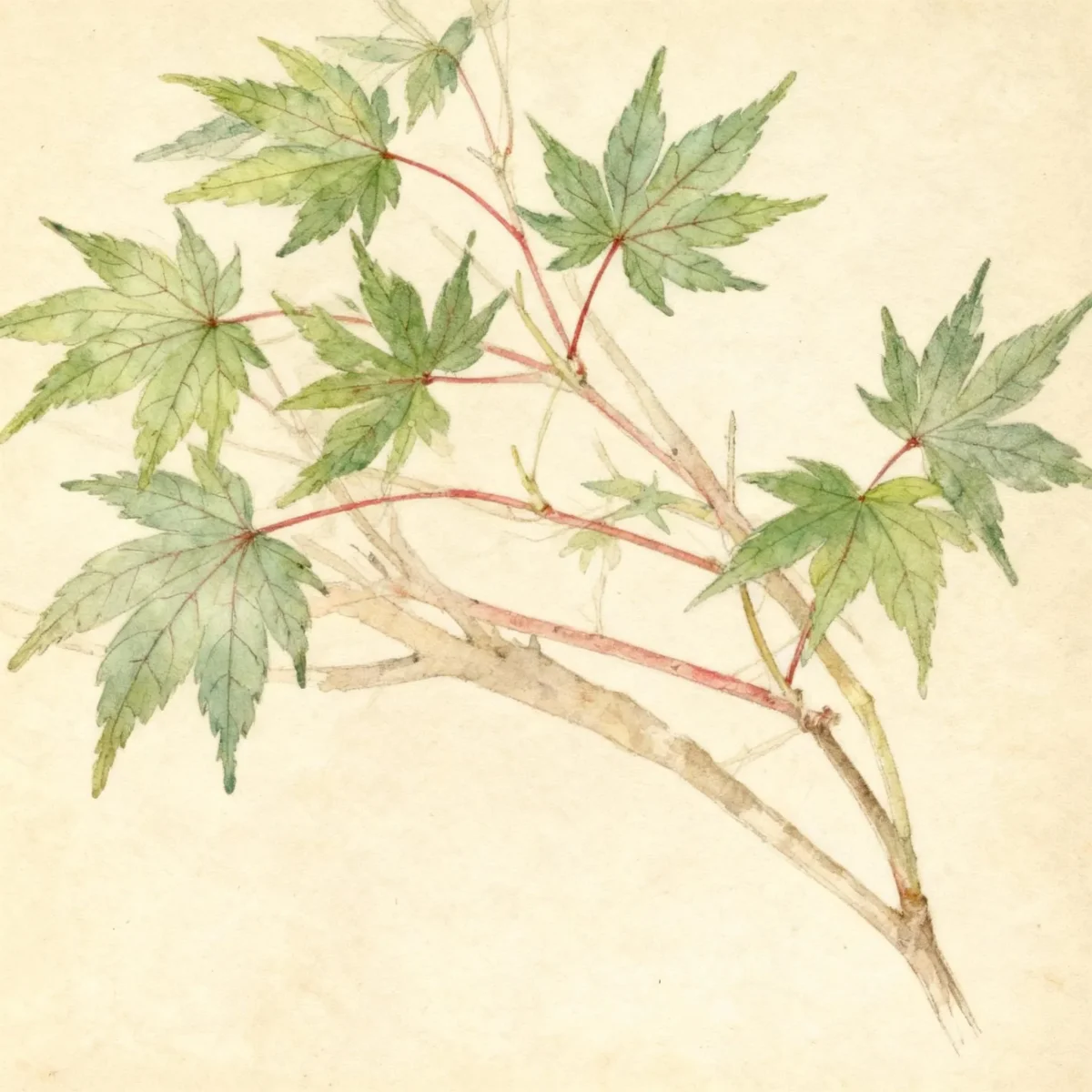
The Nikko maple, scientifically known as Acer maximowiczianum, provides excellent structure and reliable seasonal interest for smaller landscape areas. This deciduous tree is valued for its manageable, slow-growing habit, reaching medium heights perfect for properties where larger maples would overwhelm the space. Gardeners appreciate the unique texture provided by its trifoliate leaves, which offer muted green color throughout the summer followed by reliable autumn transformation.
Native to Southern China and Japan, this species thrives under relatively simple care requirements, classifying it as a low-maintenance specimen. While it functions excellently as a shade tree, its refined size makes Acer maximowiczianum suitable for positioning near patios or as a specimen planting where its unique foliage can be appreciated up close.
The combination of adaptable cultural needs and attractive seasonal color ensures the Nikko maple remains a worthwhile, albeit sometimes hard-to-find, addition to temperate zone landscapes.
Fast Facts
- Plant Family: Sapindaceae
- Plant Type: Tree
- Native Range: Southern China, Japan
- Hardiness Zones: USDA Zones 5-7
- Size at Maturity:
- Height: 30-45 ft
- Spread: 30-45 ft
- Bloom Time: May
- Bloom Description: Yellow
- Sun Exposure: Full sun to part shade
- Water Needs: Medium
- Maintenance Level: Low
How to Grow
Selecting the right spot is crucial for the success of your Nikko maple. Plant during the spring or fall when temperatures are moderate. While Acer maximowiczianum tolerates full sun, achieving the best leaf color and avoiding scorching is accomplished by planting in a location that receives part shade, especially protection from intense afternoon sun. This species thrives in average, medium-moisture soils, preferring moist loams that drain well. Avoid areas where water collects, as consistent good drainage is necessary.
Water your Nikko maple consistently during its first few growing seasons to encourage deep root establishment. After establishment, it requires medium water input; water deeply whenever the top inch or two of soil begins to dry out. Maintenance for this slow-growing tree is generally low. Fertilization is rarely necessary unless the tree is growing in severely poor soil. Light pruning to remove crossing or broken limbs can be performed in late winter while the tree is dormant.
Because Acer maximowiczianum is known for being easily grown, cultural mistakes are usually related to moisture management. Ensure the soil remains consistently moist but never waterlogged. Pay attention to its location during periods of drought; these maples benefit from supplemental watering during dry spells to maintain the vigor that leads to good fall color.
Landscape Uses
The Acer maximowiczianum is highly recommended as an attractive small tree, perfectly suited for placement at entryways, near patios, or as a focal point on smaller lawns. Because it matures to a pleasing rounded shape, it functions beautifully as a standalone specimen where its trifoliate foliage can be admired. It is also noted as an excellent choice for providing dappled shade over seating areas.
When using the Nikko maple in mixed borders, pair it with understory shrubs or perennials that complement its medium-green summer foliage. Consider lower-growing, shade-tolerant evergreens or hostas planted beneath its canopy to create textural contrast. Though it can be difficult to locate in commerce, seeking out this tree for planting near the home foundation provides architectural height without overwhelming the structure.
As a dedicated shade tree, the Nikko maple establishes a canopy that is both dense enough to offer relief from the summer sun yet refined enough not to feel too heavy in a smaller landscape setting.
Standout Features
Flower Qualities
- Insignificant
Noteworthy Characteristics
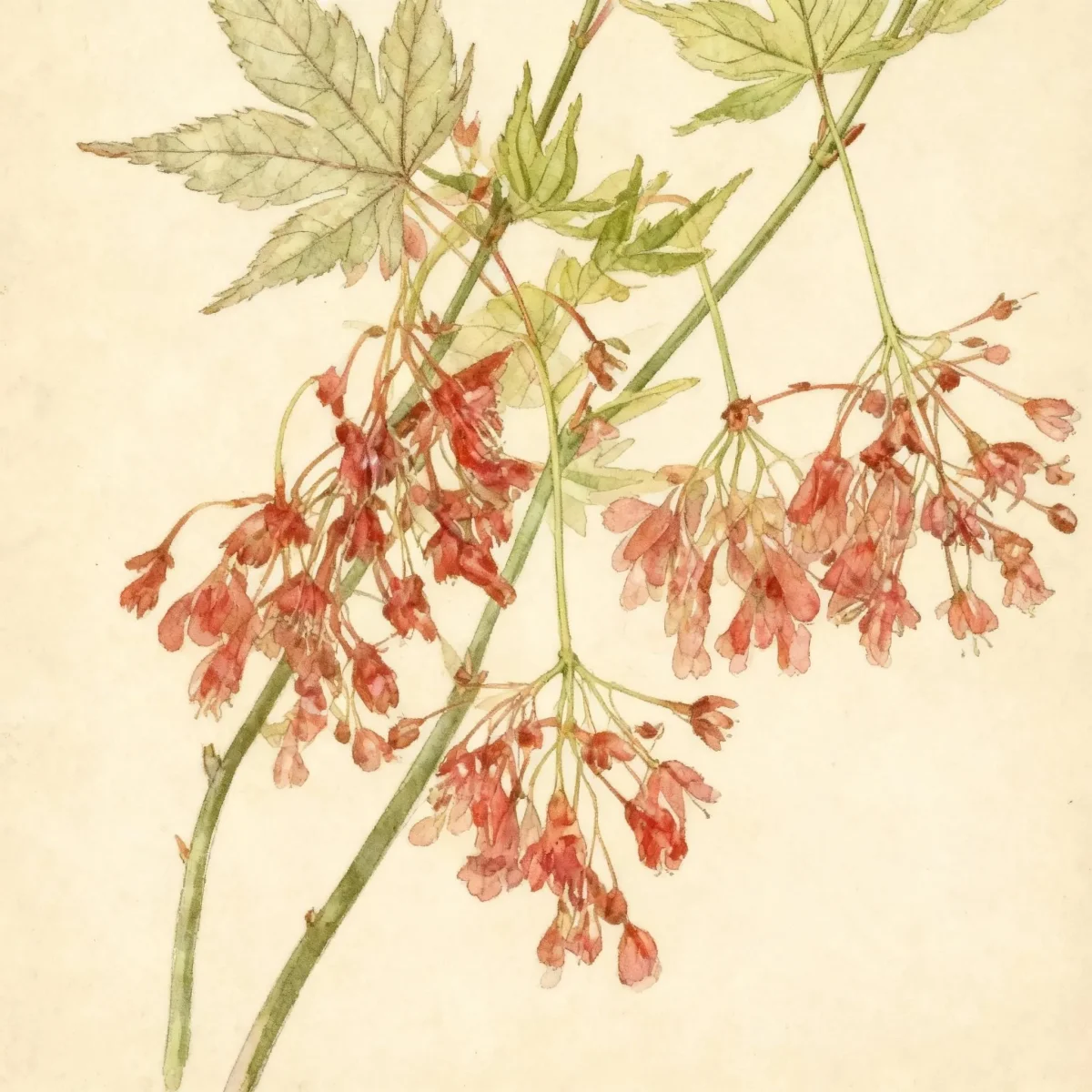
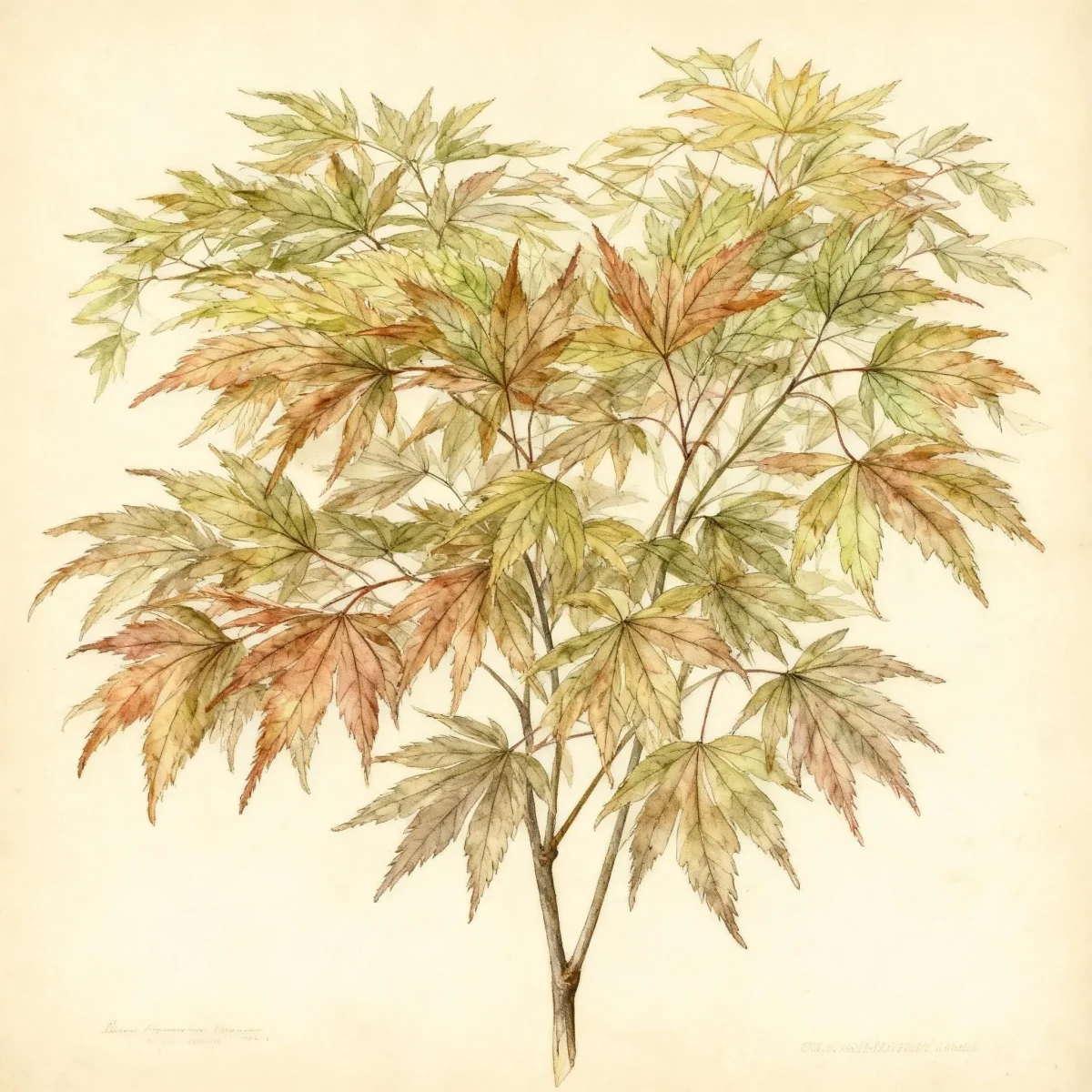
Acer maximowiczianum commonly known as Nikko maple is native to China and Japan. It is a small, rounded, deciduous tree that typically grows rather slowly to 30-45’ tall. Leaves turn attractive shades of orange to red in fall. Non-showy, yellow flowers in nodding, 3-flowered cymes appear in spring, followed by samaras up to 2 inches long.
Tolerances
- No serious insect or disease problems
Potential Problems
The Nikko maple exhibits excellent resistance, boasting no serious insect or disease problems under normal growing conditions. Gardeners should remain vigilant, however, for common maple issues, especially if the tree is stressed by extreme heat or drought, which can invite sap-sucking insects or opportunistic borers. Proper placement according to its sun and moisture preferences is the best preventative measure against secondary stress. Always ensure the soil is well-drained to prevent root rot, a common issue in poorly sited maples.
Frequently Asked Questions
What hardiness zones is Nikko maple suitable for?
The Nikko maple (Acer maximowiczianum) performs best in USDA Hardiness Zones 5 through 7.
How large does Acer maximowiczianum grow?
This tree typically reaches a mature height between 30 and 45 feet, with a comparable spread of 30 to 45 feet.
What sun exposure does Nikko maple need?
For optimal growth and color, Acer maximowiczianum prefers full sun to part shade; best performance is often noted when it receives some afternoon shade.
When does Nikko maple bloom?
The non-showy, yellow flowers of the Nikko maple appear in May.
Conclusion
The Acer maximowiczianum, or Nikko maple, offers deciduous beauty, low maintenance, and reliable fall color, making it an exceptional choice for homeowners seeking an elegant, medium-sized shade tree. Due to its unique trifoliate foliage and manageable growth rate, this respected species deserves attention in landscape planning. Before purchasing, confirm your location falls within USDA Zones 5-7 and plan to plant in well-drained soil with access to medium moisture levels.
Companion Planting
Choosing companions that share the moisture and light preferences of the Nikko maple ensures a harmonious planting scheme. Since Acer maximowiczianum prefers moist, well-drained loams and tolerates part shade, consider planting shade-loving groundcovers beneath it. Epimediums (Barrenworts) are excellent choices as they offer fine texture and tolerate root competition once the maple is established. For seasonal color pops near the base, shade-tolerant perennials like Hosta varieties known for blue or variegated foliage or Astilbe when kept consistently moist will thrive alongside the maple.
Design Ideas
The rounded, slow-growing habit of the Nikko maple makes it ideal for creating a specimen planting in a small yard or courtyard. Consider using it as a transitional plant between a formal lawn area and a woodland garden edge, leveraging its ability to handle both full sun and partial shade. When positioned against a light-colored wall or fence, the contrasting gray-green undersides of the leaves become more noticeable, enhancing the tree’s texture. Furthermore, its manageable spread prevents it from engulfing smaller garden features or pathways prematurely.