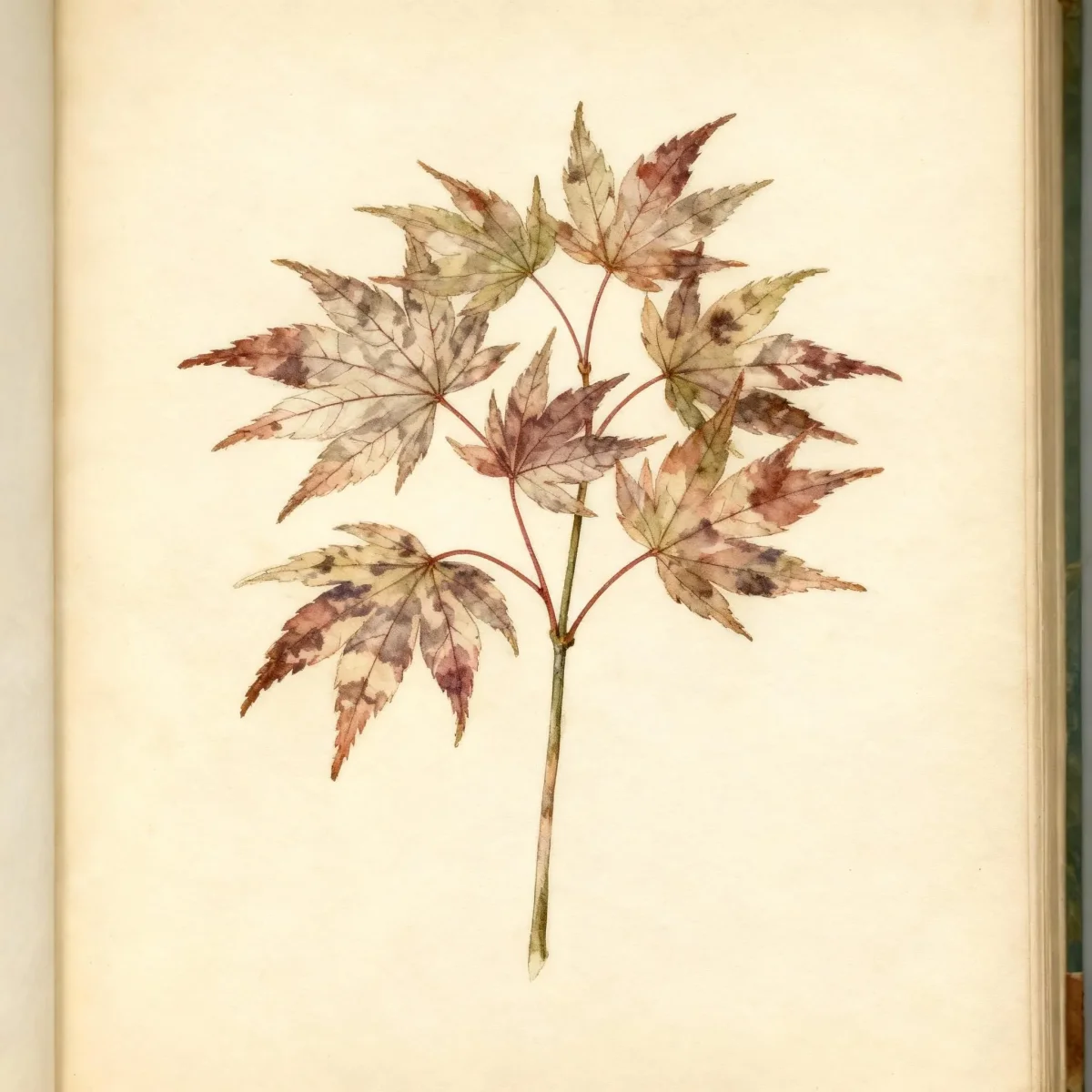
Ivy-leaved maple (Acer cissifolium)
The Ivy-leaved maple (Acer cissifolium) is a small, unique deciduous tree native to Japan, prized for its interesting trifoliate foliage.
Scroll down to discover growing tips, care requirements, companion plants, and more
Complete Plant Information
Overview
The Ivy-leaved maple (Acer cissifolium) is an appealing, yet uncommon, deciduous tree perfect for gardeners seeking unique texture in the landscape. Its primary distinction lies in its striking trifoliate foliage, which closely resembles that of ivy or ash, setting it apart from standard maples. Native to the mountainous regions of Japan, this maple offers a gracefully spreading habit as it matures.
This smaller deciduous species reaches heights between 20 and 30 feet, generally forming a wide-spreading, globose shape over time. Acer cissifolium is known for its low maintenance requirements once established, needing only average soil and consistent moisture. Gardeners appreciate its subtle appeal, including small, fragrant yellow flowers in spring and variable fall coloration.
While often overlooked, the Ivy-leaved maple provides excellent structure for smaller yards or as an unusual specimen planting. Its historical associations and distinctive leaves make it a superb addition for collectors or those aiming to introduce diverse structure into their plantings.
Fast Facts
- Plant Family: Sapindaceae
- Plant Type: Tree
- Native Range: Japan
- Hardiness Zones: USDA Zones 5-8
- Size at Maturity:
- Height: 20-30 ft
- Spread: 20-30 ft
- Bloom Time: April
- Bloom Description: Yellow
- Sun Exposure: Full sun to part shade
- Water Needs: Medium
- Maintenance Level: Low
How to Grow
Planting the Acer cissifolium is best done in early spring or fall when the plant is dormant to minimize transplant shock. Select a location offering average, well-drained soil. While the species tolerates full sun, it performs best when provided with afternoon shade, particularly if you reside in regions experiencing hot summers. Ensure the soil pH leans towards acidic, and maintain consistent moisture levels, as the species prefers consistently moist conditions.
Maintenance for the Ivy-leaved maple is generally low. Routine watering should focus on keeping the soil moist, especially during dry spells, adhering to medium water requirements. Fertilization is rarely necessary if the soil quality is adequate; otherwise, a balanced, slow-release feed applied in early spring is sufficient. Pruning is minimal, usually limited to removing crossing or damaged limbs to maintain its natural, attractive form.
A crucial factor when cultivating Acer cissifolium is understanding its sexuality. This species is dioecious; meaning individual trees are either male or female. If you desire the winged samaras (fruit), you must plant a female tree near a male pollinator. However, female plants can still produce sterile fruit (parthenocarpic fruit) even without a nearby male partner.
Landscape Uses
The Ivy-leaved maple is uncommonly found in typical cultivated settings, making it an excellent choice for creating a unique garden statement. It functions effectively both as an attractive small ornamental tree or as a large shrub, suitable for defined shrub borders or as a specimen focal point. Its moderate size—topping out around 30 feet—makes it surprisingly versatile for street tree applications where overhead clearance is a concern, or as informal screening when densely planted as a hedge.
Consider pairing this maple with plants that appreciate similar partial shade and rich, acidic, moist soils. Rhododendrons, azaleas, and various shade-loving ferns create excellent underplantings beneath the canopy of the Acer cissifolium. The unique leaf structure of the ivy-leaved maple provides textural contrast against broadleaf evergreens.
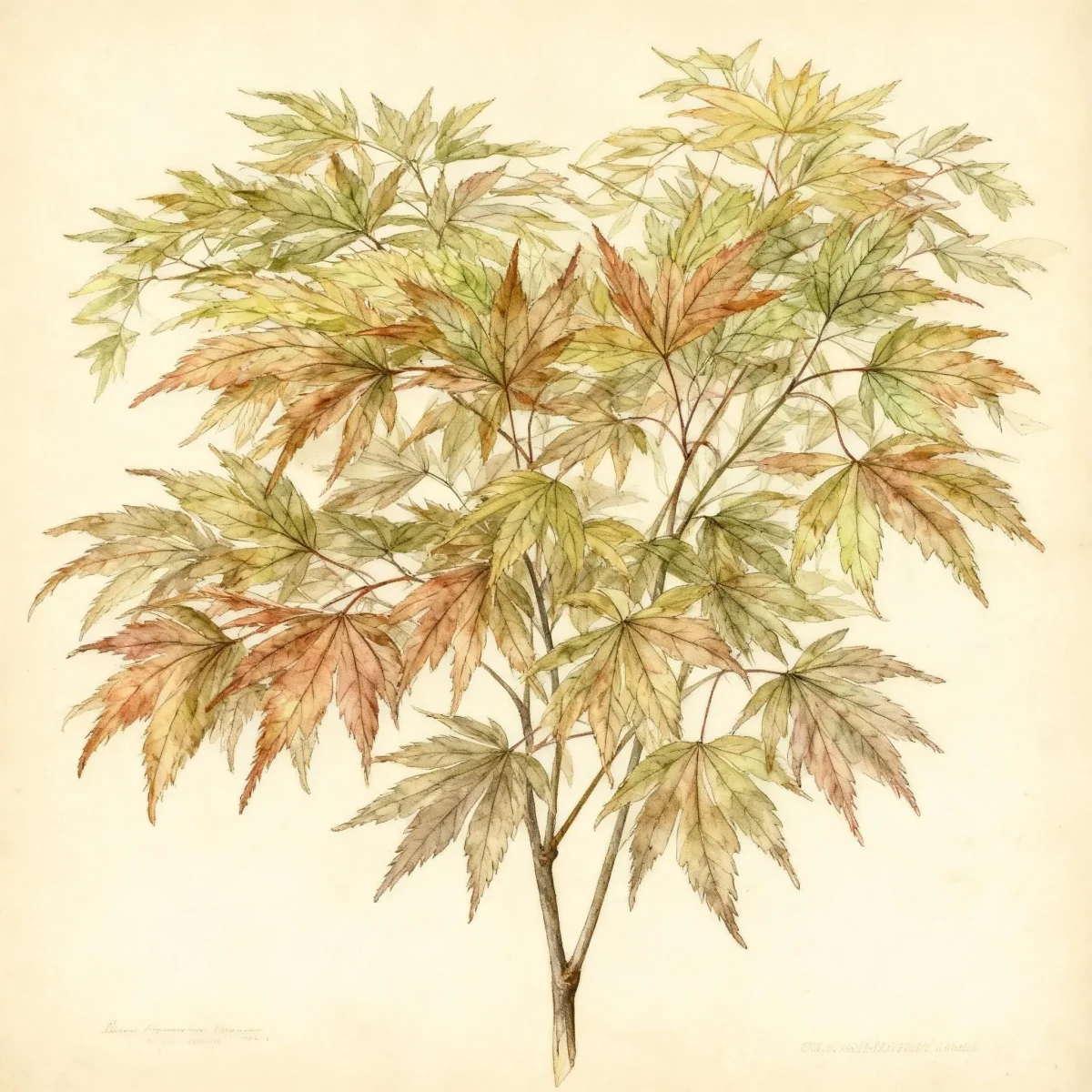
When using it as a hedge, utilize its dense growth potential through judicious pruning, though allow adequate space for its natural tendency to develop a wide-spreading canopy. Even as a street tree, the Ivy-leaved maple provides year-round interest, transitioning from green summer texture to excellent fall color displays of yellow, orange, and red.
Standout Features
Flower Qualities
- Fragrant
- Insignificant
Noteworthy Characteristics
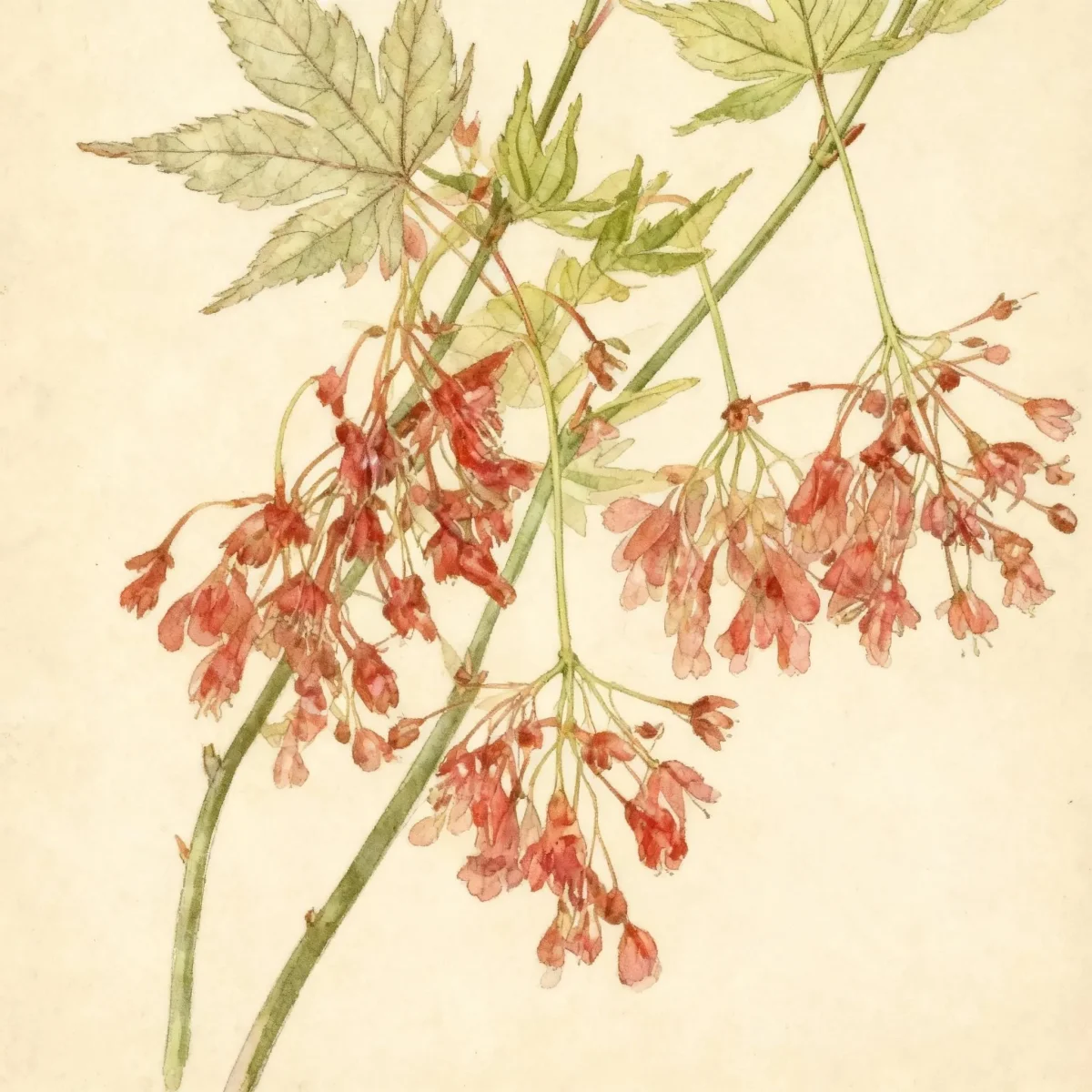
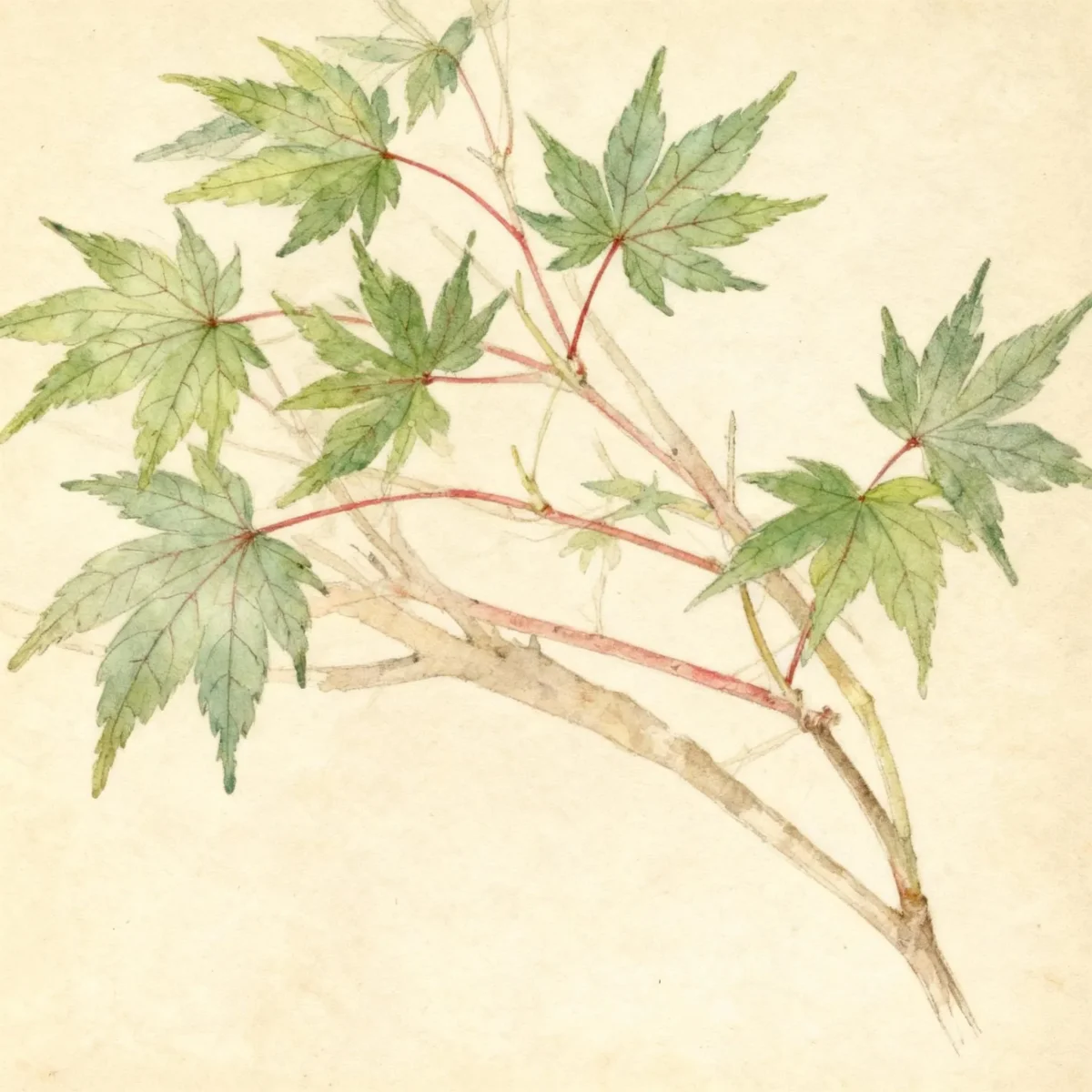
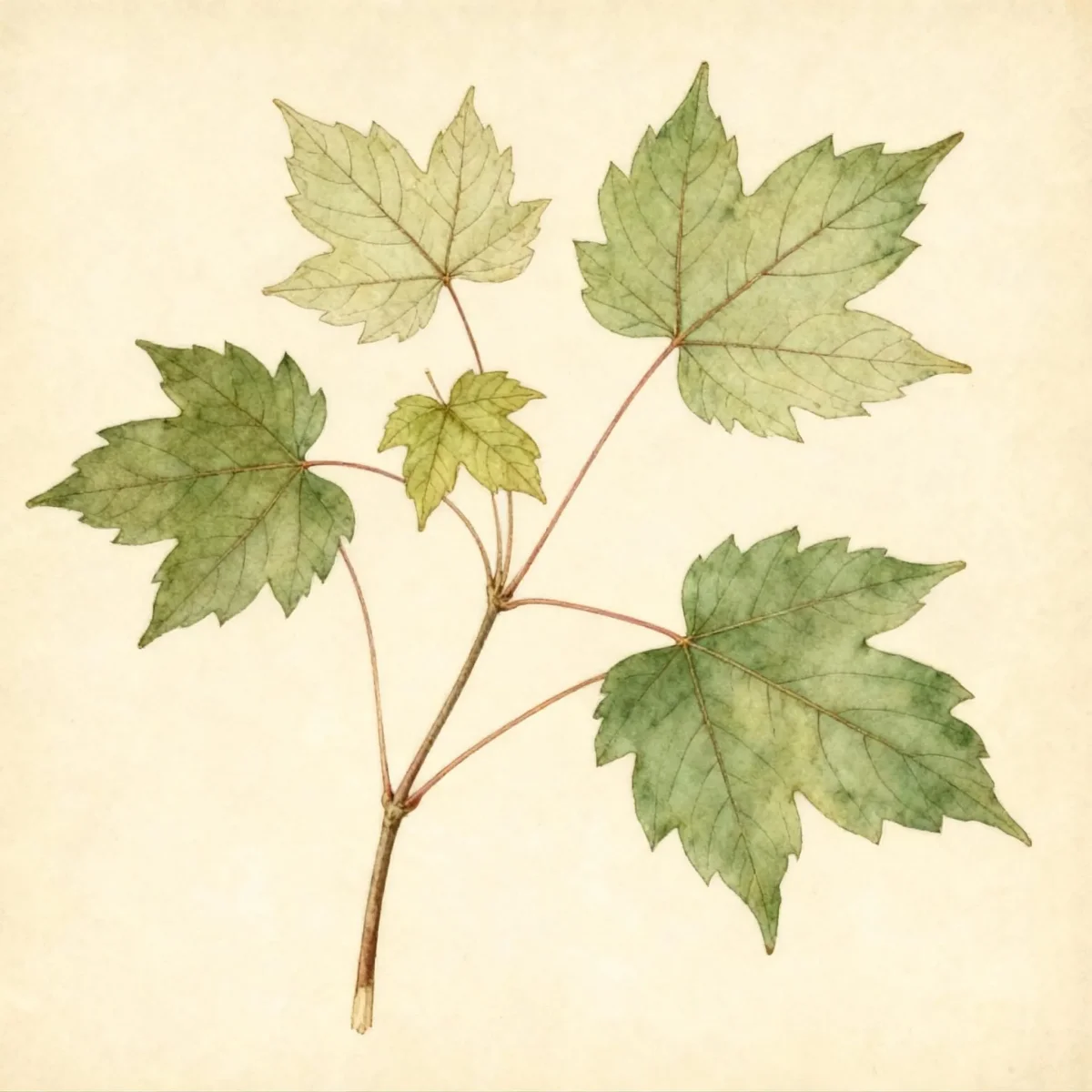
The Acer cissifolium, commonly known as the ivy-leaved maple or ash-leaved maple, is native to the mountainous regions of Japan. This small, deciduous tree typically grows to 20–30 feet tall, eventually developing a wide-spreading, globose form from an initially upright oval shape. Its most notable feature is the compound trifoliate leaves that resemble the foliage of certain ashes and ivies, consisting of toothed leaflets up to 4 inches long. In spring, small fragrant yellow flowers bloom in pendant racemes, followed by winged samaras, and the smooth gray bark provides year-round visual appeal alongside its variable yellow to red fall color.
Tolerances
(No data provided for specific tolerances)
Potential Problems
Fortunately, the Ivy-leaved maple rarely suffers from serious insect or disease issues, lending to its low maintenance profile. However, like many maples, it can be susceptible to fungal issues such as verticillium wilt, leaf spots, tar spot, canker, and root rots if drainage is poor or the soil remains waterlogged. Watch for potential insect pests including aphids, scale insects, borers, and caterpillars, which can occasionally infest the foliage or bark. Regular monitoring and promoting excellent soil drainage are the best proactive management strategies against these common issues in maples.
Frequently Asked Questions
What hardiness zones is Ivy-leaved maple suitable for?
The Ivy-leaved maple (Acer cissifolium) is suitable for USDA Hardiness Zones 5 through 8.
How large does Acer cissifolium grow?
This species typically matures to a height between 20 and 30 feet, with a similar spread ranging from 20 to 30 feet wide.
What sun exposure does Acer cissifolium need?
It thrives in locations receiving full sun to part shade, though it definitely prefers part shade, especially during intense afternoon heat.
When does Ivy-leaved maple bloom?
The flowering period for Acer cissifolium is generally in April, producing small yellow flowers.
Conclusion
The unique trifoliate foliage and relatively modest size make the Ivy-leaved maple a highly appealing specimen for diversifying any temperate garden setting. Requiring low maintenance and preferring consistently moist, well-drained soil, this Japanese native is easy to please once its location requirements are met. Before planting your Acer cissifolium, confirm your local hardiness zone and prepare your site with slightly acidic, moist soil to ensure the best establishment.
Companion Planting
When selecting companions for the Ivy-leaved maple, focus on plants that thrive in similar conditions: medium moisture, well-drained, and slightly acidic soil, often benefiting from partial shade. Shade-loving woodland plants create an excellent context, such as Hosta varieties that offer contrasting leaf textures—large, smooth leaves next to the delicate leaflets of the maple. Ferns are always a reliable choice; consider varieties like Japanese Painted Fern (Athyrium niponicum) for added color contrast beneath the canopy.
Since this maple is noted for best performance in cool summer climates, avoid pairing it with plants that demand intense, dry heat. Instead, use acid-loving shrubs like Vaccinium (Blueberries, where appropriate) or Pieris japonica to complement the maple’s cultural needs while adding evergreen structure during winter months.
Seasonal Care Calendar
Spring is the most active time for the Acer cissifolium; this is when fragrant yellow flowers emerge in April, followed by the rapid unfurling of new leaves. If fertilization is required, apply a slow-release fertilizer now, ensuring heavy watering supports this growth flush. Summer care is mainly focused on ensuring adequate moisture, especially if rainfall is scarce, as this maple dislikes drying out.
As fall approaches, anticipate the variable but often vibrant display of yellow, orange, and red foliage from your ivy-leaved maple. Avoid heavy pruning during this time. Winter care is minimal in zones 5-8, as the tree is fully dormant. If winter protection is necessary for very young specimens in the northern reaches of Zone 5, apply a thick layer of mulch around the root zone to insulate the soil against freeze/thaw cycles.