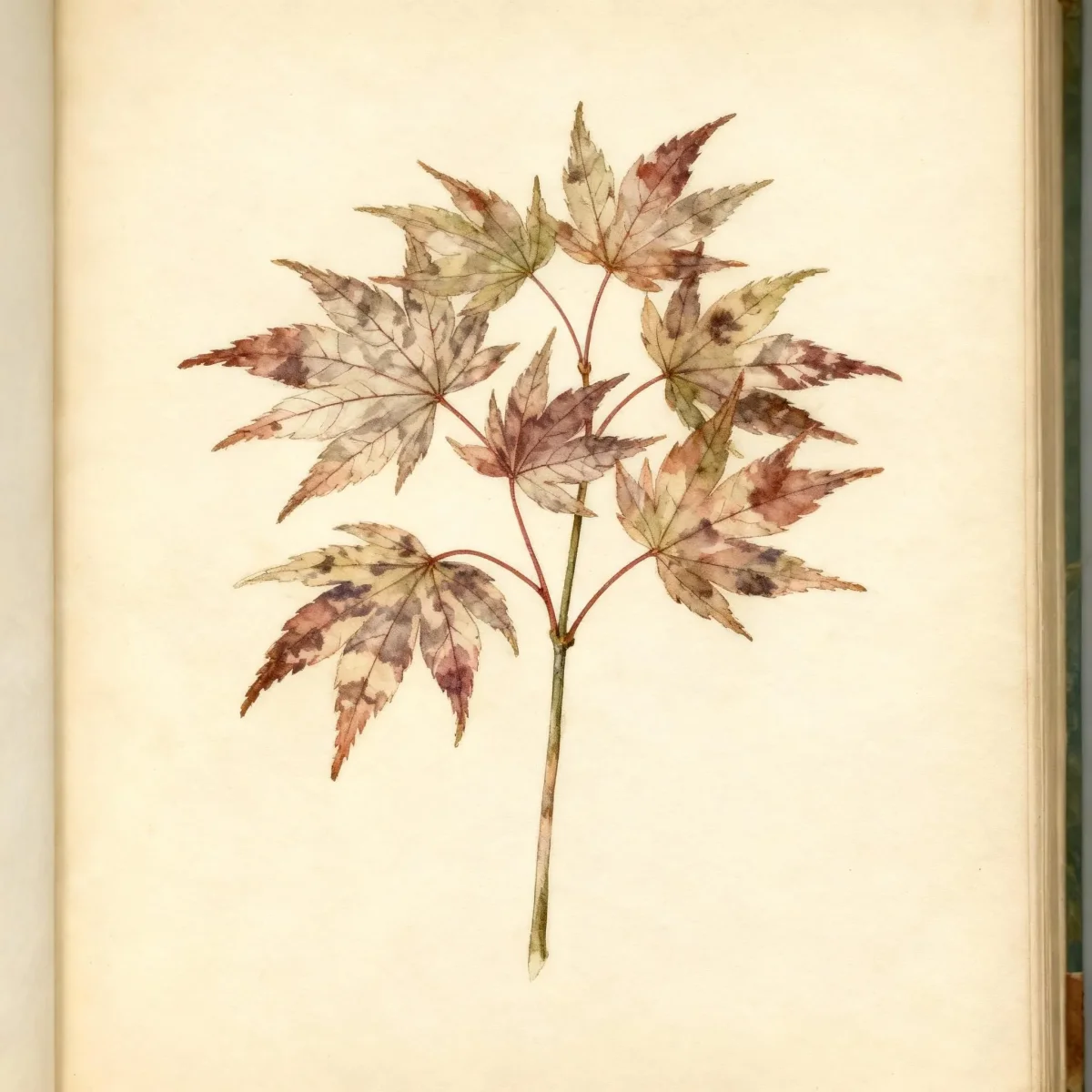
Three-flowered maple (Acer triflorum)
Discover Acer triflorum, the unique Three-flowered maple, offering exfoliating bark and gorgeous fall color in zones 4-7.
Scroll down to discover growing tips, care requirements, companion plants, and more
Complete Plant Information
Overview
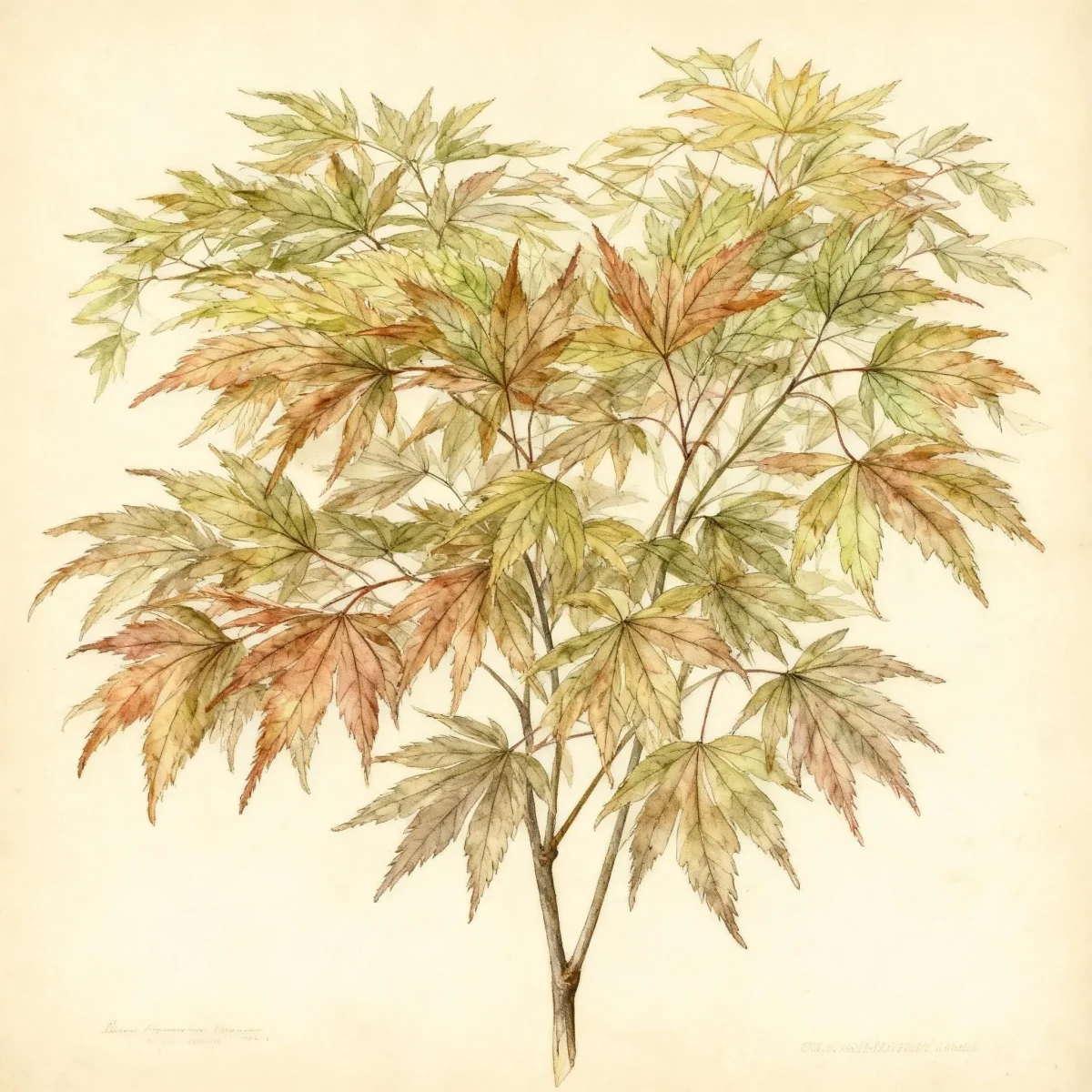
The Three-flowered maple, scientifically known as Acer triflorum, is a highly valued, small deciduous understory tree prized for its multi-season interest. While it may not offer showy blossoms, its distinct exfoliating bark texture combined with vibrant autumn tonality makes it a unique specimen in curated landscapes. This species typically matures between 25 and 30 feet tall, forming a gracefully rounded and densely branched crown.
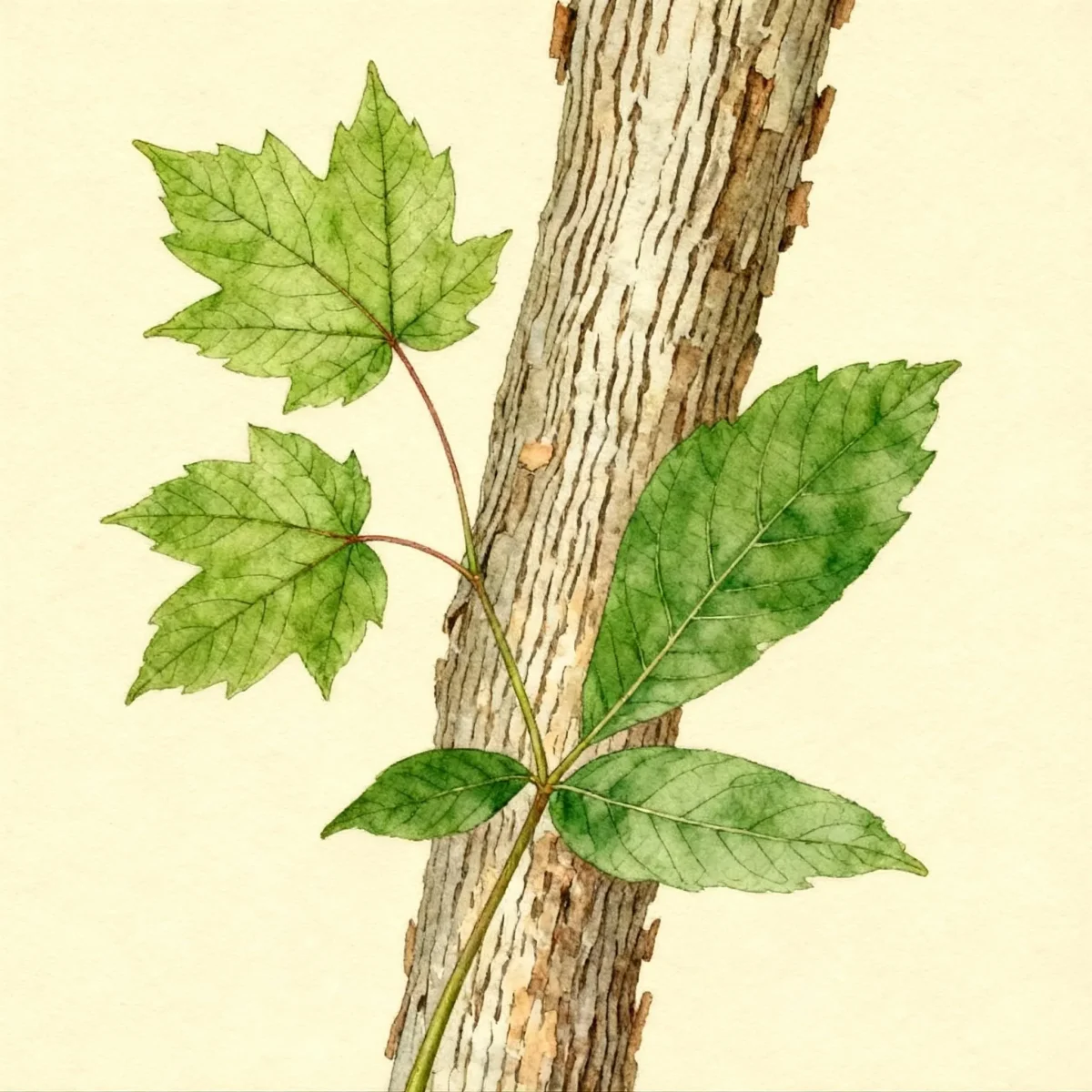
Native to Manchuria China and the Koreas, Acer triflorum adapts well to various garden settings, provided its soil moisture and drainage needs are met. Gardeners appreciate its relatively low maintenance requirements once established, adding sophisticated structure even through the winter months. Its trifoliate leaves provide a textural contrast to the more common five-lobed maple varieties.
For gardeners seeking an architectural accent that offers significant visual appeal in the fall without demanding constant care, the Three-flowered maple is an excellent choice. Plan its placement carefully to showcase its unique bark quality against a backdrop of contrasting foliage.
Fast Facts
- Plant Family: Sapindaceae
- Plant Type: Tree
- Native Range: Manchuria China, North and South Korea
- Hardiness Zones: USDA Zones 4-7
- Size at Maturity:
- Height: 25-30 ft
- Spread: 25-30 ft
- Bloom Time: April
- Bloom Description: Greenish yellow
- Sun Exposure: Full sun to part shade
- Water Needs: Medium
- Maintenance Level: Low
How to Grow
The Three-flowered maple thrives when planted in average, medium, well-drained soil. While tolerant of a range of conditions, it performs best in moist, slightly acidic substrates. Optimal placement is in full sun, though it handles partial shade well, especially in hotter climates. Plant during the spring or fall when temperatures are mild to encourage root establishment.
Watering should be consistent, reflecting its “medium” needs, particularly during dry summer spells. Ensure the soil remains consistently moist early in its life; deep, periodic watering is preferable to frequent, shallow sprinkling, which can encourage shallow roots. Fertilization is rarely required for mature specimens established in good soil, aligning with its low maintenance profile.
Pruning should be minimal, focused mainly on removing crossing or damaged branches immediately after flowering, if necessary. Avoid heavy pruning, as this can disrupt the natural, attractive shape of the Acer triflorum. Since the genus name is the Latin name for a maple tree, standard maple care practices generally apply to the culture of this plant.
Landscape Uses
Acer triflorum excels as a small landscape tree where its finer scale and interesting textures can be appreciated up close. It functions beautifully as a specimen plant, anchoring a specific spot near a patio or walkway where the exfoliating bark can catch the light. Its rounded habit also makes it a wonderful focal point in woodland garden settings, providing structure under taller canopy trees.
When designing a space, place the Three-flowered maple where its vibrant red to orange fall color can contrast with late-season evergreens or golden conifers. Because it is relatively slow-growing and holds a refined shape, it pairs well with fine-textured shrubs or groundcovers that thrive in similar moist, relatively acidic soil conditions.
This tree is too large for small containers but is superb as a standalone display piece or planted sparingly within mixed borders aimed at four-season interest. Its structure is strong enough to stand alone, eliminating the need for excessive companion planting, though drifts of hostas or ferns beneath its canopy can enhance the woodland feel derived from its native habitat.
Standout Features
Flower Qualities
- Insignificant
Noteworthy Characteristics
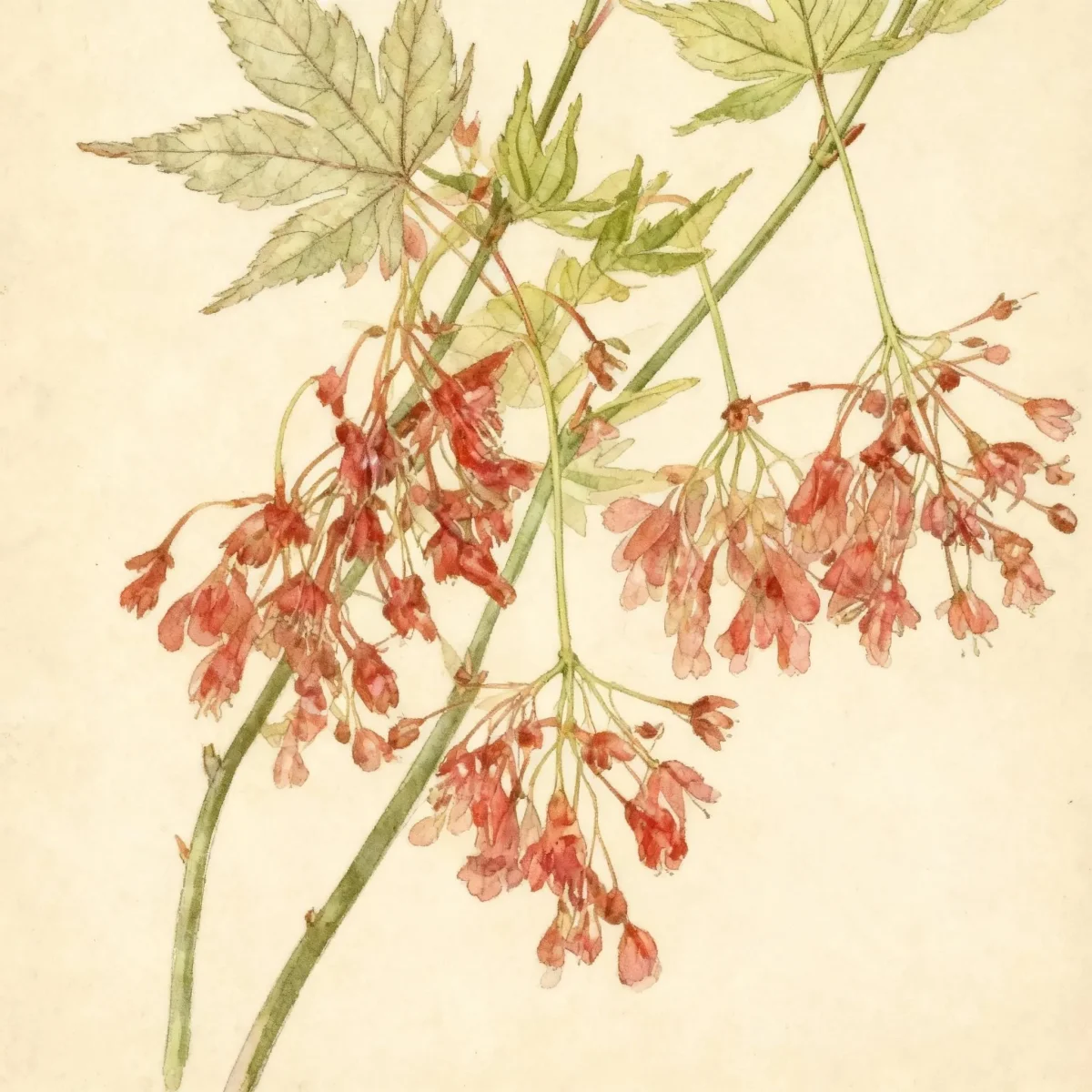
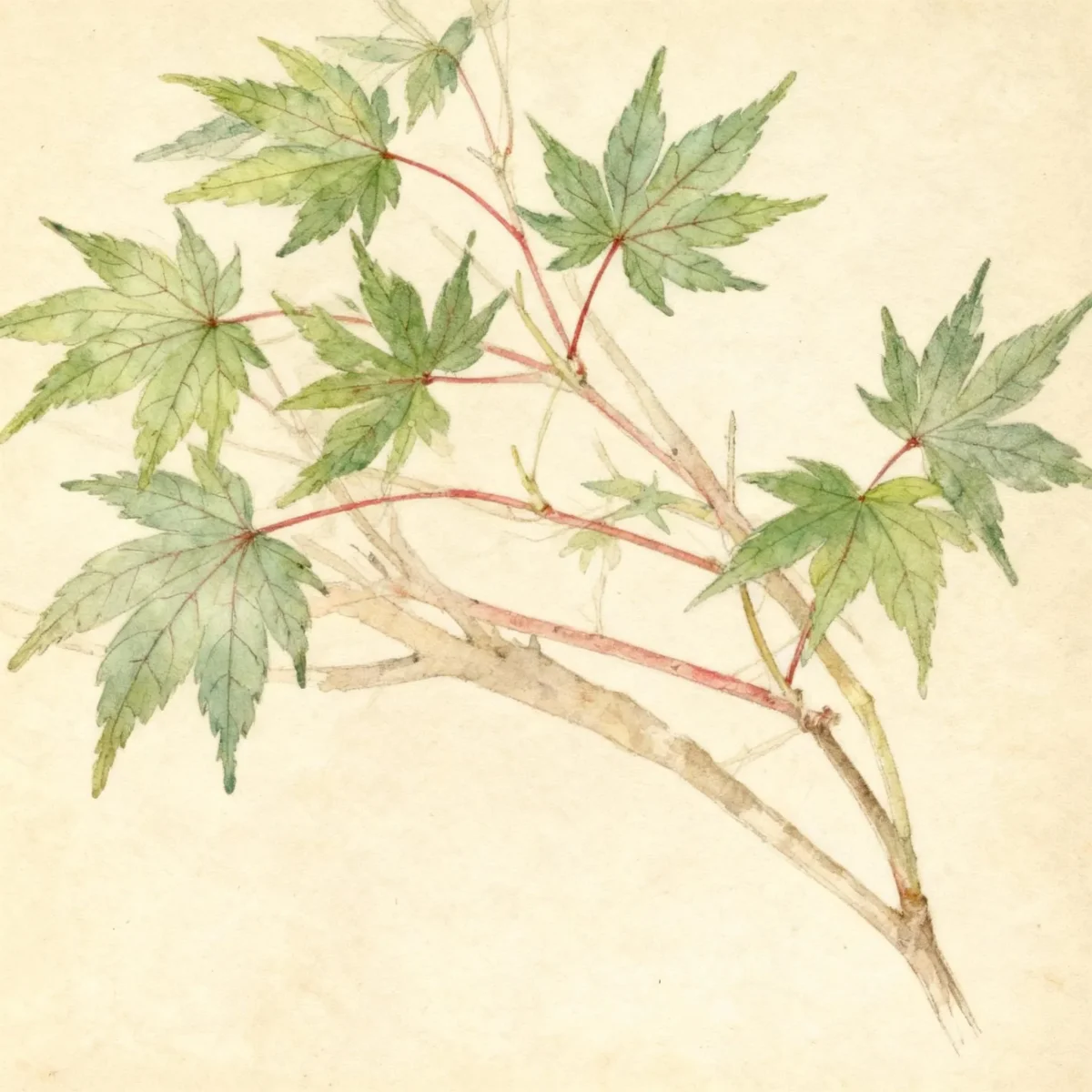
Acer triflorum is commonly known as Three-flowered maple. It is a small, deciduous understory tree which typically grows 25-30’ tall with a densely-branched, rounded crown. Best ornamental features are its attractive shape, exfoliating bark and fall color. Medium green trifoliate leaves (leaflets to 3” long) turn vibrant shades of orange to red in autumn. Ash-brown bark exfoliates in vertical strips to reveal orange-brown inner bark. Greenish-yellow flowers appear in April in clusters of three, hence the species and common names. As with most maples, the flowers are not showy. Fruit is a samara (1-1.25” long). Similar in appearance and habit to paperbark maple, Acer griseum. Genus name is the Latin name for a maple tree. Specific epithet means three-flowered in reference to the flowers, which are in clusters of three.
Tolerances
(No data provided)
Potential Problems
One of the greatest strengths of the Three-flowered maple is its resistance to common issues. Gardeners can expect virtually no serious insect or disease problems, which significantly lowers its overall maintenance burden. This reliability makes Acer triflorum a strong foundational planting choice for established landscapes. Should localized stress occur due to severe drought or poor soil compaction, standard maple pests or minor fungal issues might appear, but these are generally rare.
Management for this plant centers heavily on preventative care regarding soil conditions. Ensure that the planting site offers excellent drainage while retaining consistent moisture, as stressed trees are always more susceptible to opportunistic problems. Otherwise, enjoy the peace of mind that comes with planting a robust species like this Acer triflorum.
Frequently Asked Questions
What hardiness zones is Three-flowered maple suitable for?
The Three-flowered maple is suitable for USDA Hardiness Zones 4 through 7.
How large does Three-flowered maple grow?
This specimen tree typically reaches a mature height between 25 and 30 feet, with a corresponding spread of 25 to 30 feet.
What sun exposure does Acer triflorum need?
Acer triflorum prefers full sun but adapts well to partial shade conditions, meaning it offers good flexibility for placement across the garden.
When does Three-flowered maple bloom?
The tree blooms in April, producing greenish yellow flowers, which appear, as the common name suggests, in clusters of three.
Conclusion
The unique combination of exfoliating bark, reliable fall color, and minimal pest pressure cements the Three-flowered maple as a superior choice for sophisticated landscape accents. If you seek low-maintenance structure and fine texture, Acer triflorum delivers year after year. Confirm your USDA Zone compatibility (4-7) and prepare the soil to be moist and well-drained prior to planting this spring or fall.
Companion Planting
Selecting appropriate companions for Acer triflorum should focus on plants that share its preference for medium water and slightly acidic, well-draining soil. Since the Three-flowered maple is often used as a specimen, groundcovers that enhance its base are ideal. Consider planting shade-tolerant perennials like Astilbe or Hosta varieties whose broad leaves contrast nicely with the maple’s delicate trifoliate foliage.
For mid-story companions, woodland shrubs that appreciate dappled light work well, such as Azaleas or Rhododendrons, provided the acidity level meets their needs. These shrubs will complement the upright form of the Acer triflorum without aggressively competing for root space, allowing the maple’s exceptional bark texture to remain visible.
Seasonal Care Calendar
Managing the Three-flowered maple is straightforward, making it perfect for busy gardeners. During the active growing season (late spring through summer), monitor soil moisture closely, applying water deeply when the top few inches feel dry to the touch. Avoid high-nitrogen fertilizers, which can encourage weak, floppy growth that detracts from the natural rounded crown.
As fall approaches, enjoy the brilliant transition as the leaves turn vibrant orange and red before dropping. In late winter or very early spring, before bud break, inspect the tree for any damaged, dead, or crossing limbs and make corrective pruning cuts. This is the best time to maintain the tree’s established structure for Acer triflorum.