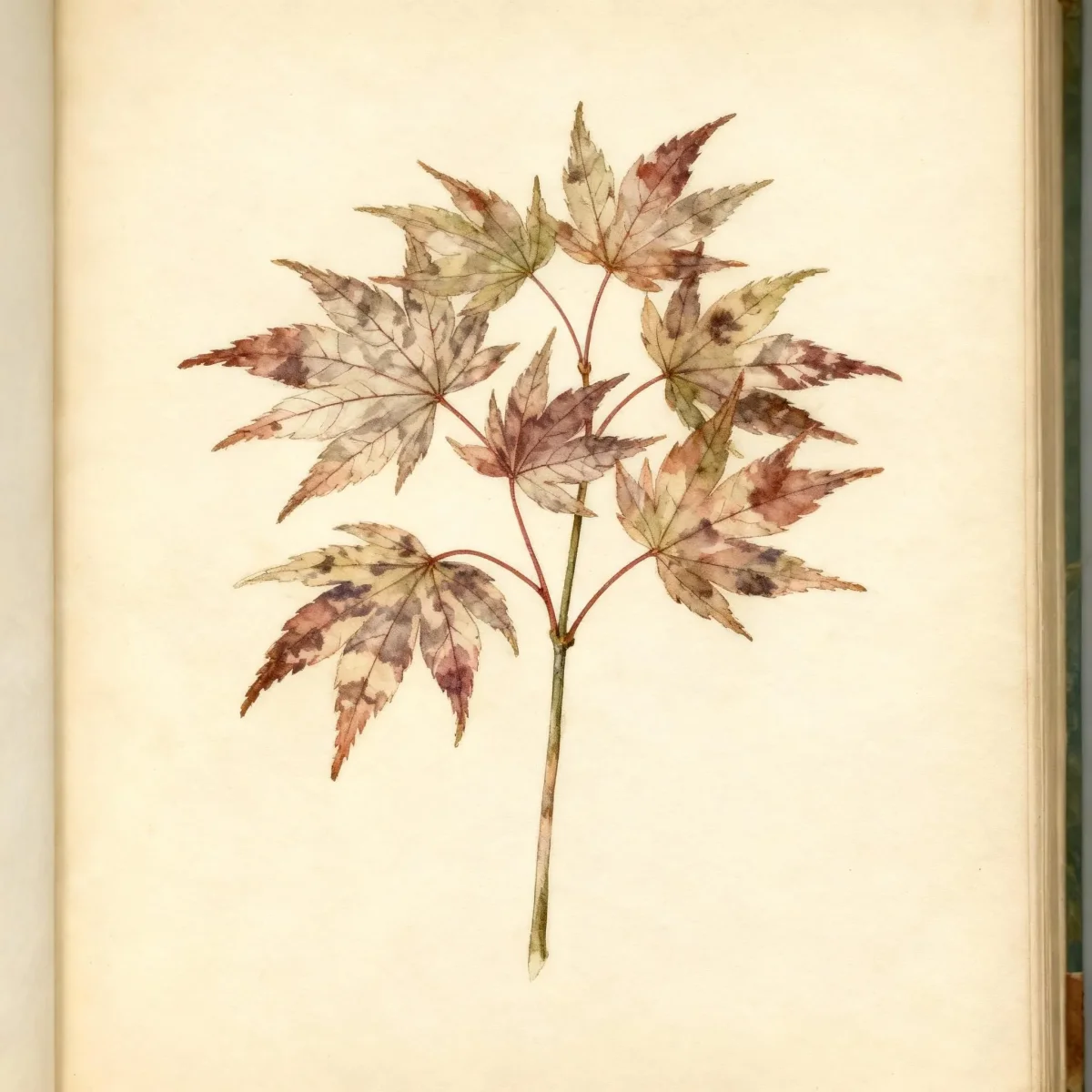
Cappadocian maple (Acer cappadocicum)
Discover the Cappadocian maple (Acer cappadocicum), a low-maintenance deciduous tree with reliable golden-yellow fall color for USDA Zones 5-7.
Scroll down to discover growing tips, care requirements, companion plants, and more
Complete Plant Information
Overview
The Cappadocian maple (Acer cappadocicum) is an attractive, medium-sized deciduous tree valued for its consistent performance and reliable seasonal color. Native to diverse regions ranging from the Caucasus through northern India, this species offers a broad, rounded crown well-suited to shade and structure in the landscape. Gardeners appreciate the Acer cappadocicum for its relatively low maintenance needs compared to some other ornamental maples. In autumn, its dark green summer foliage transitions beautifully into shades of golden yellow, occasionally flashing red.
This species typically matures to a medium height, making it more manageable in residential settings than its massive native counterparts. The Cappadocian maple establishes easily when site conditions match its preference for consistently moist, well-drained humus. While it possesses moderate adaptability, avoiding dry conditions is key to maintaining its health and ornamental appeal throughout the growing season.
A distinctive characteristic of the Acer cappadocicum is its tendency to produce root suckers, allowing it to spread and form dense groves over time if left unchecked. This trait, combined with its moderate stature and excellent fall display, secures its place as a dependable, yet visually appealing, specimen tree where available.
Fast Facts
- Plant Family: Sapindaceae
- Plant Type: Tree
- Native Range: Caucasus, Asia Minor, northern India
- Hardiness Zones: USDA Zones 5-7
- Size at Maturity:
- Height: 30-35 ft
- Spread: 20-25 ft
- Bloom Time: April
- Bloom Description: Yellow-green
- Sun Exposure: Full sun to part shade
- Water Needs: Medium
- Maintenance Level: Low
How to Grow
Planting the Cappadocian maple is best achieved in the spring or fall when temperatures are moderate, allowing the tree to establish easily. Select a location that offers full sun to partial shade; while it tolerates some shade, more sun will enhance fall color development. The most critical soil requirement is moisture: ensure the soil is humusy and well-drained while maintaining an even level of dampness. This species strongly prefers acidic soil conditions.
Once established, watering needs are medium, requiring consistent moisture rather than saturation. Once established, this tree rarely requires fertilization unless the soil quality is exceptionally poor. Pruning is generally minimal, focusing mainly on removing dead, damaged, or crossing branches to maintain the desired broad-rounded crown structure. Immediately address any sucker growth emerging from the roots if you wish to maintain a single-trunk specimen.
Avoid dry soils at all costs, as drought stress can lead to decline, especially in younger specimens. While established Acer cappadocicum are robust, protecting new plantings from heavy winds until they have developed a strong root system will ensure success.
Landscape Uses
The Cappadocian maple is an attractive medium-sized tree that offers dependable year-round interest, though it remains somewhat uncommon in cultivation across North America. Its manageable mature size makes it an ideal candidate for anchoring smaller lawns, placing near property lines where a large shade tree might overwhelm the space, or serving as a striking specimen feature. Because of its broad crown, it provides effective shade when sited appropriately.
Consider planting underplanting the drip line with shade-tolerant perennials or spring-flowering bulbs that appreciate the filtered light provided by the canopy as it leafs out. Its excellent fall display means it pairs well with evergreen shrubs or late-blooming perennials, ensuring continuous visual interest in the garden long after other deciduous trees have gone dormant. Use the Acer cappadocicum as a central focal point where its structure and eventual color can be fully appreciated.
Standout Features
Flower Qualities
- Insignificant
Noteworthy Characteristics
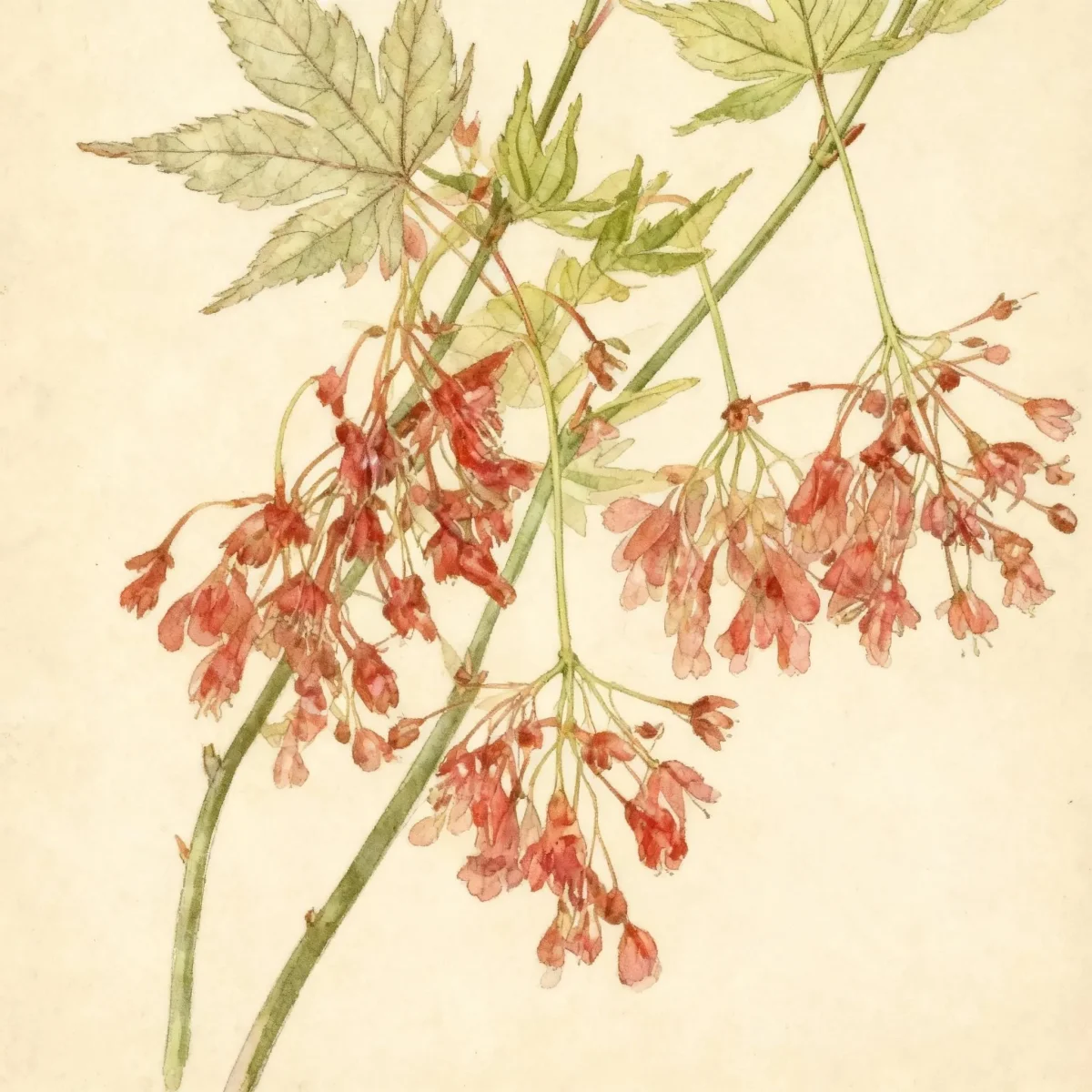
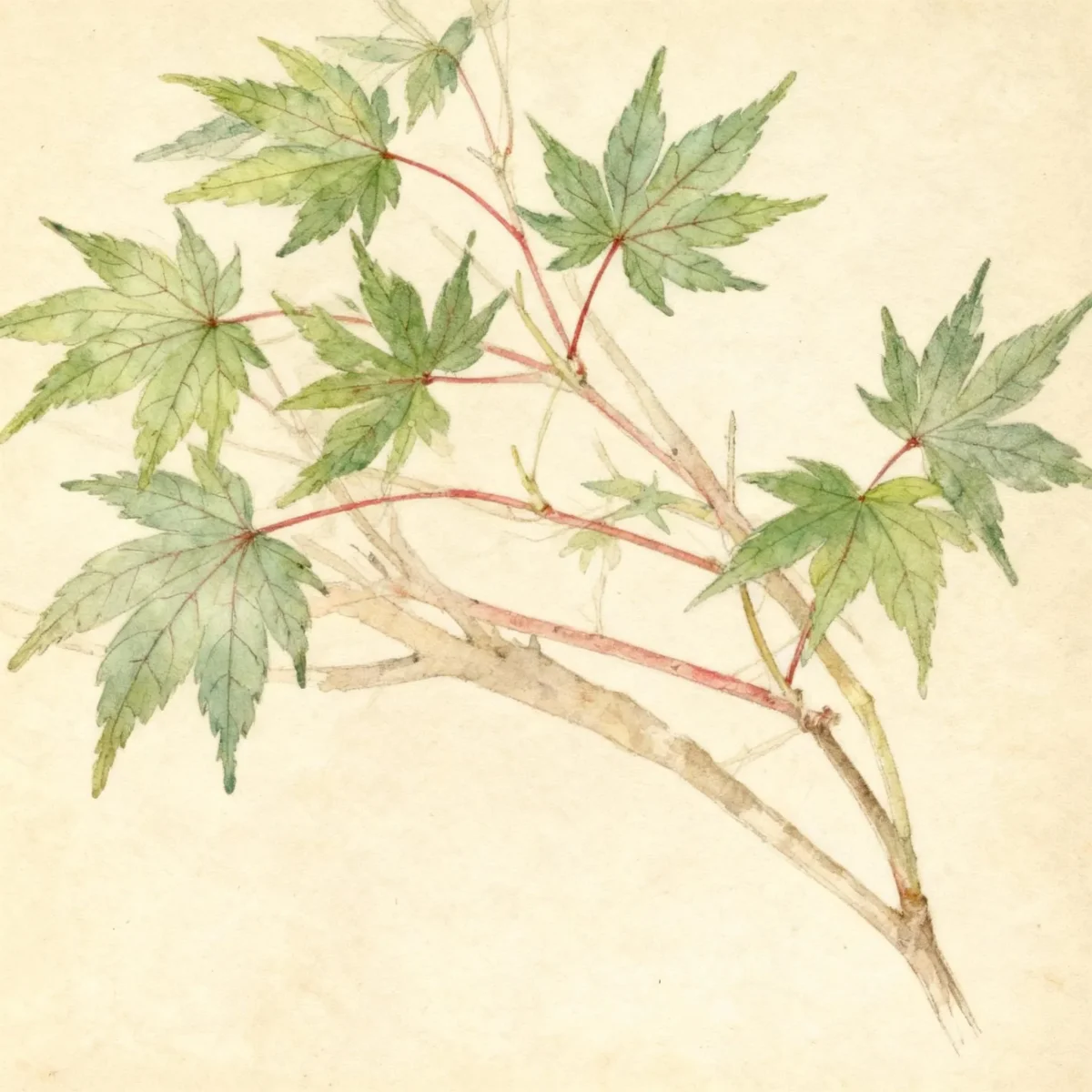
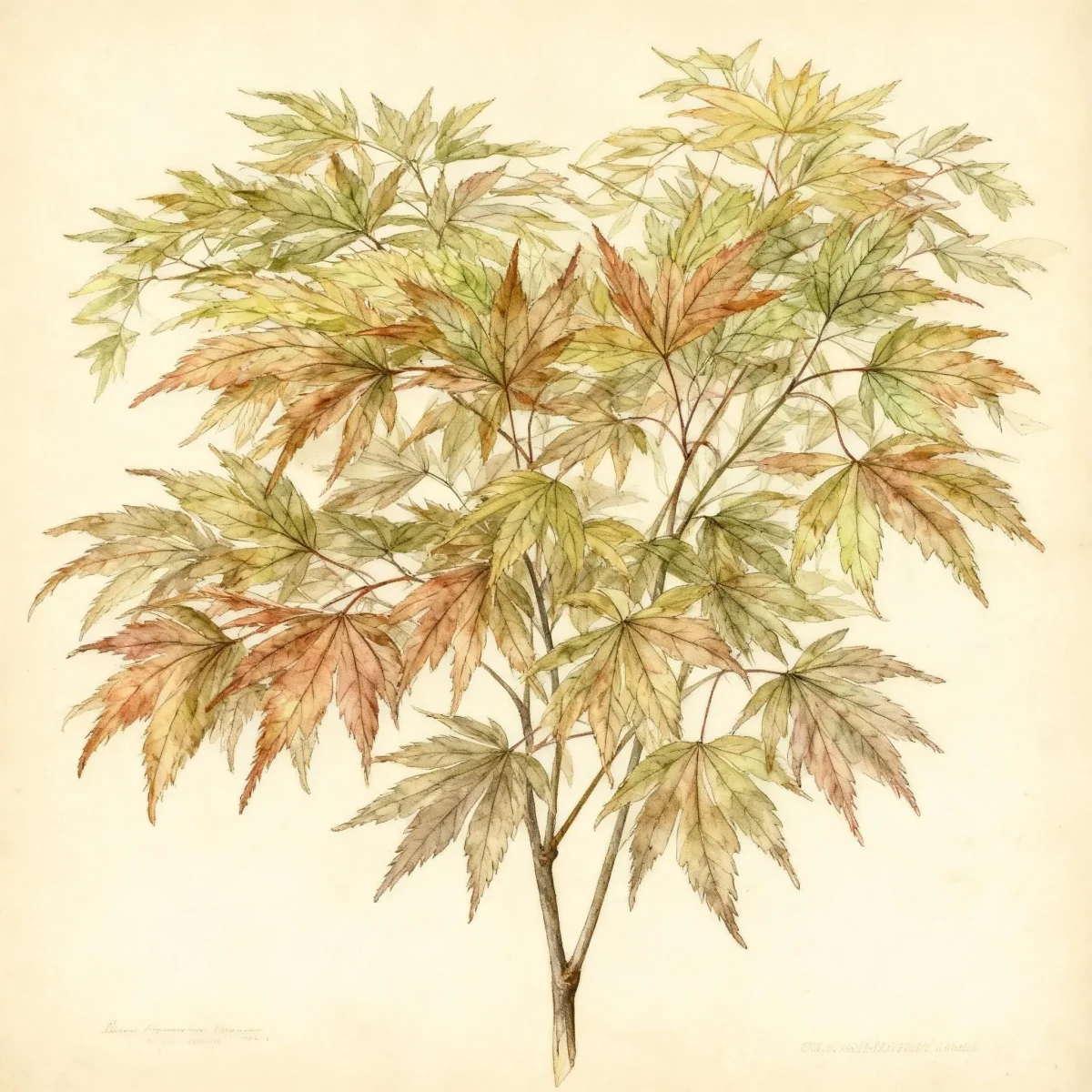
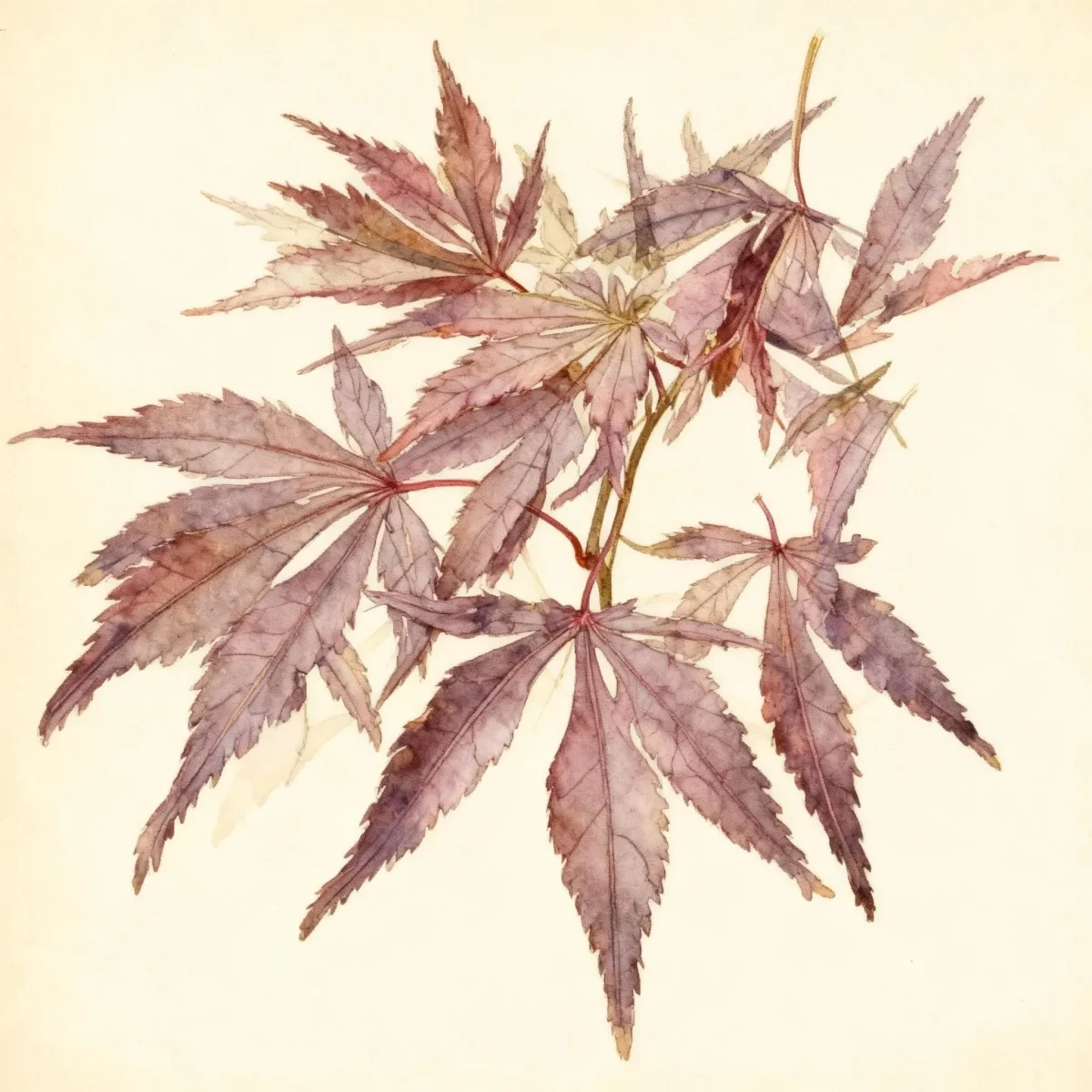
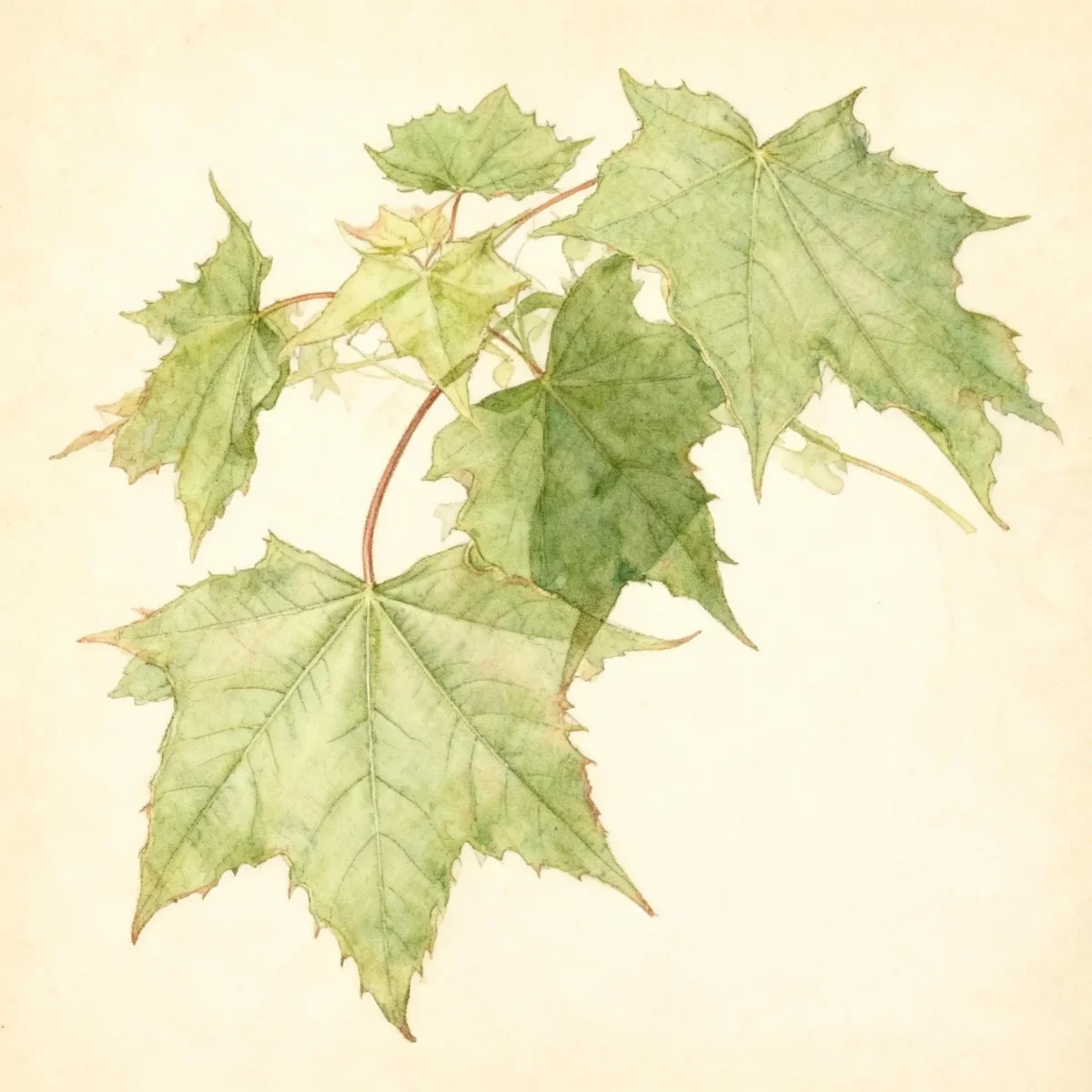
Acer cappadocium, commonly called Cappadocian maple, Coliseum maple or Caucasian maple, is deciduous tree with a broad-rounded crown that is native to mixed forests from Turkey to the Caucasus, the Himalayas and southwestern China. It typically grows to 35’ tall and to 25’ wide, although trees in the native habitat may mature to as much as 60-80’ tall. Palmate, 5 to 7 lobed leaves emerge purplish green in spring, mature to dark green by summer and finally turn golden yellow to red in fall. Leaf stems when cut exude a milky sap.
Tolerances
Acer cappadocicum does not list specific pollutant or soil-type tolerances in the provided data, but its cultural needs emphasize well-drained, moist, and preferably acidic soil.
Potential Problems
Fortunately, the Cappadocian maple generally proves quite resilient, showing no serious insect or disease problems in prime growing conditions. However, like many maples, it remains susceptible to certain issues common to the genus. Potential disease issues include common afflictions such as verticillium wilt, leaf spots, tar spot, canker, and root rots, especially if drainage is poor or the tree is stressed.
Insect pests are generally minor but can include common sap-sucking or boring insects like aphids, scale, borers, and various caterpillars. Mites may also occasionally appear, particularly during periods of hot, dry weather. Consistent cultural care focused on providing even moisture and avoiding soil compaction are the best preventative measures against most problems facing this sturdy Acer cappadocicum.
Frequently Asked Questions
What hardiness zones is Cappadocian maple suitable for?
The Cappadocian maple (Acer cappadocicum) thrives in USDA Hardiness Zones 5 through 7.
How large does Acer cappadocicum grow?
This tree typically achieves a height between 30 and 35 feet, with a spread ranging from 20 to 25 feet at maturity.
What sun exposure does Cappadocian maple need?
For optimal growth and autumn coloration, the Acer cappadocicum prefers full sun to part shade conditions in the landscape.
When does Cappadocian maple bloom?
Flowering occurs in April, producing small, yellow-green blossoms.
Conclusion
The Cappadocian maple offers gardeners a robust, low-maintenance deciduous tree highlighted by reliable golden fall color and a pleasing broad-rounded structure. As a tough yet elegant addition to the landscape, this Acer cappadocicum excels where consistent moisture can be provided. Before planting, always verify that your local USDA zone falls within the 5 to 7 range for best results.
Companion Planting
Choosing companions for the Cappadocian maple involves selecting plants that also appreciate well-drained, moist soils and thrive in the dappled light beneath a developing canopy. Perennials such as Hosta varieties, Japanese Forest Grass (Hakonechloa macra), or Astilbe are excellent choices as they flourish in partial shade and add textural contrast to the maple’s large leaves. Ensure that these understory plants do not compete aggressively for water near the base of the young tree, as the Acer cappadocicum disfavors dry soils.
For larger structural companions, consider slow-growing or fine-textured conifers that provide year-round screens, provided they are also suited to Zones 5-7. Avoid aggressive surface-rooted turfgrasses immediately around the trunk, as they often contribute to soil compaction and localized dryness, which stresses the Cappadocian maple.
Seasonal Care Calendar
Spring is the crucial time to ensure new growth is supported. If you notice suckering, this is the ideal time to manage or remove unwanted shoots near the base of your Acer cappadocicum. Late spring and early summer require vigilant monitoring of soil moisture, especially during dry spells, to meet the tree’s medium water needs.
Summer care should focus on deep, infrequent watering sessions if natural rainfall is inadequate, pushing roots deeper into the profile. Avoid heavy fertilization during the heat of summer; if amending, apply slow-release organic materials early in the spring. Fall is when the tree showcases its golden transition, requiring no special care other than ensuring adequate water before the ground freezes solid. Winter care involves minimal intervention, though young trees may benefit from trunk wraps to prevent sunscald and protection where deer browse might be an issue.