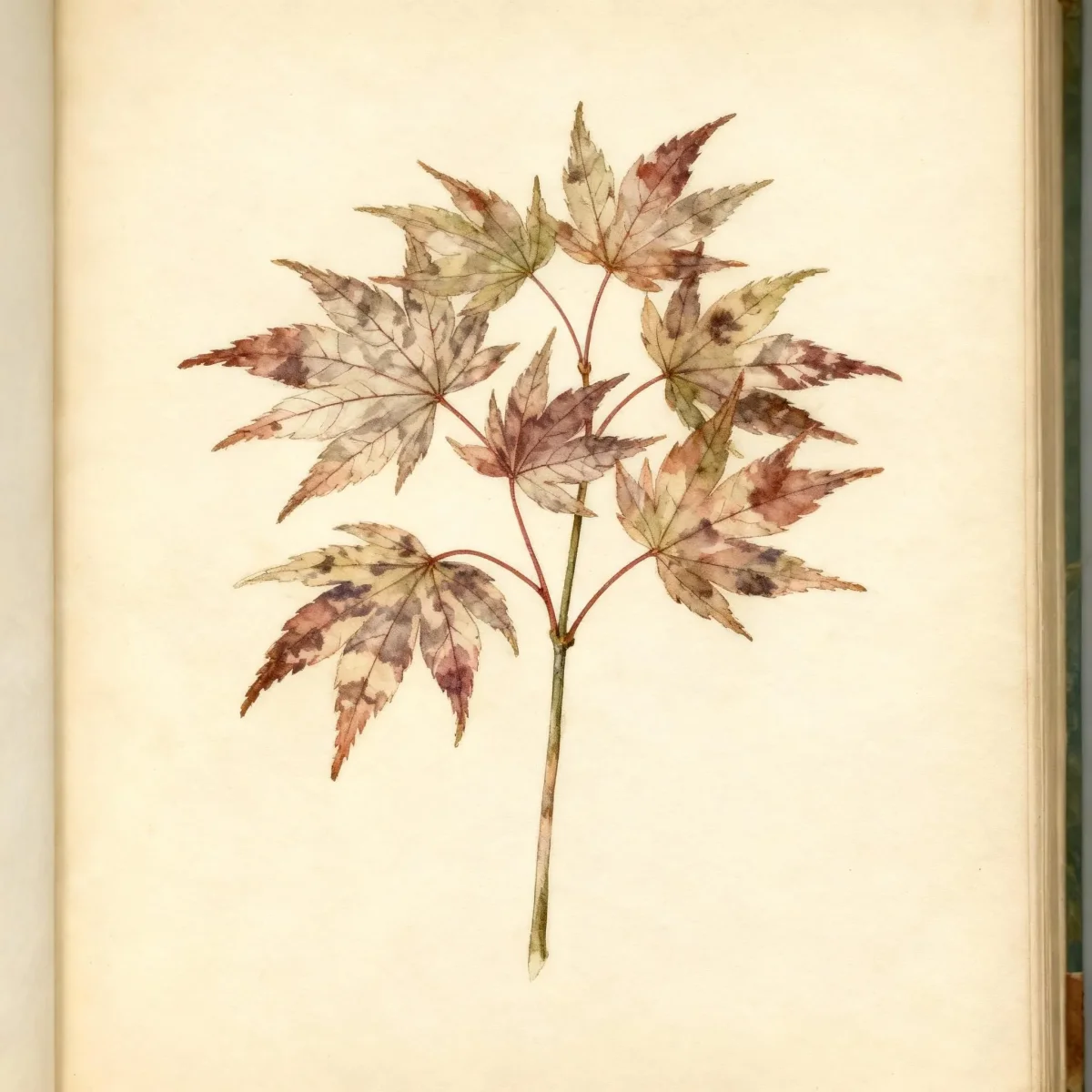
Shantung maple (Acer truncatum)
The durable Shantung maple (Acer truncatum) is a low-maintenance tree ideal for urban settings, offering great fall color.
Scroll down to discover growing tips, care requirements, companion plants, and more
Complete Plant Information
Overview
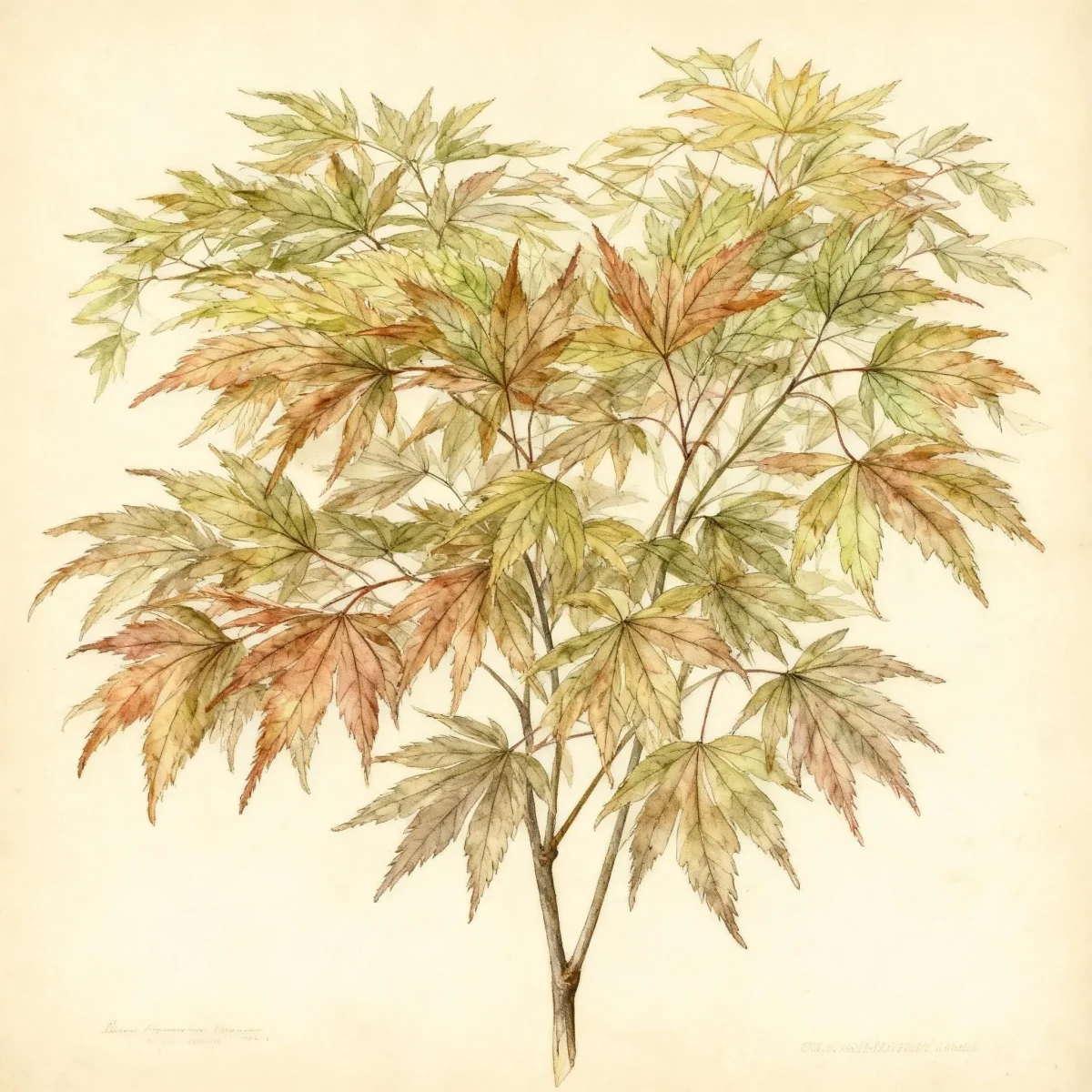
The Shantung maple, scientifically known as Acer truncatum, is a highly valued specimen tree prized for its compact size and exceptional toughness, making it suitable for challenging urban environments. This species is native to parts of Northern China, Manchuria, and Korea, successfully adapting to a wide range of conditions once established. Gardeners appreciate its neat, rounded crown and medium green foliage that transforms into reliable yellow and orange fall displays.
This deciduous tree typically matures between 20 and 25 feet in height, fitting well into smaller landscapes where traditional maples might aggressively crowd the space. A key characteristic of the Acer truncatum is its ability to handle heat and drought better than many other ornamental maples, reducing long-term care requirements. Its low maintenance needs combined with its attractive structure cement the Shantung maple as a superb street tree option.
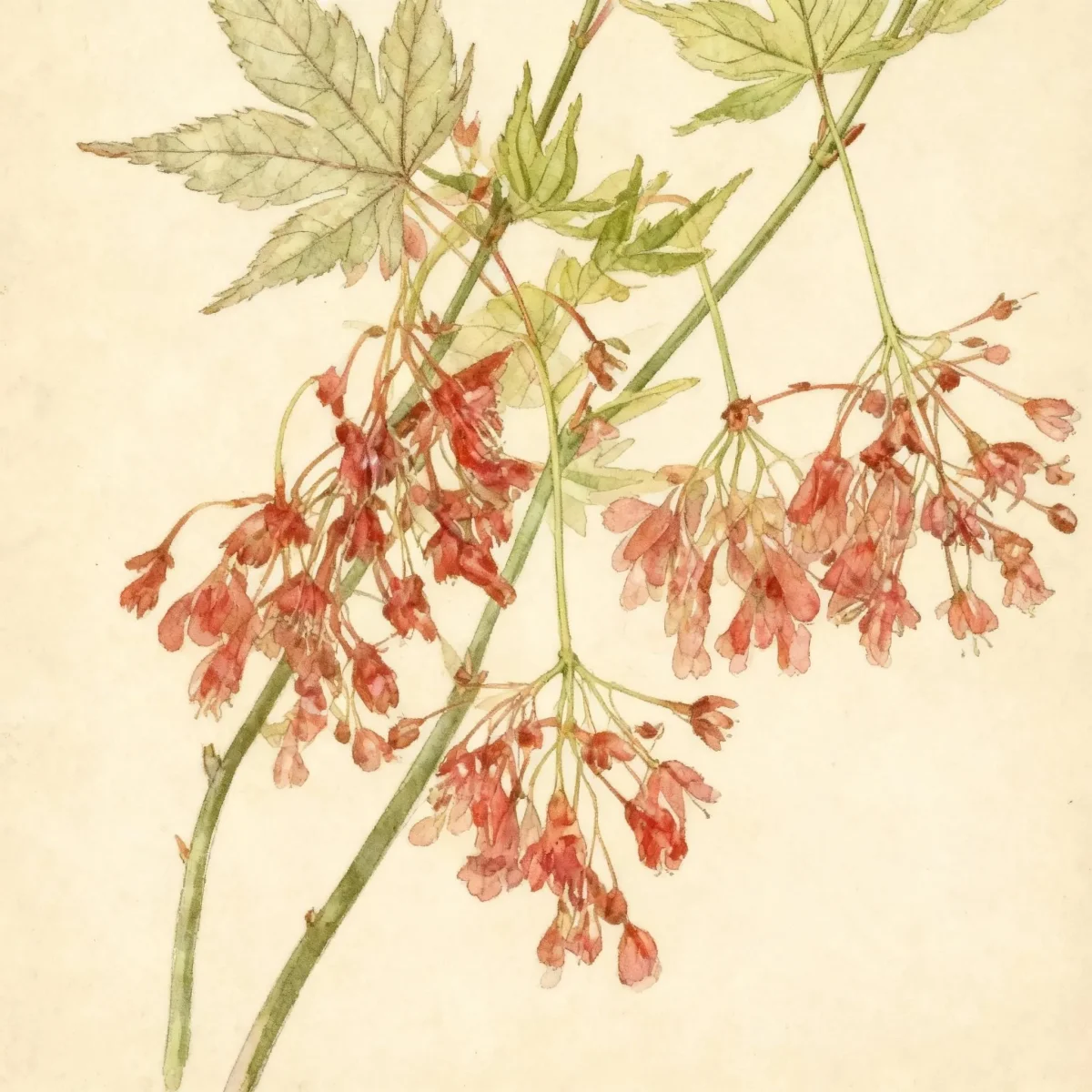
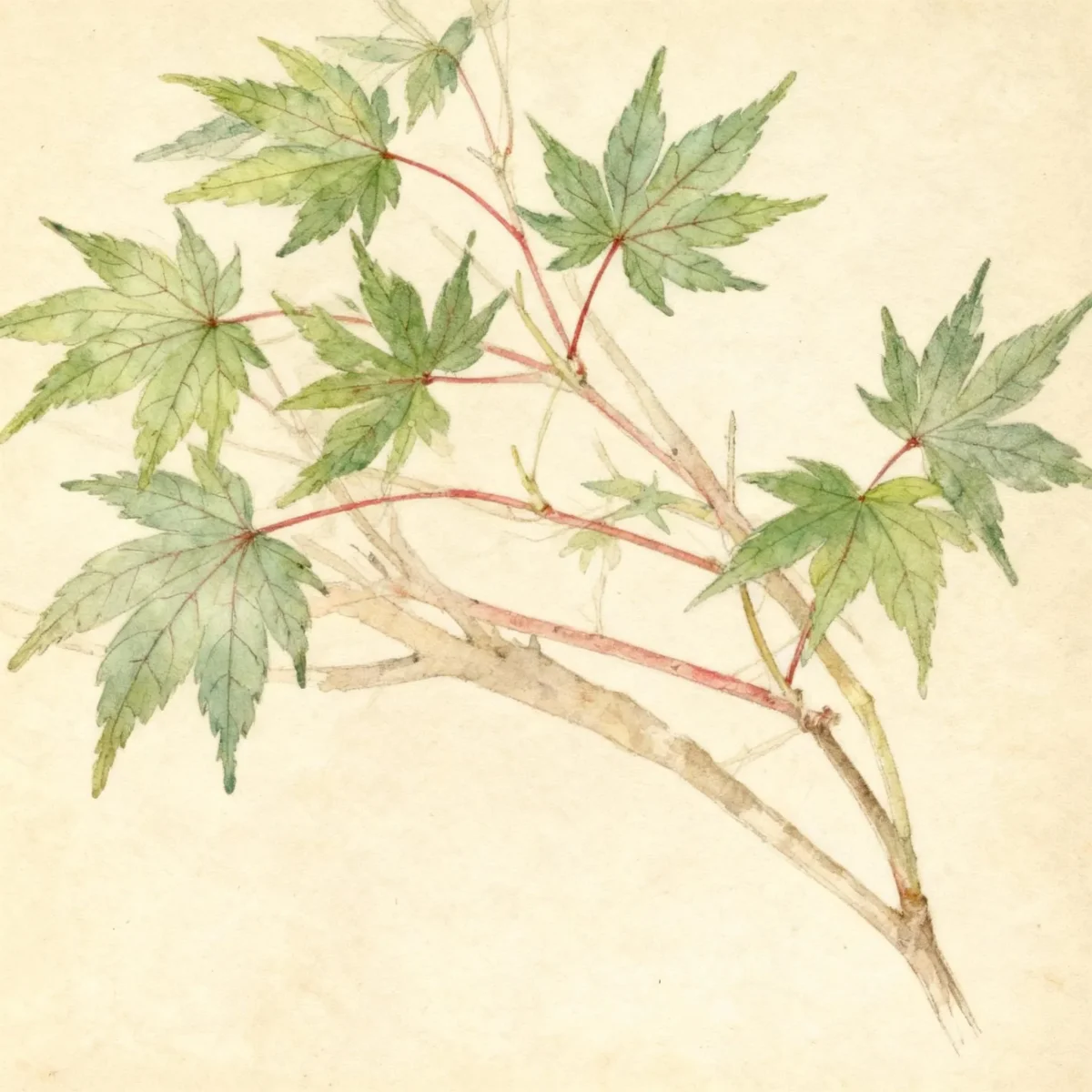
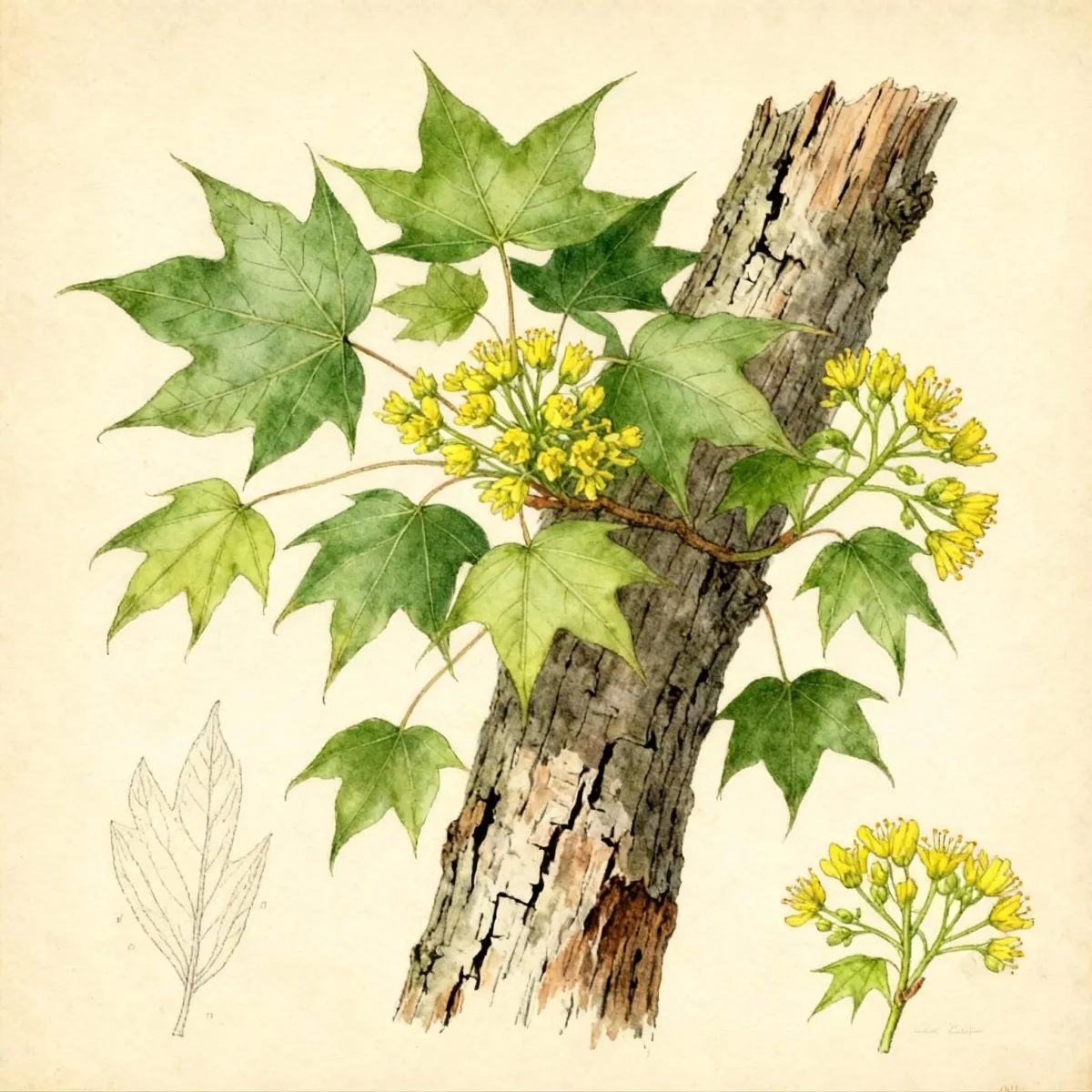
Its leaves are distinctively 5-lobed and may feature a flat, ‘truncate’ base, inspiring its species name. While the flowers are not ornamental, the overall profile of the Shantung maple—solid structure, dependable color, and durability—offers substantial aesthetic return for minimal input from the gardener.
Fast Facts
- Plant Family: Sapindaceae
- Plant Type: Tree
- Native Range: Northern China, Manchuria, Korea
- Hardiness Zones: USDA Zones 4-8
- Size at Maturity:
- Height: 20-25 ft
- Spread: 15-20 ft
- Bloom Time: April
- Bloom Description: Greenish yellow
- Sun Exposure: Full sun to part shade
- Water Needs: Medium
- Maintenance Level: Low
How to Grow
Planting the Acer truncatum should ideally occur in spring or fall when cooler temperatures reduce transplant shock. Select a location that provides full sun to light afternoon shade, ensuring the soil is well-drained. While easily grown in average soil, this species thrives best in moist, acidic conditions that drain efficiently. Good drainage is crucial for long-term health.
Watering requirements for established Shantung maple trees are medium; they tolerate drought well once fully established, living up to their reputation for durability. Avoid over-fertilizing, as this encourages excessive, weak growth. Pruning is generally minimal, focusing primarily on removing crossing or damaged limbs to maintain the naturally dense, rounded canopy structure.
Seasonal care is straightforward. In spring, monitor for early leaf emergence, and maintain consistent moisture during the first few growing seasons to encourage deep rooting. The excellent heat and drought tolerance of this tree becomes very apparent during the summer heat waves, making it a reliable choice for problem areas.
Landscape Uses
The Acer truncatum excels where space is a concern or where durability is paramount. As noted, it functions excellently as a street tree, capable of resisting the compacted soils and reflected heat common in paved areas. Its moderate size prevents overhead utility line conflicts found with larger shade trees.
For residential landscapes, the Shantung maple serves beautifully as a specimen tree near patios or walkways, offering filtered shade without completely overwhelming the area. Its rounded form makes it naturally attractive, often requiring little more than proper siting to achieve high visual impact. Consider pairing it with low-maintenance foundation plantings that enjoy similar sun and soil profiles.
Use the Shantung maple to anchor corners of a yard or in small group plantings where its reliable yellow-orange fall display can be appreciated against evergreen or dark-leafed backdrops.
Standout Features
Flower Qualities
- Insignificant
Noteworthy Characteristics
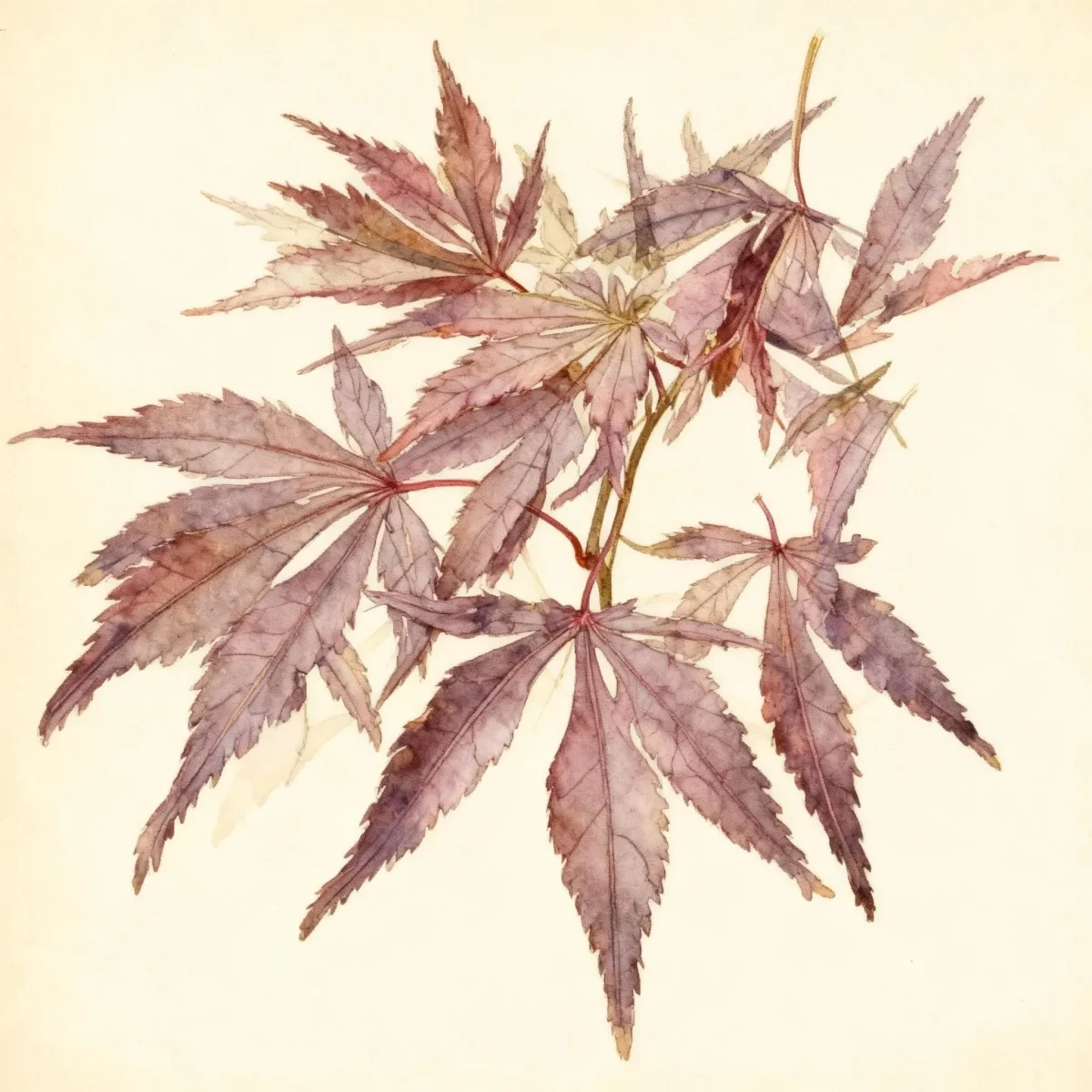
Acer truncatum, commonly called Shangtung maple, is native to China. It is a small, rounded, deciduous understory tree that typically grows 20-25’ tall with a densely-branched, rounded crown. Features medium green leaves (to 5” across) that have 5 triangular lobes; the leaves emerge reddish purple in spring but mature to dark green, offering good fall color in shades of yellow and orange, sometimes mixed with purples and reds. The specific epithet means cut off square, referencing the leaves which may appear truncated at the base, and leaf stems exude a milky sap when cut.
Tolerances
- Drought
Potential Problems
One of the major benefits of selecting the Shantung maple is its robust nature; it generally experiences no serious insect or disease problems, greatly simplifying management. Unlike some other maples vulnerable to Verticillium wilt or significant borer activity, Acer truncatum exhibits strong resistance. Ensure excellent drainage is maintained, especially in clay soils, to prevent root stress which is the most common issue encountered.
Frequently Asked Questions
What hardiness zones is Shantung maple suitable for?
This durable tree is well-suited for USDA Hardiness Zones 4 through 8 across North America.
How large does Acer truncatum grow?
The mature size is generally manageable, reaching heights of 20-25 feet with a spread between 15 and 20 feet.
When does Acer truncatum bloom?
The greenish-yellow flowers appear relatively early in the season, typically during April.
What sun exposure does Shantung maple need?
For best performance and optimal fall color, the Shantung maple prefers full sun exposure, though it tolerates partial shade as well.
Conclusion
The Acer truncatum, or Shantung maple, offers metropolitan gardeners a durable, low-maintenance ornamental tree with reliable seasonal interest, particularly through its attractive fall foliage. Its noted heat and drought tolerance make it a superior alternative to less adaptable shade trees in tough sites. Check your local hardiness zone compatibility and plan to plant this handsome maple during the shoulder seasons for the best establishment success.
Design Ideas
The compact size and high tolerance of the Shantung maple make it a stellar choice for formal and modern landscape designs where clean lines are desired. Because of its dense, rounded crown, it works well as a highly structured accent plant, providing strong vertical interest without casting an overwhelming shadow over foundation plantings. Consider using groupings of three Shantung maples along a long driveway where their synchronized fall color provides a powerful visual corridor.
When placed near patios, the filtered shade provided while the sun is high is pleasant, and the low branching habit can be managed with judicious pruning early in its life to maintain clearance. Avoid planting extremely moisture-loving perennials directly under established Shantung maples, as their medium water needs might compete poorly with thirsty groundcovers once the tree matures.
Companion Planting
For ground-level accents that complement the structural form of the Acer truncatum, look towards plants that prefer similar well-drained soil and can handle partial shade. Hostas work well in shadier pockets beneath the canopy, offering contrasting leaf textures. Alternatively, integrating lower-growing, drought-tolerant evergreens such as dwarf junipers or low spreading yews provides desirable winter structure alongside the deciduous maple. Ensure that any companion planting does not directly abut the trunk flare of the Shantung maple to promote air circulation and avoid moisture buildup around the base.