Hardy kiwi (Actinidia arguta)
Discover Actinidia arguta, the vigorous Hardy kiwi vine, prized forIts edible, smooth-skinned fruit and attractive foliage in zones 3-8.
Scroll down to discover growing tips, care requirements, companion plants, and more
Complete Plant Information
Overview
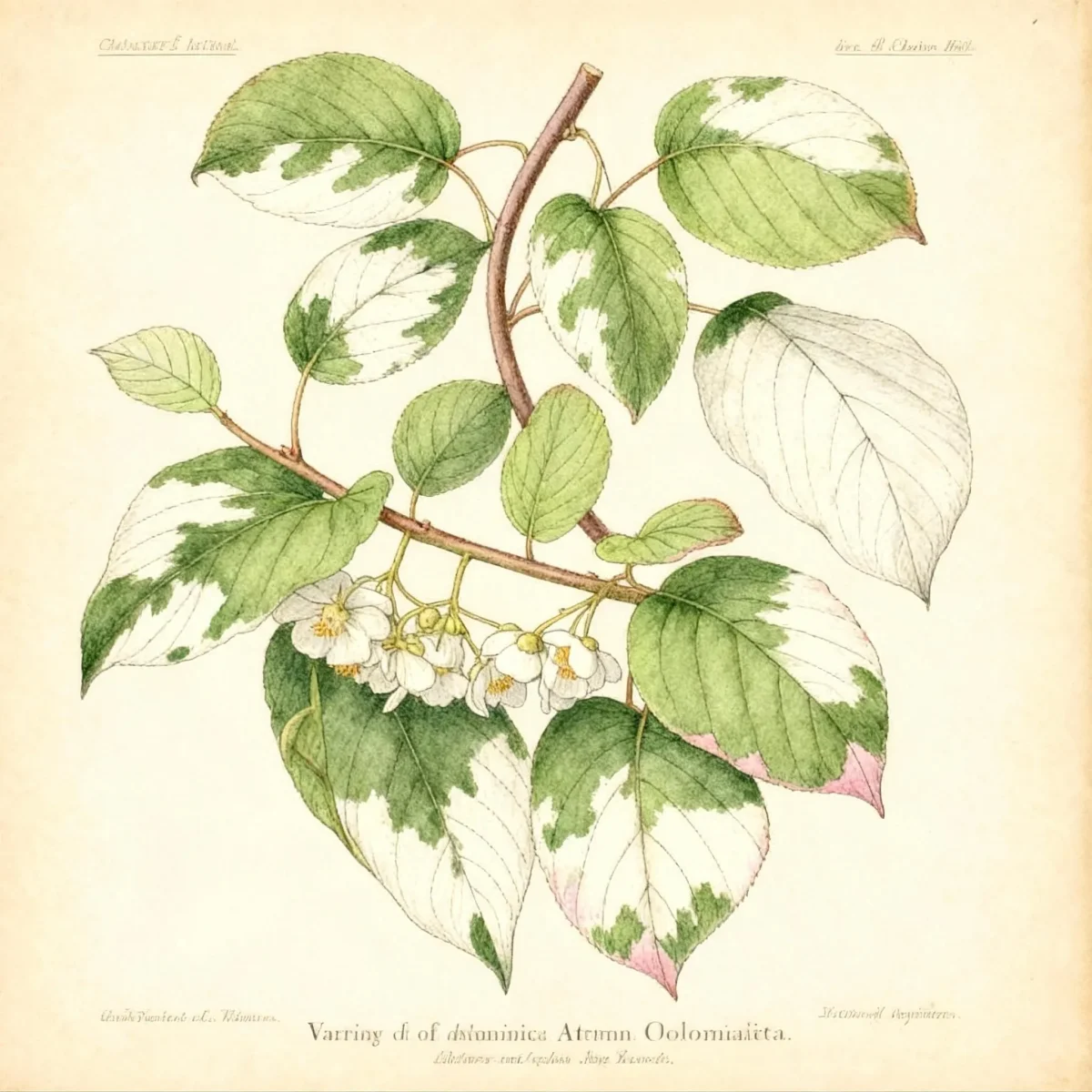
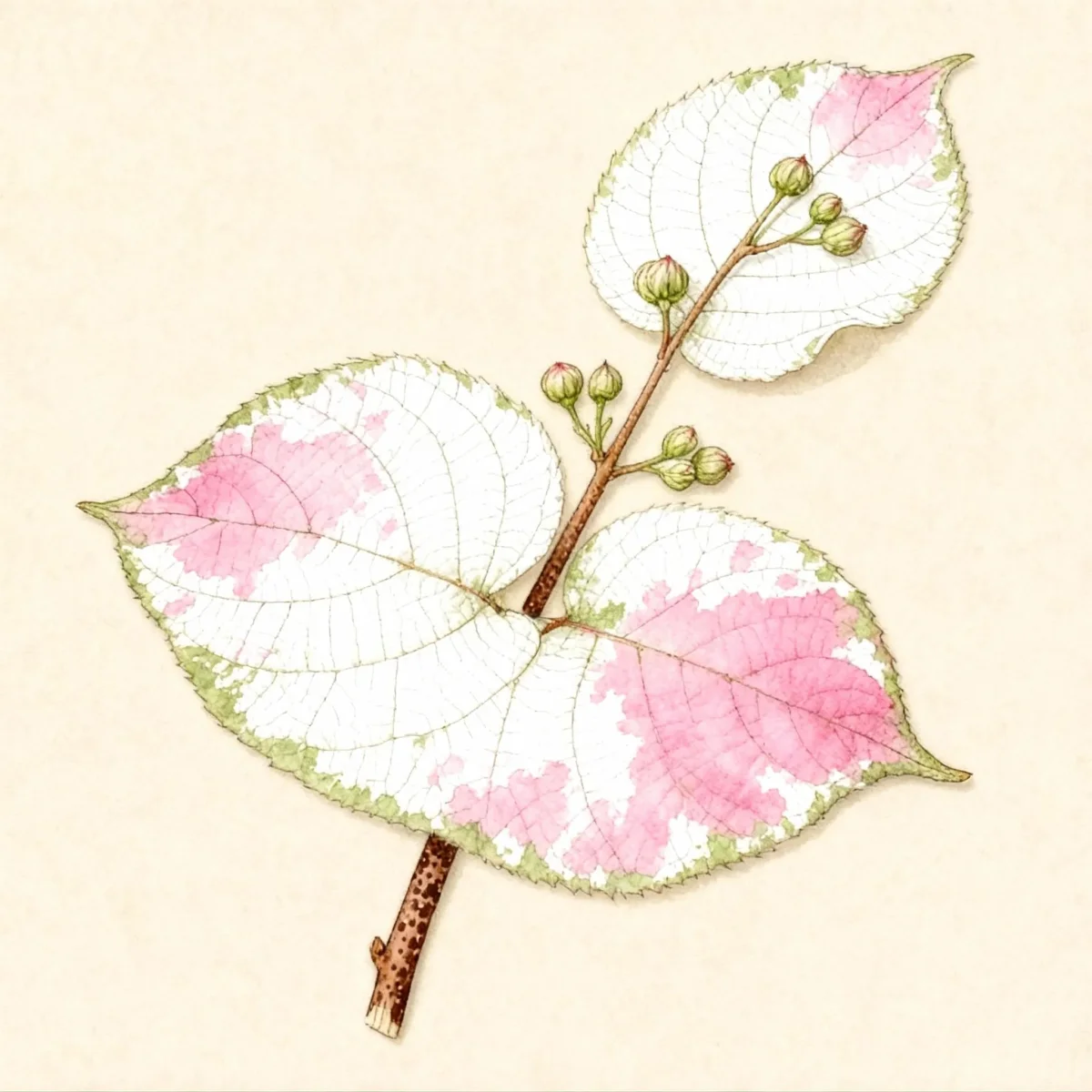
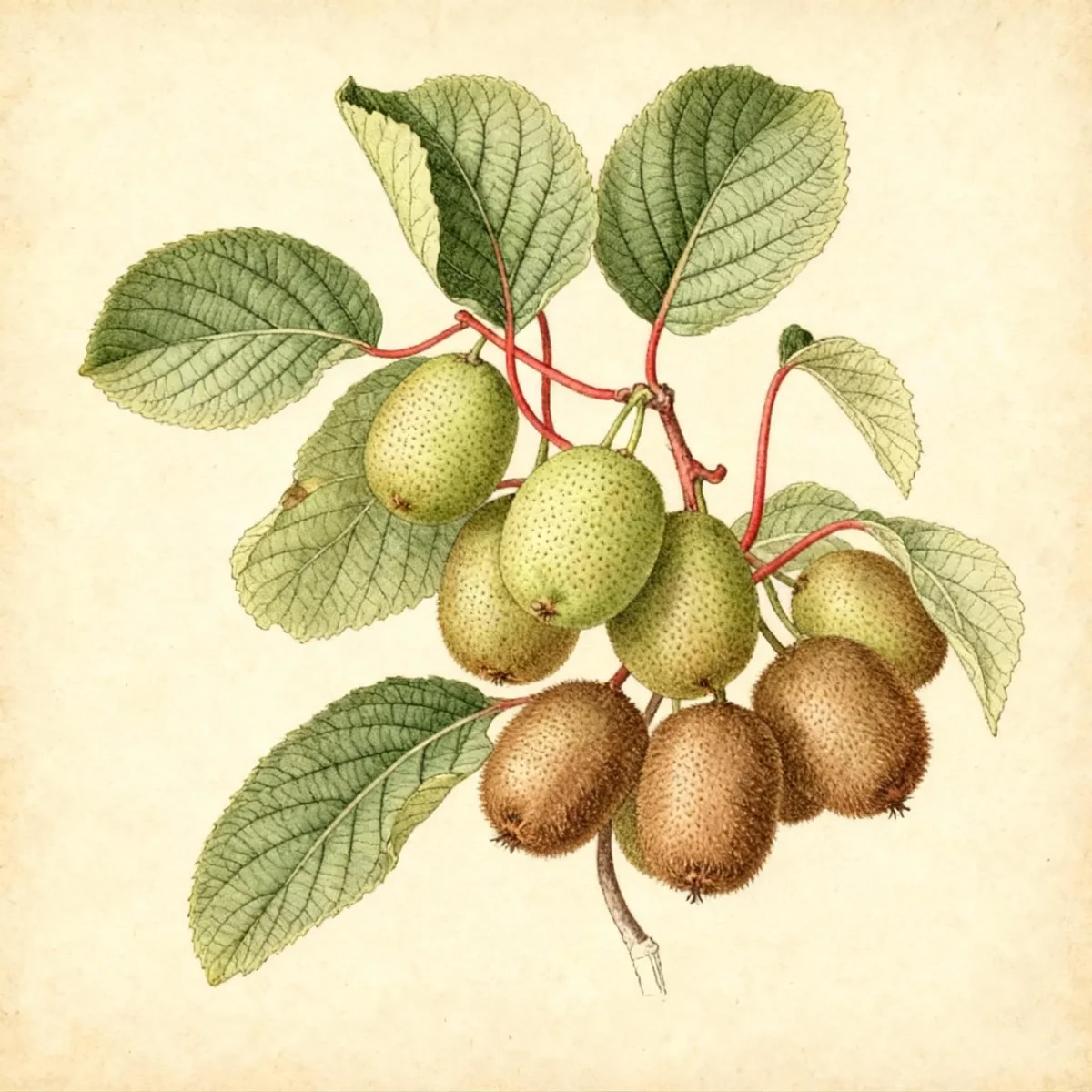
Actinidia arguta, widely known as Hardy kiwi, is a highly valuable addition to the garden, celebrated both for its speed of growth and its sweet, grape-sized fruit. This deciduous woody vine twines vigorously, quickly covering structures with deep green, attractive foliage, making it an exceptional choice for screening or overhead coverage. Native to the woodland areas of eastern Asia, this plant thrives across a wide range of climates.
The cultivation of this variety offers a significant advantage over its larger-fruited cousin, as the fruit of Actinidia arguta is smooth-skinned, requiring no peeling, and possesses a sweetness often preferred by gardeners. Its rapid growth habit necessitates consistent management but rewards the dedicated grower with an abundance of fruit ripening in the autumn months.
Gardeners must note that Hardy kiwi plants are typically dioecious. Successful fruit production hinges on planting at least one male pollinator for every few female vines, ensuring a generous harvest of this unique edible crop.
Fast Facts
- Plant Family: Actinidiaceae
- Plant Type: Vine
- Native Range: Temperate eastern Asia
- Hardiness Zones: USDA Zones 3-8
- Size at Maturity:
- Height: 25-30 ft
- Spread: 7-20 ft
- Bloom Time: May
- Bloom Description: Greenish white
- Sun Exposure: Full sun to part shade
- Water Needs: Medium
- Maintenance Level: Medium
How to Grow
Planting should occur in average, medium moisture, well-drained soil. While Actinidia arguta tolerates various conditions, planting in infertile soil can help temper its often rapid and sometimes rampant growth habit. Choose a location that receives full sun to partial shade to maximize both foliage health and fruit production.
Water needs are best met by providing consistent medium moisture, especially during establishment and the fruiting period. Fertilization is generally not necessary; in fact, infertile soil is sometimes recommended to control excessive vegetative growth at the expense of fruiting wood.
Maintenance for the Hardy kiwi focuses heavily on pruning. This plant demands frequent attention to keep it manageable. Two prunings are critical: an annual winter pruning where each stem is cut back significantly to just 8-10 buds, and an annual summer pruning targeting and removing excessively long, whippy shoots to maintain structure and encourage fruit bearing.
Landscape Uses
The swift, robust nature of the Hardy kiwi makes it ideal for extensive coverage applications. Its vining habit is perfectly suited for rapidly cloaking large structures like sturdy trellises, pergolas, arbors, or perimeter fences. This vine offers substantial aesthetic benefits with its dense foliage, creating excellent living screens or providing dramatic shade over patio areas.
Due to its potential size, ensure any support structure provided to your Actinidia arguta is extremely robust, capable of handling the significant weight when the vine is fully leafed out and bearing fruit. This rapid growth also makes it highly effective for covering unsightly utility boxes or steep banks where other planting may fail.
Standout Features
Flower Qualities
- Fragrant
Fruit Qualities
- Edible
Noteworthy Characteristics
Actinidia arguta, commonly known as hardy kiwi or tara vine, is a deciduous, fast-growing, twining woody vine that is typically grown for its attractive foliage and edible fruit. It is native to woodlands, mountain forests, streamsides and moist locations in eastern Asia, China and Japan. It grows to 25-30’ or more, but growth is often so rampant that this vine, in its native habitat, may climb to as much as 100’ into large trees. Species plants are dioecious, meaning a male pollinator is mandatory for female vines to set fruit.
Tolerances
- Clay Soil
Potential Problems
Fortunately, Actinidia arguta is typically regarded as having no serious disease or major insect problems when grown in appropriate conditions. Its vigour generally allows it to outcompete many minor pests. Proactive cultural care, particularly timely pruning as outlined above, is the best preventative measure against structural issues that can lead to secondary infections.
Consistent monitoring during the growing season should suffice for management; avoid overcrowding the vine, which can lead to poor air circulation and increase susceptibility to any minor fungal issues that may arise.
Frequently Asked Questions
What hardiness zones is Hardy kiwi suitable for?
Actinidia arguta is hardy across a wide range, thriving in USDA Zones 3 through 8.
How large does Hardy kiwi grow?
This vigorous vine typically reaches mature heights between 25 and 30 feet, spreading between 7 and 20 feet wide.
What sun exposure does Actinidia arguta need?
For optimal growth and fruit production, plant Actinidia arguta where it will receive full sun to part shade.
When does Actinidia arguta bloom?
Bloom time occurs in May, producing clusters of scented, greenish-white flowers before the fruit matures later in the season.
Conclusion
The Hardy kiwi, or Actinidia arguta, offers unparalleled versatility in the landscape—combining rapid screening capabilities with the reward of tasty, easy-to-eat fruit. Its manageable maintenance, provided pruning routines are followed diligently, makes it a worthwhile endeavor for serious food gardeners and landscapers alike. Assess your support structures and zone compatibility before planting this magnificent vine.
Companion Planting
When selecting companions for your Actinidia arguta, prioritize plants that share similar moisture needs (medium) and can handle the filtered light provided beneath the canopy once the kiwi matures. Grape vines, if grown on separate, structurally sound supports, share many cultural requirements. For ground cover beneath the vine, consider spreading herbs like creeping thyme or oregano, which tolerate drier conditions near the base and enjoy the dappled light.
Avoid planting shallow-rooted or competing slow-growing ornamentals directly adjacent to the base of the vine, as the extremely vigorous Hardy kiwi will quickly out-compete them for water and nutrients. Focus companion choices on functional, tough perennials that won’t mind the competition or the shade pattern created by this dense grower.
Seasonal Care Calendar
Early Spring: Before new growth begins, perform the critical annual winter pruning, cutting back stems to 8-10 buds. Inspect all support structures now for necessary repairs before the vine’s weight returns.
Late Spring/Early Summer: Monitor for excessive twig growth; this is the time for summer pruning, removing unruly shoots that are growing too long and diverting energy from fruit production. Ensure consistent, medium watering as fruits begin to develop.
Late Summer/Early Fall: Begin watching for fruit maturation, typically in September or October. Harvest when fruits are plump, though they may continue to sweeten slightly after picking.
Late Fall/Early Winter: After leaf drop, the vine enters dormancy, making it the ideal time for the heavy structural pruning needed to prepare Actinidia arguta for the following season.