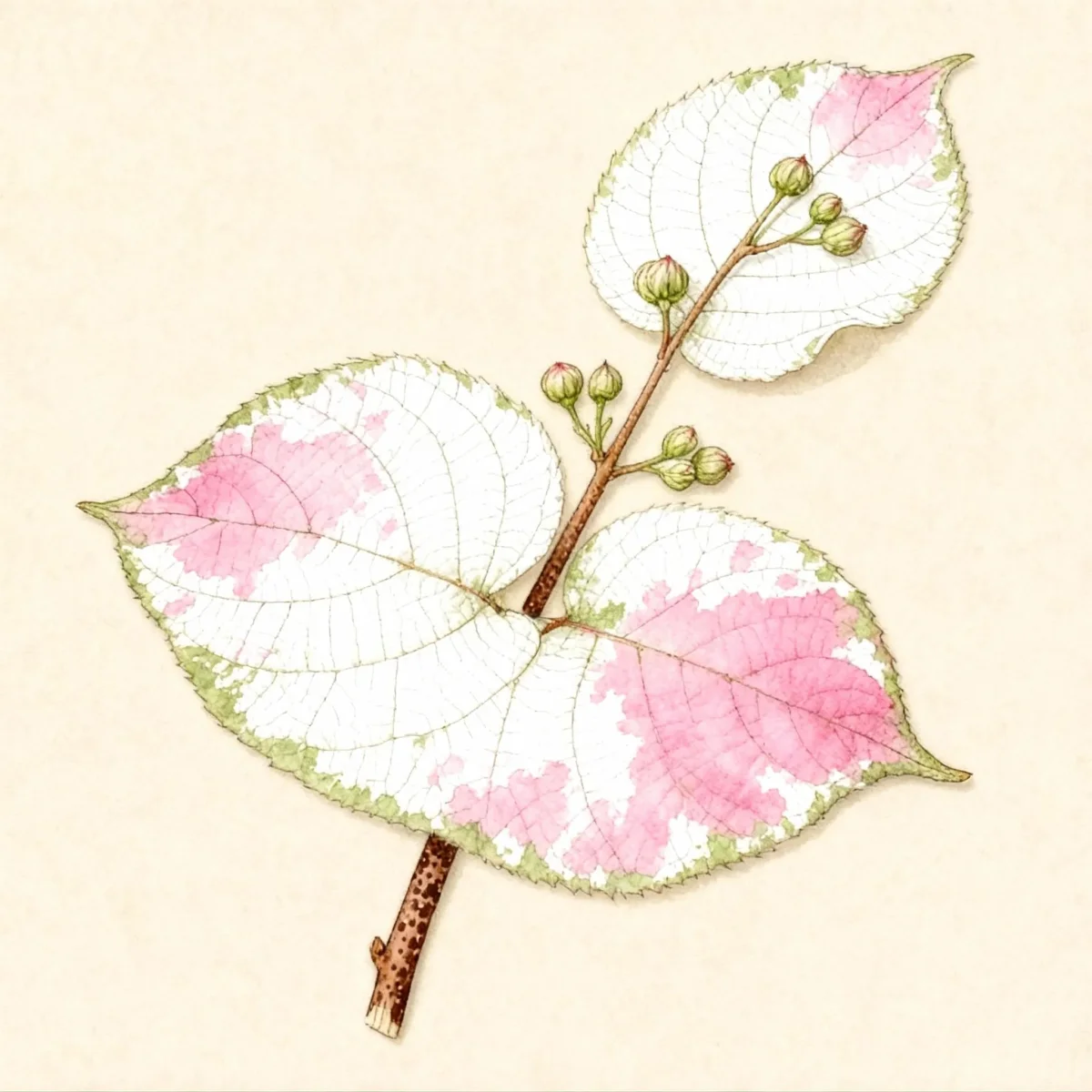
Variegated kiwi vine (Actinidia kolomikta)
Actinidia kolomikta, the Variegated kiwi vine, offers stunning foliage variegation and small, edible fruit. This low-maintenance vine thrives in Zones 4-8.
Scroll down to discover growing tips, care requirements, companion plants, and more
Complete Plant Information
Overview
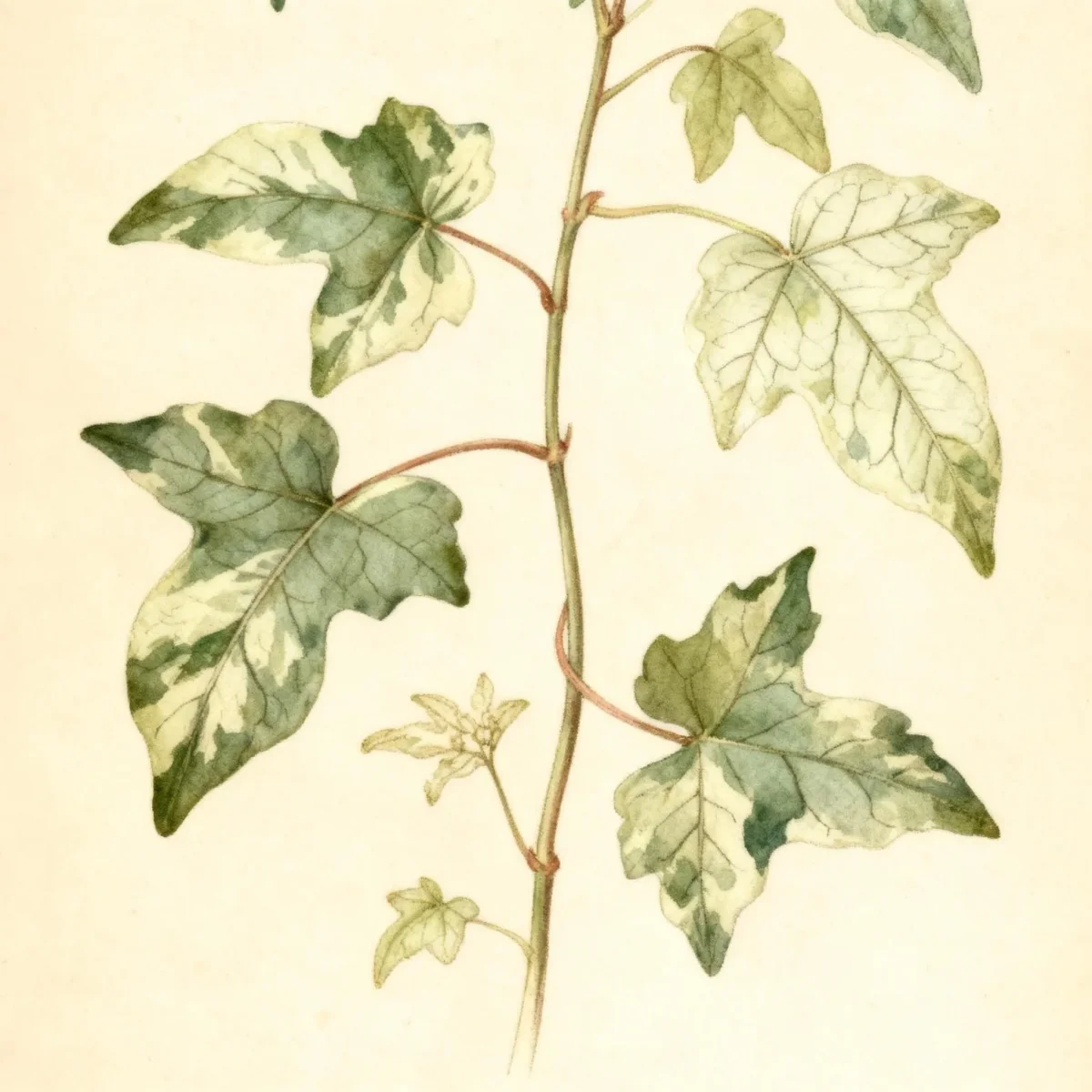
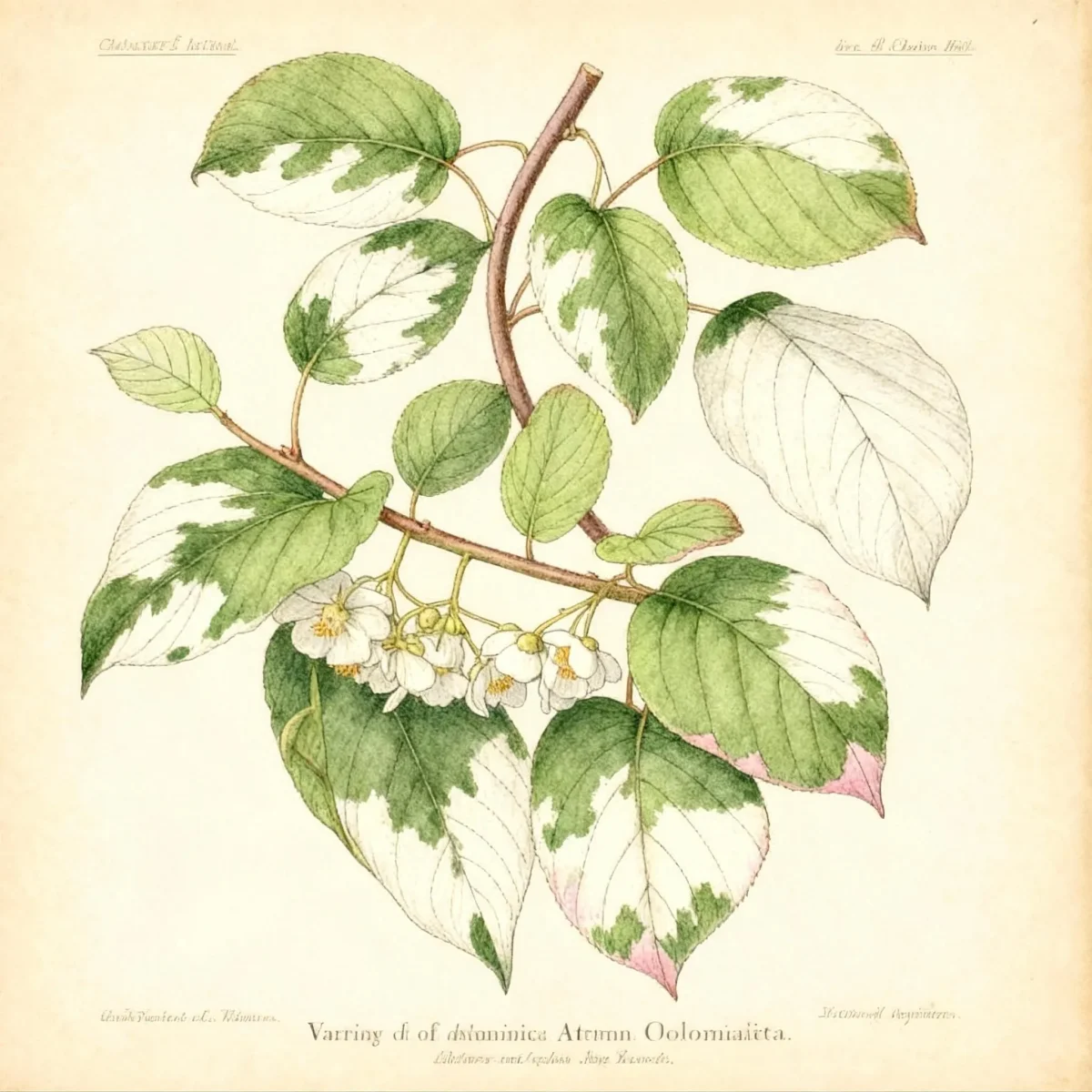
The Variegated kiwi vine, scientifically known as Actinidia kolomikta, is prized by gardeners primarily for its spectacular foliage rather than its flowers or fruit. This vigorous, deciduous woody vine can quickly cover structures, displaying heart-shaped leaves dramatically variegated with patches of white and pink. Actinidia kolomikta remains relatively low maintenance once established, making it an excellent choice for adding vertical interest to the landscape.
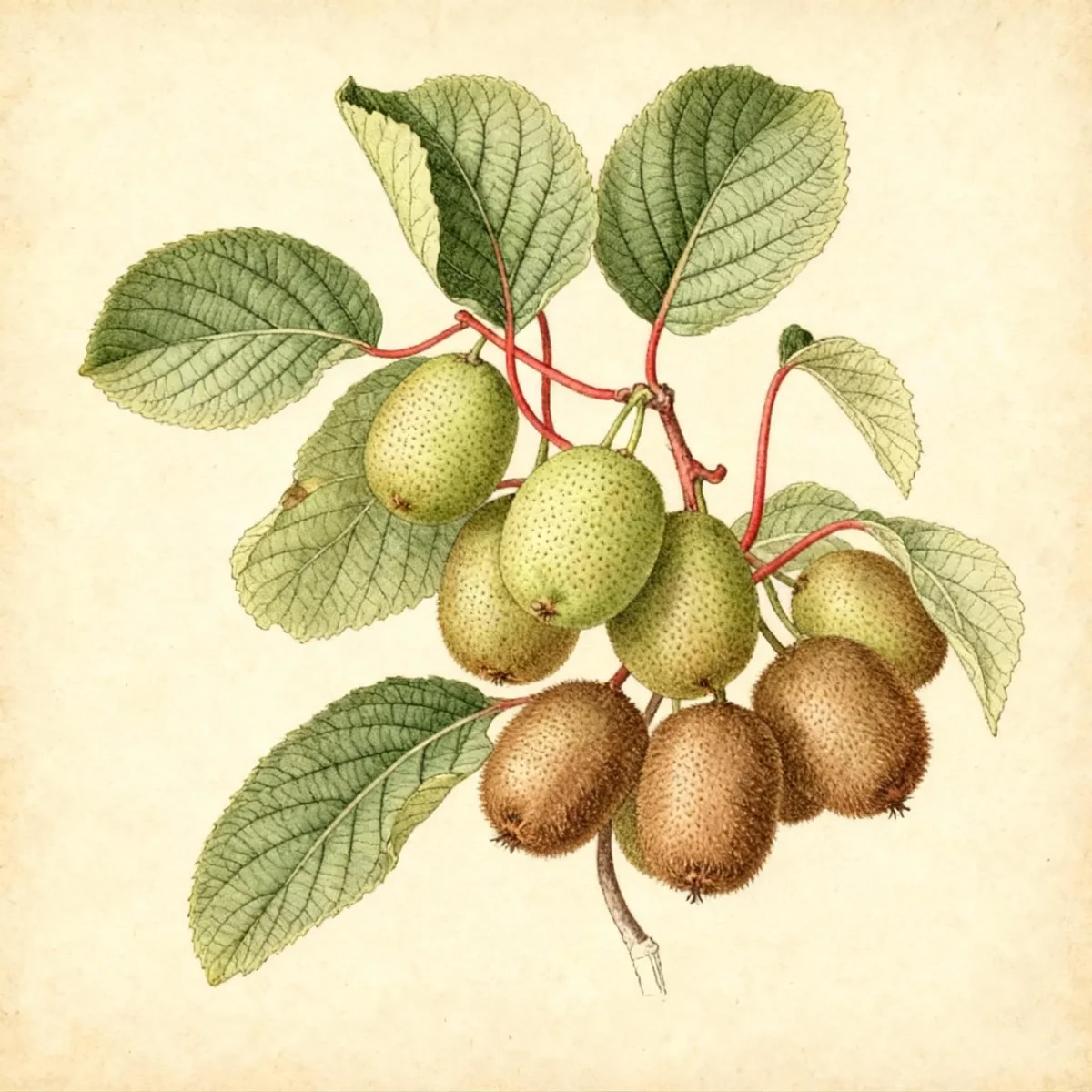
Though the tiny, greenish-white flowers are slightly fragrant, they are often hidden by the dense foliage and are considered insignificant visually. Female plants may produce small, 1-inch edible fruits in the early fall, offering a unique harvest if both sexes are present. Gardeners seeking the best color display should maximize sun exposure, as this enhances the variegation that makes the Variegated kiwi vine so desirable.
This fast-growing plant requires sturdy support, making it perfect for arbors or overhead patio structures. Whether you desire edible value or purely ornamental appeal with highly decorative leaves, Actinidia kolomikta offers substantial aesthetic impact across its growing range.
Fast Facts
- Plant Family: Actinidiaceae
- Plant Type: Vine
- Native Range: Temperate eastern Asia
- Hardiness Zones: USDA Zones 4-8
- Size at Maturity:
- Height: 15-20 ft
- Spread: 6-10 ft
- Bloom Time: April
- Bloom Description: White
- Sun Exposure: Full sun to part shade
- Water Needs: Medium
- Maintenance Level: Low
How to Grow
The ideal placement for Actinidia kolomikta is in an average, well-drained soil location, whether that is full sun or partial shade. Note that the most intense and vibrant foliage variegation appears when the vine receives ample sunlight; too much shade or too much high-nitrogen fertilizer can lead to greener leaves, diminishing the ornamental value. Planting should occur when new spring growth begins, ensuring the vine has the entire season to establish root systems.
Watering needs are medium; aim for consistent soil moisture, especially during establishment and hot, dry periods, but avoid soggy ground which can lead to root issues. Pruning is necessary primarily to control the vigorous growth habit and maintain the desired shape or size on its support system. This pruning is often best executed when the plant is dormant.
A key consideration is propagation and fruit set: if you wish to harvest the small, edible fruits, you must plant both male and female individuals, as the species is dioecious. A recommended ratio is one male plant for every three to four females. However, if you are cultivating Actinidia kolomikta solely for its ornamental foliage, consider planting only male plants, as they are rumored to exhibit better leaf variegation.
Landscape Uses
The vigorous nature of the Variegated kiwi vine makes it an unparalleled choice for vertical screening and coverage. Its ability to rapidly ascend strong supports means it excels when grown over arbors or patio overheads, providing dappled shade alongside striking visual appeal. These vines are also excellent for cloaking unsightly fences, screening utilitarian areas, or adding drama to large trellises.
Due to its strong color display, consider pairing Actinidia kolomikta with plants that offer contrasting textures or deep, solid green foliage. In early spring, before the variegation fully emerges, early-blooming spring bulbs can provide ground-level color beneath the canopy. When selecting hardscape partners, ensure that pergolas or wire supports are robust, as this woody vine can become quite heavy once mature.
For ornamental-only plantings, utilizing entirely male vines ensures maximum variegation without the distraction of small, developing fruit later in the season. The aesthetic impact of the contrasting pink, white, and green leaves ensures this vine acts as a dynamic focal point throughout the growing season.
Standout Features
Flower Qualities
- Fragrant
- Insignificant
Fruit Qualities
- Edible
Noteworthy Characteristics
Actinidia kolomikta is a relatively fast-growing, deciduous, woody vine which typically grows 15-20’ and features tiny, slightly fragrant, greenish-white flowers in early summer and attractive, heart-shaped (to 5” long), green foliage variegated with white and/or pink. This species is dioecious, meaning male and female plants are separate, and the male plants reportedly boast better leaf variegation than the females. Greenish-yellow, 1” long, edible fruits appear on female plants in early fall.
Tolerances
No specific tolerances were provided for this entry.
Potential Problems
One of the greatest advantages of growing Actinidia kolomikta is its general lack of serious pest or disease issues. Gardeners rarely encounter significant infestations that threaten the overall health of this woody vine. This resistance contributes significantly to its low maintenance rating.
While major insect or fungal problems are rare, always monitor for general vine pests common to your region. Ensuring proper air circulation through adequate pruning will mitigate any minor aesthetic issues that might arise from humidity or crowding. Overall, this Kiwiberry relative is considered very robust.
Frequently Asked Questions
What hardiness zones is Variegated kiwi vine suitable for?
The Variegated kiwi vine, Actinidia kolomikta, is well-suited for USDA Hardiness Zones 4 through 8, offering good cold tolerance for a fast-growing specimen.
How large does Variegated kiwi vine grow?
This vine typically reaches a mature height between 15 to 20 feet tall, with a spread ranging from 6 to 10 feet wide, requiring substantial vertical support.
What sun exposure does Actinidia kolomikta need?
Actinidia kolomikta prefers full sun to part shade. For the most intense and colorful foliage variegation, prioritize a location that receives ample direct sunlight throughout the day.
When does Variegated kiwi vine bloom?
The flowering period for the Variegated kiwi vine is generally April, producing small, white flowers.
Conclusion
For gardeners seeking dramatic, easy-care vertical accents, the Actinidia kolomikta or Variegated kiwi vine is an exceptional selection, providing year-round interest through its unique multi-colored foliage. Its low maintenance and relative toughness make it accessible even to novice growers, while its potential fruit production adds bonus interest. Before planting, confirm your local hardiness zone and decide whether you are growing primarily for aesthetics or for the edible harvest.
Companion Planting
When planting the Variegated kiwi vine, focus on companions that thrive in similar medium moisture and sun conditions (Full sun to part shade). Dark, dense evergreens, such as yews or certain upright junipers, provide a fantastic, static backdrop that allows the flashing white and pink of the Actinidia kolomikta leaves to truly pop in the landscape. Avoid planting aggressive groundcovers directly at the base, as this can compete for surface moisture needed by the young vine.
Consider interplanting with shade-tolerant, low-growing perennials near the base if the vine is covering a large area, provided you leave the root crown clear. Plants like Hosta varieties with blue or deep green foliage can offer textural contrast without overwhelming the vine’s upward growth habit. Since pruning controls size, select companions that do not require heavy late-season trimming that might damage the vine’s surface roots.
Seasonal Care Calendar
Spring is the active season for Actinidia kolomikta. As new growth emerges, verify the support structure is sound and apply any necessary fertilizer judiciously—too much nitrogen can reduce variegation. Summer requires consistent medium watering, especially if temperatures spike, to maintain leaf quality and support fruit development on female plants.
In the autumn, appreciate the final flushing of color before dormancy sets in. If you are growing for fruit, note the early fall harvest time. Winter care is minimal, as the plant is very hardy (down to Zone 4). Focus on pruning to control overall size and shape, which is best done during dormancy to minimize sap loss and clearly observe the vine structure.