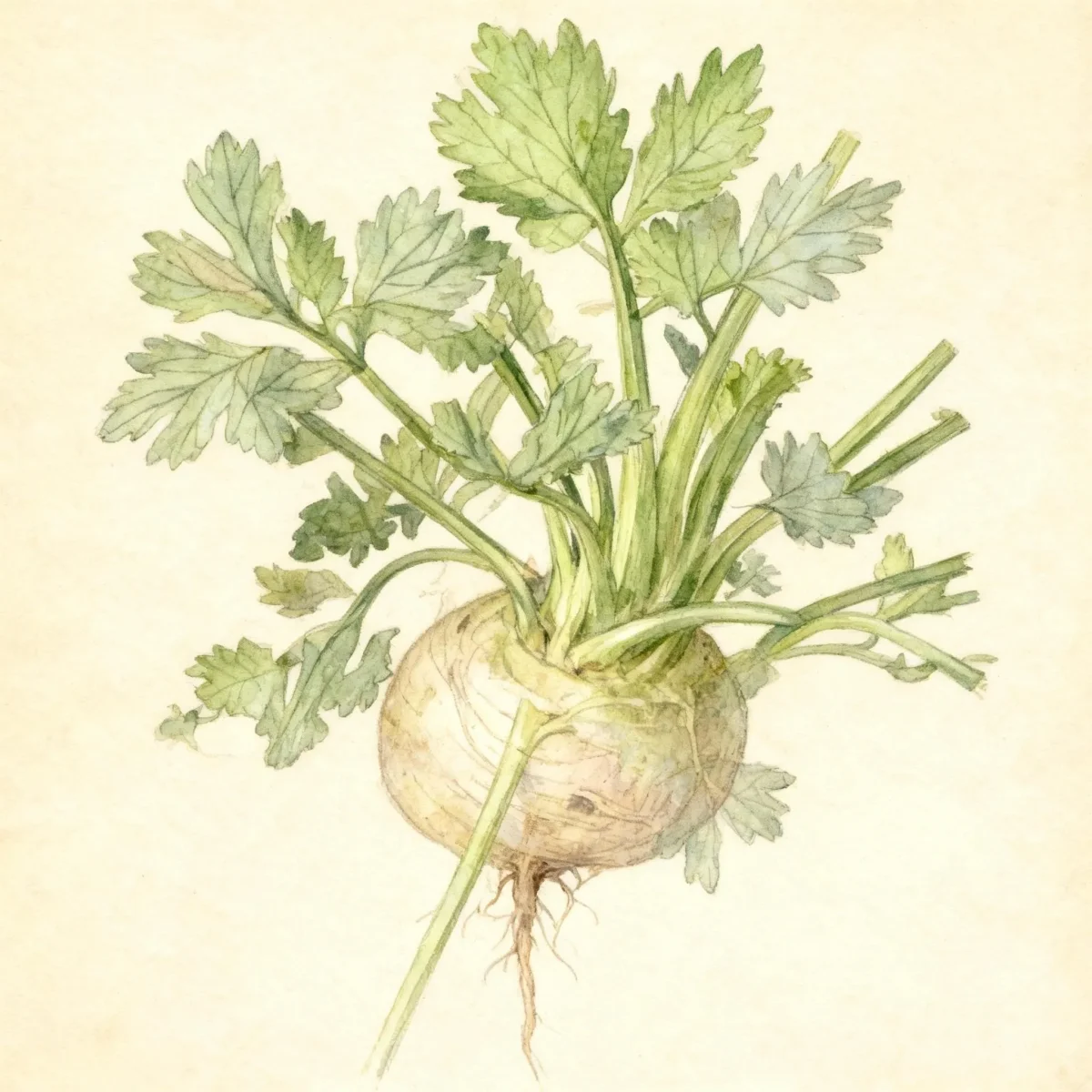
New Zealand spinach (Tetragonia tetragonioides)
Tetragonia tetragonioides, New Zealand spinach, offers heat-tolerant greens. Low maintenance, full sun annual perfect for summer salads.
Scroll down to discover growing tips, care requirements, companion plants, and more

Complete Plant Information
Overview
Tetragonia tetragonioides, widely known as New Zealand spinach, is a prized summer vegetable prized for its ability to thrive when true spinach bolts in the heat. This sprawling annual provides a consistent supply of succulent leaves and tender branch tips throughout the warmest months. Its distinction lies in its superior heat and drought tolerance compared to common Spinacia oleracea.
This robust plant offers significant perennial potential in warmer climates (up to Zone 11), acting as a reliable groundcover while delivering edible yields. For gardeners needing fresh greens when the summer sun is highest, New Zealand spinach is an indispensable addition to the vegetable plot. Its cultivation is generally straightforward, marking it as a low-maintenance option.
The genus name Tetragonia tetragonioides refers to the structure of its fruit, which features four angles, leading to its unique appearance. Beyond its use in cooked dishes and fresh salads, it establishes quickly, making it excellent for filling gaps in the garden bed during the growing season.
Fast Facts
- Plant Family: Aizoaceae
- Plant Type: Annual
- Native Range: Africa, eastern Asia, Australia, South America
- Hardiness Zones: USDA Zones 2-11
- Size at Maturity:
- Height: 1-2 ft
- Spread: 3-4 ft
- Bloom Time: Flowers not showy
- Sun Exposure: Full sun
- Water Needs: Medium
- Maintenance Level: Low
How to Grow
Sowing Tetragonia tetragonioides requires patience, as seeds should never be direct-sown until all danger of frost has passed and the soil has warmed significantly. Once conditions are favorable, plant seeds 1 inch deep, ensuring consistent moisture during the germination period, which can be slow. For garden layout, thin seedlings to stand 12 inches apart, allowing 3 to 4 feet between rows, as this vigorous plant can rapidly spread wider if left untrimmed.
The best conditions for achieving heavy yields involve fertile, well-drained soil amended properly before planting, paired with full sun exposure. While establishment requires ample water and regular feeding, once vigorous growth begins, New Zealand spinach tolerates surprisingly cool or damp spells. However, be mindful that tender growth will immediately succumb to the first hard frost.
Consistent harvesting is key to maximizing production and controlling size. Regularly shear the plants, removing the succulent leaves and branch tips. This pruning action encourages bushier growth closer to the ground and maintains a manageable spread, ensuring a continuous supply well into the fall.
Landscape Uses
Although primarily grown as a vegetable crop, New Zealand spinach offers functional utility in landscape design, particularly in edible gardens or hotter perennial borders where groundcover is desired. Its sprawling nature, reaching 3 to 4 feet wide, makes it effective for softening hard edges or cascading over retaining walls. Since it thrives in the summer heat better than many other leafy crops, it fills the gap left by exhausted spring greens.
As an excellent green vegetable, its main role is providing harvestable food. It works well planted in raised beds or large containers where its spreading habit can be contained somewhat, though it still requires regular trimming. Use Tetragonia tetragonioides where you need reliable, low-maintenance greenery that doubles as a salad ingredient or cooked green.
Standout Features
Flower Qualities
- Insignificant
Noteworthy Characteristics
Tetragonia tetragonioides, commonly called New Zealand spinach is not a true spinach, but tolerates heat and drought much better than does true spinach. It’s an excellent green and salad vegetable that thrives in the heat and provides a steady supply of succulent leaves and branch tips that can be used as spinach, both in salads and cooked. Genus name comes from the Greek words tetra meaning four and gonia meaning an angle for the form of the fruits.
Tolerances
- Chewing beetles of various kinds can be a problem
Potential Problems
Chewing pests, notably various beetles, are the most commonly noted challenge when growing New Zealand spinach. These insects target the succulent leaves, causing cosmetic damage or, in severe cases, significant defoliation. Since this is a food crop, gardeners should focus on preventative cultural methods first.
Ensure high plant vigor by maintaining soil fertility and consistent moisture, as stressed plants are more susceptible to pest attack. Inspect the undersides of leaves regularly when symptoms appear. Physical removal of visible pests by hand, or the use of low-impact organic controls like insecticidal soap or neem oil, is usually sufficient to manage minor infestations quickly.
Frequently Asked Questions
What hardiness zones is New Zealand spinach suitable for?
Tetragonia tetragonioides is very adaptable, thriving in USDA Zones 2 through 11 when treated as an annual, though it is most prized in hot climates where traditional spinach fails.
How large does New Zealand spinach grow?
This ground-hugging plant typically achieves a height between 1 and 2 feet, but it spreads considerably, reaching a width of 3 to 4 feet if not regularly sheared back.
What sun exposure does Tetragonia tetragonioides need?
For optimal growth and leaf production, New Zealand spinach requires full sun exposure throughout the growing season.
When does New Zealand spinach bloom?
The plant produces flowers that are not showy, meaning it invests its energy into leaf production rather than large visible blooms.
Conclusion
New Zealand spinach remains a crucial crop for summer vegetable gardening due to its exceptional heat tolerance compared to other leafy greens. Incorporating Tetragonia tetragonioides ensures a steady harvest of mild-flavored leaves even during intense heat waves. Before planting, verify your local last frost date to ensure successful germination and start enjoying the low-maintenance harvest this versatile plant provides.
Companion Planting
When planning your summer garden, consider companion planting choices that share similar sun and water needs with New Zealand spinach. Because this plant sprawls, it occupies ground space well, making it an excellent choice to plant alongside taller, more upright summer vegetables that don’t mind slightly shaded lower leaves, such as tomatoes or corn.
Avoid planting it too closely with aggressive spreaders that might choke out its lower growth. The mild root competition and cultural overlap make it a harmonious addition near heat-loving herbs like basil or peppers, all of which appreciate sun and medium water levels. This cooperative planting strategy maximizes harvest density without increasing overall maintenance burden.
Propagation Tips
While most gardeners grow Tetragonia tetragonioides from seed each season, propagation can also extend its life through strategic cuttings in milder regions. The succulent branch tips, which are regularly harvested, can often be rooted in moist, sandy soil or water to create new individual plants. This method is particularly useful if you want to jump-start growth exactly where you need coverage.
Ensure that any stem cutting taken is healthy and at least 4 to 6 inches long, removing the lower set of leaves before placing it into the propagation medium. Bottom heat can significantly speed up root development, though this method is less reliable than direct seeding in the heat of the season. Remember that cuttings may not have the same vigorous establishment as seeds sown directly into warm soil.